
Understanding Memory Care in Salt Lake City: A Family
Memory care is a vital service that addresses the unique needs of individuals facing cognitive decline, especially in urban areas like Salt Lake City. Families often encounter emotional and logistical challenges when caring for loved ones with Alzheimer's or dementia. Understanding the available memory care options is crucial for navigating this complex landscape.
How can families ensure their loved ones receive not only safety but also the compassionate, personalized care they deserve? This guide aims to illuminate the path forward. It offers insights into memory care facilities, highlights signs that indicate a need for assistance, and clarifies the vital distinctions between memory care and assisted living.
By recognizing these challenges and exploring practical solutions, families can make informed decisions that enhance the quality of care for their loved ones.
Define Memory Care: Importance and Relevance in Salt Lake City
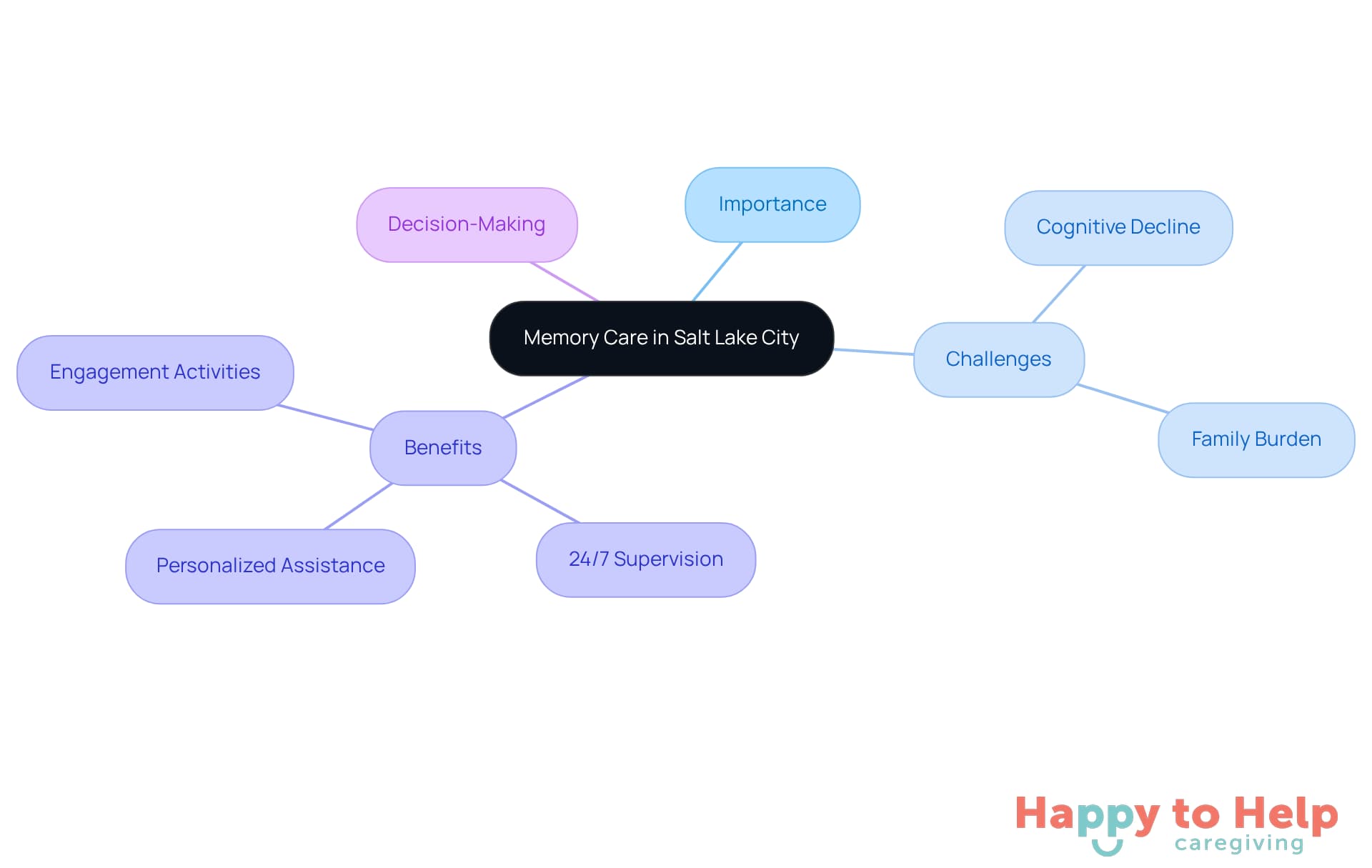
Memory support is a crucial form of long-term assistance tailored for individuals with Alzheimer's disease, dementia, or other memory-related conditions. In Salt Lake City, the challenge is particularly pressing for memory care, due to the increasing number of seniors experiencing cognitive decline. This situation not only affects the individuals but also places a significant burden on their families, who seek effective solutions for care.
Memory support facilities provide a secure environment where residents benefit from 24/7 supervision and personalized assistance. This support is vital for ensuring safety and enhancing the quality of life for those affected. Moreover, these facilities encourage participation through organized activities designed to boost cognitive function and overall well-being.
For families navigating these challenges, understanding the options for cognitive health support is essential. By choosing the right memory care Salt Lake City services, caregivers can ensure that their loved ones receive compassionate care tailored to their unique needs. This informed decision-making process is key to fostering a supportive environment that prioritizes both safety and engagement.
Identify Signs: When to Consider Memory Care for Your Loved One
Recognizing when a loved one may need assistance can be challenging. Several signals might indicate that it's time to consider support:
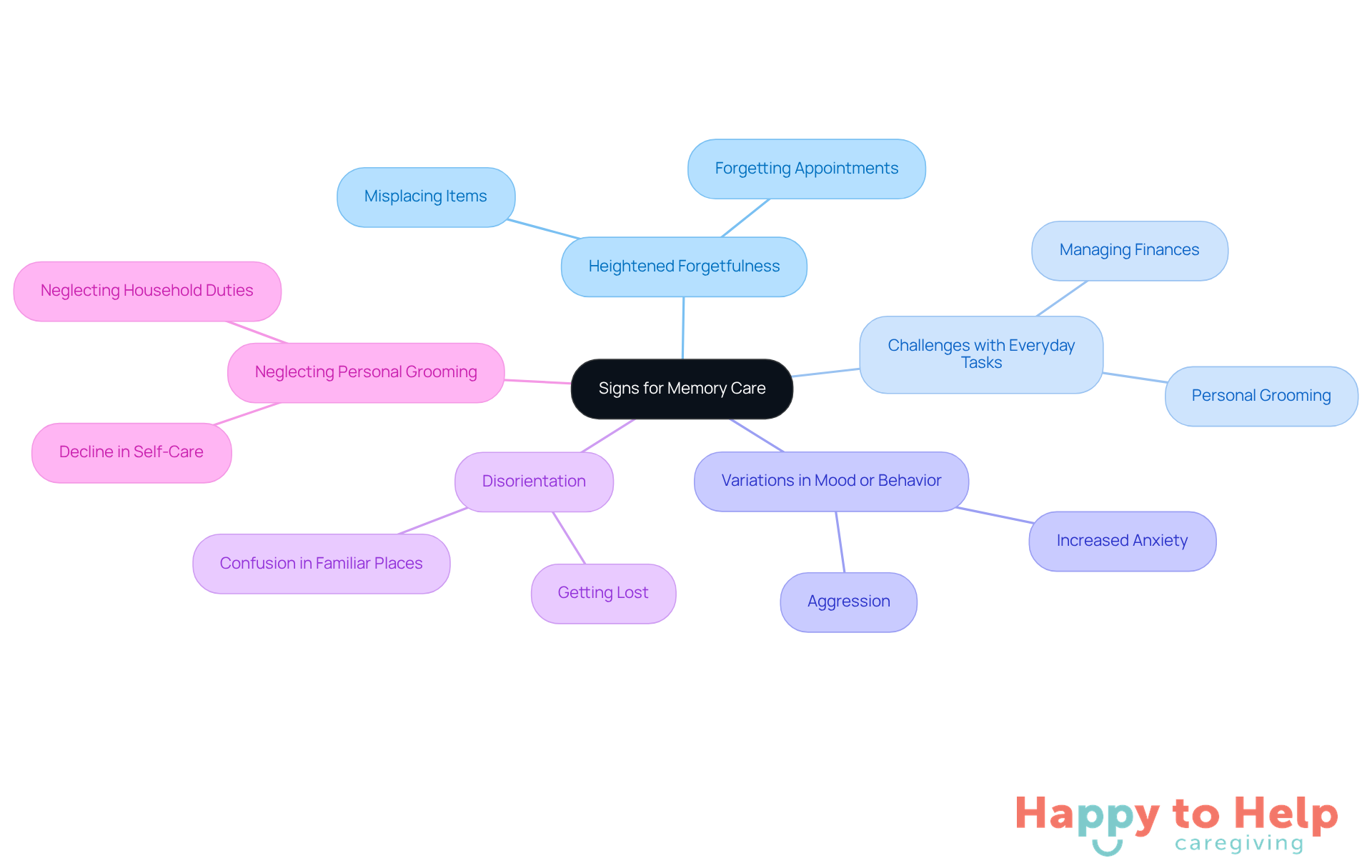
- Heightened forgetfulness: This includes misplacing items or forgetting appointments.
- Challenges with everyday tasks: Struggles with managing finances or personal grooming can be concerning.
- Variations in mood or behavior: Increased anxiety or aggression may signal underlying issues.
- Disorientation: Getting lost or confused in familiar places is a significant red flag.
- Neglecting personal grooming or household duties: This can indicate a decline in self-care.
If you observe these signs, it’s crucial to consult with a healthcare expert. They can assess the situation and determine the need for specialized services such as memory care Salt Lake City.
Differentiate Memory Care from Assisted Living: Key Distinctions
Memory support and assisted living in Salt Lake City both provide essential assistance for seniors, yet they fulfill different needs. The problem lies in understanding these differences, which can significantly impact the quality of care for individuals with cognitive impairments.
The implications of this misunderstanding are profound. Memory support is customized for those with cognitive challenges, offering specialized programs and trained personnel to effectively manage these conditions. Key distinctions include:
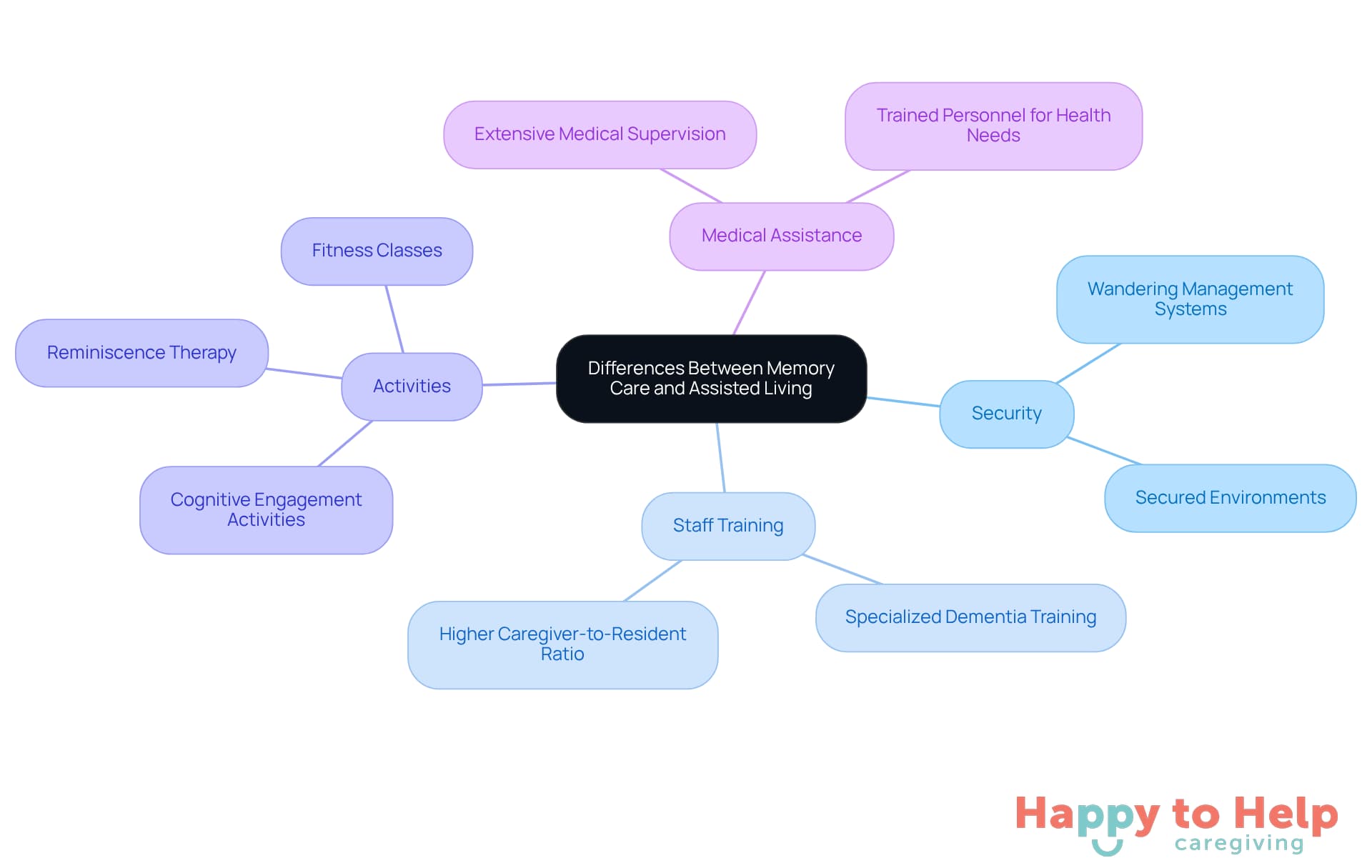
- Security: Memory support facilities typically feature secured environments designed to prevent wandering, ensuring residents' safety. About 91% of A Place for Mom’s affiliated facilities for individuals with cognitive challenges utilize wandering management systems, emphasizing their dedication to safety.
- Staff Training: Caregivers in cognitive support receive specialized instruction in dementia management methods, enabling them to address the distinct challenges linked to cognitive decline. This training is essential, as memory support communities often maintain a higher caregiver-to-resident ratio to ensure sufficient supervision and involvement.
- Activities: Memory support emphasizes cognitive engagement through customized activities that stimulate individuals' minds and promote social interaction. Many facilities offer programs such as reminiscence therapy and fitness classes, designed to enhance well-being and reduce feelings of isolation.
- Medical Assistance: Memory support frequently involves more extensive medical supervision, with personnel educated to identify and address the particular health requirements of individuals with dementia. This level of support is crucial, as nearly half of all residents in assisted living have high blood pressure, and 40% have Alzheimer's disease or other dementias.
The solution lies in comprehending these distinctions, which is essential for families pursuing the best options in memory care Salt Lake City for their loved ones. As highlighted by senior support specialist Maureen Bradley, "Often, safety is the primary reason for determining when to transition to cognitive assistance." Selecting the appropriate establishment can greatly influence the quality of life for seniors with cognitive impairments.
Explore Memory Care Options: Facilities and Services in Salt Lake City
Finding the right memory support center can be a daunting task for caregivers. With so many options available, it’s crucial to identify facilities that meet the unique needs of loved ones suffering from memory-related conditions. This challenge can lead to stress and uncertainty for families, as they seek the best possible care for their relatives.
Salt Lake City provides a variety of memory care Salt Lake City centers, each designed to accommodate distinct requirements. Here are some notable options:
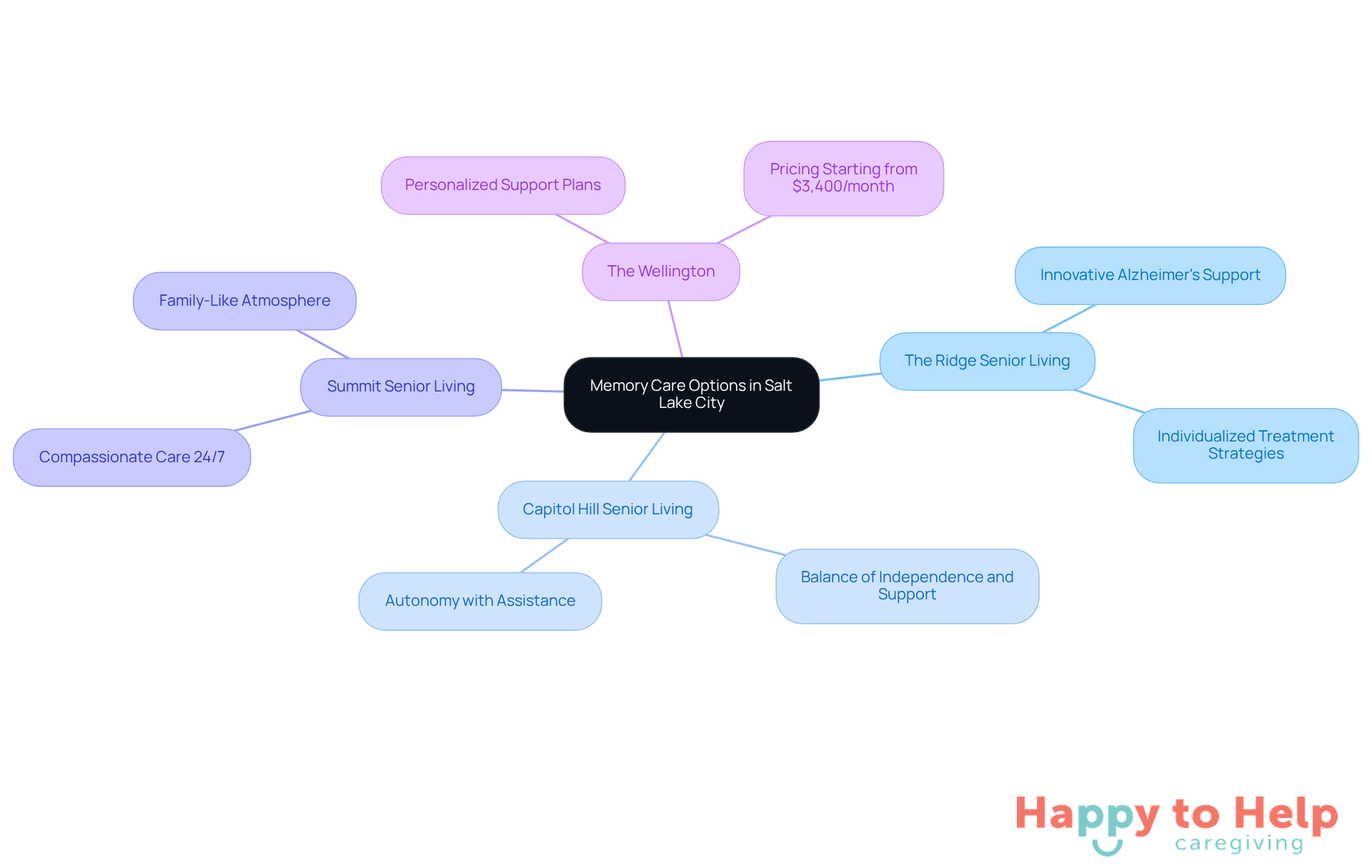
- The Ridge Senior Living: Known for its innovative approach to Alzheimer's support, this center emphasizes individualized treatment strategies that adapt to the evolving needs of residents.
- Capitol Hill Senior Living: This community strikes a balance between independence and support, allowing individuals to maintain their autonomy while receiving necessary assistance.
- Summit Senior Living: With compassionate care available around the clock, this establishment is dedicated to ensuring residents feel secure and supported at all times. One family shared, "The staff at Summit Senior Living treated my mother like family, ensuring she felt loved and cared for during her stay."
- The Wellington: Focused on creating personalized support plans, The Wellington tailors its services to align with the individual preferences and needs of each resident, with pricing starting from $3,400 per month.
Families are encouraged to visit these centers, inquire about their specific programs, and assess how well they align with their loved one's needs. Recent statistics indicate strong occupancy rates in memory care Salt Lake City facilities, reflecting a growing demand for specialized assistance. Testimonials from families highlight the positive experiences their loved ones have had, underscoring the compassionate care and supportive environments provided. For instance, individuals at Escalante at Coventry have expressed gratitude for the kind assistance offered during challenging times, emphasizing the importance of finding a facility that not only meets medical needs but also fosters emotional wellness.
Develop Personalized Care Plans: Tailoring Support for Individual Needs
Developing a tailored support strategy is essential for effectively assisting individuals in cognitive support. Caregivers often face the challenge of providing adequate help, which can lead to feelings of frustration and helplessness. Without a clear plan, the emotional and cognitive well-being of those in their care may suffer.
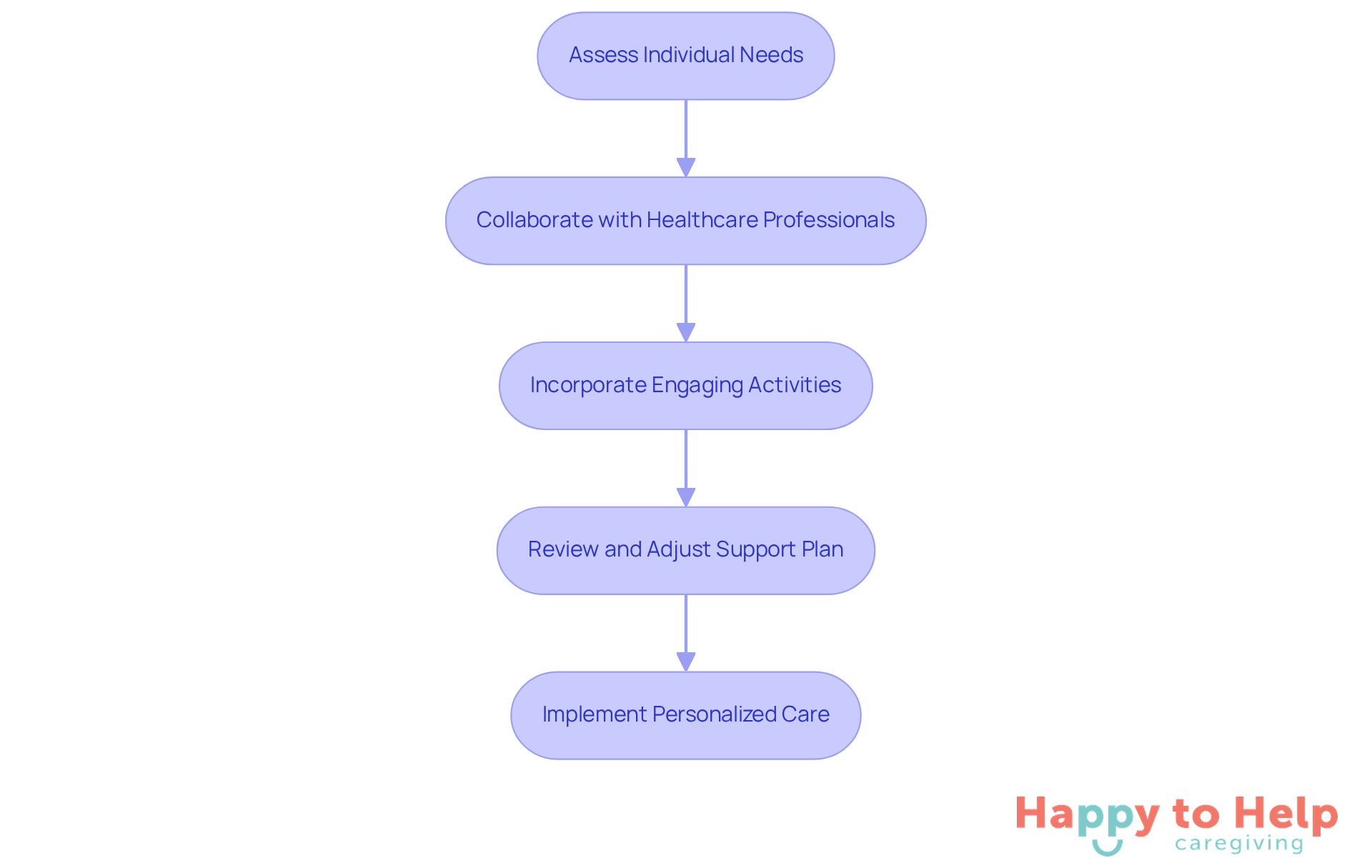
To address this issue, caregivers can implement several practical steps:
- Assess the individual's needs: Start by evaluating the person's medical history, preferences, and daily routines.
- Collaborate with healthcare professionals: Work together to identify specific support needs.
- Incorporate engaging activities: Include activities that promote cognitive engagement and emotional well-being.
- Review and adjust the support plan: Continuously adapt the strategy to meet the changing needs of the individual.
Research indicates that customized activities significantly enhance the quality of life for individuals receiving memory care in Salt Lake City. Studies show that personalized involvement can lead to a 30% improvement in cognitive function and emotional stability. As Tia Walker aptly states, "Caring for those who once cared for us is a profound honor," highlighting the importance of individualized support. Furthermore, Helen Keller reminds us that "the finest and most beautiful things in the world must be experienced with the heart," emphasizing the emotional bond that personalized support nurtures.
By focusing on personalized care, caregivers not only enrich the lives of residents but also provide families with reassurance that their loved ones are receiving the best possible care.
Making the Right Choice
Memory care in Salt Lake City presents a significant challenge for families dealing with cognitive impairments like Alzheimer's disease and dementia. The growing demand for specialized support highlights the urgent need for families to understand their options. Without tailored memory care, loved ones may struggle to maintain their quality of life, leaving families feeling overwhelmed and uncertain.
Recognizing the signs that indicate a need for memory care is crucial. Families often confuse memory care with assisted living, which can lead to inadequate support. Caregivers should explore the various facilities in Salt Lake City, each offering unique services designed to meet individual needs. Developing personalized care plans is essential for effective support, ensuring that each resident's emotional and cognitive well-being is prioritized.
As the memory care landscape evolves, families must actively seek information and connect with professionals who can guide them through this complex journey. By making informed decisions and advocating for personalized care, caregivers can significantly enhance their loved ones' lives. This commitment not only fosters environments that promote safety and engagement but also provides families with peace of mind during challenging times.
In summary, understanding and utilizing memory care services is vital. Families should take proactive steps to ensure their loved ones receive the comprehensive assistance they need, ultimately improving their quality of life.
https://iframe.tely.ai/cta/eyJhcnRpY2xlX2lkIjogIjY5MjEwYWJhZGI0NWVjMjkzNDBlODEyOSIsICJjb21wYW55X2lkIjogIjY4ZWU1ZGNhNzMxNzYyNTU3ZjNjOTVjMSIsICJpbmRleCI6IG51bGwsICJ0eXBlIjogImFydGljbGUifQ==Frequently Asked Questions
What is memory care and why is it important in Salt Lake City?
Memory care is a specialized form of long-term assistance designed for individuals with Alzheimer's disease, dementia, or other memory-related conditions. In Salt Lake City, the importance of memory care is heightened due to the increasing number of seniors experiencing cognitive decline, which not only affects the individuals but also places a significant burden on their families.
What services do memory support facilities offer?
Memory support facilities provide a secure environment with 24/7 supervision and personalized assistance. They enhance residents' safety and quality of life while encouraging participation through organized activities aimed at boosting cognitive function and overall well-being.
How can families choose the right memory care services in Salt Lake City?
Families should understand the options available for cognitive health support and choose memory care services that offer compassionate care tailored to their loved one's unique needs. This informed decision-making process is essential in fostering a supportive environment that prioritizes safety and engagement.
What signs might indicate that a loved one needs memory care?
Signs that may suggest a loved one needs memory care include heightened forgetfulness, challenges with everyday tasks, variations in mood or behavior, disorientation in familiar places, and neglecting personal grooming or household duties.
What should families do if they observe signs of cognitive decline in a loved one?
If families observe signs of cognitive decline, it is crucial to consult with a healthcare expert. They can assess the situation and determine the need for specialized services, such as memory care in Salt Lake City.
List of Sources
- Differentiate Memory Care from Assisted Living: Key Distinctions
- Assisted Living vs. Memory Care: 5 Key Differences (https://aplaceformom.com/caregiver-resources/articles/assisted-living-vs-memory-care)
- Facts & Figures (https://ahcancal.org/Assisted-Living/Facts-and-Figures/Pages/default.aspx)
- Memory Care Facility Statistics (https://rosewood-nursing.com/post/memory-care-facility-statistics)
- What happens behind closed doors? Investigating care practices in nursing home and assisted living memory care units - PMC (https://pmc.ncbi.nlm.nih.gov/articles/PMC11878529)
- DEMENTIA CARE IN ASSISTED LIVING: NEEDS AND CHALLENGES - PMC (https://pmc.ncbi.nlm.nih.gov/articles/PMC3093103)
- Explore Memory Care Options: Facilities and Services in Salt Lake City
- 5 Best Memory & Dementia Care Facilities in Salt Lake City, Utah | US News (https://health.usnews.com/best-senior-living/memory-care/utah/salt-lake-city)
- Osmond Senior Living Memory Care In Salt Lake - Get Pricing in Millcreek, UT | Seniorly (https://seniorly.com/assisted-living/utah/millcreek/osmond-senior-living-memory-care-in-salt-lake)
- Evaluation of the ‘Ladder to the Moon, Culture Change Studio Engagement Programme’ staff training: Two quasi-experimental case studies | Request PDF (https://researchgate.net/publication/313538369\_Evaluation\_of\_the\_'Ladder\_to\_the\_Moon\_Culture\_Change\_Studio\_Engagement\_Programme'\_staff\_training\_Two\_quasi-experimental\_case\_studies)
- Lessons from the Journey: Stories from Families Affected by Dementia - The KentRidge Senior Living (https://kentridgeseniorliving.com/blog/dementia-care-reflections-kentridge)
- Memory Care Facility Statistics (https://rosewood-nursing.com/post/memory-care-facility-statistics)
- Develop Personalized Care Plans: Tailoring Support for Individual Needs
- 25+ Inspirational Quotes for Caregivers (https://caringseniorservice.com/blog/quotes-for-caregiver-inspiration)
- 27 Inspirational Quotes for Caregivers (https://ultimatecareny.com/resources/27-quotes-for-caregivers)
- 20 Caregiver Quotes That Will Inspire You - MD Home Health (https://mdhomehealth.com/2018/06/10/20-caregiver-quotes-that-will-inspire-you)
- 70+ Inspirational Caregiver Quotes (https://h2hhc.com/blog/inspirational-caregiver-quotes)
- 42 inspirational quotes for caregivers (https://care.com/c/40-inspirational-caregiver-quotes)