
The Importance of The Cost of Home Care for the Elderly:
Navigating the financial landscape of home care for the elderly presents a significant challenge for many families. Costs can vary widely based on factors such as the type of care needed, caregiver qualifications, and geographic location. Understanding these expenses is essential for effective budgeting and decision-making.
As families strive to balance quality care with financial feasibility, they often wonder: how can they ensure their loved ones receive the necessary support without facing overwhelming financial strain? This article explores the intricacies of home care costs, offering valuable insights and practical solutions to help families make informed choices.
Explore the Fundamentals of Home Care Costs
Expenses related to the cost of home care for elderly individuals can vary significantly based on several factors, including the type of support needed, caregiver qualifications, and geographical location. In 2025, the national median cost for non-medical home assistance is around $33 per hour, with state charges ranging from $24 to $43 per hour. Understanding these basics is crucial for families to budget effectively and make informed decisions regarding the cost of home care for elderly support options.
Families often struggle with the unpredictability of the cost of home care for elderly, which can lead to financial strain.
The challenge lies in the fact that many families may not realize the full scope of expenses involved in the cost of home care for elderly individuals. For instance, while hiring a private caregiver might seem more affordable than going through an agency, families must also consider additional responsibilities like taxes and insurance.
Solution: To navigate these costs, here are key components to consider:
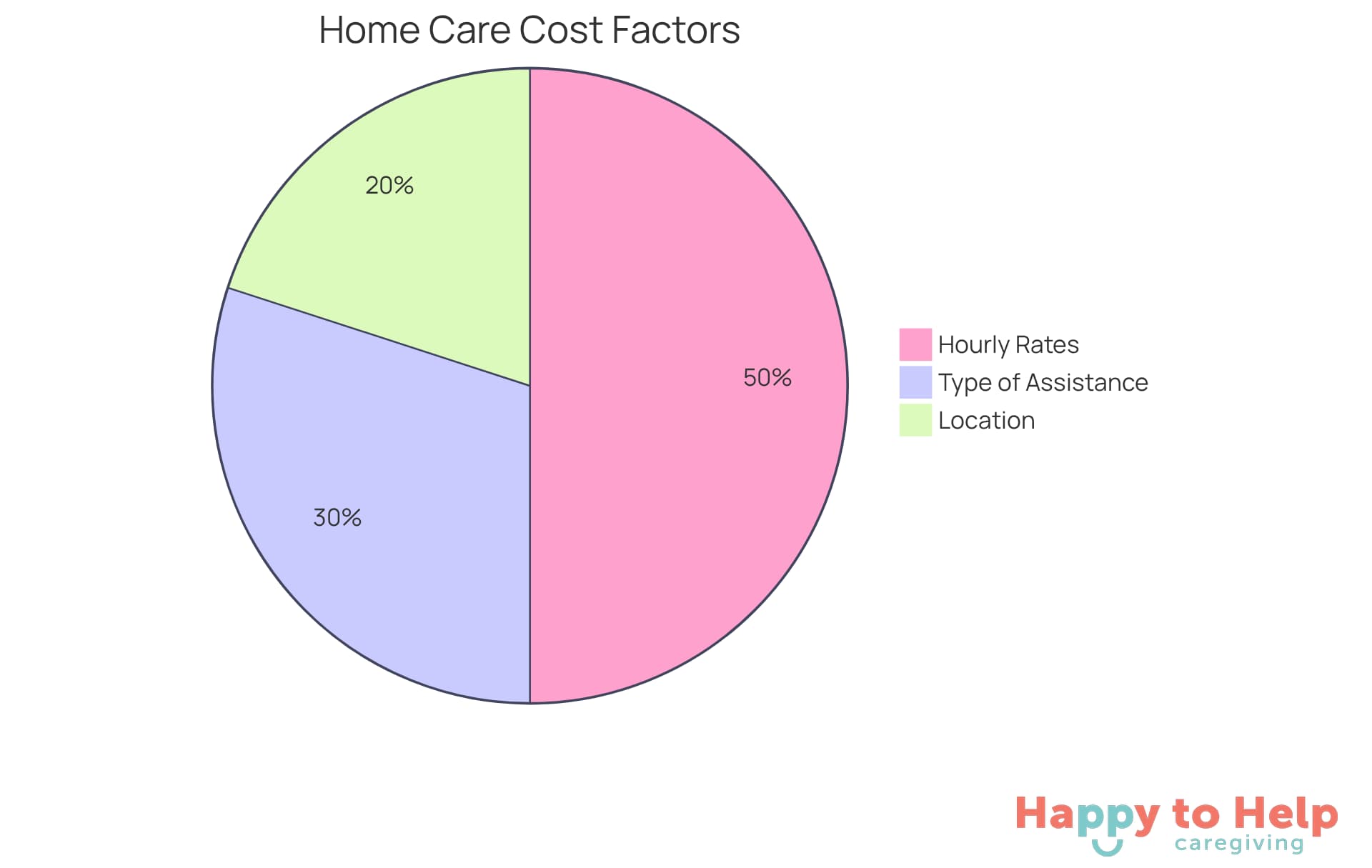
- Hourly Rates: Most home care services charge by the hour, influenced by the caregiver's experience and the complexity of care required.
- Type of Assistance: Different forms of support, such as companionship, personal care, or skilled nursing, come with varying costs. Generally, non-medical services are less expensive than those requiring specialized training.
- Location: Urban areas often have higher rates due to increased demand and cost of living.
Additionally, families should note that assistance with activities of daily living (ADLs) is tax-deductible, while housekeeping support is not. Preparing in advance for in-home assistance is essential; discussing the cost of home care for elderly proactively can ease transitions when help is needed. Community support programs, like Meals on Wheels, can also provide affordable or free assistance, further aiding families in managing expenses.
By grasping these fundamentals, families can better handle the financial aspects of home support, including the cost of home care for elderly, ensuring they select options that meet their loved ones' needs and fit their budget.
Identify Different Types of Home Care Services and Their Costs
Home care services present a challenge for families trying to navigate their options. With various types of care available, understanding the distinct pricing structures is crucial for making informed decisions.
-
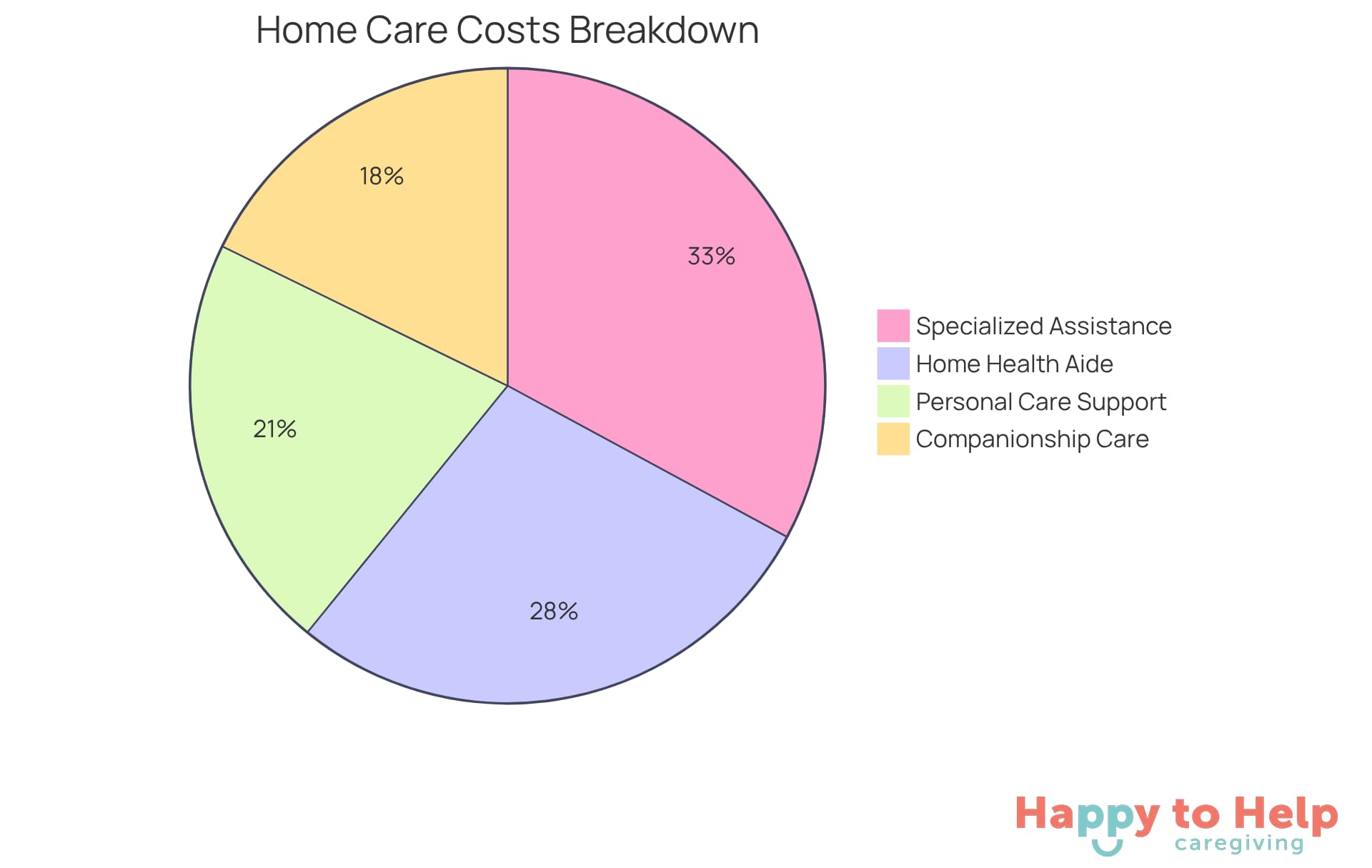
Companionship Care focuses on social interaction and emotional support, typically costing between $24 and $30 per hour. This service is ideal for seniors who may feel isolated and need someone to engage with them.
-
Personal Care Support involves assistance with daily activities like bathing, dressing, and grooming, generally ranging from $30 to $35 per hour. This type of care is essential for seniors who require help with activities of daily living (ADLs).
-
Home Health Aide Assistance may include medical support and monitoring, with costs usually between $35 and $50 per hour. The median hourly wage for a home health aide in the U.S. is $34, and these professionals are vital for seniors with more complex health needs.
-
For conditions requiring specific expertise, such as dementia support or post-surgery recovery, Specialized Assistance can exceed $50 per hour due to the specialized training involved.
Understanding these types of assistance and the cost of home care for elderly individuals is essential for families to select the most suitable support for their loved ones, ensuring both quality and affordability. In 2025, the typical expense of personal assistance services is anticipated to range from $25 to $35 per hour, reflecting the growing demand for in-home support. Costs may vary based on location and the level of assistance required. For example, a case study showed that 24/7 assistance from licensed caregivers can amount to approximately $12,000 each month.
Families should also consider the cost of home care for elderly when comparing hiring private caregivers versus agencies. Agencies often provide additional benefits, such as background checks and training, which can justify higher costs.
Analyze Factors Affecting Home Care Pricing
Several key factors contribute to the challenge of determining the cost of home care for elderly, creating a financial burden for many families.
-
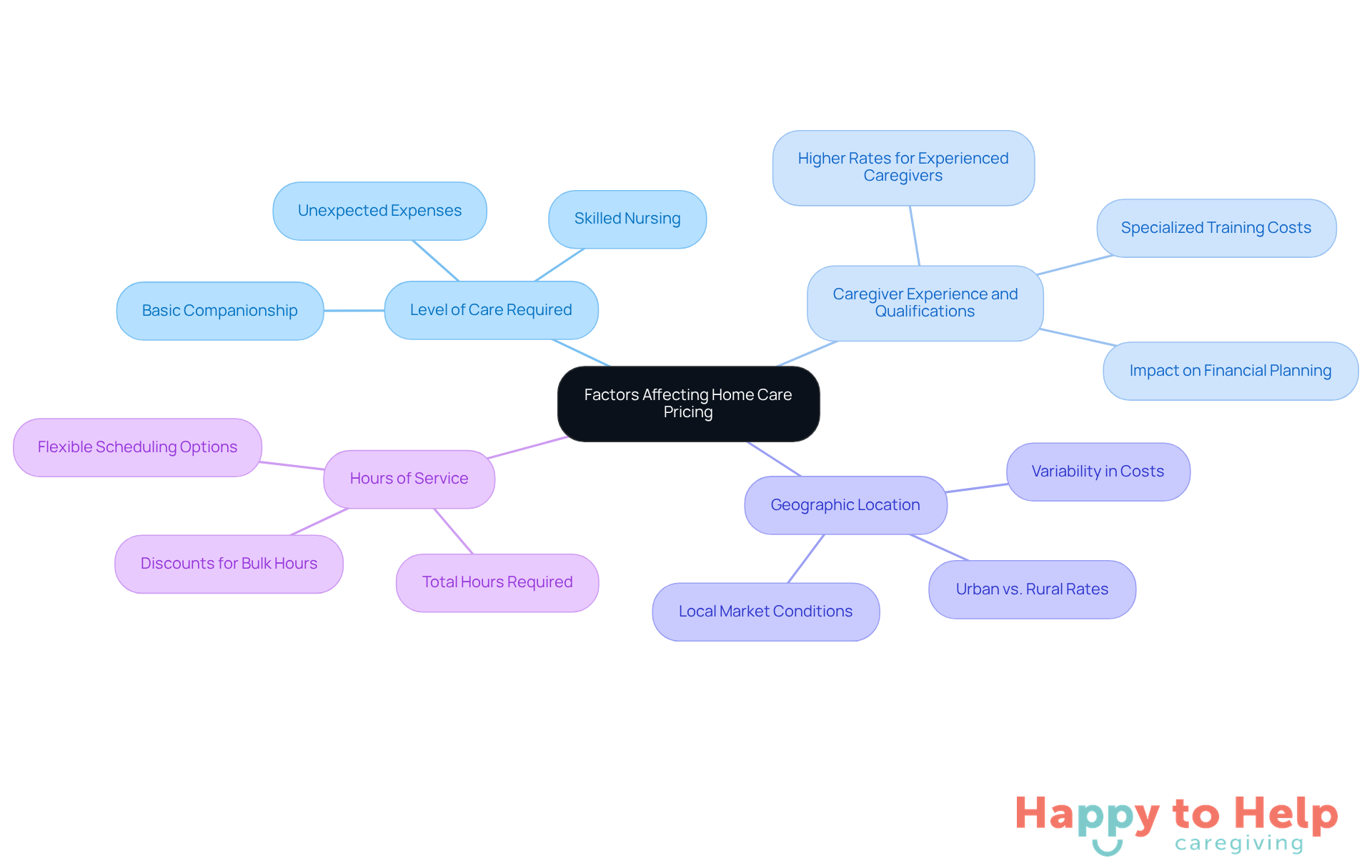
Level of Care Required: More intensive care needs, such as skilled nursing, naturally incur higher costs compared to basic companionship. This can lead to unexpected expenses that strain household budgets.
-
Caregiver Experience and Qualifications: Caregivers with more experience and specialized training often charge higher rates. While this expertise is valuable, it can further complicate financial planning for families.
-
Geographic Location: Costs can vary widely based on local market conditions. For instance, urban areas typically have higher rates than rural ones, making it essential for families to understand their local market.
-
Hours of Service: The total number of hours required per week also impacts pricing. Some agencies offer discounts for bulk hours, which can provide a more manageable financial solution.
By examining these elements, households can better prepare for the financial obligation associated with the cost of home care for elderly. Understanding these factors allows families to make informed decisions and explore options that may alleviate some of the financial pressure.
Evaluate Payment Options for Home Care Services
Families face significant challenges when it comes to financing the cost of home care for elderly services, leading to stress and uncertainty. Understanding the various options available is crucial for ensuring that loved ones receive the necessary support while maintaining financial stability.
-
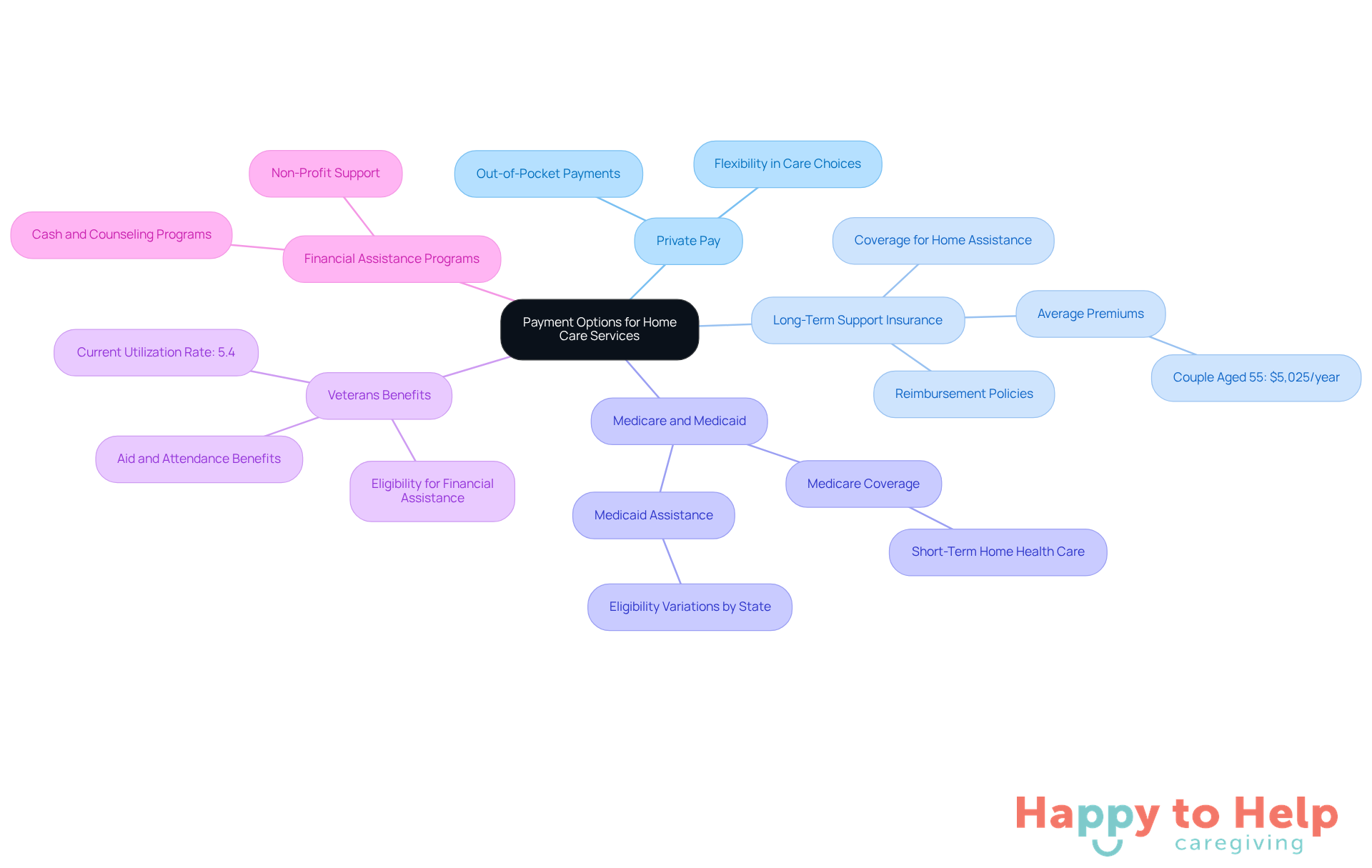
Private Pay: Many families choose to pay out-of-pocket using savings or income. This method offers flexibility in selecting caregivers and services tailored to specific needs, allowing families to prioritize what matters most.
-
Long-Term Support Insurance: Starting in 2025, long-term support insurance policies can cover a substantial portion of home assistance expenses, depending on the specific plan. Families should carefully review their policy details, as some plans may reimburse family caregivers while others only cover licensed providers. For instance, a couple aged 55 might pay an average yearly premium of about $5,025 for a policy that provides 3% annual benefits growth, creating a safety net for future assistance requirements.
-
Medicare and Medicaid: Medicare typically covers only short-term home health care following hospitalization, while Medicaid can assist eligible low-income seniors with long-term care needs. It's important for households to investigate local options, as Medicaid's coverage varies by state, to maximize available benefits.
-
Veterans Benefits: Veterans who served more than 90 days of active duty may qualify for financial assistance through programs like the Veterans Pension and 'aid and attendance' benefits. However, only around 5.4% of eligible veterans currently receive these benefits, underscoring the need for increased awareness and support in navigating the application process.
-
Financial Assistance Programs: Numerous non-profits and government initiatives provide financial support to households in need. Programs like Cash and Counseling enable caregivers to receive compensation for their services, alleviating some of the financial burdens associated with caregiving.
Evaluating these options is essential for families to determine how to effectively finance the cost of home care for elderly. By understanding the available resources, families can ensure their loved ones receive the necessary support while maintaining financial stability.
Moving Forward with The Cost of Home Care for the Elderly:
Understanding the financial landscape of home care for the elderly presents a significant challenge for families. The complexities of home care costs - shaped by caregiver qualifications, types of assistance, and geographic location - can create a daunting web of expenses. This complexity can lead to confusion and stress for families trying to secure the best support for their loved ones.
By recognizing these factors, families can make informed decisions that align with their needs and budgetary constraints. Key insights into the various types of home care services, from companionship to skilled nursing, reveal distinct pricing structures. Understanding individual care needs, caregiver experience, and local market conditions is crucial in navigating these costs effectively.
Moreover, exploring payment options - such as private pay, insurance, and financial assistance programs - equips families with the knowledge to finance these essential services. Being proactive and well-informed about the costs associated with home care not only alleviates financial strain but also ensures that seniors receive the quality care they deserve.
To confidently navigate the complexities of home care, families should assess available resources and options. By doing so, they can ensure their loved ones are supported in the comfort of their own homes.
https://iframe.tely.ai/cta/eyJhcnRpY2xlX2lkIjogIjY5MjI0Zjg5ZmViYTIxODdjZTM2NWJmMSIsICJjb21wYW55X2lkIjogIjY4ZWU1ZGNhNzMxNzYyNTU3ZjNjOTVjMSIsICJpbmRleCI6IG51bGwsICJ0eXBlIjogImFydGljbGUifQ==Frequently Asked Questions
What factors influence the cost of home care for elderly individuals?
The cost of home care can vary significantly based on the type of support needed, caregiver qualifications, and geographical location.
What is the national median cost for non-medical home assistance in 2025?
The national median cost for non-medical home assistance in 2025 is around $33 per hour, with state charges ranging from $24 to $43 per hour.
Why is it important for families to understand home care costs?
Understanding home care costs is crucial for families to budget effectively and make informed decisions regarding elderly support options.
What are some common challenges families face regarding home care costs?
Families often struggle with the unpredictability of home care costs, which can lead to financial strain. Many may not realize the full scope of expenses involved, such as taxes and insurance when hiring private caregivers.
What are the key components to consider when navigating home care costs?
Key components include hourly rates influenced by caregiver experience, the type of assistance needed (e.g., companionship, personal care, skilled nursing), and the geographical location, as urban areas typically have higher rates.
Are there any tax implications related to home care expenses?
Assistance with activities of daily living (ADLs) is tax-deductible, while housekeeping support is not.
What can families do to prepare for the costs of in-home assistance?
Families should prepare in advance by discussing the cost of home care proactively, which can ease transitions when help is needed. Community support programs, like Meals on Wheels, can also provide affordable or free assistance.
How can understanding home care costs benefit families?
By grasping the fundamentals of home care costs, families can better handle the financial aspects of support, ensuring they select options that meet their loved ones' needs and fit their budget.
List of Sources
- Explore the Fundamentals of Home Care Costs
- How Much Do In-Home Caregivers Cost? - WTOP News (https://wtop.com/news/2025/11/how-much-do-in-home-caregivers-cost)
- Home Care Costs in 2025: A State-by-State Guide (https://aplaceformom.com/caregiver-resources/articles/in-home-care-costs)
- 24/7 In-Home Care Costs in 2025 - Assisted Living Magazine (https://assistedlivingmagazine.com/24-7-in-home-care-costs-in-2025)
- Identify Different Types of Home Care Services and Their Costs
- Home Care Costs in 2025: A State-by-State Guide (https://aplaceformom.com/caregiver-resources/articles/in-home-care-costs)
- Cost of In-Home Care in California (2025) + 11 Ways to Pay (https://lovinghomecareinc.com/blog/cost-of-in-home-care-california)
- How Much Will Home Care Cost Per Month in 2025? | Home Care agency in New York (https://angelcareny.com/how-much-will-home-care-cost-per-month-in-2025)
- The Cost of In-Home Caregivers May Surprise You (https://health.usnews.com/senior-care/caregiving/articles/how-much-do-in-home-caregivers-cost)
- How Much Does In-Home Care Cost in 2025? A State-by-State Guide - Elder Answers (https://elder-answers.com/how-does-in-home-care-cost-in-2025)
- Analyze Factors Affecting Home Care Pricing
- 24/7 In-Home Care Costs in 2025 - Assisted Living Magazine (https://assistedlivingmagazine.com/24-7-in-home-care-costs-in-2025)
- Home Care Costs in 2025 | NYC Families Pricing Guide (https://allheartcare.com/home-care-costs-in-2025-complete-pricing-guide-for-nyc-families)
- What's Driving the Surge in Health Care Costs for 2025? (https://blog.nisbenefits.com/driving-health-care-costs-surge-2025)
- Home Care Industry Trends to Look Out for in 2025 (https://axiscare.com/blog/home-care-industry-trends)
- At Home Care Pricing: Essential Industry Statistics for 2025 - Assisting Hands Rockford (https://assistinghands.com/100/illinois/rockford/blog/at-home-care-pricing-essential-industry-statistics-for-2025)
- Evaluate Payment Options for Home Care Services
- How seniors can afford to age at home (https://cbsnews.com/news/how-seniors-can-afford-to-age-at-home)
- How to Finance Home Care Services - Home Matters (https://homematters.com/paying-for-home-care)
- How to Pay for a Home Care Worker (https://aarp.org/caregiving/financial-legal/afford-a-homecare-worker)
- 8 Strategies to Help Pay for Eldercare (https://investopedia.com/articles/personal-finance/102014/top-5-elder-care-strategies.asp)
- Paying for Long-Term Care (https://nia.nih.gov/health/long-term-care/paying-long-term-care)