Why What Causes Fatigue in the Elderly and Matters
Understanding the nuances of fatigue in the elderly is crucial. This pervasive issue often extends beyond mere tiredness, significantly impacting daily functioning and overall quality of life. Studies reveal that a staggering percentage of older adults experience persistent exhaustion, making it imperative for caregivers and family members to grasp the underlying causes and their implications.
The implications of fatigue can be profound. It can lead to decreased mobility, increased risk of falls, and a decline in mental health. Caregivers may find it challenging to address these issues without a clear understanding of the root causes. So, how can caregivers effectively combat this multifaceted challenge?
To ensure that seniors regain their vitality and engagement in life, caregivers can implement several practical solutions:
- Encourage regular physical activity: Simple exercises can boost energy levels and improve mood.
- Promote a balanced diet: Nutritional support is vital for maintaining energy.
- Establish a consistent sleep routine: Quality sleep can significantly reduce feelings of fatigue.
By addressing these areas, caregivers can help mitigate the effects of fatigue and enhance the quality of life for the elderly.
Defining Fatigue in Older Adults
Understanding what causes fatigue in elderly individuals is essential, as it presents a significant challenge characterized by a persistent sense of weariness, tiredness, or lack of energy that doesn’t improve with rest. Unlike temporary tiredness, this exhaustion can severely impair daily functioning and diminish quality of life. It often manifests as a reduced ability to engage in activities, decreased motivation, and a general sense of malaise.
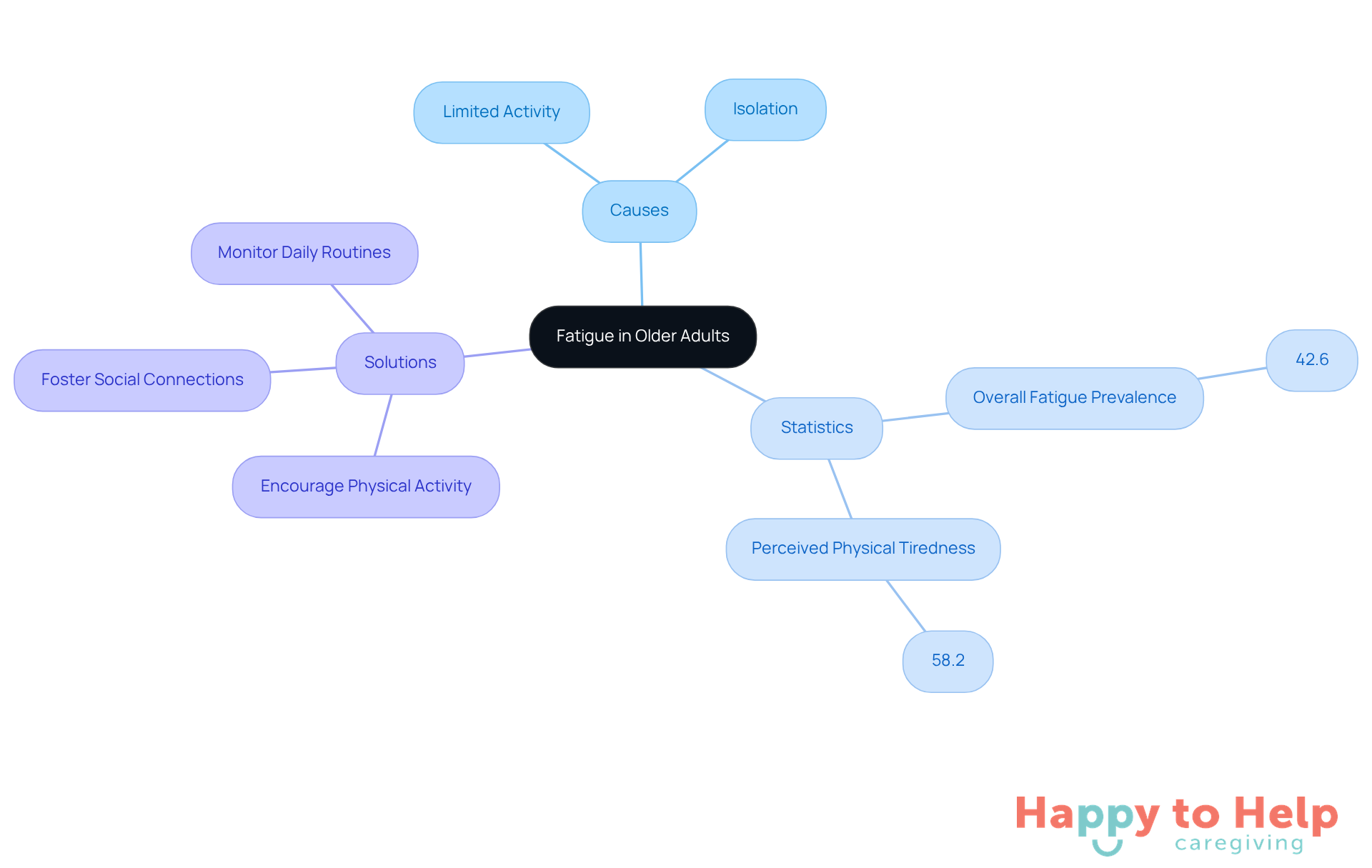
For caregivers and family members, understanding what causes fatigue in elderly individuals is crucial. Research indicates that what causes fatigue in elderly individuals is notably high, with 42.6% (95% CI, 26.2%-59.0%) reporting fatigue, and perceived physical tiredness at 58.2% (95% CI, 49.2%-67.2%). This underscores the importance of recognizing tiredness as a significant health concern rather than a mere aspect of aging.
What causes fatigue in elderly individuals aged 70 and above is primarily limited activity, leading to a cycle of inactivity that worsens feelings of malaise and isolation. This cycle adversely affects overall quality of life. As noted by Zhang et al., tiredness is not just a symptom but a multifactorial condition that can greatly impact seniors' well-being, which raises questions about what causes fatigue in elderly.
To address this issue, caregivers should focus on identifying and addressing exhaustion. Here are some actionable solutions:
- Encourage regular, gentle physical activity to combat fatigue.
- Foster social connections to reduce feelings of isolation.
- Monitor and adjust daily routines to ensure adequate rest and engagement.
By implementing these strategies, caregivers can significantly improve the well-being of seniors, ensuring they receive the care they require.
Identifying Common Causes of Fatigue
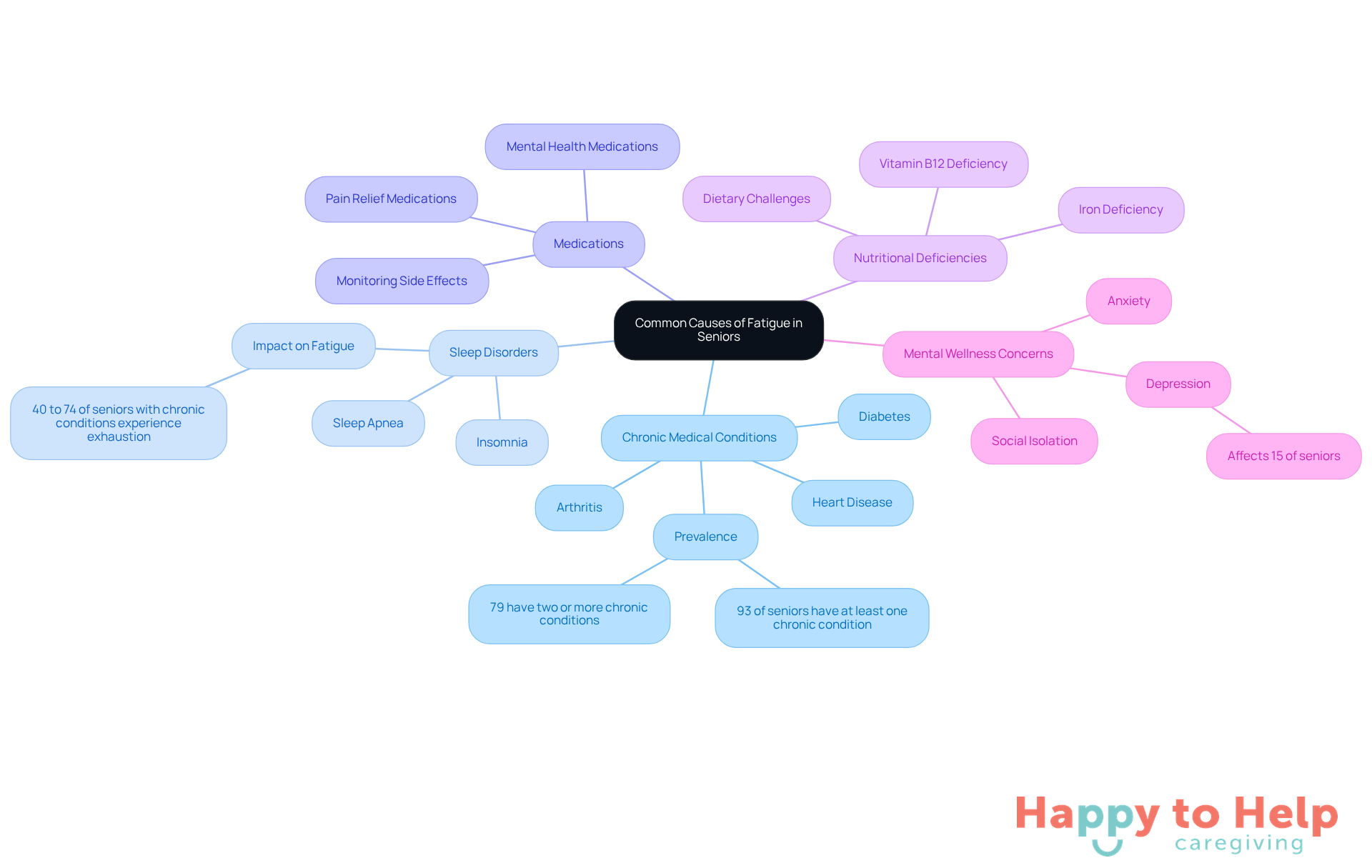
Recognizing the shared reasons for exhaustion in senior individuals is essential for efficient caregiving. Caregivers face a significant challenge: understanding what causes fatigue in elderly individuals. Key contributors include:
-
Chronic medical conditions: Diseases such as diabetes, heart disease, and arthritis are prevalent among older adults, with approximately 93% living with at least one chronic condition. These illnesses can result in ongoing tiredness, significantly affecting daily life.
-
Sleep disorders: Conditions like sleep apnea and insomnia disrupt restorative sleep, leading to daytime tiredness. Studies indicate that 40% to 74% of elderly individuals with chronic conditions experience exhaustion, underscoring the connection between sleep issues and fatigue.
-
Medications: Many seniors take medications for various health concerns. Certain drugs, particularly those for pain relief or mental well-being, can cause tiredness as a side effect. Caregivers should monitor these effects and consult healthcare providers when necessary.
-
Nutritional deficiencies: A lack of essential nutrients, such as vitamin B12 or iron, can lead to exhaustion. Older individuals often struggle to maintain a balanced diet, which can further contribute to tiredness.
-
Mental wellness concerns: Depression and anxiety significantly impact tiredness, affecting approximately 15% of seniors. These conditions can be worsened by social isolation, making it crucial for caregivers to provide emotional support and encourage social engagement.
Identifying what causes fatigue in elderly individuals allows caregivers to tailor their assistance effectively, addressing the complex aspects of exhaustion in seniors. As Dr. Ardeshir Hashmi notes, exhaustion often requires a multifaceted approach to treatment, highlighting the importance of comprehensive care.
Implementing Effective Management Strategies
Understanding what causes fatigue in elderly adults is a significant issue that can impact their quality of life. This tiredness can stem from various factors, including what causes fatigue in elderly, such as poor sleep, inadequate nutrition, and lack of physical activity. For caregivers who aim to support their loved ones effectively, understanding what causes fatigue in elderly individuals is crucial.
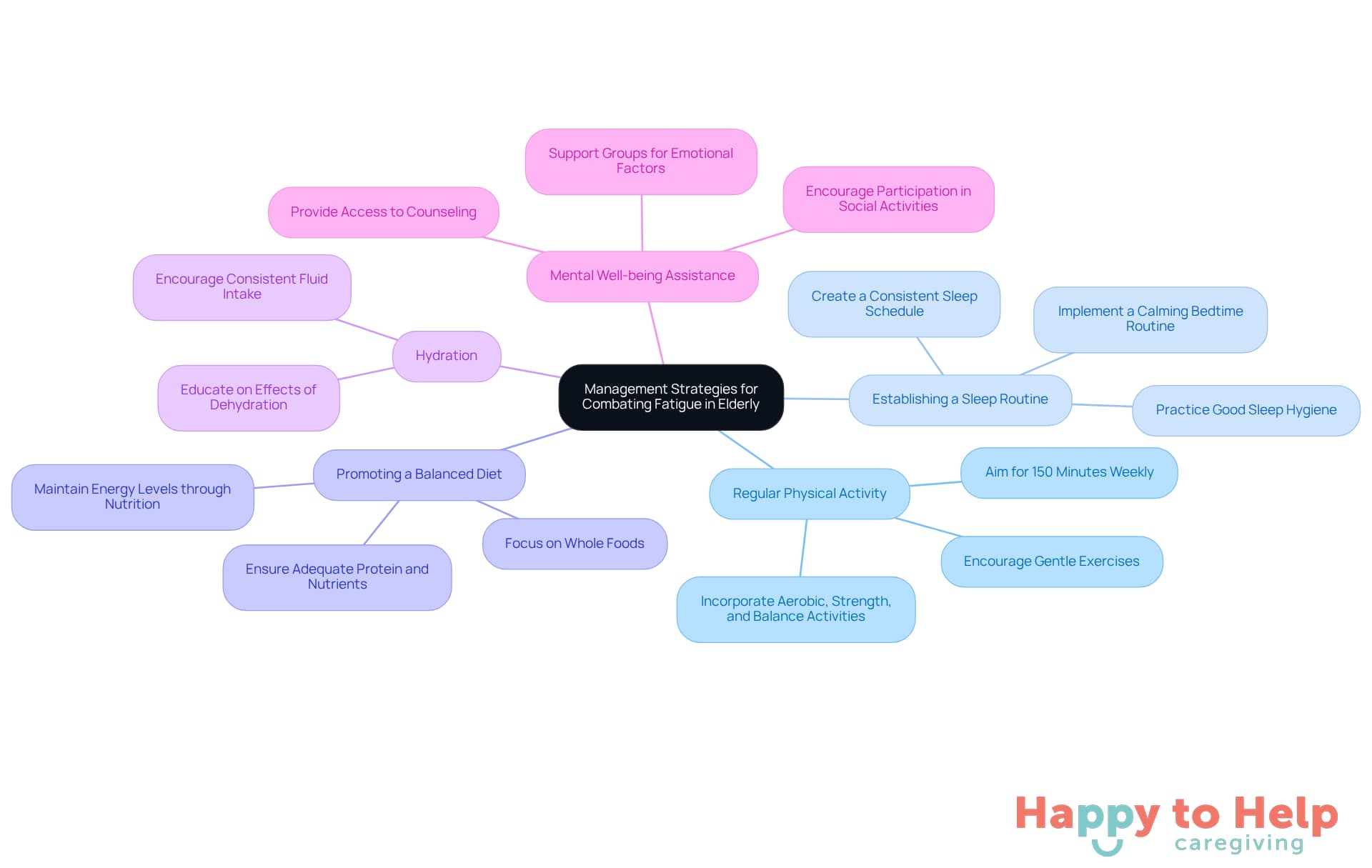
To combat fatigue, caregivers can implement several effective management strategies:
-
Encouraging regular physical activity: Engaging in gentle exercises, such as walking or stretching, can significantly boost energy levels and enhance overall health. Regular physical activity is linked to a reduced risk of developing chronic conditions and can improve sleep quality, which is crucial for combating fatigue. Specialists recommend that seniors strive for a minimum of 150 minutes of exercise each week, incorporating aerobic, strength, and balance activities.
-
Establishing a sleep routine: Creating a consistent sleep schedule and a calming bedtime routine can greatly enhance sleep quality. Good sleep hygiene is a powerful yet often underappreciated element that enhances brain function, immune performance, and mental well-being. Research indicates that older individuals who uphold a consistent sleep schedule enjoy enhanced overall well-being, which is important for understanding what causes fatigue in elderly, including better cognitive performance and decreased tiredness.
-
Promoting a balanced diet: Ensuring adequate nutrition with a focus on whole foods helps maintain energy levels. A balanced diet abundant in protein, vegetables, and nutritious grains promotes physical health and can provide insights into what causes fatigue in elderly. Research indicates that a well-rounded diet contributes to overall wellness and energy maintenance.
-
Hydration: Promoting consistent fluid consumption is vital, as dehydration can worsen sensations of tiredness. Staying hydrated helps maintain energy and cognitive function, which are vital for daily activities. Even mild dehydration can contribute to what causes fatigue in elderly, resulting in heightened tiredness and reduced alertness.
-
Mental well-being assistance: Offering access to counseling or support groups can help tackle emotional factors contributing to tiredness. Mental well-being is closely linked to physical health, and addressing what causes fatigue in elderly can empower support systems to help seniors engage more actively in their lives. Participating in social events can also assist in alleviating boredom and loneliness, which may lead to exhaustion.
By applying these strategies, caregivers can help seniors experience notable enhancements in energy levels and overall well-being, promoting a more active and satisfying lifestyle.
Creating Personalized Care Plans for Fatigue
Understanding what causes fatigue in elderly individuals presents a significant challenge for caregivers. Understanding what causes fatigue in elderly individuals is important, as it can stem from various underlying issues, including chronic conditions and medication side effects, which can severely impact their quality of life. Understanding these factors is crucial for caregivers aiming to provide effective support.
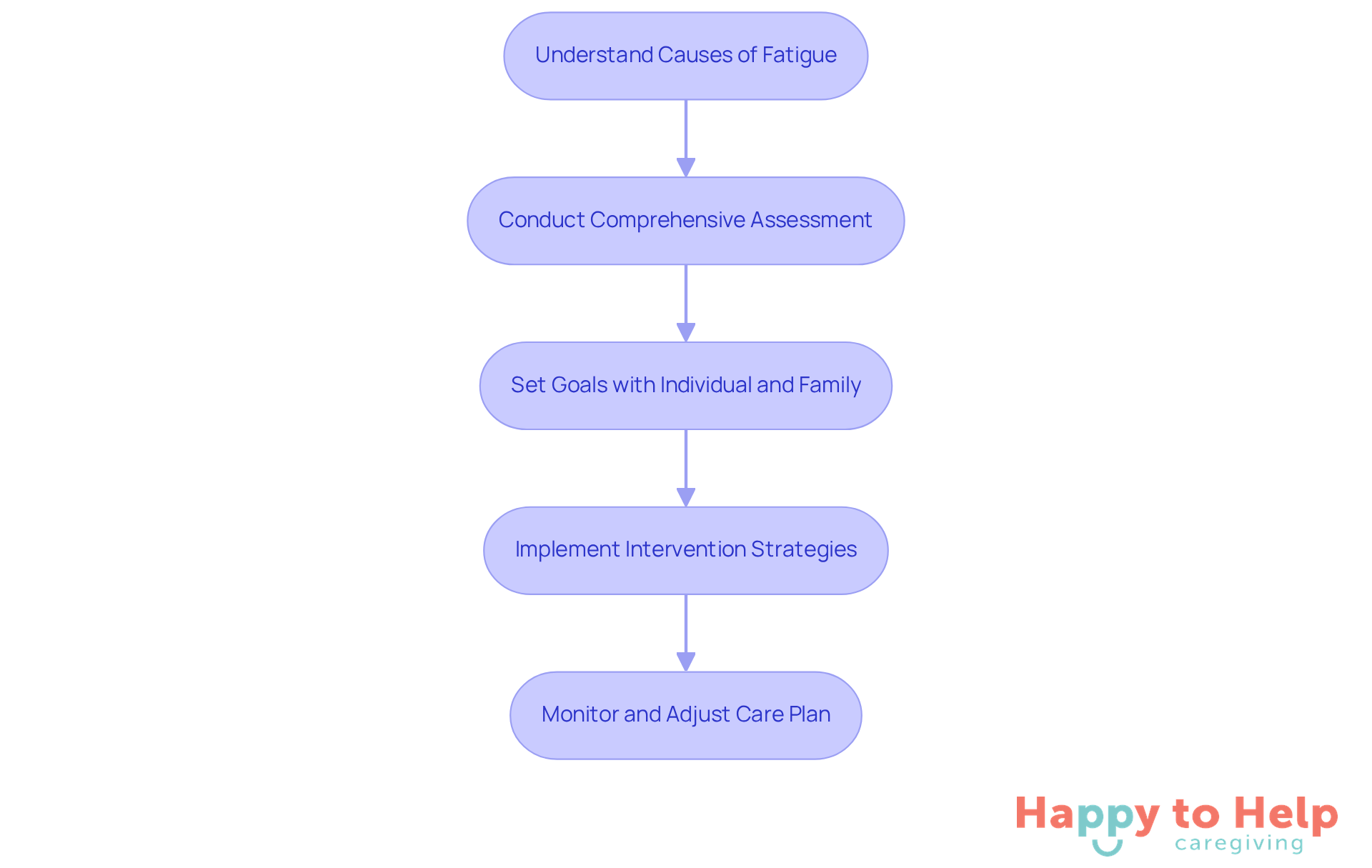
To address this issue, caregivers should begin with a comprehensive assessment. This involves evaluating the individual's health status, including their medical history, current medications, and lifestyle factors. A thorough assessment helps identify what causes fatigue in elderly individuals, enabling caregivers to tailor their approach effectively.
Next, goal setting is essential. Collaborating with the individual and their family to establish realistic and achievable goals related to energy levels and daily activities fosters a sense of ownership and motivation. This engagement is vital for successful outcomes, as it empowers clients to take an active role in their care.
Implementing intervention strategies is the next step. Caregivers should develop a personalized plan that combines physical, nutritional, and emotional support. For example, incorporating light exercise, balanced nutrition, and social engagement can significantly enhance energy levels and overall well-being.
Finally, monitoring and adjustment are crucial for ongoing success. Regularly reviewing the care plan allows caregivers to evaluate its effectiveness and make necessary adjustments based on feedback and changes in the individual's condition. Continuous monitoring ensures that the care plan remains relevant and responsive to the client's evolving needs.
By prioritizing personalized care, caregivers can profoundly improve the quality of life for older adults by addressing what causes fatigue in elderly, helping them regain energy and engage more fully in their daily lives.
Key Takeaways for Caregivers
Understanding the causes and management of fatigue in elderly individuals is vital for improving their quality of life. This persistent weariness can stem from various factors, including chronic health conditions, sleep disorders, medication side effects, nutritional deficiencies, and mental health issues. Recognizing that fatigue is not merely a byproduct of aging but a significant health concern allows caregivers to provide more effective support and interventions.
Fatigue in seniors presents a serious challenge for caregivers. It can lead to decreased mobility, increased dependency, and a diminished quality of life. Addressing this issue is crucial, as it affects not only the elderly individuals but also their families and caregivers who strive to provide the best care possible.
To combat fatigue, caregivers can implement tailored management strategies. Here are some actionable steps:
- Encourage regular physical activity to boost energy levels.
- Promote a balanced diet rich in essential nutrients.
- Establish good sleep hygiene practices to improve rest.
- Ensure proper hydration throughout the day.
- Address mental well-being through social engagement and support.
Creating personalized care plans through comprehensive assessments and ongoing monitoring can significantly enhance the energy levels and overall well-being of older adults. By prioritizing these strategies, caregivers can help elderly individuals reclaim their vitality and engage more actively in their daily lives, fostering a sense of fulfillment and improving their overall health.
Ultimately, addressing fatigue in seniors requires a multifaceted approach that combines physical, nutritional, and emotional support. Taking action today can lead to meaningful improvements in the lives of those affected by fatigue, ensuring they receive the care and attention they deserve.
https://iframe.tely.ai/cta/eyJhcnRpY2xlX2lkIjogIjY5MjEwYTk4MzQ1YjIxNjczMmEyNzAzOCIsICJjb21wYW55X2lkIjogIjY4ZWU1ZGNhNzMxNzYyNTU3ZjNjOTVjMSIsICJpbmRleCI6IG51bGwsICJ0eXBlIjogImFydGljbGUifQ==Frequently Asked Questions
What is fatigue in older adults?
Fatigue in older adults is characterized by a persistent sense of weariness, tiredness, or lack of energy that does not improve with rest. It can severely impair daily functioning and diminish quality of life.
How does fatigue differ from temporary tiredness?
Unlike temporary tiredness, fatigue in older adults is a more profound exhaustion that leads to reduced ability to engage in activities, decreased motivation, and a general sense of malaise.
What percentage of elderly individuals report experiencing fatigue?
Research indicates that approximately 42.6% of elderly individuals report fatigue, with 58.2% experiencing perceived physical tiredness.
What are the primary causes of fatigue in elderly individuals aged 70 and above?
The primary cause of fatigue in elderly individuals aged 70 and above is limited activity, which creates a cycle of inactivity that worsens feelings of malaise and isolation.
Why is it important for caregivers to understand fatigue in older adults?
Understanding fatigue is crucial for caregivers and family members as it is a significant health concern that can greatly impact the well-being of seniors, rather than being seen as a mere aspect of aging.
What are some strategies caregivers can use to combat fatigue in seniors?
Caregivers can encourage regular, gentle physical activity, foster social connections to reduce isolation, and monitor daily routines to ensure adequate rest and engagement.
List of Sources
- Defining Fatigue in Older Adults
- Frontiers | Risk factors of fatigue among community-dwelling older adults in Bahir Dar, Northwest Ethiopia: a community-based cross-sectional study (https://frontiersin.org/journals/public-health/articles/10.3389/fpubh.2024.1491287/full)
- Prevalence of fatigue and perceived fatigability in older adults: a systematic review and meta-analysis - PubMed (https://pubmed.ncbi.nlm.nih.gov/39924533)
- Prevalence of fatigue and perceived fatigability in older adults: a systematic review and meta-analysis - Scientific Reports (https://nature.com/articles/s41598-025-88961-x)
- The association of physical activity with perceived fatigability among community-dwelling older adults aged ≥60 years in regional China - PMC (https://pmc.ncbi.nlm.nih.gov/articles/PMC12280341)
- Fatigue is common among older adults, and it has many possible causes (https://news-medical.net/news/20230404/Fatigue-is-common-among-older-adults-and-it-has-many-possible-causes.aspx)
- Identifying Common Causes of Fatigue
- Top 10 Chronic Conditions Affecting Older Adults (https://ncoa.org/article/the-top-10-most-common-chronic-conditions-in-older-adults)
- Fatigue is common among older adults, and it has many possible causes • Oregon Capital Chronicle (https://oregoncapitalchronicle.com/2023/04/17/fatigue-is-common-among-older-adults-and-it-has-many-possible-causes)
- Fatigue in Older Adults (https://nia.nih.gov/health/fatigue/fatigue-older-adults)
- Feeling tired in older age (https://medicalnewstoday.com/articles/what-causes-sudden-extreme-fatigue-in-elderly)
- Implementing Effective Management Strategies
- Treating Fatigue is Key to Maximizing Health as You Age (https://kansashealthsystem.com/news-room/blog/2023/09/treating-fatigue-is-key-to-maximizing-health-as-you-age)
- 10 Inspirational Quotes for Active Seniors (https://blog.originway.ca/inspirational-quotes-active-seniors)
- Feeling tired in older age (https://medicalnewstoday.com/articles/what-causes-sudden-extreme-fatigue-in-elderly)
- Physical Activity Benefits for Adults 65 or Older (https://cdc.gov/physical-activity-basics/health-benefits/older-adults.html)
- Energize Your Golden Years: 34 Senior Fitness Quotes for Inspiration - Cozy Chris (https://cozychris.com/senior-fitness-quotes)
- Creating Personalized Care Plans for Fatigue
- AI must optimize home care, continuity, and early detection for older adults (https://news-medical.net/news/20251007/AI-must-optimize-home-care-continuity-and-early-detection-for-older-adults.aspx)
- Novel Care Model May Improve Outcomes for Older Adults With Multiple Chronic Conditions (https://consultqd.clevelandclinic.org/novel-care-model-may-improve-outcomes-for-older-adults-with-multiple-chronic-conditions)
- Customized Care at Home: The Benefits of Personalized Care Plans - VNA Health Group (https://vnahg.org/customized-care-at-home-the-benefits-of-personalized-care-plans)
- 20 Inspirational Senior Care Quotes (https://1plus1cares.com/20-inspirational-senior-care-quotes)
- (https://belleviecare.co.uk/support-advice/60-elderly-care-quotes-to-lift-your-spirits)