What You Need to Know About Companion Care Services
Companion care services have become a vital lifeline for seniors, tackling the widespread issue of loneliness that many elderly individuals face. This loneliness can weigh heavily on their hearts, affecting not just their emotional well-being but also their physical health and independence. By offering personalized companionship, these services provide more than just company; they nurture the spirit and promote a sense of belonging.
But how can families ensure that their loved ones receive the most comprehensive support possible? What specific benefits can they expect from these tailored care solutions? These are important questions, and the answers lie in understanding the profound impact that compassionate care can have on a senior's life.
Imagine a world where your loved one feels connected, valued, and supported. Companion care services can help create that reality, offering emotional and practical support that truly makes a difference. Families can rest assured knowing that their loved ones are not just receiving care, but are also engaging in meaningful interactions that enrich their lives.
As we explore the benefits of these services, let’s remember that the journey of caregiving is not just about meeting physical needs; it’s about fostering emotional connections and ensuring that our seniors feel loved and cherished.
Happy to Help Caregiving: Personalized Companionship for Seniors
At Happy to Help Caregiving, we truly understand the emotional challenges that older adults face. Loneliness can be a heavy burden, and it’s something that affects one in three elderly individuals. That’s why we excel in providing a companion care service that ensures each client receives care tailored to their unique needs. This individualized approach not only enhances emotional well-being but also fosters a profound sense of belonging and security within the comfort of their own homes.
Our caregivers are expertly trained to engage clients in meaningful activities that resonate with their interests. This promotes a fulfilling daily routine that aligns with their lifestyle, helping to alleviate feelings of isolation. By prioritizing emotional support and companionship in our companion care service, we create an environment where older adults can thrive.
The benefits of companionship are significant. In fact, older individuals utilizing home support report 25% fewer doctor appointments annually, showcasing the positive outcomes linked to regular interaction with caregivers. This customized support enhances the lives of older adults and leads to improved health results, as it encourages active involvement in everyday life.
At Happy to Help Caregiving, we are dedicated to understanding the importance of emotional wellness in aging. Every elder deserves a caring companion who recognizes their unique journey. Families are encouraged to consider companion care service as a vital support for their loved ones, enhancing both their emotional and physical well-being. Together, we can create a nurturing environment that fosters connection and joy.
Reduced Loneliness: The Emotional Support of Companion Care
Companion care service is vital in easing loneliness among older adults, providing them with consistent emotional support and companionship. Caregivers engage in meaningful conversations, share stories, and participate in activities that resonate with older adults, creating a bond that significantly diminishes feelings of isolation. This emotional connection is crucial for enhancing mental health and overall happiness.
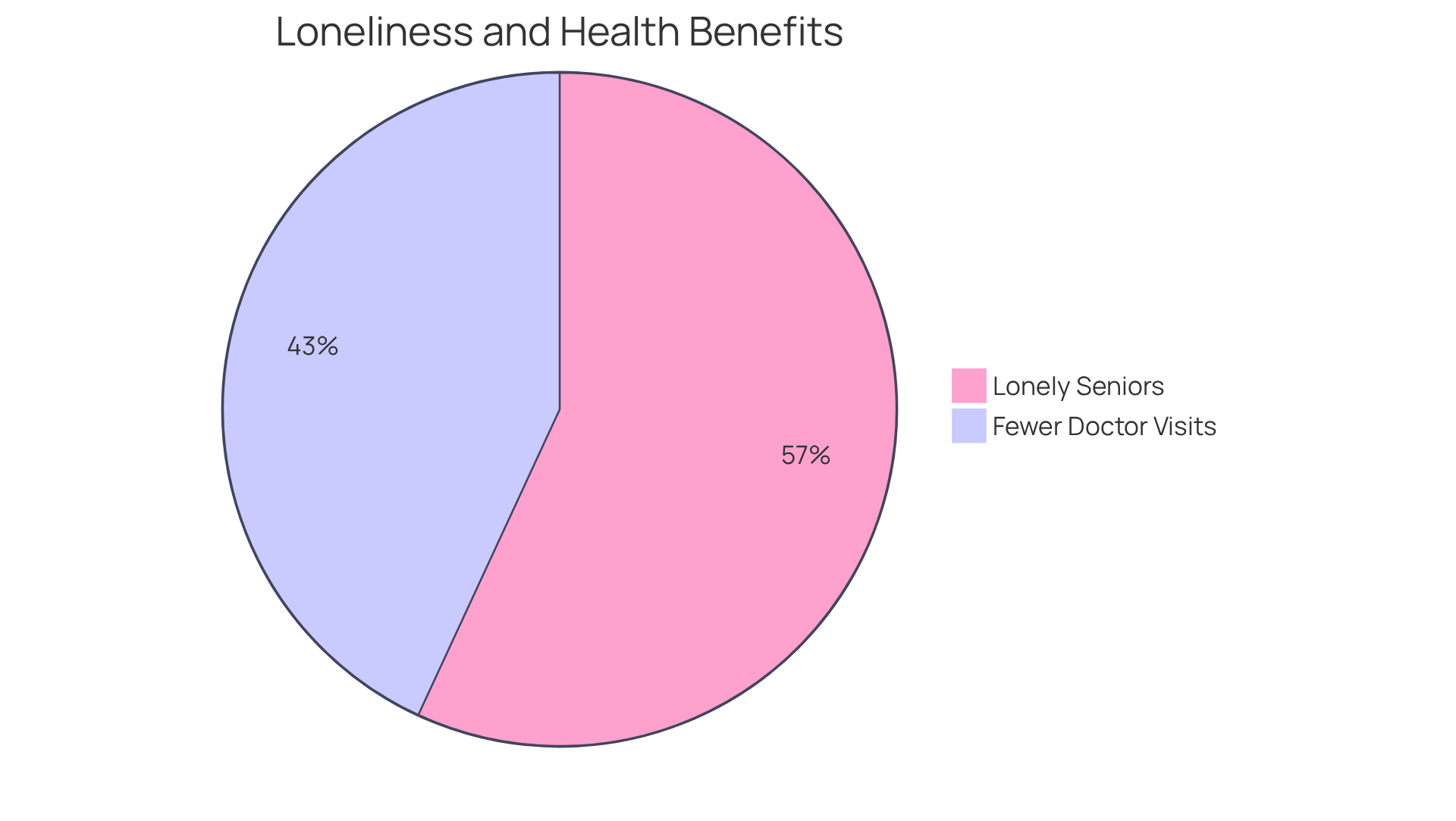
In 2023, 37% of older adults reported feeling a lack of companionship, down from 41% in 2020. This shift highlights a positive trend in companionship among the elderly. Moreover, studies show that elderly individuals who receive a companion care service enjoy improved mental well-being, as they maintain a sense of dignity and purpose while receiving help with daily activities.
Engaging in social activities not only combats loneliness but also promotes cognitive stimulation, essential for keeping the mind sharp. The emotional benefits of companionship are profound, helping older adults feel valued and understood, which leads to a more fulfilling life at home.
It's also important to note that 55% of individuals with fair or poor physical health reported feelings of isolation. This statistic underscores the critical role companionship plays in addressing the needs of at-risk elderly individuals. By fostering connections and providing support, we can help ensure that no one has to face their golden years alone.
Enhanced Independence: Daily Living Support Through Companion Care
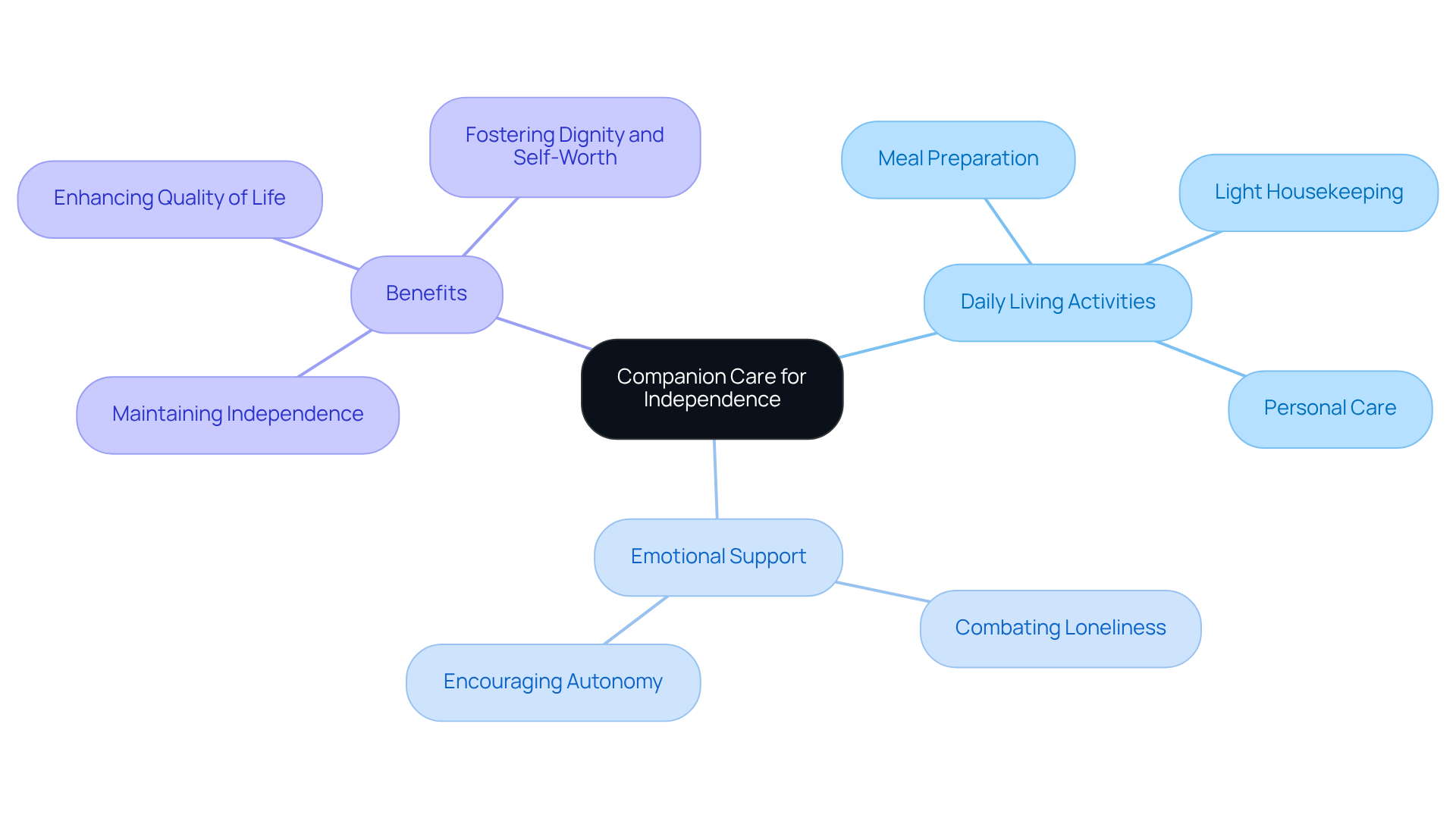
Companion care is essential for helping older adults maintain their independence. It provides support with daily living activities like meal preparation, light housekeeping, and personal care tasks. Caregivers play a crucial role in encouraging seniors to engage in these activities, fostering a sense of autonomy and control over their lives.
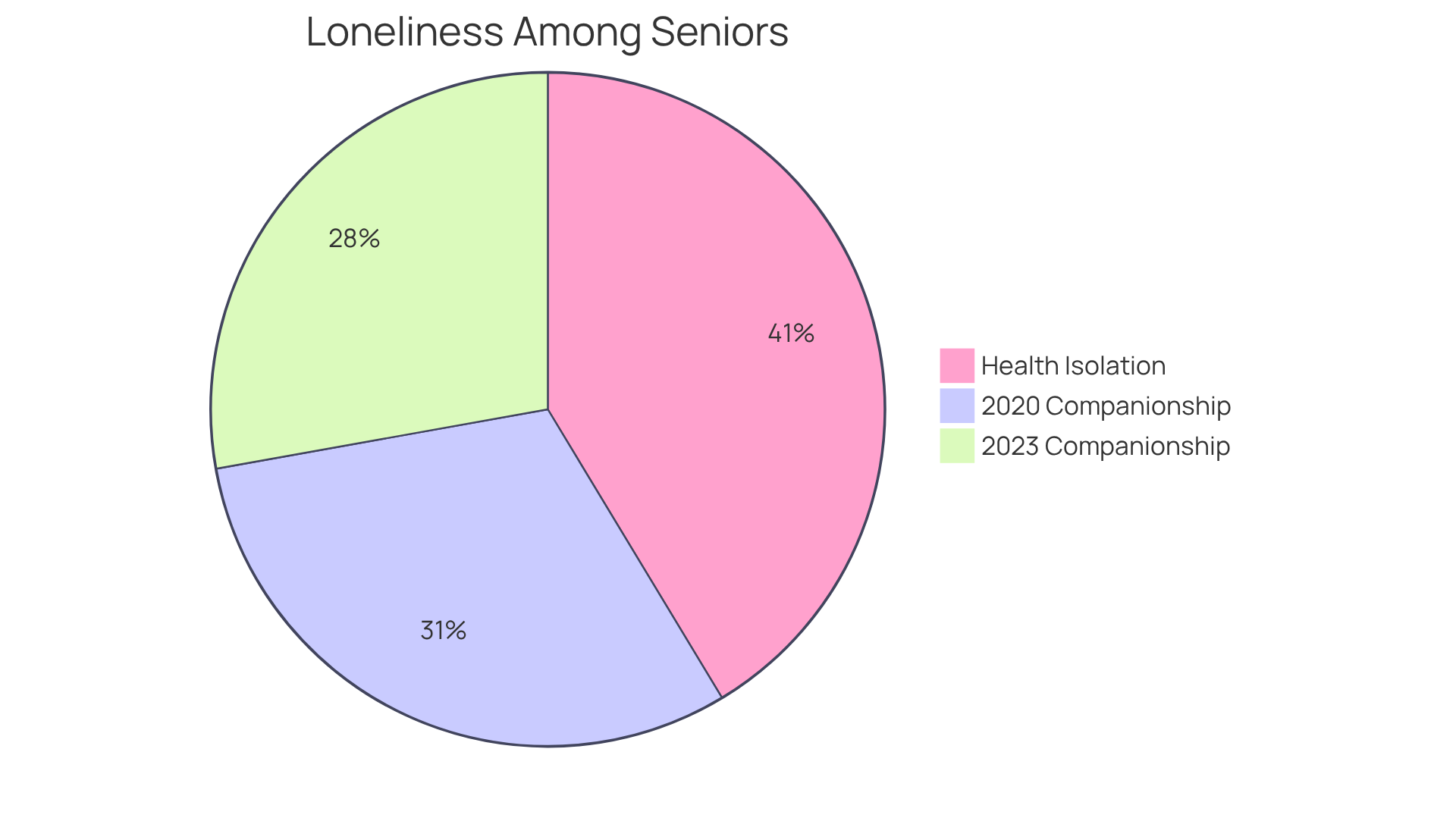
This kind of support not only helps elderly individuals keep their routines and preferences but also reinforces their dignity and self-worth. Research shows that 44% of home recipients need assistance with at least one daily activity, highlighting the critical need for personalized support. Occupational therapists emphasize that promoting independence in elderly care is vital for enhancing overall well-being, allowing older adults to lead fulfilling lives in their own homes.
For instance, companion aides often assist with grocery shopping and meal preparation, enabling seniors to enjoy their favorite dishes while preserving a sense of normalcy. It's also important to recognize that one in three adults aged 50-80 report feeling isolated at least some of the time. This underscores the significance of companionship in combating loneliness.
By facilitating these daily activities and offering emotional support, companion assistance greatly enhances the quality of life for older adults, helping them age gracefully and with dignity. Family caregivers are encouraged to explore companion care service options that prioritize these aspects, ensuring their loved ones receive the compassionate support they truly need.
Improved Quality of Life: Companionship's Positive Impact on Seniors
Companionship is vital for enhancing the quality of life for older adults. Engaging in social events, exploring interests, and sharing experiences not only bring joy and fulfillment but also help preserve independence and dignity as we age. It's heartening to know that seniors who enjoy regular companionship report much higher levels of happiness and life satisfaction.
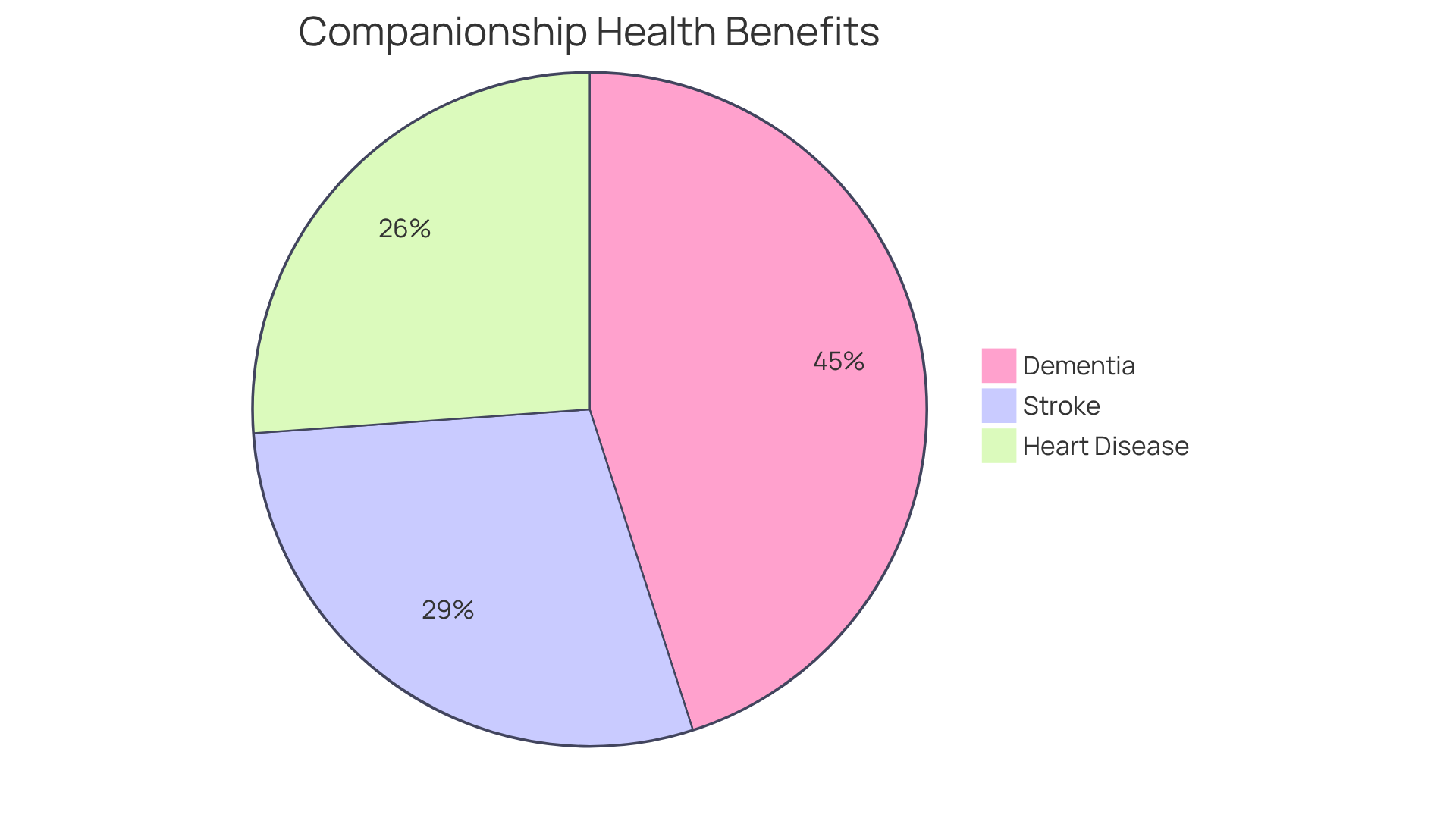
Research reveals that the companion care service can significantly reduce the risk of:
- Dementia by 50%
- Stroke by 32%
- Heart disease by 29%
The emotional support offered by companion care service caregivers alleviates feelings of loneliness and boosts overall physical health, leading to improved well-being and longevity. By participating in group activities and cherishing shared moments, older adults can lead richer, more vibrant lives, highlighting the crucial link between social involvement and health.
As one expert beautifully stated, "As we age, staying socially connected becomes just as important as eating well and staying active." Moreover, technology can play a supportive role, helping seniors maintain connections with loved ones and enhancing their social engagement. This blend of in-person interactions and digital connections fosters a nurturing environment where older adults can thrive.
Peace of Mind: Family Assurance with Companion Care Services
Families find comfort in knowing their loved ones receive compassionate care through a companion care service provided by trained companions. This peace of mind allows family members to focus on their own responsibilities, free from the constant worry about their loved one's well-being. Regular updates and open communication from caregivers further strengthen this sense of security.
It's natural for caregivers to feel overwhelmed and stressed. The emotional toll can be heavy, but there are solutions available. With the help of a companion care service, families can navigate these challenges together, ensuring that their loved ones are cared for with kindness and respect.
Hearing from others who have experienced this journey can be incredibly reassuring. Personal stories and testimonials highlight the nurturing care provided, fostering a deeper emotional connection. Families can rest assured that their loved ones are in good hands, receiving the attention and compassion they deserve.
In this way, families can embrace their roles with confidence, knowing that they are not alone. The support available is designed to alleviate stress and promote well-being for everyone involved.
Flexible Scheduling: Tailored Companion Care for Individual Needs
At Happy to Help Caregiving, we truly understand the unique challenges faced by elderly individuals and their families. We know that each person has distinct needs, and that’s why we offer adaptable scheduling choices. Whether it’s daily visits, weekly companionship, or just occasional support, our caregivers are here to adjust their availability to meet those needs.
This flexibility is not just about convenience; it’s about ensuring that older adults receive the right level of support when they need it most. Imagine the comfort and peace of mind that comes from knowing help is always available, tailored to fit your loved one’s routine. Our goal is to enhance their comfort and satisfaction, making every moment a little brighter.
We believe that compassionate care can make a world of difference. Our caregivers are not just providers; they are companions who genuinely care. They bring warmth and understanding into every visit, creating a nurturing environment where seniors can thrive. By selecting us, you’re not just choosing a service; you’re opting for a companion care service that acts as a partner in care.
Social Engagement: Encouraging Activities and Interaction
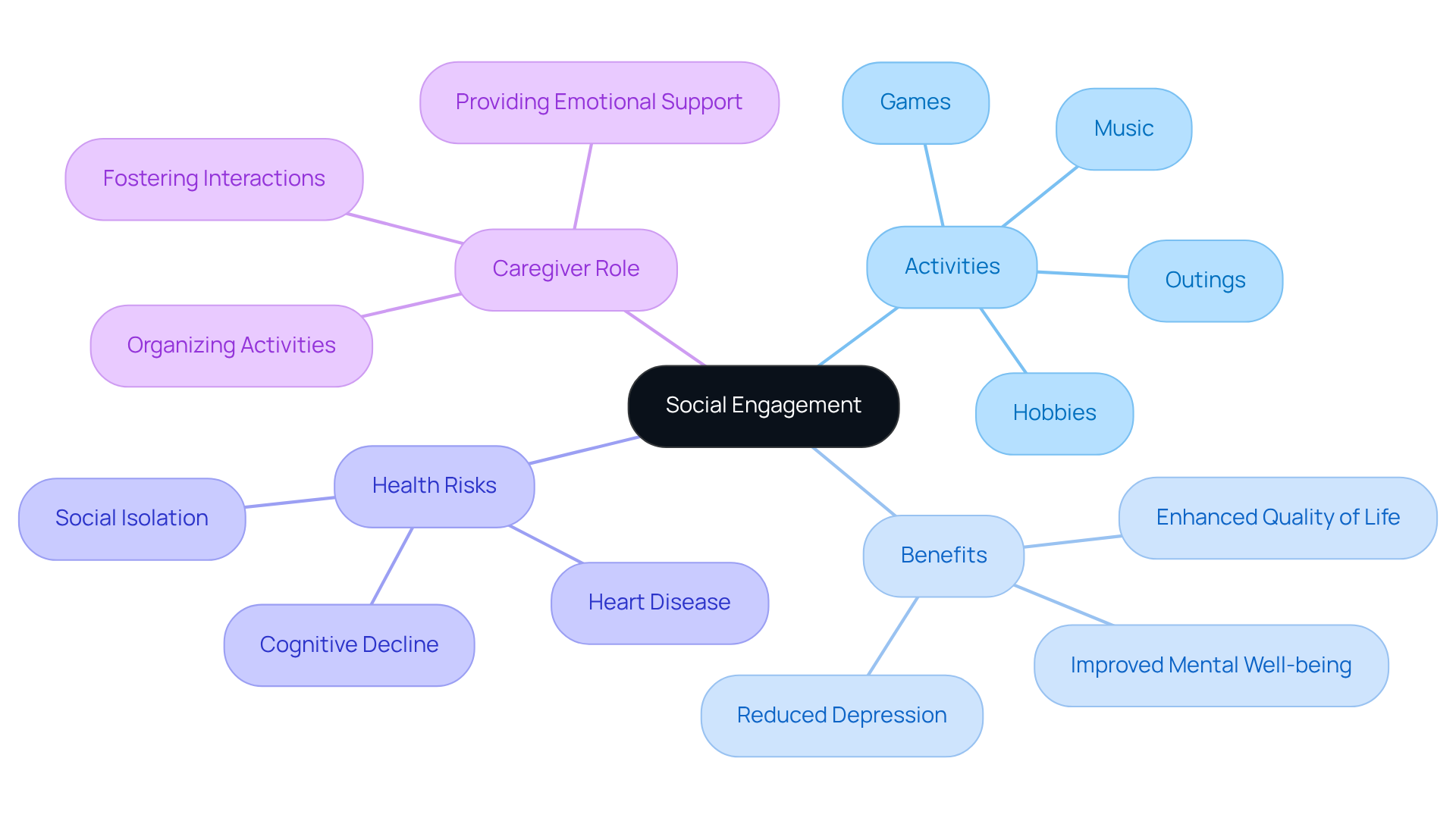
Companion care service is essential in nurturing social engagement among seniors, offering a range of activities that cater to their interests. Caregivers often organize outings, games, and hobbies that spark conversation and boost cognitive function. It's heartening to know that regular social interaction can significantly enhance mental well-being, reducing the risk of depression and cognitive decline.
Consider this: up to 1 in 3 older adults may face the challenges of social isolation, which can lead to serious health risks like stroke, heart disease, diabetes, cognitive decline, and even premature death. However, seniors who maintain regular social interactions often experience improved emotional and physical well-being, crucial for preventing issues such as dementia and heart disease.
Caregivers are specially trained to foster these interactions, ensuring that activities are not only enjoyable but also beneficial. By encouraging involvement in hobbies like gardening, crafting, or music, caregivers help older adults rediscover passions that enhance their quality of life. As Ann Smith, RN Owner Care at Home, beautifully puts it, "Social engagement is critically important for an older adult’s mental health if they are aging in place."
This compassionate approach not only combats loneliness but also nurtures a sense of purpose and belonging. Social engagement truly becomes a cornerstone of effective companion care service, offering reassurance and connection in the lives of seniors.
Safety Assurance: Preventing Accidents with Companion Support
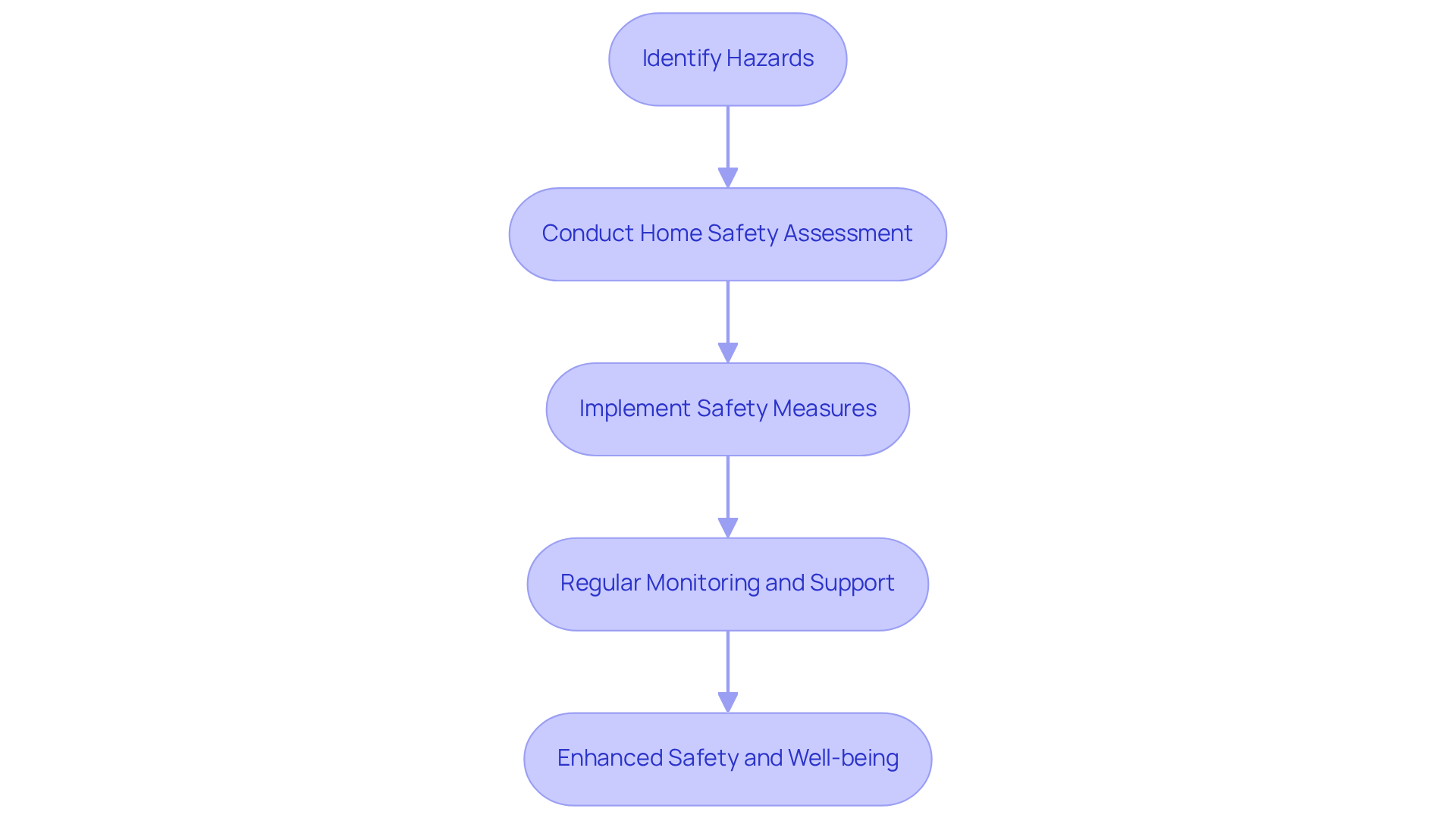
Companion helpers play a crucial role in safeguarding elderly individuals in their homes. They’re not just there to assist; they actively spot potential hazards, like loose rugs or dim lighting, and take steps to reduce risks. For instance, caregivers ensure that pathways are clear and provide the necessary support for elderly individuals as they move about. Their immediate assistance during emergencies is vital, fostering a sense of safety and confidence.
Effective accident prevention strategies begin with regular home safety assessments, which healthcare professionals strongly endorse. In fact, every ER physician agrees that an annual Home Safety Assessment is essential for elderly individuals living at home. These assessments can reveal risks that might lead to falls, a leading cause of injury among older adults. The CDC highlights that one in three elderly individuals falls each year, underscoring the importance of preventive measures.
Caregivers also significantly contribute to promoting safe practices. They encourage the use of assistive devices and help elderly individuals stay aware of their surroundings. Simple changes, like installing grab bars in bathrooms, enhancing outdoor lighting, and adding ramps or zero-step entrances, can greatly improve safety. Safety experts note that these adjustments not only lower the risk of accidents but also empower older adults to maintain their independence.
Data shows that targeted home safety interventions can lead to a meaningful reduction in fall-related injuries. Some studies suggest a 33% decrease in treatment costs over three years. Falls account for 25% of all hospital admissions and 40% of nursing home admissions, highlighting the critical nature of these interventions. By fostering a safe environment, the companion care service allows elderly individuals to thrive at home, ultimately enhancing their overall well-being.
Health Management: Facilitating Communication with Healthcare Providers
Companion care service providers are truly vital in ensuring the health of older adults. They foster effective communication with healthcare providers, which is so important. Imagine preparing questions for medical appointments-this helps older adults voice their concerns and truly understand their treatment options. By guiding elderly individuals with their medication routines and providing timely information to family members, support providers enhance the overall experience of care. This support is crucial; research shows that effective communication can significantly improve health outcomes for older adults.
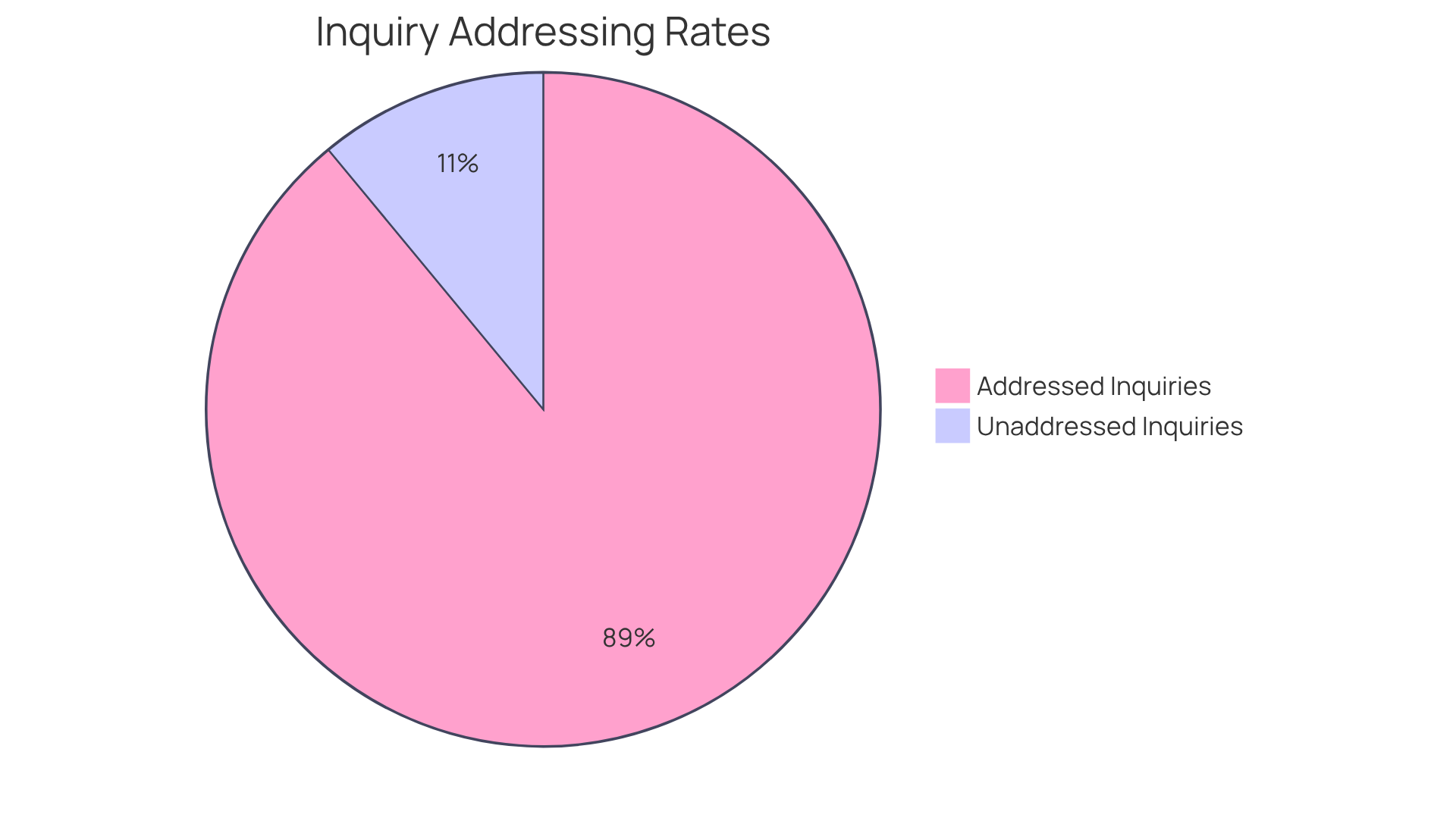
For instance, many support providers share that 89% of their inquiries are addressed during conversations with healthcare professionals. This statistic highlights a strong communication dynamic that benefits those receiving assistance. Moreover, by nurturing open communication, the companion care service helps reduce misunderstandings, ensuring that older adults receive the right support tailored to their needs. This proactive approach not only leads to better wellness management but also empowers older adults to take an active role in their healthcare journey.
Holistic Care: Addressing Physical, Emotional, and Mental Well-Being
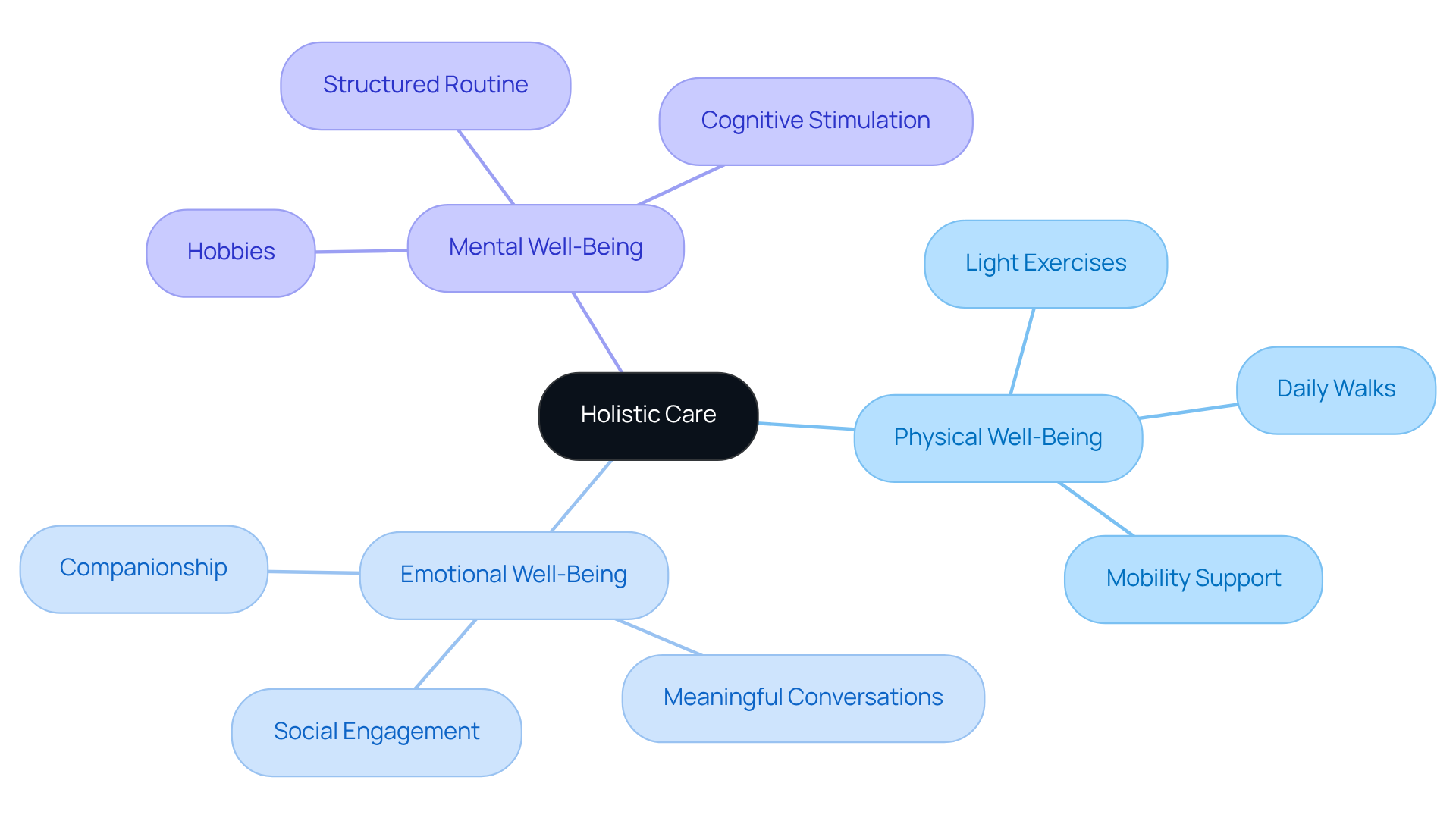
Companion care offers a holistic approach that significantly enhances the physical, emotional, and mental well-being of elderly individuals. Caregivers engage clients in activities that promote physical health, like light exercises and daily walks. These activities are essential for maintaining mobility and overall fitness.
The emotional support that comes from companionship and meaningful conversations plays a vital role in easing feelings of loneliness and isolation, which many older adults experience. In fact, 33% of older adults reported feeling lonely some of the time or often in the past year. Research shows that regular social interaction can lower the risk of depression and anxiety, fostering a sense of belonging and purpose.
Caregivers also stimulate cognitive function by encouraging older adults to partake in hobbies and social activities they love. This involvement not only boosts mental well-being but also helps establish a structured daily routine, which is crucial for the overall health of seniors. Companion care service provides this daily structure, ensuring that seniors receive the comprehensive support they need to enhance their quality of life and maintain independence at home.
As a wellness coach beautifully put it, "By treating the whole person rather than just addressing symptoms, holistic approaches emphasize understanding and mitigating the root causes of health issues." This perspective underscores the importance of compassionate care in nurturing the well-being of our elderly loved ones.
Making the Right Choice
Companion care services truly make a difference in the lives of seniors, addressing their emotional, physical, and mental health needs with compassion. By offering tailored support and companionship, these services help alleviate feelings of loneliness, promote independence, and enhance the overall quality of life for older adults. Each senior deserves individualized attention and care, fostering a nurturing environment that encourages connection and joy.
Throughout this article, we’ve explored the key benefits of companion care. These include:
- Reducing feelings of isolation
- Providing enhanced daily living support
- Positively impacting health outcomes
Engaging seniors in meaningful activities not only enriches their lives but also significantly lowers the risk of various health issues. Families can find peace of mind knowing their loved ones are cared for with genuine compassion, highlighting the importance of these services.
Ultimately, we cannot underestimate the significance of companionship in the lives of seniors. It’s essential for families to view companion care services as a vital support system that enhances their loved ones' well-being. By embracing these services, families can help ensure that seniors lead fulfilling lives, surrounded by the warmth of companionship and the assurance of safety and care.
https://iframe.tely.ai/cta/eyJhcnRpY2xlX2lkIjogIjY5MWZkYzU1YmFmNTkyY2I3OTgzYzJiNiIsICJjb21wYW55X2lkIjogIjY4ZWU1ZGNhNzMxNzYyNTU3ZjNjOTVjMSIsICJpbmRleCI6IG51bGwsICJ0eXBlIjogImFydGljbGUifQ==Frequently Asked Questions
What is the main purpose of Happy to Help Caregiving's companion care service?
The main purpose of Happy to Help Caregiving's companion care service is to provide personalized companionship for seniors, addressing emotional challenges such as loneliness and enhancing their overall well-being through tailored support.
How does companionship help alleviate feelings of loneliness in older adults?
Companionship helps alleviate feelings of loneliness by providing consistent emotional support, engaging in meaningful conversations, sharing stories, and participating in activities that resonate with older adults, which creates a bond and enhances mental health.
What are some benefits of companion care for older adults?
Benefits of companion care for older adults include reduced feelings of isolation, improved mental well-being, enhanced dignity and purpose, and a reported 25% fewer doctor appointments annually due to regular interaction with caregivers.
What daily living activities do caregivers assist with in companion care?
Caregivers assist with daily living activities such as meal preparation, light housekeeping, personal care tasks, and grocery shopping, which helps seniors maintain their routines and a sense of independence.
What statistics highlight the importance of companionship for older adults?
In 2023, 37% of older adults reported feeling a lack of companionship, down from 41% in 2020. Additionally, 55% of individuals with fair or poor physical health reported feelings of isolation, emphasizing the critical role of companionship in addressing the needs of at-risk elderly individuals.
How does Happy to Help Caregiving ensure that care is tailored to each client's needs?
Happy to Help Caregiving ensures that care is tailored to each client's needs by engaging caregivers who are expertly trained to understand and respond to the unique interests and preferences of older adults, thereby promoting a fulfilling daily routine.
Why is promoting independence important in elderly care?
Promoting independence is important in elderly care because it enhances overall well-being, allows older adults to maintain control over their lives, and reinforces their dignity and self-worth, enabling them to lead fulfilling lives in their own homes.