What You Need to Know About Senior Overnight Care
Elderly individuals often face unique challenges during nighttime hours, including feelings of loneliness and safety concerns that can significantly impact their overall well-being. These issues not only affect seniors but also place a heavy emotional and physical toll on family caregivers, who strive to provide the best care for their loved ones.
What if a simple solution could transform nighttime care into a more secure and comforting experience for both seniors and their families? Senior overnight care offers tailored support that enhances the quality of life for seniors while alleviating the burdens on family caregivers. By addressing these challenges head-on, we can create a more supportive environment for everyone involved.
Happy to Help Caregiving: Personalized Overnight Care for Seniors
Problem: Many older adults struggle with maintaining their independence during nighttime hours, often requiring assistance that is not readily available. This lack of support can lead to feelings of insecurity for both seniors and their families.
Agitate: Without proper nighttime care, elderly individuals may face challenges that compromise their safety and well-being. Families often worry about their loved ones, feeling helpless as they navigate these concerns alone.
Solution: Happy to Help Caregiving addresses these issues by providing tailored overnight assistance specifically designed for older adults. Their trained support providers offer compassionate help, ensuring that each client's unique needs are met. This personalized approach not only enhances the quality of senior overnight care but also fosters a sense of safety and independence for seniors, providing peace of mind for their families.
Emotional Support: Alleviating Loneliness During Nighttime Hours
Loneliness among elderly individuals during the night is a significant problem that can lead to feelings of anxiety and insecurity. This emotional distress can negatively impact their overall well-being, making it crucial for caregivers to address these feelings effectively.
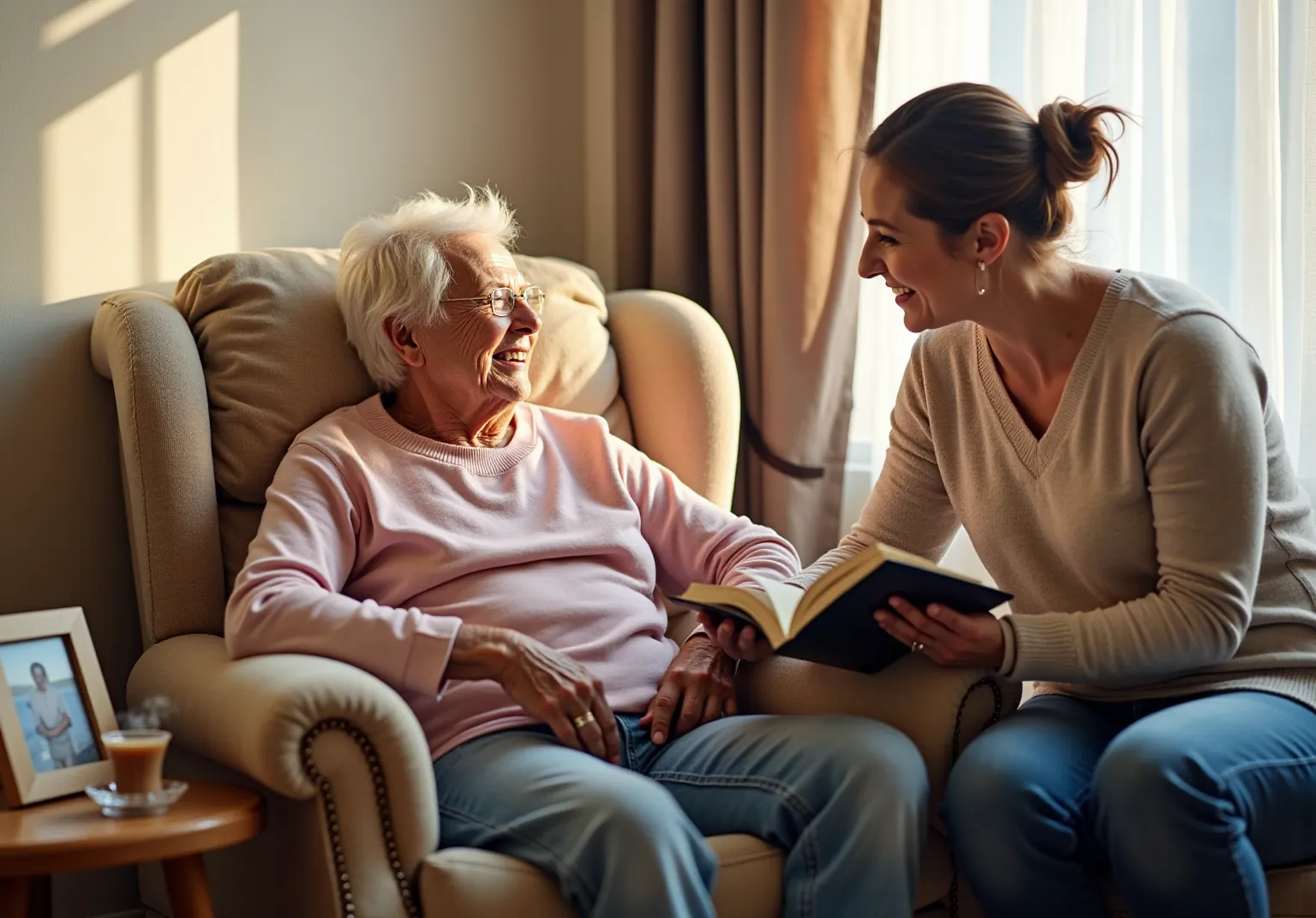
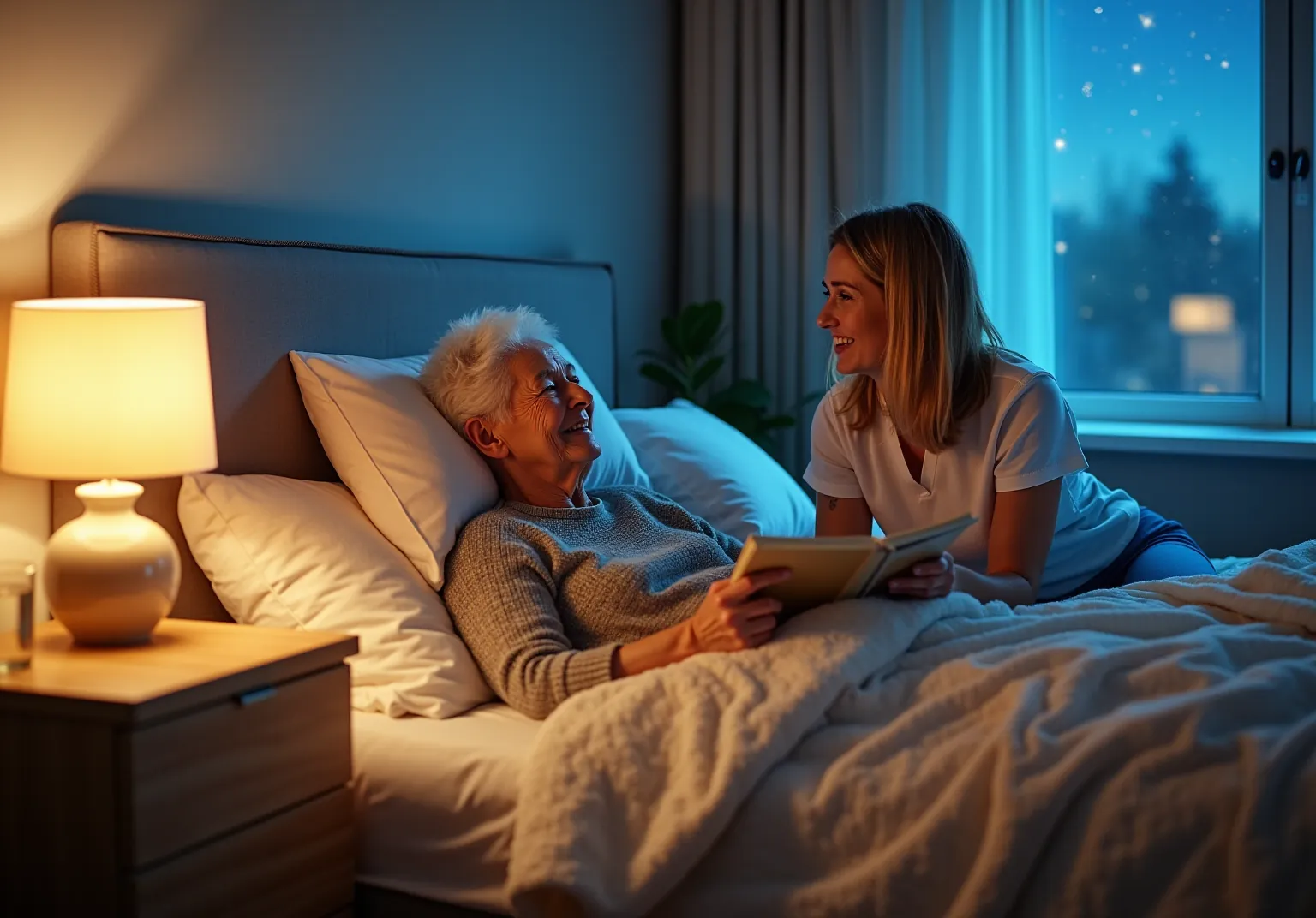
Overnight attendants involved in senior overnight care play a vital role in alleviating this loneliness. By engaging in conversation, reading, or simply being present, caregivers create a comforting environment that fosters emotional well-being. This companionship not only enhances the quality of life for older adults but also provides essential senior overnight care, helping them feel more secure during nighttime hours.
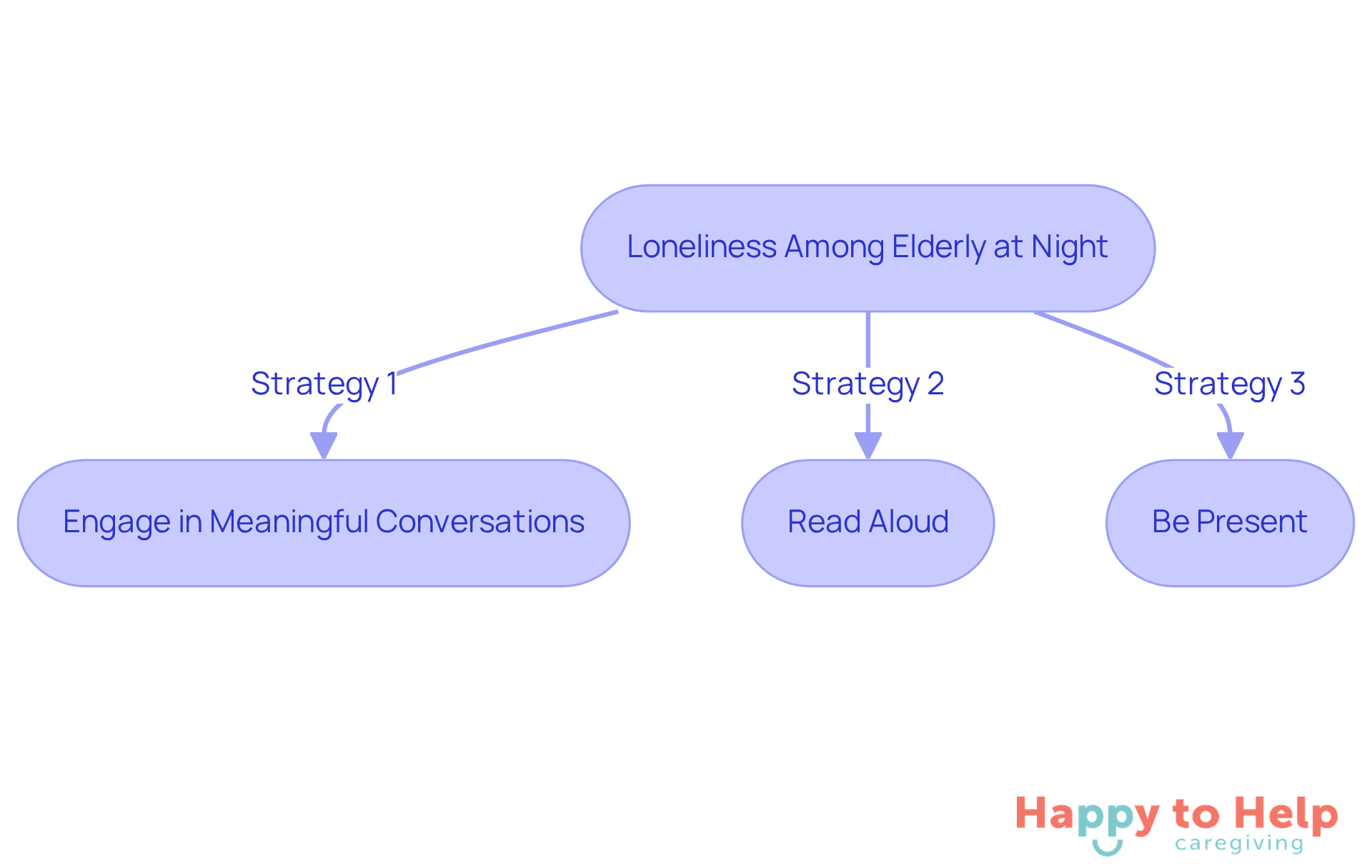
To effectively support elderly individuals, caregivers can implement the following strategies:
- Engage in meaningful conversations to help reduce feelings of isolation.
- Read aloud to provide comfort and distraction.
- Be present to offer reassurance and companionship.
By focusing on these actionable solutions, caregivers can significantly improve the emotional health of elderly individuals during senior overnight care, ensuring they feel less anxious and more supported.
Enhanced Safety: Continuous Monitoring for Peace of Mind
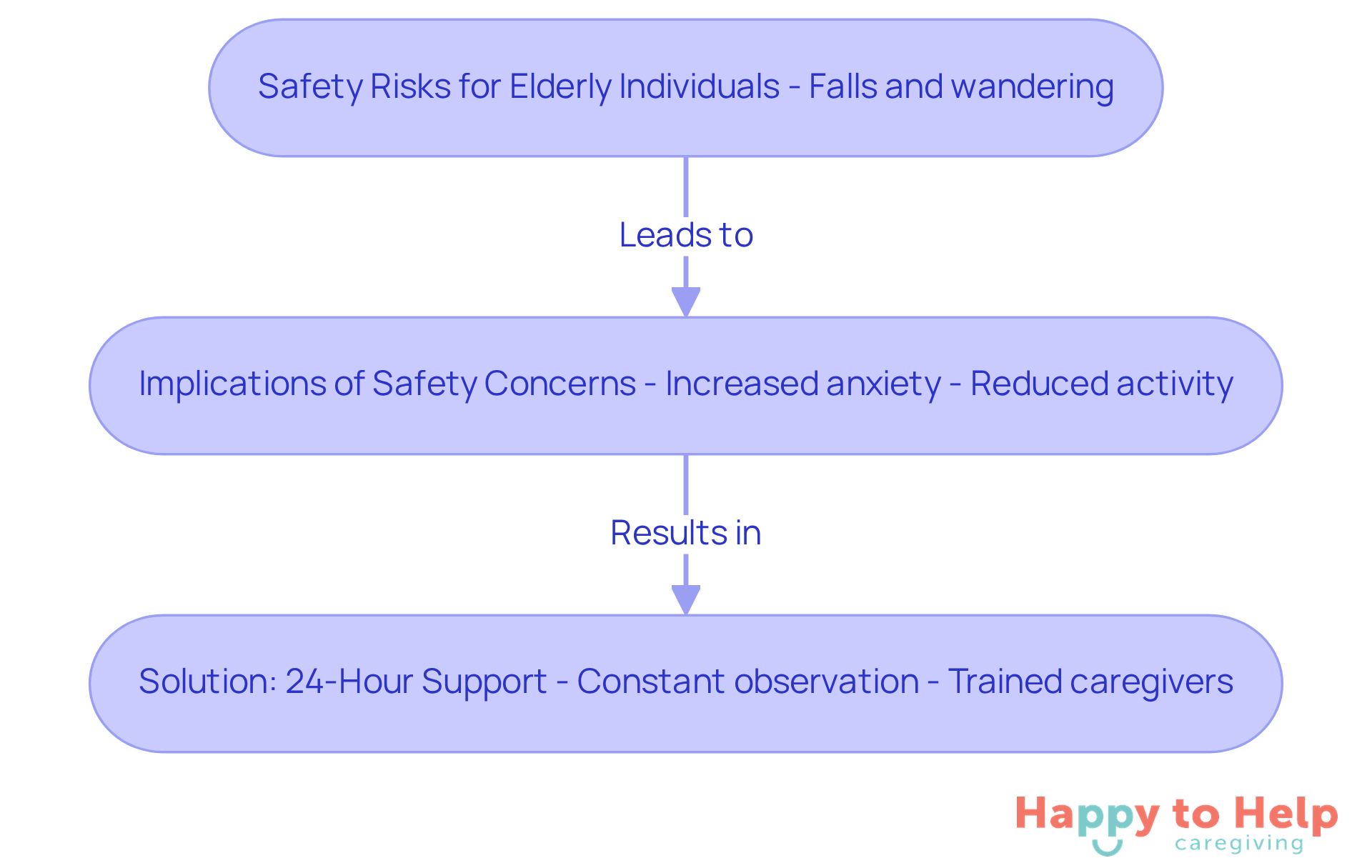
Problem: Safety risks for elderly individuals during the night can lead to serious incidents, such as falls and wandering. These risks are heightened when there is no one to monitor their activities, especially in the dark hours.
Agitate: The implications of these safety concerns are significant. Falls are the leading cause of fatal and non-fatal injuries among older adults, as noted by the U.S. Centers for Disease Control and Prevention. Without proper oversight, elderly individuals may face increased risks, leading to anxiety for both them and their families. The fear of falling can also reduce their activity levels, further increasing the likelihood of future falls.
Solution: A key benefit of 24-hour support is the substantial improvement of safety through constant observation. Caregivers are specifically trained in senior overnight care to observe elderly individuals closely, significantly decreasing the risk of falls, wandering, and other emergencies that can occur during the night. This vigilant oversight ensures immediate assistance in case of an incident and fosters a secure environment that promotes overall well-being.
Statistics indicate that elderly individuals receiving senior overnight care experience a marked decrease in fall-related incidents. Studies show that continuous monitoring can reduce fall risk by up to 30%. Healthcare professionals emphasize that having a support person present during senior overnight care can lead to improved safety outcomes, as they act as both companions and vigilant observers.
Families can rest assured knowing their loved ones are provided with senior overnight care by trained professionals who prioritize safety, offering peace of mind during the night. Caregivers are also vigilant about potential home hazards, such as throw rugs or clutter that can be tripped over, further enhancing safety. Addressing the psychological aspects of falls is crucial, as this fear can lead to reduced activity levels and increased risk of future falls.
Immediate Intervention: Quick Response to Emergencies
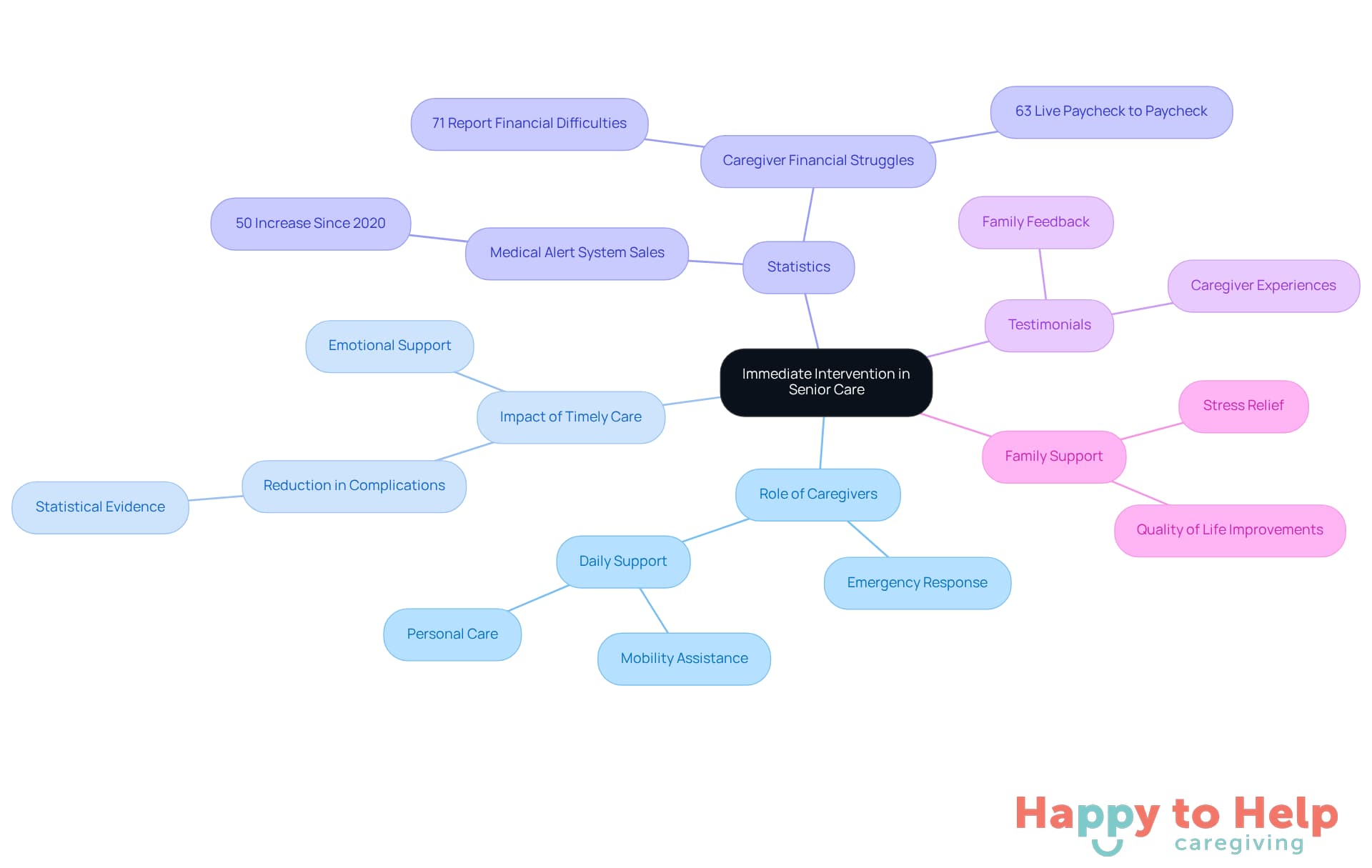
Overnight caregivers involved in senior overnight care play a crucial role in ensuring the safety and well-being of older adults. They respond swiftly to emergencies, such as medical issues or falls, which is essential for reducing risks and providing prompt assistance. Statistics show that timely geriatric care significantly decreases the chance of complications after health crises, allowing elderly individuals to remain stable and secure in their homes. With medical alert system sales increasing by 50% since 2020, families are increasingly relying on technology to enhance safety in senior care.
Caregivers often share their experiences regarding the importance of quick intervention. One provider noted, "When my mother had a fall, the overnight assistant was able to evaluate her condition and call for help right away, which made all the difference in her recovery." Such testimonials highlight the peace of mind that comes from knowing a trained professional is present to handle emergencies. Joy Mortelliti, a support worker, emphasizes that personal emergency alert devices provide peace of mind, further underscoring the importance of having trained professionals available during emergencies.
The ability to act quickly not only enhances the quality of care but also alleviates the stress and burden on family members. With 71% of caregivers reporting financial difficulties and 40% indicating that their duties adversely affect their stress levels, having late-night assistance can significantly ease these pressures. By ensuring that elderly individuals receive timely assistance during emergencies, senior overnight care providers offer an essential safety net, allowing families to focus on their loved ones' overall health. Furthermore, as 1 in 5 Vermonters is considered elderly, the demand for senior overnight care services is increasingly relevant.
Customized Care Plans: Tailoring Support to Individual Needs
Caregivers often face the challenge of providing adequate support to elderly individuals, especially when it comes to their unique health conditions and personal preferences. Without a tailored approach, the assistance offered may not meet the specific needs of each individual, leading to a decline in their overall quality of life.
This lack of personalized care can result in increased frustration for both caregivers and the elderly. When support is not aligned with an individual's routines or health requirements, it can hinder their independence and well-being. Therefore, it’s crucial to address these challenges head-on.
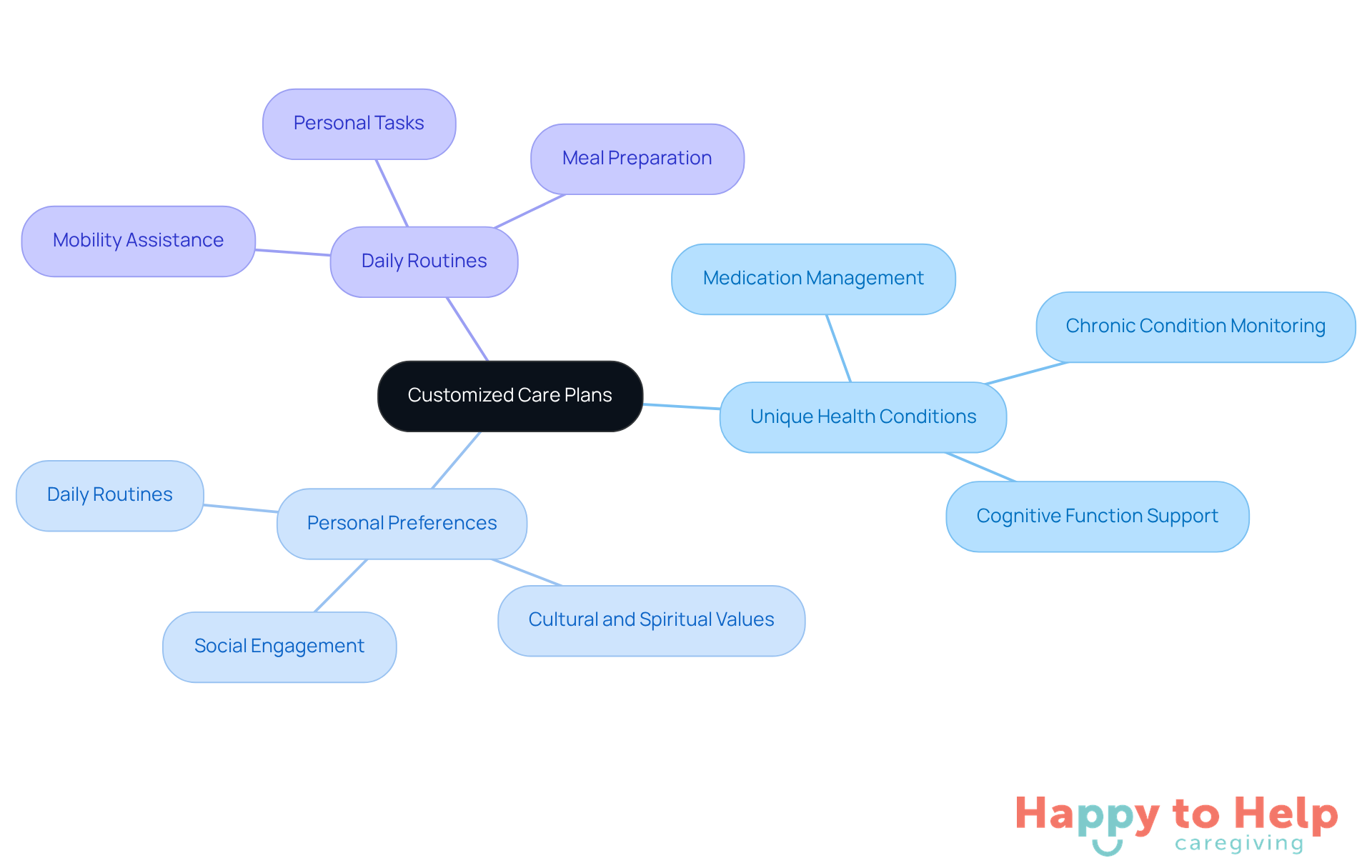
The solution lies in creating personalized support plans for each elderly individual. By considering their unique health conditions, preferences, and daily routines, caregivers can ensure that the assistance provided is appropriate and effective. This customized method guarantees that support providers deliver the right level of help, whether it pertains to:
- Medication management
- Mobility assistance
- Personal tasks
By focusing on these personal requirements, caregivers can significantly improve the quality of life for elderly individuals. Implementing such tailored support not only enhances their daily experiences but also fosters a sense of dignity and independence.
Companionship: Building Relationships for Better Well-Being
Companionship is a critical aspect of overnight care, as caregivers often develop meaningful relationships with the elderly individuals they assist. This connection is vital for enhancing emotional well-being, allowing older adults to feel valued and understood through regular interactions.
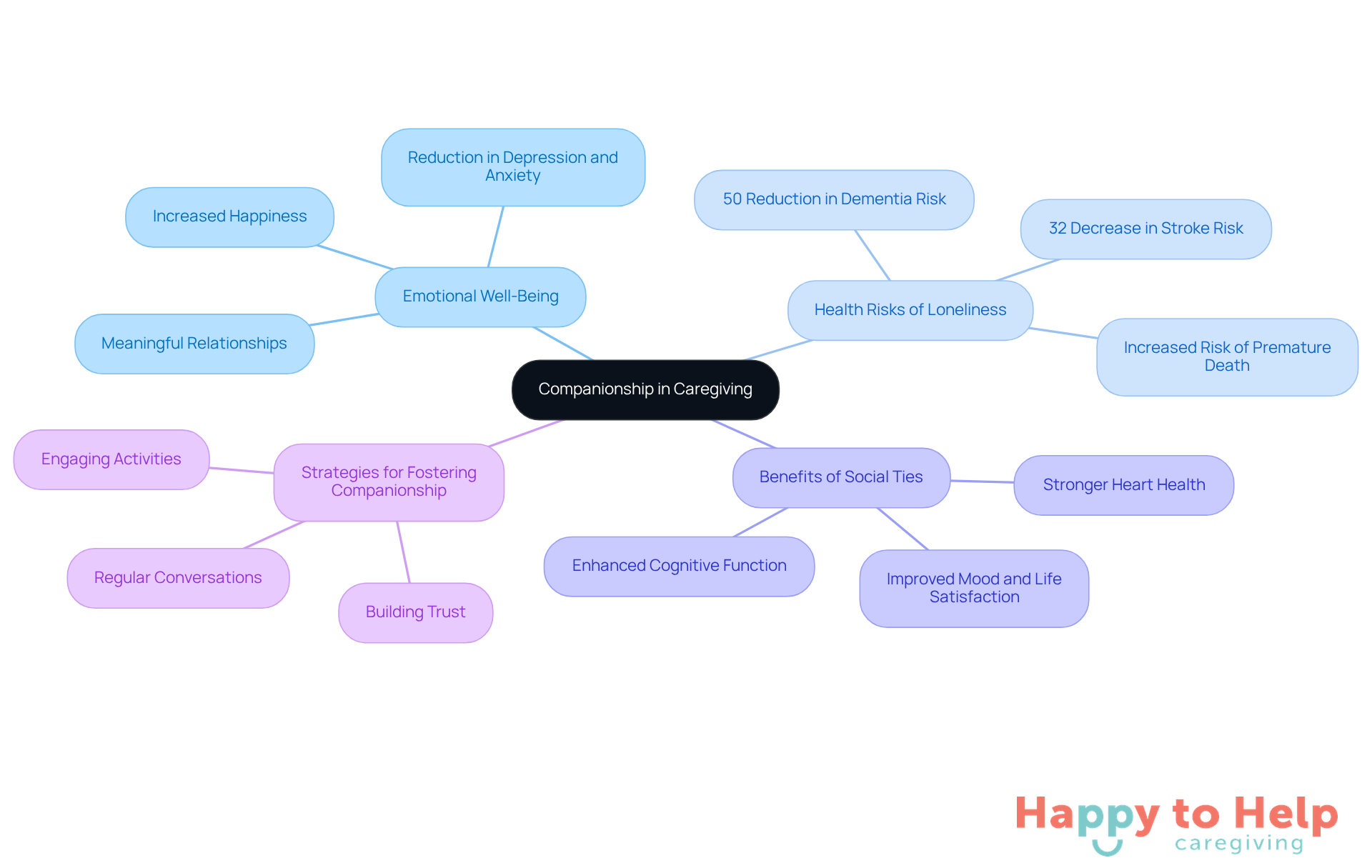
Loneliness poses a significant problem for many seniors, leading to serious health risks. Research shows that older adults with strong social ties experience a 50% reduction in dementia risk and a 32% decrease in stroke risk. Furthermore, nearly 94% of older adults report feeling healthier and more connected when they engage regularly with caregivers. This highlights the importance of companionship in combating isolation.
To address these challenges, caregivers can foster emotional support through shared activities, conversations, and joyful interactions. By participating in these meaningful exchanges, caregivers can significantly improve an elderly person's overall well-being, transforming their aging experience into one filled with joy and connection.
As Dr. Monica Tsai emphasizes, "Trust can’t be an afterthought," underscoring the essential role of emotional support in caregiving. By prioritizing companionship, caregivers can create a nurturing environment that promotes health and happiness for the elderly.
Chronic Condition Management: Specialized Support Overnight
Caregivers face significant challenges when managing chronic conditions like diabetes, heart disease, and dementia during senior overnight care. These conditions require constant attention, and without proper support, elderly individuals may experience health complications that could jeopardize their safety and well-being.
The implications of inadequate senior overnight care can be severe. Seniors with ongoing medical needs are at risk of deteriorating health if their vital signs are not monitored, highlighting the importance of senior overnight care for timely medication administration. This is where senior overnight care becomes essential.
To address these challenges, caregivers can implement several practical solutions:
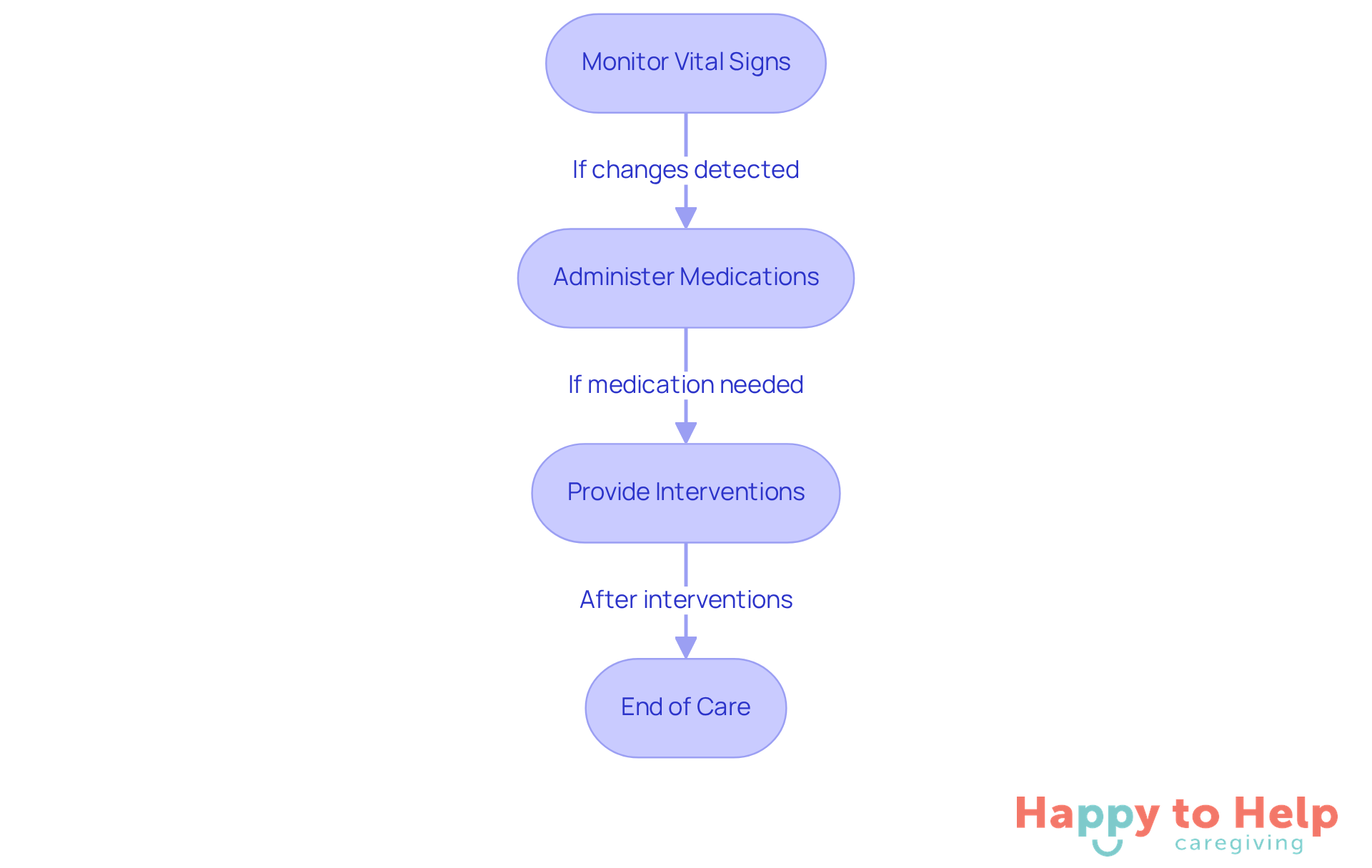
- Monitor vital signs regularly to detect any changes in health status.
- Administer medications as prescribed, ensuring that seniors receive the correct dosages at the right times.
- Provide necessary interventions promptly to stabilize any emerging health issues.
By focusing on these key areas, caregivers can help ensure that elderly individuals remain stable throughout the night, ultimately maintaining their health and safety.
Family Convenience: Peace of Mind for Caregivers
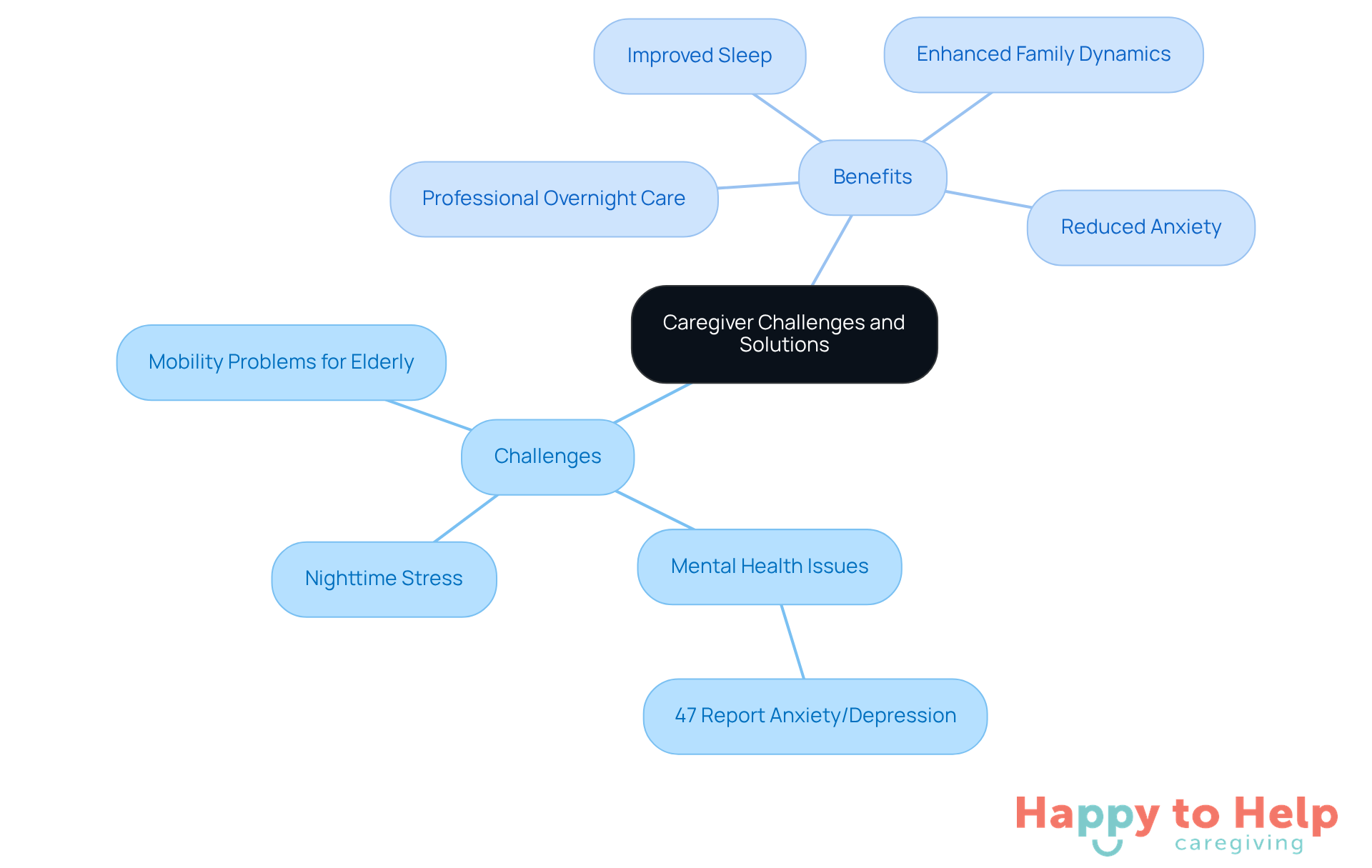
Caregivers often face significant challenges, particularly during nighttime hours. The stress and fatigue that family supporters experience can be overwhelming, impacting their ability to provide effective care. Studies reveal that 47% of caregivers have reported heightened anxiety, depression, or other mental health challenges in the past year. This underscores the urgent need for support during these critical hours.
Involving skilled professionals who provide senior overnight care can alleviate these pressures. Family members gain priceless reassurance, knowing their loved ones are receiving attentive support while they rest. This arrangement not only reduces stress but also allows caregivers to recharge, enabling them to resume their daily duties with renewed energy. Enhanced emotional health and decreased anxiety are reported by individuals who obtain nighttime assistance, which is essential for preserving their overall well-being.
The convenience of senior overnight care fosters a healthier dynamic within the family. Caregivers have indicated that senior overnight care provided by a professional aide allows them to sleep better and feel more secure. As one provider noted, "Having someone present at night allows me to finally get some rest, knowing my loved one is safe." This proactive approach can lead to improved health outcomes for both supporters and their loved ones, making senior overnight care an essential resource in the caregiving journey.
Elderly individuals frequently encounter distinct difficulties at night, such as mobility problems and disorientation. These challenges can be effectively addressed by skilled night staff, ensuring that both caregivers and their loved ones receive the support they need.
Flexible Scheduling: Adapting to Family Needs
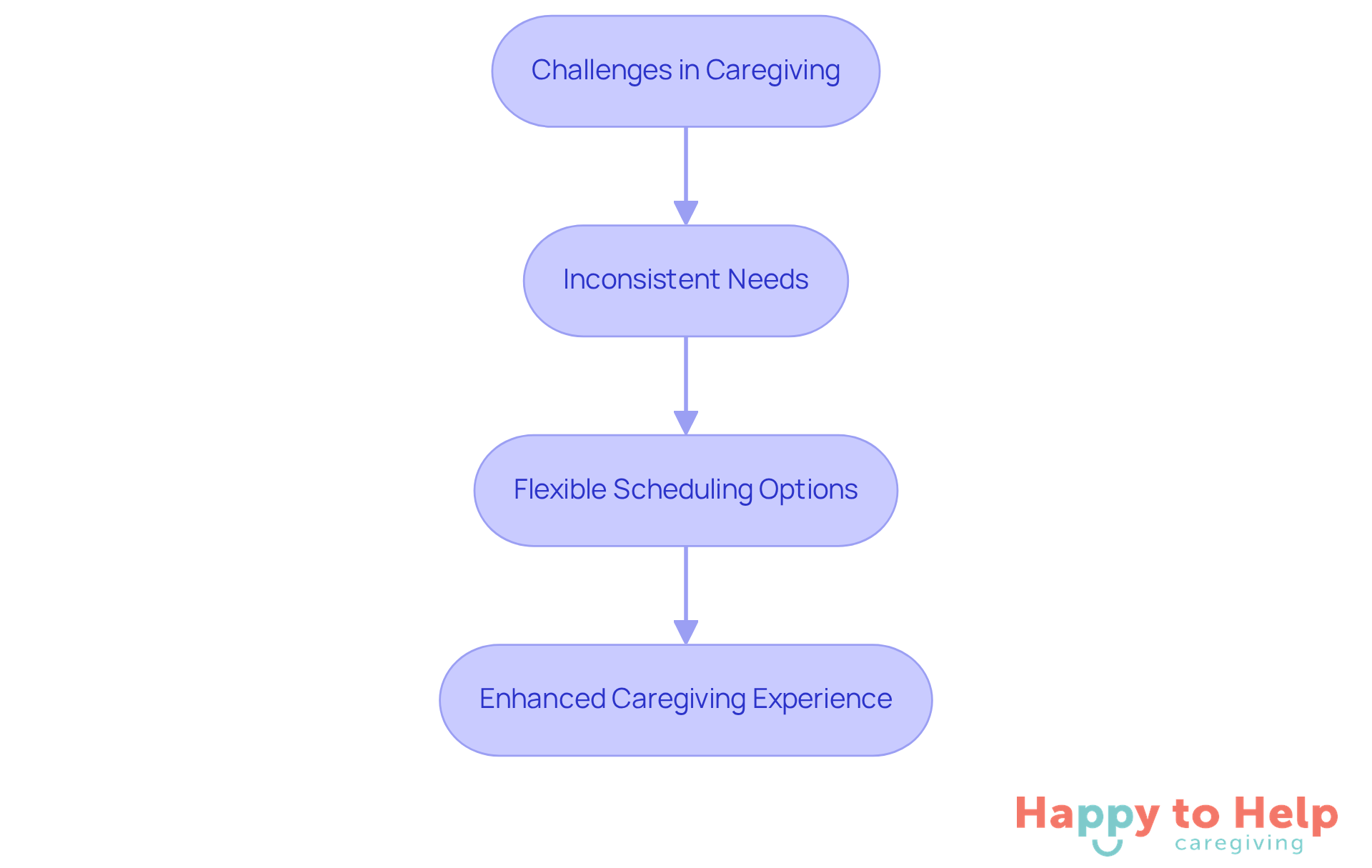
Families often face challenges when it comes to caregiving support, especially when their needs vary from day to day. This inconsistency can lead to increased stress and uncertainty, making it difficult for families to manage their caregiving responsibilities effectively.
Happy to Help Caregiving addresses this issue by offering flexible scheduling options. Whether families require senior overnight care regularly or just occasionally, providers can adjust their schedules accordingly. This adaptability ensures that families receive the support they need when they need it most, ultimately enhancing the overall caregiving experience.
Improved Quality of Life: Enhancing Daily Living for Seniors
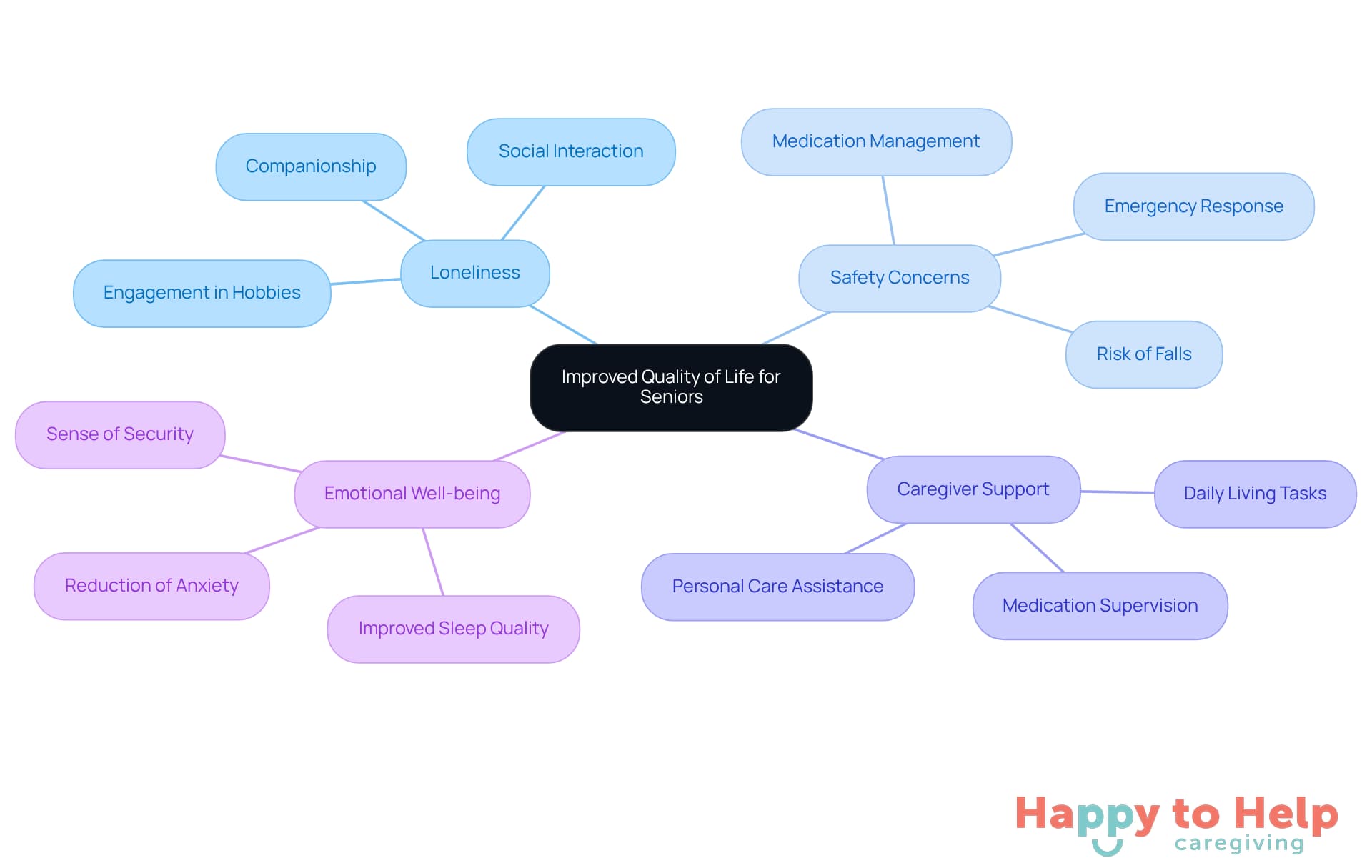
Overnight assistance addresses a significant problem faced by older adults: the risk of loneliness and safety concerns during nighttime hours. Many seniors struggle with feelings of isolation and anxiety when left alone, which can negatively impact their emotional and mental well-being. Additionally, navigating their homes at night poses a risk for falls and accidents, particularly for those with memory-related conditions like dementia or Alzheimer's.
The implications of these challenges are profound. Without support, older adults may experience heightened anxiety and disrupted sleep, leading to a decline in their overall quality of life. The presence of a caregiver during the night not only provides reassurance but also fosters a sense of security, allowing seniors to feel safe in their own homes.
So, what can caregivers do? Implementing senior overnight care is a practical solution that can significantly enhance the lives of older adults. Caregivers can offer vital support with daily living tasks, such as personal care and medication supervision, which empowers seniors to maintain their independence. By involving elderly individuals in decisions about their care, caregivers can enhance their self-worth and promote a collaborative approach that respects their preferences.
Moreover, the emotional support provided by caregivers can reduce anxiety and improve sleep quality. As geriatric specialists note, this support is crucial for fostering a positive environment where older adults can thrive.
In summary, senior overnight care is not merely about assistance; it enriches the lives of seniors by ensuring they feel safe, supported, and valued in their own homes.
Key Takeaways for Caregivers
Senior overnight care addresses a significant problem for both elderly individuals and their family caregivers: the critical needs that arise during nighttime hours. Caregivers often face emotional and physical burdens, leading to increased stress and anxiety. This situation not only affects their well-being but also impacts the quality of life for seniors.
The implications of inadequate nighttime support can be severe. Without proper assistance, seniors may experience loneliness, safety risks, and a lack of personalized care. This can lead to a decline in their overall health and well-being, further complicating the caregiver's role.
However, investing in senior overnight care offers a practical solution. This service provides tailored assistance that enhances safety through continuous monitoring and immediate intervention during emergencies. It also combats loneliness by offering emotional support, fostering a nurturing environment that promotes independence and dignity for seniors.
Moreover, the flexibility of scheduling options allows families to adapt care services to their unique needs, making the caregiving experience more manageable and less stressful. By embracing overnight care, families can significantly improve emotional health, reduce anxiety, and strengthen their sense of community.
In conclusion, the importance of senior overnight care cannot be overstated. It serves as a vital resource that enriches the lives of elderly individuals while supporting family caregivers. As the demand for such services continues to grow, families must consider the profound impact that overnight care can have on their loved ones’ well-being and their own peace of mind.
https://iframe.tely.ai/cta/eyJhcnRpY2xlX2lkIjogIjY5MjI0ZjgyNGZjYWRhOTUwOGRlNDQyNiIsICJjb21wYW55X2lkIjogIjY4ZWU1ZGNhNzMxNzYyNTU3ZjNjOTVjMSIsICJpbmRleCI6IG51bGwsICJ0eXBlIjogImFydGljbGUifQ==Frequently Asked Questions
What challenges do older adults face during nighttime hours?
Many older adults struggle with maintaining their independence at night, often requiring assistance that is not readily available, leading to feelings of insecurity for both seniors and their families.
How does Happy to Help Caregiving address nighttime care needs?
Happy to Help Caregiving provides tailored overnight assistance for older adults, with trained support providers offering compassionate help to meet each client's unique needs, enhancing their safety and independence.
What role do caregivers play in alleviating loneliness for seniors at night?
Caregivers engage in conversation, read aloud, or simply provide companionship to create a comforting environment, which helps reduce feelings of loneliness and anxiety among elderly individuals.
What strategies can caregivers use to support elderly individuals during overnight care?
Caregivers can engage in meaningful conversations, read aloud for comfort, and be present to offer reassurance and companionship, significantly improving the emotional health of seniors.
What safety risks do elderly individuals face during the night?
Safety risks include falls and wandering, which can lead to serious incidents, especially when there is no one to monitor their activities during the dark hours.
How does continuous monitoring improve safety for seniors at night?
Continuous monitoring by caregivers significantly decreases the risk of falls and other emergencies, ensuring immediate assistance and fostering a secure environment for elderly individuals.
What are the statistics regarding fall risk for elderly individuals receiving overnight care?
Studies indicate that continuous monitoring can reduce fall risk by up to 30%, and having a support person present during overnight care leads to improved safety outcomes.
How do caregivers enhance safety in the home environment for seniors?
Caregivers are vigilant about potential home hazards, such as throw rugs or clutter, and prioritize creating a safe environment to prevent accidents during overnight care.
List of Sources
- Happy to Help Caregiving: Personalized Overnight Care for Seniors
- 2025 Home Care Statistics: Trends & Insights To Know (https://premierhcinc.com/blog/home-care-statistics)
- 10 Must-Know U.S. Home Care Industry Stats for 2025 - North American Community Hub (https://nchstats.com/us-home-care-industry-stats)
- Enhancing Elderly Lives: The Impact of Personalized Care Plans (https://minishomecare.com/blogs/blog/1371576-enhancing-elderly-lives-the-role-of-personalized-care-plans)
- Benefits of Overnight Care | Helping Hands Home Care (https://helpinghandshomecare.co.uk/care-advice/benefits-of-overnight-care)
- The Growing Demand for Home Care Services in Today’s Aging Population (https://ultimatecareny.com/resources/the-growing-demand-for-home-care-services-in-today-s-aging-population)
- Enhanced Safety: Continuous Monitoring for Peace of Mind
- How Does Overnight Home Care Benefit Seniors? (https://visitingangels.com/eastside/articles/protecting-seniors-at-night-the-value-of-professional-overnight-home-care/25286)
- Top 8 Benefits of 24/7 Monitoring Systems for Senior Care - EyeWatch LIVE® (https://eyewatchlive.com/news/top-8-benefits-of-24-7-monitoring-systems-for-senior-care)
- Facts About Falls (https://cdc.gov/falls/data-research/facts-stats)
- Falls among Older Adults: Screening, Identification, Rehabilitation, and Management (https://mdpi.com/2076-3417/12/15/7934)
- Get the Facts on Falls Prevention (https://ncoa.org/article/get-the-facts-on-falls-prevention)
- Immediate Intervention: Quick Response to Emergencies
- When Life Changes Overnight: The Urgent Need for Immediate Geriatric Care (https://graceathomecare.com/when-life-changes-overnight-the-urgent-need-for-immediate-geriatric-care)
- What if you fall and can't get up? The fear is driving sales of personal emergency response systems (https://vermontpublic.org/local-news/2025-10-17/what-if-you-fall-and-cant-get-up-the-fear-is-driving-sales-of-personal-emergency-response-systems)
- The Caregiving Landscape: Data & Insights on the Caregiver Experience in the U.S. (https://caregiveraction.org/caregiver-statistics)
- Caregivers’ burden of care during emergency department care transitions among older adults: a mixed methods cohort study - PMC (https://pmc.ncbi.nlm.nih.gov/articles/PMC11438161)
- What Do Overnight Caregivers Do and Why Are They Essential for Nighttime Care? (https://legacyhc.net/what-do-overnight-caregivers-do-and-why-are-they-essential-for-nighttime-care)
- Customized Care Plans: Tailoring Support to Individual Needs
- Personalizing Care Plans for Seniors: Why One Size Doesn't Fit All (https://promedcareinc.com/personalizing-care-plans-for-seniors-why-one-size-doesnt-fit-all)
- The Incredible Benefits of Home Care, in 7 Amazing Stats - Companions For Seniors (https://companionsforseniors.com/2019/08/benefits-home-care-amazing-stats-trends-reports)
- Importance of Personalized Senior Home Care in Burlington NC (https://wisdomseniorcare.com/the-importance-of-personalized-care-plans-for-seniors)
- Home Care Impact on Recovery of Patient (A Statistics Report) (https://lovinghomecareinc.com/home-care-recovery-statistics)
- The Impact of Personalized Care on Senior Well-Being (https://humancareny.com/blog/the-impact-of-personalized-care-on-senior-well-being)
- Companionship: Building Relationships for Better Well-Being
- Understanding the Benefits of Companion Care for Seniors - Freedom Home Care (https://freedomhomecare.net/2025/08/26/understanding-the-benefits-of-companion-care-for-seniors)
- AI Companions Redefine Elder Care: 3 Ways They Fight Loneliness, Boost Safety And Scale Support (https://forbes.com/sites/cathyrubin/2025/05/16/ai-companions-are-redefining-elder-care-3-ways-they-fight-loneliness-boost-safety-and-scale-support)
- The Power of Companionship for Seniors: A Key Ingredient to Quality Aging (https://homecarepgh.com/blog-posts/companionship-in-old-age)
- 10 Benefits of Companionship Carers for Seniors' Well-Being - Happy To Help (https://happytohelpcaregiving.com/10-benefits-of-companionship-carers-for-seniors-well-being)
- The Importance of Caregiver-Client Relationships in Senior Well-Being (https://homeinstead.com/home-care/usa/in/goshen/588/news-and-media/the-importance-of-caregiver-client-relationships-in-senior-well-being)
- Chronic Condition Management: Specialized Support Overnight
- Americans see urgent need for aging support services, survey finds (https://mcknights.com/news/americans-see-urgent-need-for-aging-support-services-survey-finds)
- Top 10 Chronic Conditions Affecting Older Adults (https://ncoa.org/article/the-top-10-most-common-chronic-conditions-in-older-adults)
- How Does Overnight Home Care Benefit Seniors? (https://visitingangels.com/wall/articles/protecting-seniors-at-night-the-value-of-professional-overnight-home-care/25286)
- Growing Trend of Private Pay Home Care for Elderly (https://regencyhcs.com/blog/growing-trend-of-private-pay-home-care-for-elderly)
- Trends in Multiple Chronic Conditions Among US Adults, By Life Stage, Behavioral Risk Factor Surveillance System, 2013–2023 (https://cdc.gov/pcd/issues/2025/24\_0539.htm)
- Family Convenience: Peace of Mind for Caregivers
- 2023 Study — Caregiving in America, Statistics on Family Caregivers and Beyond | Guardian (https://guardianlife.com/reports/caregiving-in-america)
- Caregiver Statistics: Demographics (https://caregiver.org/resource/caregiver-statistics-demographics)
- New Report Reveals Crisis Point for America’s 63 million Family Caregivers (https://press.aarp.org/2025-07-24-New-Report-Reveals-Crisis-Point-for-Americas-63-million-Family-Caregivers)
- New Medicare program offers much-needed relief for caregivers of dementia patients (https://finance.yahoo.com/news/new-medicare-program-offers-much-needed-relief-for-caregivers-of-dementia-patients-203450020.html)
- The Importance of Overnight In-Home Care: Recognizing the Signs Your Loved One Needs Nighttime Support (https://sunlandhomecareaz.com/importance-of-overnight-in-home-care)
- Flexible Scheduling: Adapting to Family Needs
- Caregiving While Working Calls for Workplace Flexibility (https://aarp.org/pri/topics/work-finances-retirement/employers-workforce/employer-caregiving-survey)
- Flexible scheduling, enhanced communication, technology can help address workforce challenges (https://mcknightsseniorliving.com/news/flexible-scheduling-enhanced-communication-technology-can-help-address-workforce-challenges)
- The Critical Role of Flexibility in Home Care Scheduling for Family Peace of Mind (https://relevar.com/the-critical-role-of-flexibility-in-home-care-scheduling-for-family-peace-of-mind)
- Embracing Flexible Scheduling Models in Aging Services: A Path Toward Workforce Stability (https://leadingage.org/embracing-flexible-scheduling-models-in-aging-services-a-path-toward-workforce-stability)
- The Future of Flexibility: Supporting Caregivers in Deskless Roles (https://shrm.org/enterprise-solutions/insights/future-of-flexibility-supporting-caregivers-deskless-roles)
- Improved Quality of Life: Enhancing Daily Living for Seniors
- Overnight Care for Elderly & Medical Needs | A Class Care (https://aclasscare.co.uk/a-class-care-news-and-blog/what-is-overnight-care)
- How Does Overnight Care Help Seniors? - Elite Senior Home Care™ (https://eliteseniorhomecare.com/how-does-overnight-care-help-seniors)
- How In-Home Care Helps Seniors Maintain Independence and Dignity (https://newlifestyles.com/blog/how-in-home-care-helps-seniors-maintain-independence-and-dignity)
- Top Reasons to use Overnight Care (https://elderlycaregivers.org/24-hour-home-care-top-reasons-overnight-care)
- Just The Facts: Assisted Living Is A Safe, High-Quality Long Term Care Option For America’s Seniors (https://ahcancal.org/News-and-Communications/Press-Releases/Pages/Just-The-Facts-Assisted-Living-Is-A-Safe,-High-Quality-Long-Term-Care-Option-For-America’s-Seniors.aspx)