
Understanding In-Home Senior Care Services in Spring
In-home senior care services are increasingly vital as families seek ways to support their aging loved ones. The challenge is clear: how can families ensure they choose the right support that truly enhances their loved ones' quality of life? This issue not only addresses physical needs but also prioritizes emotional well-being and independence.
As families navigate this complex landscape, the implications can be significant. Caregivers often feel overwhelmed, balancing their responsibilities with the need to provide quality care. This stress can impact both the caregiver and the senior, making it essential to find effective solutions.
Fortunately, there are ten essential in-home senior care services that provide comprehensive support. These services empower seniors while alleviating the stress on caregivers, ensuring that loved ones receive the care they deserve. By exploring these options, families can make informed decisions that enhance the quality of life for their aging relatives.
Happy to Help Caregiving: Companionship Care for Seniors
Loneliness is a significant issue faced by many elderly individuals, impacting their mental health and emotional stability. As caregivers, it’s crucial to recognize that simply providing physical assistance isn’t enough. The emotional well-being of seniors must also be prioritized.
Happy to Help Caregiving addresses this challenge by providing in-home senior care in Spring Texas that emphasizes devoted companionship and engaging elderly individuals in meaningful activities. Caregivers are trained to cultivate connections that not only reduce feelings of isolation but also provide emotional encouragement.
This service includes activities such as:
- Playing games
- Reading
- Having conversations
These interactions are vital for maintaining mental health and emotional stability in older adults. By fostering these connections, caregivers providing in-home senior care in Spring Texas can significantly enhance the quality of life for those they support.
Post-Hospital Recovery Assistance: A Vital Support System
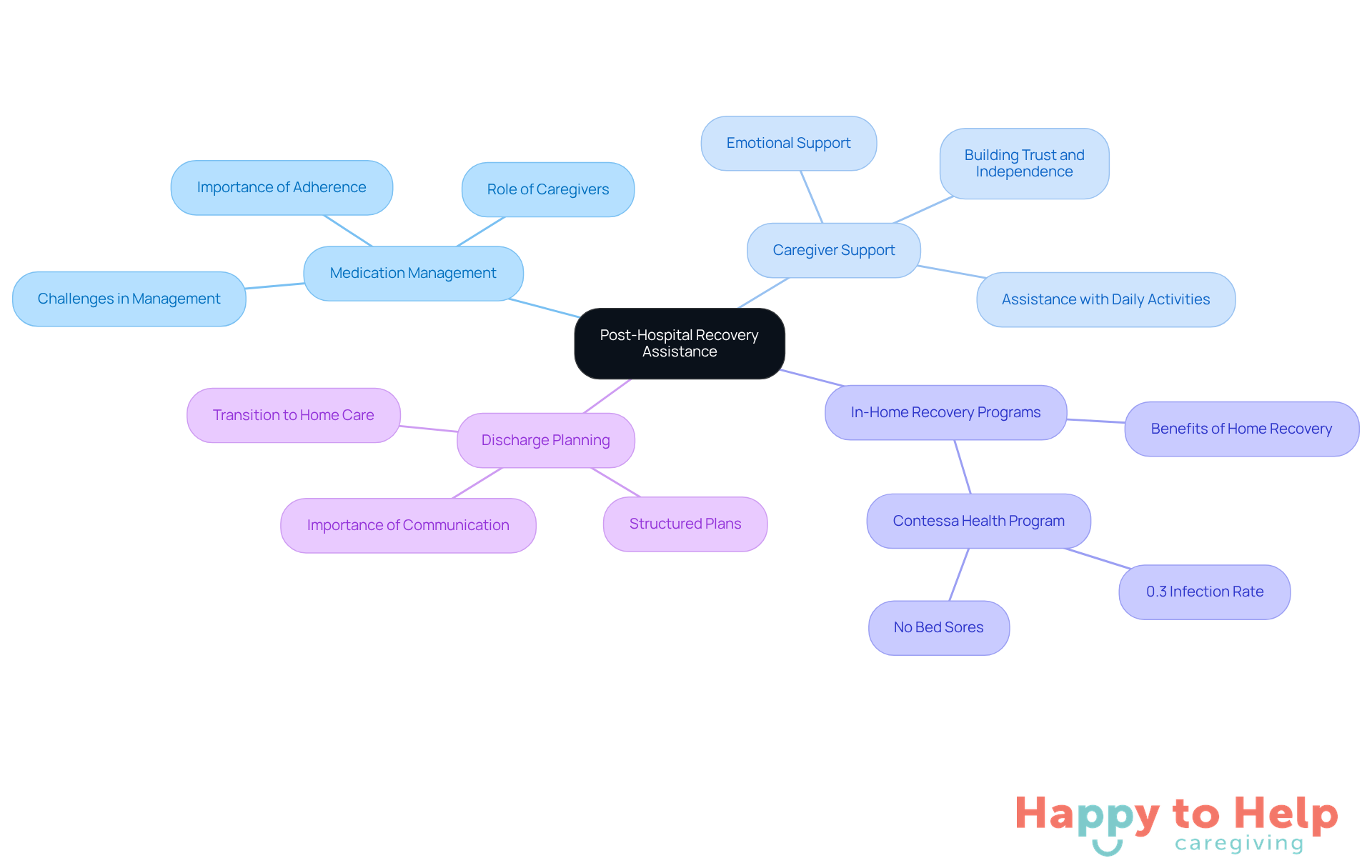
After a hospital stay, elderly individuals often face significant challenges that require extensive assistance to ensure a safe and successful recovery at home. One major issue is the need for effective medication management, which is crucial for older adults to take charge of their health routines. Studies show that many older adults struggle with managing their medications post-discharge, leading to increased risks of adverse events. This situation highlights the importance of caregivers in organizing medication schedules, ensuring adherence, and monitoring for side effects, ultimately contributing to better health outcomes.
Moreover, effective post-hospital recovery programs demonstrate that older adults receiving in-home assistance tend to recuperate more quickly and engage more in physical activities compared to those in institutional settings. For example, the Contessa Health program reported no bed sores and only a 0.3% infection rate among its patients, showcasing the effectiveness of home-based recovery. This approach not only enhances physical recovery but also addresses emotional and psychological needs, fostering a sense of independence and confidence.
Healthcare professionals emphasize the necessity of well-structured discharge plans for elderly patients. As one expert noted, "With declining use of institutional postacute care, more patients are going directly home after hospital discharge." This shift underscores the importance of strong assistance networks that can support elderly individuals in managing their recovery journey.
By offering personalized support and ensuring compliance with discharge plans, providers can significantly reduce the likelihood of hospital readmissions and facilitate a smoother transition back to daily life. The compassionate support provided by Happy to Help Caregiving not only aids in physical recovery but also enhances the overall well-being of seniors during this critical period.
Respite Care: Alleviating Caregiver Burnout
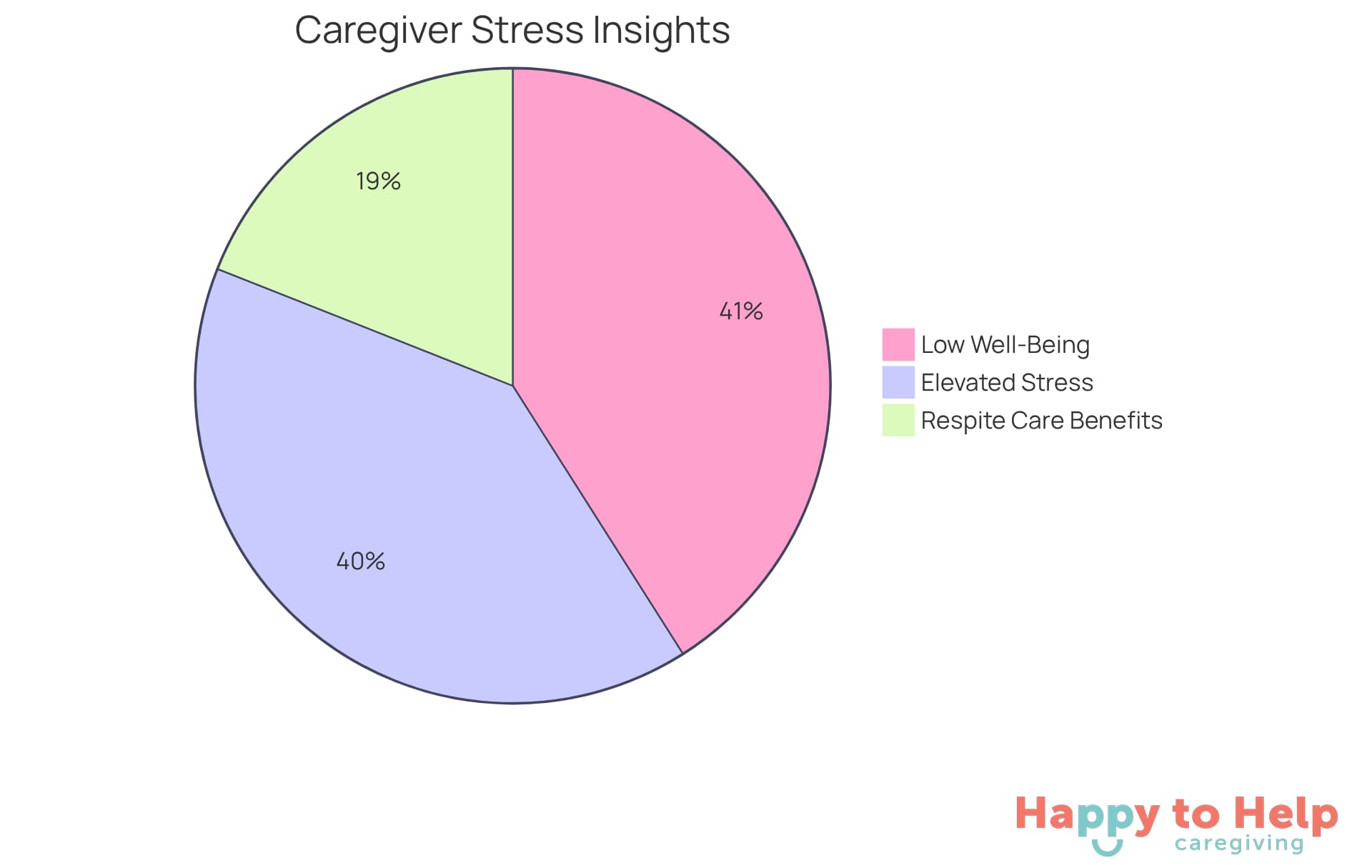
Caregiving can be a rewarding yet challenging role, often leading to significant stress and burnout among family supporters. Studies reveal that nearly 40% of caregivers report elevated stress levels due to their responsibilities, with 41% experiencing low overall well-being-32% higher than those not providing care. This situation underscores the urgent need for effective support systems.
Respite support services from Happy to Help Caregiving offer a vital solution. These services provide temporary relief, allowing caregivers to recharge and focus on their own well-being. Customizable options range from a few hours to several days, ensuring caregivers can take essential breaks without worrying about leaving their loved ones alone.
Implementing respite support not only alleviates caregiver burden but also enhances family dynamics and the quality of care provided. Programs like the Statewide Respite Support Program have demonstrated significant improvements in caregivers' mental well-being, with many reporting renewed energy and focus after utilizing these services. Psychologists emphasize that regular breaks are crucial for maintaining emotional resilience, enabling caregivers to better manage their responsibilities.
As Christine Bracey, MSW, LSW, aptly states, "You don’t have to carry the weight of caregiving alone." By embracing respite services, family caregivers can sustain their roles while ensuring their loved ones receive the attentive care they deserve.
Palliative Support Care: Enhancing Quality of Life
Caregivers often face significant challenges when supporting clients with serious health conditions. These challenges can lead to increased stress and a diminished quality of life for both clients and caregivers alike. Without adequate support, clients may struggle with pain management, emotional distress, and difficulties in daily activities.
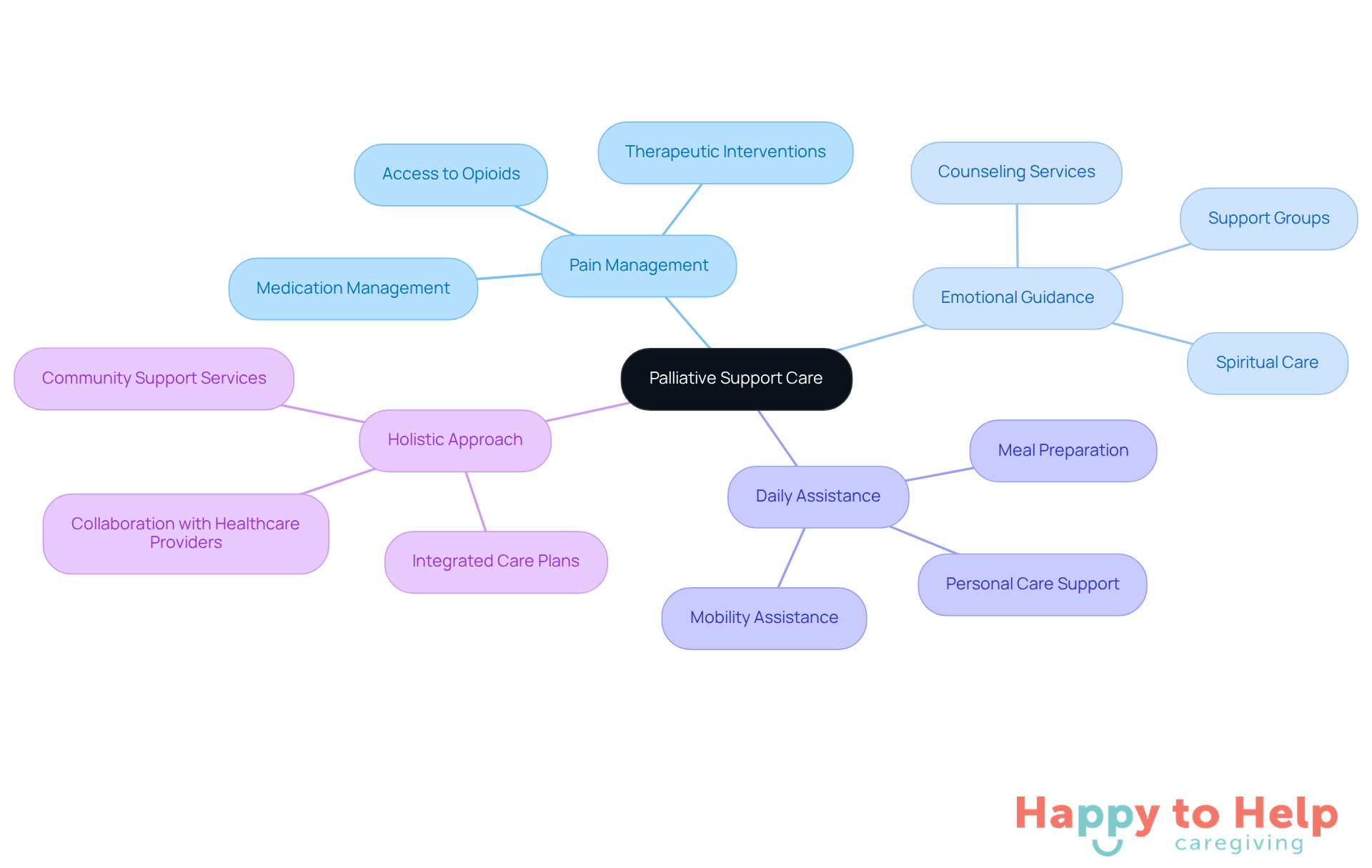
At Happy to Help Caregiving, we recognize these issues and offer a comprehensive solution through our palliative assistance program. This service is meticulously crafted to enhance the quality of life for clients, focusing on pain management, emotional guidance, and assistance with daily tasks. Each aspect of our service is customized to meet individual needs, ensuring that clients receive the support they require.
Our team collaborates closely with healthcare providers to deliver integrated assistance that addresses not only physical health but also emotional and spiritual wellness. This holistic approach is vital, as it fosters a supportive environment where clients can thrive. By alleviating stress and improving overall life satisfaction, we help clients navigate their treatment journey with dignity.
In summary, by concentrating on the whole individual, our palliative assistance greatly benefits older adults. We ensure they receive empathetic help that enhances their daily experiences, ultimately leading to a more fulfilling life.
24/7 Availability: Always There When You Need Us
Seniors often face complex health needs that can lead to emergencies, creating a significant challenge for caregivers. The fear of leaving loved ones alone during critical times can be overwhelming for families.
Happy to Help Caregiving addresses this issue by providing 24/7 availability, ensuring that clients have access to assistance whenever they need it. This constant support is crucial for seniors, as it allows families to rest assured knowing their loved ones are never alone. Immediate assistance is just a call away, day or night, offering peace of mind to both seniors and their families.
Personalized Care Plans: Tailored Support for Individual Needs
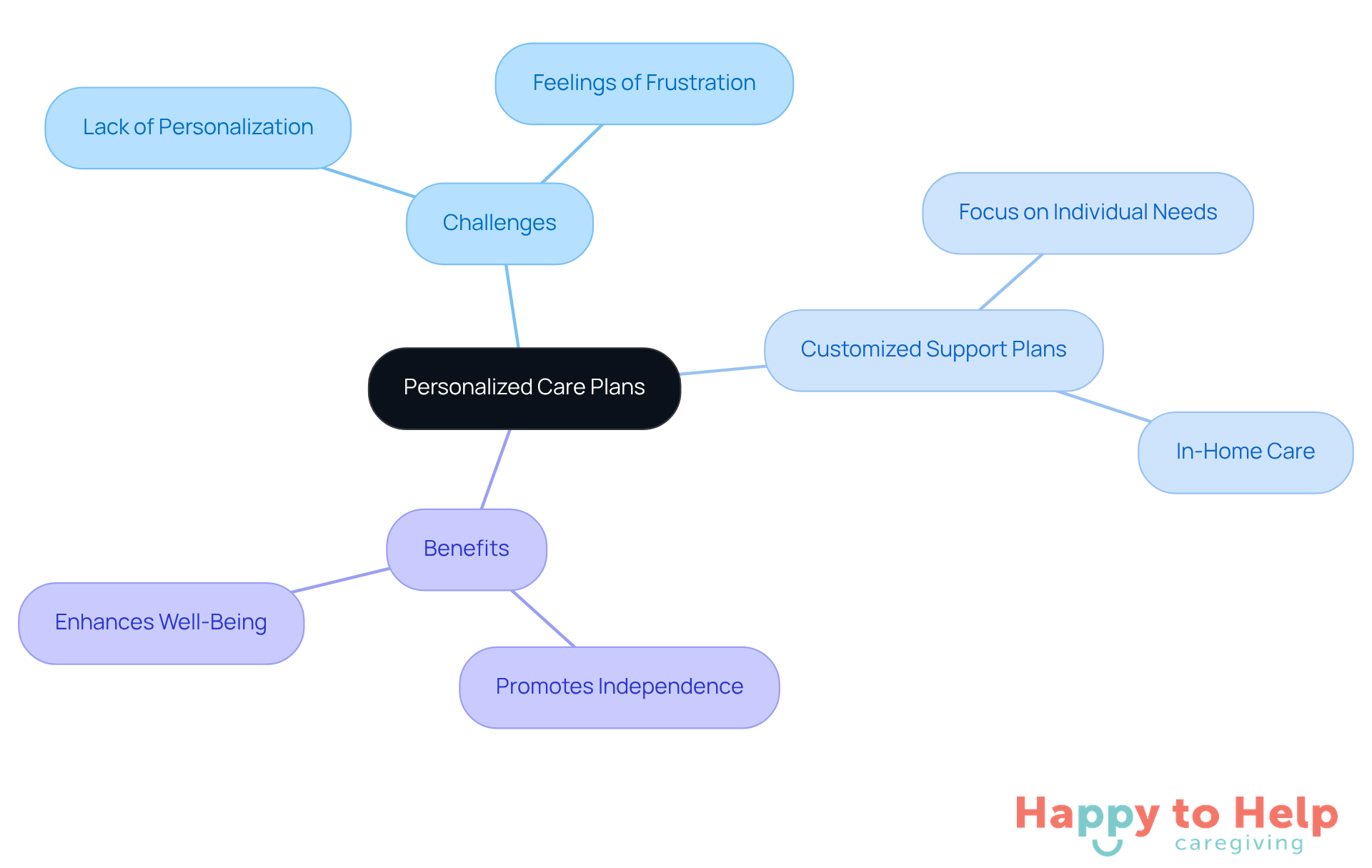
At Happy to Help Caregiving, many clients face the challenge of receiving in-home senior care in Spring Texas that doesn't fully address their unique needs and preferences. This lack of personalization can lead to feelings of frustration and dependency, ultimately diminishing their quality of life.
To tackle this issue, we develop customized support plans for our clients and their families, focusing on in-home senior care in Spring Texas. This approach ensures that all aspects of their care are considered, allowing caregivers to focus on personal needs. By concentrating on these individual requirements, caregivers can offer more effective assistance that promotes independence and enhances overall well-being.
Emotional Support: Combating Loneliness and Isolation
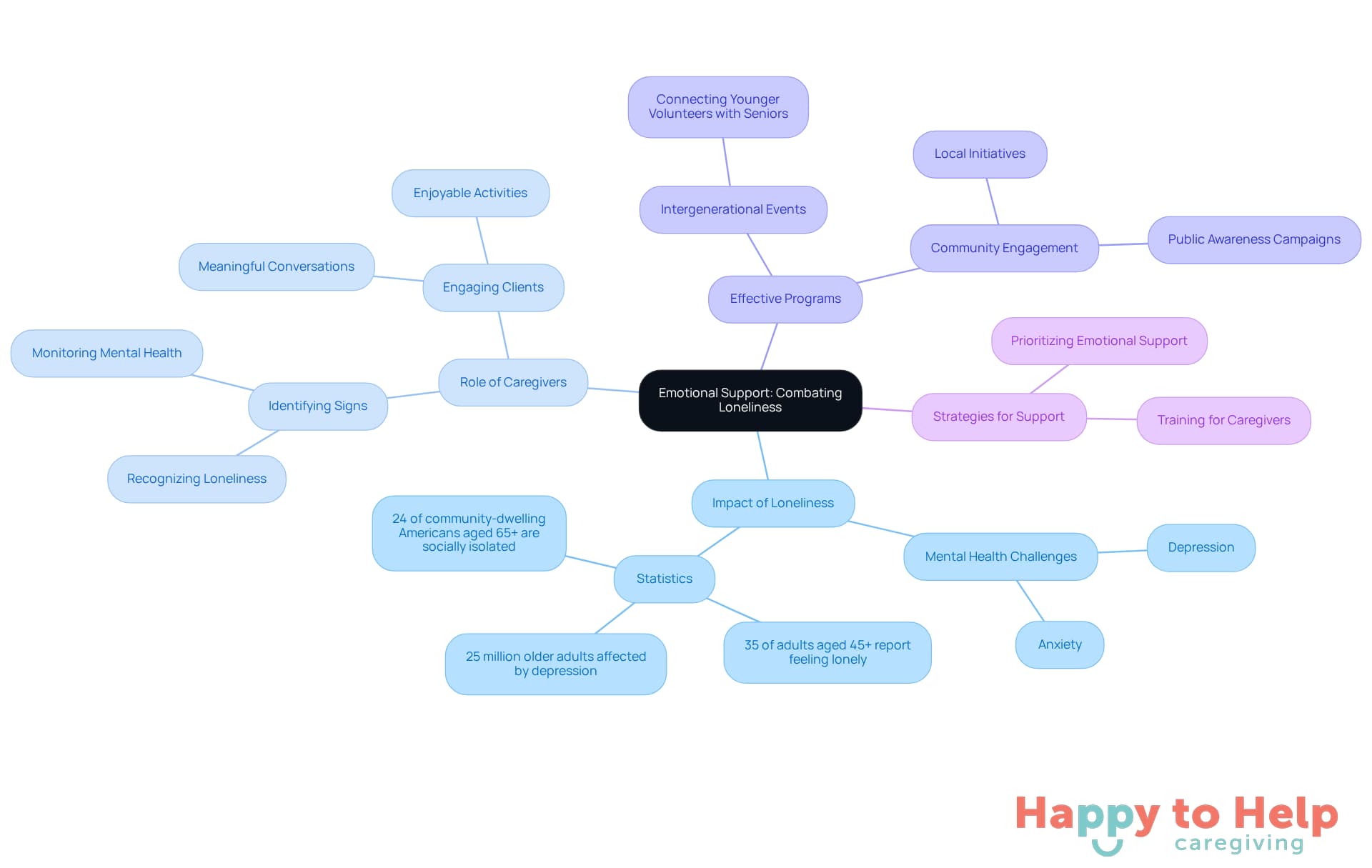
Loneliness among older adults is a significant issue that can lead to serious mental health challenges, including depression and anxiety. Research shows that over 25 million older adults worldwide are affected by depression, highlighting the urgent need for emotional assistance in caregiving. Caregivers play a crucial role in addressing this problem by being trained to identify signs of loneliness and engage clients in meaningful conversations and enjoyable activities.
By actively promoting social interaction, caregivers can help preserve the emotional well-being of their clients. Programs designed to combat loneliness, such as intergenerational events and community engagement initiatives, have proven effective in enhancing social connections for elderly individuals. For example, initiatives that connect younger volunteers with homebound seniors have shown positive outcomes in reducing feelings of isolation.
To effectively combat loneliness, caregivers should prioritize emotional support. This approach not only mitigates the adverse effects of isolation but also promotes a healthier, more fulfilling life for their clients. By implementing these strategies, caregivers can make a significant difference in the lives of older adults, fostering connections that are essential for mental health.
Technology Integration: Enhancing Communication and Care
The Challenge of Caregiving
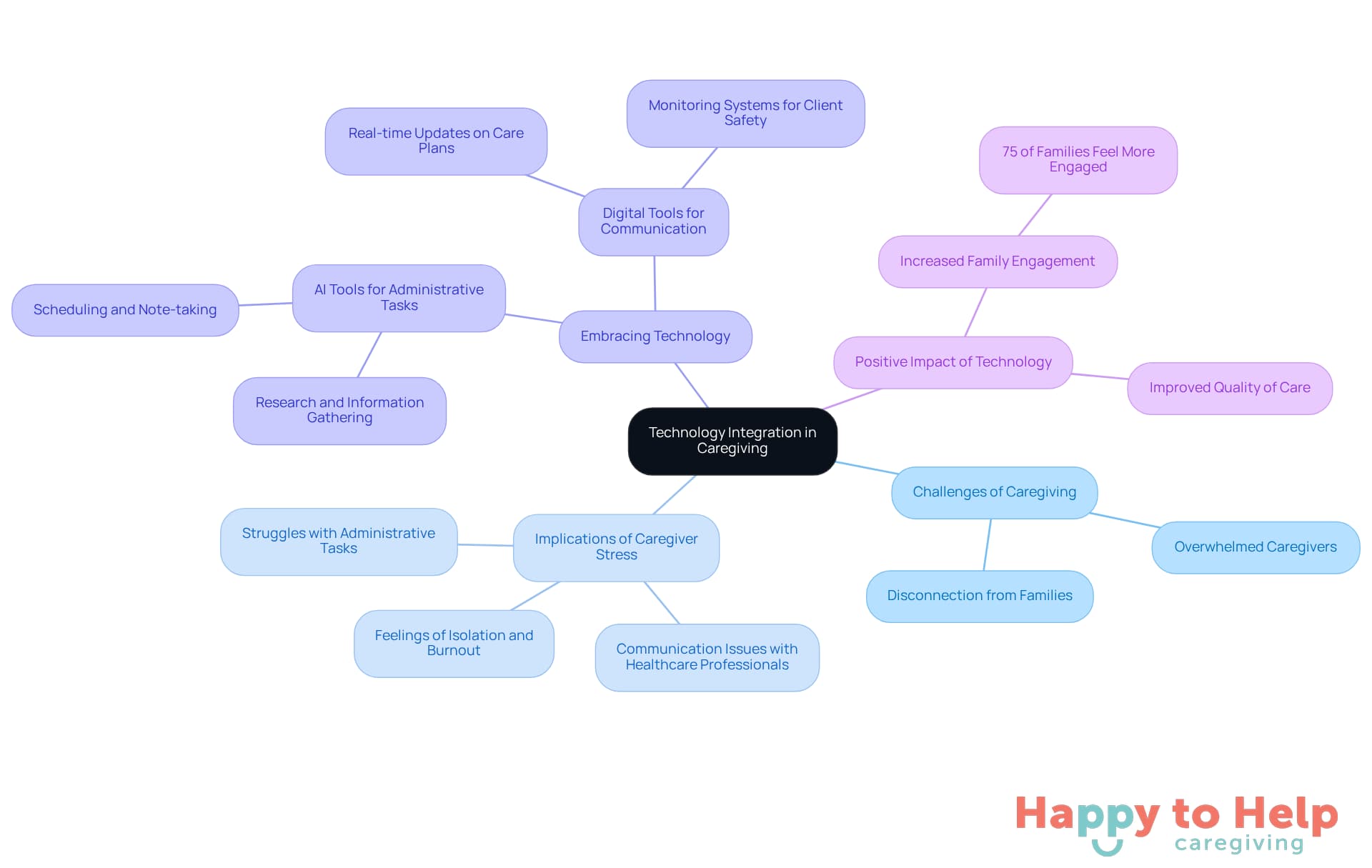
Caregiving can be a demanding role, often leaving caregivers feeling overwhelmed and disconnected from the families they support. As the need for family support increases, caregivers face mounting pressures that can impact the quality of care provided.
The Implications of Caregiver Stress
Without adequate support, caregivers may struggle with administrative tasks, communication with healthcare professionals, and maintaining a connection with their loved ones. This can lead to feelings of isolation and burnout, ultimately affecting the well-being of both caregivers and clients.
Embracing Technology as a Solution
Fortunately, technology offers practical solutions to these challenges. Happy to Help Caregiving utilizes digital tools to enhance communication between support providers and families. Monitoring systems ensure client safety, while real-time updates on care plans keep families informed and engaged.
AI tools can also simplify administrative tasks like scheduling and note-taking, alleviating some of the pressures on caregivers. Andy Miller from AARP’s AgeTech Collaborative highlights that thoughtful technology use can enhance safety, improve communication with healthcare professionals, and lessen caregiver burdens. Notably, nearly one-third of Americans regularly use generative AI tools, indicating a shift towards digital solutions in caregiving.
The Positive Impact of Technology
The benefits of these technologies are evident in the experiences of families who report feeling more connected and knowledgeable about their loved ones' care. A recent survey revealed that 75% of families using digital tools felt more engaged in the caregiving process. By integrating these tools, Happy to Help Caregiving not only improves the quality of assistance but also strengthens the bond between caregivers and families, ensuring coordinated efforts to support the client’s well-being.
Maintaining Independence: Empowering Seniors at Home
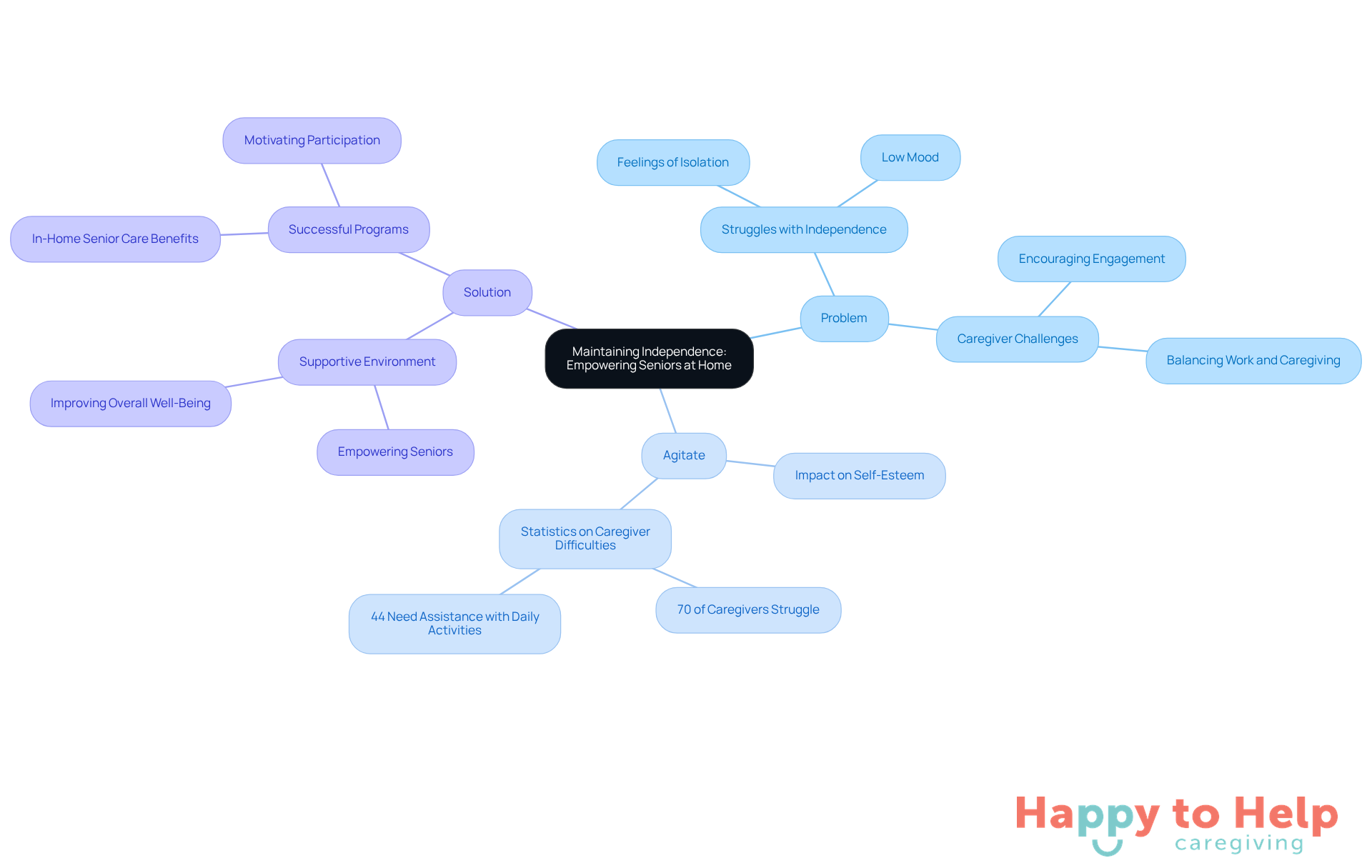
Problem: Many older adults struggle to maintain their independence while receiving necessary assistance, which can lead to feelings of isolation and low mood. Caregivers face significant challenges in encouraging clients to engage in daily activities and make decisions about their routines.
Agitate: This lack of engagement can diminish self-esteem and hinder a fulfilling lifestyle. Occupational therapists emphasize that empowering older adults is crucial for their mental and emotional well-being, allowing them to feel valued and connected to their lives. Statistics indicate that nearly 70% of family caregivers find it difficult to balance their jobs with caregiving responsibilities, highlighting the pressing need for effective support systems.
Solution: Successful programs that motivate older adults to participate in their care routines have shown remarkable outcomes. These programs reinforce the idea that independence is not just a preference but a vital aspect of elderly care. In-home senior care in Spring Texas can significantly alleviate the burden on family caregivers, enabling seniors to thrive. By fostering a supportive environment, caregivers can help older adults maintain their independence and improve their overall well-being.
Family Testimonials: Real Stories of Impact and Care
Family testimonials serve as powerful endorsements of the quality of assistance provided by Happy to Help Caregiving. Families often express heartfelt gratitude for the compassionate support their loved ones receive, highlighting significant improvements in overall well-being.
For instance, one family shared how their elderly parent, who was once withdrawn and isolated, has rediscovered joy and engagement through personalized companionship support. These stories not only demonstrate the effectiveness of tailored care plans but also reflect the agency's unwavering commitment to treating clients like family.
Such testimonials are crucial for enhancing the agency's reputation. They illustrate the profound impact that dedicated in-home senior care in Spring Texas can have on individuals and their families, highlighting a solution that addresses the emotional and practical challenges faced by caregivers.
Making the Right Choice
The landscape of in-home senior care services in Spring, Texas, highlights a significant problem: many elderly individuals struggle with loneliness and a lack of support, which can severely impact their emotional and psychological well-being. This issue not only affects seniors but also places a heavy burden on family caregivers who often feel overwhelmed by the demands of providing care.
To address these challenges, comprehensive care is essential. Key services such as:
- Companionship care
- Post-hospital recovery assistance
- Respite care
- Personalized care plans
are designed to meet the unique needs of seniors. These services tackle specific issues, from combating loneliness and ensuring medication adherence to providing continuous support and promoting emotional health. By integrating technology, families can stay connected and informed about their loved ones' well-being, further enhancing the care experience.
Ultimately, the importance of in-home senior care services cannot be overstated. They provide crucial support for seniors while alleviating the burdens faced by family caregivers. As communities increasingly recognize the value of tailored, compassionate care, there is a growing opportunity to empower older adults to thrive in the comfort of their homes. Embracing these services can lead to a more fulfilling and connected life for seniors, making a profound difference in their overall experience.
https://iframe.tely.ai/cta/eyJhcnRpY2xlX2lkIjogIjY5MjBmZDVmY2E3OGI5ZDliYTJkYTRlZiIsICJjb21wYW55X2lkIjogIjY4ZWU1ZGNhNzMxNzYyNTU3ZjNjOTVjMSIsICJpbmRleCI6IG51bGwsICJ0eXBlIjogImFydGljbGUifQ==Frequently Asked Questions
What is the main purpose of Happy to Help Caregiving?
The main purpose of Happy to Help Caregiving is to provide in-home senior care that emphasizes companionship and emotional support for elderly individuals, addressing the issues of loneliness and isolation.
What activities do caregivers engage seniors in to promote companionship?
Caregivers engage seniors in activities such as playing games, reading, and having conversations, which are essential for maintaining their mental health and emotional stability.
Why is post-hospital recovery assistance important for elderly individuals?
Post-hospital recovery assistance is important because it helps elderly individuals manage their medication, ensures a safe recovery at home, and supports their emotional and psychological needs, leading to better health outcomes.
What are the benefits of in-home recovery compared to institutional settings?
In-home recovery allows elderly individuals to recuperate more quickly and engage more in physical activities, as evidenced by programs like Contessa Health that report low infection rates and no bed sores among their patients.
How does Happy to Help Caregiving support caregivers to prevent burnout?
Happy to Help Caregiving offers respite support services that provide temporary relief for caregivers, allowing them to recharge and focus on their own well-being while ensuring their loved ones are cared for.
What impact does respite care have on caregivers' mental well-being?
Respite care significantly improves caregivers' mental well-being, with many reporting renewed energy and focus after taking breaks, which is crucial for maintaining emotional resilience.
How can caregivers benefit from utilizing respite services?
By utilizing respite services, caregivers can alleviate their burden, enhance family dynamics, and ensure that their loved ones receive quality care while they take necessary breaks.
List of Sources
- Happy to Help Caregiving: Companionship Care for Seniors
- Older adults find support through health care companions (https://news-medical.net/news/20250924/Older-adults-find-support-through-health-care-companions.aspx)
- 10 Benefits of Companionship Carers for Seniors' Well-Being - Happy To Help (https://happytohelpcaregiving.com/10-benefits-of-companionship-carers-for-seniors-well-being)
- AI Care Companions for Seniors (https://health.usnews.com/senior-care/articles/ai-care-companions-for-seniors)
- Lonely Seniors Are Turning To AI Bots For Companionship (https://forbes.com/sites/rashishrivastava/2025/10/18/lonely-seniors-are-turning-to-ai-bots-for-companionship)
- Post-Hospital Recovery Assistance: A Vital Support System
- Post-Hospital Care Sanger, CA - How Post-Hospital Care Supports Seniors' Independence (https://a-plusinhomecare.com/how-post-hospital-care-supports-seniors-independence)
- Post-Hospital Care for Seniors Supports Healing (https://picseniorcare.com/how-post-hospital-care-for-seniors-makes-recovery-easier)
- Sent Home To Heal, Patients Avoid Wait for Rehab Home Beds - KFF Health News (https://kffhealthnews.org/news/article/patients-rehab-at-home-unclog-hospital-bed-nursing-home-waiting-list)
- Post Hospital Care: Why it is Critical for Recovery ? 2025 (https://safehandshhc.com/2025/01/10/post-hospital-care)
- Trends in Receipt of Help at Home After Hospital Discharge Among Older Adults in the US - PMC (https://pmc.ncbi.nlm.nih.gov/articles/PMC8634055)
- Respite Care: Alleviating Caregiver Burnout
- It’s Time to Care for Caregivers: Senator Markey Announces Comprehensive Family Caregiving Legislative Agenda | U.S. Senator Ed Markey of Massachusetts (https://markey.senate.gov/news/press-releases/11/20/2025/its-time-to-care-for-caregivers-senator-markey-announces-comprehensive-family-caregiving-legislative-agenda)
- Demand for Pediatric Hospice Respite Accelerating (https://hospicenews.com/2025/11/14/demand-for-pediatric-hospice-respite-accelerating)
- The Caregiving Landscape: Data & Insights on the Caregiver Experience in the U.S. (https://caregiveraction.org/caregiver-statistics)
- Family Caregivers: You Deserve Support, and Here’s Where to Find It | Shore Medical Center (https://shoremedicalcenter.org/news/family-caregivers-you-deserve-support-and-here-s-where-find-it)
- New Resources Available for Improving Respite Care Services for Caregivers | ACL Administration for Community Living (https://acl.gov/news-and-events/announcements/new-resources-available-improving-respite-care-services-caregivers)
- Palliative Support Care: Enhancing Quality of Life
- Palliative Care News Archives (https://hospicenews.com/category/palliative-care-news)
- How many people will need palliative care in 2040? Past trends, future projections and implications for services - BMC Medicine (https://bmcmedicine.biomedcentral.com/articles/10.1186/s12916-017-0860-2)
- Palliative care (https://who.int/news-room/fact-sheets/detail/palliative-care)
- Palliative Care Statistics (https://rosewood-nursing.com/post/palliative-care-statistics)
- Palliative Care News | Living with Serious Illness | Get Palliative Care (https://getpalliativecare.org/news)
- 24/7 Availability: Always There When You Need Us
- Statistics that Highlight the Growing Need for Senior Home Care (https://lifestarhomecare.com/numbers-showing-the-increasing-need-for-in-home-care-for-aging-adults)
- 24/7 Long-Term Senior Care: What to Expect | Heisinger Bluffs (https://hbrhc.com/blog/what-to-expect-from-24-7-long-term-senior-care)
- Caregiver Statistics: Demographics (https://caregiver.org/resource/caregiver-statistics-demographics)
- 24/7 In-Home Care Costs in 2025 - Assisted Living Magazine (https://assistedlivingmagazine.com/24-7-in-home-care-costs-in-2025)
- Personalized Care Plans: Tailored Support for Individual Needs
- The Future of Private Home Care: What to Expect in 2025 (https://anodyne-services.com/2024/08/14/the-future-of-private-home-care-what-to-expect-in-2025)
- Customized Care at Home: The Benefits of Personalized Care Plans - VNA Health Group (https://vnahg.org/customized-care-at-home-the-benefits-of-personalized-care-plans)
- Novel Care Model May Improve Outcomes for Older Adults With Multiple Chronic Conditions (https://consultqd.clevelandclinic.org/novel-care-model-may-improve-outcomes-for-older-adults-with-multiple-chronic-conditions)
- Importance of Personalized Senior Home Care in Burlington NC (https://wisdomseniorcare.com/the-importance-of-personalized-care-plans-for-seniors)
- Emotional Support: Combating Loneliness and Isolation
- Emotional support key to protecting older adults against depression (https://unsw.edu.au/news/2025/09/neighbourhoods-may-hold-key-slowing-cognitive-decline)
- For seniors dealing with social isolation, NYC programs provide intergenerational events (https://cbsnews.com/newyork/news/cost-of-caregiving-the-life-story-club-nyc-friendly-visiting-program)
- Summary - Social Isolation and Loneliness in Older Adults - NCBI Bookshelf (https://ncbi.nlm.nih.gov/books/NBK557972)
- Caregiving is taking a toll on the mental health of millions of Americans (https://npr.org/2025/01/26/nx-s1-5271537/caregiving-is-taking-a-toll-on-the-mental-health-of-millions-of-americans)
- Aurora releases study to address needs of older adults and caregivers (https://denver7.com/news/front-range/aurora/aurora-releases-study-to-address-needs-of-older-adults-and-caregivers)
- Technology Integration: Enhancing Communication and Care
- ‘Perfect storm’ hitting assisted living requires leveraging technology to improve outcomes (https://mcknightsseniorliving.com/news/perfect-storm-hitting-assisted-living-requires-leveraging-technology-to-improve-outcomes)
- HHS Launches New Caregiving AI Initiative to 'Spark Innovative Support' (https://hospicenews.com/2025/11/18/hhs-launches-new-caregiving-ai-initiative-to-spark-innovative-support)
- HHS Launches $2M AI Initiative To ‘Transform’ Caregiving, Address Staffing Challenges (https://homehealthcarenews.com/2025/11/hhs-launches-2m-ai-initiative-to-transform-caregiving-address-staffing-challenges)
- How AI Could Change Family Caregiving (https://aarp.org/caregiving/basics/how-ai-can-help-caregivers)
- Maintaining Independence: Empowering Seniors at Home
- 2025 Home Care Statistics: Trends & Insights To Know (https://premierhcinc.com/blog/home-care-statistics)
- Importance of maintaining independence for the elderly (https://elder.org/care-guides/elderly-mobility/maintaining-independence)
- Independence trumps longevity as top priority in aging: survey (https://mcknightsseniorliving.com/news/independence-trumps-longevity-as-top-priority-in-aging-survey)
- Elderly Care Statistics (https://rosewood-nursing.com/post/elderly-care-statistics)
- 52 Eye-Opening Home Health Statistics: Insights for 2025 (https://boosthomehealth.com/home-health-statistics)
- Family Testimonials: Real Stories of Impact and Care
- The number of family caregivers is surging (https://northcarolinahealthnews.org/2025/07/26/the-number-of-family-caregivers-is-surging)
- Caregiving Crisis: Nearly 1 in 4 US adults serve as caregivers for relatives with complex needs (https://investigatetv.com/2025/11/04/caregiving-crisis-nearly-1-4-us-adults-serve-caregivers-relatives-with-complex-needs)
- Topic: Home care in the U.S. (https://statista.com/topics/4049/home-care-in-the-us?srsltid=AfmBOoo8\_cj5iB0wT\_s\_kf\_nvIVMcB4njcXYbxzX7lgh0Fxyl8s1N0y4)
- Every Caregiver Has a Story (https://caregiver.org/news/every-caregiver-has-a-story)
- Caregiver Statistics: Demographics (https://caregiver.org/resource/caregiver-statistics-demographics)