10 Benefits of Care Around the Clock for Your Loved Ones

For families in our service areas
For families in our service areas, this guide explains caregiving and how non-medical in-home caregiving can support care planning in East Idaho, Treasure Valley & Magic Valley, Northern Wasatch, North Central West Virginia, and Northeast Ohio.
Understanding Care Around the Clock
Caring for loved ones is a significant responsibility that often brings emotional and physical challenges. As our population ages, the need for specialized support grows, making around-the-clock care increasingly essential. Without this continuous support, families may face overwhelming stress and uncertainty about their loved ones' well-being.
The absence of 24/7 care can lead to deteriorating health and quality of life for seniors and individuals with special needs. Families may struggle to balance their own lives while ensuring their loved ones receive the compassionate care they deserve. This is where in-home care steps in as a vital solution.
In-home care offers personalized assistance that not only enhances the quality of life for those in need but also alleviates the burden on families. By providing continuous support, caregivers can ensure that their loved ones are safe, comfortable, and well-cared for. This article explores the numerous benefits of 24/7 in-home care, highlighting how it can transform the caregiving experience for families.
Happy to Help Caregiving: Personalized 24/7 In-Home Support
The Problem: Many seniors and individuals with special needs face challenges in receiving adequate support tailored to their unique requirements. This lack of personalized assistance can lead to feelings of insecurity and a diminished quality of life.
The Implications: Without proper care, individuals may struggle with daily activities, leading to increased dependence on others and a loss of autonomy. This situation not only affects their well-being but also places a burden on family caregivers who may feel overwhelmed.
The Solution: Happy to Help Caregiving provides customized assistance that offers care around the clock, ensuring individuals receive the support they need. Caregivers are trained to adjust their services according to the preferences and routines of each individual, fostering independence and comfort in familiar environments. This approach not only enhances the quality of life for seniors and individuals with special needs but also provides peace of mind for their families.
Companionship Care: Reducing Loneliness and Enhancing Well-Being
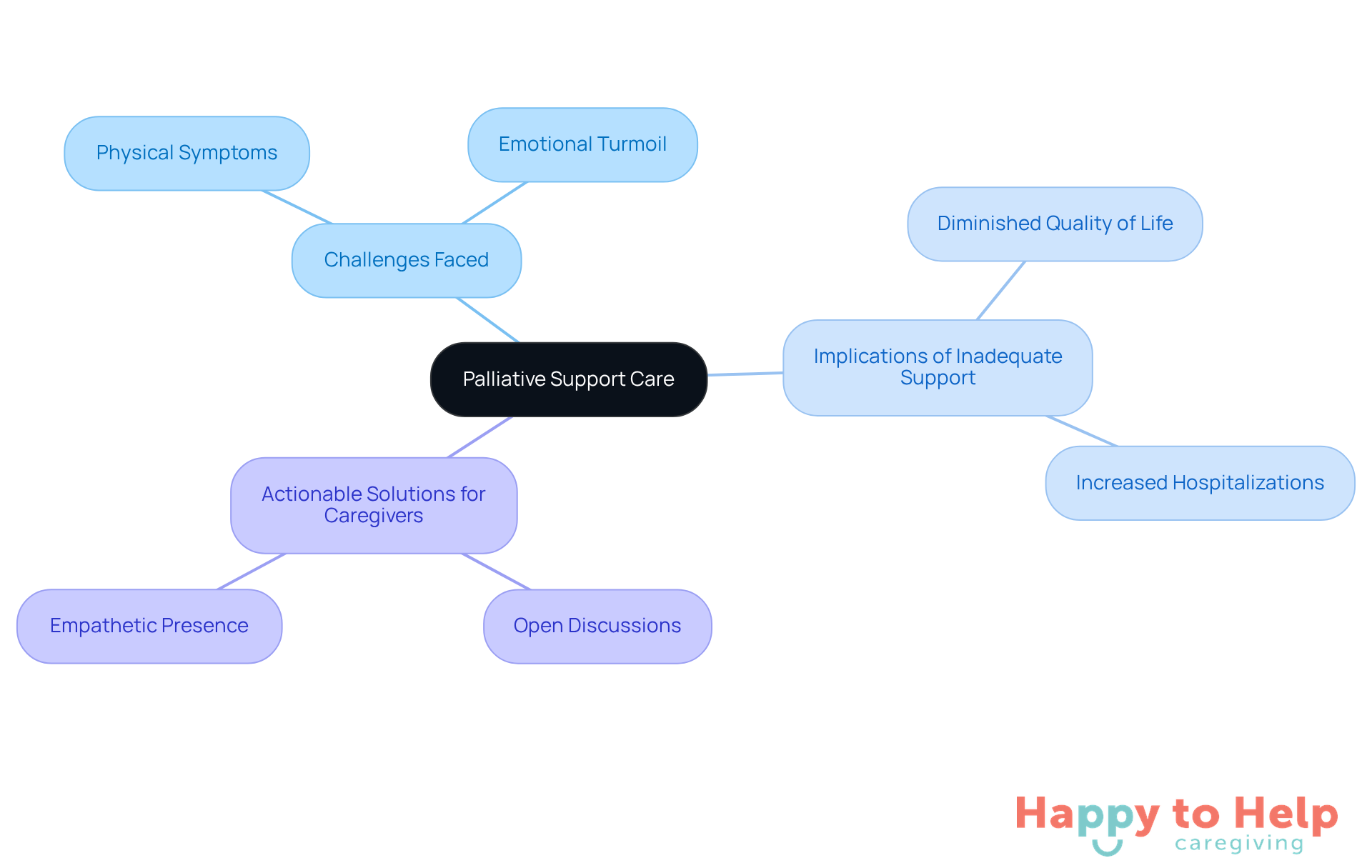
Loneliness among elderly individuals is a significant issue, with nearly 30% of the U.S. elderly population living alone. This isolation can lead to serious health problems, including cognitive decline and an increased risk of heart disease. The emotional well-being of seniors is at stake, making companionship support essential.
Companionship support actively engages seniors in meaningful conversations and enjoyable activities, fostering vital social connections. As noted, "Companion support provides more than just a friendly presence; it addresses the holistic well-being of seniors." This interaction not only diminishes feelings of isolation but also enhances emotional health.
Caregivers are essential in providing care around the clock during this process. By providing care around the clock, they offer consistent assistance that helps clients feel valued and understood, which is vital for mental health. To combat loneliness effectively, caregivers can implement the following strategies:
- Encourage regular social interactions through group activities.
- Facilitate meaningful conversations that allow seniors to express their feelings.
- Provide opportunities for enjoyable activities that promote engagement.
By addressing the problem of loneliness with these actionable solutions, caregivers can significantly improve the quality of life for seniors, ensuring they lead healthier, more satisfying lives.
Post-Hospital Recovery Assistance: Ensuring Safe Transitions Home
Post-hospital recovery assistance presents a significant challenge for caregivers, as ensuring safe transitions from medical facilities to home is crucial. Without adequate support, individuals may struggle with medication management, personal care, and motivation for rehabilitation exercises, leading to potential complications and increased hospital readmissions.
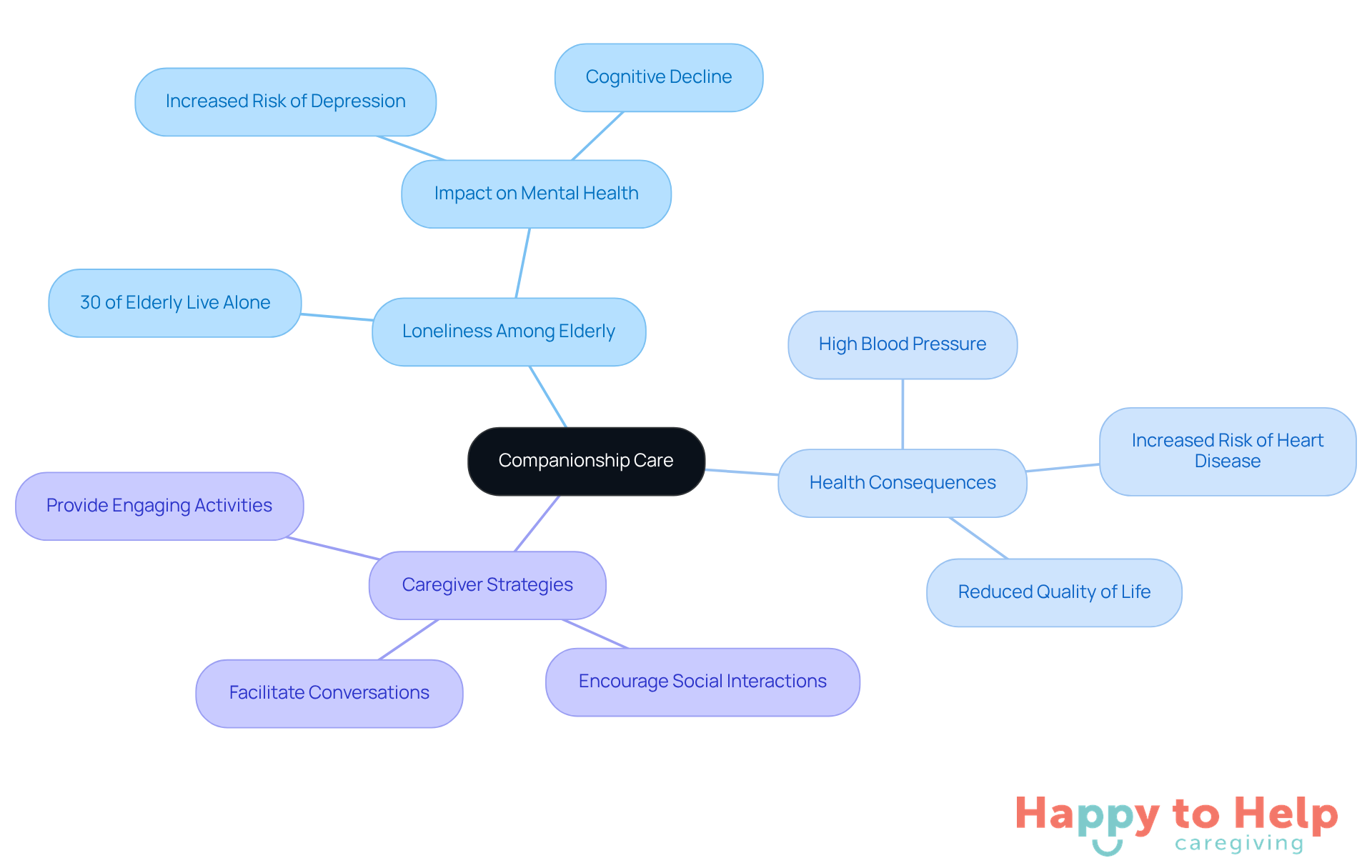
The implications of inadequate post-hospital care are serious. Data indicates that patients receiving home treatment experience a 20% lower readmission rate compared to those relying solely on hospital services. Furthermore, recovery rates for chronic disease management stand at 75% for home care, in stark contrast to just 45% for hospital services. This highlights the importance of personalized support in improving recovery outcomes.
To address these challenges, caregivers can implement effective medication management strategies. Common errors, such as incorrect dosages and timing, can be minimized through organized systems like pill organizers and reminders. By fostering a safe and supportive environment, caregivers can provide care around the clock to ensure that the transition home is seamless, allowing clients to focus on their recovery with confidence.
Respite Care: Supporting Family Caregivers with Essential Breaks
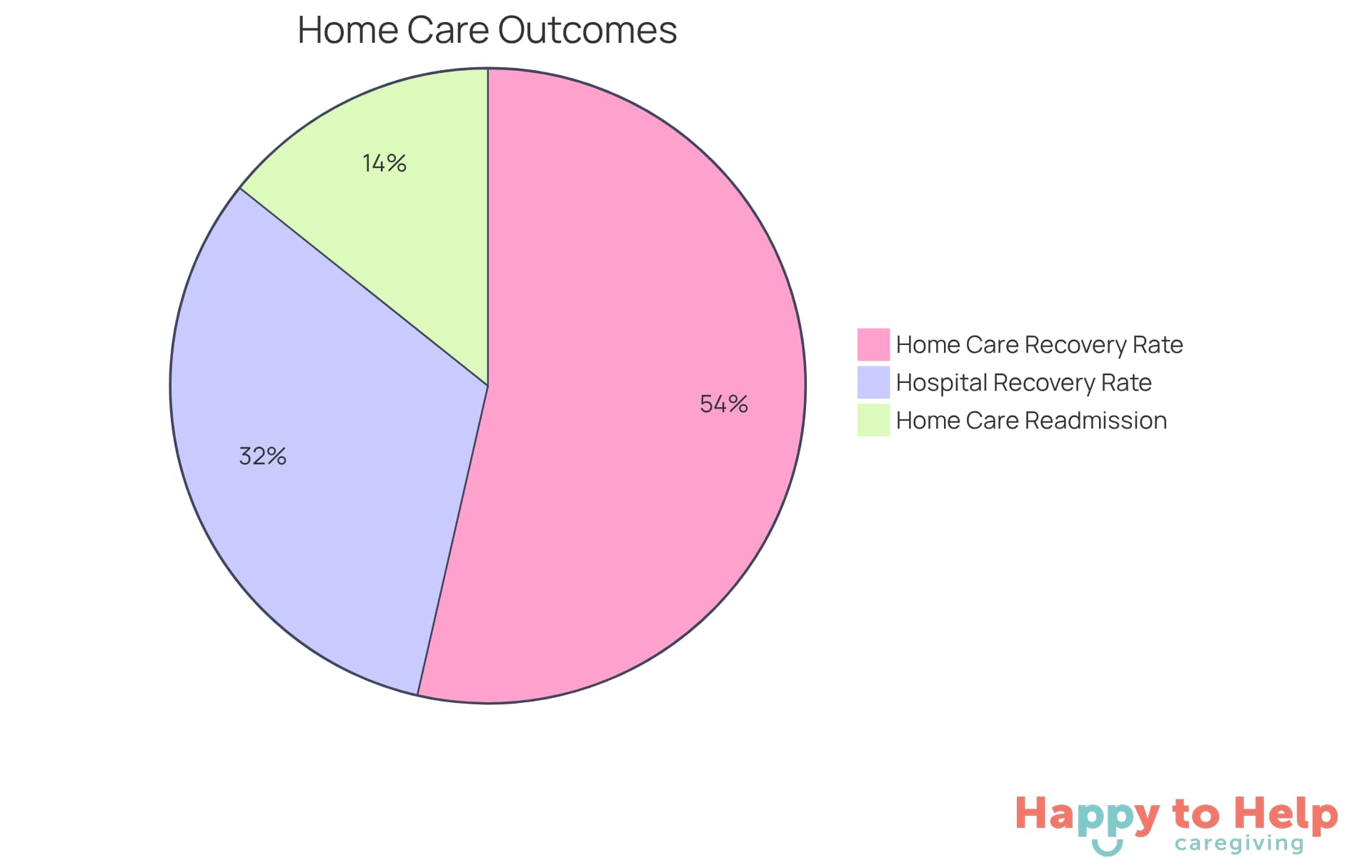
Caregivers often face significant challenges, including stress and exhaustion from their demanding roles. This can lead to burnout, negatively impacting both their well-being and the quality of care they provide. Without adequate support, caregivers may struggle to meet their own needs, which can ultimately affect those they care for.
Respite assistance offers a practical solution to this problem. By providing family supporters with crucial breaks, they can refresh and focus on their own requirements. This short-term support not only alleviates tension but also helps prevent exhaustion, allowing caregivers to return to their roles rejuvenated.
Implementing respite assistance is essential for ensuring that caregivers can provide care around the clock while maintaining the well-being of both themselves and the recipients. This framework ensures that caregivers can sustain their health while continuing to provide high-quality support.
Palliative Support Care: Compassionate Management of Chronic Conditions
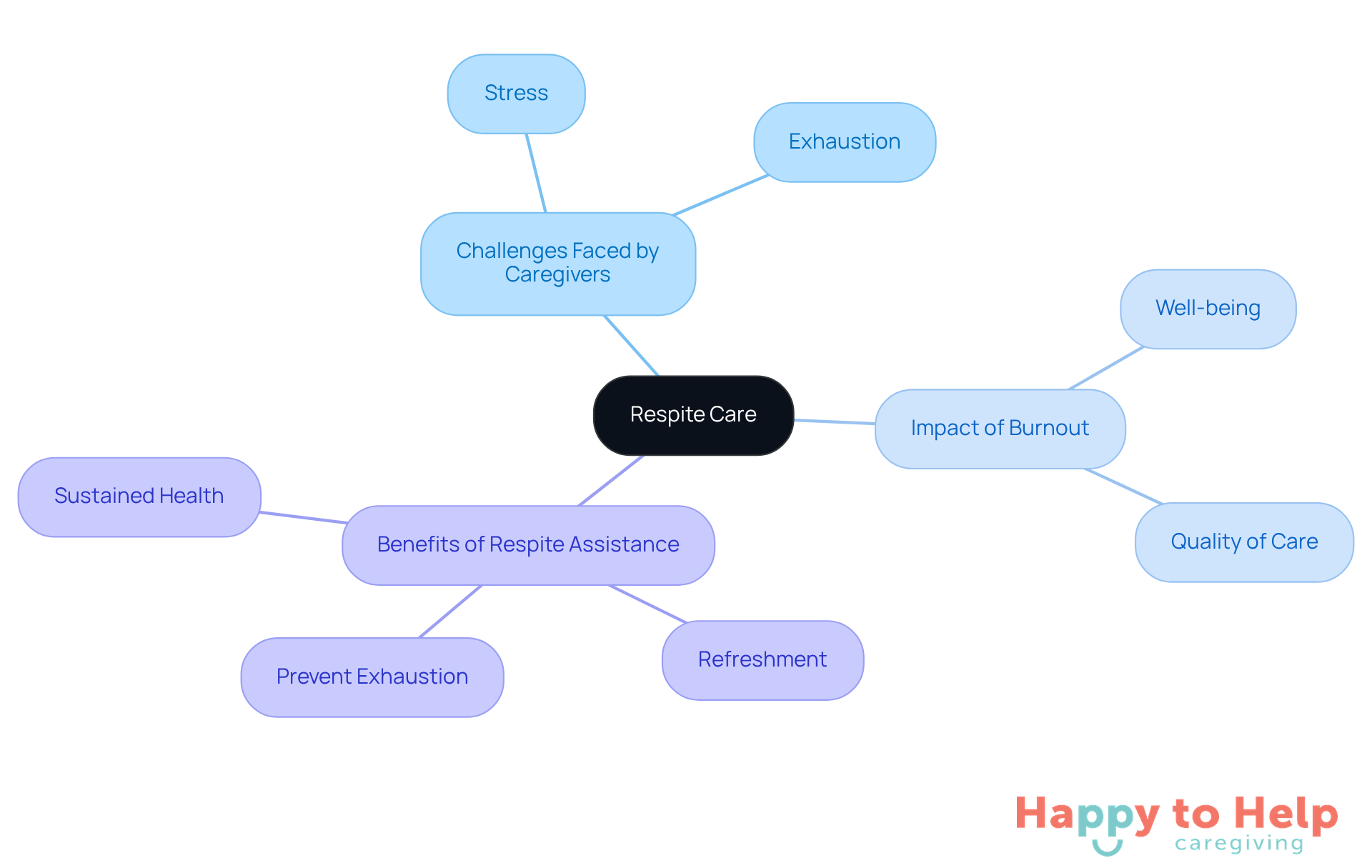
Palliative care addresses a significant problem: the challenges faced by individuals with chronic conditions and their caregivers. These caregivers often struggle to manage not only the physical symptoms but also the emotional turmoil that accompanies serious health issues. This dual burden can lead to increased stress and anxiety for both patients and their families.
The implications of inadequate support are profound. Without proper palliative care, patients may experience diminished quality of life and increased hospitalizations. Research shows that those receiving early palliative care enjoy better symptom management and fewer hospital visits, as highlighted by the World Health Organization. This underscores the importance of a holistic approach that prioritizes both emotional and physical well-being.
To address these challenges, caregivers can implement several actionable solutions:
- They should engage in open discussions with patients about their preferences for care. This fosters a supportive atmosphere where emotional needs are acknowledged and addressed.
- Caregivers can provide empathetic presence, which is crucial for patients experiencing heightened emotional distress.
By recognizing and validating the emotional experiences of both patients and their loved ones, caregivers can create an environment that promotes dignity and respect. This approach not only enhances comfort but also allows clients to flourish despite their health challenges. Ultimately, prioritizing emotional support and comfort leads to a more effective caregiving experience.
Safety and Security: Peace of Mind for Families
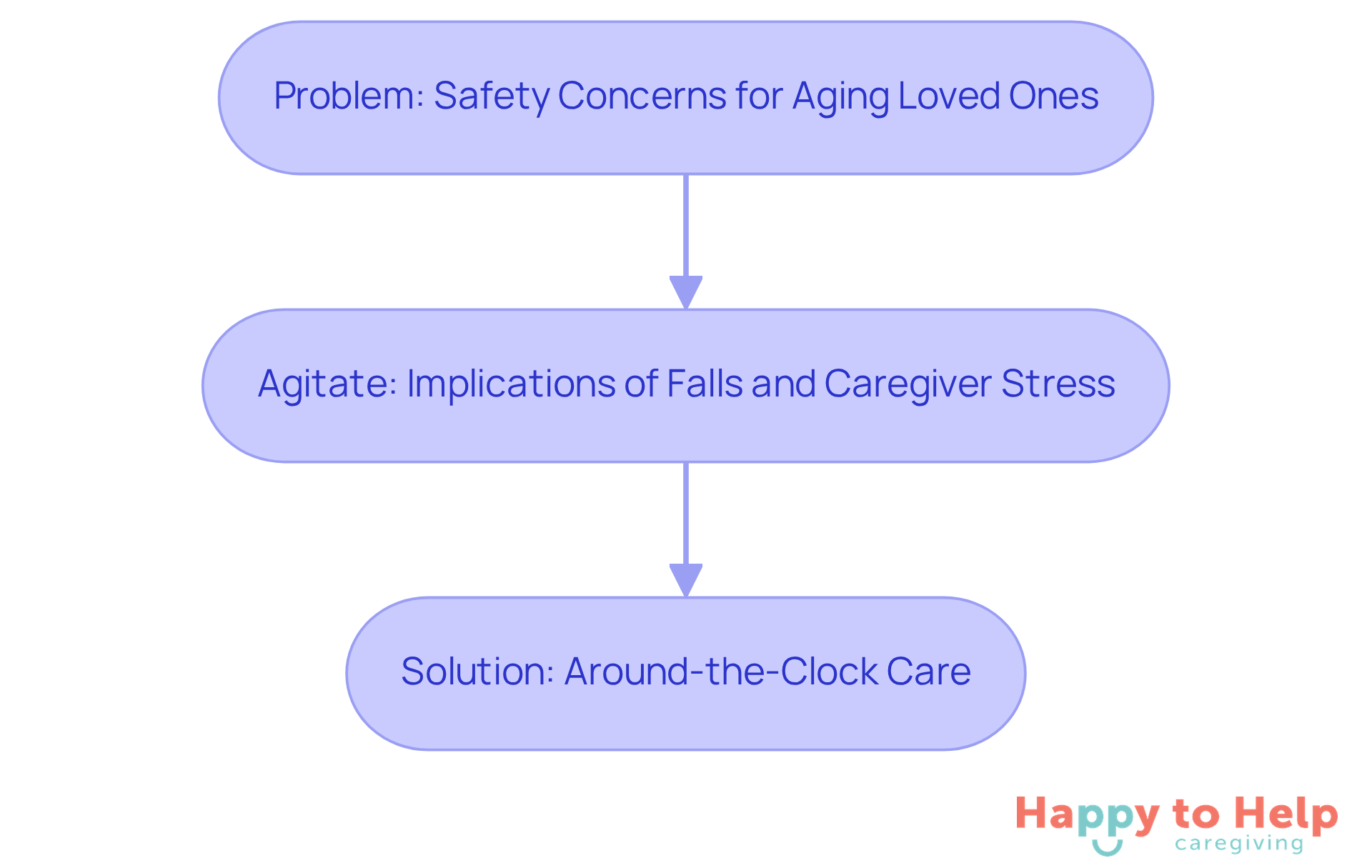
Problem: Many families worry about the safety of their aging loved ones at home. Each year, one out of every three seniors experiences a fall, highlighting the urgent need for vigilant care. This issue not only poses a risk of injury but also creates anxiety for families who want to ensure their loved ones are safe.
Agitate: The implications of these falls can be severe, leading to serious injuries and a loss of independence for seniors. Families often feel overwhelmed by the responsibility of caregiving, fearing they may not be able to provide the necessary support. The stress and anxiety associated with these concerns can take a toll on both caregivers and their loved ones.
Solution: Providing care around the clock offers families invaluable peace of mind. Caregivers undergo extensive training to identify potential hazards and implement effective safety measures, creating a secure living environment tailored to individual needs. This continuous supervision ensures care around the clock, helping to prevent accidents and providing immediate assistance during emergencies, significantly reducing the risk of falls and injuries. Families can feel confident knowing that trained experts are available to respond swiftly to any changes in health or safety, fostering a profound sense of security for both patients and their loved ones. The emotional comfort that arises from knowing a support person is always available cannot be overstated, as it alleviates the stress and anxiety often associated with caring for aging family members.
Emotional Support: Enhancing Mental Health for Clients
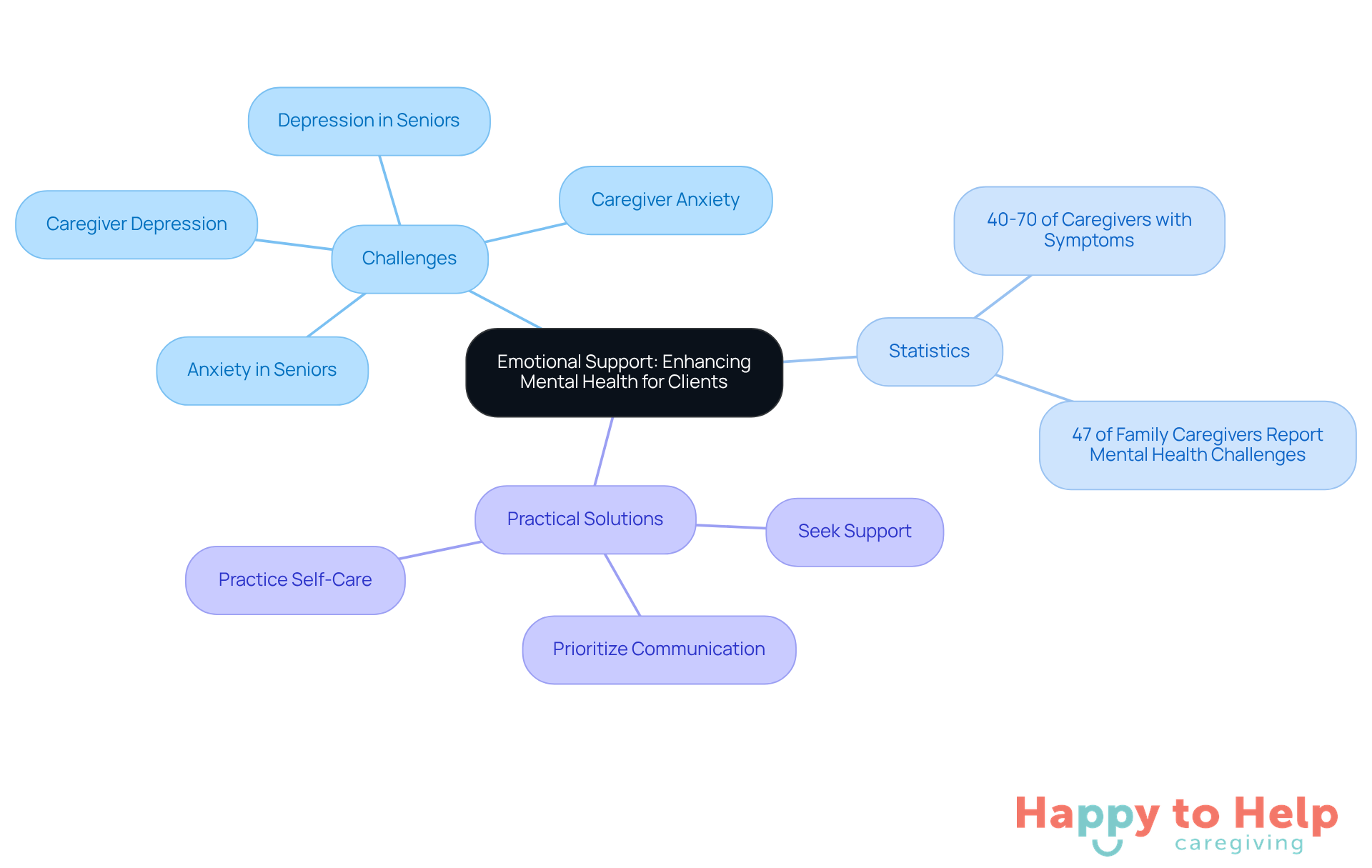
Caregivers face significant challenges in providing emotional support, which is crucial for helping individuals manage the difficulties associated with aging or illness. Research shows that seniors receiving assistance often experience heightened anxiety and depression. Alarmingly, studies indicate that 40 to 70% of caregivers themselves exhibit symptoms of these conditions, according to the CDC and Family Caregiver Alliance. Additionally, 47% of family supporters reported mental health challenges in the past year. This underscores the critical need for effective caregiver-client interactions to mitigate these feelings.
Effective communication can alleviate anxiety and depression, fostering a more positive outlook on life. Psychologists emphasize that the mental health benefits of caregiving extend beyond physical assistance; they include emotional validation and companionship, which are vital for enhancing the quality of life for seniors. To address these challenges, caregivers can implement several practical solutions:
- Prioritize Communication: Foster open lines of dialogue with clients to understand their emotional needs better.
- Seek Support: Engage in support groups that provide emotional backing and affirmation, helping caregivers manage their own mental health difficulties.
- Practice Self-Care: Caregivers should prioritize their own well-being to create a supportive environment that nurtures mental health and resilience.
By focusing on these strategies, caregivers can significantly improve their mental well-being and that of their clients, ultimately enhancing the caregiving experience.
Flexible Scheduling: Tailoring Care to Individual Needs
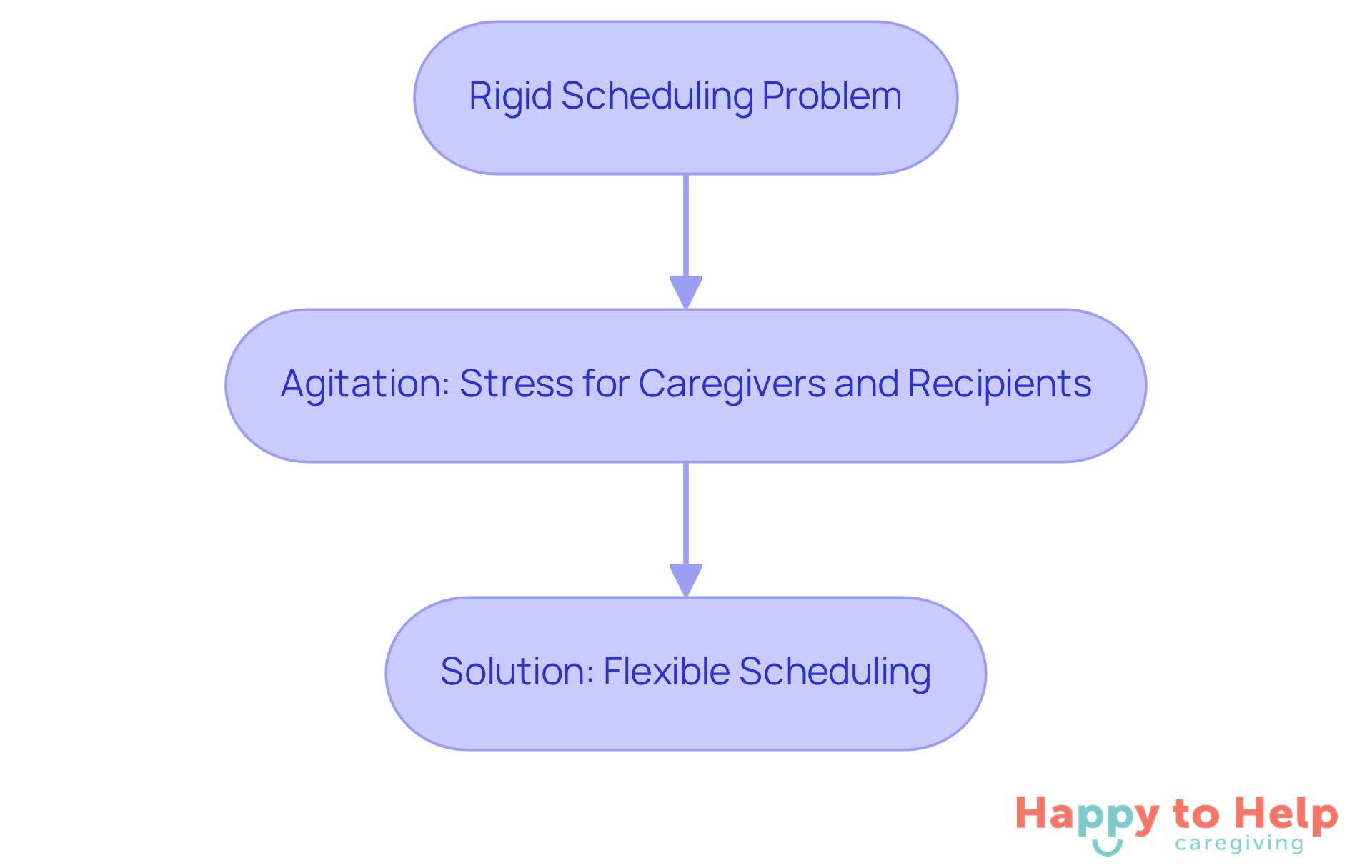
Problem: Rigid scheduling can hinder caregivers from meeting the diverse needs of those they support. When care times are fixed, it may not align with the unique requirements of each individual, leading to dissatisfaction and unmet needs.
Agitate: This lack of flexibility can create stress for both caregivers and recipients. Caregivers may struggle to provide adequate support, while individuals may feel neglected or unsupported when their specific requests cannot be accommodated.
Flexible scheduling enables caregivers to customize their services effectively, providing care around the clock. By adjusting care times and accommodating special requests, caregivers can ensure that individuals receive care around the clock when they need it. This personalized approach not only enhances the overall caregiving experience but also promotes recipient satisfaction.
Technology Integration: Enhancing Communication and Care Management
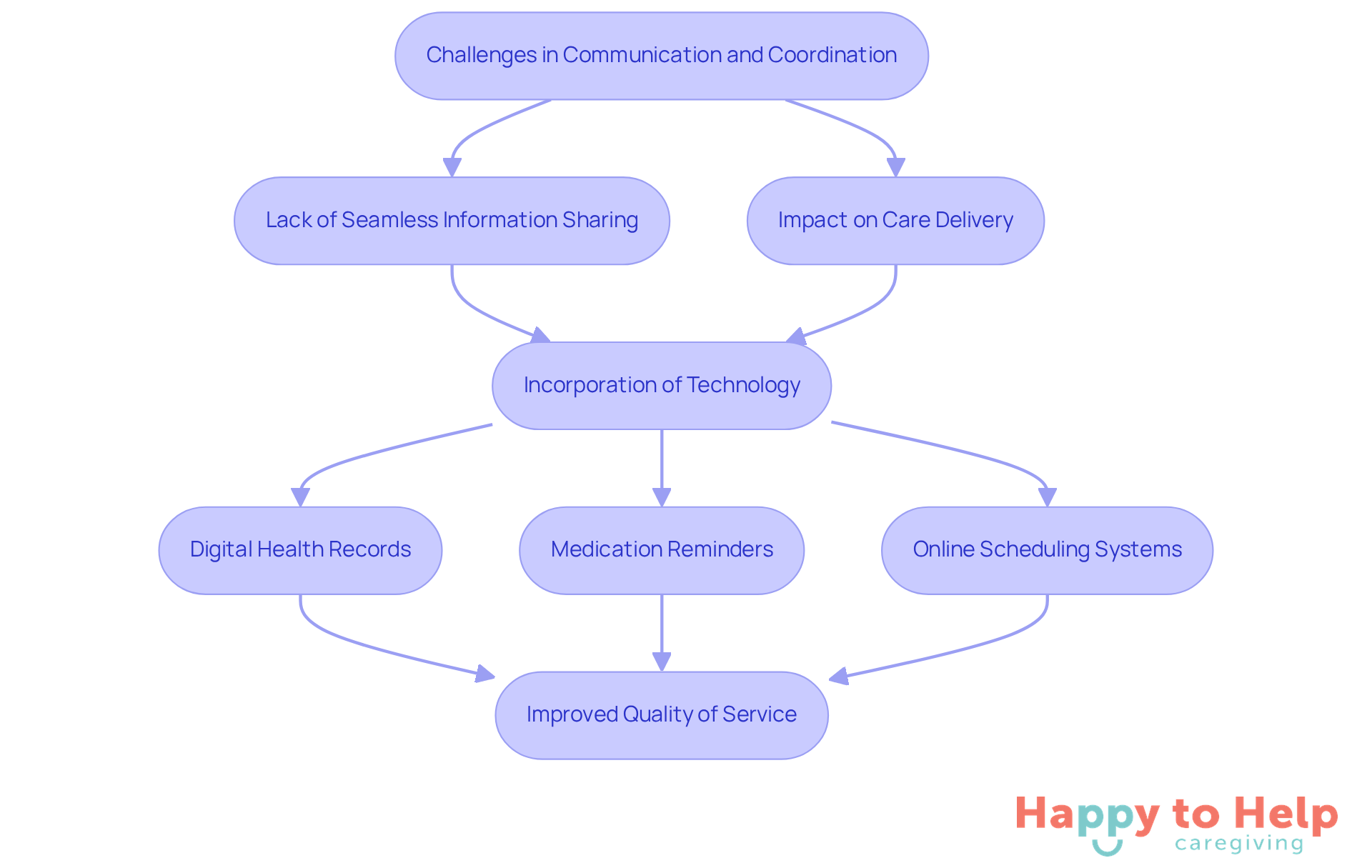
Caregivers face significant challenges in communication and coordination, impacting their ability to provide effective support. The lack of seamless information sharing among providers, clients, and families can lead to misunderstandings and inefficiencies in care delivery. This issue is particularly pressing given that an estimated 63 million Americans are providing continuous assistance, highlighting the urgent need for solutions.
To address these challenges, the incorporation of technology in support roles offers a promising solution. Digital health records facilitate real-time access to vital patient data, ensuring that caregivers are informed and coordinated. Additionally, medication reminders and online scheduling systems enhance management, allowing all parties to stay on the same page. As Robert F. Kennedy, Jr. noted, AI can revolutionize assistance by streamlining documentation and enabling caregivers to focus on what truly matters - the compassion for those they assist.
Moreover, initiatives like the Caregiver AI Challenge underscore the pressing need for innovative solutions to help caregivers navigate the complexities of the health service system. By implementing these digital tools, caregivers can efficiently manage their responsibilities while providing compassionate support, ultimately improving the overall quality of service offered.
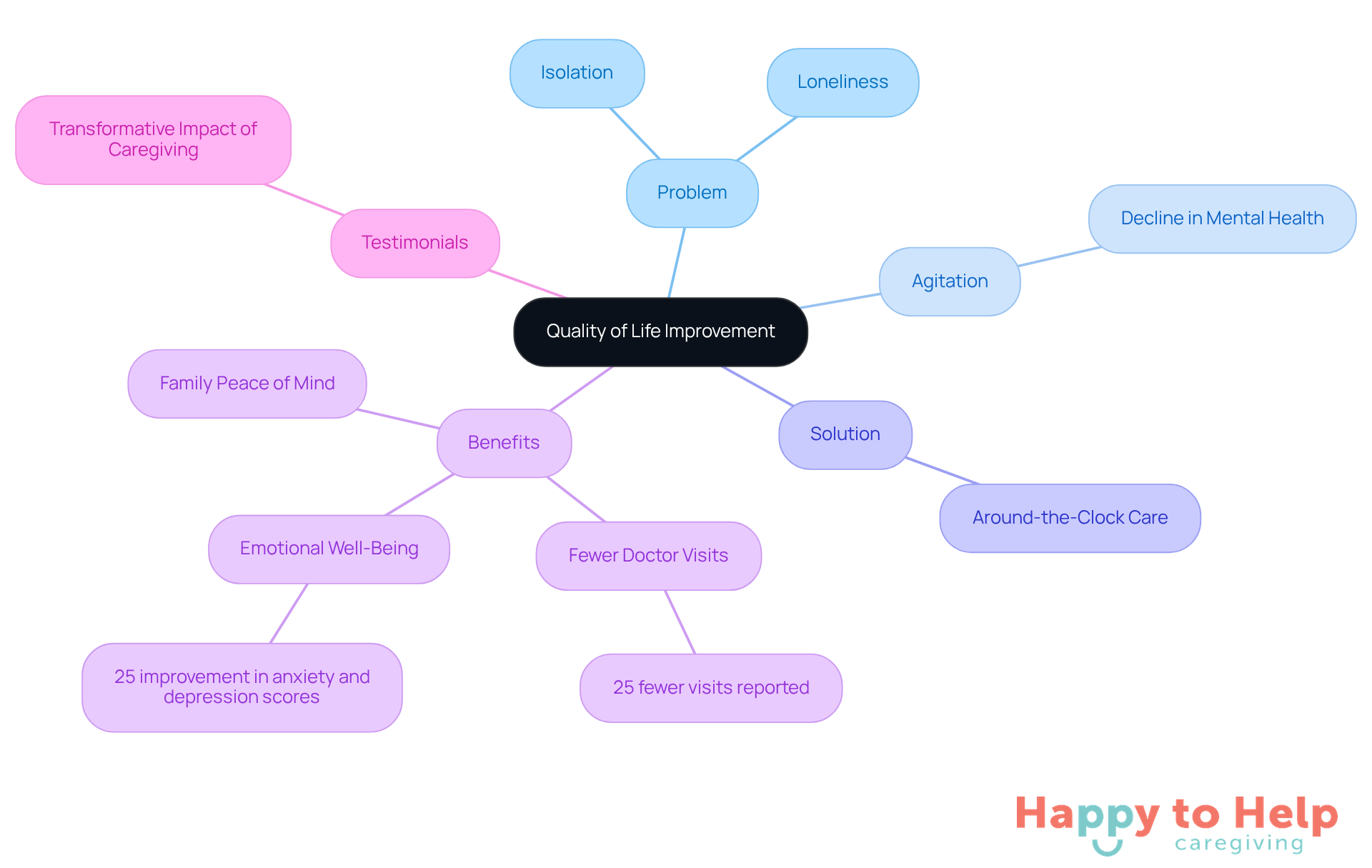
Quality of Life Improvement: Comprehensive Benefits of Around-the-Clock Care
Problem: Loneliness and isolation are significant challenges faced by older adults, impacting their emotional well-being and overall quality of life.
Agitation: These feelings can lead to a decline in mental health, increasing the risk of depression and anxiety. Families often worry about their loved ones, feeling helpless as they navigate these emotional struggles alone.
Solution: Providing care around the clock significantly improves the quality of life for individuals by offering constant help, companionship, and personalized assistance. This comprehensive approach not only addresses physical needs but also greatly enhances emotional well-being, promoting a sense of worth and support among clients. Families experience peace of mind, knowing their loved ones are receiving outstanding support in the comfort of their own homes.
Research shows that seniors using in-home care report 25% fewer doctor visits each year, emphasizing the effectiveness of ongoing assistance in maintaining health and decreasing the necessity for medical interventions. Furthermore, caregivers play a crucial role in alleviating feelings of loneliness and isolation.
Testimonials from families reflect the transformative impact of caregiving, with many noting improvements in their loved ones' happiness and overall satisfaction with life. Providing care around the clock ensures continuous support that not only guarantees safety and stability but also nurtures emotional connections, allowing clients to thrive in a familiar environment.
Your Path Forward
Providing care around the clock addresses a critical problem: the loneliness and isolation that many seniors and individuals with special needs experience. This lack of support can significantly impact their emotional well-being and overall quality of life. Without continuous assistance, these individuals may struggle to maintain their independence and dignity.
The implications of inadequate care are profound. Feelings of loneliness can lead to depression, while the absence of personalized attention can hinder their ability to thrive. Families often worry about their loved ones, feeling helpless in ensuring their safety and happiness. This is where the solution lies: embracing 24/7 care services.
Around-the-clock care offers invaluable support, ensuring that seniors receive the personalized attention necessary for a fulfilling life. From companionship care that combats loneliness to post-hospital recovery assistance that ensures safe transitions home, tailored support is essential. Additionally, respite care for family caregivers provides them with necessary breaks to recharge, while palliative support addresses the emotional and physical challenges of chronic conditions.
Moreover, the integration of technology enhances communication and care management, making the caregiving process more efficient. By choosing personalized in-home support services, families can ensure their loved ones thrive in a comfortable environment, surrounded by compassion and understanding.
In conclusion, the significance of around-the-clock care cannot be overstated. It not only improves the quality of life for those receiving assistance but also offers peace of mind for their families. Embracing these caregiving options is a step towards fostering a healthier, more connected community, where every individual feels valued and supported in their journey.
https://iframe.tely.ai/cta/eyJhcnRpY2xlX2lkIjogIjY5MjI2NTFjMjcyNDliYTNkMmMzZTVhYSIsICJjb21wYW55X2lkIjogIjY4ZWU1ZGNhNzMxNzYyNTU3ZjNjOTVjMSIsICJpbmRleCI6IG51bGwsICJ0eXBlIjogImFydGljbGUifQ==Frequently Asked Questions
What challenges do seniors and individuals with special needs face regarding support?
Many seniors and individuals with special needs struggle to receive adequate personalized support, leading to feelings of insecurity and a diminished quality of life.
How does the lack of proper care impact individuals and their families?
Without proper care, individuals may have difficulty with daily activities, leading to increased dependence on others and a loss of autonomy. This situation can also overwhelm family caregivers.
What services does Happy to Help Caregiving provide?
Happy to Help Caregiving offers customized assistance around the clock, ensuring individuals receive the support they need. Caregivers are trained to adjust their services based on the preferences and routines of each individual.
What is the importance of companionship care for elderly individuals?
Companionship care is crucial as nearly 30% of the U.S. elderly population lives alone, leading to loneliness that can cause serious health problems. It fosters social connections and enhances emotional well-being.
What strategies do caregivers use to combat loneliness among seniors?
Caregivers encourage regular social interactions, facilitate meaningful conversations, and provide opportunities for enjoyable activities to promote engagement and reduce feelings of isolation.
What challenges are associated with post-hospital recovery assistance?
Ensuring safe transitions from medical facilities to home can be challenging, as individuals may struggle with medication management, personal care, and motivation for rehabilitation exercises.
What are the implications of inadequate post-hospital care?
Inadequate post-hospital care can lead to complications and increased hospital readmissions. Patients receiving home treatment have a 20% lower readmission rate and a significantly higher recovery rate for chronic disease management compared to those relying solely on hospital services.
How can caregivers improve medication management for post-hospital recovery?
Caregivers can minimize common medication errors by using organized systems like pill organizers and reminders, fostering a supportive environment to ensure a seamless transition home.
List of Sources
- Happy to Help Caregiving: Personalized 24/7 In-Home Support
- News Releases (https://hcaoa.org/news-releases.html)
- Caregiving Crisis: 45% Increase in Americans Providing Care (https://aarp.org/caregiving/basics/caregiving-in-us-survey-2025)
- Caring Senior Service Banks Growth Goals On New House-Made Technology (https://homehealthcarenews.com/2025/10/caring-senior-service-banks-growth-goals-on-new-house-made-technology)
- 2025: AI enhances personalized care; caregiver experience in the spotlight (https://healthcareitnews.com/news/2025-ai-enhances-personalized-care-caregiver-experience-spotlight)
- HHS Backs AI Innovation for America’s Caregivers | HHS.gov (https://hhs.gov/press-room/hhs-backs-ai-innovation-for-americas-caregivers.html)
- Companionship Care: Reducing Loneliness and Enhancing Well-Being
- 10 Benefits of Companionship Carers for Seniors' Well-Being - Happy To Help (https://happytohelpcaregiving.com/10-benefits-of-companionship-carers-for-seniors-well-being)
- Combat Loneliness: The Benefits of Companion Care for Seniors (https://allheartcare.com/more-than-just-company-the-vital-role-of-companion-care-for-seniors)
- How Companion Care Can Help Combat Senior Isolation and Loneliness | HealthMax Home Health Care (https://healthmaxmn.com/blog/how-companion-care-can-help-combat-senior-isolation-and-loneliness)
- Trends in Loneliness Among Older Adults from 2018-2023 (https://ihpi.umich.edu/national-poll-healthy-aging/reports-and-resources/trends-loneliness-among-older-adults-2018-2023)
- The Emotional Benefits of Companion Care for Seniors (https://comfortkeepers.com/offices/texas/round-rock/resources/news/the-emotional-benefits-of-companion-care-for-seniors)
- Post-Hospital Recovery Assistance: Ensuring Safe Transitions Home
- Home Care Impact on Recovery of Patient (A Statistics Report) (https://lovinghomecareinc.com/home-care-recovery-statistics)
- Coming Home: Navigating the Transition from Hospital to Home Care - VNA Health Group (https://vnahg.org/coming-home-navigating-the-transition-from-hospital-to-home-care)
- How Healing at Home Helps Unclog the Hospital Bed Logjam (https://usnews.com/news/health-news/articles/2025-03-03/how-healing-at-home-helps-unclog-the-hospital-bed-logjam)
- Hospital to Home: The Importance of Transitional Care - Aegis (https://myaegis.com/blog/hospital-to-home-the-importance-of-transitional-care)
- Post Hospital Care: Why it is Critical for Recovery ? 2025 (https://safehandshhc.com/2025/01/10/post-hospital-care)
- Respite Care: Supporting Family Caregivers with Essential Breaks
- Caregivers and the Importance of Respite Care (https://benedictineliving.org/resources/news/caregivers-and-the-importance-of-respite-care)
- Improving Support for Family Caregivers (https://nationalacademies.org/news/2025/07/improving-support-for-family-caregivers)
- Respite Care Services: Essential Support for Caregivers (https://esoregon.com/the-benefits-of-respite-care-services-for-caregiver-relief)
- A bill in Congress would return $5,000 to millions of family caregivers every year, but will it pass? (https://cbsnews.com/newyork/news/credit-for-caring-act-family-caregiver-tax-credit)
- New Report Reveals Crisis Point for America’s 63 million Family Caregivers - Massachusetts Healthy Aging Collaborative (https://mahealthyagingcollaborative.org/new-report-reveals-crisis-point-for-americas-63-million-family-caregivers)
- Palliative Support Care: Compassionate Management of Chronic Conditions
- Care and Comfort Near the End of Life - National Coalition for Hospice and Palliative Care (https://nationalcoalitionhpc.org/care-and-comfort-near-the-end-of-life)
- Palliating the looming health crisis - Capitol Weekly (https://capitolweekly.net/palliating-the-looming-health-crisis)
- Palliative care (https://who.int/news-room/fact-sheets/detail/palliative-care)
- ‘A good death’: How compassionate care helps people navigate the end of life (https://news.yale.edu/2025/10/13/good-death-how-compassionate-care-helps-people-navigate-end-life)
- Support for Serious Illness (https://newsinhealth.nih.gov/2025/07/support-serious-illness)
- Safety and Security: Peace of Mind for Families
- Home Safety for Seniors: Statistics & Proven Safety Solutions (https://agesafeamerica.com/home-safety-hub/articles/home-safety-seniors-statistics-solutions)
- As falling deaths rise for older adults, how home safety can make a difference (https://denver7.com/news/local-news/as-falling-deaths-rise-for-older-adults-how-home-safety-can-make-a-difference)
- Discover the Advantages of Round-the-Clock Care » LifeWorx Home Care (https://lifeworx.com/resources/articles/discover-the-advantages-of-round-the-clock-care)
- Facts About Falls (https://cdc.gov/falls/data-research/facts-stats)
- House approves bill to enhance elder home care standards (https://wwlp.com/news/state-politics/house-approves-bill-to-enhance-elder-home-care-standards)
- Emotional Support: Enhancing Mental Health for Clients
- Caregivers are in crisis. How bad it is depends on where you live, new data shows. (https://usatoday.com/story/life/health-wellness/2025/10/28/caregiver-crisis-state-by-state/86855003007)
- Caregiving’s Mental Health Crisis (https://forbes.com/sites/otsuka/2025/10/02/caregivings-mental-health-crisis)
- New CaringBridge Impact Report Finds Online Health Communities Reduce Caregiver Loneliness and Overwhelm (https://prnewswire.com/news-releases/new-caringbridge-impact-report-finds-online-health-communities-reduce-caregiver-loneliness-and-overwhelm-302621615.html)
- I Can’t Talk to My Ill Spouse. How Can I Get Support? (https://aarp.org/caregiving/basics/caregiver-find-emotional-support)
- It’s Time to Care for Caregivers: Senator Markey Announces Comprehensive Family Caregiving Legislative Agenda | U.S. Senator Ed Markey of Massachusetts (https://markey.senate.gov/news/press-releases/11/20/2025/its-time-to-care-for-caregivers-senator-markey-announces-comprehensive-family-caregiving-legislative-agenda)
- Flexible Scheduling: Tailoring Care to Individual Needs
- The Future of Private Home Care: What to Expect in 2025 (https://anodyne-services.com/2024/08/14/the-future-of-private-home-care-what-to-expect-in-2025)
- Flexible Scheduling May Reduce Clinician Stress but Is No Burnout Panacea, Study Suggests (https://consultqd.clevelandclinic.org/flexible-scheduling-may-reduce-clinician-stress-but-is-no-burnout-panacea-study-suggests)
- How Home Care Agencies Can Prepare Now to Secure a Strong Start in 2025 (https://aaniie.com/news/how-home-care-agencies-can-prepare-now-to-secure-a-strong-start-in-2025)
- Flexible Care Models Give Home Care Clients ‘What They Want When They Want It’ (https://homehealthcarenews.com/2025/10/flexible-care-models-give-home-care-clients-what-they-want-when-they-want-it)
- 9 Ways to Find Caregivers With Flexible Scheduling Options - MedCity News (https://medcitynews.com/2025/05/9-ways-to-find-caregivers-with-flexible-scheduling-options)
- Technology Integration: Enhancing Communication and Care Management
- New CaringBridge Impact Report Finds Online Health Communities Reduce Caregiver Loneliness and Overwhelm (https://prnewswire.com/news-releases/new-caringbridge-impact-report-finds-online-health-communities-reduce-caregiver-loneliness-and-overwhelm-302621615.html)
- HHS Launches New Caregiving AI Initiative to 'Spark Innovative Support' (https://hospicenews.com/2025/11/18/hhs-launches-new-caregiving-ai-initiative-to-spark-innovative-support)
- HHS Launches $2M AI Initiative To ‘Transform’ Caregiving, Address Staffing Challenges (https://homehealthcarenews.com/2025/11/hhs-launches-2m-ai-initiative-to-transform-caregiving-address-staffing-challenges)
- How enabling technology is transforming home-based care | UnitedHealthcare Community & State (https://uhccommunityandstate.com/content/blog-post/blogs/how-enabling-technology-is-transforming-home-based-care)
- Quality of Life Improvement: Comprehensive Benefits of Around-the-Clock Care
- Home Care Impact on Recovery of Patient (A Statistics Report) (https://lovinghomecareinc.com/home-care-recovery-statistics)
- What Does 24/7 Home Care Look Like? (https://careindeed.com/blogs/what-does-24-7-home-care-look-like)
- The Importance of Round-the-Clock Care in End-of-Life Comfort - With A Little Help (https://withalittlehelp.com/round-the-clock-care-end-of-life)
- Frontiers | Impact of community care services on the health of older adults: evidence from China (https://frontiersin.org/journals/public-health/articles/10.3389/fpubh.2023.1160151/full)
- The Incredible Benefits of Home Care, in 7 Amazing Stats - Companions For Seniors (https://companionsforseniors.com/2019/08/benefits-home-care-amazing-stats-trends-reports)