
Understanding Companionship Services
Loneliness among older adults is a growing concern that poses serious risks to their mental and physical health. Studies show that a significant percentage of seniors experience isolation, which can lead to detrimental effects on their well-being.
This issue not only affects their emotional state but can also exacerbate existing health problems, creating a cycle that is hard to break. Companionship services emerge as a vital resource, offering personalized support that alleviates feelings of loneliness and enhances overall well-being.
However, the challenge lies in effectively tailoring these services to meet the unique needs of each elderly individual. Caregivers must ensure that seniors receive the emotional and social support essential for a fulfilling life.
Happy to Help Caregiving: Personalized Companionship Care for Seniors
The Problem of Isolation in Older Adults
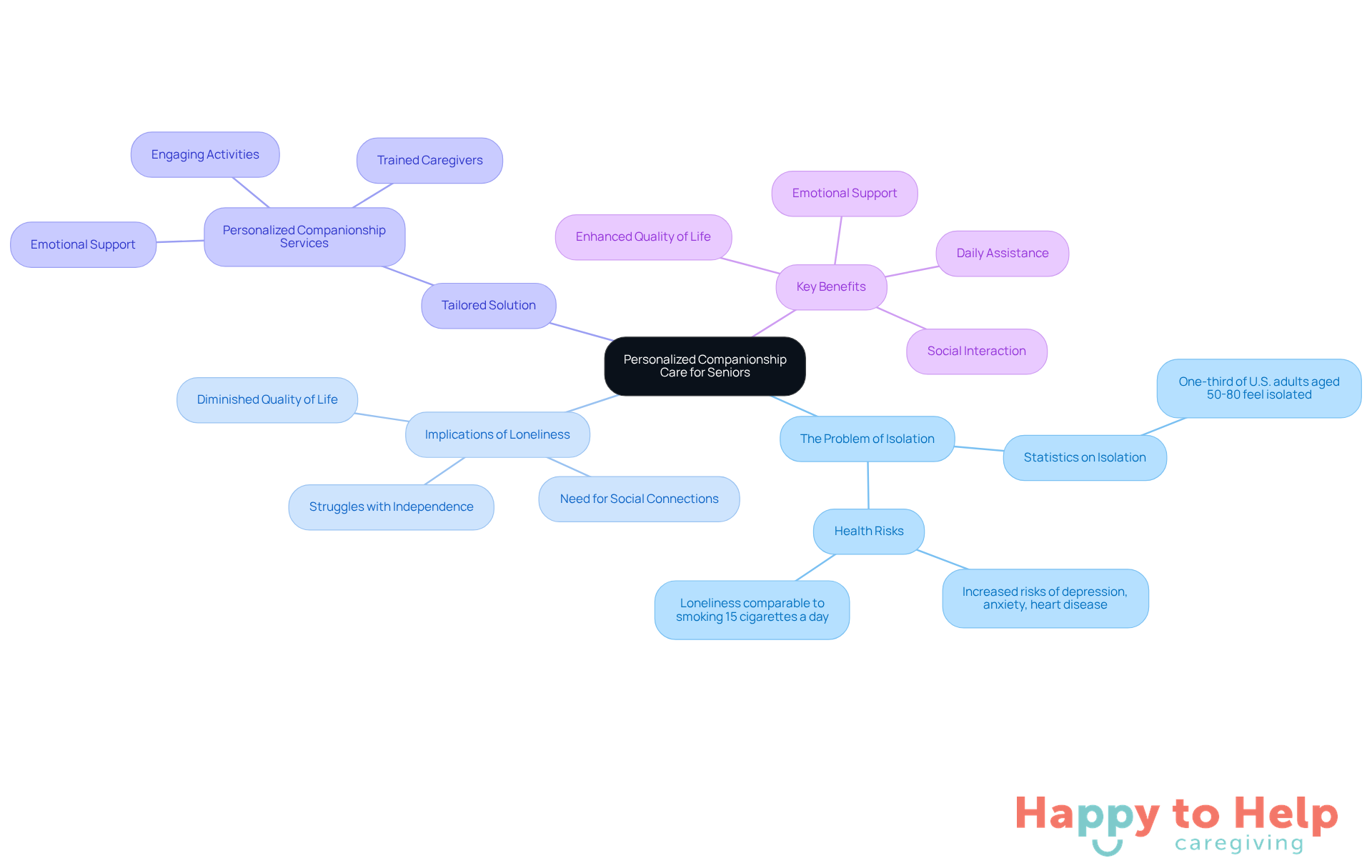
Many older adults face significant challenges, particularly feelings of isolation. This loneliness can lead to serious health risks, including depression, anxiety, and heart disease. A national study reveals that one-third of U.S. adults aged 50 to 80 experience isolation, underscoring the urgent need for supportive care.
The Implications of Loneliness
Isolation not only affects emotional well-being but also diminishes the overall quality of life for seniors. Without meaningful social interactions, older adults may struggle to maintain their independence and sense of belonging. Experts in gerontology stress that fostering social connections is essential for combating these feelings of loneliness.
A Tailored Solution: Personalized Companionship
Happy to Help Caregiving offers a solution through tailored support that addresses the unique needs of older adults. Caregivers enhance the quality of life for elderly individuals by providing essential emotional support and fostering social interaction through companionship services. Caregivers are specifically trained to engage clients in meaningful conversations and enjoyable activities, cultivating a sense of belonging and security within their own homes.
Key Benefits of Customized Care
This personalized approach not only meets the physical needs of seniors but also emphasizes their emotional and social welfare. Here are some key benefits:
- Emotional Support: Caregivers provide companionship that helps combat feelings of loneliness.
- Social Interaction: Engaging activities promote social connections, essential for mental health.
- Daily Assistance: Help with daily activities ensures seniors maintain their independence.
By ensuring that older adults feel connected and valued, companionship services play a crucial role in enhancing their overall quality of life. This approach not only addresses immediate needs but also fosters long-term emotional and social well-being.
Emotional Support: Alleviating Loneliness and Isolation for Seniors
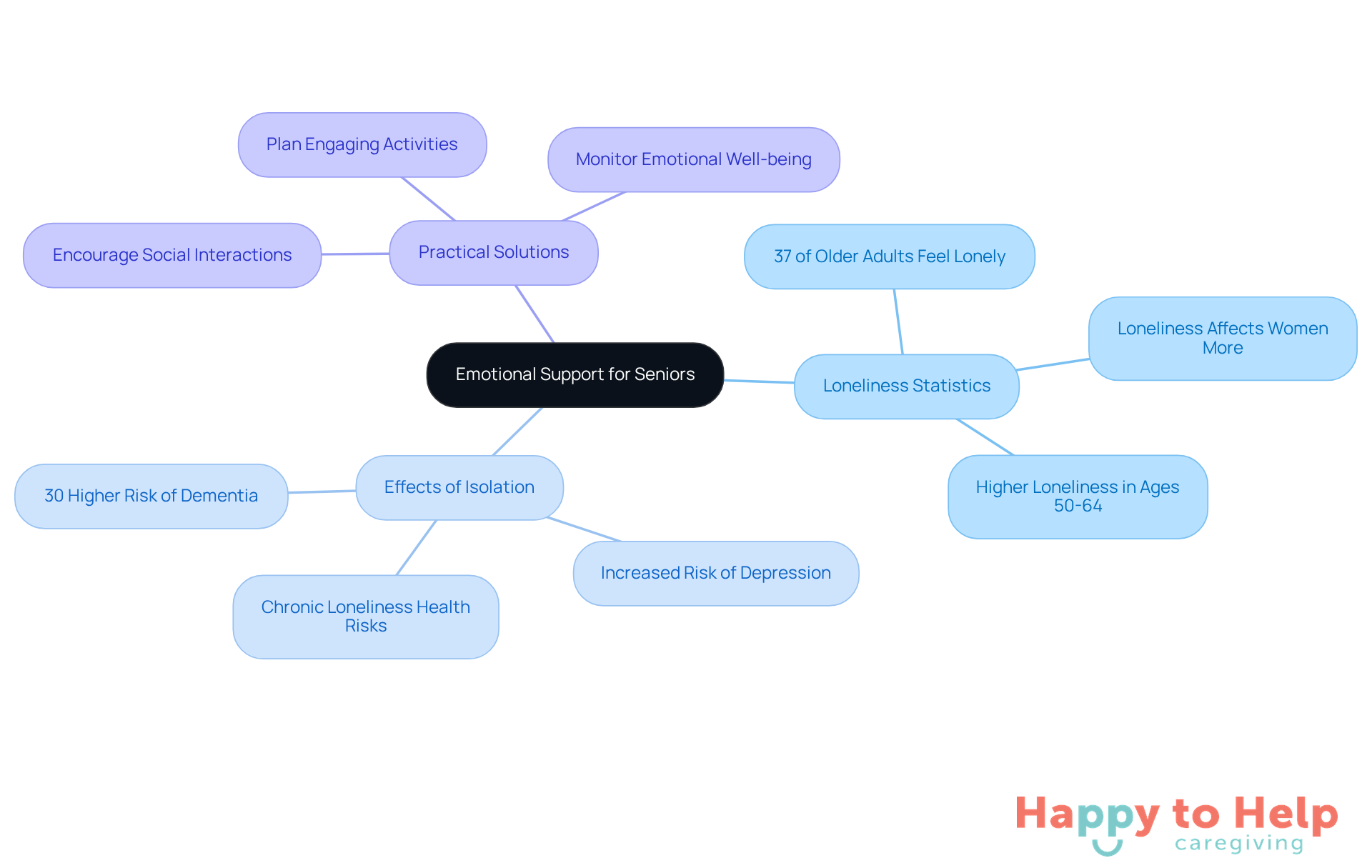
Loneliness and isolation are significant challenges faced by elderly individuals, leading to detrimental effects on their mental health. Research shows that isolated seniors are at a 30% higher risk of developing dementia, underscoring the urgent need for social interaction. In fact, about 37% of older adults in the US, aged 50-80 years, reported feelings of loneliness in 2023. This alarming statistic highlights the significance of companionship services in addressing these feelings.
Companionship services offer essential emotional support, fostering connections that improve mental well-being. Regular interactions with caregivers not only improve cognitive performance but also reduce symptoms of depression and anxiety. As noted by Family Resource Home Care, "Through personalized visits and activity planning, they assist older adults in building connections and maintaining a sense of belonging, which reduces risks such as depression and cognitive decline."
To address the issue of loneliness, caregivers can implement several practical solutions:
- Encourage regular social interactions through scheduled visits.
- Plan engaging activities that promote connection and belonging.
- Monitor the emotional well-being of elderly individuals to identify signs of isolation early.
By prioritizing companionship services, caregivers can significantly enhance the quality of life for older adults, ensuring they lead more fulfilling and engaged lives.
Enhanced Safety: Companionship Services Promote Secure Living Environments
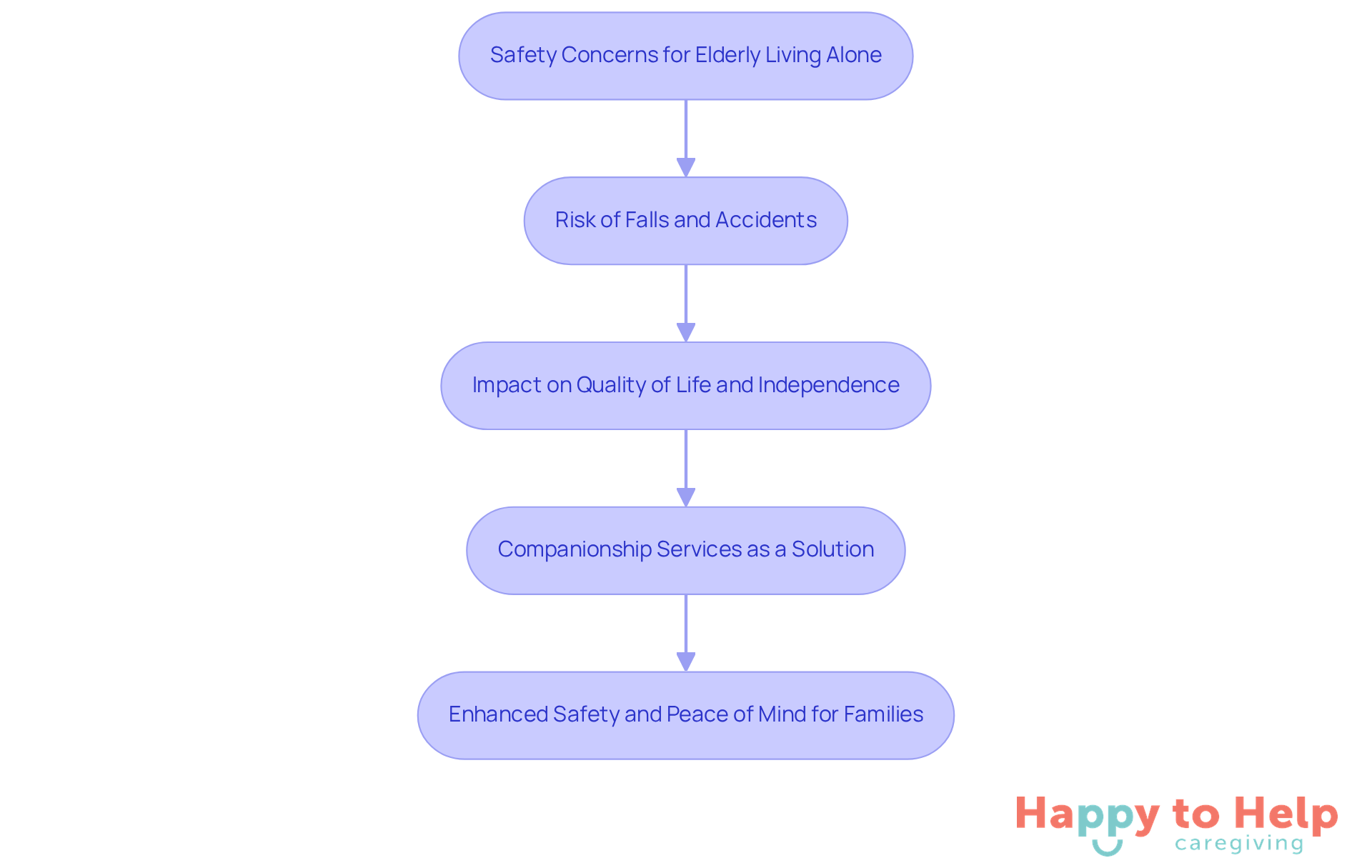
Problem: Safety is a significant concern for elderly individuals living alone. Without proper supervision, they are at a higher risk of falls and accidents in their homes.
Agitate: These incidents can lead to serious injuries, impacting their quality of life and independence. Families often worry about their loved ones, feeling helpless when they cannot be there to provide support.
Companionship services provide a proactive solution to this issue. Caregivers provide attentive supervision, assisting with mobility and monitoring health changes. This not only reduces the likelihood of accidents but also allows for timely interventions when necessary. Families can find peace of mind knowing their loved ones are in a safe and nurturing environment that provides companionship services.
Quality of Life Improvement: How Companionship Services Enrich Daily Living
Loneliness and lack of engagement can significantly diminish the quality of life for older adults. This isolation often leads to cognitive decline and emotional distress, making it crucial for caregivers to address these challenges.
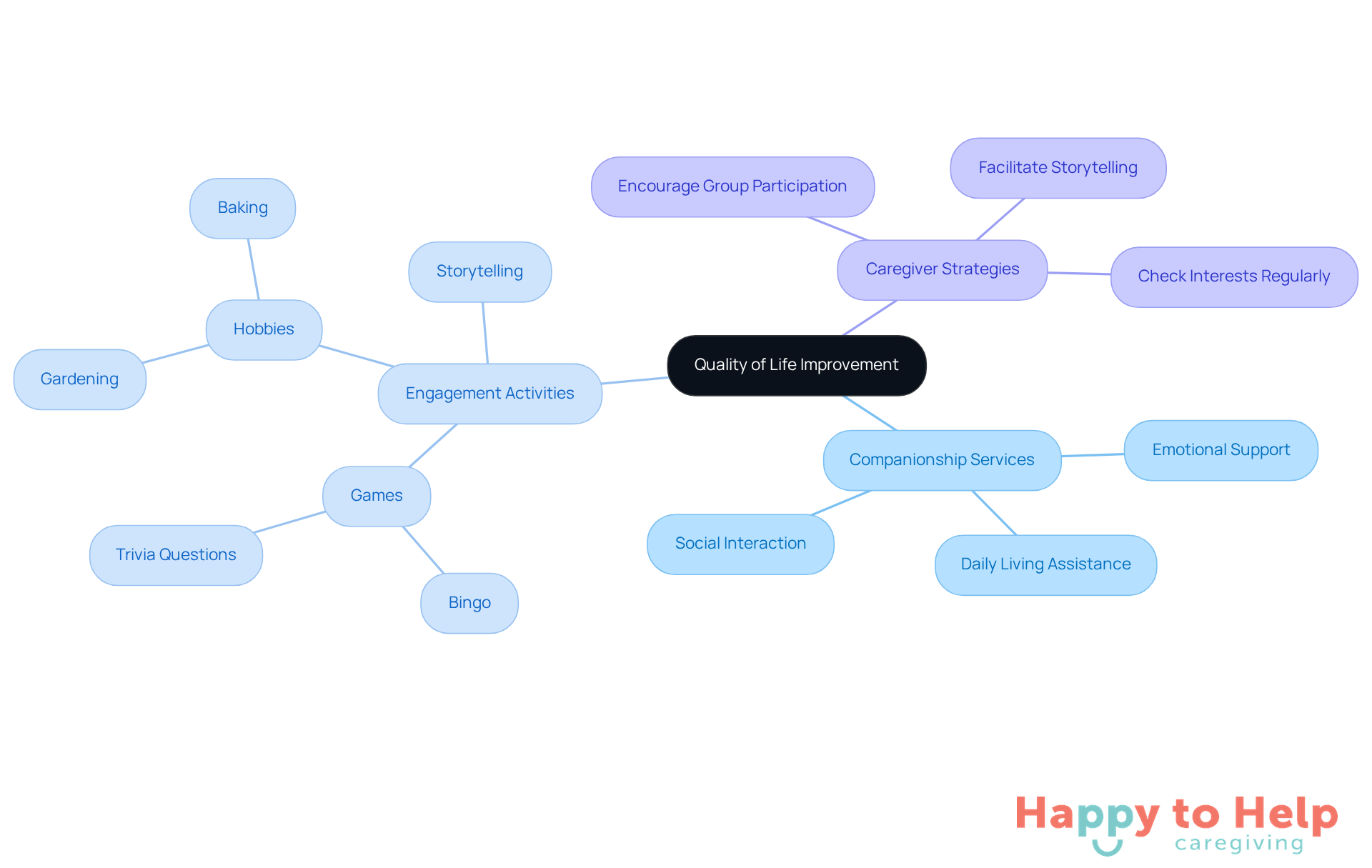
Companionship services serve as a vital solution. Engaging older adults in activities such as games, hobbies, or simply sharing stories can stimulate cognitive function and promote emotional well-being. Caregivers play a key role in motivating older adults to pursue their interests, nurturing a sense of purpose and joy.
By incorporating these enriching activities into daily routines, caregivers not only enhance day-to-day living but also contribute to long-term mental and emotional health. Here are some actionable tips for caregivers:
- Encourage participation in group games or hobbies.
- Facilitate storytelling sessions to foster connection.
- Regularly check in on their interests and passions.
These strategies can make a significant difference in the lives of older adults, ensuring they feel valued and engaged.
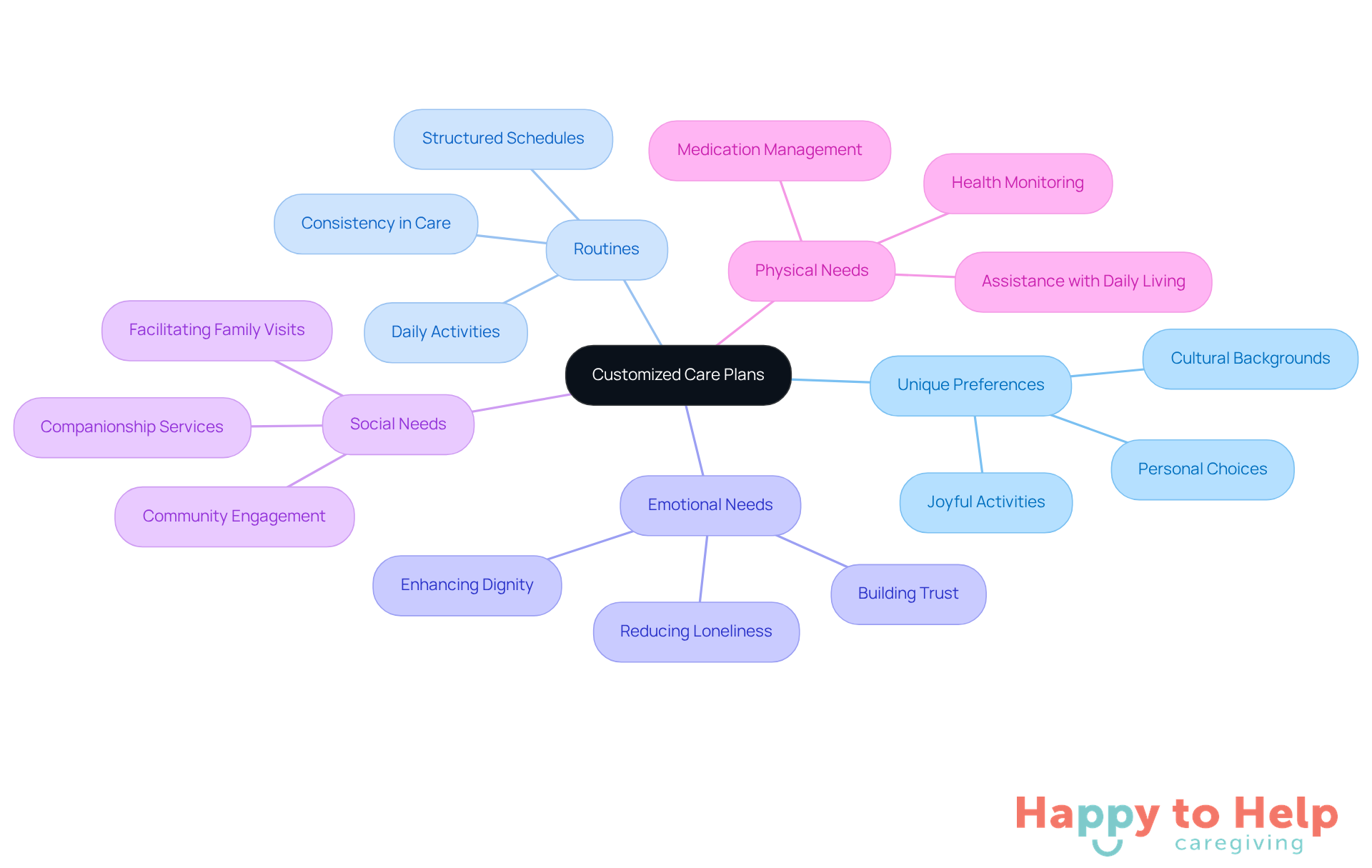
Customized Care Plans: Tailoring Companionship Services to Individual Needs
Effective companionship services are crucially supported by customized care plans. Without them, caregivers face the challenge of addressing the unique preferences, routines, and needs of each individual. This lack of personalization can lead to dissatisfaction and inadequate support for older adults, impacting their emotional and physical well-being.
Happy to Help Caregiving recognizes these challenges and works closely with families to develop individualized plans. By focusing on specific emotional, social, and physical requirements, they ensure that older adults receive the most suitable companionship services to meet their needs. This tailored approach not only enhances overall well-being but also increases satisfaction with care, providing a practical solution to the problem of generic caregiving.
Stress Reduction: The Calming Effect of Companionship Services
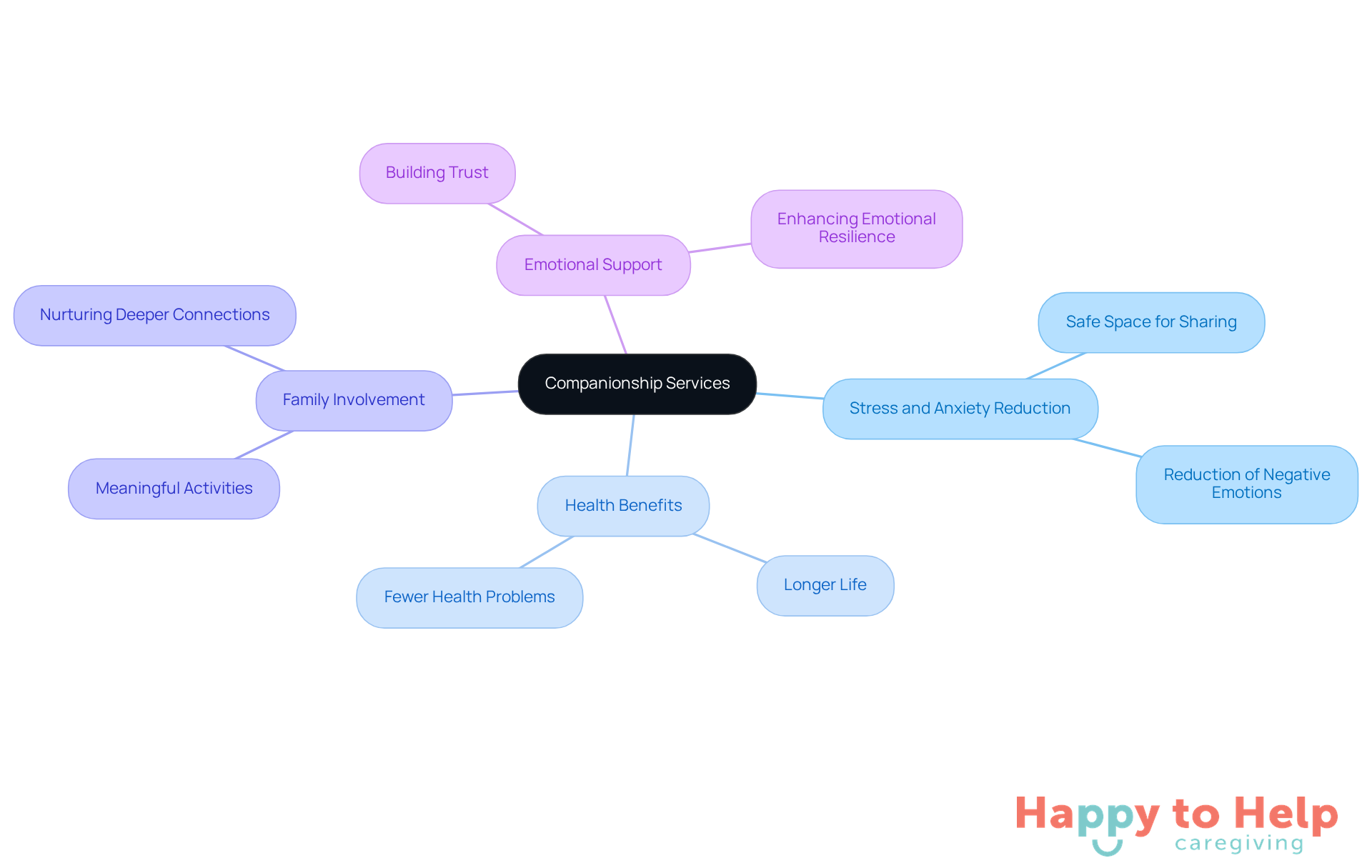
Companionship services tackle a significant issue: the stress and anxiety that many older adults experience due to loneliness. This emotional strain can lead to serious health issues, making it crucial to find effective solutions.
The presence of a supportive helper creates a safe space for elderly individuals to share their feelings and concerns, which can significantly reduce anxiety levels. Engaging in enjoyable activities or simply having someone to talk to can lead to notable improvements in mental health. Research indicates that older adults who engage in companionship services and maintain strong social connections tend to live longer and experience fewer health problems, underscoring the importance of companionship.
To tackle this issue, families should actively involve attendants in meaningful activities that resonate with their loved ones' interests. This approach not only nurtures deeper connections but also enhances emotional support. As Eric Thomas notes, "The connection between a supporter and an elderly client is more than transactional; it’s relational and often becomes a vital element of effective in-home care."
This comprehensive method of care highlights the significance of friendship in fostering a healthier, happier life for older adults. By prioritizing companionship services, caregivers can create a more supportive environment that promotes both emotional and physical well-being.
Social Engagement: Building Connections Through Companionship Services
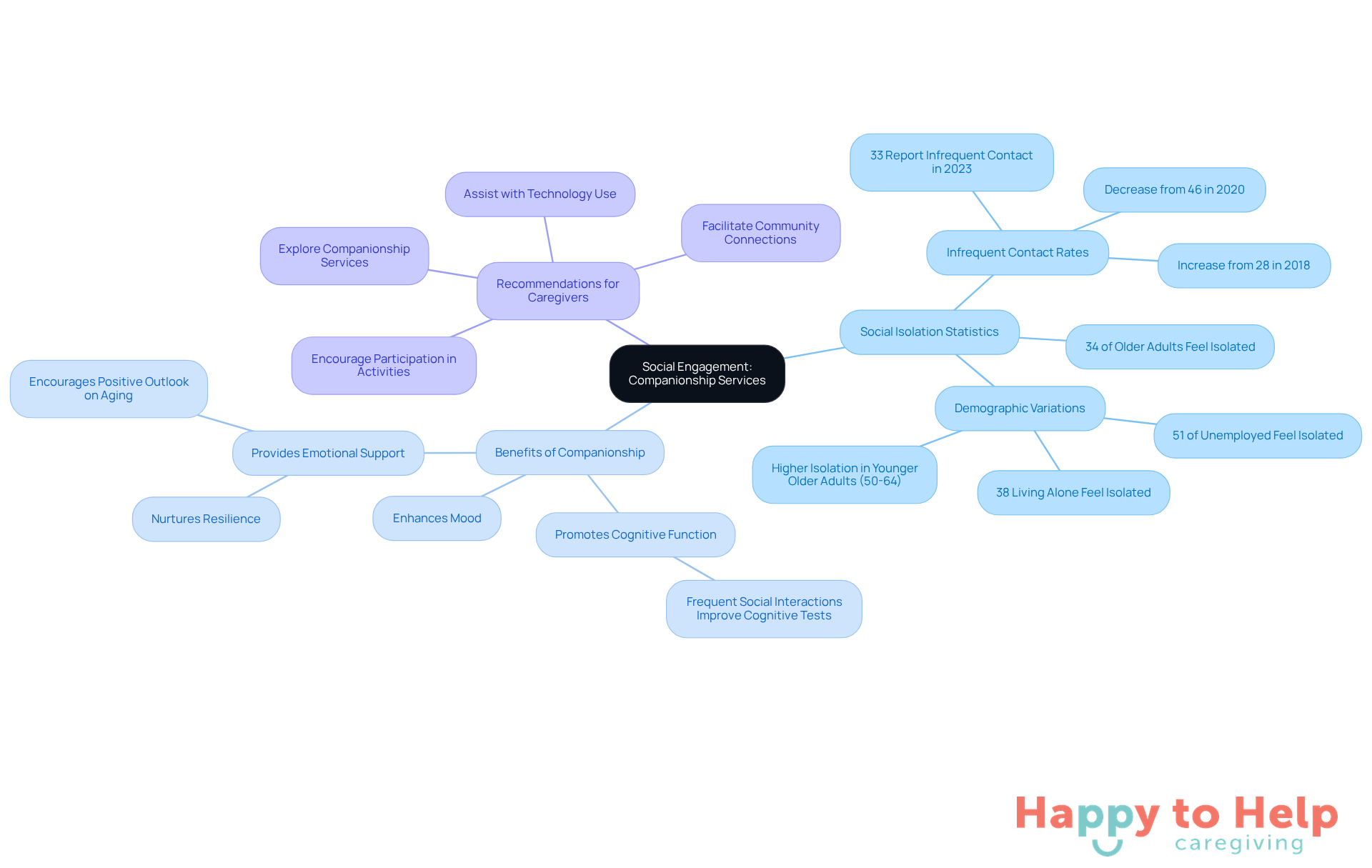
Companionship services tackle a major issue: social isolation among older adults. In 2023, research from the University of Michigan National Poll on Healthy Aging revealed that 34% of older adults reported feeling isolated from others. This isolation can severely impact their emotional well-being, making it crucial for caregivers to understand the importance of companionship in combating loneliness.
Frequent interactions with caregivers can help older adults maintain connections with the outside world. Caregivers can accompany elderly individuals to social events, community activities, or even simple outings, encouraging them to engage with others. This social interaction not only enhances their mood but also promotes cognitive function and overall well-being. A study led by Ruixue Zhaoyang found that older adults who had more frequent pleasant social interactions performed better on cognitive tests, highlighting the cognitive benefits of social engagement.
Moreover, emotional bonds nurtured by support providers can lead to enhanced resilience and a more optimistic perspective on aging. Numerous studies back the influence of emotional support on mental wellness. Therefore, family supporters are urged to proactively explore companionship services as social assistance options for their loved ones. These resources are crucial in enhancing older adults' lives through significant interactions.
Family Support: How Companionship Services Assist Caregivers
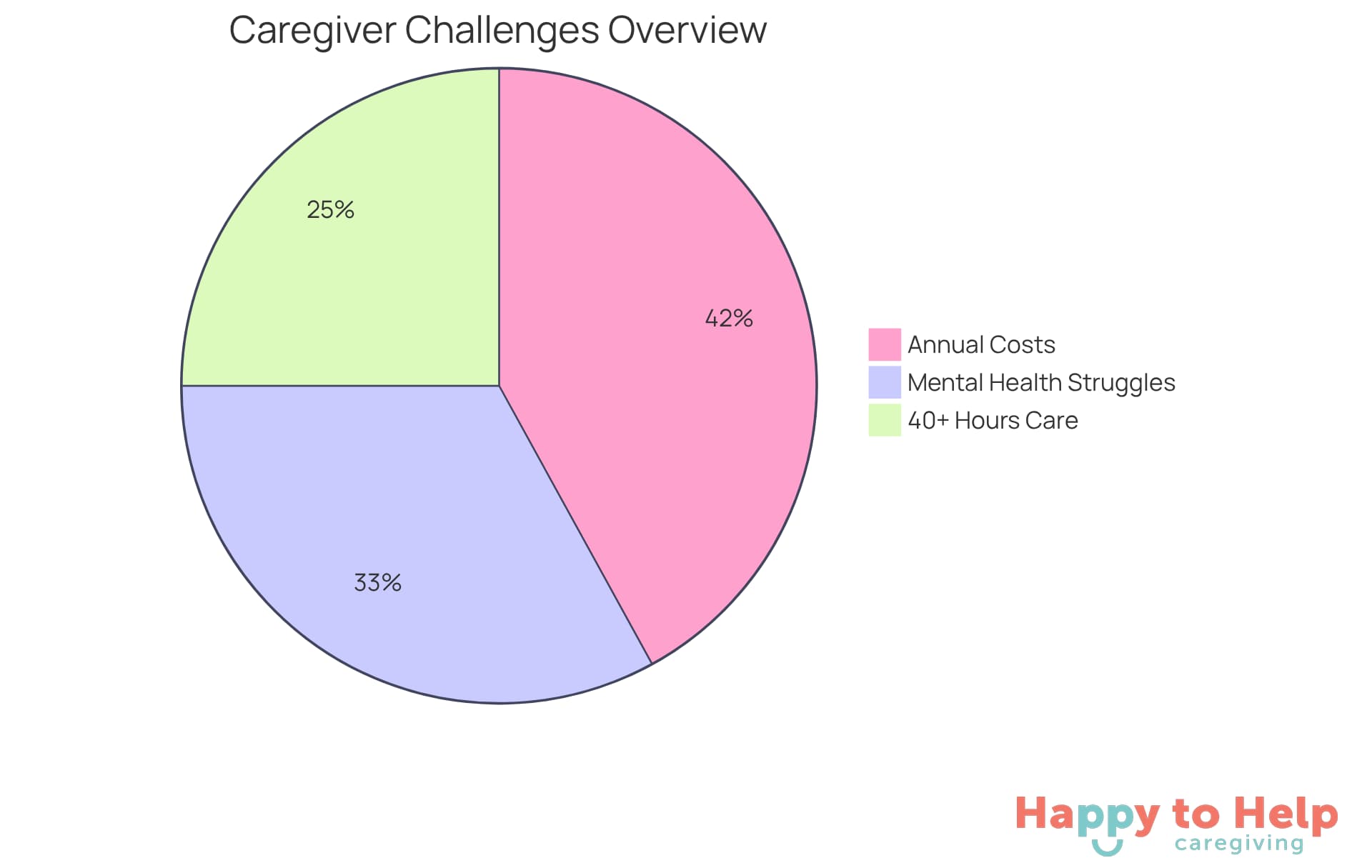
Companionship services address a significant problem faced by caregivers: the stress and demands of providing care for elderly individuals. This burden not only affects the caregivers' mental health but also impacts their overall well-being. Research shows that nearly one in three caregivers report mental health struggles due to caregiving stress, while almost one in four provide 40 or more hours of support each week. These statistics highlight the intensity of caregiving responsibilities and the emotional toll it can take.
Moreover, caregivers often face financial pressures, with many spending an average of $7,200 annually on caregiving costs. This financial strain adds another layer of stress, making it crucial for families to seek support. Families can alleviate these challenges by incorporating companionship services. Professional support workers offer companionship services, significantly reducing the demands placed on family members. This relief allows families to prioritize their own well-being while ensuring that their loved ones receive the dedicated attention and care they require.
The presence of a professional support provider not only fosters improved communication between family members and seniors but also enhances the overall caregiving experience. Professional support reduces feelings of isolation for elderly individuals and enables family caregivers to manage their responsibilities more efficiently. By embracing these support options, families can create a more balanced and nurturing environment for everyone involved.
Flexible Scheduling: Adapting Companionship Services to Fit Lifestyles
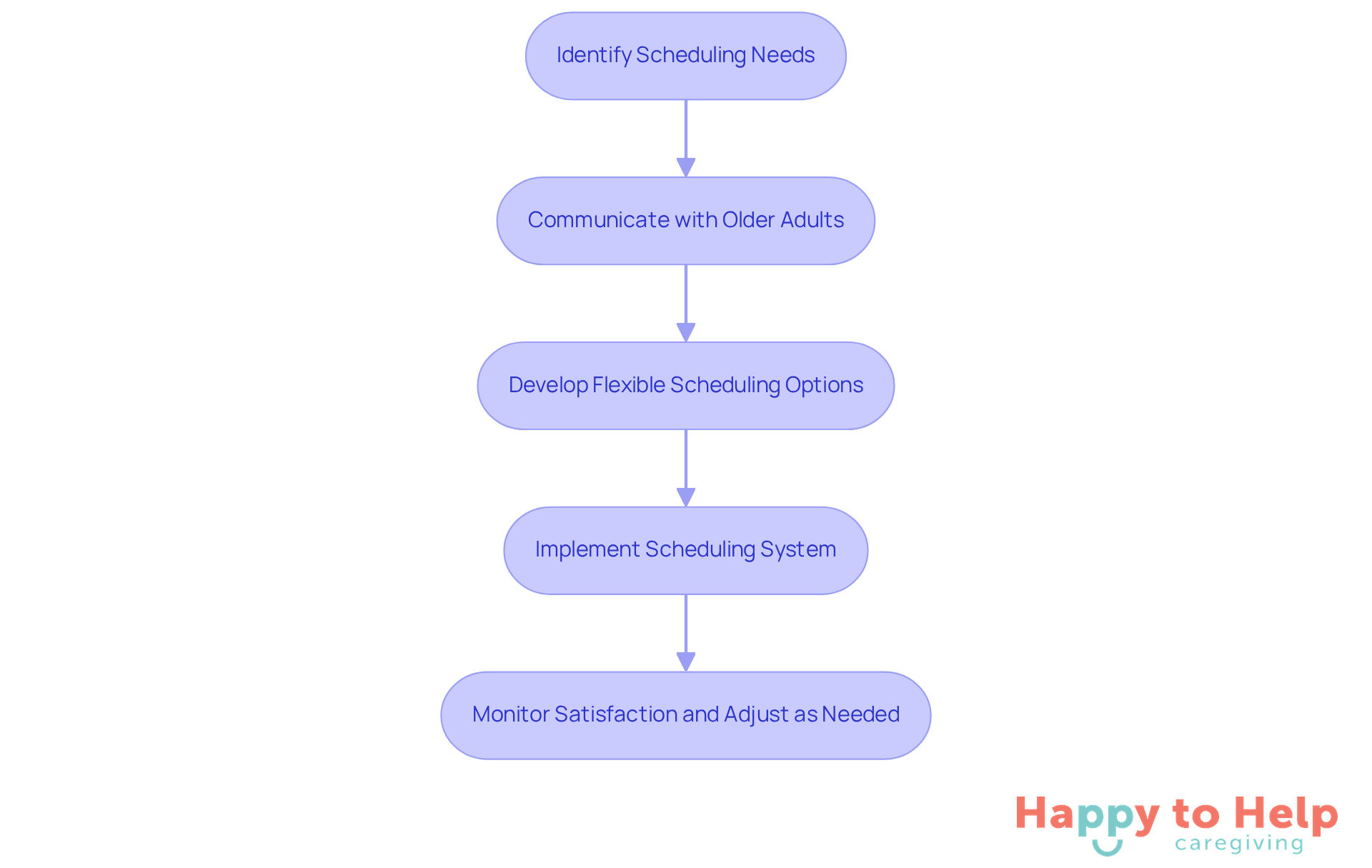
Adaptable scheduling is crucial in support services, as it allows care to be tailored to the unique lifestyles of older adults. However, caregivers often face challenges such as scheduling conflicts and communication breakdowns, which can hinder the effectiveness of their support. These issues can lead to feelings of isolation among older adults, significantly impacting their comfort and overall satisfaction with the care they receive.
Research indicates that consistent engagement with caregivers can reduce loneliness, a pressing concern since one in three older adults experiences isolation. Caregivers frequently express that adjusting their support to fit the lifestyles of older adults fosters stronger relationships and enhances their clients' quality of life. As Jenna Kellerman noted, "Adopting flexible scheduling models is a proactive and forward-looking strategy to tackle workforce challenges in elder care."
To address these challenges, caregivers should prioritize adaptable scheduling. By doing so, they can ensure that older adults receive the appropriate support at optimal times, ultimately increasing satisfaction rates among those receiving companionship services. It’s essential to implement clear communication strategies and establish a reliable scheduling system to mitigate potential conflicts. This proactive approach not only enhances the caregiving experience but also creates a more engaging and supportive atmosphere for elderly individuals.
Independence Maintenance: Supporting Seniors Through Companionship Services
For older adults striving to maintain their independence, companionship services are essential. Many elderly individuals face challenges in engaging with daily tasks, which can impact their safety and well-being. This situation can lead to feelings of isolation and a decline in emotional health.
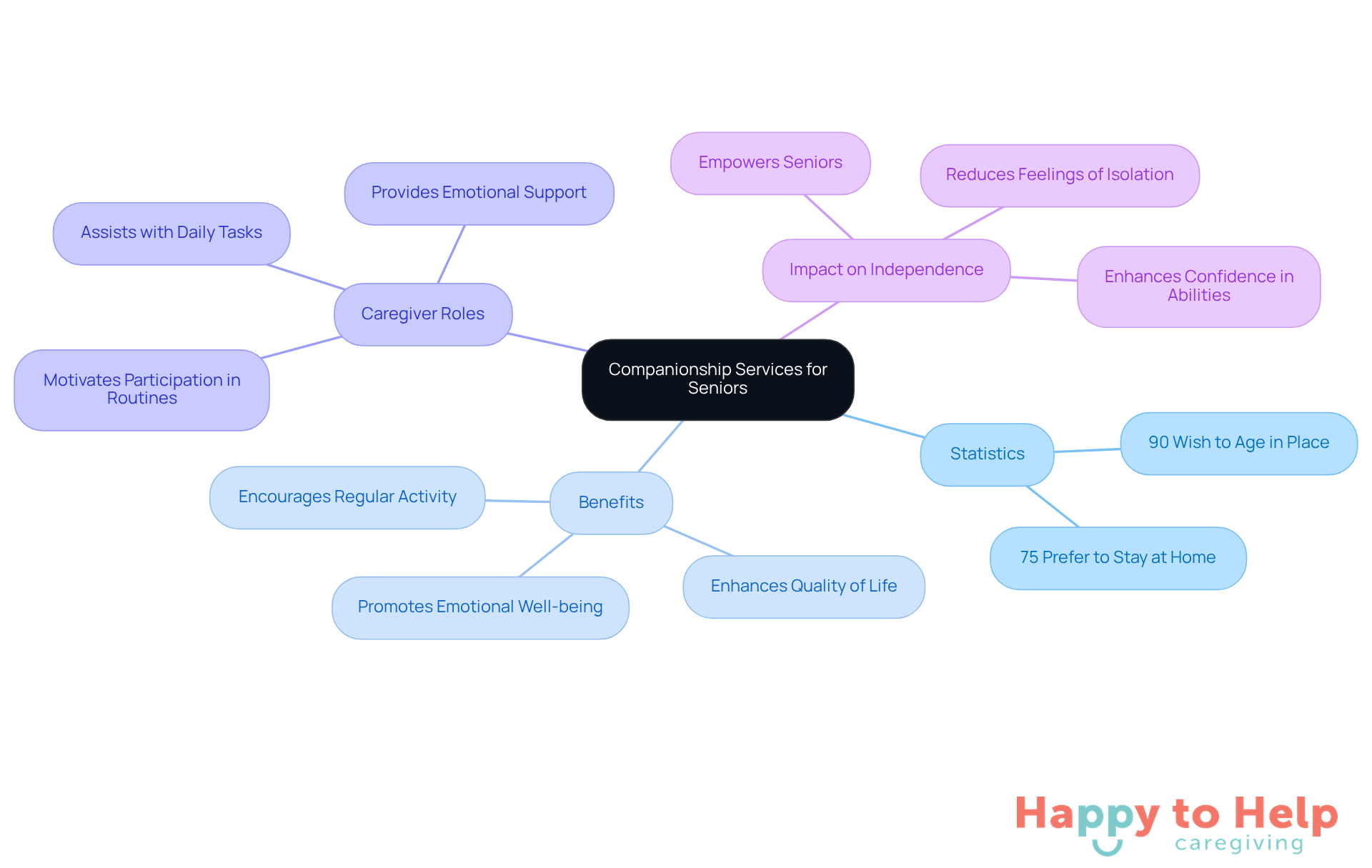
Statistics show that nearly 90% of older adults wish to age in place, and 75% of those aged 50 and older prefer to remain in their homes. This underscores the critical need for companionship services that promote independence and support. Caregivers play a vital role in motivating older adults to participate in their routines and hobbies, helping them retain a sense of self-reliance.
By providing companionship services, caregivers not only enhance the quality of life for older adults but also foster a positive outlook on aging. This support helps seniors feel more at ease and confident in their abilities, which is crucial for their emotional well-being. Regular activity, encouraged by caregivers, improves strength, flexibility, and balance, contributing to overall health.
The impact of caregiver support on senior autonomy is profound. It empowers individuals to navigate their daily lives with confidence and grace, ensuring they can enjoy their golden years to the fullest.
Making the Right Choice
Companionship services for seniors address a significant problem: the isolation and loneliness that many older adults experience. These issues can lead to serious emotional distress, impacting their overall quality of life. By fostering meaningful connections and providing personalized support, companionship services serve as a vital solution, enhancing emotional well-being for elderly individuals.
The benefits of companionship services are clear. They provide emotional support that alleviates feelings of loneliness, enhance safety through attentive supervision, and improve mental health via social engagement. Caregivers can tailor care plans to meet the unique needs of each senior, effectively combating the negative impacts of isolation while promoting independence and a sense of purpose.
The importance of companionship services cannot be overstated. They enrich the lives of seniors and support families in managing caregiving responsibilities. As society increasingly recognizes the critical role of emotional and social well-being in aging, embracing these services is essential. By prioritizing companionship services, we take a meaningful step toward fostering a healthier, happier environment for seniors, ultimately contributing to their dignity and quality of life.
https://iframe.tely.ai/cta/eyJhcnRpY2xlX2lkIjogIjY5MjI2NTExYzVlZWQyYmRiNTU3YmViYiIsICJjb21wYW55X2lkIjogIjY4ZWU1ZGNhNzMxNzYyNTU3ZjNjOTVjMSIsICJpbmRleCI6IG51bGwsICJ0eXBlIjogImFydGljbGUifQ==Frequently Asked Questions
What challenges do older adults face regarding isolation?
Many older adults experience significant feelings of isolation, which can lead to serious health risks such as depression, anxiety, and heart disease. A national study indicates that one-third of U.S. adults aged 50 to 80 experience isolation.
How does loneliness affect the quality of life for seniors?
Loneliness not only impacts emotional well-being but also diminishes the overall quality of life for seniors. Without meaningful social interactions, older adults may struggle to maintain their independence and sense of belonging.
What is the solution offered by Happy to Help Caregiving?
Happy to Help Caregiving provides personalized companionship care that addresses the unique needs of older adults, enhancing their quality of life through emotional support and fostering social interactions.
What are the key benefits of personalized companionship care?
Key benefits include emotional support to combat loneliness, social interaction through engaging activities, and daily assistance with tasks to help seniors maintain their independence.
How does companionship care alleviate loneliness and isolation for seniors?
Companionship care offers essential emotional support and fosters connections that improve mental well-being. Regular interactions with caregivers can enhance cognitive performance and reduce symptoms of depression and anxiety.
What practical solutions can caregivers implement to combat loneliness?
Caregivers can encourage regular social interactions through scheduled visits, plan engaging activities to promote connection, and monitor the emotional well-being of elderly individuals to identify signs of isolation early.
How do companionship services enhance safety for elderly individuals living alone?
Companionship services provide attentive supervision, assisting with mobility and monitoring health changes, which reduces the likelihood of falls and accidents, ensuring a safer living environment for seniors.
What peace of mind do companionship services offer families?
Families can feel reassured knowing their loved ones are in a safe and nurturing environment with caregivers who provide companionship and proactive support, reducing the risk of accidents and promoting overall well-being.
List of Sources
- Happy to Help Caregiving: Personalized Companionship Care for Seniors
- AI personal companions offers low-tech way to combat loneliness in senior living residents (https://mcknightsseniorliving.com/news/ai-personal-companions-offers-low-tech-way-to-combat-loneliness-in-senior-living-residents)
- Caring Senior Service Banks Growth Goals On New House-Made Technology (https://homehealthcarenews.com/2025/10/caring-senior-service-banks-growth-goals-on-new-house-made-technology)
- Lonely Seniors Are Turning To AI Bots For Companionship (https://forbes.com/sites/rashishrivastava/2025/10/18/lonely-seniors-are-turning-to-ai-bots-for-companionship)
- Companion Care at Home Reduces Loneliness for Seniors During the Holidays (https://lifesathomecare.com/companion-care-at-home-reduces-loneliness-for-seniors-during-the-holidays)
- Meela Launches Personalized AI Companion to Combat Loneliness Epidemic Among Seniors (https://businesswire.com/news/home/20250911525548/en/Meela-Launches-Personalized-AI-Companion-to-Combat-Loneliness-Epidemic-Among-Seniors)
- Emotional Support: Alleviating Loneliness and Isolation for Seniors
- How Companionship Care Helps Seniors Thrive Emotionally | Home Matters (https://homematters.com/blog/how-companionship-care-helps-seniors-thrive-emotionally)
- 1 in 3 older adults still experience loneliness and isolation (https://michiganmedicine.org/health-lab/1-3-older-adults-still-experience-loneliness-and-isolation)
- The Role of Companion Care in Reducing Depression Among Seniors (https://malamamaikai.com/role-of-companion-care-in-reducing-depression-among-seniors)
- Companionship as a Key Factor in Reducing Senior Isolation (https://humancareny.com/blog/companionship-as-a-key-factor-in-reducing-senior-isolation)
- Social Isolation and Loneliness in Older Adults (https://jamanetwork.com/journals/jama/fullarticle/2819153)
- Enhanced Safety: Companionship Services Promote Secure Living Environments
- Family caregivers increasingly worried about loved ones falling (https://mcknightshomecare.com/news/family-caregivers-increasingly-worried-about-loved-ones-falling)
- Get the Facts on Falls Prevention (https://ncoa.org/article/get-the-facts-on-falls-prevention)
- INFOGRAPHIC: Fall Prevention Fact Sheet (https://caringseniorservice.com/blog/infographic-fall-prevention-fact-sheet)
- Why Home Care Providers Are Increasingly Offering Companion Care Services for Seniors | Aaniie, formerly Smartcare Software (https://aaniie.com/news/why-home-care-providers-are-increasingly-offering-companion-care-services-for-seniors)
- How companion care promotes senior safety at home (https://humancareny.com/blog/how-companion-care-promotes-senior-safety-at-home)
- Quality of Life Improvement: How Companionship Services Enrich Daily Living
- Inspirational Quotes for Compassionate Caregivers (https://humancareny.com/blog/inspirational-quotes-for-caregivers)
- The Incredible Benefits of Home Care, in 7 Amazing Stats - Companions For Seniors (https://companionsforseniors.com/2019/08/benefits-home-care-amazing-stats-trends-reports)
- Medflyt at Home | Elderly Mental Health Statistics: What You Need To Know (https://medflyt.com/blog/posts/elderly-mental-health-statistics)
- Top Elderly Stimulation Activities Unveiled (https://humancareny.com/blog/elderly-cognitive-stimulation-activities)
- 10 Benefits of Companionship Carers for Seniors' Well-Being - Happy To Help (https://happytohelpcaregiving.com/10-benefits-of-companionship-carers-for-seniors-well-being)
- Customized Care Plans: Tailoring Companionship Services to Individual Needs
- The Importance of Personalized Care Plans when Aging in Place (https://kendalathome.org/blog/the-importance-of-personalized-care-plans-when-aging-in-place)
- How Personalized Care Plans Improve the Resident Experience | Eden Senior Care (https://edenseniorhc.com/how-personalized-care-plans-improve-the-resident-experience)
- The Incredible Benefits of Home Care, in 7 Amazing Stats - Companions For Seniors (https://companionsforseniors.com/2019/08/benefits-home-care-amazing-stats-trends-reports)
- Importance of Personalized Senior Home Care in Burlington NC (https://wisdomseniorcare.com/the-importance-of-personalized-care-plans-for-seniors)
- Personalizing Care Plans for Seniors: Why One Size Doesn't Fit All (https://promedcareinc.com/personalizing-care-plans-for-seniors-why-one-size-doesnt-fit-all)
- Stress Reduction: The Calming Effect of Companionship Services
- The Unbeatable Benefits of Companion Care for Seniors (https://comforcare.com/massachusetts/canton/resources/blog/the-unbeatable-benefits-of-companion-care-for-seniors)
- How Companionship in Home Care Boosts Seniors' Mental Health - Care With Love (https://carewithlove.com/how-companionship-in-home-care-boosts-seniors-mental-health)
- The Role of Companion Care in Reducing Depression Among Seniors (https://malamamaikai.com/role-of-companion-care-in-reducing-depression-among-seniors)
- The Importance of Caregiver-Client Relationships in Senior Well-Being (https://homeinstead.com/home-care/usa/in/goshen/588/news-and-media/the-importance-of-caregiver-client-relationships-in-senior-well-being)
- The Emotional Benefits of Companion Care for Seniors (https://comfortkeepers.com/offices/texas/round-rock/resources/news/the-emotional-benefits-of-companion-care-for-seniors)
- Social Engagement: Building Connections Through Companionship Services
- How Companion Care Can Help Combat Senior Isolation and Loneliness | HealthMax Home Health Care (https://healthmaxmn.com/blog/how-companion-care-can-help-combat-senior-isolation-and-loneliness)
- 15 Good Quotes for Seniors That Will Brighten Your Day in 2025 (https://arhomecare.com/15-good-quotes-for-seniors-that-will-brighten-your-day-in-2025)
- Social engagement helps older adults feel younger, live longer: study (https://mcknightsseniorliving.com/news/social-engagement-helps-older-adults-feel-younger-live-longer-study)
- Trends in Loneliness Among Older Adults from 2018-2023 (https://ihpi.umich.edu/national-poll-healthy-aging/reports-and-resources/trends-loneliness-among-older-adults-2018-2023)
- Socializing may improve older adults' cognitive function in daily life | Penn State University (https://psu.edu/news/research/story/socializing-may-improve-older-adults-cognitive-function-daily-life)
- Family Support: How Companionship Services Assist Caregivers
- How Hospice Supports Family Caregivers | Carolina Caring (https://carolinacaring.org/news/how-hospice-care-supports-family-members-and-caregivers)
- New Report Reveals Crisis Point for America’s 63 million Family Caregivers (https://press.aarp.org/2025-07-24-New-Report-Reveals-Crisis-Point-for-Americas-63-million-Family-Caregivers)
- Family Caregivers: You Deserve Support, and Here’s Where to Find It | Shore Medical Center (https://shoremedicalcenter.org/news/family-caregivers-you-deserve-support-and-here-s-where-find-it)
- Improving Support for Family Caregivers (https://nationalacademies.org/news/2025/07/improving-support-for-family-caregivers)
- New Report Reveals U.S. Family Caregivers Perform Equivalent of a Staggering $873.5 Billion Worth of Labor, Would Surpass Revenue of Top Global Companies | Otsuka US (https://otsuka-us.com/news/new-report-reveals-us-family-caregivers-perform-equivalent-staggering-8735-billion-worth-labor)
- Flexible Scheduling: Adapting Companionship Services to Fit Lifestyles
- How Companion Drivers Help Fight Senior Loneliness and Isolation | NorthPennNow (https://northpennnow.com/news/2025/nov/14/how-companion-drivers-help-fight-senior-loneliness-and-isolation)
- Why Home Care Providers Are Increasingly Offering Companion Care Services for Seniors | Aaniie, formerly Smartcare Software (https://aaniie.com/news/why-home-care-providers-are-increasingly-offering-companion-care-services-for-seniors)
- Flexible scheduling, enhanced communication, technology can help address workforce challenges (https://mcknightsseniorliving.com/news/flexible-scheduling-enhanced-communication-technology-can-help-address-workforce-challenges)
- Senior Living Operators Embrace More Flexible Scheduling Practices to Improve Staffing (https://seniorhousingnews.com/2024/08/06/senior-living-operators-embrace-more-flexible-scheduling-practices-to-improve-staffing)
- Embracing Flexible Scheduling Models in Aging Services: A Path Toward Workforce Stability (https://leadingage.org/embracing-flexible-scheduling-models-in-aging-services-a-path-toward-workforce-stability)
- Independence Maintenance: Supporting Seniors Through Companionship Services
- The Unbeatable Benefits of Companion Care for Seniors (https://comforcare.com/massachusetts/canton/resources/blog/the-unbeatable-benefits-of-companion-care-for-seniors)
- How Home Care Empowers Seniors to Maintain Independence (https://gallaghercares.com/blog/how-home-care-promotes-independence-for-aging-adults)
- How Companion Care Services Improve Independence | Assistance Home Care (https://assistancehomecare.com/how-companion-care-services-improve-independence)
- How Senior In-Home Care Promotes Independence in San Antonio, TX (https://fox2now.com/business/press-releases/ein-presswire/866935491/how-senior-in-home-care-promotes-independence-in-san-antonio-tx)