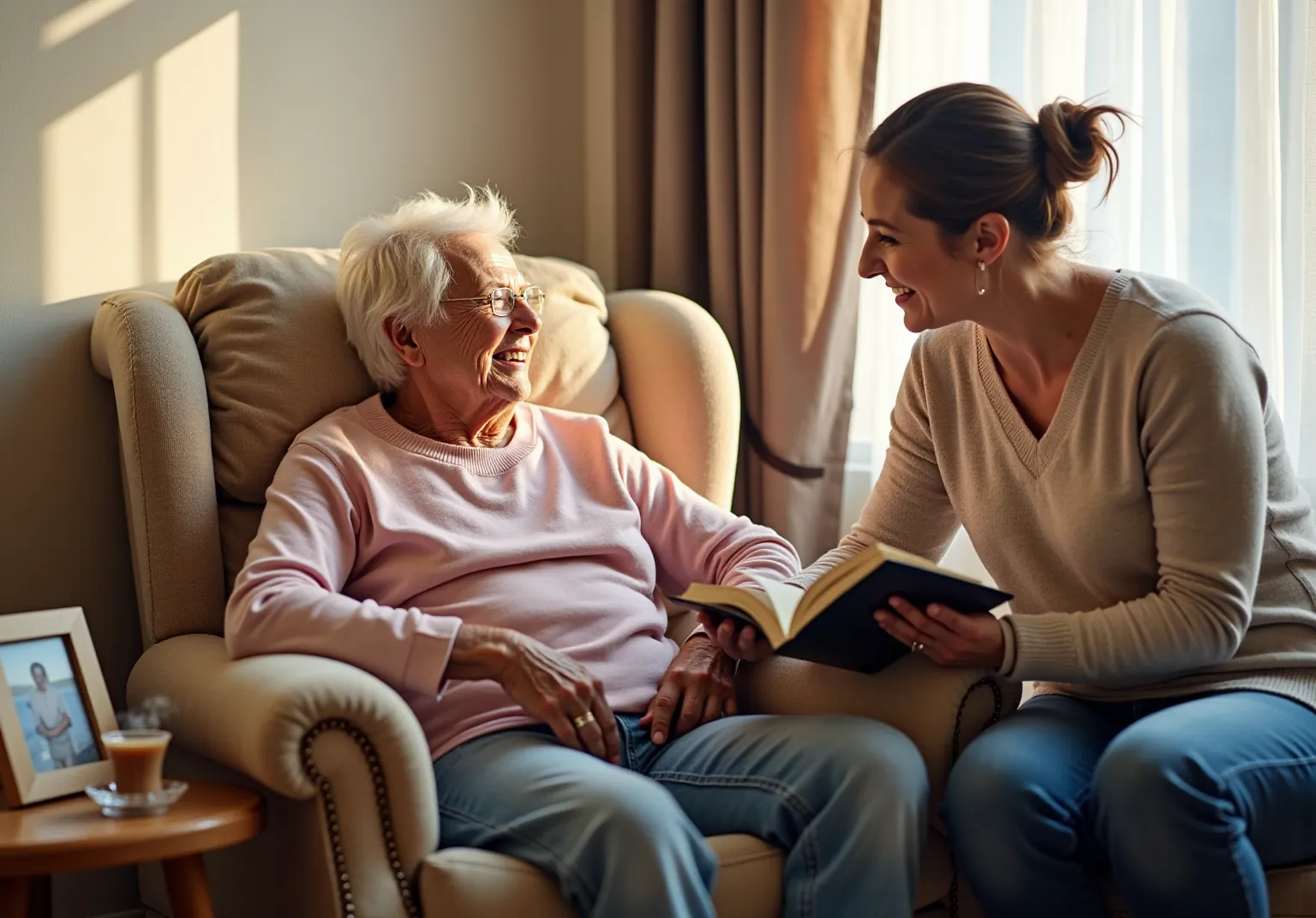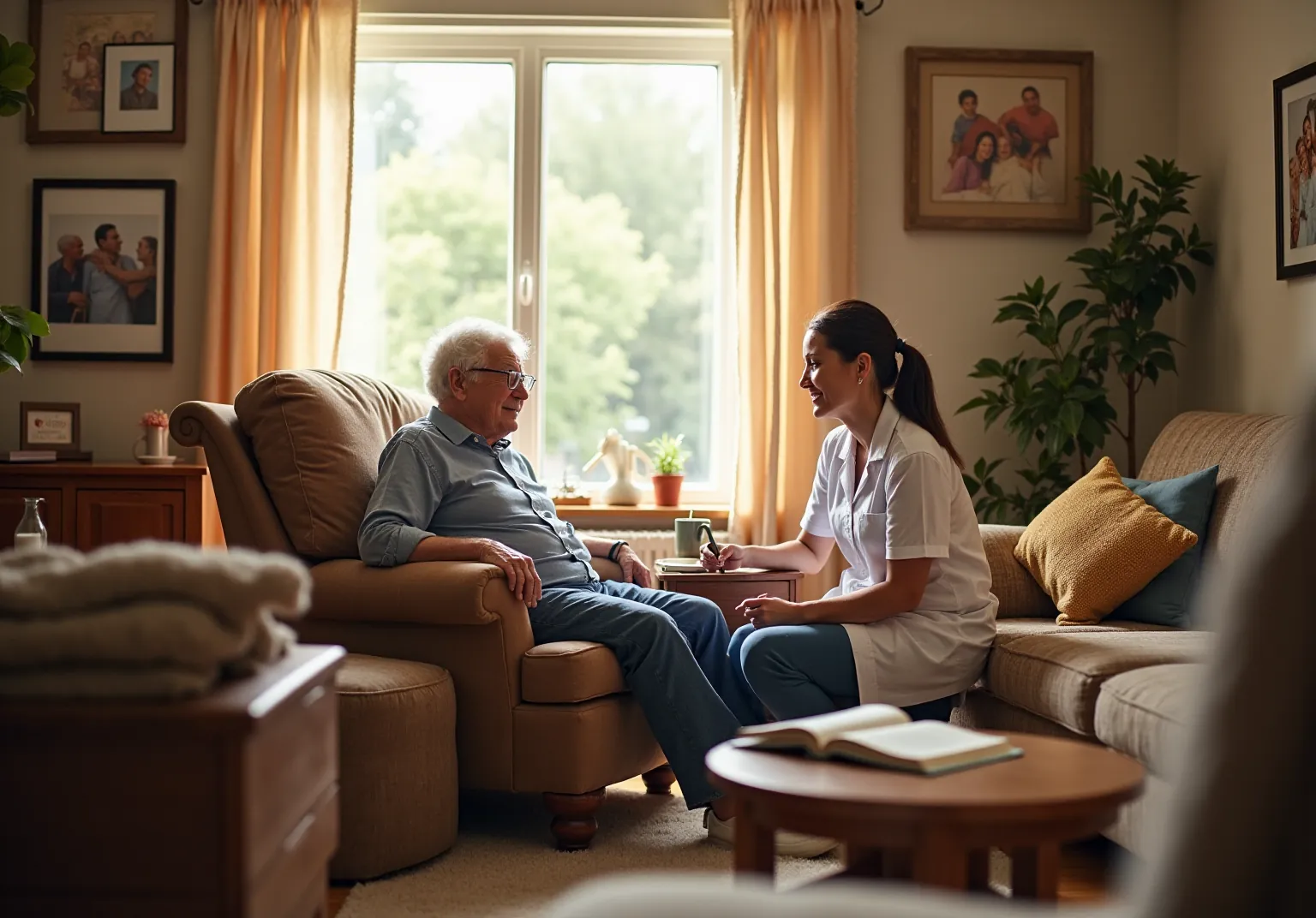
Why Hiring a Paid Companion for Elderly Care Matters
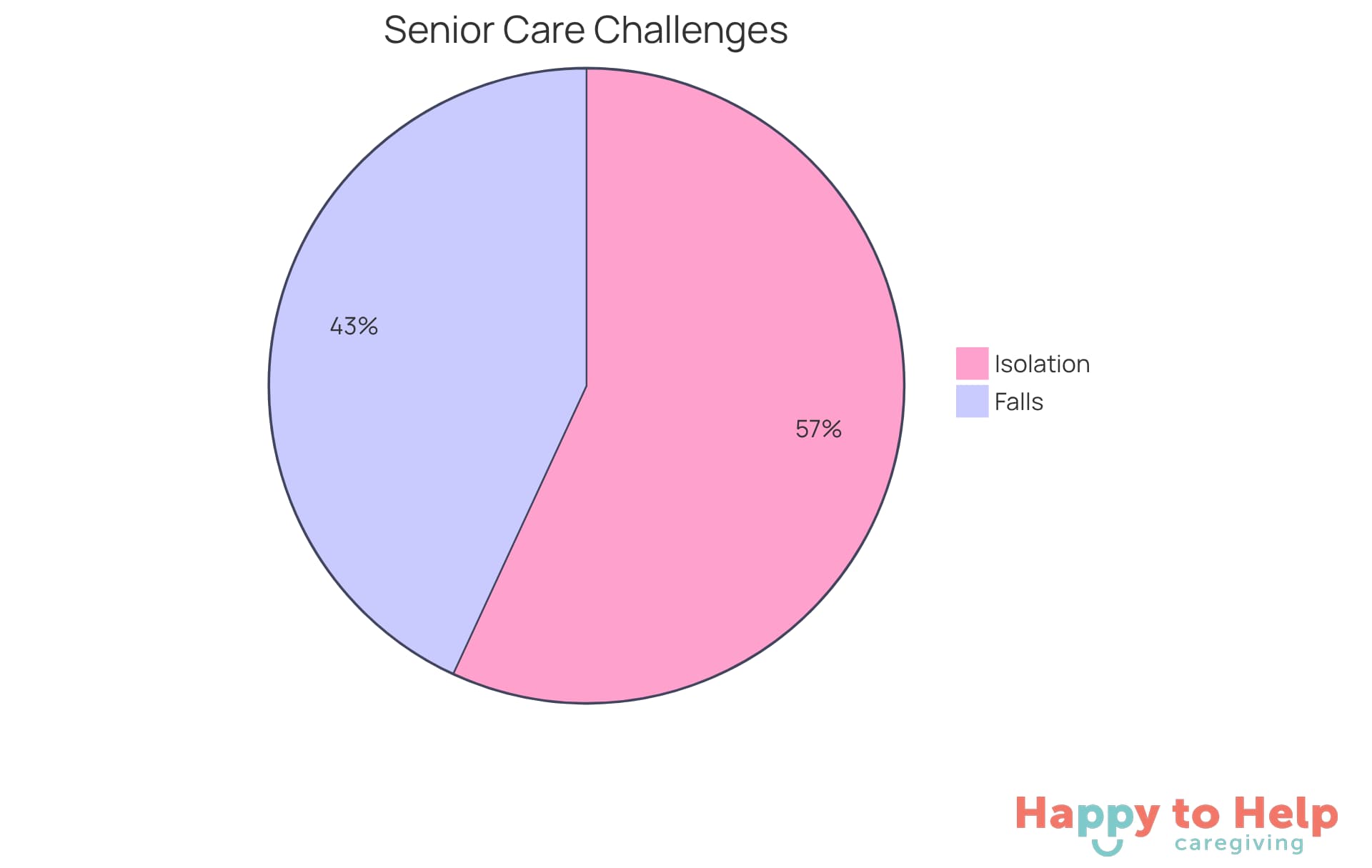
Caring for the elderly presents a unique set of challenges. Many seniors grapple with feelings of isolation, which can severely impact their quality of life. This isolation not only affects their emotional well-being but can also lead to physical health issues, making it crucial for families to address these concerns.
One effective solution is hiring a paid companion. This option offers not only companionship but also essential support tailored to individual needs. Companions can engage seniors in meaningful activities, provide transportation, and assist with daily tasks, significantly improving their overall quality of life.
However, families may wonder how to navigate the myriad benefits and considerations of bringing a paid companion into their loved one's life. To ensure that seniors receive the best care possible, it’s important to evaluate the specific needs of the individual and choose a companion who aligns with those needs.
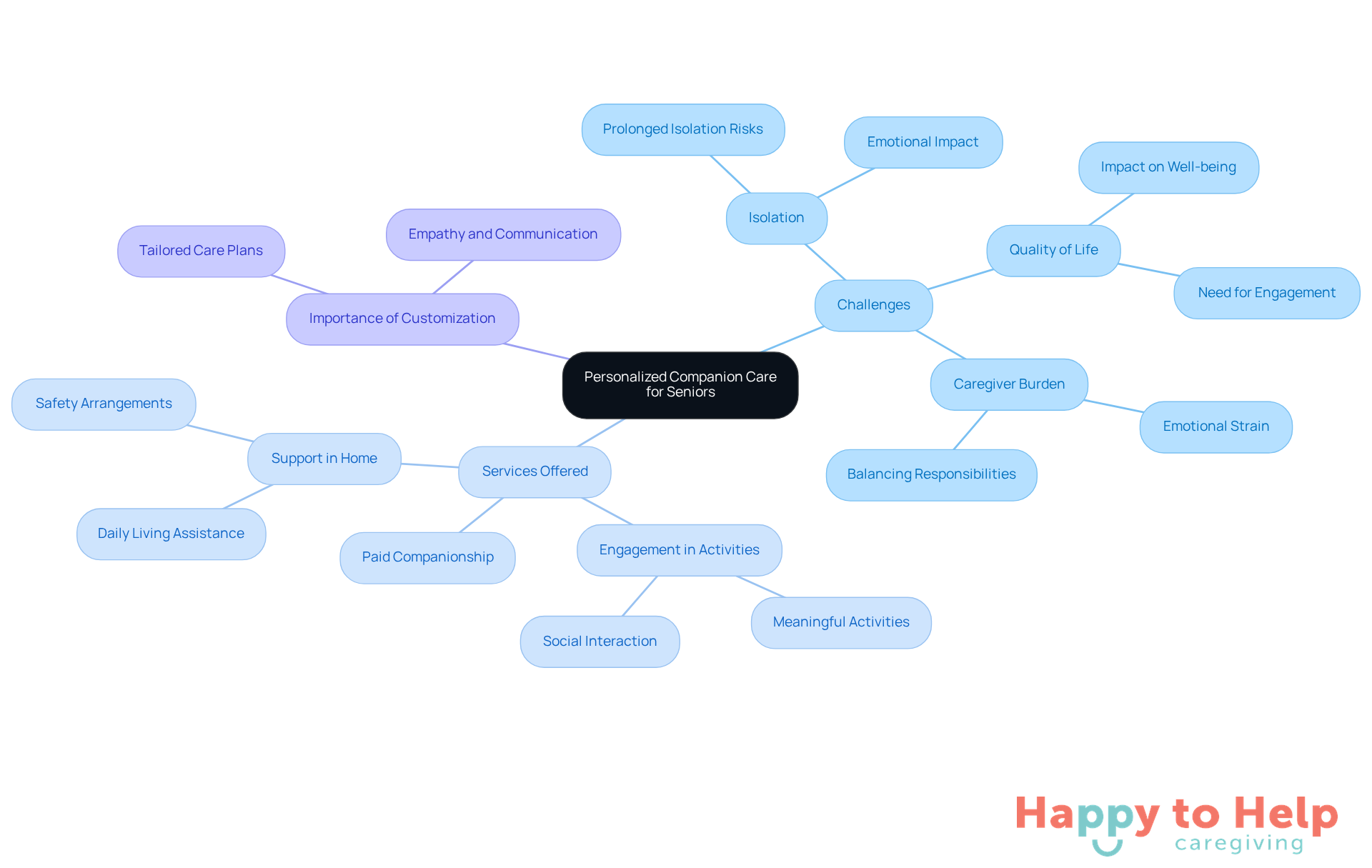
Happy to Help Caregiving: Personalized Companion Care for Seniors
Caring for the elderly often presents significant challenges, especially in securing a paid companion for elderly individuals to provide the companionship and support they need to thrive. Many elderly individuals struggle with feelings of isolation, which can negatively impact their overall well-being and independence. This situation not only affects their quality of life but also places a heavy burden on caregivers who strive to meet these emotional and physical needs.
To address these challenges, Happy to Help Caregiving specializes in delivering customized companionship services, which include providing a paid companion for elderly individuals tailored to their unique requirements. This service is designed to foster independence and enhance the quality of life for clients in their own homes. Caregivers are trained to engage clients in meaningful activities, ensuring they feel valued and supported.
The agency's commitment to empathy and communication is crucial. Each care plan is customized to address the specific preferences and requirements of each individual, ensuring that their unique needs are met. By focusing on these personalized approaches, caregivers can significantly improve the emotional and physical well-being of their clients.
Emotional Support: Alleviating Loneliness and Isolation
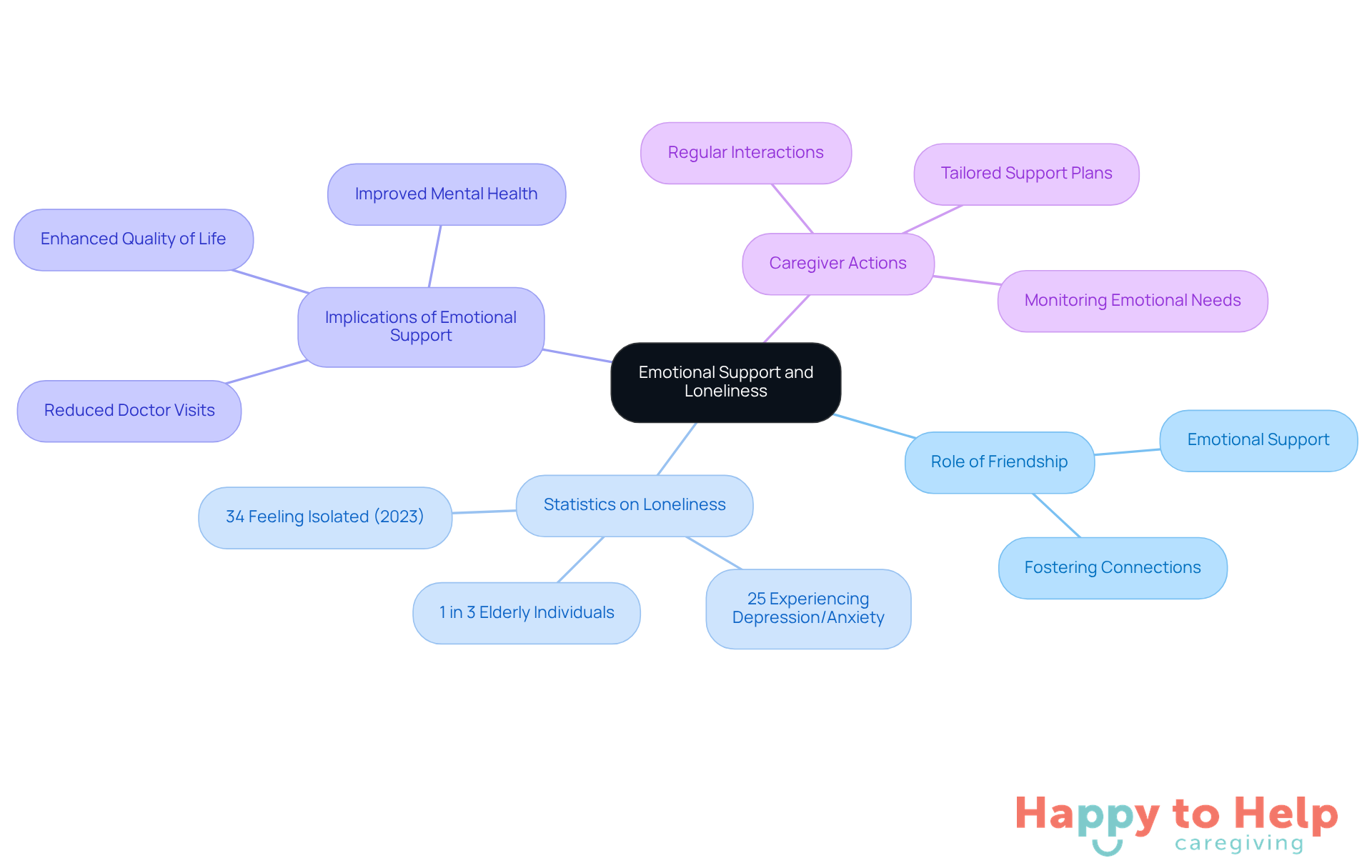
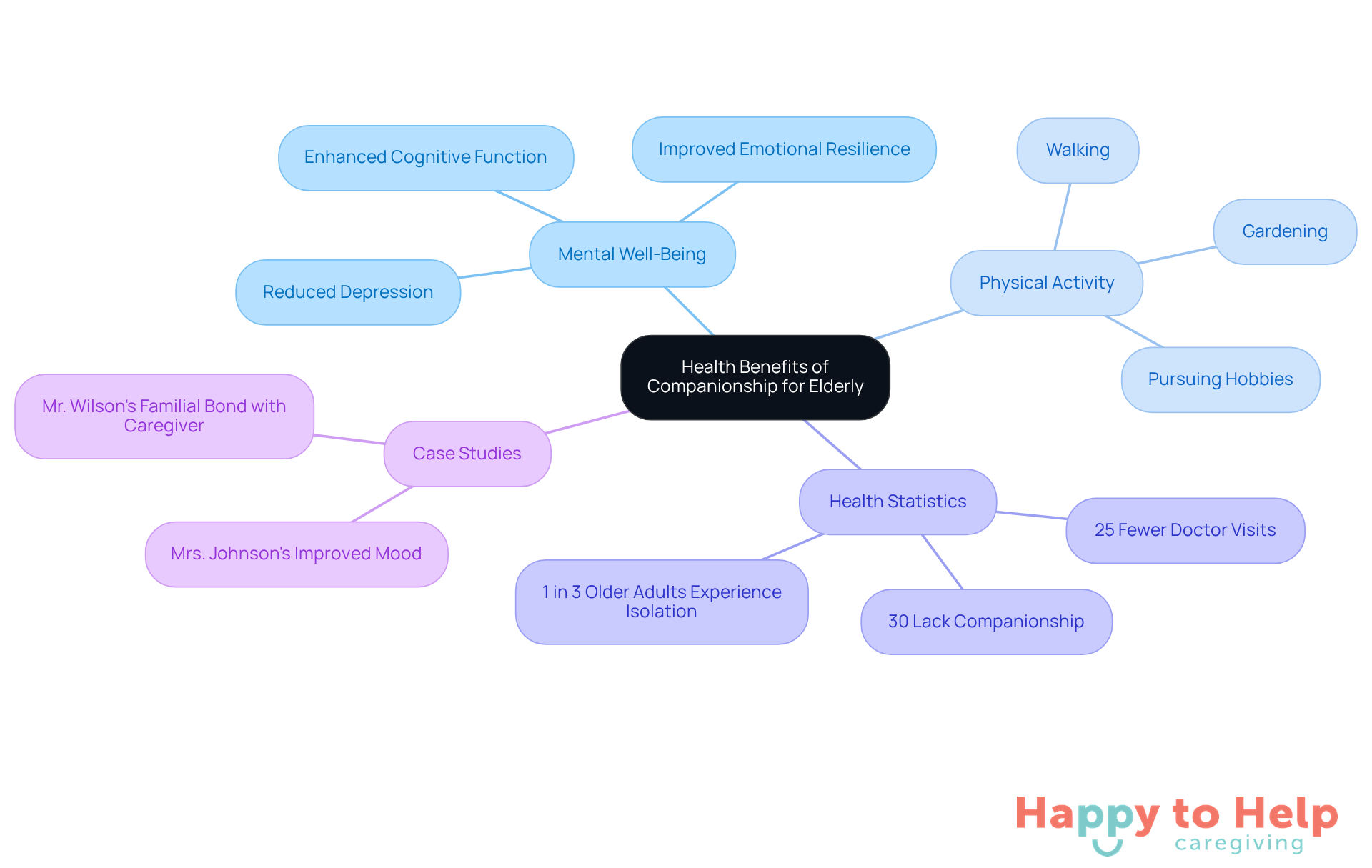
Friendship plays a crucial role in providing emotional support, significantly reducing feelings of loneliness and isolation among older adults. The problem is stark: research indicates that one in three elderly individuals suffers from chronic loneliness. This isolation can lead to severe mental health issues, with 25% of older adults experiencing significant symptoms of depression and anxiety.
The implications are serious. Regular interactions with a paid companion for elderly individuals not only foster a sense of connection but also enhance engagement, which is vital for maintaining mental health. Those receiving consistent emotional support report notably lower rates of depression and anxiety, contributing to a more fulfilling life. For instance, studies show that older adults utilizing home assistance have 25% fewer doctor visits each year, underscoring the positive health outcomes linked to emotional well-being.
So, what can caregivers do? At Happy to Help Caregiving, our trained caregivers serve as a paid companion for elderly, focusing on nurturing these essential connections. They ensure that clients feel heard, valued, and supported in their daily lives. This tailored approach not only meets the emotional needs of older adults but also encourages a richer, more fulfilling life experience. By prioritizing emotional support, caregivers can significantly improve the quality of life for their clients.
Daily Living Assistance: Supporting Independence and Safety
Paid companions for elderly individuals play a vital role in helping seniors with daily living tasks, including meal preparation, medication reminders, and light housekeeping.
The Problem: This assistance is essential not only for maintaining independence but also for ensuring safety at home. Without it, seniors face a higher risk of accidents, particularly falls, which are the leading cause of injury among older adults. In fact, statistics reveal that one in four adults over the age of 65 suffers a fall each year, underscoring the importance of having reliable support in place.
The Agitation: Occupational therapists emphasize that fostering independence in elderly care is paramount. When seniors receive assistance tailored to their needs, it enhances their ability to engage in daily activities confidently. However, many seniors experience feelings of isolation, affecting one in three adults aged 50-80, with 5% feeling lonely often. Furthermore, approximately 12 million people in the U.S. currently receive home care, highlighting the widespread need for such services.
The solution is that a paid companion for elderly individuals can provide emotional comfort, enabling them to flourish in their familiar environments. With the appropriate assistance, older adults can uphold their routines and appreciate a better quality of life. This emphasizes the vital role of caregiver help in enhancing their overall health and security.
Health Benefits: Enhancing Physical and Mental Well-Being
Social isolation poses a significant problem for elderly individuals, leading to serious health risks such as depression and cognitive decline. Regular social interaction and emotional support are crucial for enhancing mental well-being. Research indicates that older adults who engage in social activities experience improved emotional resilience and a lower incidence of anxiety.
A paid companion for elderly individuals provides a solution by not only offering social interaction but also encouraging physical activity, which is vital for maintaining mobility and overall health. Activities like walking, gardening, or pursuing hobbies can boost physical fitness and contribute to a healthier lifestyle. For instance, elderly individuals utilizing in-home assistance services report 25% fewer doctor visits annually, highlighting the preventive health benefits of companionship.
Moreover, having a paid companion for elderly individuals can reduce hospital visits by providing essential support and monitoring. Case studies reveal that seniors, such as Mrs. Johnson, who enjoys regular outings with her support worker, experience significant improvements in mood and emotional well-being. This underscores the importance of social connections in fostering a fulfilling and healthy life for older adults.
It's also important to note that 30% of older adults lack regular companionship, which emphasizes the critical role of paid companion for elderly services in combating social isolation. As one expert aptly states, "Meaningful human connection isn't a luxury for seniors - it's essential medicine.
Respite for Family Caregivers: Reducing Burnout and Stress
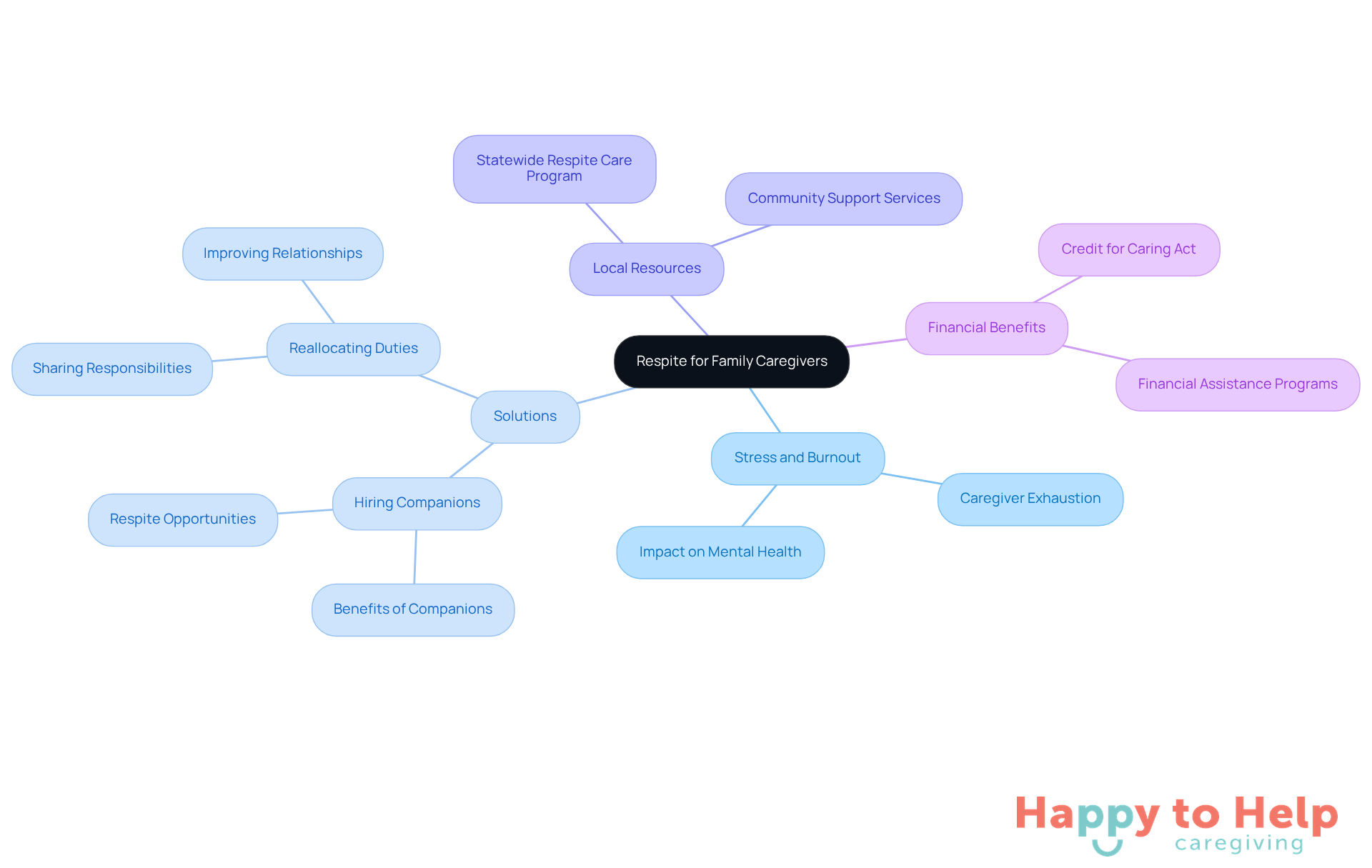
Family supporters often experience significant stress and exhaustion due to the relentless demands of caregiving. This problem can lead to burnout, affecting both the caregiver's mental health and the quality of care provided to seniors.
To address this issue, engaging a paid companion can offer vital respite. This assistance allows family members to take necessary breaks, recharge, and ultimately improve their mental well-being. Research indicates that hiring companions significantly reduces caregiver stress, leading to a more balanced and rewarding caregiving experience.
Moreover, reallocating certain caregiving duties can foster healthier relationships and enhance the quality of support for loved ones. Family support organizations emphasize the importance of taking time for oneself, as it is crucial for sustaining long-term caregiving efforts.
Caregivers are encouraged to explore local resources, such as the Statewide Respite Care Program, for temporary relief. Additionally, considering financial benefits from initiatives like the Credit for Caring Act, which proposes a tax credit for family supporters, can further alleviate the burden.
By taking these steps, family supporters can enhance their well-being and provide more effective assistance to those they care for.
Social Engagement: Encouraging Activities and Interaction
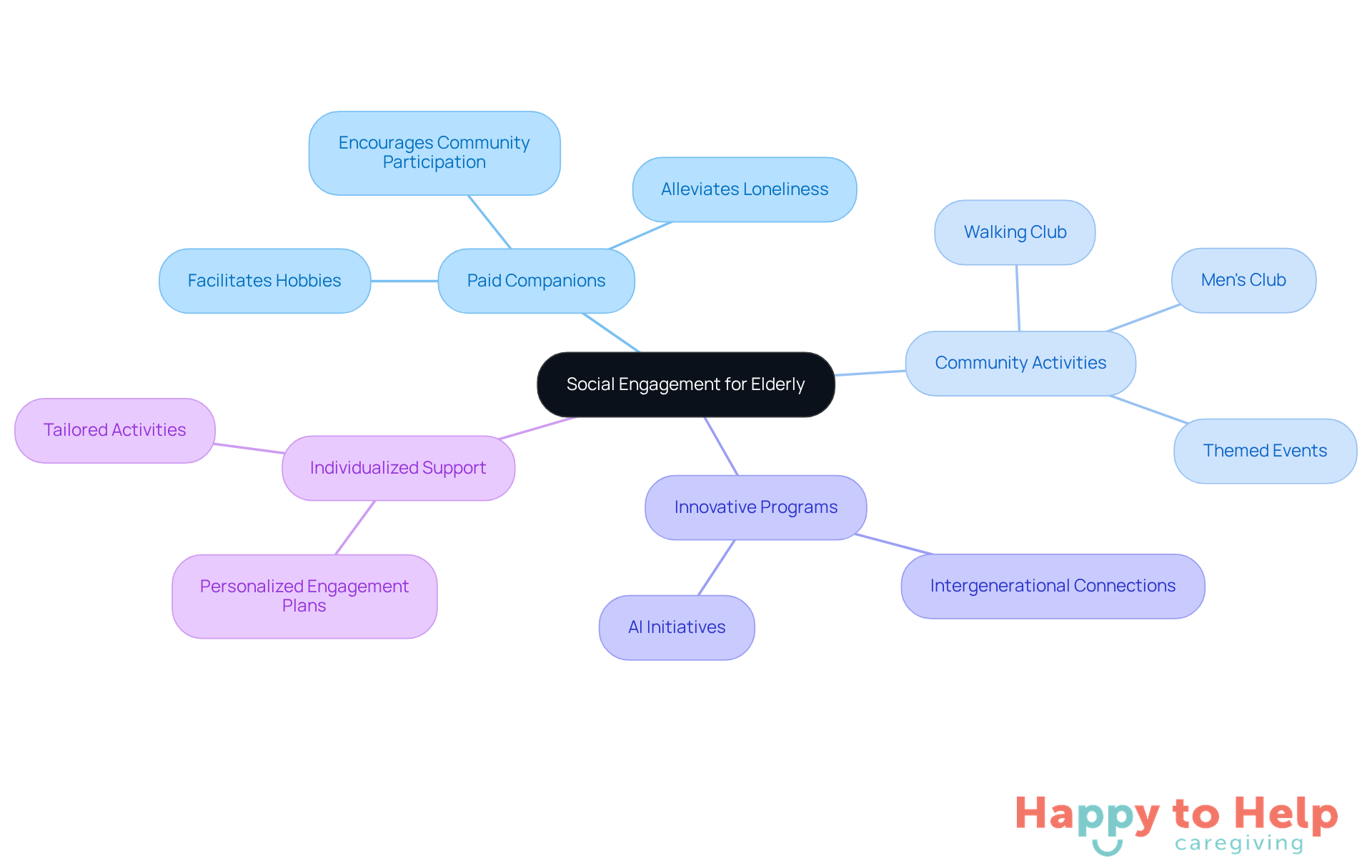
A paid companion for elderly individuals plays a crucial role in addressing the problem of loneliness among seniors. This isolation can lead to significant declines in cognitive function and emotional well-being. Research shows that older adults who engage in frequent, positive social interactions perform better on cognitive tests, highlighting the importance of companionship in their daily lives. Ruixue Zhaoyang, an assistant research professor at Penn State, emphasizes that "the lack of positive social interactions in daily life could be a critical risk factor for declining cognitive function later in life."
To combat this issue, Happy to Help Caregiving prioritizes keeping clients socially active by providing a paid companion for elderly. A paid companion for elderly facilitates participation in community activities, hobbies, and outings, helping seniors maintain vital social connections. This proactive approach not only alleviates feelings of loneliness but also enhances overall quality of life.
Moreover, innovative programs, such as AI initiatives that connect older adults with youths, illustrate effective strategies to promote social engagement. These solutions are essential in mitigating the risks associated with isolation, which can lead to cognitive decline and other health issues. The agency's commitment to individualized support ensures that aides encourage involvement in activities that align with each client's preferences, ultimately fostering a vibrant and fulfilling life.
Cost Considerations: Understanding Pricing and Payment Options
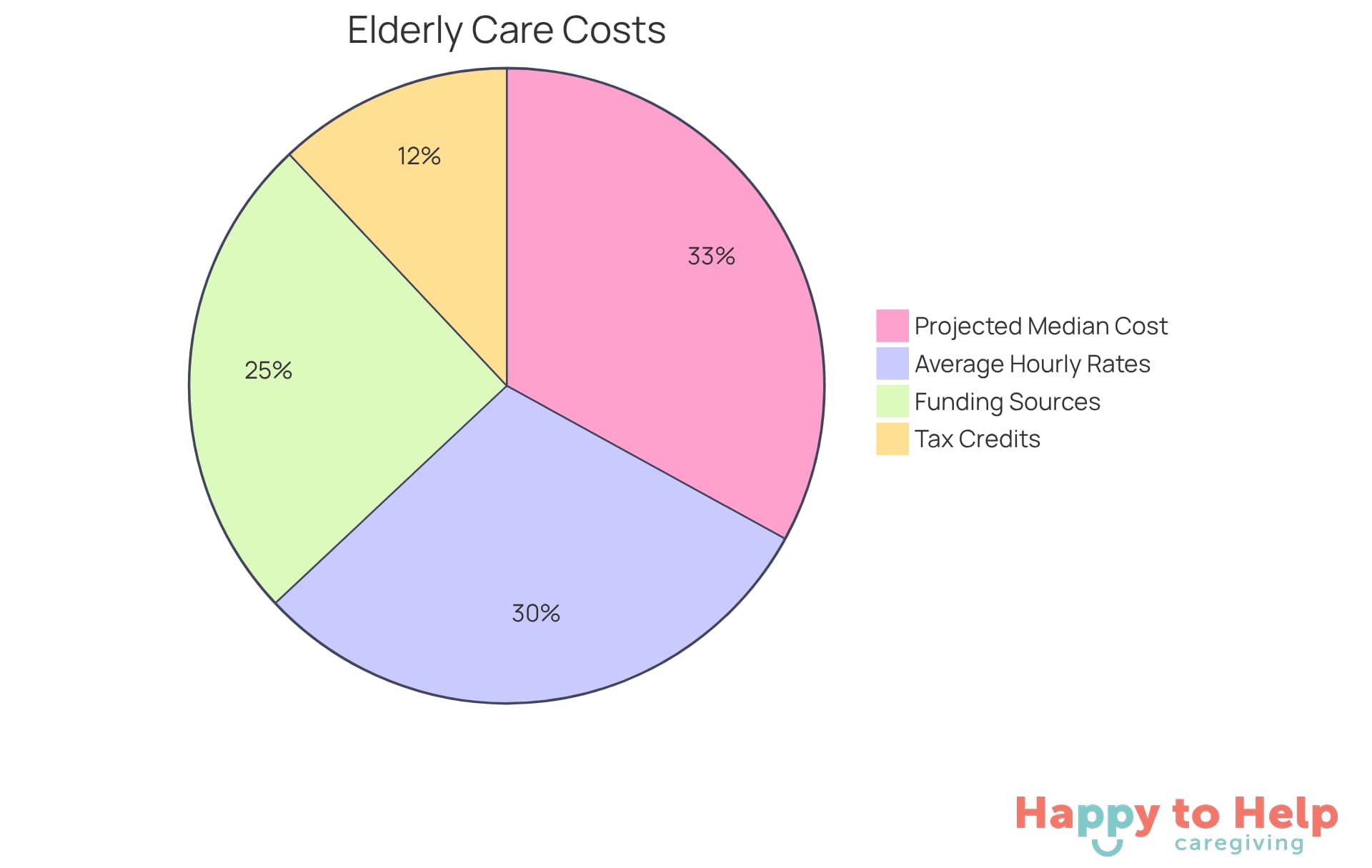
Understanding the costs associated with hiring a paid companion for elderly assistance is crucial for families seeking support for their elderly relatives. On average, these services range from $20 to $35 per hour, influenced by factors like location and specific offerings. By 2025, the median cost for nonmedical in-home assistance is projected to be around $33 per hour, with state prices varying between $24 and $43. Many families rely on a mix of savings, insurance, and government assistance programs to help manage these expenses.
Financial advisors stress the importance of budgeting for senior support, noting that proactive planning can alleviate financial strain. For instance, a federal tax credit of up to $4,000 may be available to offset the costs associated with hiring a paid companion for elderly care. Additionally, AARP is advocating for a $5,000 tax credit for caregivers to further assist families. Programs like the PACE initiative also provide extensive support for seniors, allowing them to receive essential care while remaining in their homes. It's worth mentioning that 7 out of 10 individuals will require long-term assistance at some point in their lives, underscoring the need for careful financial planning.
Happy to Help Caregiving understands the financial hurdles families face and offers flexible payment options for hiring a paid companion for elderly tailored to individual needs. This commitment ensures that families can access quality support without jeopardizing their financial stability. By exploring various funding sources and grasping pricing structures, families can make informed decisions that enhance their loved ones' well-being. Furthermore, the ongoing shortage of home health workers adds to the challenges families encounter, making it vital to consider all available options.
Preventive Care: Reducing Health Risks Through Companionship
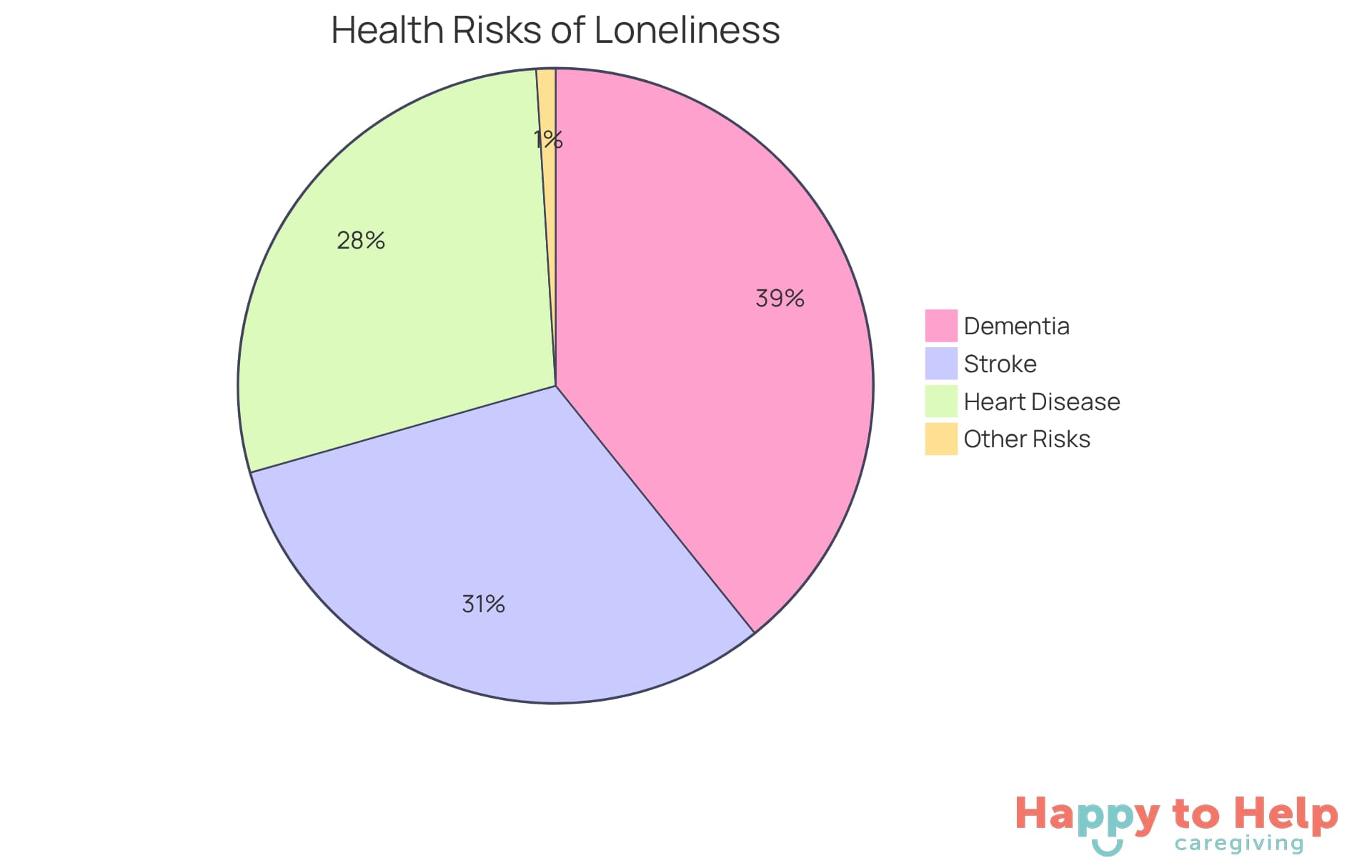
A paid companion for elderly individuals serves as a crucial form of preventive care, addressing the significant health risks associated with isolation and inactivity among the elderly. Loneliness can lead to serious health issues, with older adults facing a 40% higher risk of developing dementia and a 32% increased risk of stroke. Furthermore, social isolation raises the risk of heart disease by 29%. These alarming statistics highlight the urgent need for effective solutions.
To combat these challenges, regular interaction with a paid companion for elderly individuals is essential. Engaging with others not only encourages older adults to stay active and involved but also helps monitor health changes, ensuring timely medical attention. Paid companions for elderly create a supportive environment that fosters better overall health outcomes. Activities like shared meals or games can significantly enhance emotional well-being and social interaction.
As Dr. Vivek Murthy points out, tackling loneliness and isolation is a pressing challenge of our time. Therefore, fostering companionship is vital for improving the quality of life for seniors. By prioritizing social connections, caregivers can play a pivotal role in enhancing the health and happiness of older adults.
Qualifications and Training: Ensuring Quality Care
At Happy to Help Caregiving, a significant challenge arises from the need for caregivers to be adequately trained. Without proper training, caregivers may struggle to provide the high-quality assistance that seniors require, leading to potential safety risks and emotional distress for both caregivers and their clients.
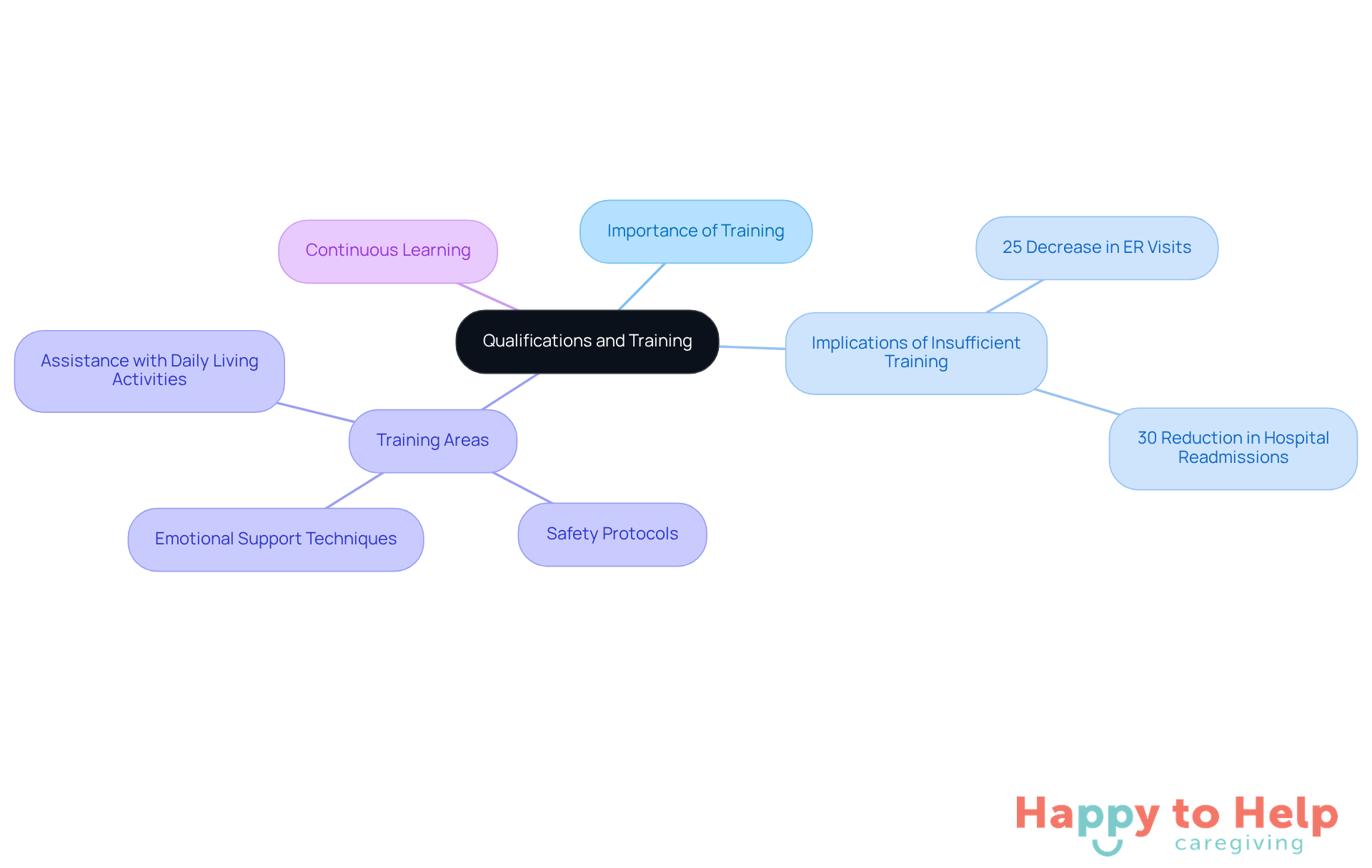
The implications of insufficient training are serious. Studies indicate that qualified caregivers can lead to a 25% decrease in emergency room visits and a 30% reduction in hospital readmissions. This highlights the critical need for caregivers to be well-prepared to handle various situations effectively.
To address this issue, Happy to Help Caregiving offers extensive training that equips support providers with essential skills. This training covers:
- Safety protocols
- Emotional support techniques
- Assistance with daily living activities
Continuous learning is also emphasized, ensuring that caregivers stay updated on the best practices in elderly assistance.
Families can feel confident knowing their loved ones are in capable hands with a paid companion for elderly. Caregivers, often acting as a paid companion for elderly, receive compassionate support and are dedicated to the well-being of seniors, armed with the latest knowledge in elderly assistance. As caregiving organizations emphasize, "Continuous training plays a vital role in enhancing the quality of service delivered to patients." By investing in training, we can significantly improve the standard of care for our seniors.
Flexible Services: Tailoring Care to Individual Needs
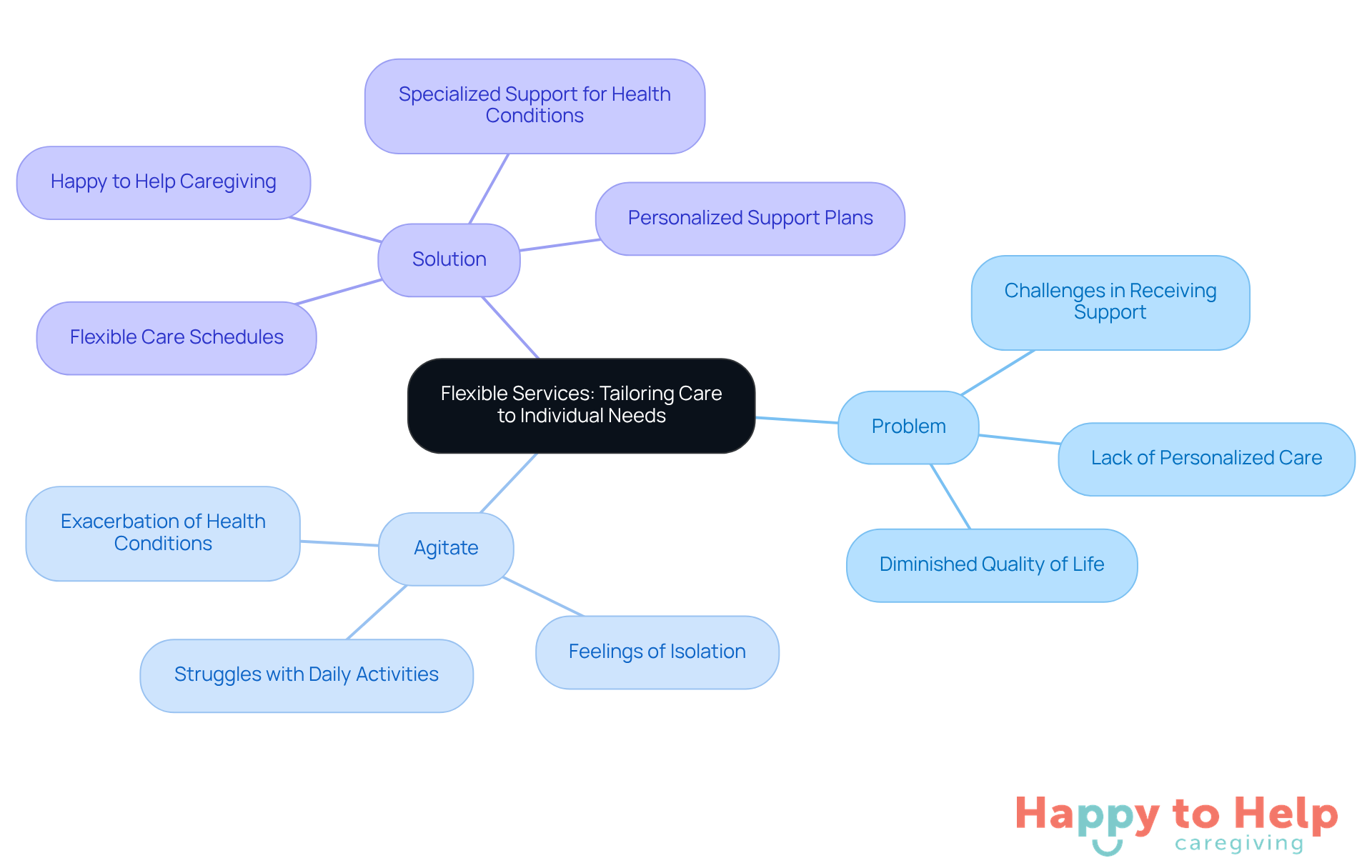
Problem: Many elderly individuals face challenges in receiving adequate support tailored to their unique needs. This lack of personalized care can lead to discomfort and a diminished quality of life.
Agitate: Without proper support, seniors may struggle with daily activities, leading to feelings of isolation and frustration. The absence of a tailored approach can exacerbate health conditions, making it difficult for them to thrive in their familiar surroundings.
Solution: Happy to Help Caregiving addresses these issues by providing flexible services meticulously tailored to each client. Care schedules can be adjusted, activities modified according to client preferences, and specialized support offered for various health conditions. This individualized method not only guarantees that elderly individuals receive the most appropriate support from a paid companion for elderly but also greatly improves their comfort and overall quality of life.
Support coordinators emphasize that by developing personalized support plans, they can effectively tackle the specific challenges faced by elderly clients. This fosters a supportive environment that promotes independence and well-being. The impact of these tailored care plans is profound, as they empower seniors to thrive in their familiar surroundings, ultimately leading to improved emotional and physical health.
Moving Forward with Hiring a Paid Companion for Elderly Care
Hiring a paid companion for elderly care addresses a significant problem: the loneliness and isolation that many seniors face. These feelings can lead to serious health issues, making it crucial to find effective solutions.
Paid companions provide personalized companionship that meets the emotional, physical, and social needs of elderly individuals. This tailored support not only fosters a sense of independence but also enhances overall well-being. By alleviating loneliness, these caregivers play a vital role in improving the quality of life for seniors.
Engaging a paid companion offers several key benefits:
- Emotional Support: Companions help alleviate feelings of loneliness.
- Assistance with Daily Living Tasks: They promote safety and independence.
- Health Benefits: Regular social interaction is linked to better health outcomes.
Moreover, paid companions provide essential respite for family caregivers, reducing burnout and enhancing the overall caregiving experience. Understanding the costs and exploring flexible service options empowers families to make informed decisions about their loved ones' care.
Ultimately, the importance of companionship in elderly care cannot be overlooked. It enriches lives and fosters connections that promote mental and physical health. Families should consider the profound impact that hiring a paid companion can have, not only on the seniors they care for but also on their own well-being. By investing in personalized companion care, families can ensure that their loved ones live fulfilling, engaged, and healthier lives.
https://iframe.tely.ai/cta/eyJhcnRpY2xlX2lkIjogIjY5MjBmZDY2NDE0OGNiZGNlMjRmMzk2OSIsICJjb21wYW55X2lkIjogIjY4ZWU1ZGNhNzMxNzYyNTU3ZjNjOTVjMSIsICJpbmRleCI6IG51bGwsICJ0eXBlIjogImFydGljbGUifQ==Frequently Asked Questions
What challenges do elderly individuals face that Happy to Help Caregiving addresses?
Elderly individuals often struggle with feelings of isolation, which can negatively impact their overall well-being and independence. This situation places a burden on caregivers who aim to meet these emotional and physical needs.
What services does Happy to Help Caregiving provide?
Happy to Help Caregiving offers customized companionship services, including providing a paid companion for elderly individuals tailored to their unique requirements, fostering independence and enhancing their quality of life at home.
How does companionship benefit elderly individuals?
Regular interactions with a paid companion can significantly reduce feelings of loneliness and isolation, enhance engagement, and improve mental health, leading to lower rates of depression and anxiety among older adults.
What role does emotional support play in the lives of older adults?
Emotional support from companions helps alleviate loneliness, contributing to a more fulfilling life. Studies show that older adults receiving such support have fewer doctor visits and better overall health outcomes.
What daily living assistance do paid companions provide?
Paid companions assist seniors with daily tasks such as meal preparation, medication reminders, and light housekeeping, which are essential for maintaining independence and ensuring safety at home.
Why is daily living assistance important for elderly individuals?
Assistance helps prevent accidents, particularly falls, which are a leading cause of injury among older adults. It also fosters independence, allowing seniors to engage confidently in daily activities.
How does Happy to Help Caregiving ensure personalized care?
Each care plan is customized to meet the specific preferences and requirements of individuals, ensuring that their unique needs are addressed and enhancing their emotional and physical well-being.
List of Sources
- Happy to Help Caregiving: Personalized Companion Care for Seniors
- Companion Care at Home Reduces Loneliness for Seniors During the Holidays (https://lifesathomecare.com/companion-care-at-home-reduces-loneliness-for-seniors-during-the-holidays)
- 2025 Home Care Statistics: Trends & Insights To Know (https://premierhcinc.com/blog/home-care-statistics)
- Some Important Statistics and In-Home Companion Care (https://americareinfo.com/beach-cities/articles/in-home-companion-care-some-important-facts-on-aging-to-consider)
- 28 Senior Care Statistics: In-Home & Assisted Living | Shortlister (https://myshortlister.com/insights/senior-care-statistics)
- AI Companions Redefine Elder Care: 3 Ways They Fight Loneliness, Boost Safety And Scale Support (https://forbes.com/sites/cathyrubin/2025/05/16/ai-companions-are-redefining-elder-care-3-ways-they-fight-loneliness-boost-safety-and-scale-support)
- Emotional Support: Alleviating Loneliness and Isolation
- A Better Solution Home Care (https://abs.care/How-Companionship-Care-Improves-Mental-Health-in-Older-Adults)
- For seniors dealing with social isolation, NYC programs provide intergenerational events (https://cbsnews.com/newyork/news/cost-of-caregiving-the-life-story-club-nyc-friendly-visiting-program)
- 10 Benefits of Companionship Carers for Seniors' Well-Being - Happy To Help (https://happytohelpcaregiving.com/10-benefits-of-companionship-carers-for-seniors-well-being)
- The Role of Companion Care in Reducing Depression Among Seniors (https://malamamaikai.com/role-of-companion-care-in-reducing-depression-among-seniors)
- Trends in Loneliness Among Older Adults from 2018-2023 (https://ihpi.umich.edu/national-poll-healthy-aging/reports-and-resources/trends-loneliness-among-older-adults-2018-2023)
- Daily Living Assistance: Supporting Independence and Safety
- 2025 Home Care Statistics: Trends & Insights To Know (https://premierhcinc.com/blog/home-care-statistics)
- New data detail which older adults are more likely to need help with ADLs (https://mcknightsseniorliving.com/news/new-data-detail-which-older-adults-are-more-likely-to-need-help-with-adls)
- Smart Surveillance Boosts Safety, Connection for Seniors Aging at Home (https://ltcnews.com/articles/smart-surveillance-boosts-safety-seniors-aging-at-home)
- Families caring for older adults at home say aging in place should not be taken lightly, but may be worth it (https://cbsnews.com/newyork/news/aging-in-place-home-remodeling-cost-of-caregiving)
- 28 Senior Care Statistics: In-Home & Assisted Living | Shortlister (https://myshortlister.com/insights/senior-care-statistics)
- Health Benefits: Enhancing Physical and Mental Well-Being
- The Incredible Benefits of Home Care, in 7 Amazing Stats - Companions For Seniors (https://companionsforseniors.com/2019/08/benefits-home-care-amazing-stats-trends-reports)
- The emotional benefits of companion care for seniors (https://humancareny.com/blog/the-emotional-benefits-of-companion-care-for-seniors)
- The Power of Companionship for Seniors: A Key Ingredient to Quality Aging (https://homecarepgh.com/blog-posts/companionship-in-old-age)
- 10 Benefits of Companionship Carers for Seniors' Well-Being - Happy To Help (https://happytohelpcaregiving.com/10-benefits-of-companionship-carers-for-seniors-well-being)
- Social connection linked to improved health and reduced risk of early death (https://who.int/news/item/30-06-2025-social-connection-linked-to-improved-heath-and-reduced-risk-of-early-death)
- Respite for Family Caregivers: Reducing Burnout and Stress
- News & Updates | ARCH National Respite Network & Resource Center (https://archrespite.org/news)
- Family Caregivers: You Deserve Support, and Here’s Where to Find It | Shore Medical Center (https://shoremedicalcenter.org/news/family-caregivers-you-deserve-support-and-here-s-where-find-it)
- It’s Time to Care for Caregivers: Senator Markey Announces Comprehensive Family Caregiving Legislative Agenda | U.S. Senator Ed Markey of Massachusetts (https://markey.senate.gov/news/press-releases/11/20/2025/its-time-to-care-for-caregivers-senator-markey-announces-comprehensive-family-caregiving-legislative-agenda)
- A bill in Congress would return $5,000 to millions of family caregivers every year, but will it pass? (https://cbsnews.com/newyork/news/credit-for-caring-act-family-caregiver-tax-credit)
- Improving Support for Family Caregivers (https://nationalacademies.org/news/2025/07/improving-support-for-family-caregivers)
- Social Engagement: Encouraging Activities and Interaction
- Socializing may improve older adults' cognitive function in daily life | Penn State University (https://psu.edu/news/research/story/socializing-may-improve-older-adults-cognitive-function-daily-life)
- Social engagement helps older adults feel younger, live longer: study (https://mcknightsseniorliving.com/news/social-engagement-helps-older-adults-feel-younger-live-longer-study)
- How to increase engagement in senior living communities (https://foxrehab.org/activities-for-senior-living-communities)
- Social engagement cuts death risk by 42 percent in older adults, study finds (https://mcknights.com/news/social-engagement-cuts-death-risk-by-42-percent-in-older-adults-study-finds)
- Cost Considerations: Understanding Pricing and Payment Options
- How to Pay for a Home Care Worker (https://aarp.org/caregiving/financial-legal/afford-a-homecare-worker)
- Cost of Long Term Care by State | Cost of Care Report | Carescout (https://carescout.com/cost-of-care)
- The Cost of In-Home Caregivers May Surprise You (https://health.usnews.com/senior-care/caregiving/articles/how-much-do-in-home-caregivers-cost)
- How Much Does Companion Care Cost? | SeniorLiving.org (https://seniorliving.org/companion-care/costs)
- Home Care Costs in 2025: A State-by-State Guide (https://aplaceformom.com/caregiver-resources/articles/in-home-care-costs)
- Preventive Care: Reducing Health Risks Through Companionship
- The Incredible Benefits of Home Care, in 7 Amazing Stats - Companions For Seniors (https://companionsforseniors.com/2019/08/benefits-home-care-amazing-stats-trends-reports)
- The Power of Companionship for Seniors: A Key Ingredient to Quality Aging (https://homecarepgh.com/blog-posts/companionship-in-old-age)
- Social connection linked to improved health and reduced risk of early death (https://who.int/news/item/30-06-2025-social-connection-linked-to-improved-heath-and-reduced-risk-of-early-death)
- Social isolation, loneliness in older people pose health risks (https://nia.nih.gov/news/social-isolation-loneliness-older-people-pose-health-risks)
- Qualifications and Training: Ensuring Quality Care
- The Importance of Ongoing Training for Home Health Aides (https://regencyhcs.com/blog/the-importance-of-ongoing-training-for-home-health-aides)
- Factors associated with receipt of caregiver training among family and unpaid caregivers of people living with dementia (https://sciencedirect.com/science/article/pii/S2667032125000186)
- CCA Announces Free Online Caregiver Training Program for IHSS Workers (https://advancecaregivers.org/cca-announces-free-online-caregiver-training-program-for-ihss-workers)
- Caregiver Statistics: Work and Caregiving (https://caregiver.org/resource/caregiver-statistics-work-and-caregiving)
- WHO launches new online course to support informal caregivers across Europe (https://who.int/europe/news/item/27-10-2025-who-launches-new-online-course-to-support-informal-caregivers-across-europe)
- Flexible Services: Tailoring Care to Individual Needs
- Flexible Care Models Give Home Care Clients ‘What They Want When They Want It’ (https://homehealthcarenews.com/2025/10/flexible-care-models-give-home-care-clients-what-they-want-when-they-want-it)
- Warning From Older Adults: Care for Aging in America Needs Urgent Rethinking (https://johnahartford.org/newsroom/view/warning-from-older-adults-care-for-aging-in-america-needs-urgent-rethinking)
- New business on national scene wants to become ‘the Uber of home care’ (https://palmbeachpost.com/story/news/healthcare/2024/12/10/can-new-uber-style-home-care-delivery-model-transform-the-industry/76477041007)
- Caregiving in the US 2025 (https://aarp.org/pri/topics/ltss/family-caregiving/caregiving-in-the-us-2025)