For families in our service areas
For families in our service areas, this guide explains in-home care and how non-medical in-home caregiving can support care planning in East Idaho, Treasure Valley & Magic Valley, Northern Wasatch, North Central West Virginia, and Northeast Ohio.
The Importance of In-Home Care in Cleveland Ohio
In-home care is increasingly recognized as a vital support system for families facing the challenges of elder care, especially in Cleveland, Ohio. The growing demand for personalized assistance highlights a significant problem: family caregivers often experience stress and overwhelm while trying to provide adequate care for their loved ones. This situation not only affects the caregivers but also impacts the quality of life for seniors.
As families navigate these complexities, the benefits of in-home care become clear. Tailored support can alleviate caregiver stress, enhance the emotional well-being of older adults, and create a nurturing environment. However, a pressing question remains: How can families ensure they are accessing the right resources to maximize these benefits?
In this article, we will explore ten compelling advantages of in-home care, providing actionable solutions that families can implement to support their loved ones effectively.
Happy to Help Caregiving: Personalized In-Home Support for Seniors
Many older adults face challenges in receiving adequate in-home assistance, which can lead to feelings of isolation and a decline in their quality of life. This lack of support not only affects their independence but can also hinder their emotional and social well-being.
Happy to Help Caregiving addresses these issues by providing customized in-home care in Cleveland, Ohio, tailored to each client's specific needs and preferences. This personalized approach to in-home care in Cleveland, Ohio promotes a sense of independence and significantly enhances the overall quality of life for older adults, allowing them to thrive in the comfort of their own homes.
With a focus on empathetic support, the agency's caregivers are trained to engage clients in meaningful activities. This involvement fosters emotional wellness and encourages social engagement, which are crucial for maintaining a healthy lifestyle.
By prioritizing the unique requirements of older adults, Happy to Help Caregiving ensures that clients receive the support they need to live fulfilling lives.
Companionship Care: Alleviating Loneliness and Enhancing Well-Being
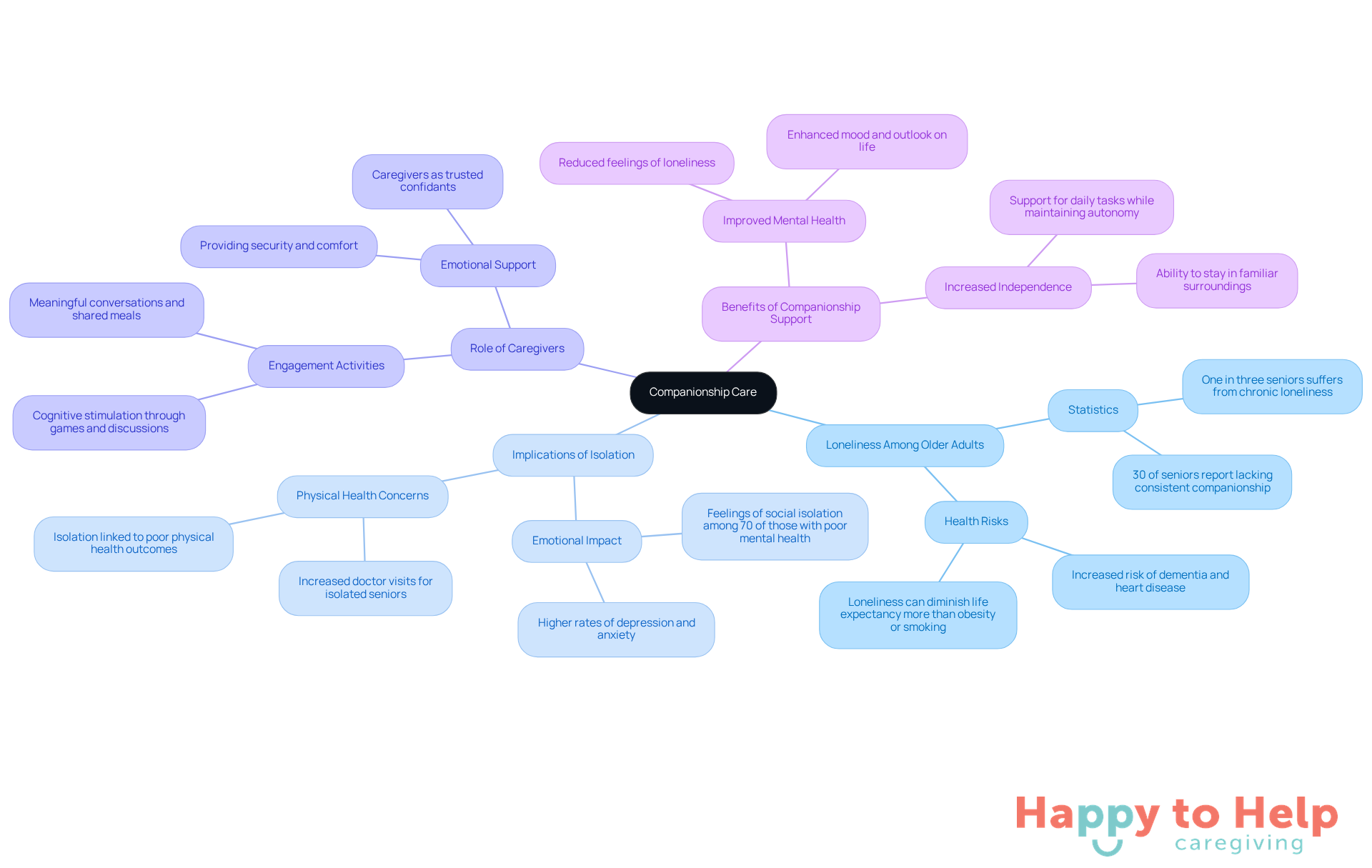
Companionship care addresses a significant problem: loneliness among older adults. This issue not only affects emotional well-being but also poses a growing public health concern, impacting physical health and mental stability. Research shows that one in three older adults suffers from chronic loneliness, highlighting the urgent need for effective solutions.
The implications of isolation are profound. Regular social interaction can dramatically reduce the risk of depression and anxiety, yet many elderly individuals lack the necessary support. Caregivers play a crucial role in this context, engaging clients in meaningful discussions and activities that enhance mental well-being. For instance, older adults who frequently interact with caregivers report improved emotional health and a stronger sense of connection.
So, what can caregivers do? Implementing companionship support is essential. This non-medical service not only provides emotional and practical assistance but also fosters a nurturing environment that enhances overall quality of life. By becoming trusted confidants, caregivers can significantly improve the lives of older adults who may not have nearby family.
In summary, companionship care is vital for combating loneliness and promoting mental health among older adults. Caregivers should prioritize building relationships that encourage social interaction, ultimately leading to a healthier, happier life for their clients.
Post-Hospital Recovery Assistance: Facilitating Safe Transitions Home
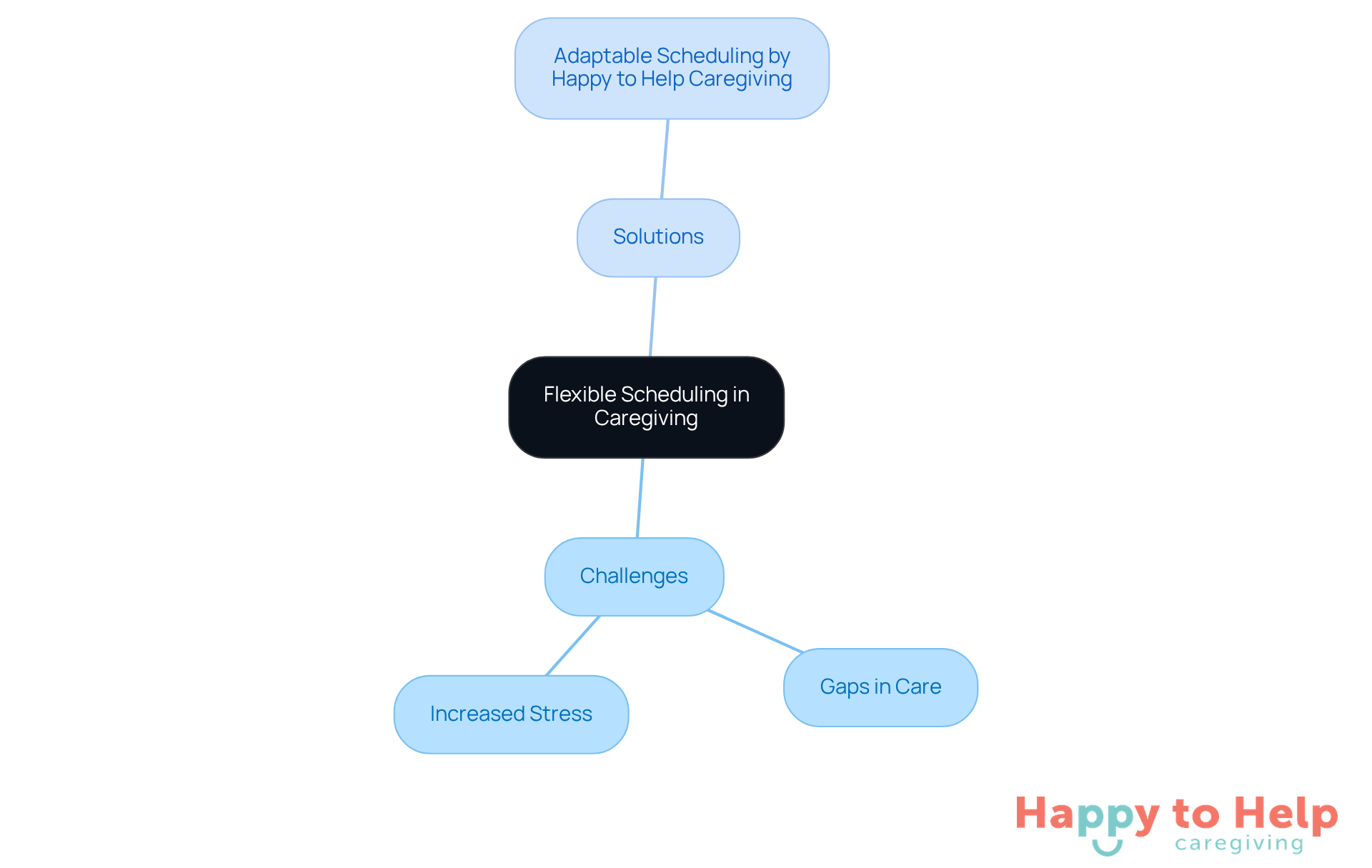
Post-hospital recovery assistance presents a significant challenge, especially for elderly patients transitioning from hospital to home. Caregivers play a crucial role in this process, offering essential support with medication management, mobility, and daily activities. Their involvement is vital, as nearly one in five Medicare patients face hospital readmissions within 30 days of discharge, highlighting the need for effective support.
The implications of inadequate post-hospital care can be severe. Without proper assistance, elderly patients may struggle with their recovery, leading to increased health risks and potential readmissions. This is where caregivers become instrumental. By ensuring that older adults receive individualized support tailored to their needs, caregivers foster a smoother recovery process and promote independence in a familiar environment.
To address these challenges, proactive engagement and comprehensive planning are essential. Initiatives like Project RED have demonstrated a 30% reduction in hospital usage within 30 days of discharge through effective discharge planning and follow-up support. This underscores the importance of having dedicated individuals who can monitor health conditions and facilitate communication with healthcare providers.
Healthcare professionals stress that maintaining open lines of communication during this transition is critical. As one expert noted, "The transition from hospital to home care is a significant milestone in the healing journey." This highlights the necessity for support providers to assist not only with physical tasks but also to address emotional and psychological concerns, ensuring a holistic approach to recovery.
Incorporating technology, such as remote monitoring tools, can further enhance communication and provide real-time updates on a senior's well-being. This not only aids caregivers in their responsibilities but also enriches the overall recovery experience. Ultimately, the support offered during this crucial phase not only improves health outcomes but also solidifies the importance of effective post-hospital assistance.
Respite Care: Supporting Family Caregivers and Preventing Burnout
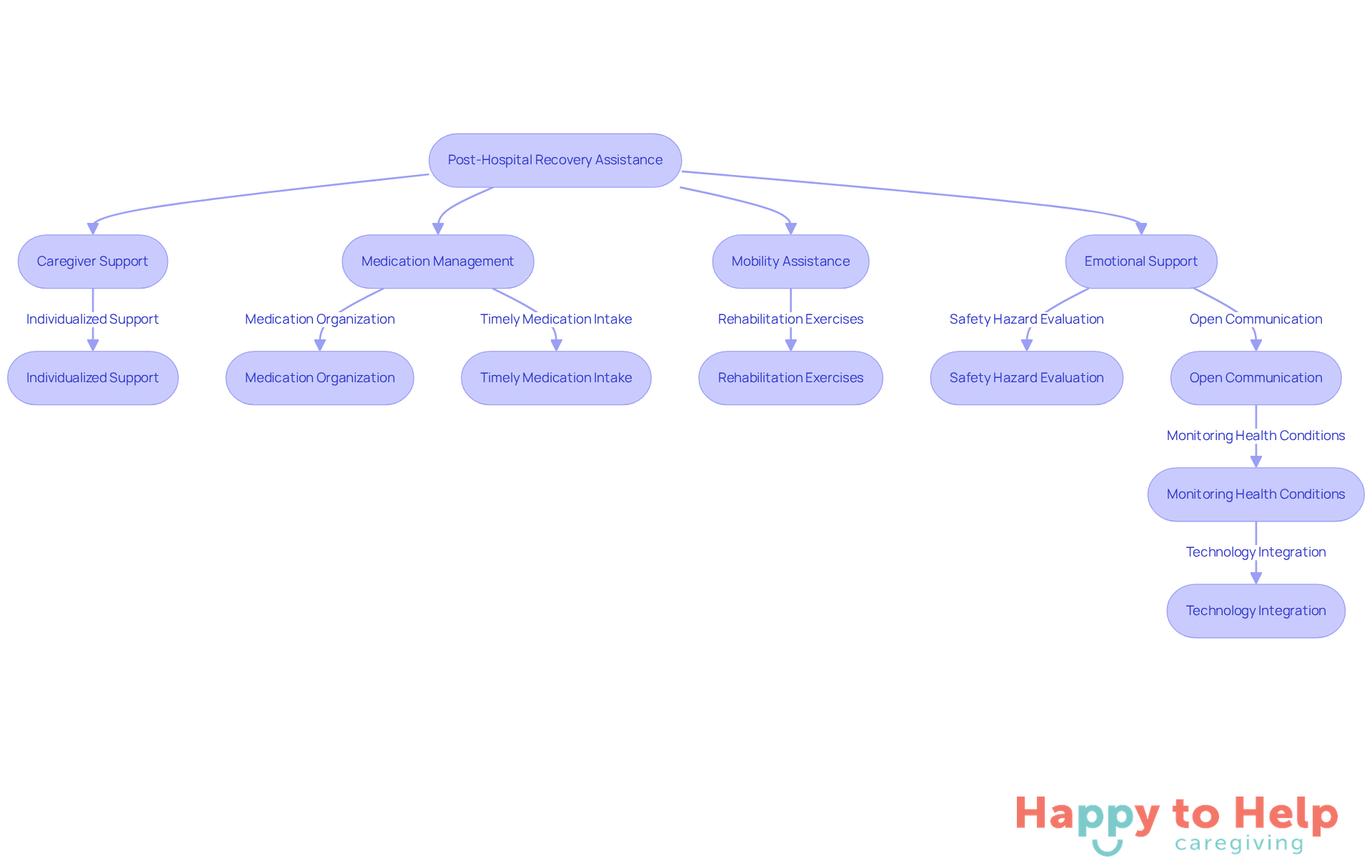
Problem: Caregiver burnout is a significant issue affecting many family supporters. Research shows that nearly 40% of caregivers report rarely feeling at ease, indicating a high prevalence of stress in these roles. This stress can lead to reduced quality of support and emotional distress for both the caregiver and the loved one receiving care.
Agitation: The implications of caregiver burnout are serious. When caregivers are overwhelmed, the quality of assistance diminishes, which can negatively impact the well-being of those they care for. As Samantha Wolfe, a Direct Support Professional, states, "Respite services indicate temporary relief for primary supporters, providing them a break while guaranteeing their loved ones receive professional assistance."
Solution: To combat this issue, respite support offers crucial short-term relief, allowing caregivers to take necessary breaks while ensuring their loved ones continue to receive quality assistance. Happy to Help Caregiving offers in-home care in Cleveland, Ohio, providing relief services that promote a healthier support environment for both the provider and the senior.
Here are some actionable tips for caregivers:
- Prioritize self-care: Engage in daily meditation or join a support group to help prevent burnout.
- Explore financial support options: Many expenses for respite services can be covered by private insurance, Medicaid, or community resources.
By implementing these strategies, caregivers can sustain their enthusiasm and dedication, ultimately fostering healthier connections with their family members.
Palliative Support Care: Managing Chronic Conditions with Compassion
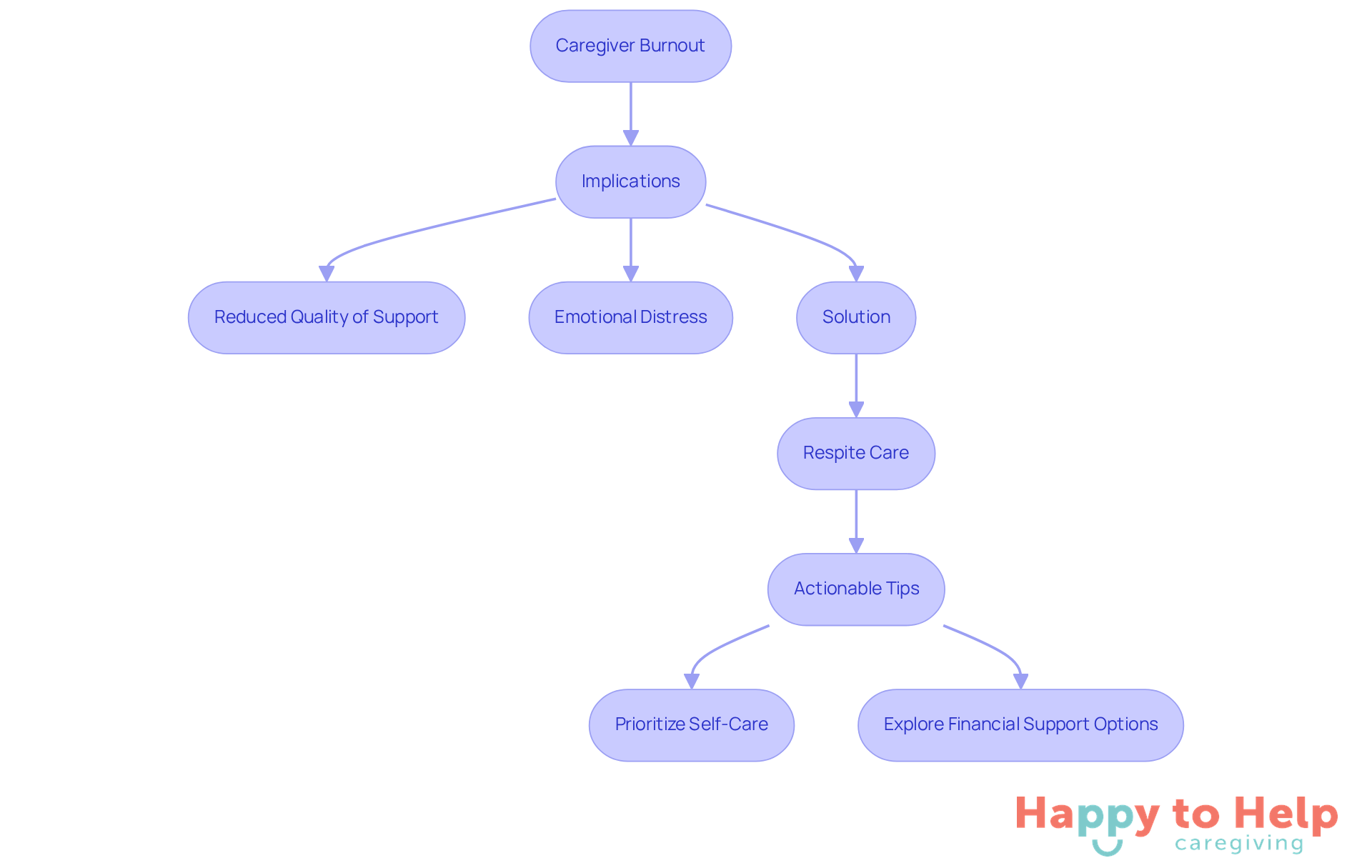
Palliative support care addresses a significant problem: managing chronic conditions in older adults. These conditions often lead to complex emotions, such as anxiety and depression, which can severely impact overall well-being. Caregivers face the challenge of not only addressing physical symptoms but also meeting the emotional and psychological needs of their clients.
The implications of inadequate support are profound. Without proper care, older adults may experience diminished quality of life, increased hospital admissions, and emergency department visits. This highlights the urgent need for effective palliative support that encompasses both physical and emotional assistance.
So, what can caregivers do? They can play a vital role in delivering personalized assistance, helping clients navigate their wellness challenges while ensuring they maintain a good quality of life. By promoting open communication and understanding, caregivers can effectively meet the emotional needs of older adults, allowing them to feel valued and supported during challenging times.
Statistics reveal that 6 in 10 American adults are managing chronic conditions, underscoring the importance of palliative support in reducing hospital visits. The Palliative Care and Hospice Education and Training Act (PCHETA) aims to enhance access and quality of palliative support, ensuring that more elderly individuals receive the compassionate assistance they require.
A case study involving an elderly individual with COPD illustrates how customized palliative support strategies can significantly improve breathing comfort and increase participation in meaningful activities. This demonstrates the transformative effect of compassionate assistance, emphasizing that effective symptom management and emotional support are essential for helping older adults live fully and optimally, even amidst chronic health challenges.
Flexible Scheduling: Tailoring Care to Fit Individual Needs
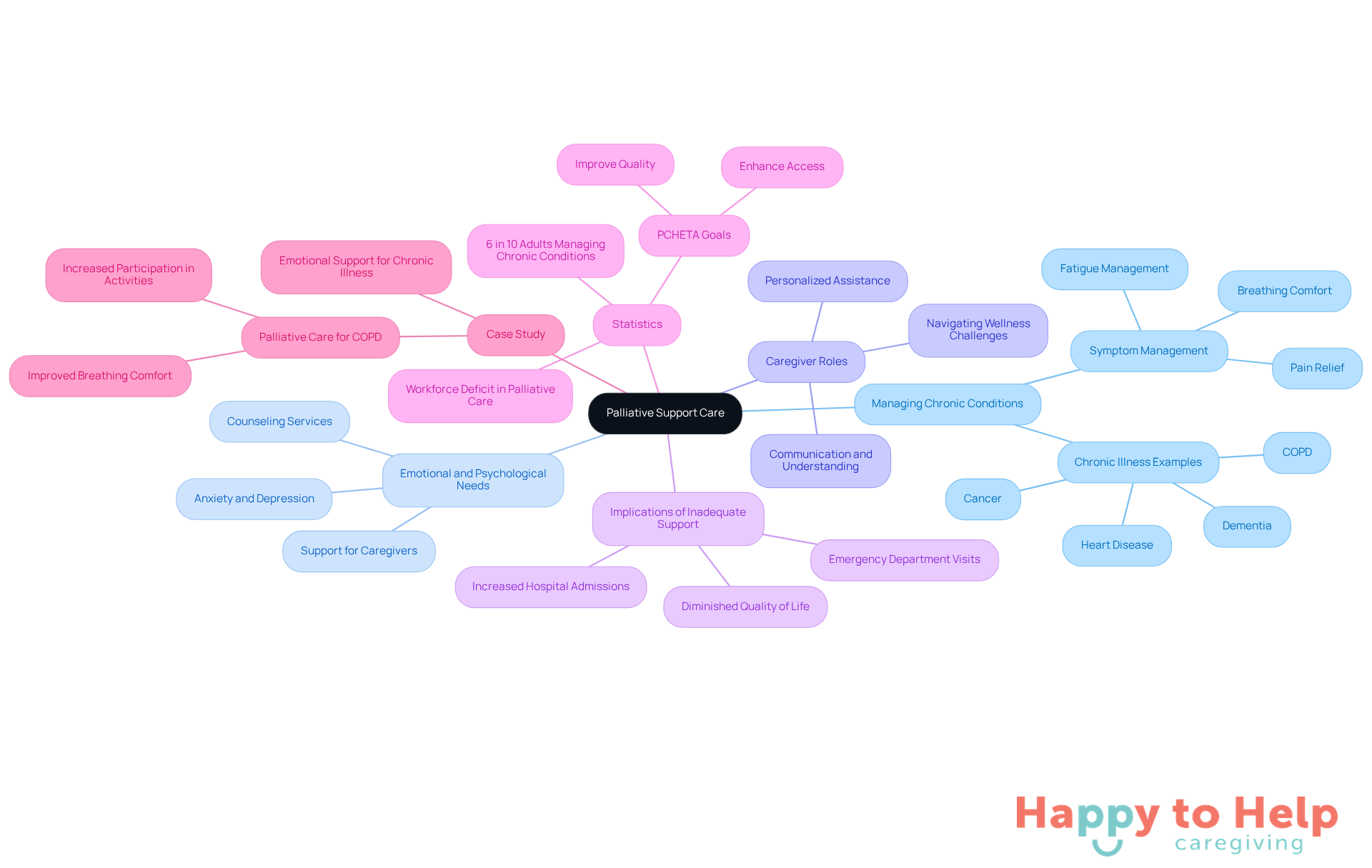
Scheduling flexibility is a significant challenge in in-home support services. Caregivers often struggle to meet the unique needs of each client, which can lead to gaps in care when older adults need assistance the most. This issue can result in increased stress for both caregivers and clients, impacting the overall quality of care.
To address this problem, Happy to Help Caregiving provides in-home care in Cleveland, Ohio with adaptable scheduling that allows providers to adjust their availability according to individual client needs. This flexibility ensures that older adults receive the support they require, whether it's a few hours each week or continuous assistance. By accommodating personal schedules, Happy to Help Caregiving enhances the caregiving experience, leading to better outcomes for clients.
24/7 Availability: Ensuring Constant Support for Seniors
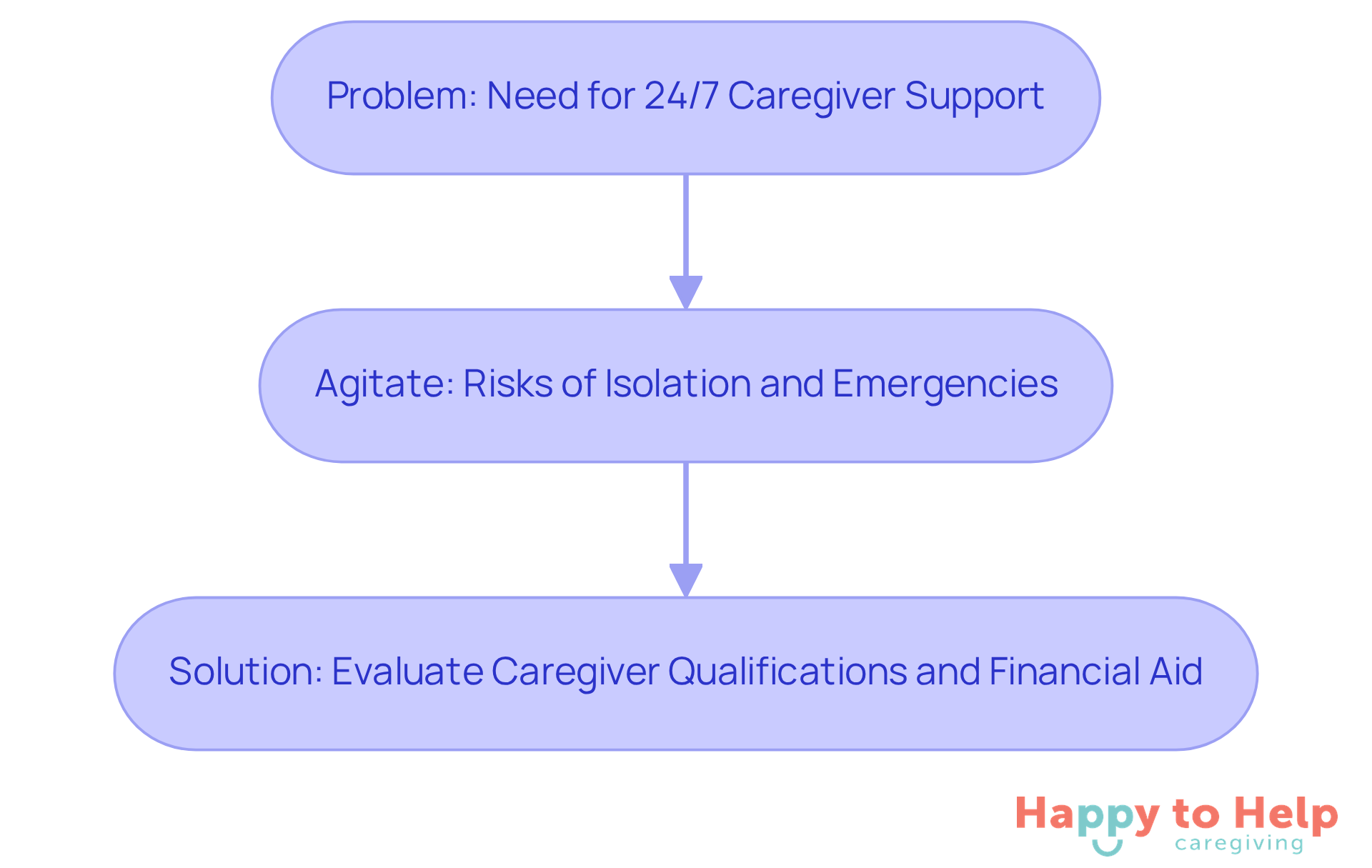
Problem: The round-the-clock presence of caregivers is essential for elderly individuals, ensuring they receive constant assistance that significantly enhances their well-being and safety. Without this support, those with complex health needs or at risk of emergencies may face serious challenges.
Agitate: The absence of readily available help can lead to feelings of isolation and helplessness among older adults. This emotional burden is compounded by the risk of medical emergencies, which caregivers are trained to recognize and respond to promptly. The lack of constant support not only jeopardizes safety but also threatens the independence of seniors in their own homes.
Solution: To address these challenges, families should consider evaluating caregiver qualifications and exploring financial aid options specifically for in-home care in Cleveland, Ohio. The typical cost of in-home care in Cleveland, Ohio is around $26 per hour, which can add up quickly for round-the-clock assistance. Research from the National Institute on Aging indicates that ongoing support can lower hospital readmission rates and facilitate timely intervention for chronic conditions. By ensuring that a dependable supporter is available at all times, families can help their loved ones thrive in a familiar environment.
Moreover, the emotional reassurance provided by constant support is invaluable. It alleviates feelings of loneliness and helplessness, allowing older adults to feel secure. As healthcare experts emphasize, having a dedicated caregiver accessible at all times is crucial for effectively addressing medical issues and ensuring seniors feel safe and cared for in their daily lives.
Technology Integration: Enhancing Communication and Care Monitoring
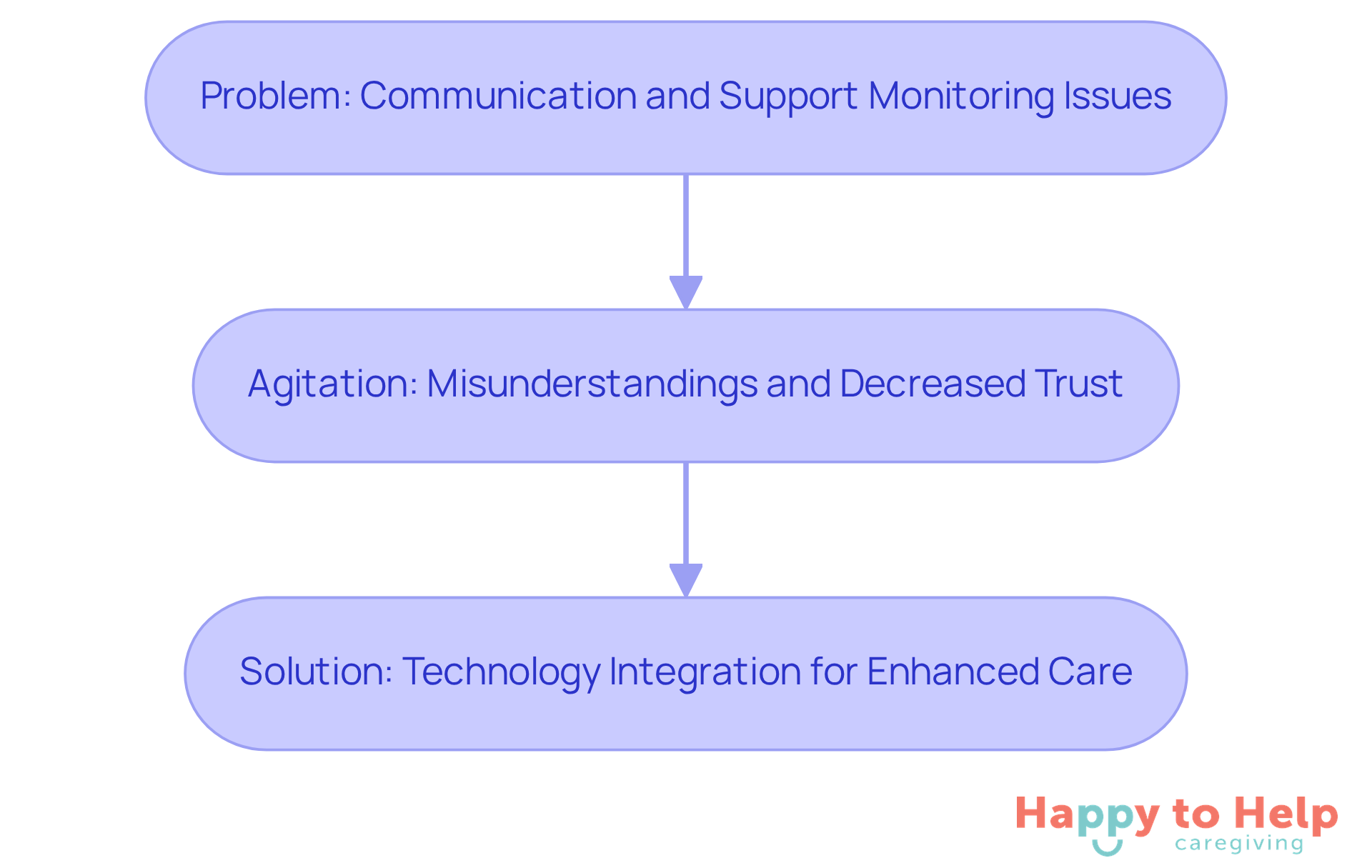
Problem: Caregivers often struggle with communication and support monitoring, which can hinder the quality of care provided to individuals at home.
Agitate: This lack of effective communication can lead to misunderstandings, decreased trust, and ultimately, a lower quality of support for those in need. Families may feel disconnected from the care process, which can exacerbate stress and anxiety for both caregivers and recipients.
Solution: Fortunately, technology can bridge this gap. Incorporating tools like remote monitoring systems and communication applications allows caregivers to monitor health metrics and share updates with family members instantly. This not only enhances the quality of support but also promotes transparency and trust between providers and families. By leveraging these technologies, caregivers can provide more efficient and effective help, ensuring that everyone involved feels informed and supported.
Personalized Care Plans: Addressing Unique Needs of Seniors
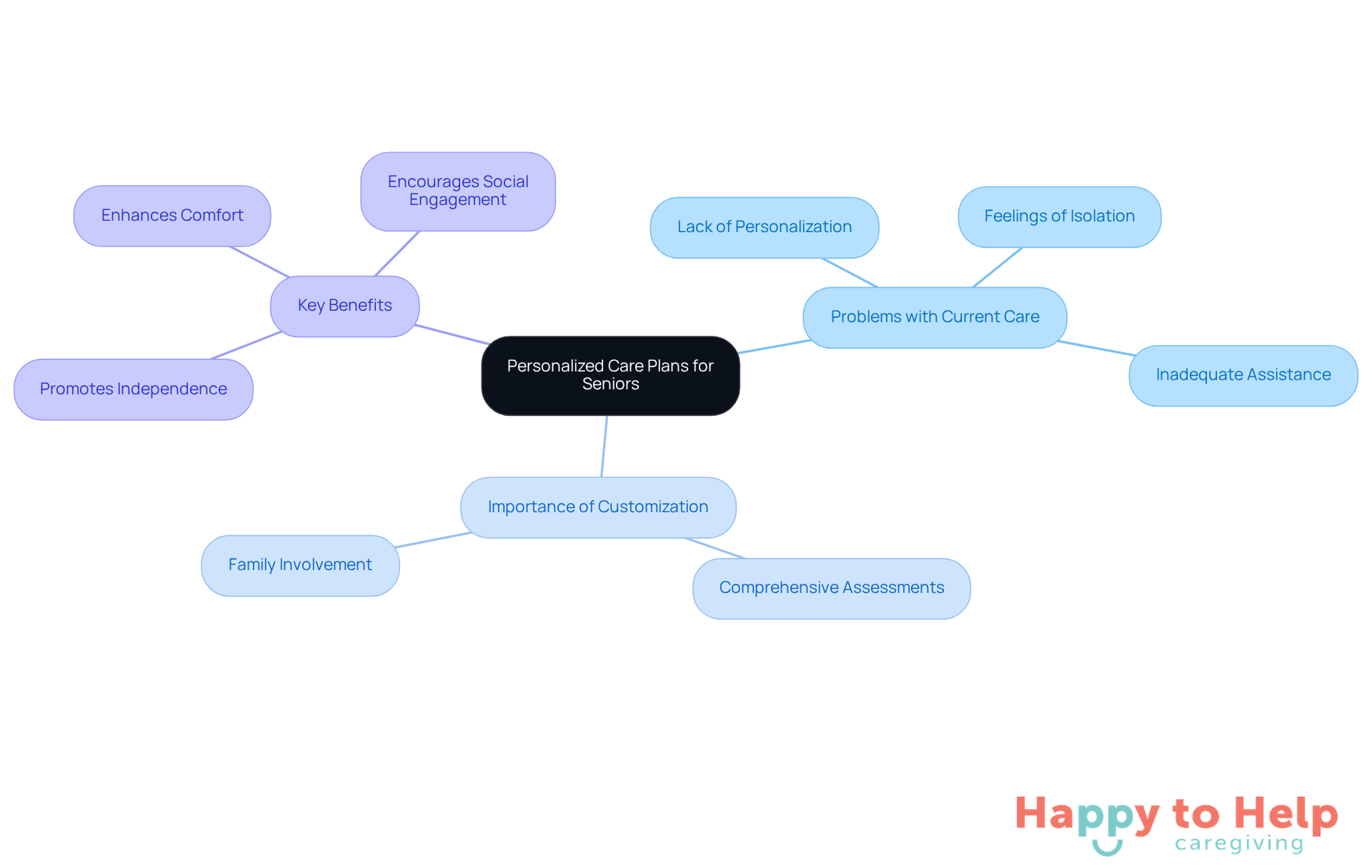
The problem with in-home care in Cleveland, Ohio for the elderly is that it often lacks personalization, which leads to inadequate care that doesn't meet individual needs.
Agitate: This can result in feelings of isolation and decreased quality of life for older adults, as they may not receive the right assistance at the right time. Without tailored strategies, their unique medical, emotional, and social needs remain unaddressed, fostering insecurity and mistrust.
Customized care plans are essential for effective in-home care in Cleveland, Ohio. By conducting comprehensive assessments and actively involving family members in the planning process, caregivers can develop strategies that enhance independence and overall well-being. This personalized approach not only ensures that older adults receive suitable assistance but also significantly improves their quality of life.
Studies show that personalized care plans lead to better wellness outcomes, as they cater to specific needs and foster a sense of security. When older adults feel their preferences are acknowledged, their emotional well-being improves, reducing feelings of isolation and increasing their engagement in daily activities.
A tailored plan focuses on the individual’s unique lifestyle and habits, rather than a one-size-fits-all routine. Continuous monitoring and adjustments to support plans are crucial; they should be evaluated every few months or whenever health or daily requirements change. Ultimately, emphasizing personalized support strategies in in-home care in Cleveland, Ohio allows elderly individuals to maintain their autonomy while receiving necessary help, creating a harmonious and satisfying living environment.
Key Benefits of Personalized Support Plans:
- Promotes independence
- Enhances comfort
- Encourages social engagement
By prioritizing customized care, caregivers can significantly enhance the quality of life for older adults.
Improved Health Outcomes: The Lasting Impact of In-Home Care
Hospital readmissions pose a significant challenge for elderly individuals, often leading to prolonged recovery times and increased healthcare costs. This issue is particularly pressing, as many seniors struggle to adhere to treatment plans and maintain healthy behaviors when discharged from medical facilities.
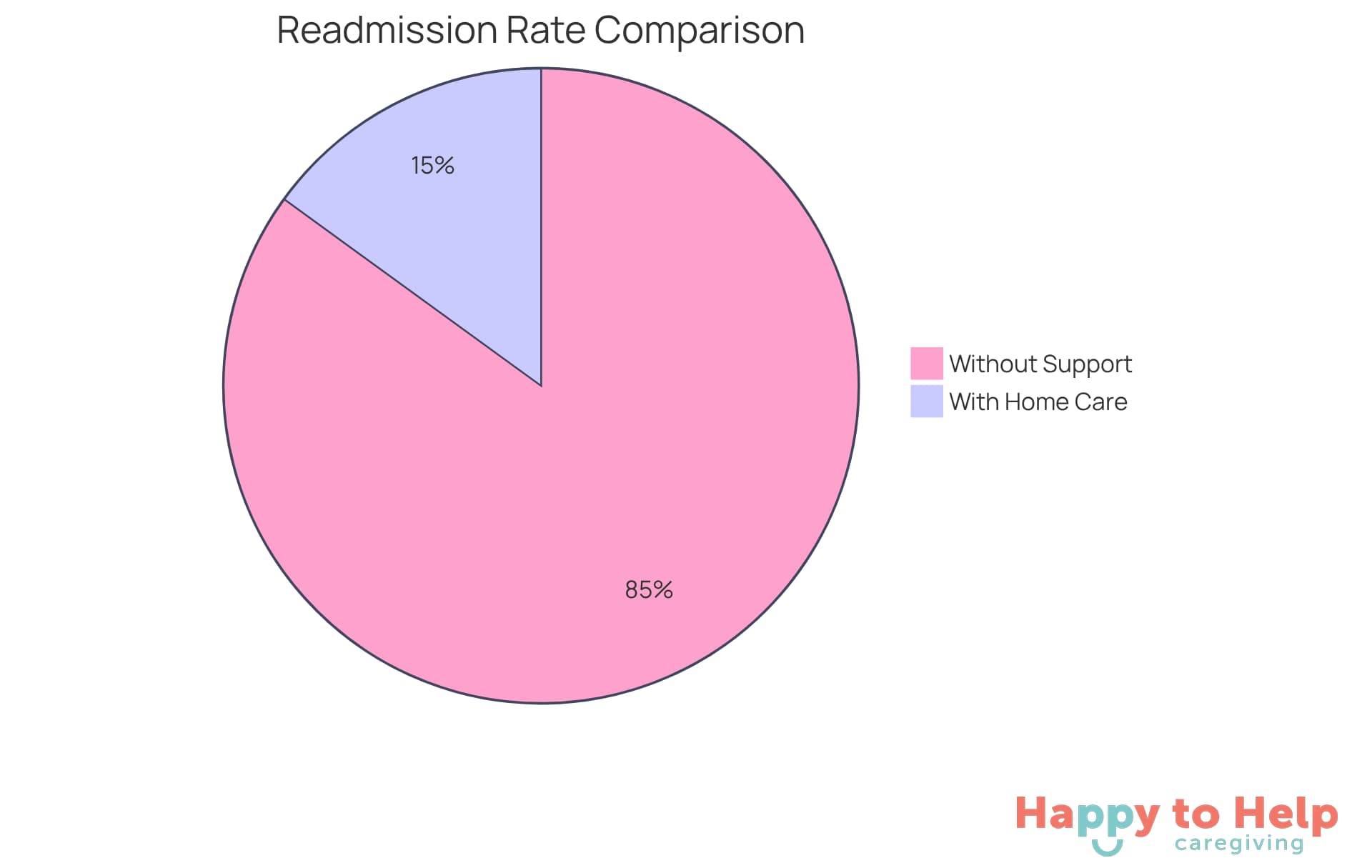
The implications of high readmission rates are serious. Studies indicate that patients receiving assistance at home experience a 15% lower hospital readmission rate compared to those without support. For individuals with certain chronic conditions, home support can decrease readmissions by up to 25%. This reduction is crucial, as it provides a safety net that ensures continuity of care and prevents complications that could lead to emergency visits.
In-home care in Cleveland Ohio is a vital solution for those in need of assistance. As noted by Family & Nursing Support, "Studies consistently demonstrate that patients who receive home assistance following discharge have lower hospital readmission rates." Families benefit from the peace of mind that comes from knowing their loved ones are receiving personalized, compassionate support, fostering a sense of security and well-being.
Moreover, the psychological and emotional advantages of home care are significant. It not only improves mental health but also reduces anxiety and depression, contributing to a holistic approach to recovery. By prioritizing in-home care in Cleveland Ohio, caregivers can enhance health outcomes and promote a better quality of life for the elderly.
Key Takeaways for Caregivers
In-home care in Cleveland, Ohio, addresses significant challenges faced by family caregivers and their elderly loved ones. As individuals age, caregivers often struggle with feelings of isolation and the overwhelming responsibilities of care. This situation not only affects the quality of life for seniors but also places a heavy burden on family members.
The benefits of in-home care are numerous:
- Companionship care helps combat loneliness.
- Post-hospital recovery assistance ensures safe transitions home.
- Respite care is crucial in preventing caregiver burnout, allowing family members to recharge.
- Technology enhances communication and monitoring.
- Personalized care plans cater to each individual's unique needs, leading to improved health outcomes and reduced hospital readmission rates.
Recognizing the importance of in-home care services enables families to make informed decisions that promote their loved ones' well-being. Tailored support fosters independence for seniors and strengthens family bonds. Investing in quality in-home care is a proactive step towards ensuring that elderly individuals thrive in a familiar environment, surrounded by compassion and understanding.
https://iframe.tely.ai/cta/eyJhcnRpY2xlX2lkIjogIjY5MjI0Zjg3NGZjYWRhOTUwOGRlNDQyZiIsICJjb21wYW55X2lkIjogIjY4ZWU1ZGNhNzMxNzYyNTU3ZjNjOTVjMSIsICJpbmRleCI6IG51bGwsICJ0eXBlIjogImFydGljbGUifQ==Frequently Asked Questions
What challenges do older adults face in receiving in-home assistance?
Many older adults struggle with inadequate in-home support, leading to feelings of isolation and a decline in their quality of life, which affects their independence and emotional well-being.
How does Happy to Help Caregiving address the needs of seniors?
Happy to Help Caregiving provides customized in-home care in Cleveland, Ohio, tailored to each client's specific needs and preferences, promoting independence and enhancing the overall quality of life for older adults.
What is the focus of caregivers at Happy to Help Caregiving?
Caregivers focus on empathetic support and engage clients in meaningful activities, fostering emotional wellness and encouraging social engagement, which are essential for a healthy lifestyle.
What is companionship care and why is it important for older adults?
Companionship care addresses loneliness among older adults, which impacts emotional well-being and poses a public health concern. It provides emotional and practical assistance, enhancing overall quality of life and reducing the risk of depression and anxiety.
How do caregivers contribute to alleviating loneliness in seniors?
Caregivers engage clients in meaningful discussions and activities, becoming trusted confidants that enhance mental well-being and foster social interaction, leading to a healthier and happier life for older adults.
What role do caregivers play in post-hospital recovery assistance?
Caregivers provide essential support with medication management, mobility, and daily activities, facilitating safe transitions from hospital to home and promoting a smoother recovery process for elderly patients.
What are the risks of inadequate post-hospital care for elderly patients?
Without proper assistance, elderly patients may struggle with recovery, leading to increased health risks and potential readmissions to the hospital.
How can effective post-hospital care improve health outcomes?
Proactive engagement and comprehensive planning, such as discharge planning and follow-up support, can significantly reduce hospital readmissions and ensure that older adults receive individualized support during recovery.
What technology can enhance post-hospital recovery assistance?
Incorporating remote monitoring tools can improve communication and provide real-time updates on a senior's well-being, aiding caregivers in their responsibilities and enriching the recovery experience.
Why is communication important during the transition from hospital to home care?
Maintaining open lines of communication is critical for addressing both physical and emotional needs, ensuring a holistic approach to recovery and supporting the healing journey of older adults.
List of Sources
- Happy to Help Caregiving: Personalized In-Home Support for Seniors
- 5 Benefits of Senior In-Home Care in 2025 | Valley Home Care (https://valleyhca.com/the-top-5-benefits-of-in-home-senior-care-for-aging-loved-ones-in-2025)
- Executive Home Care Honors Family Caregivers During National Family Caregivers Month (https://prnewswire.com/news-releases/executive-home-care-honors-family-caregivers-during-national-family-caregivers-month-302616991.html)
- The Future of Aging: Is In-Home Care the New Standard? - WorldHealth.net (https://worldhealth.net/news/future-of-aging-is-in-home-care-new-standard)
- Caring Senior Service Banks Growth Goals On New House-Made Technology (https://homehealthcarenews.com/2025/10/caring-senior-service-banks-growth-goals-on-new-house-made-technology)
- Caregiving in the US 2025 (https://aarp.org/pri/topics/ltss/family-caregiving/caregiving-in-the-us-2025)
- Companionship Care: Alleviating Loneliness and Enhancing Well-Being
- Benefits of Companion Care for Seniors in California - 2025 (https://findinghomecare.net/benefits-of-companion-care-for-seniors)
- 10 Benefits of Companionship Carers for Seniors' Well-Being - Happy To Help (https://happytohelpcaregiving.com/10-benefits-of-companionship-carers-for-seniors-well-being)
- Combat Loneliness: The Benefits of Companion Care for Seniors (https://allheartcare.com/more-than-just-company-the-vital-role-of-companion-care-for-seniors)
- The Unbeatable Benefits of Companion Care for Seniors (https://comforcare.com/massachusetts/canton/resources/blog/the-unbeatable-benefits-of-companion-care-for-seniors)
- Trends in Loneliness Among Older Adults from 2018-2023 (https://ihpi.umich.edu/national-poll-healthy-aging/reports-and-resources/trends-loneliness-among-older-adults-2018-2023)
- Post-Hospital Recovery Assistance: Facilitating Safe Transitions Home
- Transitional Care Strategies From Hospital to Home: A Review for the Neurohospitalist - PMC (https://pmc.ncbi.nlm.nih.gov/articles/PMC4272352)
- Coming Home: Navigating the Transition from Hospital to Home Care - VNA Health Group (https://vnahg.org/coming-home-navigating-the-transition-from-hospital-to-home-care)
- Post-Hospital Home Care: The Key to a Smoother, Safer Recovery (https://heavenathomecare.com/how-post-hospital-home-care-helps-seniors-recover)
- Smart Homes and Post-Hospital Care: Supporting Seniors Aging in Place (https://hcprosonline.com/smart-homes-and-post-hospital-care-supporting-seniors-aging-in-place)
- Sent Home To Heal, Patients Avoid Wait for Rehab Home Beds - KFF Health News (https://kffhealthnews.org/news/article/patients-rehab-at-home-unclog-hospital-bed-nursing-home-waiting-list)
- Respite Care: Supporting Family Caregivers and Preventing Burnout
- Caregiver Burnout and Strategies to Help (https://health.usnews.com/senior-care/articles/caregiver-burnout-and-strategies-to-help)
- New Futures | 2025 Caregiver Respite and Senior Volunteer Programs (https://new-futures.org/2025-Caregivers-and-Volunteers)
- Respite Care Services: Essential Support for Caregivers (https://esoregon.com/the-benefits-of-respite-care-services-for-caregiver-relief)
- Improving Support for Family Caregivers (https://nationalacademies.org/news/2025/07/improving-support-for-family-caregivers)
- Caregivers and the Importance of Respite Care (https://benedictineliving.org/resources/news/caregivers-and-the-importance-of-respite-care)
- Palliative Support Care: Managing Chronic Conditions with Compassion
- Chronic illness program offers novel palliative care approach for nursing home residents (https://mcknights.com/news/chronic-illness-program-offers-novel-palliative-care-approach-for-nursing-home-residents)
- Palliative Care For Chronic Illness | Carolina Caring (https://carolinacaring.org/news/palliative-care-for-chronic-illnesses-improving-quality-of-life)
- Importance of Palliative Care - A PBS News Hour “Brief but Spectacular” Series (https://cambiahealthfoundation.org/posts/blog/2021-05-11/importance-of-palliative-care---a-pbs-news-hour-brief-b.html)
- ‘A good death’: How compassionate care helps people navigate the end of life (https://news.yale.edu/2025/10/13/good-death-how-compassionate-care-helps-people-navigate-end-life)
- Flexible Scheduling: Tailoring Care to Fit Individual Needs
- The Benefits of Flexible Scheduling in Home Care Plans (https://regencyhcs.com/blog/the-benefits-of-flexible-scheduling-in-home-care-plans)
- Exploring the Rising Demand for Flexible Work in Healthcare (https://healthecareers.com/career-resources/nurse-career/rising-demand-for-flexible-work-in-healthcare)
- A Better Solution Home Care (https://abs.care/Home-Care-Staffing-Shortages-How-They-Impact-Home-Care-Services)
- 9 Ways to Find Caregivers With Flexible Scheduling Options - MedCity News (https://medcitynews.com/2025/05/9-ways-to-find-caregivers-with-flexible-scheduling-options)
- 24/7 Availability: Ensuring Constant Support for Seniors
- The Enduring Significance of Home Care for Our Aging Population - Adoration Home Health & Hospice (https://adorationhealth.com/the-enduring-significance-of-home-care-for-our-aging-population)
- How Much Does 24/7 In-Home Care Cost? | HomeCare.org (https://homecare.org/the-cost-of-24-7-in-home-care)
- Twenty-Four Seven versus Live-In Care | B'zoe Care (https://bzoecare.com/twenty-four-seven-versus-live-in-care)
- 24 Hour In Home Care (https://ultimatecareny.com/resources/24-hour-inhome-care)
- Technology Integration: Enhancing Communication and Care Monitoring
- The Impact of AI on Healthcare: A Deep Dive into Remote Patient Monitoring (https://kms-technology.com/blog/the-impact-of-ai-on-healthcare-a-deep-dive-into-remote-patient-monitoring)
- Technology Use Among Older Adults and Their Caregivers: Cross-Sectional Survey Study - PMC (https://pmc.ncbi.nlm.nih.gov/articles/PMC11084119)
- 10 Must-Know U.S. Home Care Industry Stats for 2025 - North American Community Hub (https://nchstats.com/us-home-care-industry-stats)
- How enabling technology is transforming home-based care | UnitedHealthcare Community & State (https://uhccommunityandstate.com/content/blog-post/blogs/how-enabling-technology-is-transforming-home-based-care)
- App-driven remote patient monitoring tool cuts hospital visits by 25 percent, study finds (https://mcknightsseniorliving.com/news/app-driven-remote-patient-monitoring-tool-cuts-hospital-visits-by-25-study-finds)
- Personalized Care Plans: Addressing Unique Needs of Seniors
- Customized Care at Home: The Benefits of Personalized Care Plans - VNA Health Group (https://vnahg.org/customized-care-at-home-the-benefits-of-personalized-care-plans)
- Importance of Personalized Senior Home Care in Burlington NC (https://wisdomseniorcare.com/the-importance-of-personalized-care-plans-for-seniors)
- Personalizing Care Plans for Seniors: Why One Size Doesn't Fit All (https://promedcareinc.com/personalizing-care-plans-for-seniors-why-one-size-doesnt-fit-all)
- The Importance of Personalized Care Plans when Aging in Place (https://kendalathome.org/blog/the-importance-of-personalized-care-plans-when-aging-in-place)
- The Importance of Having Personalized Care Plans for Seniors (https://seniorhelpers.com/fl/nature-coast/resources/blogs/2024-10-02)
- Improved Health Outcomes: The Lasting Impact of In-Home Care
- Home Care and the New Healthcare Ecosystem: Reducing Readmissions and Supporting Aging in Place - Family & Nursing Care (https://familynursingcare.com/home-care-and-the-new-healthcare-ecosystem-reducing-readmissions-and-supporting-aging-in-place)
- Home-Based Care Companies Improve Outcomes By Training Family Caregivers (https://homehealthcarenews.com/2025/10/home-based-care-companies-improve-outcomes-by-training-family-caregivers)
- Home Care Impact on Recovery of Patient (A Statistics Report) (https://lovinghomecareinc.com/home-care-recovery-statistics)
- Study Finds Home Health Lowers Costs and Readmission Rates Compared to Hospital Care - Center for Medicare Advocacy (https://medicareadvocacy.org/study-finds-home-health-lowers-costs-and-readmission-rates-compared-to-hospital-care)