Understanding In-Home Care in Greensboro, NC
Navigating the complexities of caregiving can be overwhelming for families, especially in Greensboro, NC. Caregivers often face emotional, physical, and logistical challenges that can take a toll on their well-being. In-home care has emerged as a vital resource to address these issues, providing essential support for both seniors and their families.
As the demand for personalized support grows, families are left wondering how to effectively manage the burdens of caregiving. The emotional strain, coupled with the physical demands of care, can lead to burnout and stress. In-home care not only enhances the quality of life for seniors but also alleviates the pressures faced by family caregivers.
What transformative impact can in-home care have on both seniors and their families? By redefining the caregiving experience, in-home care offers practical solutions that can significantly improve the lives of those involved. This article delves into ten compelling benefits of in-home care, highlighting how it can provide the support families need to navigate their caregiving journey.
Personalized Companionship Care Enhances Emotional Well-Being
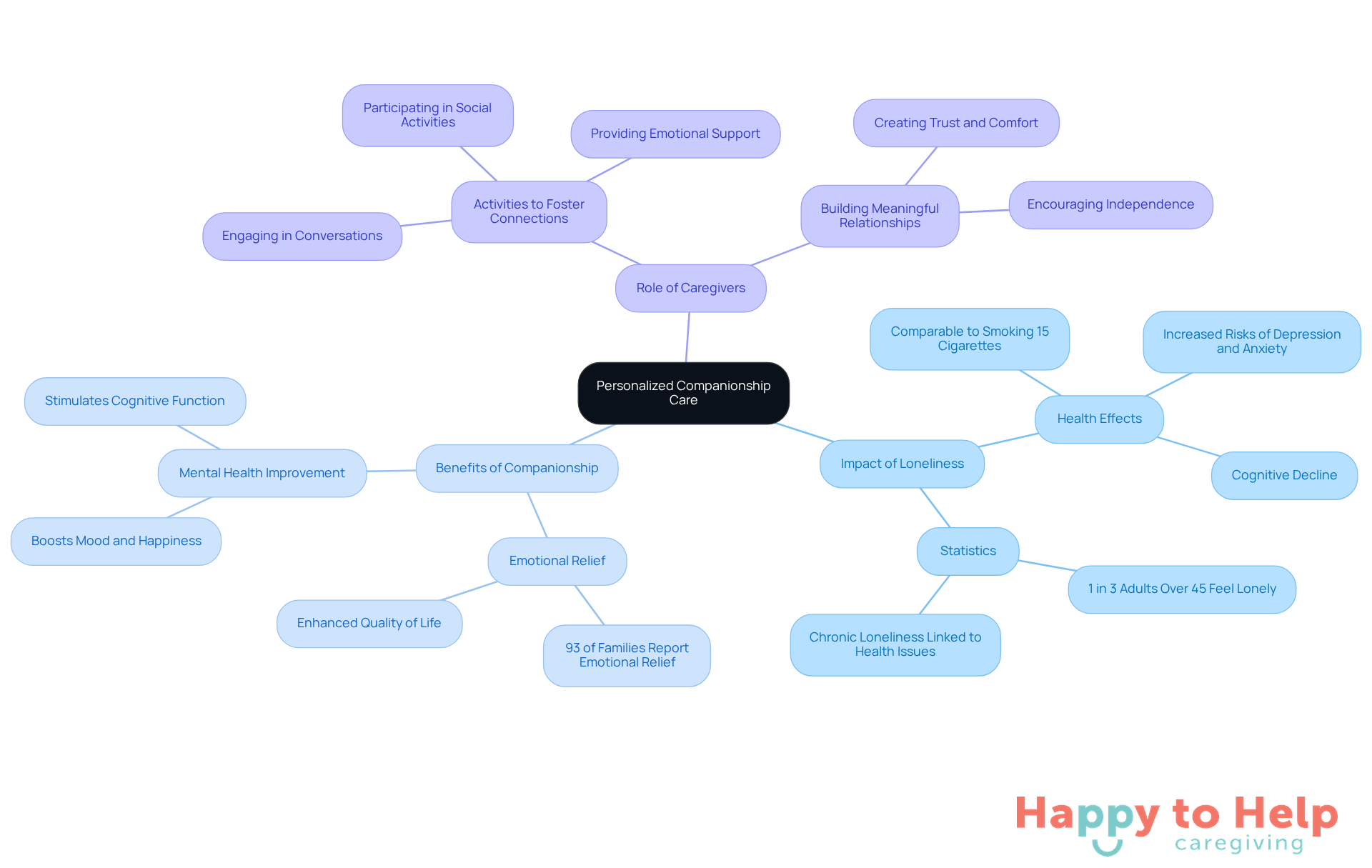
Loneliness and isolation are significant challenges faced by seniors, impacting their emotional and cognitive health. Prolonged isolation can have health effects comparable to smoking fifteen cigarettes a day, leading to increased risks of depression and anxiety. In fact, research indicates that regular social interaction can significantly decrease these risks, with 93% of families reporting emotional relief from companion assistance services.
To combat these issues, personalized companionship support offers a practical solution. Caregivers play a crucial role by actively engaging clients in enjoyable activities, fostering emotional connections that enhance overall well-being. This approach not only uplifts mood but also stimulates mental engagement through conversation and shared experiences, promoting cognitive health.
By encouraging involvement in social activities, caregivers help older adults retain a sense of belonging and community, which is essential for their mental well-being. Implementing personalized companionship support can significantly improve the quality of life for seniors, making it an essential aspect of caregiving.
Post-Hospital Recovery Assistance Supports Safe Transitions Home
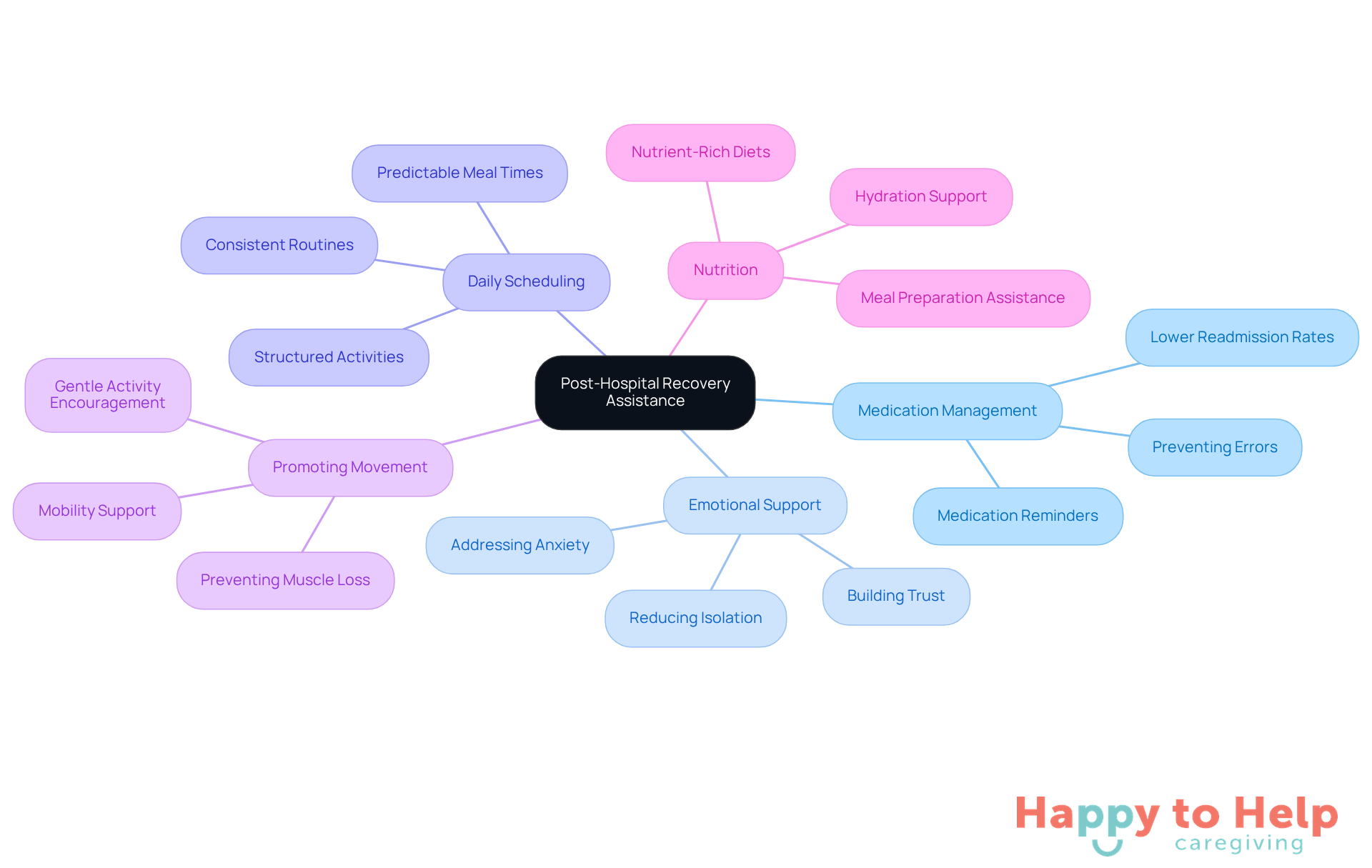
Post-hospital recovery support is a significant challenge for older adults transitioning from medical facilities back to their homes, making in-home care in Greensboro NC an essential service. Without adequate assistance, these individuals may face increased anxiety and complications during their recovery. Caregivers are essential in addressing this issue by providing comprehensive support that includes medication management, mobility assistance, and help with daily activities.
Efficient medication management is crucial during this phase. Research indicates that elderly individuals receiving care services experience notably reduced hospital readmission rates. Caregivers play a vital role in ensuring medication schedules are followed, preventing errors that could jeopardize recovery. Additionally, they offer emotional support, addressing feelings of vulnerability and anxiety that often accompany this transition. As Scott Vanderhoef notes, "A hospital stay isn’t just physically demanding - it’s mentally and emotionally draining."
To foster a sense of normalcy, caregivers can create a consistent daily schedule for meals, medications, and activities. This structured approach not only aids in physical recovery but also enhances mental health, reducing feelings of isolation and loneliness. A case study on 'Establishing a Peaceful Routine for Recovery' highlights that a predictable schedule helps calm patients, facilitating their adjustment and recovery in a familiar environment.
Successful transitions from hospital to home care depend on the caregiver’s ability to promote gentle movement and encourage light activity, which are essential for maintaining strength and preventing complications. Adequate nutrition is also vital for recovery; caregivers can assist with meal preparation to ensure elderly individuals receive the necessary nutrients. Overall, the support provided during this critical period is instrumental in helping seniors recover safely and confidently through in-home care in Greensboro NC.
Respite Care Offers Relief for Family Caregivers
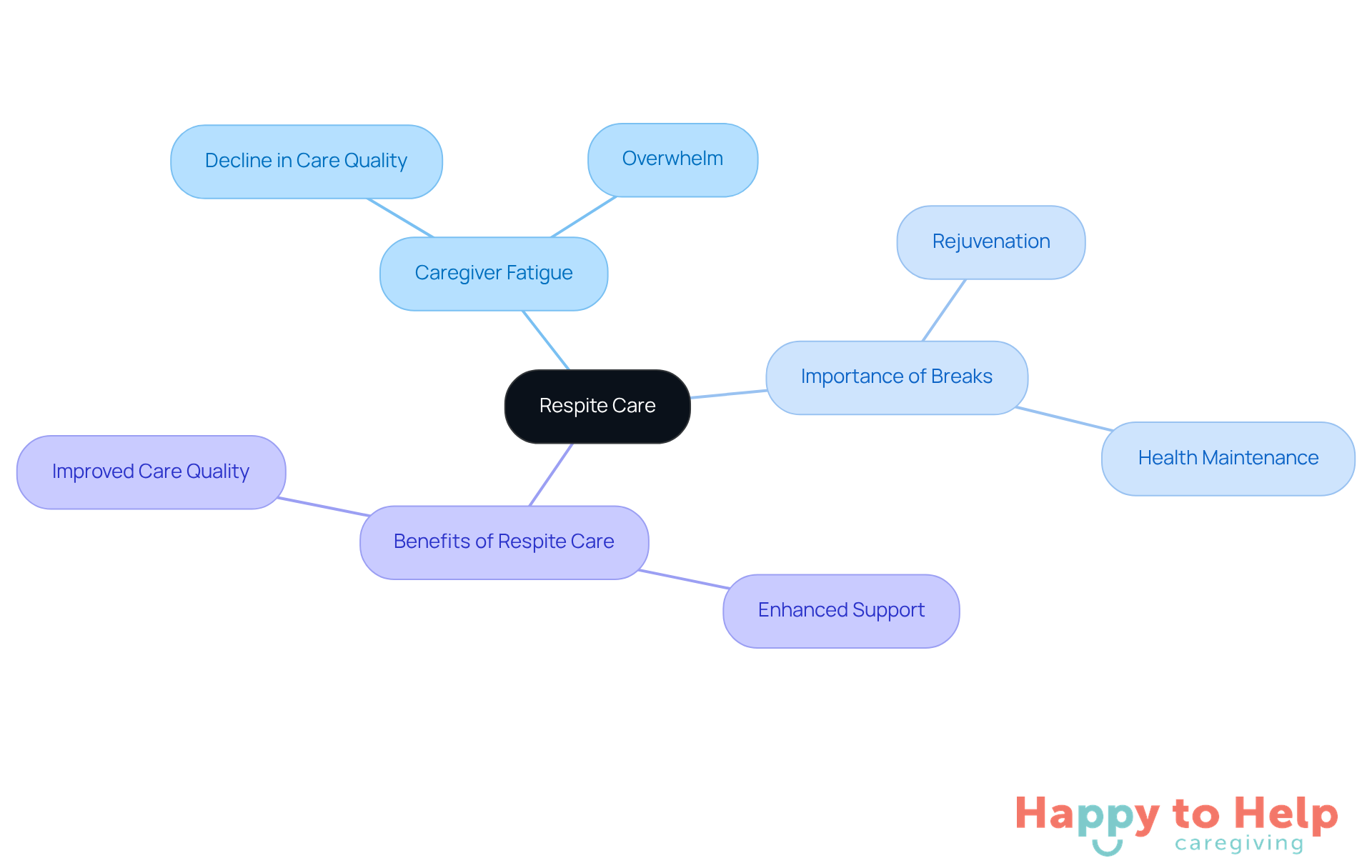
Caregiver fatigue is a significant issue that many family supporters face. This fatigue can lead to a decline in the quality of care provided to loved ones, ultimately affecting their well-being. Without proper breaks, caregivers may find themselves overwhelmed and unable to perform their duties effectively.
Respite support offers a vital solution by providing short-term relief for family supporters. This service allows caregivers to take necessary breaks and rejuvenate, which is essential for maintaining their health and well-being. By utilizing respite services, family members can recharge, ensuring they are better equipped to support their loved ones.
Incorporating respite care into a caregiver's routine can significantly enhance their ability to provide quality assistance. It’s not just about taking a break; it’s about ensuring that caregivers remain healthy and engaged in their roles. By prioritizing their own well-being, caregivers can offer more effective support to those they care for.
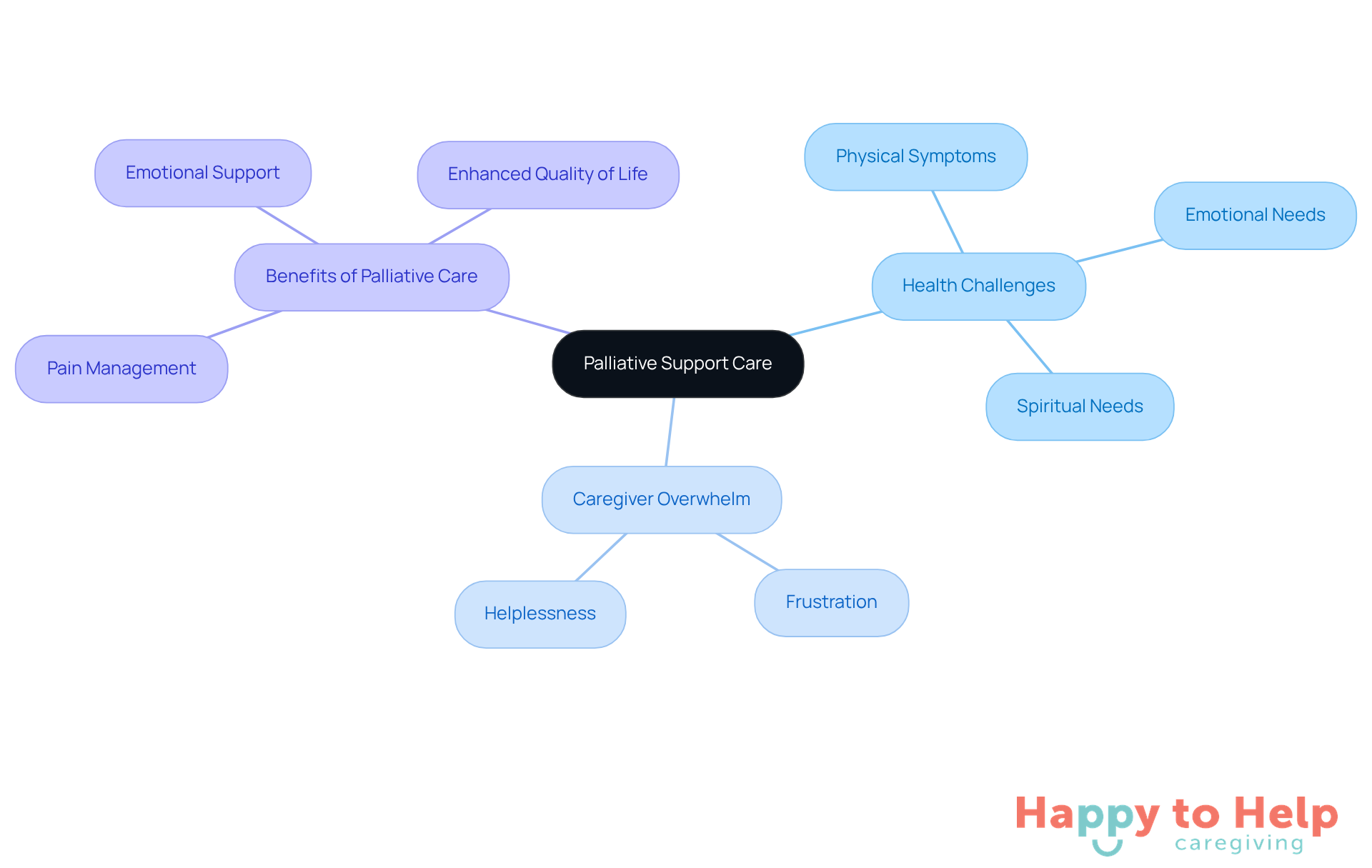
Palliative Support Care Enhances Quality of Life for Seniors
Older adults often face significant health challenges that can severely impact their quality of life. This situation creates a pressing need for comprehensive support that addresses not just physical symptoms but also emotional and spiritual needs. Caregivers may feel overwhelmed by the complexities of providing this level of care, which can lead to feelings of frustration and helplessness.
To tackle these challenges, palliative support emerges as a vital solution. Providers trained in this field can assist in managing pain and discomfort effectively. They also offer emotional support, fostering a sense of dignity and tranquility for older adults. By focusing on enhancing the quality of life, palliative care ensures that the holistic needs of individuals are met, allowing caregivers to feel more empowered and supported in their roles.
24/7 Availability Ensures Continuous Support for Seniors
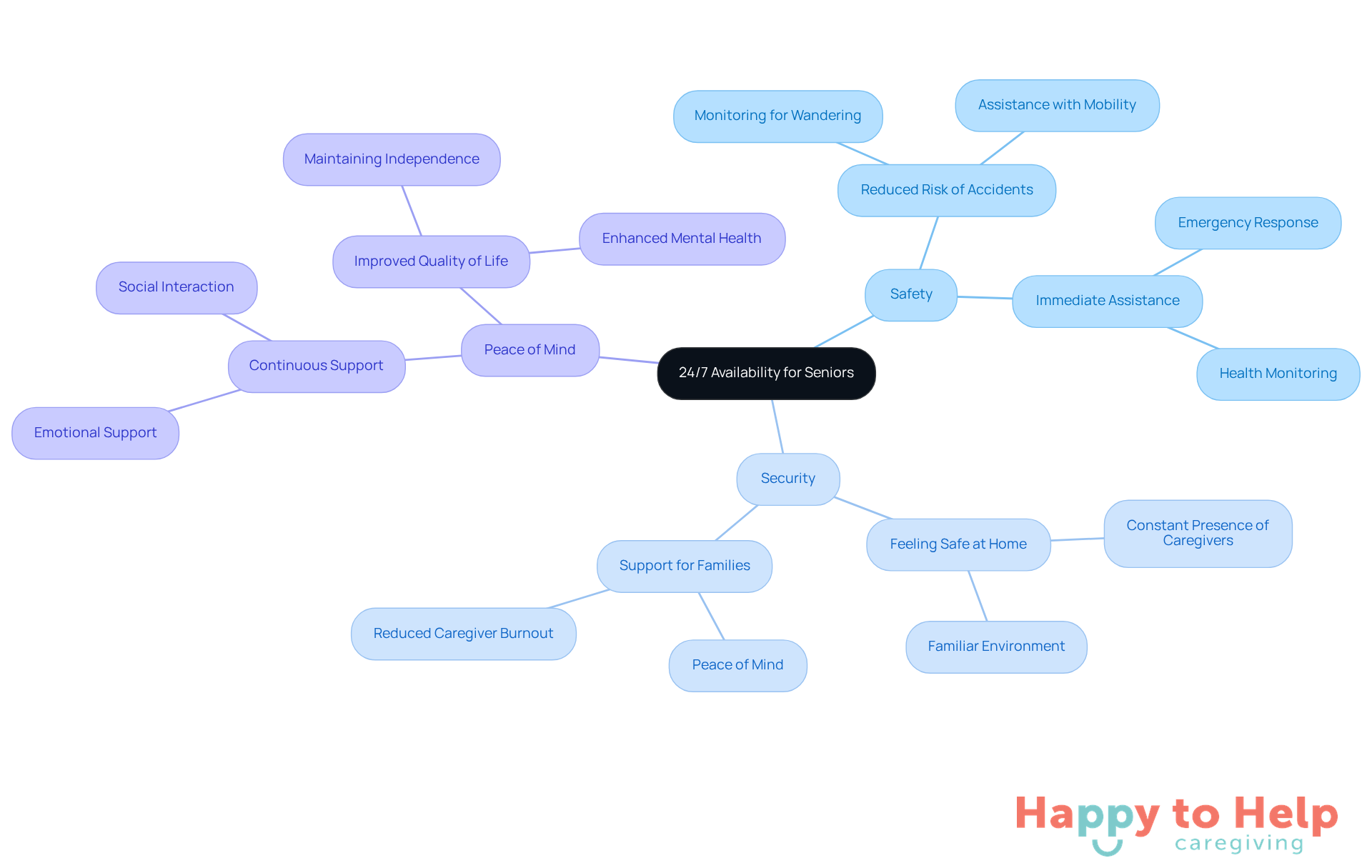
Elderly individuals often face the challenge of needing constant support for their safety and welfare. This lack of assistance can lead to feelings of insecurity and isolation, not only for them but also for their families. When older adults are left alone, the risk of accidents or emergencies increases, which can be distressing for everyone involved.
However, having in-home care in Greensboro NC available around the clock can significantly alleviate these concerns. Continuous support through in-home care in Greensboro NC ensures that older adults feel safe in their homes, knowing that help is just a call away. This arrangement not only enhances their sense of security but also provides families with peace of mind, as they can rest easy knowing their loved ones are never alone and have immediate access to assistance when needed.
Flexible Scheduling Options Cater to Individual Needs
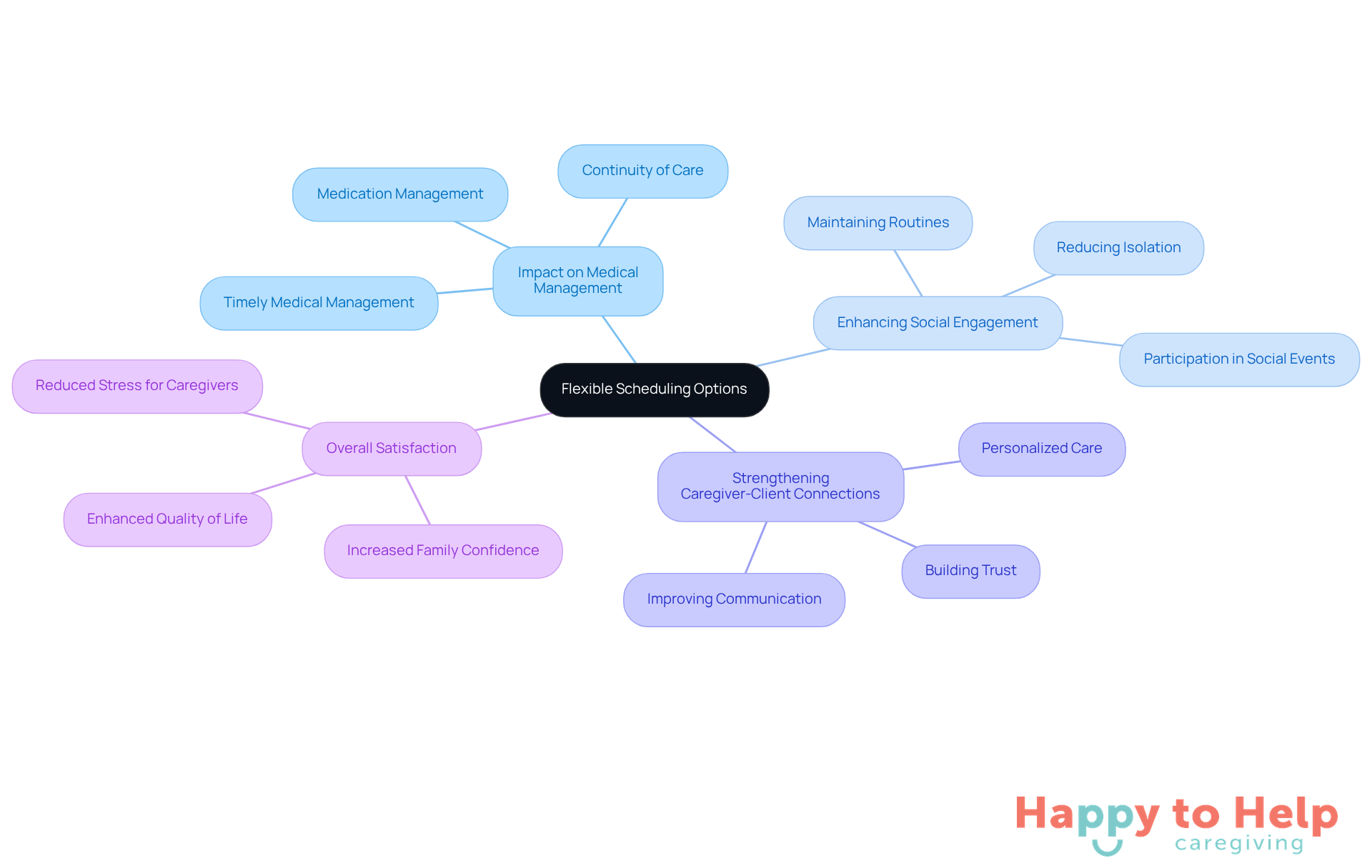
Caregivers often face the challenge of rigid scheduling in at-home support, which can hinder their ability to meet the unique needs of each elder. This inflexibility can lead to missed medical appointments and social events, ultimately affecting the quality of care and the well-being of seniors.
As Misty Delegato noted, "Flexible home support scheduling isn’t merely a convenience - it’s a lifeline for families managing assistance with daily life." With 87% of elderly individuals on at least one prescription drug, timely medical management becomes crucial. This underscores the importance of adaptable scheduling in enhancing the caregiving experience.
Flexible scheduling allows caregivers to tailor their services to fit the preferences and routines of clients and their families. By modifying their schedules to accommodate medical appointments or social engagements, caregivers can ensure that seniors remain involved and supported. This adaptability not only fosters stronger connections between caregivers and clients but also enhances overall satisfaction and leads to better outcomes.
Ultimately, flexible scheduling is a cornerstone of effective in-home assistance, empowering families to feel confident that their loved ones receive the right support at the right time.
Support for Independence Empowers Seniors at Home
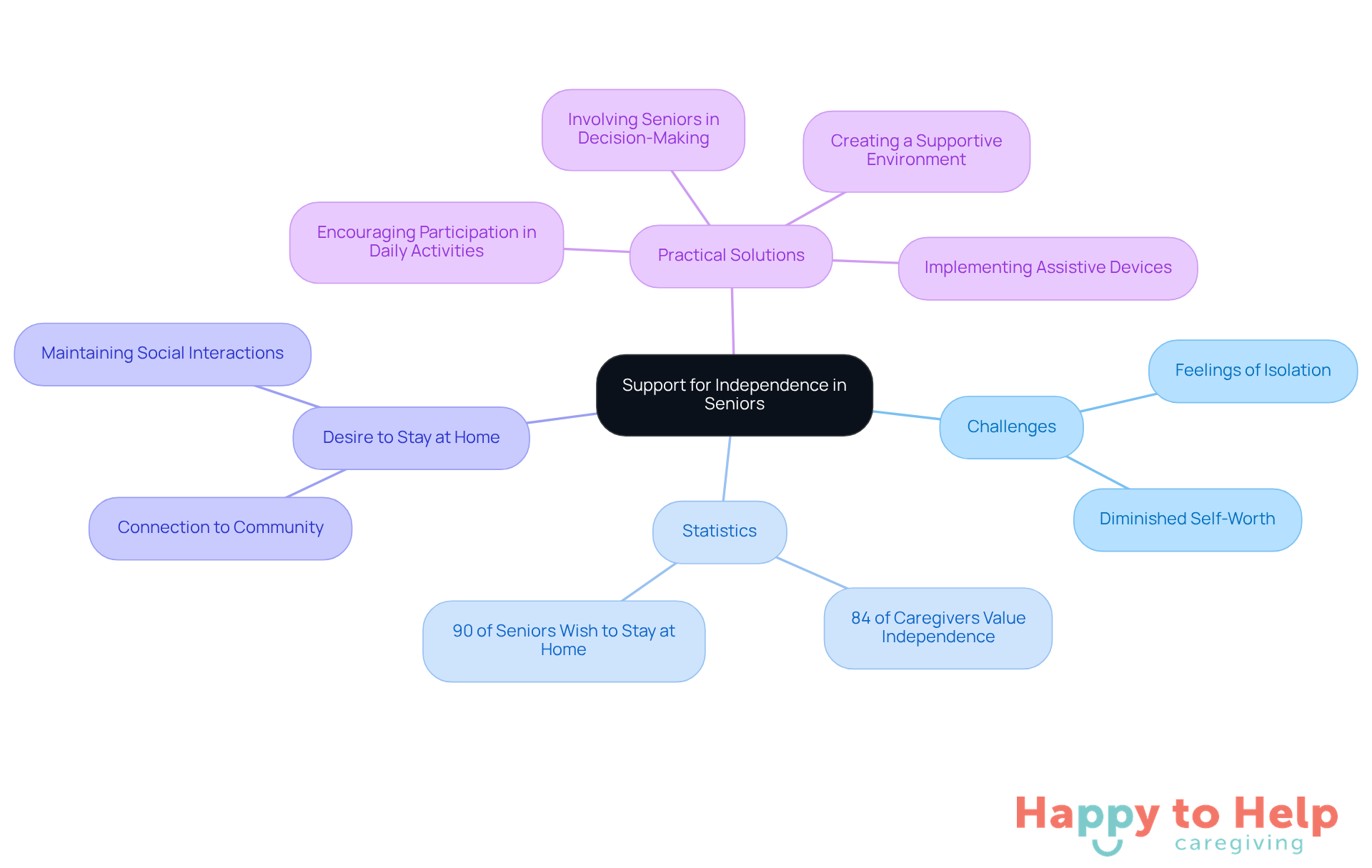
In-home care in Greensboro NC provides solutions to a significant problem: the loss of independence among elderly individuals. This issue can lead to feelings of isolation and diminished self-worth, impacting their overall quality of life. Caregivers often face the challenge of encouraging participation in daily activities, which is essential for fostering autonomy and emotional well-being.
Research shows that 84% of family caregivers value their loved one's independence. Furthermore, a 2023 AARP study reveals that 90% of adults over 65 wish to remain in their homes as they age. This desire highlights the importance of in-home care in Greensboro NC, which assists older adults in staying connected to their communities and maintaining social interactions, thereby alleviating feelings of loneliness.
To combat these challenges, caregivers can implement practical solutions that promote independence. Involving elderly individuals in decision-making and daily activities not only enhances their sense of control but also contributes to their dignity and well-being. Experts in geriatric care emphasize that this approach significantly improves the quality of life for older adults.
By fostering an environment that encourages participation, caregivers can help their loved ones maintain a greater sense of autonomy and emotional health.
Emotional Support Alleviates Loneliness for Seniors
Loneliness among older adults is a significant issue that caregivers must address. This emotional isolation can lead to serious mental health challenges, impacting overall well-being. Caregivers play a crucial role in combating this loneliness through regular interactions and companionship.
To effectively reduce feelings of isolation, caregivers should engage older adults in meaningful activities. These interactions not only help individuals feel valued but also foster a sense of connection. Caregivers are trained to recognize signs of loneliness and can take proactive steps to encourage social engagement.
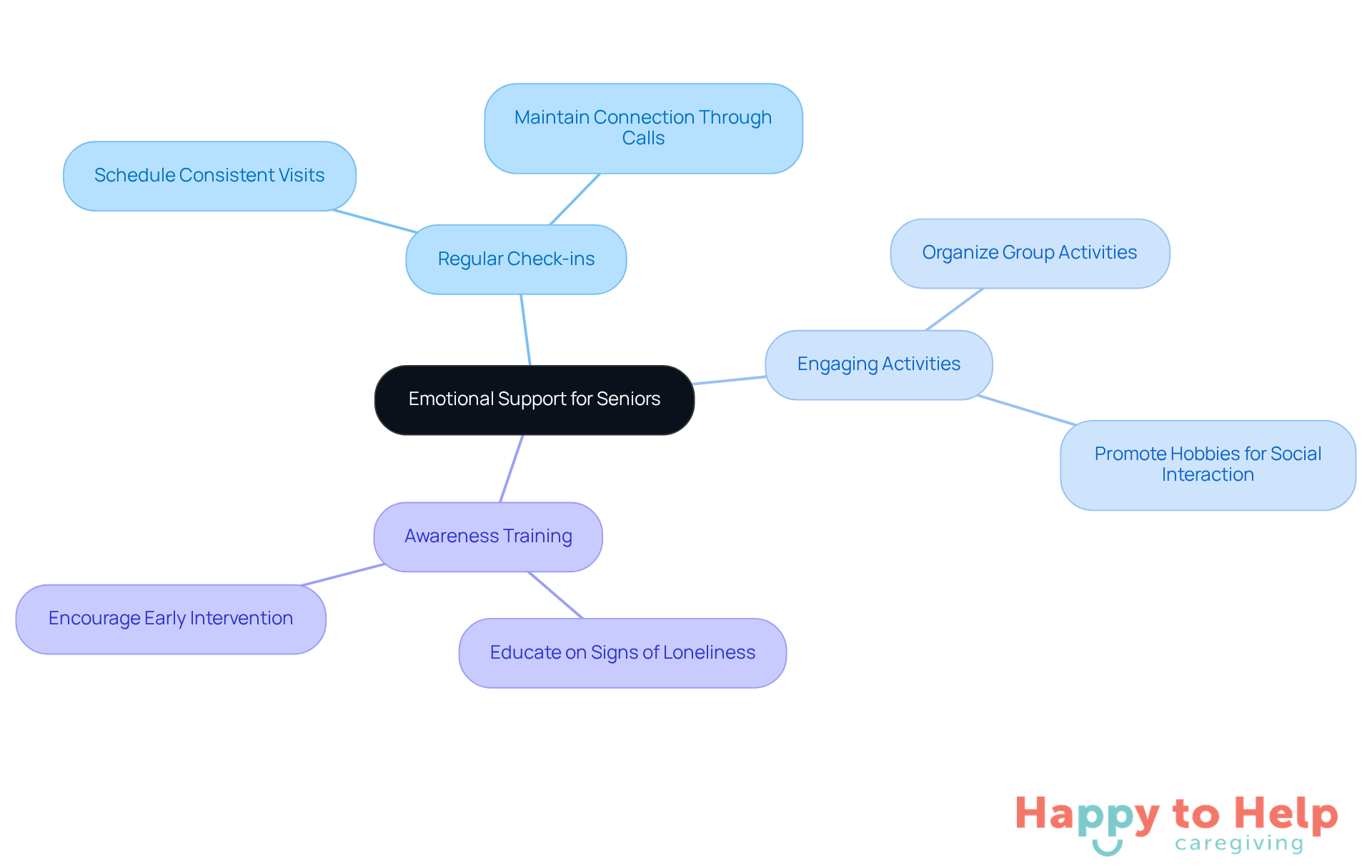
Here are some actionable solutions caregivers can implement:
- Regular Check-ins: Schedule consistent visits or calls to maintain connection.
- Engaging Activities: Organize group activities or hobbies that promote social interaction.
- Awareness Training: Educate themselves on the signs of loneliness to intervene early.
By focusing on these strategies, caregivers can significantly enhance the quality of life for older adults, ensuring they feel supported and connected.
Safe Home Environment Promotes Comfort and Security
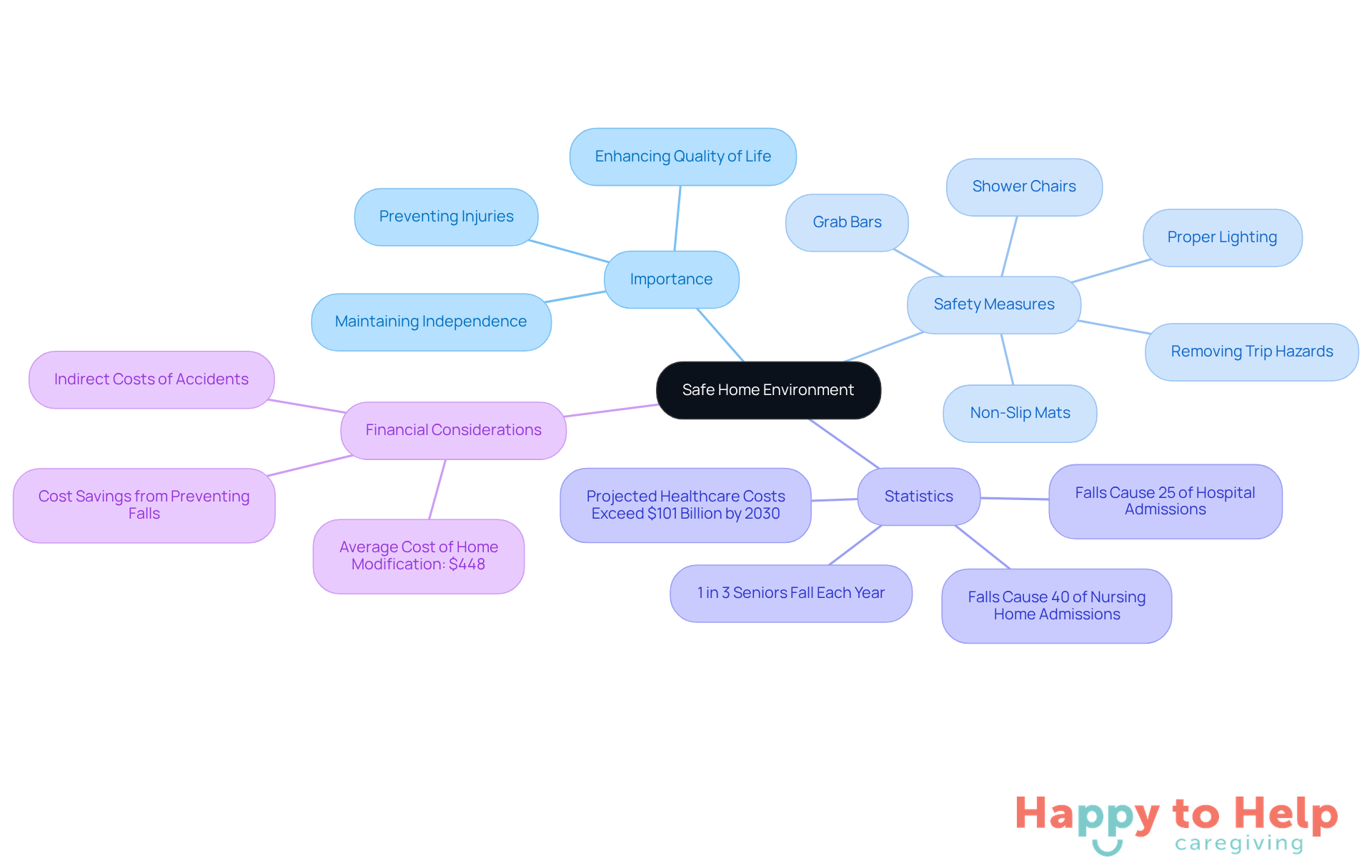
Establishing a secure living space is crucial for older adults receiving in-house assistance. Caregivers face the challenge of identifying potential hazards in these environments, which can lead to serious injuries. According to safety specialists, falls are the primary cause of injury among older individuals, with one out of every three elderly people falling each year. This alarming statistic highlights the urgent need for effective safety measures.
To address these concerns, caregivers conduct thorough assessments of living spaces. They implement necessary safety measures, such as:
- Installing grab bars
- Ensuring proper lighting
- Removing trip hazards
These modifications not only improve physical safety but also promote a sense of comfort and assurance among the elderly, which is essential for their overall well-being. Moreover, falls represent 25% of all hospital admissions and 40% of nursing facility admissions, emphasizing the essential requirement for safety measures in the domestic setting.
Routine hazard evaluations are essential, as they enable providers to modify the living space to the changing requirements of older adults, guaranteeing that safety stays a priority. By prioritizing a safe living space, caregivers enable older adults to preserve their autonomy and quality of life, ultimately enhancing their emotional and physical well-being.
The average cost per home modification is $448, making proactive measures both affordable and essential in preventing costly accidents. As healthcare costs related to falls are projected to exceed $101 billion by 2030, investing in safety modifications is not just a necessity but a smart financial decision.
Personalized Care Plans Adapt to Evolving Needs of Seniors
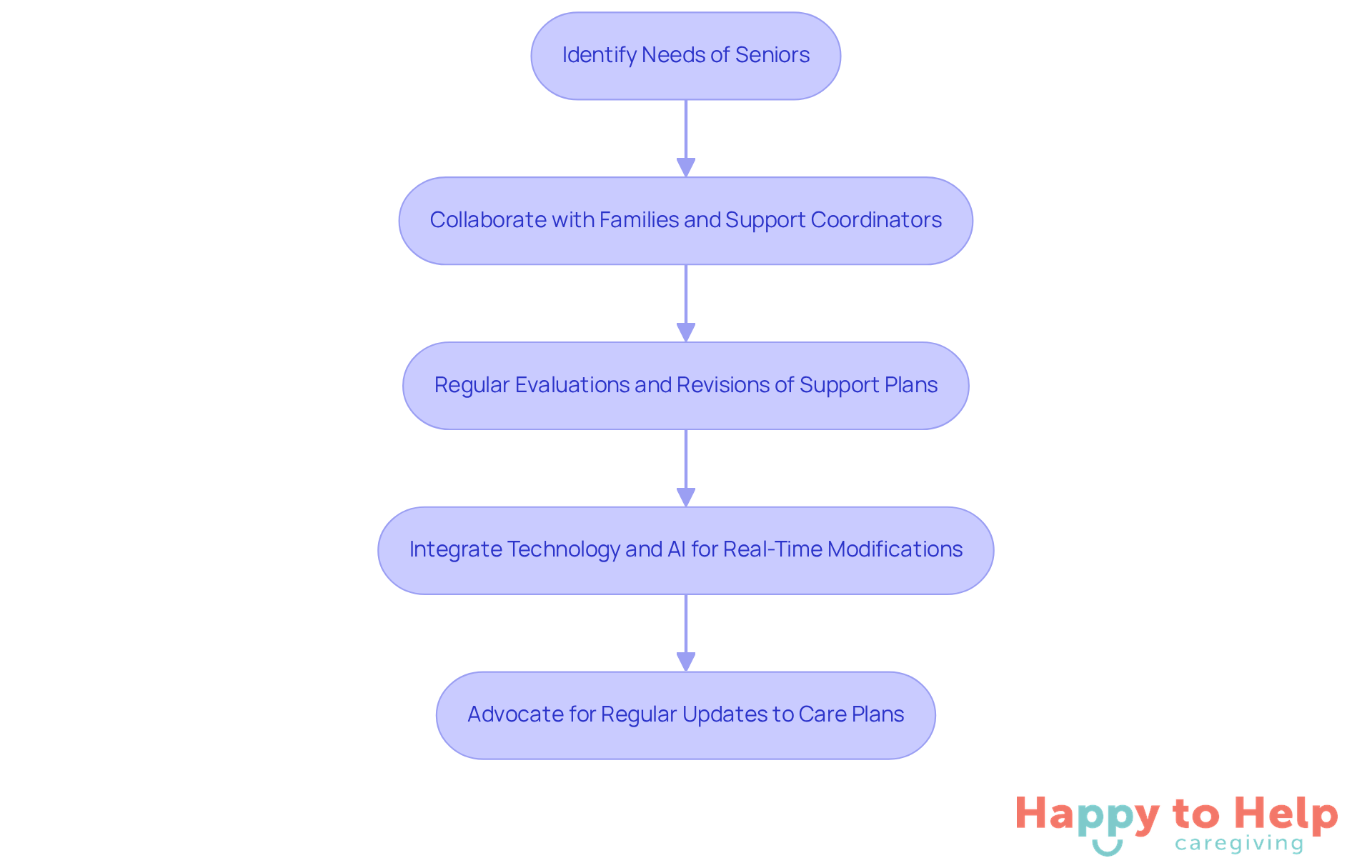
Customized support strategies are crucial for effectively addressing the unique and changing needs of older adults. The problem arises when these needs are not met, leading to increased anxiety and diminished emotional well-being. Studies show that individualized treatment plans significantly enhance overall health outcomes for seniors.
To tackle this issue, collaboration among older adults, their families, and support coordinators is essential. This teamwork ensures that assistance aligns with individual preferences and health situations. Regular evaluations and revisions to the support plan are necessary, allowing for adaptability and responsiveness to changing circumstances.
For instance, tailored support helps seniors maintain their independence by providing assistance only where needed. By focusing on specific needs, these plans not only promote independence but also foster a sense of security and trust. Care coordinators emphasize the importance of adjusting support to meet the evolving needs of elderly clients, ensuring they receive the most appropriate assistance throughout their care journey.
Integrating technology and AI can further enhance these personalized support plans. This integration allows for real-time modifications and improved communication between providers and families. Family caregivers are encouraged to advocate for regular updates to care plans, ensuring they remain relevant and effective.
Making the Right Choice
In-home care in Greensboro, NC, addresses a pressing problem: the challenges faced by seniors and their family caregivers. Caregiver fatigue can lead to burnout, impacting the quality of care provided to elderly individuals. This situation not only affects the caregivers but also the seniors who rely on them for support and companionship.
The implications of this issue are significant. Seniors may experience loneliness, unsafe transitions after hospital stays, and a lack of personalized care that fosters their independence. These challenges can diminish their overall quality of life, making it crucial to find effective solutions.
In-home care offers a viable solution by providing personalized assistance, emotional support, and a safe living environment. Key advantages include:
- Personalized companionship that combats loneliness.
- Post-hospital recovery assistance ensuring safe transitions home.
- Respite care that alleviates caregiver fatigue.
- Palliative support and 24/7 availability for peace of mind.
- Flexible scheduling and tailored care plans that meet individual needs.
By embracing in-home care, families can ensure that elderly individuals remain connected, safe, and empowered within their own homes. These invaluable services not only improve the lives of seniors but also provide essential support to caregivers, allowing them to maintain their own well-being while caring for their loved ones. The significance of in-home care cannot be overstated; it is a vital resource that enhances the overall health and happiness of both seniors and their families.
https://iframe.tely.ai/cta/eyJhcnRpY2xlX2lkIjogIjY5NDBkZmI1Zjc4NmU1MjBjNTdhOGNkZCIsICJjb21wYW55X2lkIjogIjY4ZWU1ZGNhNzMxNzYyNTU3ZjNjOTVjMSIsICJpbmRleCI6IG51bGwsICJ0eXBlIjogImFydGljbGUifQ==Frequently Asked Questions
What are the emotional challenges faced by seniors?
Seniors often experience loneliness and isolation, which can significantly impact their emotional and cognitive health, leading to increased risks of depression and anxiety.
How does personalized companionship care help seniors?
Personalized companionship care enhances emotional well-being by providing social interaction, engaging clients in enjoyable activities, and fostering emotional connections, which can uplift mood and stimulate mental engagement.
What benefits do families report from companion assistance services?
Research shows that 93% of families report emotional relief from utilizing companion assistance services for their loved ones.
What role do caregivers play in post-hospital recovery for older adults?
Caregivers provide essential support during post-hospital recovery by assisting with medication management, mobility, daily activities, and offering emotional support to reduce anxiety and feelings of vulnerability.
How does medication management affect recovery in elderly individuals?
Efficient medication management helps prevent errors and reduces hospital readmission rates, ensuring that elderly individuals follow their medication schedules effectively during recovery.
What is the importance of establishing a daily routine for seniors recovering at home?
A consistent daily schedule for meals, medications, and activities fosters a sense of normalcy, aids physical recovery, and enhances mental health by reducing feelings of isolation and loneliness.
What is respite care and why is it important for family caregivers?
Respite care provides short-term relief for family caregivers, allowing them to take necessary breaks to recharge, which is essential for maintaining their health and the quality of care they provide.
How can incorporating respite care benefit caregivers?
By utilizing respite care, caregivers can prioritize their own well-being, which enhances their ability to provide effective support to their loved ones.
List of Sources
- Personalized Companionship Care Enhances Emotional Well-Being
- The Emotional Benefits of Companion Care for Seniors (https://comfortkeepers.com/offices/texas/round-rock/resources/news/the-emotional-benefits-of-companion-care-for-seniors)
- The Hidden Benefits of Companionship Care for Seniors (https://safehomecare.com/post/the-hidden-benefits-of-companionship-care-for-seniors)
- 10 Benefits of In-Home Companion Care for Seniors You Should Know - Happy To Help (https://happytohelpcaregiving.com/10-benefits-of-in-home-companion-care-for-seniors-you-should-know)
- How Companionship Care Improves Senior Mental and Emotional Health - Trust USA Home Health (https://trustusahomehealth.com/news/how-companionship-care-improves-senior-mental-and-emotional-health)
- The Unbeatable Benefits of Companion Care for Seniors (https://comforcare.com/massachusetts/canton/resources/blog/the-unbeatable-benefits-of-companion-care-for-seniors)
- Post-Hospital Recovery Assistance Supports Safe Transitions Home
- Post-Hospital Home Care: The Key to a Smoother, Safer Recovery (https://heavenathomecare.com/how-post-hospital-home-care-helps-seniors-recover)
- Safe Healing: Home Care for Seniors After Hospitalization (https://sandiegohomecaregivers.com/why-home-care-for-seniors-after-hospitalization-makes-recovery-easier)
- Post-Hospital Discharge: Why In-Home Care Improves Recovery for Florida Seniors (https://visitingangels.com/pasco/news-info/post-hospital-discharge-why-in-home-care-improves-recovery/26199)
- Post-Hospital Care for Seniors Supports Healing (https://picseniorcare.com/how-post-hospital-care-for-seniors-makes-recovery-easier)
- Respite Care Offers Relief for Family Caregivers
- Respite Care Services: Essential Support for Caregivers (https://esoregon.com/the-benefits-of-respite-care-services-for-caregiver-relief)
- Respite Services: A Critical Support for Family Caregivers (https://ltsschoices.aarp.org/resources-and-practices/respite-services-critical-support-for-family-caregivers)
- Caregivers and the Importance of Respite Care (https://benedictineliving.org/resources/news/caregivers-and-the-importance-of-respite-care)
- Respite Care for Caregivers: Support and Relief for Families (https://seniorhelpers.com/ca/riverside/resources/blogs/2025-12-12)
- The Importance of Respite Care: Giving Caregivers the Break They Deserve - Adams Farm Living (https://adamsfarmliving.com/the-importance-of-respite-care-giving-caregivers-the-break-they-deserve)
- Palliative Support Care Enhances Quality of Life for Seniors
- Home-Based Care Providers Reap Benefits Of Palliative Care – But Broader Adoption Hinges On Reform (https://homehealthcarenews.com/2025/11/home-based-care-providers-reap-benefits-of-palliative-care-but-broader-adoption-hinges-on-reform)
- Hospice & Palliative Care Benefits | Council on Aging (https://help4seniors.org/news/how-hospice-and-palliative-care-services-make-a-difference)
- Can palliative care consults in hospitals improve end-of-life care? (https://nia.nih.gov/news/can-palliative-care-consults-hospitals-improve-end-life-care)
- Palliative Care: What Older Adults and Caregivers Should Know | UAMS Arkansas Geriatric Education Collaborative (https://agec.uams.edu/palliative-care-what-older-adults-and-caregivers-should-know)
- 24/7 Availability Ensures Continuous Support for Seniors
- Next Avenue Special Report: Caregiving in America - The 24/7 Caregiver (https://johnahartford.org/resources/view/next-avenue-special-report-caregiving-in-america-the-24-7-caregiver-1)
- The 10-Benefits of 24-Hour Home Care » LifeWorx Home Care (https://lifeworx.com/resources/articles/the-10-benefits-of-24-hour-home-care)
- New Report Reveals Crisis Point for America’s 63 million Family Caregivers (https://press.aarp.org/2025-07-24-New-Report-Reveals-Crisis-Point-for-Americas-63-million-Family-Caregivers)
- 10 Benefits of a 24/7 Live-In Caregiver for Your Loved Ones - Happy To Help (https://happytohelpcaregiving.com/10-benefits-of-a-24-7-live-in-caregiver-for-your-loved-ones)
- Beyond Sundowning: How 24-Hour Home Care Protects Seniors with Dementia During Their Most Vulnerable Hours (https://awhealthcare.com/beyond-sundowning-how-24-hour-home-care-protects-seniors-with-dementia-during-their-most-vulnerable-hours)
- Flexible Scheduling Options Cater to Individual Needs
- The Critical Role of Flexibility in Home Care Scheduling for Family Peace of Mind (https://relevar.com/the-critical-role-of-flexibility-in-home-care-scheduling-for-family-peace-of-mind)
- How Flexible Scheduling Improves The Home Care Experience For Families – CCN – Columbus County News (https://columbuscountynews.com/2025/12/how-flexible-scheduling-improves-the-home-care-experience-for-families)
- Care planning model allows for more flexibility in the event of serious illness (https://mcknights.com/news/care-planning-model-allows-for-more-flexibility-in-the-event-of-serious-illness)
- The Importance of Flexible Care Options in Retirement Living (https://thehighpointresidence.com/blog/the-importance-of-flexible-care-options-in-retirement-living)
- Support for Independence Empowers Seniors at Home
- Staying Home, Staying Well: The Advantages of Home Care for Older Adults (https://ltcnews.com/articles/advantages-home-care-older-adults)
- How In-Home Care Is Redefining Independence for Aging Adults in 2025 - Corporate Carebuilders (https://carebuildersathome.com/blog/how-in-home-care-is-redefining-independence-for-aging-adults-in-2025)
- Families Prefer In-Home Care To Senior Living – Yet Struggle To Identify Needed Support (https://homehealthcarenews.com/2025/11/families-prefer-in-home-care-to-senior-living-yet-struggle-to-identify-needed-support)
- How Senior In-Home Care Promotes Independence in San Antonio, TX (https://wric.com/business/press-releases/ein-presswire/866935491/how-senior-in-home-care-promotes-independence-in-san-antonio-tx)
- New Proposal Aims to Help Older Adults, People with Disabilities, and their Families Access Home Care - Justice in Aging (https://justiceinaging.org/new-proposal-aims-to-help-older-adults-people-with-disabilities-and-their-families-access-home-care)
- Emotional Support Alleviates Loneliness for Seniors
- Older Caregivers' Loneliness Relieved By An Unlikely Source, Study Reveals (https://usnews.com/news/health-news/articles/2025-12-09/older-caregivers-loneliness-relieved-by-an-unlikely-source-study-reveals)
- Older Caregivers Loneliness Relieved By An Unlikely Source Study Reveals (https://powershealth.org/about-us/newsroom/health-library/2025/12/09/older-caregivers-loneliness-relieved-by-an-unlikely-source-study-reveals)
- Adult day services may be a cure for loneliness in home care, study suggests (https://mcknightshomecare.com/news/adult-day-services-may-be-a-cure-for-loneliness-in-home-care-study-suggests)
- Internet Use May Protect Caregivers Against Loneliness (https://nyu.edu/about/news-publications/news/2025/december/internet-caregivers-loneliness.html)
- Friendships can ease loneliness for dementia caregivers (https://news.umich.edu/friendships-can-ease-loneliness-for-dementia-caregivers)
- Safe Home Environment Promotes Comfort and Security
- Home Safety for Seniors: Make Your Home Safe For Elderly (https://alwayshomeconnected.com/blogs/news/home-safety-for-seniors-make-your-home-safe-for-elderly?srsltid=AfmBOop0-ATyEswSEH4ffdojb3jMriSVoA3N4o5\_\_Gr49MwxURUTmaZo)
- The importance of safety in home care (https://caremark.co.uk/gloucester-and-stroud/news/the-importance-of-safety-in-home-care)
- Home Safety Month, Garbage Cans, and Aging in Place (https://lifework.arizona.edu/news/2025/home-safety-month-garbage-cans-and-aging-place)
- Home Safety for Seniors: Statistics & Proven Safety Solutions (https://agesafeamerica.com/home-safety-hub/aging-in-place/home-safety-seniors-statistics-solutions)
- Personalized Care Plans Adapt to Evolving Needs of Seniors
- Empowering aging: How AI and value-based care are making senior living more personalized and affordable (https://mcknights.com/marketplace/marketplace-experts/empowering-aging-how-ai-and-value-based-care-are-making-senior-living-more-personalized-and-affordable)
- The Importance of Personalized Care Plans when Aging in Place (https://kendalathome.org/blog/the-importance-of-personalized-care-plans-when-aging-in-place)
- Novel Care Model May Improve Outcomes for Older Adults With Multiple Chronic Conditions (https://consultqd.clevelandclinic.org/novel-care-model-may-improve-outcomes-for-older-adults-with-multiple-chronic-conditions)
- The Importance of Personalized Care Plans in Memory Care (https://bucknerparkwayplace.org/news-blog/the-importance-of-personalized-care-plans-in-memory-care)
- Importance of Personalized Senior Home Care in Burlington NC (https://wisdomseniorcare.com/the-importance-of-personalized-care-plans-for-seniors)