The Importance of In Home Nurses for the Elderly
As our population ages, the need for compassionate and personalized care becomes increasingly urgent. In-home nursing services for the elderly provide a unique solution, offering tailored support that not only meets medical needs but also nurtures emotional well-being. Families often face the complexities of caregiving, leading to feelings of stress and burnout. How can in-home nurses truly transform the lives of seniors while easing the burdens on their loved ones?
This article explores ten compelling benefits of in-home nursing, revealing how these services empower elderly individuals to thrive in the comfort of their own homes. By focusing on the emotional and practical support available, we aim to reassure families that compassionate care is within reach.
Happy to Help Caregiving: Personalized In-Home Nursing for Seniors
At Happy to Help Caregiving, we understand the emotional challenges that caregivers face. The stress and burnout can be overwhelming, especially when caring for elderly loved ones. That’s why we specialize in in home nurses for the elderly, providing personalized nursing services tailored to the unique needs of each individual.
Our approach ensures that every client receives support that truly aligns with their lifestyle, preferences, and medical requirements. We believe that by focusing on personalized support plans, caregivers can create a nurturing atmosphere that encourages autonomy and wellness. This not only helps older adults thrive but also allows them to flourish in the comfort of their own homes with the support of in home nurses for the elderly.
Imagine the peace of mind that comes from knowing your loved one is receiving compassionate care designed just for them. Our caregivers are dedicated to fostering an environment where seniors feel valued and understood.
We’re here to provide the emotional and practical support you need, allowing you to focus on what truly matters - your loved one’s happiness and well-being. Together, we can navigate this journey with empathy and understanding.
Emotional Support: Alleviating Loneliness Through Companionship Care
Companionship support from Happy to Help Caregiving is vital in alleviating feelings of loneliness among older adults, and this support can be provided by in home nurses for the elderly. Caregivers engage clients in meaningful conversations and activities, nurturing emotional connections that help combat isolation. This emotional support not only enhances mental well-being but also contributes to a more fulfilling daily life, allowing older adults to feel valued and connected.
Imagine the warmth of a friendly chat or the joy of shared activities. These moments can make a world of difference. Caregivers are there to listen, to share stories, and to create a sense of belonging. This compassionate care, provided by in home nurses for the elderly, fosters an environment where older adults can thrive, feeling appreciated and understood.
It's important to recognize the emotional challenges that many face. Loneliness can weigh heavily, but with the right support, it can be transformed into connection and joy. Happy to Help Caregiving is dedicated to providing that support, ensuring that every interaction is filled with kindness and understanding.
As we navigate these feelings together, remember that you are not alone. The companionship offered is a beacon of hope, illuminating the path to a more satisfying and connected life.
Post-Hospital Recovery: Ensuring Safe Transitions with Skilled Nursing
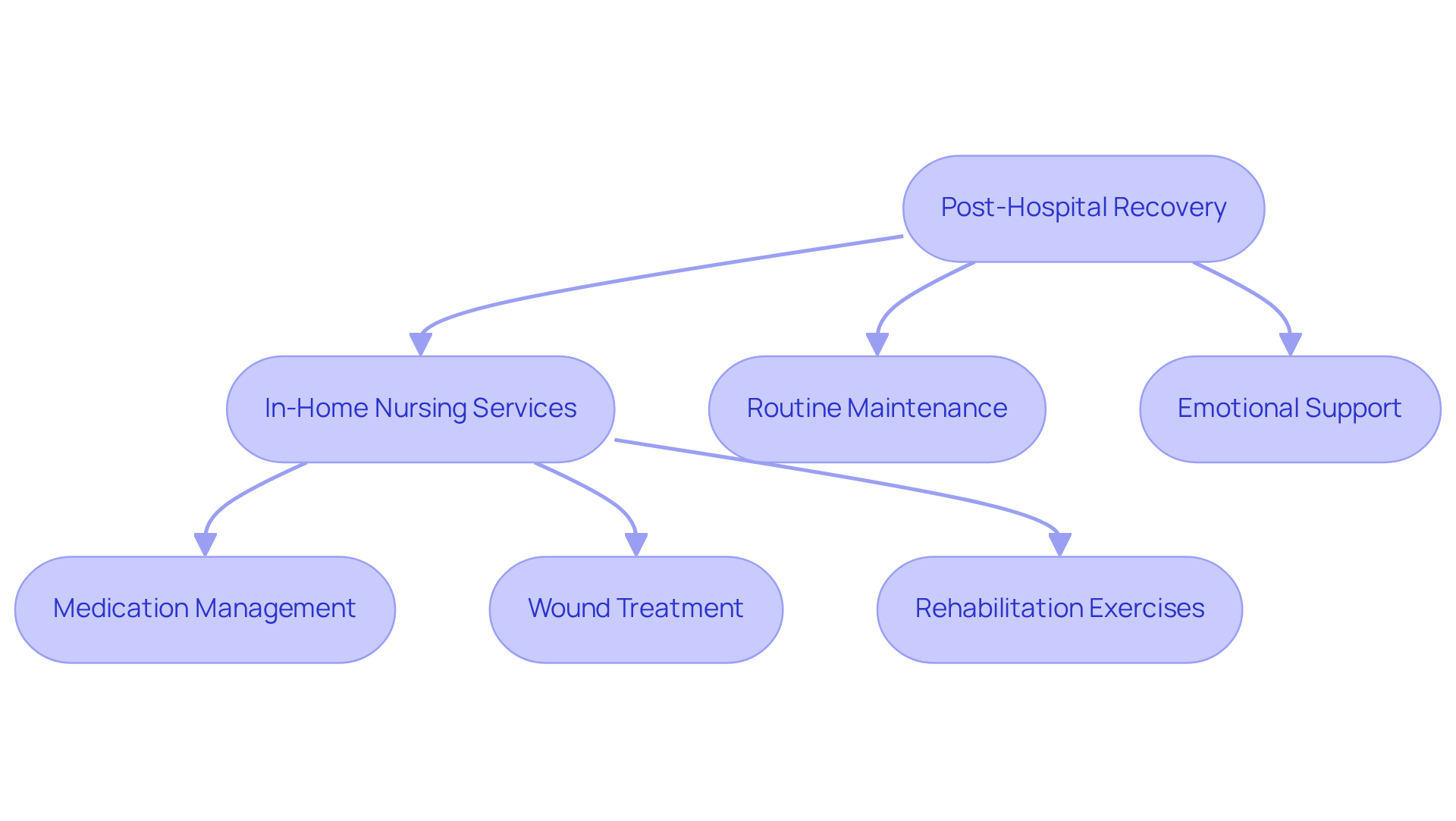
After a hospital visit, many elderly individuals find themselves in need of in home nurses for the elderly to assist them in recovering smoothly. It’s a challenging time, and services like those offered by Happy to Help Caregiving can make a world of difference. In home nurses for the elderly provide essential support through skilled nursing services, including:
- Medication management
- Wound treatment
- Rehabilitation exercises
All tailored to meet the unique needs of older adults.
Research shows that effective skilled nursing interventions can significantly lower hospital readmission rates. For instance, patients discharged with new or additional disabilities face a daunting 30% chance of regaining their baseline level of functioning within a year. This statistic underscores the importance of timely and appropriate assistance.
Transitioning from hospital to home can be daunting. Maintaining a predictable routine-like consistent daily schedules for meals and medication-along with offering emotional support, can greatly enhance recovery outcomes. Imagine the comfort of knowing that your loved one is regaining their strength and independence in a familiar environment. In home nurses for the elderly provide skilled nursing that not only aids in physical recovery but also nurtures a sense of security and well-being.
As caregivers, it’s natural to feel overwhelmed at times. Remember, you’re not alone in this journey. With compassionate support, you can help your loved ones navigate their recovery with confidence and care.
Flexible Scheduling: Adapting Care to Fit Family Needs
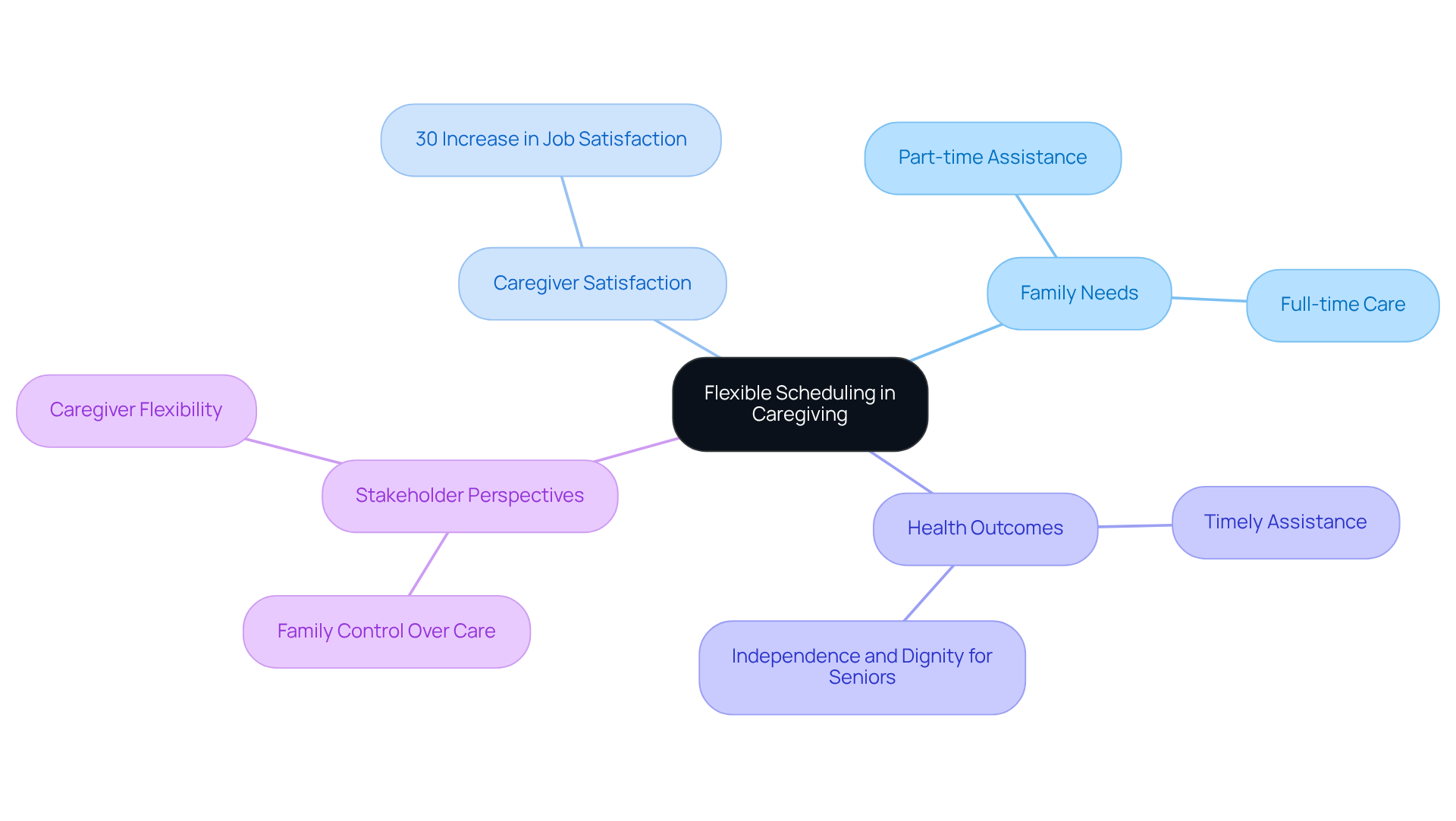
At Happy to Help Caregiving, we understand the unique challenges families face when they need in home nurses for the elderly. That’s why we offer flexible scheduling options tailored to meet the specific needs of each family. Whether you need part-time assistance or full-time care, you can choose hours that fit seamlessly into your daily routine. This flexibility not only eases the burden on family supporters but also ensures that older adults receive timely assistance from in home nurses for the elderly, which is crucial for their overall wellness.
Research shows that flexible scheduling can significantly enhance satisfaction among caregivers. In fact, studies reveal that those who can adjust their schedules report a remarkable 30% increase in job satisfaction. Effective models of adaptable support, including in home nurses for the elderly, as highlighted in the case study 'Enhancing Personalization Through Flexible Scheduling,' demonstrate that when caregivers can modify their schedules based on the health conditions and preferences of seniors, it fosters a sense of independence and dignity for the elderly.
Families have shared how important this adaptability is for them. They appreciate that it allows them to maintain control over their loved ones' care while balancing their own commitments. As Kelly Salb, Vice President of Client Services, beautifully puts it, "Whether it’s adjusting to a return-to-office schedule or coming home from the hospital, our goal is for families to feel confident knowing we can modify support as their needs change."
By prioritizing adaptable support, Happy to Help Caregiving ensures that families feel supported and reassured in their caregiving arrangements. This approach leads to better outcomes for both caregivers and seniors, creating a nurturing environment where everyone can thrive.
Respite Care: Supporting Family Caregivers with Temporary Relief
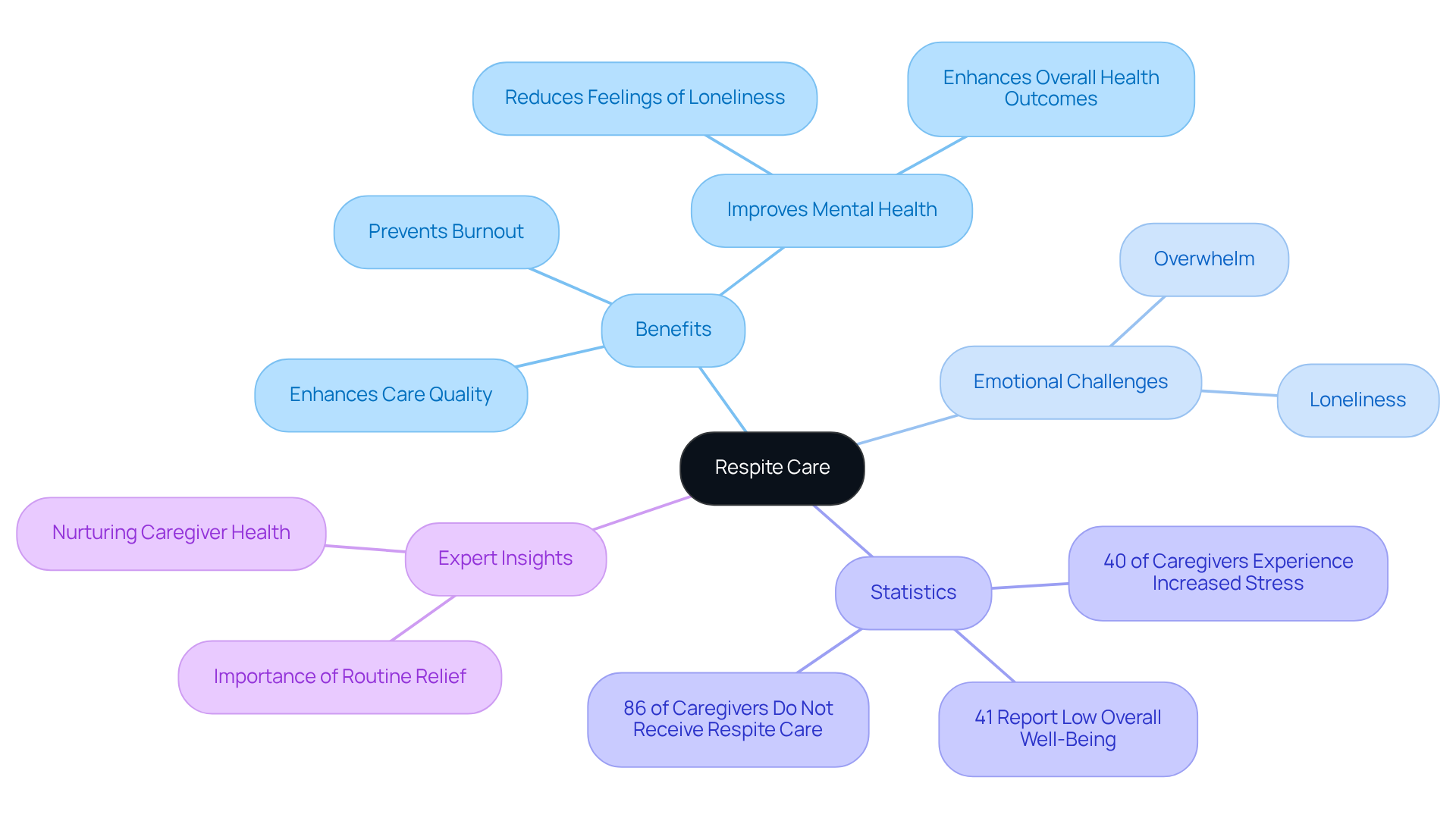
Caring for a loved one can be incredibly rewarding, but it often comes with its own set of emotional challenges. Family supporters frequently find themselves overwhelmed, feeling the weight of their responsibilities. This is where respite support services from Happy to Help Caregiving come in, offering vital relief that allows caregivers to rejuvenate and sustain their own well-being.
Imagine being able to take a break, even if just for a few hours or a few days. These services play a critical role in preventing burnout, which affects around 40% of caregivers who report increased stress levels. By providing this much-needed time away, we ensure that seniors continue to receive top-notch support while also greatly improving the mental state of those who care for them.
Mental wellness experts emphasize that routine relief can significantly reduce feelings of loneliness and distress, common among caregivers. It’s not just about taking a break; it’s about nurturing your own health. Studies show that individuals who utilize respite services often experience improved overall health outcomes, reducing the risk of chronic conditions that can arise from neglecting their own needs.
Ultimately, respite support is not merely a luxury; it’s an essential element of sustainable assistance. It fosters a healthier atmosphere for both caregivers and their loved ones, allowing everyone to thrive. Remember, taking care of yourself is just as important as taking care of others.
Palliative Support: Enhancing Comfort for Chronic Illness Management
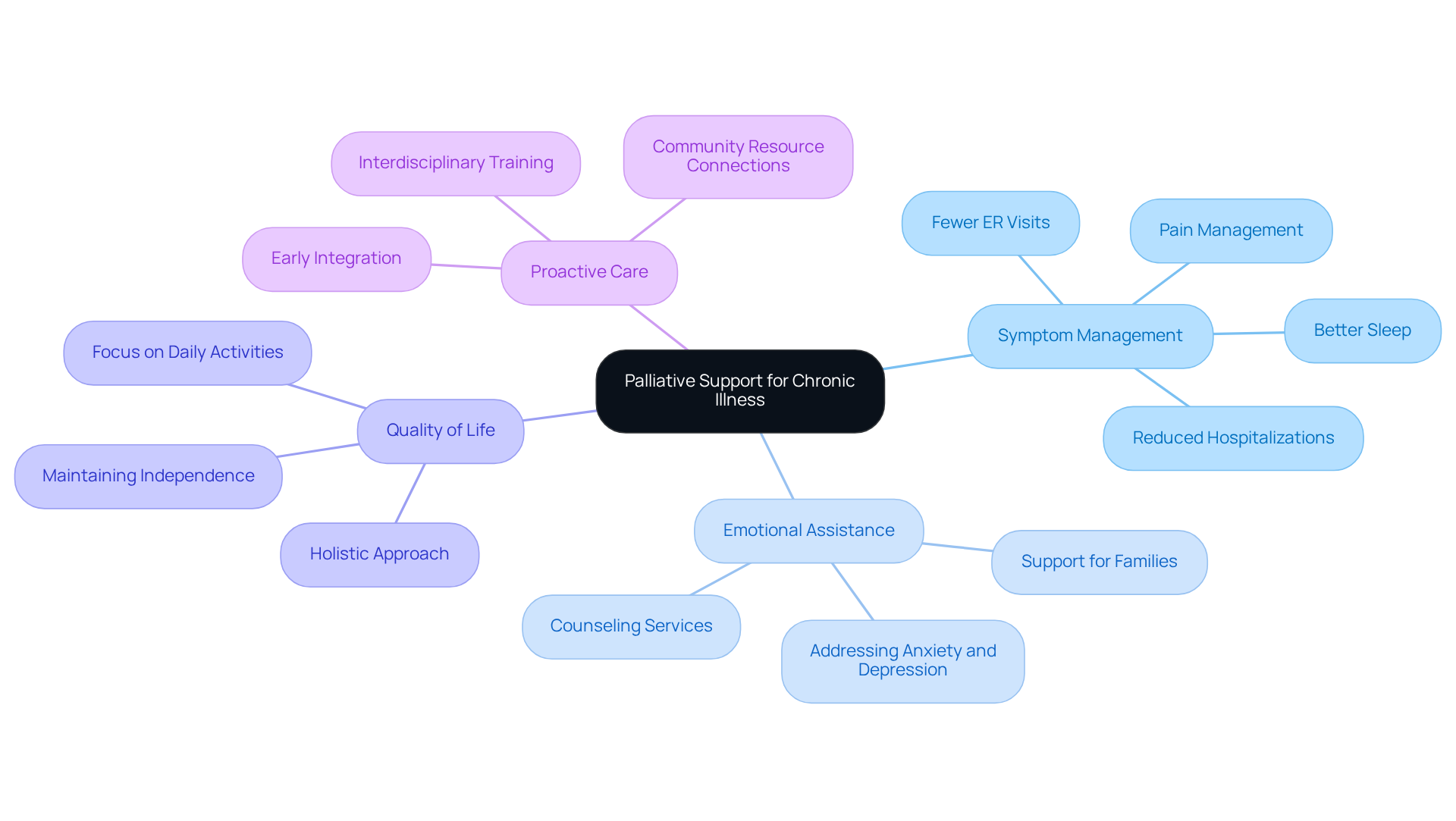
At Happy to Help Caregiving, we understand the emotional challenges that come with caring for elderly individuals managing chronic illnesses. Our palliative support is designed to enhance their comfort and well-being, focusing on both symptom management and emotional assistance. This approach significantly improves their overall quality of life.
Research shows that effective symptom management can lead to better sleep, fewer emergency room visits, and reduced hospitalizations. This means seniors can engage more fully in their daily activities, enjoying life despite their health challenges. It’s important to note that palliative care isn’t just for end-of-life situations; it can be beneficial at any stage of a serious illness.
Dr. Lori Wiener, a palliative specialist, beautifully captures this sentiment when she says that the goal of palliative support is to 'lessen symptoms and enhance quality of life.' This holistic approach not only alleviates physical discomfort but also addresses emotional and spiritual needs, creating a supportive environment that respects individual beliefs and traditions.
Moreover, studies indicate that incorporating palliative support early on can lead to improved patient outcomes, highlighting its proactive nature. We want you to know that in-home nurses for the elderly provide essential palliative support, playing a vital role in enhancing the quality of life for older adults and allowing them to focus on what truly matters to them.
Promoting Independence: Empowering Seniors to Live at Home
At Happy to Help Caregiving, we truly understand the emotional challenges that caregivers face. It can be overwhelming, and feelings of stress and burnout are common. That’s why we’re dedicated to promoting independence among elderly individuals through the support of in home nurses for the elderly, who provide tailored assistance that respects their preferences and routines.
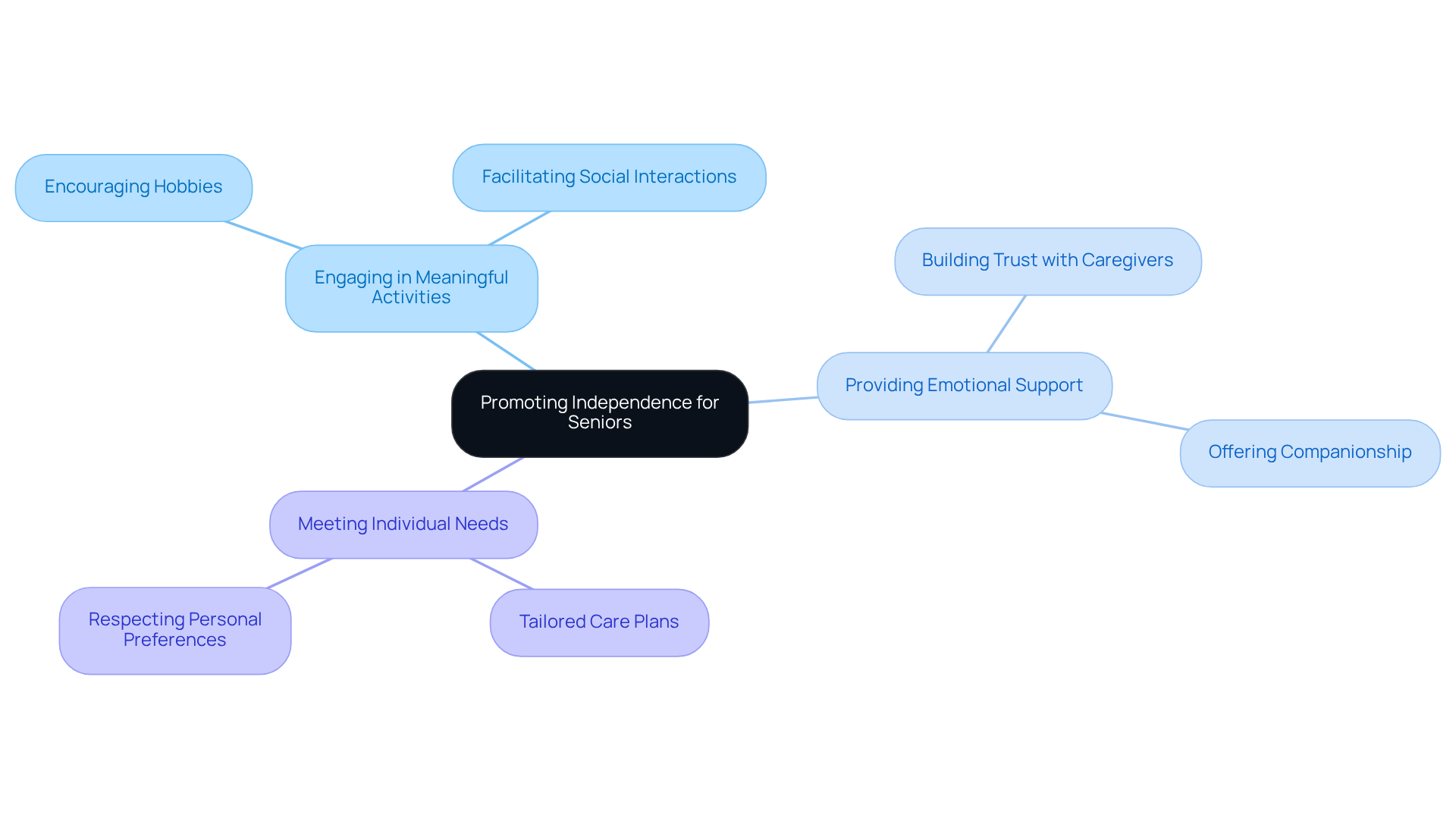
Our care providers play a vital role in enabling clients to engage in daily tasks and make informed decisions regarding their support. This customized approach not only boosts self-esteem but also significantly enhances the overall quality of life. It allows older adults to enjoy fulfilling lives in the comfort of their own homes, with the assistance of in home nurses for the elderly and surrounded by the familiar.
Geriatric specialists emphasize that having in home nurses for the elderly is crucial for enabling elderly individuals to reside at home. It allows them to maintain a sense of control and dignity, which is so important. Successful strategies for achieving this include:
- Engaging seniors in meaningful activities
- Providing emotional support
- Ensuring that their individual needs are met by utilizing in home nurses for the elderly
With nearly 12 million individuals currently receiving home assistance in the U.S., the demand for personalized services continues to rise. This reflects a broader societal acknowledgment of the significance of aging in place. We’re here to help, providing the compassionate care that makes a real difference in the lives of our clients and their families.
Continuity of Care: Building Trust and Consistency in Nursing
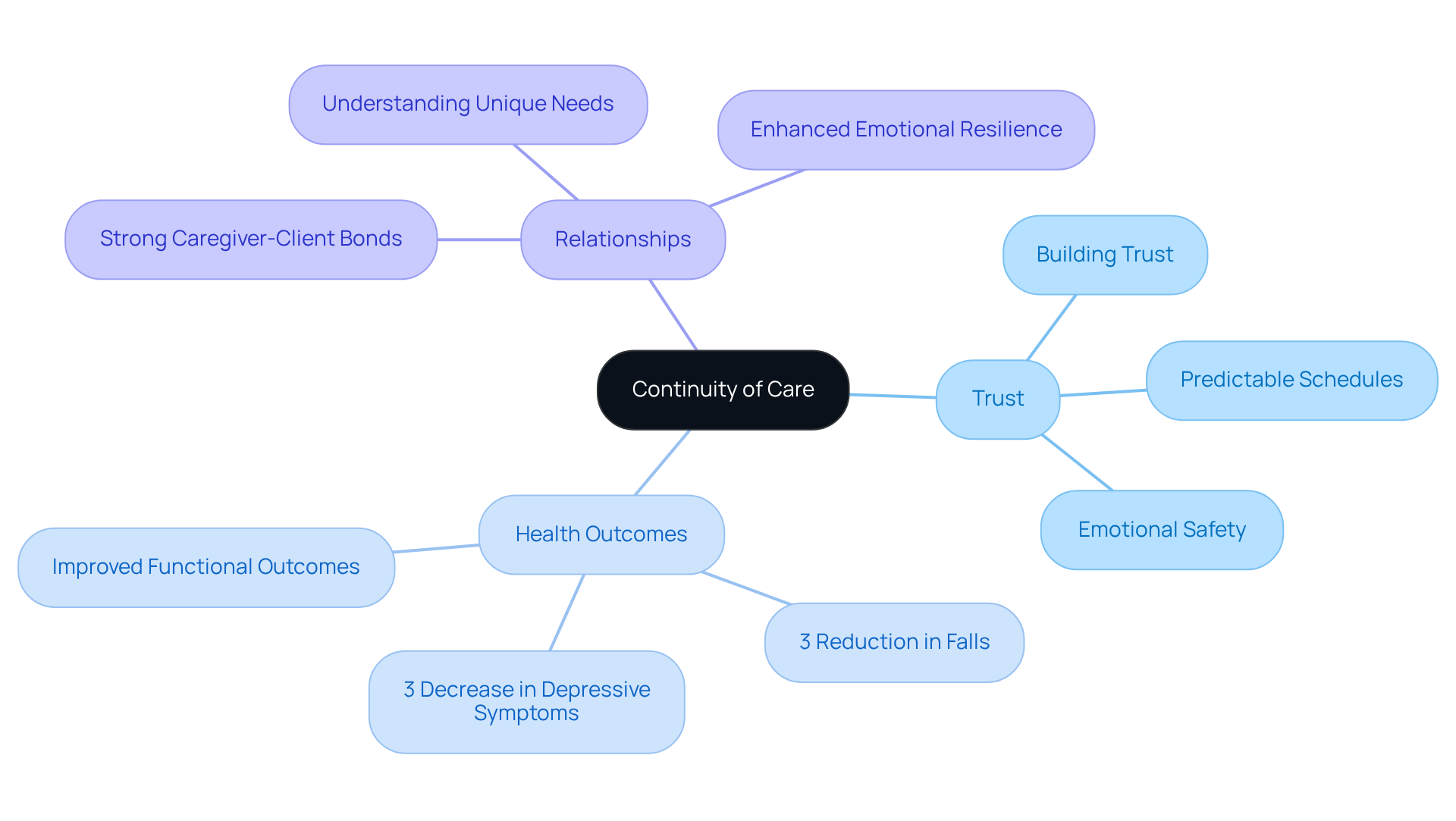
At Happy to Help Caregiving, we understand that continuity of support is vital for our clients. It’s where they truly flourish, thanks to reliable providers who are in tune with their unique needs. This stability fosters trust, allowing caregivers to offer more personalized and effective assistance.
Research shows that when support providers maintain greater continuity, it leads to significantly better health outcomes. For instance, there’s a 3% reduction in the likelihood of falls for every 0.1-point increase in home care worker continuity. Additionally, a similar rise in continuity scores is linked to a 3% decrease in frequent depressive symptoms among older adults.
By nurturing strong relationships, caregivers can better anticipate clients' needs and preferences. This not only enhances satisfaction but also contributes to overall well-being. As Eric Thomas wisely states, "Strong relationships contribute to better emotional resilience, which can prevent conditions like depression and even slow the progression of dementia symptoms."
This relational approach is essential in creating a supportive environment. It empowers older adults to maintain their independence and quality of life, reminding us all of the importance of compassionate care.
Technology Integration: Enhancing Communication and Care Management
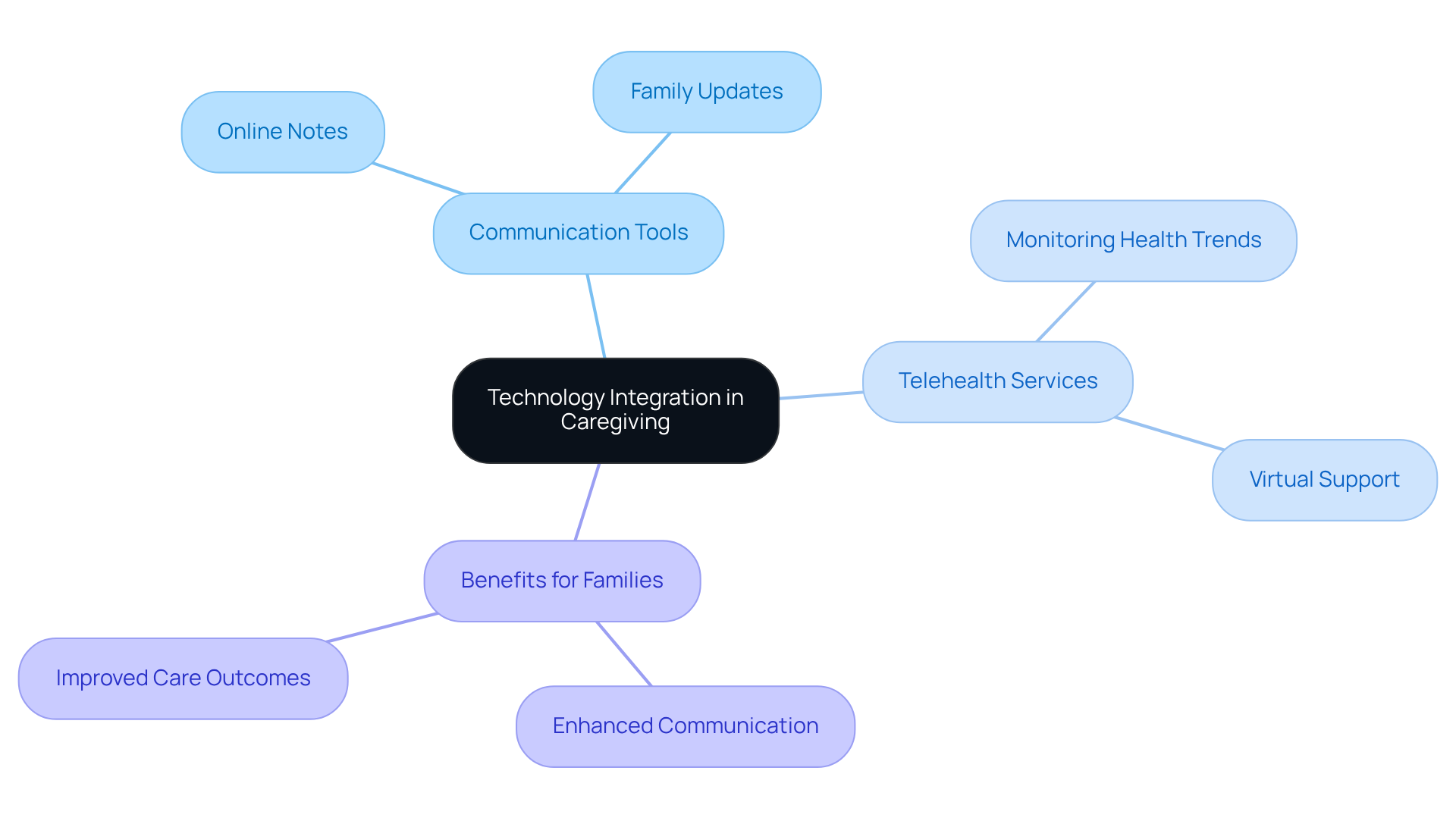
Caring for older adults can be a challenging journey, particularly when utilizing in home nurses for the elderly, filled with emotional ups and downs. Happy to Help Caregiving understands this struggle and effectively employs technology to improve communication and management for families. With tools like online notes for family members and telehealth services, families can stay actively informed about their loved ones' wellbeing. This integration not only enhances service delivery efficiency but also fosters collaboration between providers and families, leading to better outcomes for seniors.
Last year, seven million people turned to telehealth services, showcasing its vital role in our lives. The reinstatement of telehealth flexibilities until January 30, 2026, underscores the growing importance of virtual support, especially for older adults who may find it difficult to access in-person services. As telehealth continues to evolve, it becomes a lifeline, allowing caregivers to monitor health trends and respond proactively to changes in their clients' conditions.
This proactive approach is essential in ensuring that elderly individuals receive timely and effective assistance from in home nurses for the elderly. It’s about enhancing their quality of life and providing peace of mind to families. Remember, you’re not alone in this journey; support is available, and together, we can navigate these challenges with compassion and care.
Quality of Life Improvement: Comprehensive Benefits of In-Home Nursing
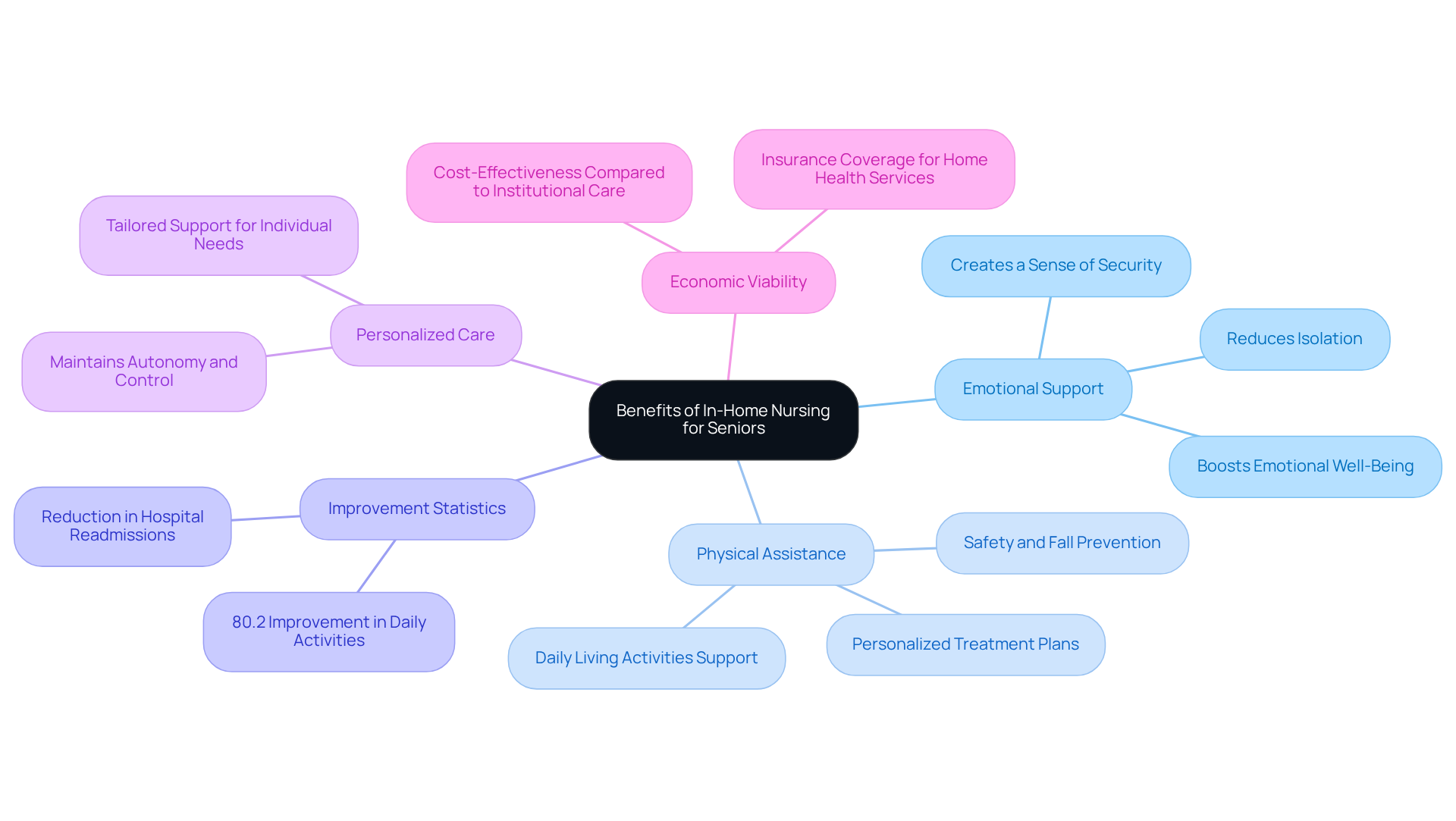
The quality of life for seniors is truly enhanced by in-home nurses for the elderly from Happy to Help Caregiving. By offering personalized support tailored to individual needs, caregivers provide essential emotional assistance and help with daily tasks. This allows clients to maintain their autonomy and dignity, which is so important. It’s not just about addressing physical challenges; it’s also about significantly boosting emotional well-being, creating a sense of security and comfort in familiar surroundings.
Research shows that home health assistance can lead to an impressive 80.2% improvement in daily living activities for patients receiving support after hospitalization. The emotional benefits are equally significant. Older adults who receive in-home assistance often report feeling less isolated and anxious, which helps foster a more positive outlook on life. The presence of caregivers creates a safe living environment, enabling seniors to navigate their homes with confidence while reducing the risk of accidents. This is especially crucial, considering that one in four adults over the age of 65 experiences a fall each year.
Personalized treatment plans are vital in this context, as they cater to the unique preferences and lifestyles of each individual. This tailored approach not only enhances physical well-being but also nurtures a greater sense of autonomy and control over daily routines. Additionally, home health services are often more economical than hospital admissions and long-term care, making them a financially viable option for families. As our aging population continues to grow, the demand for compassionate and effective in-home nurses for the elderly will only increase, making them an essential choice for families seeking the best care for their loved ones.
Making the Right Choice
In-home nursing services for the elderly truly offer a lifeline, enhancing the quality of life for seniors and easing the burdens that family caregivers often face. By providing personalized and compassionate care, these services empower older adults to maintain their independence and dignity right in the comfort of their own homes. This tailored support is essential, allowing seniors to thrive both emotionally and physically, creating an environment where they feel valued and understood.
Throughout our discussion, we've highlighted the key benefits of in-home nursing. These include:
- Emotional support through companionship
- Skilled nursing for post-hospital recovery
- Flexible scheduling to accommodate family needs
- Respite care for caregivers who may feel overwhelmed
Each of these elements plays a vital role in fostering a supportive atmosphere that addresses not just the physical needs of elderly individuals, but also nurtures their emotional well-being. Moreover, the integration of technology in care management enhances communication and coordination, ensuring families stay informed and engaged in their loved ones' care.
The importance of in-home nursing is profound, representing a compassionate solution to the challenges faced by both seniors and their families. As the demand for these services continues to rise, it’s crucial to recognize their significant impact on improving the quality of life for the elderly. Embracing in-home nursing not only supports individual health and wellness but also helps build a stronger, more connected community. Families are encouraged to explore these options, ensuring their loved ones receive the care they deserve while maintaining a sense of autonomy and joy in their lives.
https://iframe.tely.ai/cta/eyJhcnRpY2xlX2lkIjogIjY5MWU1YWJiMDAzNjA5ODRkZWZlZjk5YyIsICJjb21wYW55X2lkIjogIjY4ZWU1ZGNhNzMxNzYyNTU3ZjNjOTVjMSIsICJpbmRleCI6IG51bGwsICJ0eXBlIjogImFydGljbGUifQ==Frequently Asked Questions
What services does Happy to Help Caregiving provide for seniors?
Happy to Help Caregiving offers personalized in-home nursing services tailored to the unique needs of elderly individuals, including emotional support, companionship care, and skilled nursing services for post-hospital recovery.
How does Happy to Help Caregiving address emotional challenges faced by caregivers?
The organization provides emotional and practical support, allowing caregivers to focus on their loved ones' happiness and well-being while navigating the challenges of caregiving.
What role does companionship care play in supporting elderly individuals?
Companionship care helps alleviate feelings of loneliness among older adults by engaging them in meaningful conversations and activities, fostering emotional connections and enhancing their mental well-being.
What specific skilled nursing services are offered for post-hospital recovery?
Skilled nursing services include medication management, wound treatment, and rehabilitation exercises, all tailored to meet the unique needs of older adults recovering at home.
How does Happy to Help Caregiving ensure a smooth transition from hospital to home for seniors?
They provide essential support through skilled nursing, maintain consistent daily routines for meals and medication, and offer emotional support to enhance recovery outcomes.
What impact do skilled nursing interventions have on hospital readmission rates?
Effective skilled nursing interventions can significantly lower hospital readmission rates, particularly for patients discharged with new or additional disabilities, who face a challenging recovery process.
How does Happy to Help Caregiving foster a nurturing environment for seniors?
By focusing on personalized support plans, they create an atmosphere that encourages autonomy and wellness, enabling older adults to thrive in the comfort of their own homes.