
For families in our service areas
For families in our service areas, this guide explains caregiver support and how non-medical in-home caregiving can support care planning in East Idaho, Treasure Valley & Magic Valley, Northern Wasatch, North Central West Virginia, and Northeast Ohio.
Understanding Private Live-In Care
Navigating the complexities of caregiving can be overwhelming for families. Caregivers often face significant challenges, including emotional strain and the difficulty of ensuring their loved ones receive the right support. With the growing recognition of seniors' unique needs, families are left wondering: how can they provide tailored care while also maintaining their own peace of mind?
Private live-in care emerges as a practical solution. Personalized care plans not only enhance the quality of life for seniors but also alleviate the burdens on caregivers. This approach fosters emotional well-being and safety, allowing families to feel secure in their loved ones' care. By choosing private live-in care, families can ensure that their loved ones receive the tailored support they deserve.
Personalized Care Plans from Happy to Help Caregiving
Private live in care often lacks the personalized attention that seniors need, which can lead to feelings of isolation and diminished quality of life. Many caregivers struggle to create care plans that truly reflect the unique needs and preferences of each individual, which can result in inadequate support and a lack of autonomy for clients.
This challenge is significant, as it not only affects the emotional well-being of seniors but also their overall health outcomes. Without tailored support, individuals may feel overlooked and disconnected from their routines and interests, which are vital for maintaining dignity and self-worth.
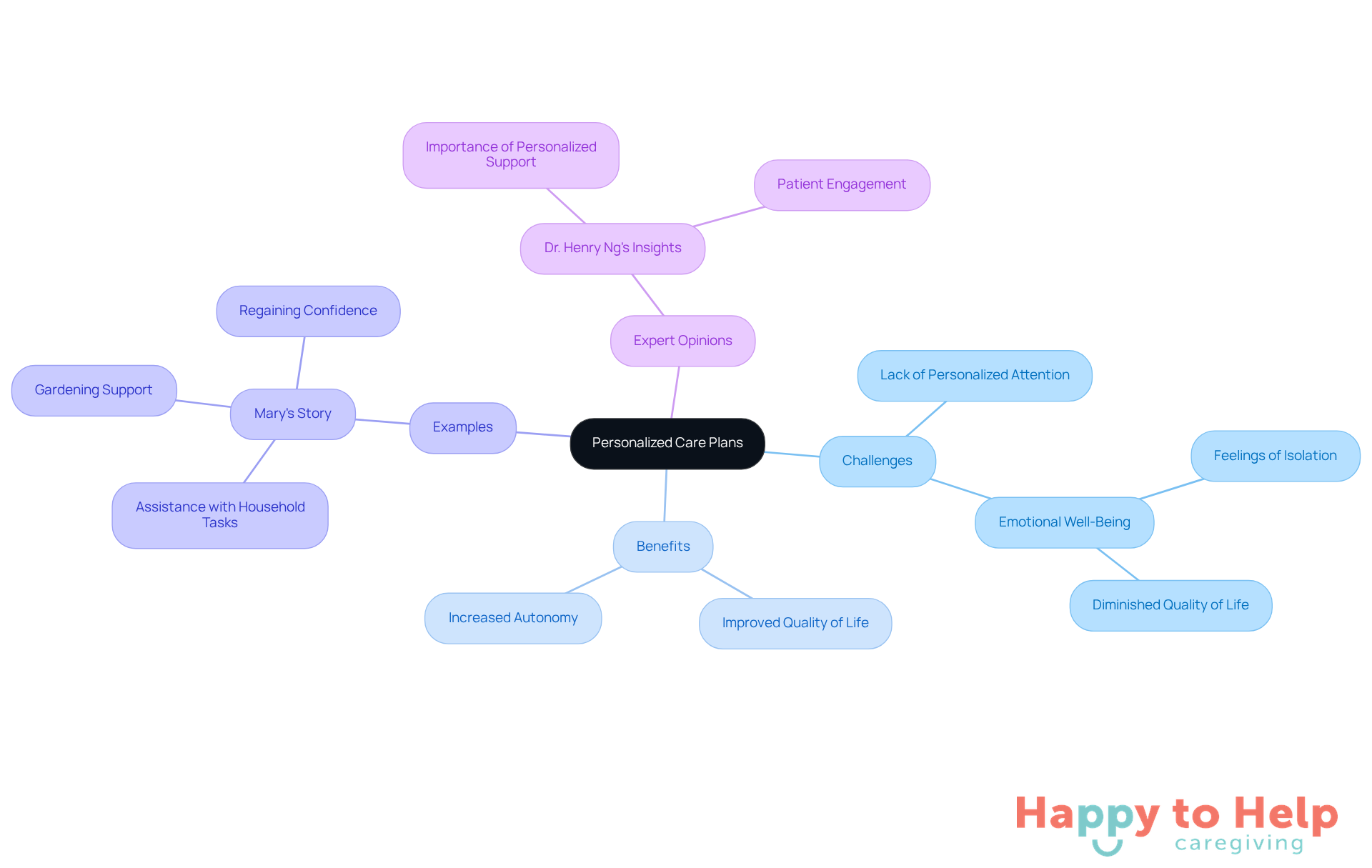
Happy to Help Caregiving addresses these issues by crafting personalized care plans that support private live in care, meticulously developed through comprehensive assessments and collaborative discussions with family members. This approach ensures that every aspect of an individual's lifestyle, preferences, and medical requirements is thoughtfully integrated. By enabling seniors to uphold their valued routines within the comfort of their homes, private live in care through tailored support plans greatly enhances their quality of life.
For example, consider the case of Mary, an 82-year-old woman whose tailored support included assistance with household tasks and gardening. This not only helped her regain confidence but also enriched her emotional well-being. Mary stated, "My quality of life enhanced considerably because my support plan concentrated on what was most important to me - my independence, hobbies, and emotional well-being."
Healthcare professionals, like Dr. Henry Ng, emphasize the importance of personalized support. He notes, "Using PPC tools has helped me discover and support my patients' health needs and overall life goals - and they have responded by telling me they feel seen and heard."
As we anticipate a shortage of healthcare professionals by 2026, the need for individualized support becomes even more critical. Social interaction plays a vital role in seniors' emotional health, and by fostering connections and understanding the unique needs of each person, Happy to Help Caregiving ensures that individuals feel valued and understood. This leads to increased satisfaction and overall happiness.
Emotional Support and Companionship
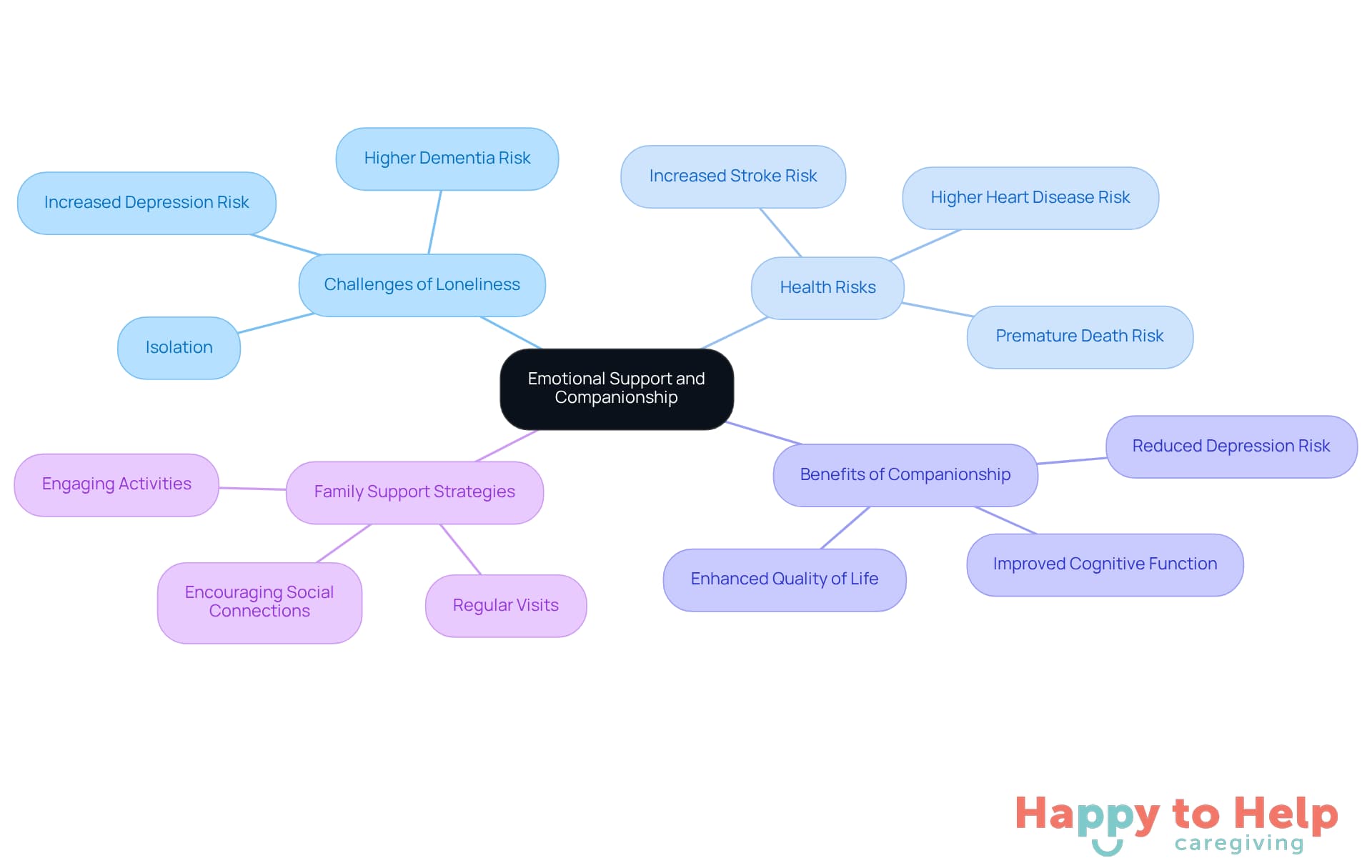
Loneliness and depression are significant challenges faced by seniors living alone. These issues can lead to serious health risks, including a 40% higher chance of developing dementia. Moreover, regular social interaction can reduce the risk of depression by 50% and improve cognitive function.
A key advantage of private live-in care is the companionship and emotional support that caregivers provide. These professionals do more than assist with daily tasks; they engage seniors in meaningful conversations and enjoyable activities, fostering deep connections. This companionship is crucial in combating feelings of isolation, significantly enhancing the overall quality of life for seniors receiving private live-in care.
To nurture these vital connections, family supporters should facilitate regular visits or activities with companions. By sharing daily experiences, individuals not only feel more connected but also enjoy a greater sense of belonging. This approach can make a substantial difference in the emotional well-being of seniors.
Continuity of Care with Familiar Caregivers
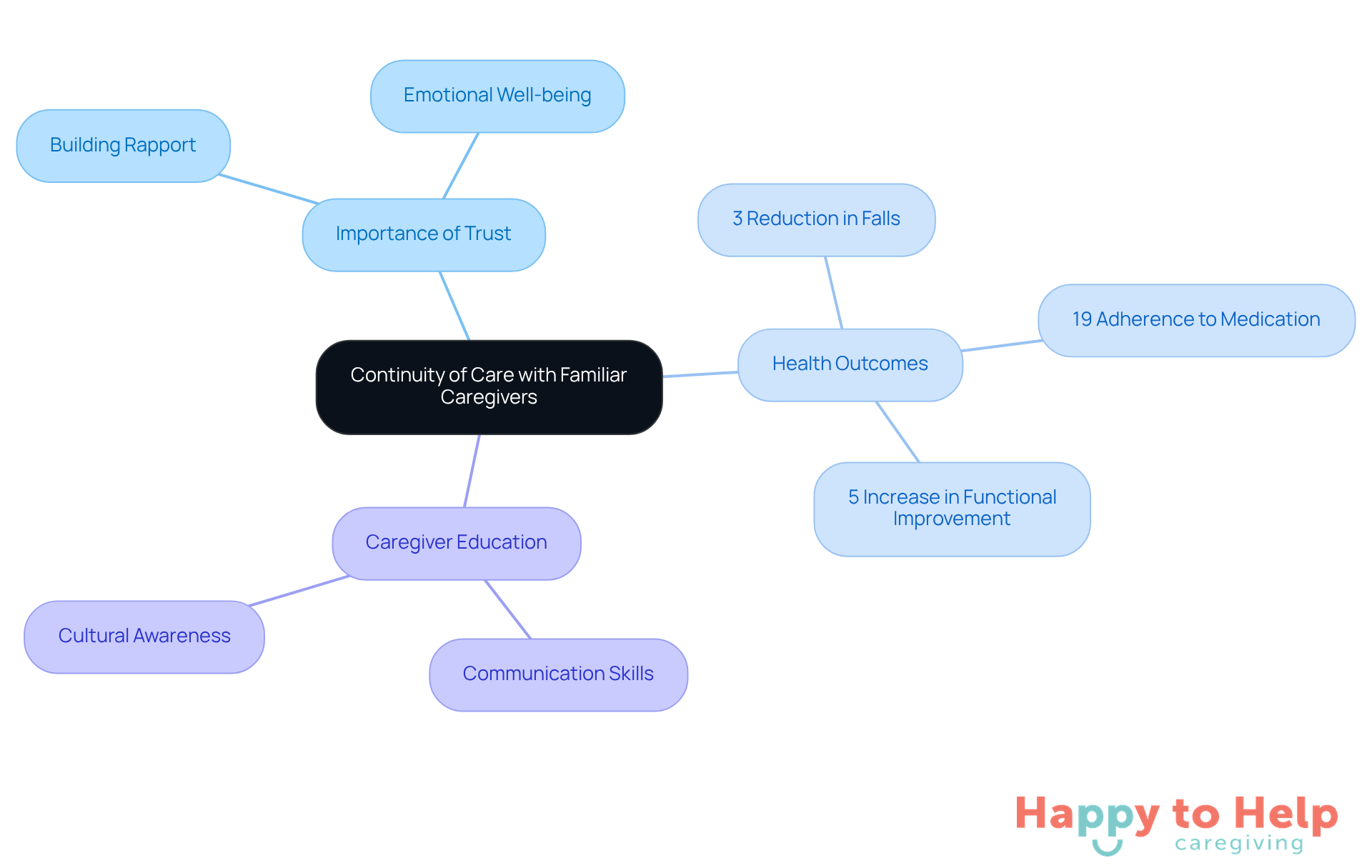
Continuity of support poses a significant challenge in private live in care, which impacts the quality of care individuals receive. Without familiar supporters, clients may struggle to build trust, which is essential for effective caregiving. This lack of consistency can hinder caregivers' ability to understand their clients' unique needs and preferences, leading to less personalized attention.
The implications of inconsistent support are profound. Research indicates that greater caregiver continuity in private live in care correlates with improved health outcomes. For instance, there's a 3% reduction in the chance of falls and a 5% increase in the likelihood of functional improvement for patients. Moreover, patients receiving private live in care from reliable providers are 19% more likely to adhere to their prescribed medication regimens. These statistics highlight the critical need for caregivers to establish strong, trusting relationships with their clients.
To address these challenges, caregivers should prioritize building rapport with the individuals they support. Establishing trust not only enhances the caregiving experience but also significantly contributes to the emotional well-being of seniors. This relational aspect is vital, as it helps reduce feelings of isolation and fosters a more positive outlook on life.
Additionally, continuous education in communication methods and cultural awareness is essential for caregivers. These skills promote stronger connections and improve the overall caregiving experience. By focusing on these areas, caregivers can ensure they provide the best possible support, ultimately leading to better health outcomes for their clients.
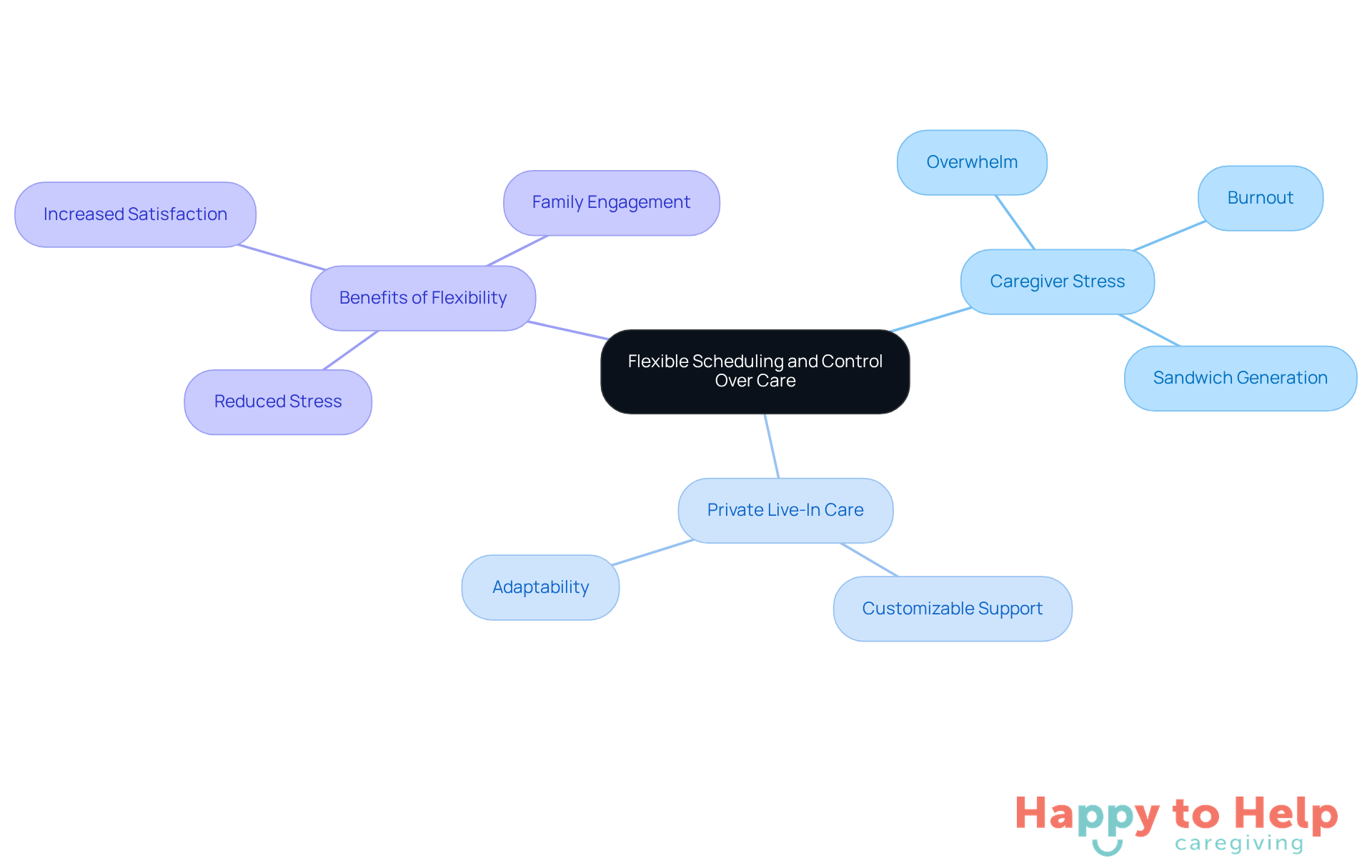
Flexible Scheduling and Control Over Care
Caregivers often face significant stress due to rigid scheduling, which can lead to feelings of overwhelm and burnout. This issue is particularly pronounced for those in the sandwich generation, who juggle multiple responsibilities. The emotional toll of trying to balance caregiving with other obligations can be daunting, making it essential to find solutions that alleviate this pressure.
One effective solution is private live-in care, which provides remarkable adaptability in scheduling. Caregivers can customize support to meet their loved one's specific needs, modifying hours to accommodate medical appointments or social gatherings. This flexibility not only enhances the quality of support but also nurtures a sense of control for caregivers, ultimately reducing stress and boosting overall satisfaction.
Families frequently express appreciation for the opportunity to personalize care, emphasizing how it allows them to stay engaged in their loved one's daily life. As one caregiver noted, "Having the ability to modify care schedules has made a world of difference for us; it allows us to be present without feeling overwhelmed."
Such personalized arrangements empower families, ensuring that their loved ones receive care that respects their preferences and routines. This approach leads to a more positive caregiving experience. Furthermore, with over 60 percent of support providers experiencing signs of burnout, the significance of adaptable scheduling cannot be overstated. By embracing flexible care options, families can better manage their responsibilities while providing the support their loved ones need.
Enhanced Safety and Security at Home
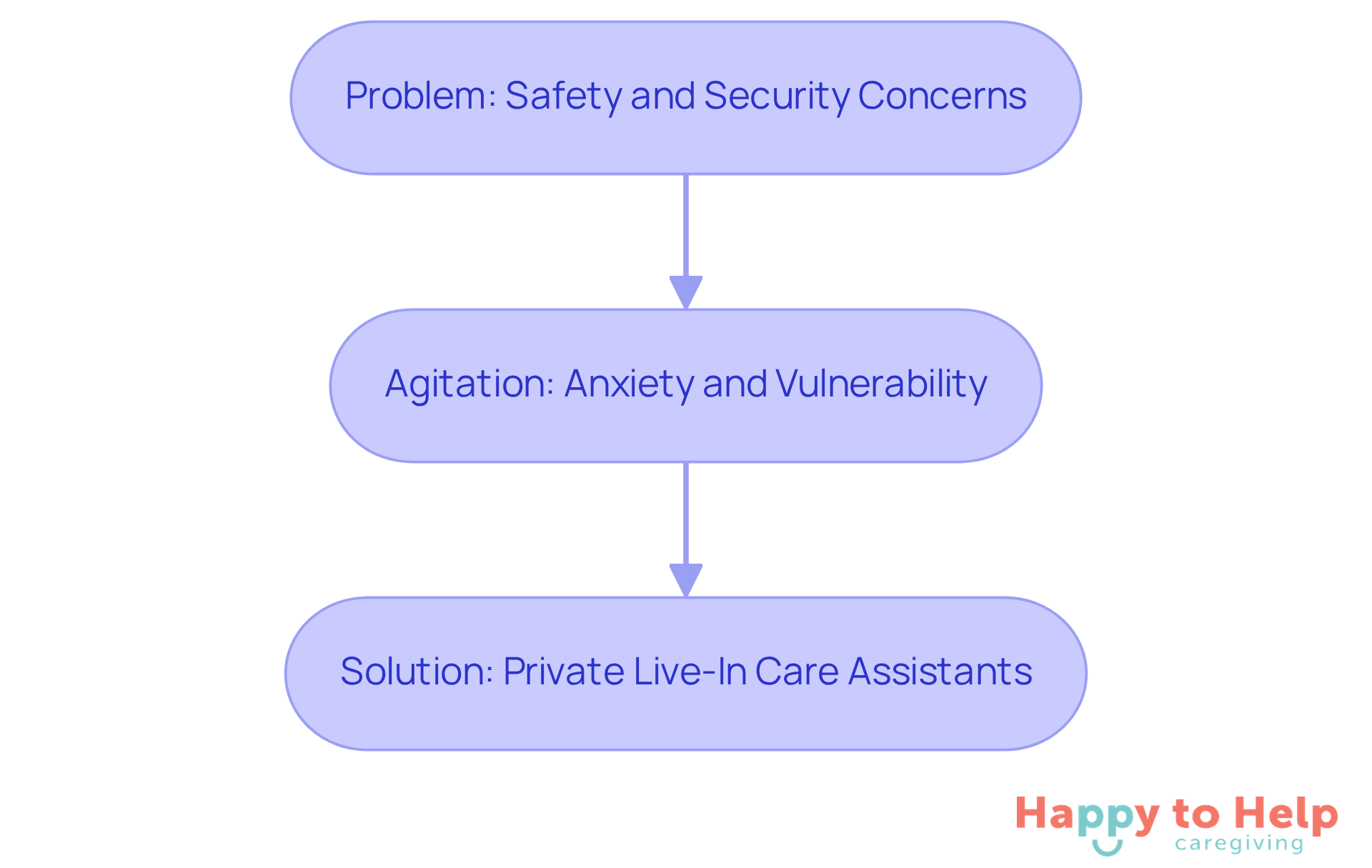
Problem: Safety and security at home can be significant concerns for individuals and their families. Without proper support, the risk of accidents, such as falls, increases, leading to potential injuries and distress.
Agitate: Imagine the anxiety families feel knowing their loved ones are alone, vulnerable to hazards that could easily be prevented. The fear of an emergency occurring without immediate assistance can be overwhelming, affecting the well-being of both the individual and their family members.
Solution: Private live-in care assistants play a crucial role in addressing these challenges. They are trained to recognize potential hazards and implement safety measures to prevent accidents. By assisting with mobility, caregivers ensure that individuals can navigate their homes safely. Moreover, private live-in care with a support person available 24/7 provides families with peace of mind, knowing that their loved ones are not alone and that help is readily accessible in case of emergencies.
Support with Daily Living Activities
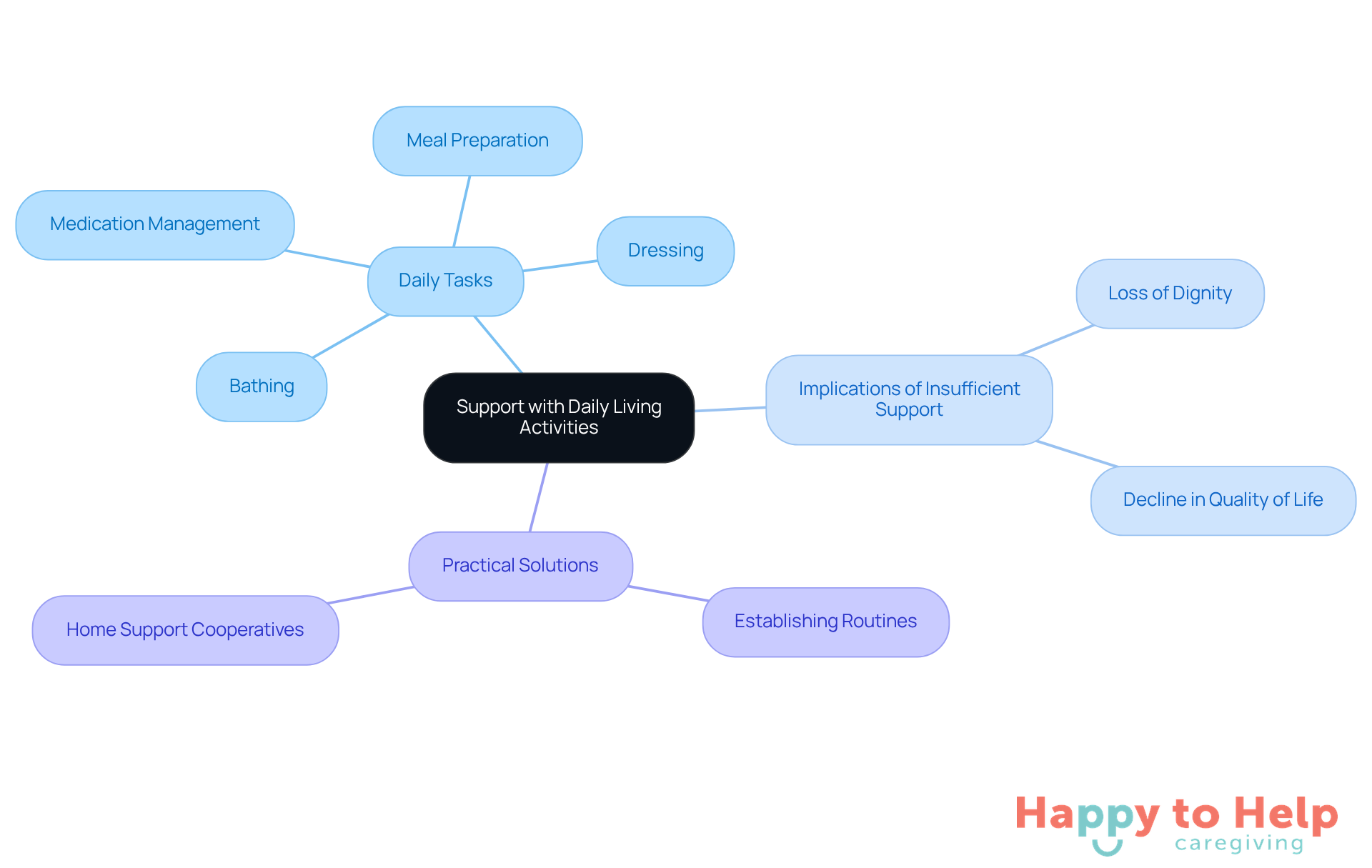
Caregivers face significant challenges in providing private live-in care to seniors with daily living activities, such as bathing, dressing, meal preparation, and medication management. These tasks are not just routine; they are essential for maintaining seniors' independence and health. Without adequate support, seniors may struggle to manage their health effectively, which can lead to a decline in their quality of life.
The implications of insufficient caregiver support are profound. Seniors may experience a loss of dignity and comfort, which can affect their overall well-being. Research indicates that private live-in care services not only enhance seniors' ability to engage in social activities and pursue hobbies but also help reduce the risk of falls and injuries. By providing necessary mobility assistance and identifying potential hazards in the home, caregivers play a crucial role in ensuring safety.
To address these challenges, caregivers can implement several practical solutions:
-
Establish a routine that includes regular check-ins and assistance with daily tasks. This approach not only helps seniors maintain their independence but also provides private live-in care, alleviating the burden on family members and allowing them to focus on other important responsibilities.
-
Consider home support cooperatives, which offer a stable alternative to traditional agencies by providing private live-in care and boasting half the turnover rates. This stability ensures that caregivers can build trusting relationships with seniors, further enhancing the quality of care.
As occupational therapists emphasize, "The assistance provided by family members is essential in helping seniors maintain their independence and quality of life, allowing them to live with dignity in their own homes."
In summary, by recognizing the vital role of caregivers and implementing structured support systems, we can empower seniors to thrive in their familiar environments while reducing the strain on their families.
Peace of Mind for Families
Caregivers often face a significant challenge: the constant worry about their loved ones' safety and health. This concern can weigh heavily, especially for families who live far away or have other commitments. The emotional toll of this anxiety can be overwhelming, leaving caregivers feeling helpless and stressed.
Selecting private live-in care can be a practical solution to this problem. By ensuring that their loved ones receive expert, caring support, families can focus on their own lives without the ongoing concern for their loved ones' well-being. This reassurance is invaluable, allowing relatives to trust that their loved ones are in capable hands, receiving the attention and care they deserve.
Promotion of Social Engagement and Activities
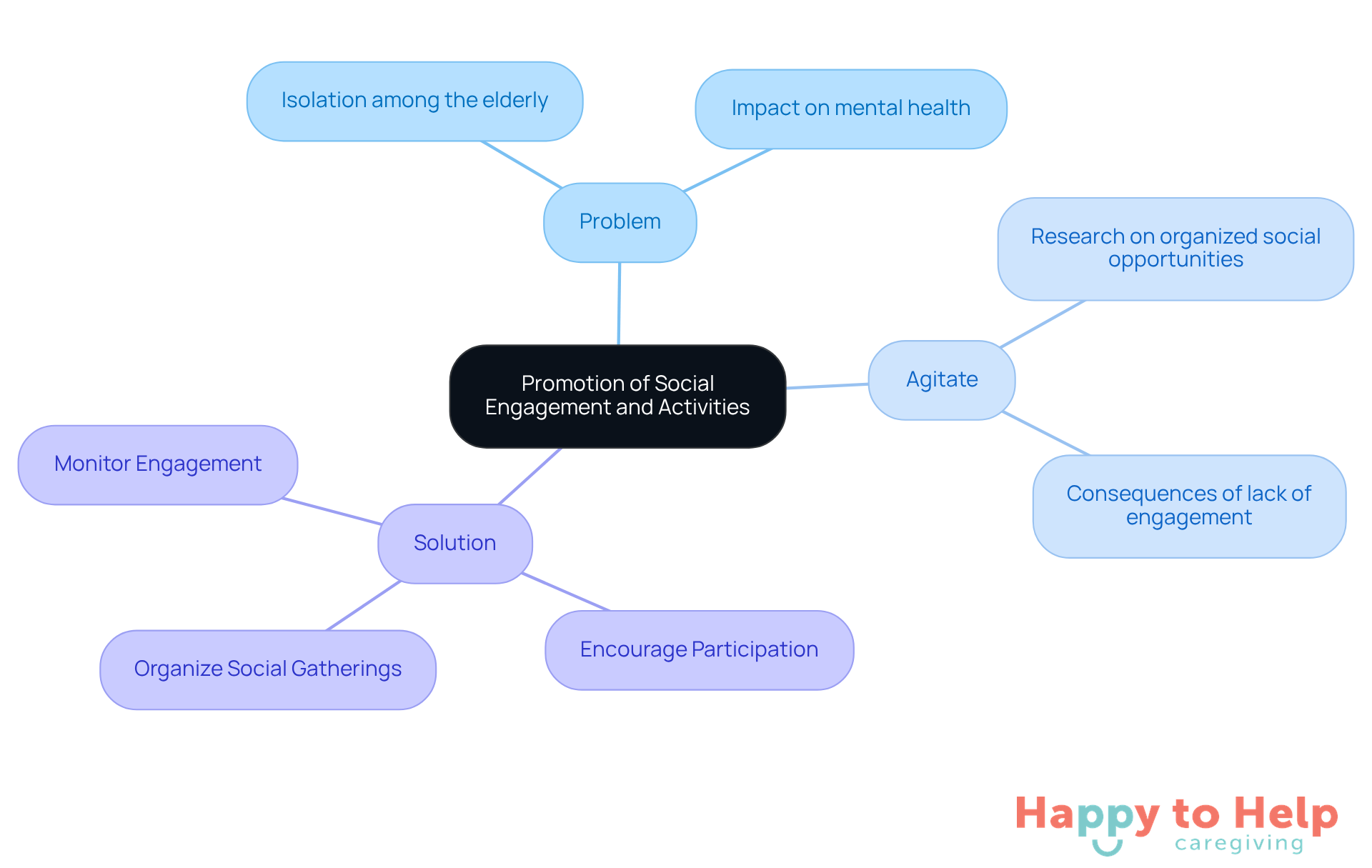
Problem: Isolation among the elderly is a pressing issue that significantly impacts their mental health. Feelings of loneliness have been recognized as a national health crisis, particularly affecting seniors who may lack social interaction.
Agitate: Research indicates that organized social opportunities can drastically reduce loneliness. Gerontologists stress that preventing isolation is crucial for the mental well-being of elderly clients. Without engagement, seniors may experience diminished spirits and a lack of purpose, leading to further mental health challenges.
Solution: Caregivers can play a vital role in promoting social interaction. By actively motivating seniors to participate in enjoyable activities-such as hobbies, outings, and social gatherings-they can help preserve mental health and foster a sense of belonging. Here are some actionable tips for caregivers:
- Encourage Participation: Invite seniors to join in activities they love, whether it’s a favorite hobby or a community event.
- Organize Social Gatherings: Create opportunities for seniors to connect with peers, reducing feelings of isolation.
- Monitor Engagement: Regularly check in on their interests and adjust activities to keep them engaged and motivated.
By implementing these strategies, caregivers can significantly uplift the spirits of elderly clients, contributing to their overall mental health and well-being.
Cost-Effectiveness Compared to Other Care Options
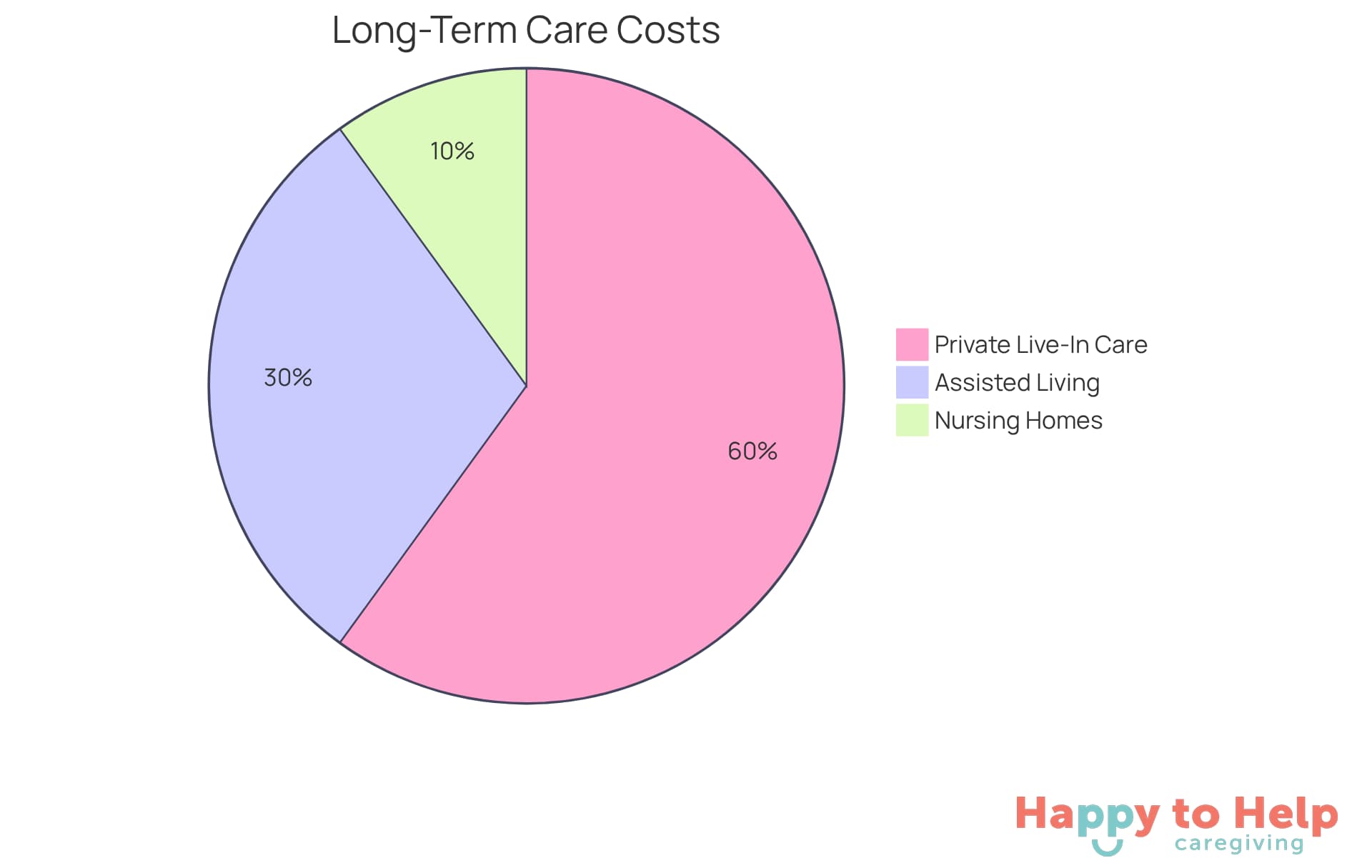
Choosing private live in care often proves to be a more economical choice compared to assisted living facilities or nursing homes. The problem is clear: families face significant costs linked to facility living, which can average about $60,000 yearly. This figure highlights the financial strain many households encounter when seeking care for their loved ones.
The implications of these costs are profound. Indeed, 83% of adults believe it would be impossible or extremely challenging to afford $60,000 for one year of support from a paid nurse or aide. This statistic underscores the financial difficulties linked to long-term assistance, making it crucial for families to explore alternatives.
One effective solution is choosing private live in care as support. By opting for this personalized approach, families ensure their loved ones receive individualized, one-on-one attention tailored to their specific needs. This not only enhances the quality of care but also reduces the likelihood of frequent hospital visits and emergency procedures, ultimately lowering overall healthcare expenses.
To maximize the advantages of live-in assistance, families are encouraged to:
- Create a budget
- Consult with a financial advisor
This proactive planning can help manage expenses effectively, ensuring that families can provide the necessary support without overwhelming financial burdens.
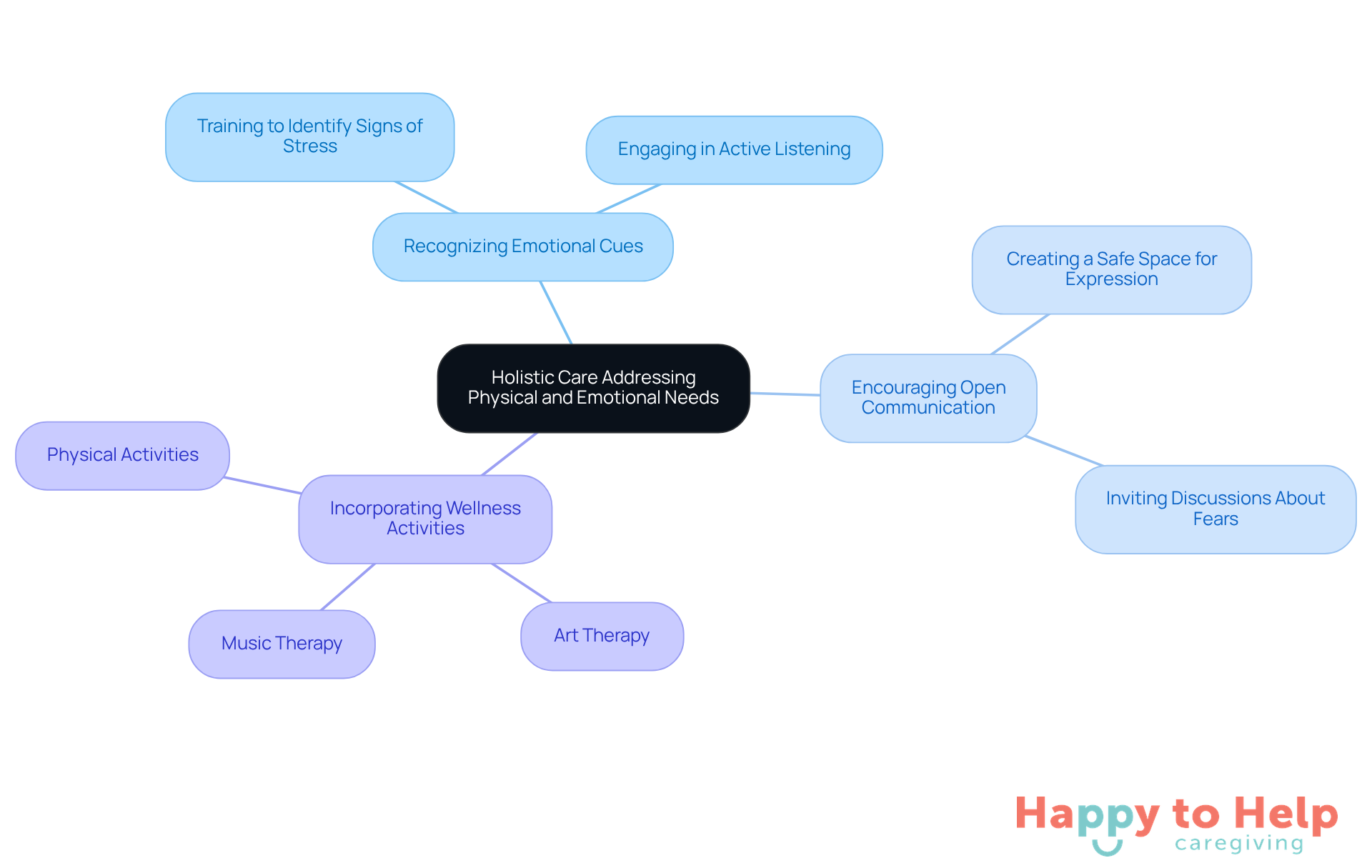
Holistic Care Addressing Physical and Emotional Needs
Caregivers face a significant challenge: addressing not just the physical needs of individuals, but also their emotional well-being. Neglecting mental health can lead to a decline in overall wellness, impacting the quality of life for those they care for.
To tackle this issue, caregivers must adopt a holistic approach that recognizes the importance of emotional support. By providing assistance that goes beyond physical tasks, they can foster an environment conducive to healing and happiness.
Here are some actionable solutions for caregivers:
- Recognize emotional cues: Train to identify signs of stress or anxiety in clients.
- Encourage open communication: Create a safe space for clients to express their feelings.
- Incorporate wellness activities: Engage clients in activities that promote mental health, such as art or music therapy.
By considering the whole person, caregivers can significantly enhance the quality of life for their clients, helping them maintain a balanced and fulfilling life.
Key Takeaways for Caregivers
Private live-in care addresses a significant problem faced by family caregivers: the overwhelming stress and emotional toll of providing care in traditional settings. Many caregivers struggle with feelings of isolation and the challenge of ensuring their loved ones receive the attention they need. This situation can lead to burnout and a decline in the quality of care provided.
The implications of these challenges are profound. Caregivers often experience increased anxiety and fatigue, which can affect their health and the well-being of those they care for. Additionally, traditional care settings may not offer the personalized attention that seniors require, leading to feelings of neglect and loss of autonomy.
A viable solution is private live-in care, which offers personalized attention and a comprehensive approach to enhancing seniors' quality of life. This model focuses on individualized care plans, emotional support, and continuity of care, addressing the unique needs of each individual. Key benefits include:
- Companionship to combat loneliness
- Flexibility in scheduling to alleviate caregiver stress
- Enhanced safety and security with a dedicated caregiver present
Moreover, private live-in care can be a more cost-effective option compared to assisted living facilities, making it an attractive choice for families. The holistic approach integrates both physical and emotional support, underscoring the significance of this caregiving model.
Ultimately, embracing private live-in care empowers seniors to maintain their independence while providing families with peace of mind. As the demand for personalized caregiving solutions continues to grow, families should seriously consider these options. This ensures that their loved ones can thrive in the comfort of their own homes while receiving the compassionate and attentive support they deserve.
https://iframe.tely.ai/cta/eyJhcnRpY2xlX2lkIjogIjY5NDBhMjBiNGFiMmI4OGM4M2NiZjU4YiIsICJjb21wYW55X2lkIjogIjY4ZWU1ZGNhNzMxNzYyNTU3ZjNjOTVjMSIsICJpbmRleCI6IG51bGwsICJ0eXBlIjogImFydGljbGUifQ==Frequently Asked Questions
What is the importance of personalized care plans in private live-in care?
Personalized care plans are crucial as they address the unique needs and preferences of seniors, enhancing their emotional well-being and overall health outcomes. Tailored support helps individuals feel valued and connected to their routines, which is vital for maintaining dignity and self-worth.
How does Happy to Help Caregiving create personalized care plans?
Happy to Help Caregiving develops personalized care plans through comprehensive assessments and collaborative discussions with family members, ensuring that every aspect of an individual's lifestyle, preferences, and medical requirements is integrated into their care.
Can you provide an example of how personalized care plans can improve quality of life?
An example is Mary, an 82-year-old woman who received tailored support for household tasks and gardening. This support helped her regain confidence and significantly enhanced her emotional well-being, allowing her to focus on her independence, hobbies, and overall happiness.
What role does emotional support and companionship play in private live-in care?
Emotional support and companionship are vital as caregivers engage seniors in meaningful conversations and enjoyable activities, which combat feelings of isolation and enhance their overall quality of life.
How can family members help improve the emotional well-being of seniors receiving private live-in care?
Family members can facilitate regular visits or activities with caregivers to share daily experiences, which fosters a greater sense of belonging and connection for seniors.
What challenges does continuity of care present in private live-in care?
Continuity of care is essential for building trust between caregivers and clients. Inconsistent support can hinder caregivers' understanding of clients' unique needs, leading to less personalized attention and poorer health outcomes.
What are some benefits of having familiar caregivers for seniors?
Familiar caregivers can lead to improved health outcomes, including a reduction in falls and increased adherence to medication regimens. Building trust with caregivers enhances the caregiving experience and contributes positively to seniors' emotional well-being.
What skills should caregivers prioritize to improve the caregiving experience?
Caregivers should focus on building rapport with clients, continuous education in communication methods, and cultural awareness to foster stronger connections and provide the best possible support.
List of Sources
- Personalized Care Plans from Happy to Help Caregiving
- How Personalized Care Plans Improve Quality of Life for Seniors (https://seniorcarecompanions.com/personalized-care-plans-quality-of-life-for-seniors)
- AI must optimize home care, continuity, and early detection for older adults (https://news-medical.net/news/20251007/AI-must-optimize-home-care-continuity-and-early-detection-for-older-adults.aspx)
- Novel Care Model May Improve Outcomes for Older Adults With Multiple Chronic Conditions (https://consultqd.clevelandclinic.org/novel-care-model-may-improve-outcomes-for-older-adults-with-multiple-chronic-conditions)
- The Importance of Personalized Care Plans (https://homecareadvisory.org/importance-personalized-care-plans)
- Empowering aging: How AI and value-based care are making senior living more personalized and affordable (https://mcknights.com/marketplace/marketplace-experts/empowering-aging-how-ai-and-value-based-care-are-making-senior-living-more-personalized-and-affordable)
- Emotional Support and Companionship
- Friendships Are Especially Powerful Late in Life, Poll Says (https://usnews.com/news/health-news/articles/2024-12-16/friendships-are-especially-powerful-late-in-life-poll-says)
- Benefits of Companionship for Seniors (https://harmonyseniorservices.com/news-blog/benefits-of-companionship-for-seniors)
- The Importance of Companionship for Seniors (https://veteranshomecare.com/importance-of-companionship-for-seniors)
- The Power of Companionship for Seniors: A Key Ingredient to Quality Aging (https://homecarepgh.com/blog-posts/companionship-in-old-age)
- The Importance of Companionship for Seniors and How It Improves Well-being | Luxe Homecare (https://luxehomecare.com/the-importance-of-companionship-for-seniors-and-how-it-improves-well-being)
- Continuity of Care with Familiar Caregivers
- Home Care Worker Continuity in Home-Based Long-Term Care: Associated Factors and Relationships With Client Health and Well-Being - PMC (https://pmc.ncbi.nlm.nih.gov/articles/PMC10946305)
- ‘Patients Can’t Afford To Wait’: 7 Home-Based Care Leaders On Government Shutdown (https://homehealthcarenews.com/2025/10/patients-cant-afford-to-wait-7-home-based-care-leaders-on-government-shutdown)
- DAY 14 OF THE TELEHEALTH SHUTDOWN: THE “RIPPLE EFFECT” ON TELEHEALTH REIMBURSEMENT – ATA ACTION CALLS FOR SHORT-TERM SOLUTION TO GROWING PATIENT CARE DISRUPTIONS - ATA (https://americantelemed.org/press-releases/day-14-of-the-telehealth-shutdown-the-ripple-effect-on-telehealth-reimbursement-ata-action-calls-for-short-term-solution-to-growing-patient-care-disruptions)
- Why is Continuity of Care for In-Home Care so Vital? (https://7dayhomecare.com/why-is-continuity-of-care-for-in-home-care-so-vital)
- The Importance of Caregiver-Client Relationships in Senior Well-Being (https://homeinstead.com/home-care/usa/in/goshen/588/news-and-media/the-importance-of-caregiver-client-relationships-in-senior-well-being)
- Flexible Scheduling and Control Over Care
- Helping Caregivers Thrive With Caregiver Leave, Flexible Work and More (https://adp.com/spark/articles/2025/03/helping-caregivers-thrive-with-caregiver-leave-flexible-work-and-more.aspx)
- Return-to-Office Trends are Reshaping Caregiving at Home - Family & Nursing Care (https://familynursingcare.com/return-to-office-trends-are-reshaping-caregiving-at-home)
- The need for caregiving benefits may have reached a fever pitch (https://hrdive.com/news/sandwich-generation-needs-caregiving-benefits/802864)
- How Flexible Scheduling Improves The Home Care Experience For Families – CCN – Columbus County News (https://columbuscountynews.com/2025/12/how-flexible-scheduling-improves-the-home-care-experience-for-families)
- 9 Ways to Find Caregivers With Flexible Scheduling Options - MedCity News (https://medcitynews.com/2025/05/9-ways-to-find-caregivers-with-flexible-scheduling-options)
- Enhanced Safety and Security at Home
- How Technology is Revolutionizing Safety, Independence, and Caregiving for Aging Loved Ones (https://ltcnews.com/articles/technology-revolutionizing-safety-independence-caregiving-aging-loved-ones)
- Home Safety Tips to Protect Your Aging Parents (https://aarp.org/caregiving/home-care/safety-tips)
- Home Safety for Seniors: Statistics & Proven Safety Solutions (https://agesafeamerica.com/home-safety-hub/aging-in-place/home-safety-seniors-statistics-solutions)
- 10 Essential Tips for Families Looking for a Live-In Caregiver - Happy To Help (https://happytohelpcaregiving.com/10-essential-tips-for-families-looking-for-a-live-in-caregiver)
- Ensuring a Safe and Secure Home for Seniors: Expert Advice from Angel Care Inc., NY | Home Care agency in New York (https://angelcareny.com/ensuring-a-safe-and-secure-home-for-seniors-expert-advice-from-angel-care-inc-ny)
- Support with Daily Living Activities
- Health Care Cooperatives Could Hold Key to Easing Elderly Caregiver Shortage (https://ilr.cornell.edu/news/research/health-care-cooperatives-could-hold-key-easing-elderly-caregiver-shortage)
- Families concerned by proposed changes to in-home caregiver program in New York (https://nysenate.gov/newsroom/in-the-news/2024/james-skoufis/families-concerned-proposed-changes-home-caregiver-program)
- Top Stories | ACL Administration for Community Living (https://acl.gov/news)
- Why Senior Home Care is More Important Than Ever (https://homeinstead.com/home-care/usa/la/carencro/347/news-and-media/senior-home-care-is-more-important-than-ever)
- The Enduring Significance of Home Care for Our Aging Population - Adoration Home Health & Hospice (https://adorationhealth.com/the-enduring-significance-of-home-care-for-our-aging-population)
- Peace of Mind for Families
- The National Alliance for Caregiving and AARP Release Caregiving Report - CAPC - News Bites (https://capc.org/blog/new-data-on-family-caregivers-in-the-us)
- Number of Family Caregivers Supporting Older Adults Increased Nearly One-Third Between 2011 and 2022 | Johns Hopkins Bloomberg School of Public Health (https://publichealth.jhu.edu/2025/number-of-family-caregivers-supporting-older-adults-increased-nearly-one-third-between-2011-and-2022)
- Family caregivers prefer in-home care over senior living, new industry report finds (https://mcknightshomecare.com/news/family-caregivers-prefer-in-home-care-over-senior-living-new-industry-report-finds)
- New Report Reveals Crisis Point for America’s 63 million Family Caregivers (https://press.aarp.org/2025-07-24-New-Report-Reveals-Crisis-Point-for-Americas-63-million-Family-Caregivers)
- Promotion of Social Engagement and Activities
- Older adults prioritize social activities, inclusiveness in massive survey assessing what matters most to them (https://mcknights.com/news/older-adults-prioritize-social-activities-inclusiveness-in-massive-survey-assessing-what-matters-most-to-them)
- Senior Living Operators Take Aim at Resident Loneliness With New Tech, Tools (https://seniorhousingnews.com/2025/07/09/senior-living-operators-take-aim-at-resident-loneliness-with-new-tech-tools)
- Long-term care communities can boost social engagement in older adults (https://news-medical.net/news/20250804/Long-term-care-communities-can-boost-social-engagement-in-older-adults.aspx)
- Powering a new era of aging--where proactive engagement and whole-person wellness end social isolation and loneliness (https://prnewswire.com/news-releases/powering-a-new-era-of-agingwhere-proactive-engagement-and-whole-person-wellness-end-social-isolation-and-loneliness-302601174.html)
- Social engagement helps older adults feel younger, live longer: study (https://mcknightsseniorliving.com/news/social-engagement-helps-older-adults-feel-younger-live-longer-study)
- Cost-Effectiveness Compared to Other Care Options
- Cost of Long Term Care by State | Cost of Care Report | Carescout (https://carescout.com/cost-of-care)
- The Affordability of Long-Term Care and Support Services: Findings from a KFF Survey | KFF (https://kff.org/health-costs/the-affordability-of-long-term-care-and-support-services)
- 3 in 4 Americans prefer receiving long-term care at home (https://insurancenewsnet.com/oarticle/3-in-4-americans-prefer-receiving-long-term-care-at-home)
- Assisted Living vs In-Home Care Comparisons (https://seniorliving.org/compare/assisted-living-vs-home-care)
- Holistic Care Addressing Physical and Emotional Needs
- It’s never too late: How older adults can restore optimal well-being, according to experts | CNN (https://cnn.com/2025/10/05/health/emotional-well-being-older-adults-wellness)
- Why Emotional Support Matters When Helping Seniors Stay Independent - WorldHealth.net (https://worldhealth.net/news/emotional-support-matters-seniors-independent)
- The Role of Home Care in Addressing Social Isolation for Seniors (https://ultimatecareny.com/resources/the-role-of-home-care-in-addressing-social-isolation-for-seniors)