10 Benefits of Professional Companion Services for Family

For families in our service areas
For families in our service areas, this guide explains companion care and how non-medical in-home caregiving can support care planning in East Idaho, Treasure Valley & Magic Valley, Northern Wasatch, North Central West Virginia, and Northeast Ohio.
What You Need to Know About Professional Companion Services
Loneliness among seniors is an escalating issue that demands our attention. Studies show that nearly 37% of older adults feel isolated, highlighting a pressing need for effective companionship. This situation not only affects the quality of life for elderly individuals but also places a heavy emotional burden on family caregivers.
The implications of this loneliness are profound. Seniors who experience isolation often face a decline in mental and physical health, which can lead to increased dependency on caregivers. As the demand for companionship services rises, it’s crucial to explore how professional companion services can alleviate these challenges.
Professional companionship offers a viable solution. These services enhance the quality of life for seniors by providing social interaction and emotional support. Additionally, they relieve family caregivers of some responsibilities, allowing them to focus on their own well-being. By integrating professional companions into the caregiving landscape, families can significantly reduce emotional stress and improve overall care for their loved ones.
Happy to Help Caregiving: Personalized Companionship for Seniors
Many older adults face a significant problem: a lack of consistent companionship. Studies indicate that 30% of older adults report feeling lonely, which can adversely affect their emotional and physical health. As gerontologists highlight, fostering meaningful connections is crucial for the well-being of elderly individuals.
This lack of companionship can lead to feelings of isolation and depression, making it essential for caregivers to address this issue. By prioritizing individual preferences and lifestyles, caregivers can create a nurturing environment that promotes both independence and emotional well-being.
To combat this problem, consider implementing practical solutions:
- Schedule regular visits or activities that encourage social interaction and engagement.
- These tailored professional companion services not only provide vital support but also significantly enhance the quality of life for older adults, enabling them to thrive in the comfort of their own homes.
Emotional Support: Alleviating Loneliness Through Companionship
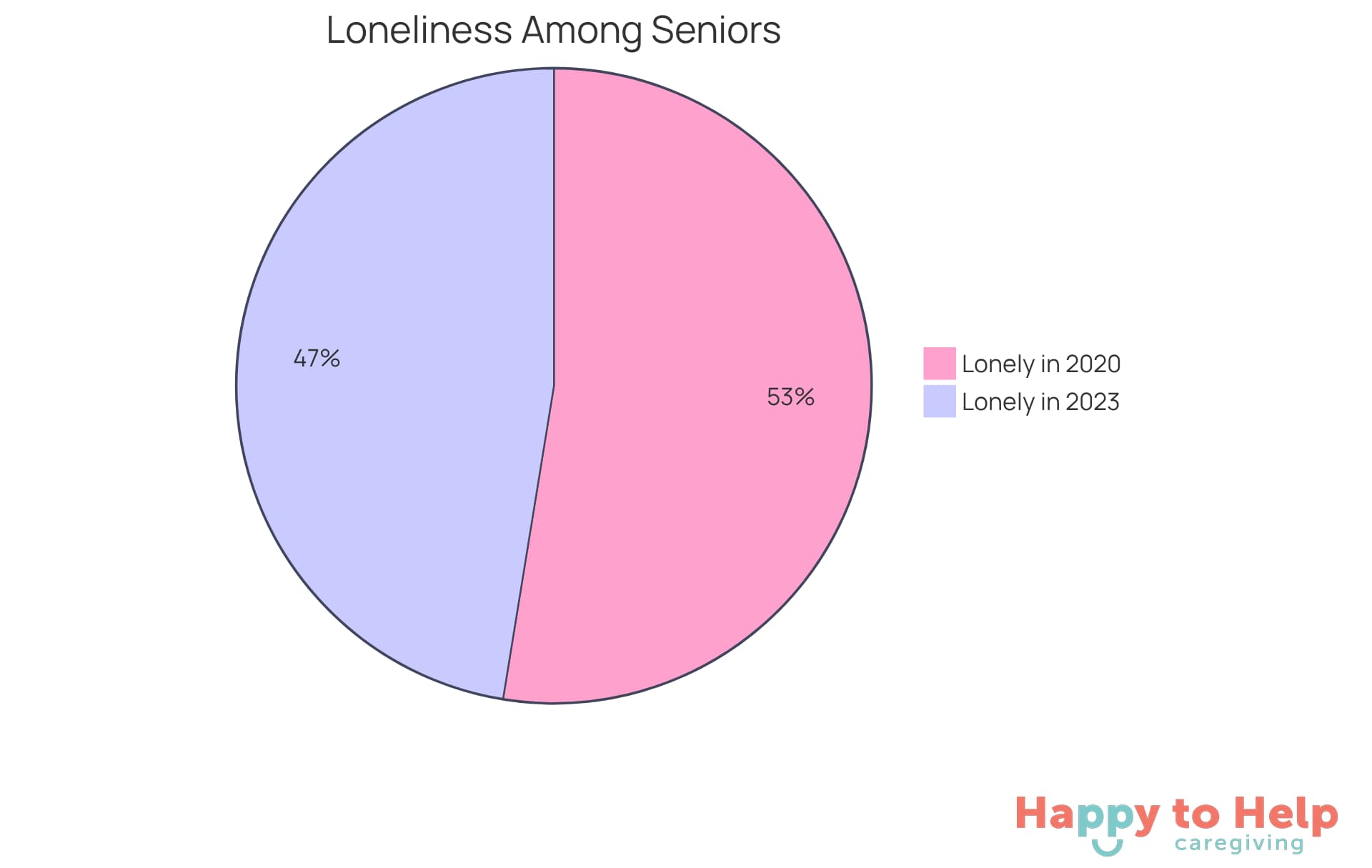
Professional companion services tackle a significant issue: the loneliness and isolation many seniors experience. This emotional distress can lead to serious mental health issues, including depression, cognitive decline, and heart disease. In fact, research shows that in 2023, 37% of older adults reported feeling a lack of companionship, down from 41% in 2020. This statistic highlights the ongoing need for consistent interaction and support.
To combat this issue, engaging professional companion services can help foster connections through meaningful conversations, shared activities, and attentive listening. Such interactions not only enhance the overall well-being of older adults but also help them feel valued and connected. As Sean Diswe, COO for Devoted Care Services, emphasizes, "Our goal isn't just to be present; it's to be a positive, uplifting part of an elderly person's day."
By prioritizing companionship, professional companion services can effectively help caregivers mitigate feelings of loneliness. This approach ensures that older adults thrive in their home environments, ultimately improving their quality of life.
Daily Living Assistance: Supporting Independence in Everyday Tasks
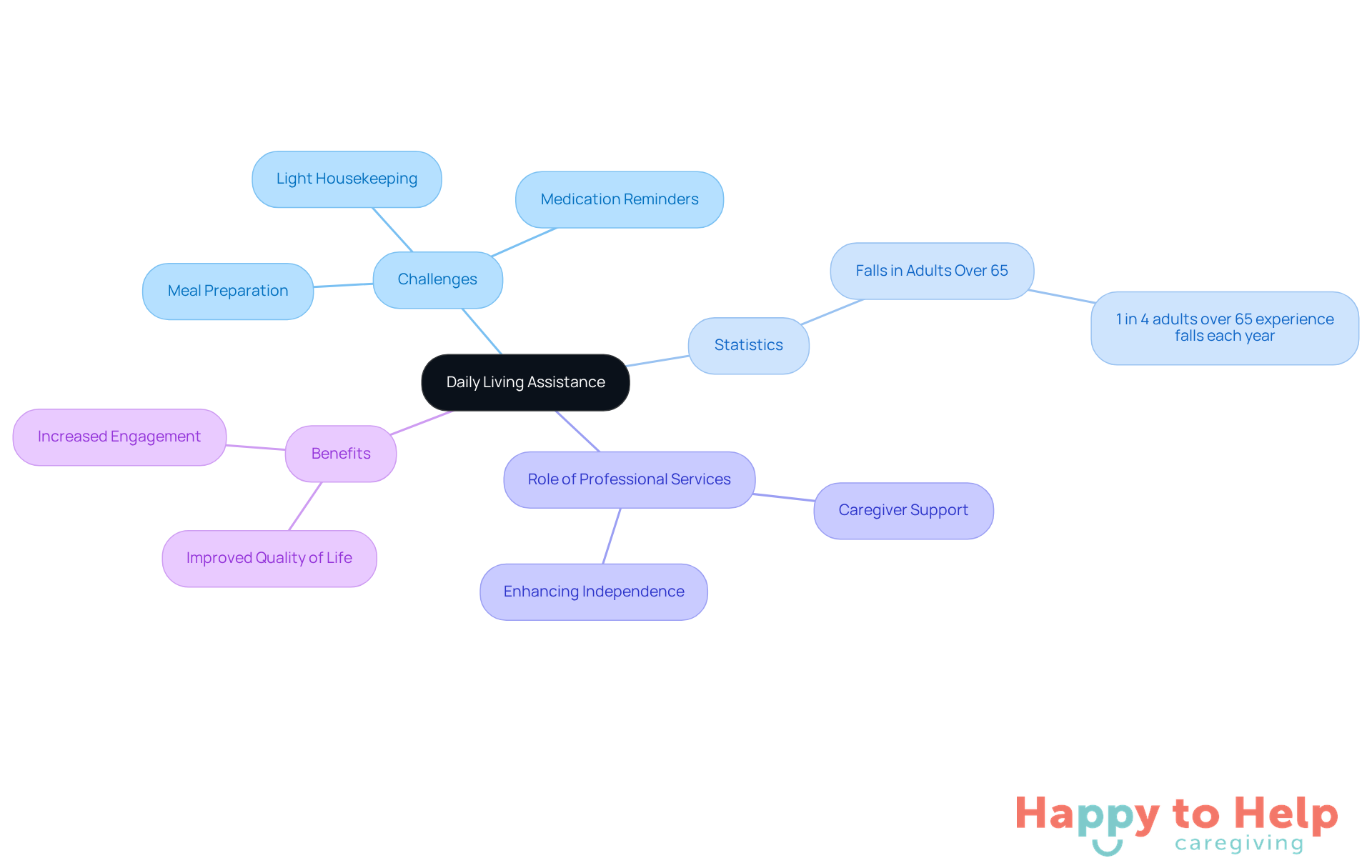
Problem: Many older adults struggle with daily living tasks, such as meal preparation, medication reminders, and light housekeeping. This challenge not only affects their safety but also their overall well-being.
Agitate: Research shows that nearly one in four adults over 65 experiences falls each year. This statistic highlights the critical need for reliable assistance at home to prevent accidents and ensure a secure living environment. Occupational therapists emphasize that regular help with daily tasks significantly boosts older adults' independence, allowing them to engage in meaningful activities and maintain a sense of control over their lives.
Professional companion services can play a vital role in solving these challenges. By alleviating the burden of household duties, caregivers enable older adults to focus on enjoying their daily activities. This support enhances their overall well-being, allowing them to thrive in familiar surroundings while receiving the care they need.
In summary, the influence of daily living assistance extends beyond mere convenience; it is essential for fostering independence and improving quality of life for older adults.
Quality of Life Improvement: Enriching Seniors' Daily Experiences
Professional companion services address a significant problem faced by seniors, which is loneliness and lack of engagement. This issue can lead to detrimental effects on both mental and physical health, making it crucial for caregivers to find effective solutions.
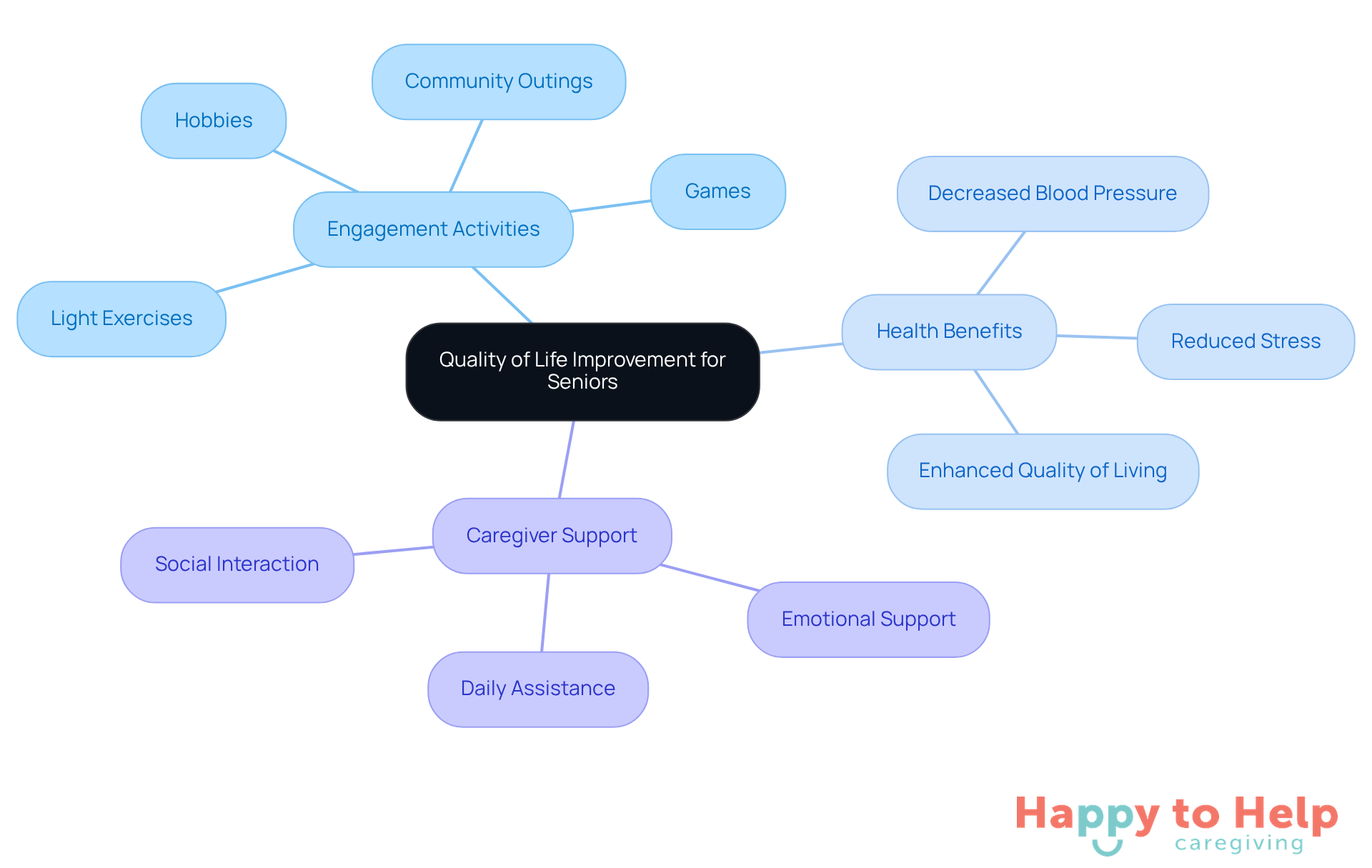
Engaging seniors in enjoyable activities is essential. Caregivers can facilitate hobbies, games, and community outings that stimulate mental and physical well-being. As Rana Botani notes, "A study carried out by Summa Health indicates that regular social interaction can decrease blood pressure, alleviate stress, and enhance quality of living." These activities not only combat boredom but also instill a sense of purpose and joy in daily life.
To promote physical health and cognitive engagement, caregivers can encourage activities like gardening, puzzles, and light exercises. These not only enhance physical well-being but also support mental health. Additionally, professional companion services offer emotional support, helping elderly individuals feel valued and connected.
Ultimately, these enriching activities significantly contribute to the emotional and physical well-being of older adults, allowing them to thrive in their own homes. By implementing these strategies, caregivers can make a meaningful difference in the lives of seniors.
Respite for Family Caregivers: Easing the Burden of Care
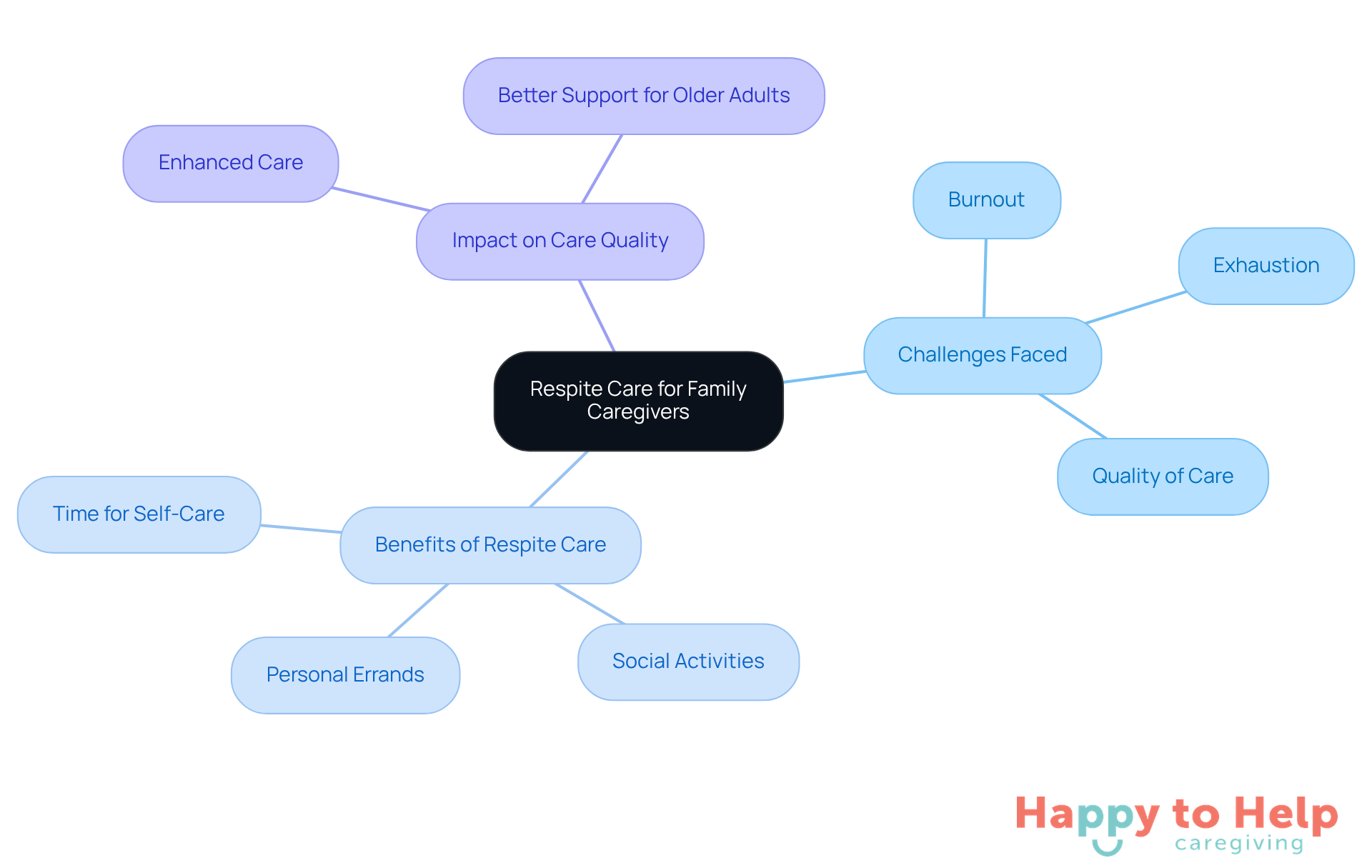
Caregivers often face significant challenges, including the risk of burnout due to their demanding responsibilities. This can lead to physical and emotional exhaustion, ultimately affecting the quality of care provided to older adults.
Respite care services offer a vital solution by giving family supporters a much-needed break from their caregiving duties. By allowing caregivers to take time for themselves - whether for rest, personal errands, or social activities - respite care helps prevent burnout and enhances the overall quality of care.
Incorporating respite care into caregiving routines is essential for maintaining a healthy balance. It not only supports the well-being of caregivers but also ensures that older adults receive the best possible care.
Flexible Scheduling: Tailoring Care to Fit Individual Needs
Caregiving often presents a significant challenge for families, particularly when it comes to scheduling. Many caregivers struggle with rigid timeframes that don't align with their loved ones' needs, leading to stress and frustration. This lack of flexibility can take an emotional toll on both caregivers and those they care for, making it essential to find a solution that accommodates individual circumstances.
One effective approach is to prioritize flexible scheduling options tailored to the unique needs of each client in professional companion services. Happy to Help Caregiving exemplifies this adaptability by providing professional companion services that allow families to choose care times that fit their schedules. This ensures that older adults receive the necessary support they need through professional companion services, enhancing the overall caregiving experience. Families can find peace of mind, knowing their loved ones are cared for in a manner that respects their routines and preferences.
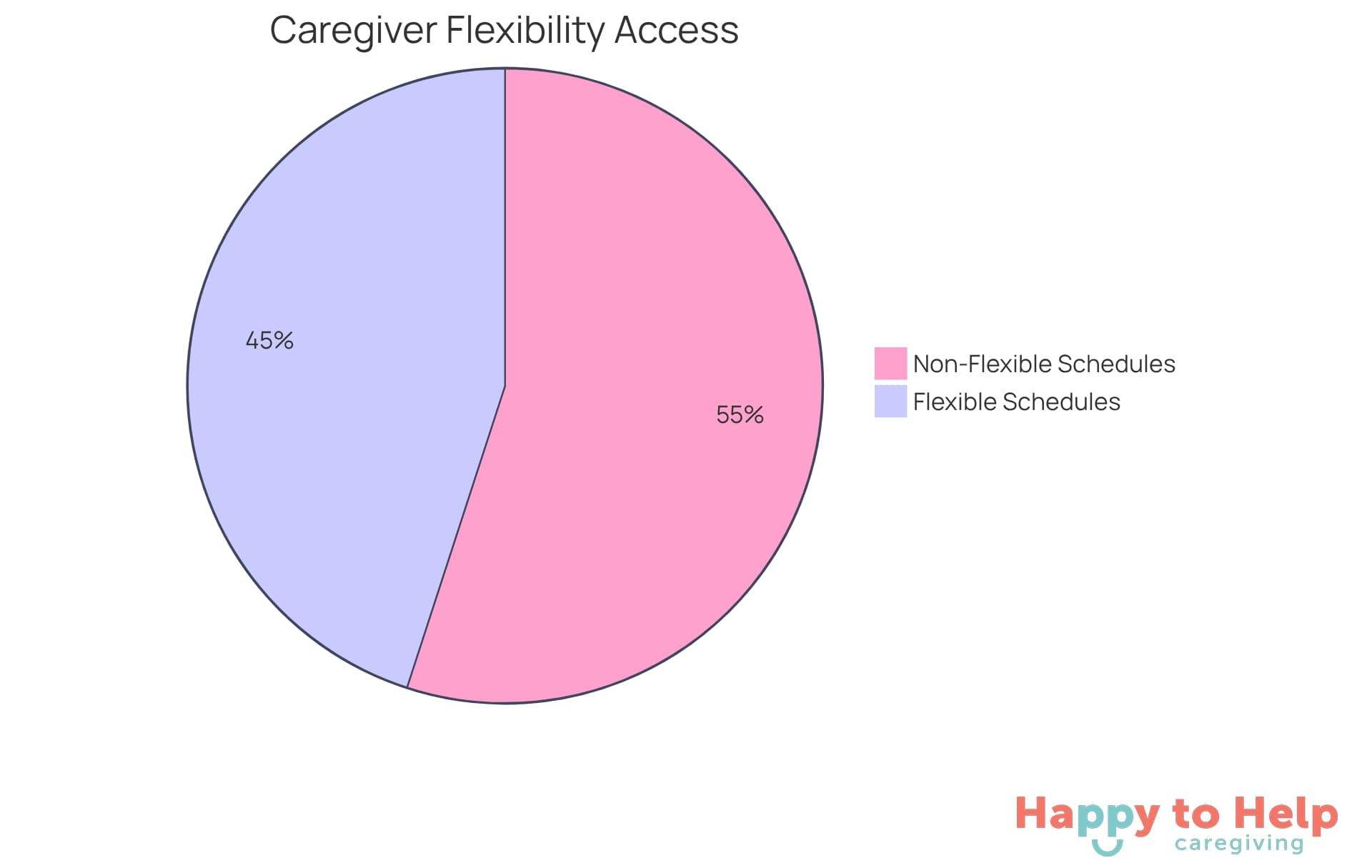
Research shows that 45 percent of employed individuals providing care have access to flexible work schedules, significantly boosting senior satisfaction and emotional well-being. Families report that this customized method not only meets their loved ones' requirements but also improves their overall quality of life. As one family supporter noted, "Having the ability to choose when my loved one receives assistance has made all the difference in our lives." This highlights the critical role of adaptable care in today’s caregiving landscape, helping to alleviate the emotional burden that caregiving can impose.
Safety and Security: Ensuring a Comfortable Home Environment
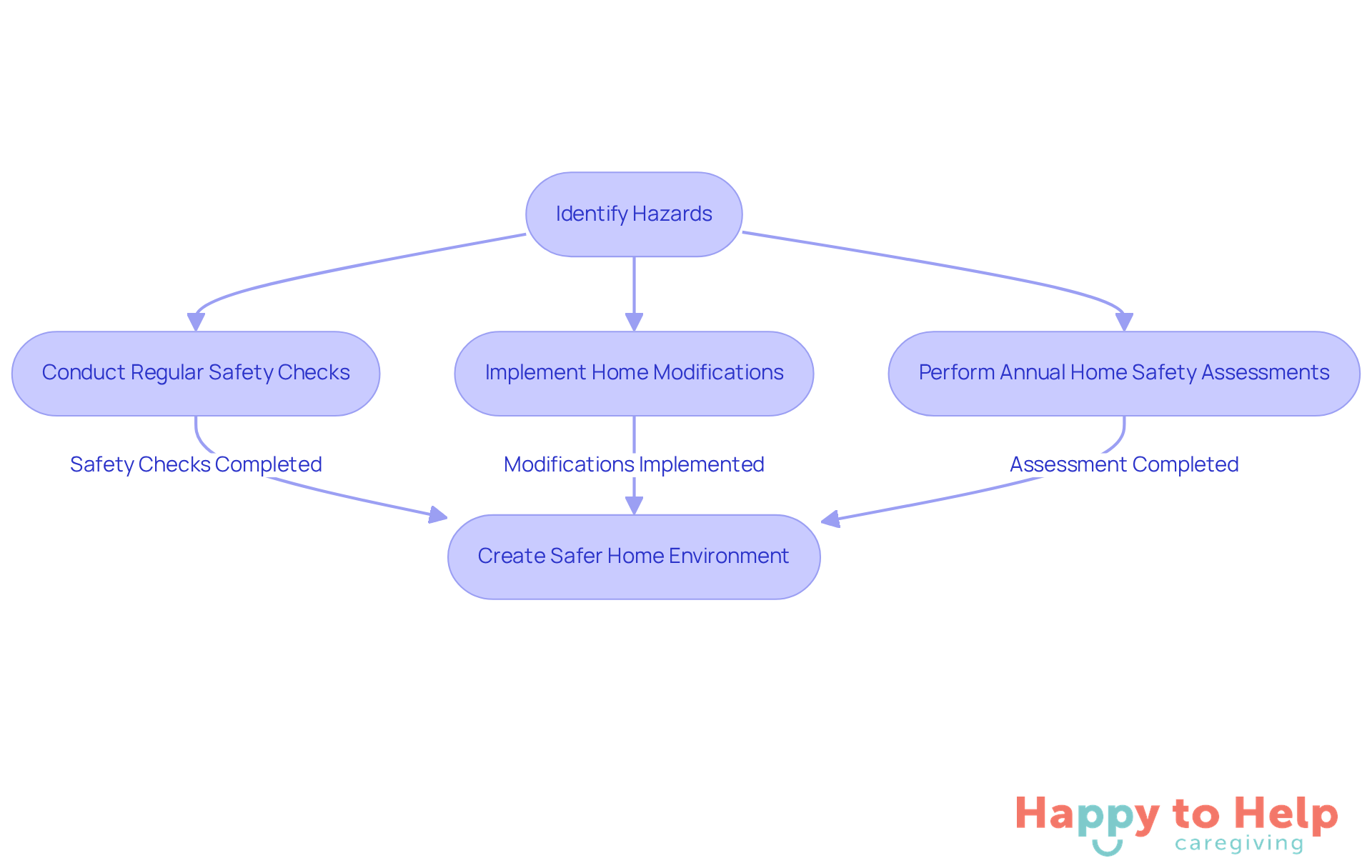
Companion aides play a vital role in safeguarding the welfare of elderly individuals at home. The problem is clear: falls are a significant risk, with over one in four Americans aged 65 and older experiencing a fall each year. Regular safety checks by caregivers can identify potential hazards, such as loose rugs or poor lighting, which contribute to these incidents. By creating a safer living environment, caregivers not only help elderly individuals feel secure but also enhance their overall quality of life.
The implications of falls are serious. Experts emphasize that thoughtful home modifications can significantly reduce these risks. For instance, securing hazardous items and improving lighting can create a safer space for older adults. As safety professionals note, "Falls remain the most significant safety threat to older adults at home, with healthcare costs projected to exceed $101 billion by 2030." Regular safety evaluations are essential, especially for older adults with cognitive impairments. In fact, "100% of ER doctors concur that an annual Home Safety Assessment is important to keep elderly individuals safe at home."
The solution lies in proactive measures. Support worker safety assessments not only address physical hazards but also promote a sense of security and autonomy for elderly individuals. By tackling both environmental risks and providing emotional support, professional companion services play a crucial role in helping older adults maintain their dignity at home. This comprehensive approach not only prevents falls but also encourages a healthier, more fulfilling lifestyle for older adults. Alarmingly, every 11 seconds, an older adult is treated in an emergency room for a fall, underscoring the urgency of implementing effective fall prevention measures.
Social Engagement: Encouraging Activities and Connections
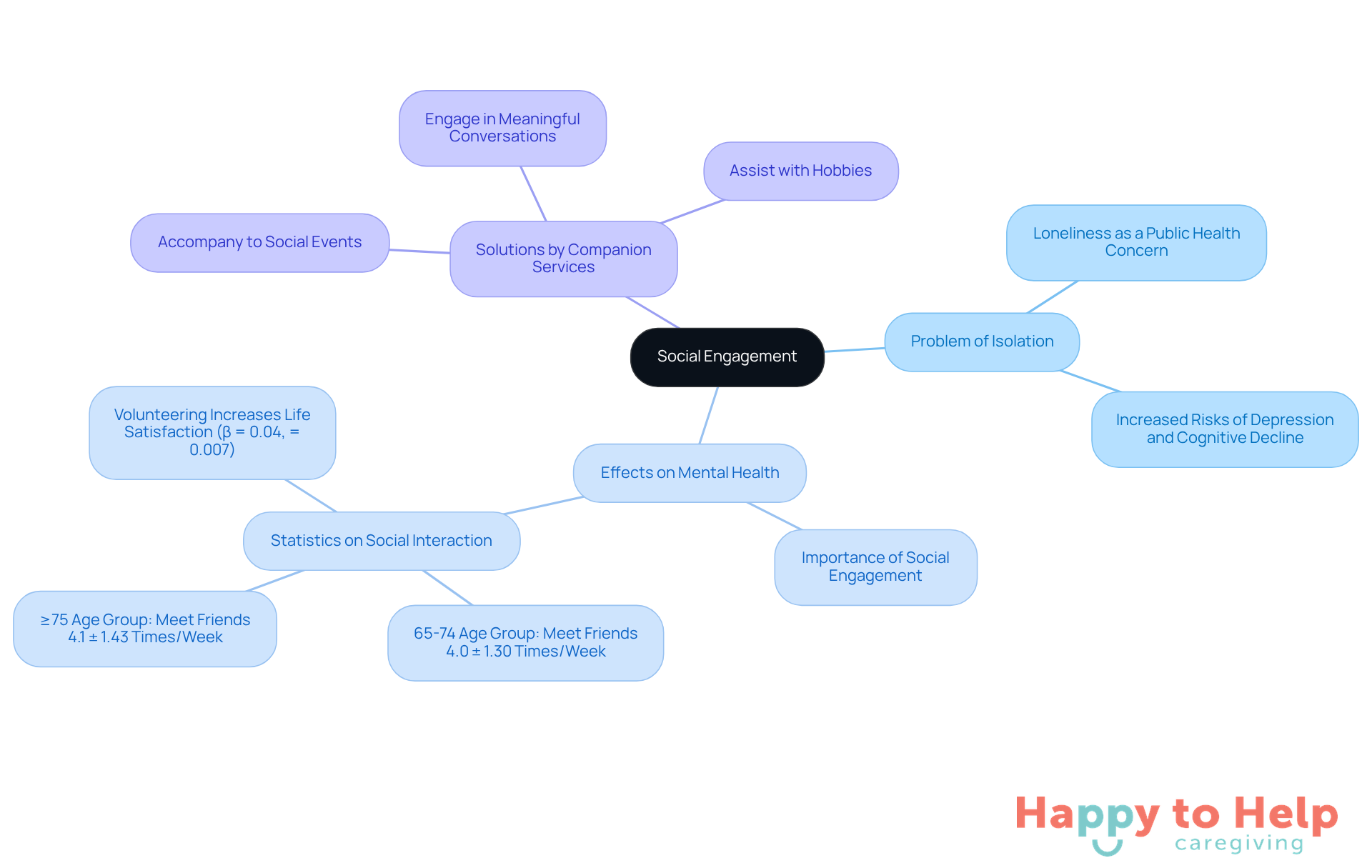
Companion services address a significant problem: social isolation among older adults. This isolation can lead to detrimental effects on mental health, including increased feelings of loneliness, which are linked to higher risks of depression and cognitive decline. Paul Gilbert highlights this concern, stating, "loneliness and social isolation are serious public health concerns that require our focus."
The implications of this issue are profound. Studies indicate that social engagement is crucial for sustaining mental health, particularly in the 65-74 age group. Regular contact with friends and family is associated with better emotional well-being, with individuals in this age group meeting friends approximately 4.0 ± 1.30 times per week. Without social activities, older adults may experience heightened loneliness, further exacerbating their mental health challenges.
So, what can caregivers do? Professional companion services provide practical solutions by facilitating activities that encourage interaction and connection. Caregivers can:
- Accompany older adults to social events
- Assist with hobbies
- Engage in meaningful conversations
Participating in regular social activities, such as attending community events or joining hobby clubs, has been shown to enhance mental health outcomes. By promoting these social connections, companion services not only improve the quality of life for older adults but also help prevent isolation, ensuring they remain active and engaged in their communities.
Expert Care: Trained Professionals Delivering Quality Support
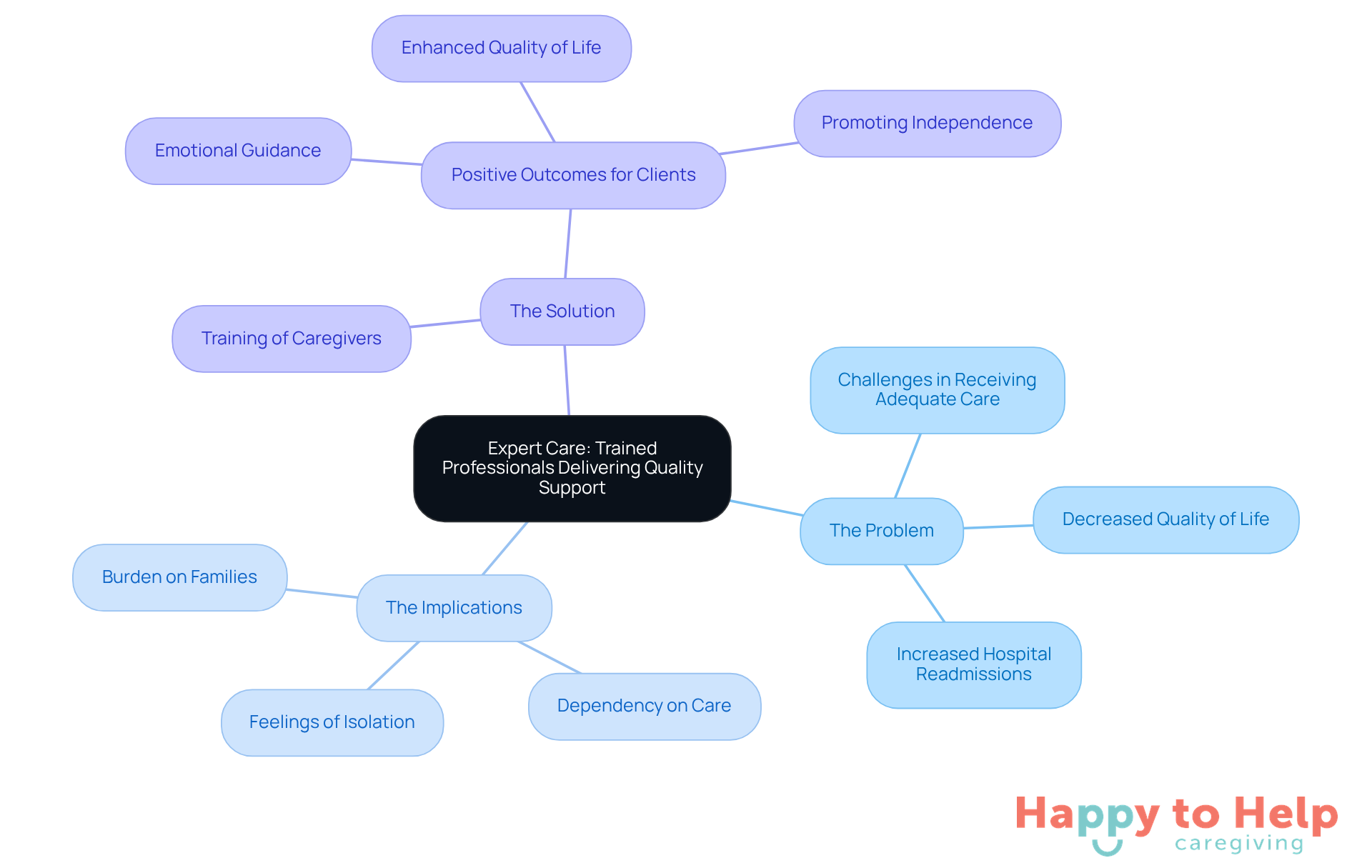
The Problem: Many elderly individuals face significant challenges in receiving adequate care, which can lead to decreased quality of life and increased hospital readmissions.
The Implications: Without skilled caregivers, seniors may struggle with complex health needs, leading to feelings of isolation and dependency. This situation not only affects their well-being but also places a burden on families who worry about their loved ones' care.
The Solution: Happy to Help Caregiving employs trained professionals who offer professional companion services dedicated to providing outstanding assistance to elderly individuals. Caregivers undergo comprehensive training that equips them to navigate the unique challenges associated with senior care. This training is essential, as studies show that well-prepared providers can significantly enhance the quality of life for their clients. Families can feel confident knowing that their loved ones are in the care of skilled professionals who not only offer physical assistance but also emotional guidance, fostering a nurturing environment.
The emphasis on expert care is reflected in the positive outcomes observed in clients. Trained professionals are adept at managing complex health needs and promoting independence. As the need for quality senior care keeps growing, the role of skilled personnel in delivering professional companion services becomes increasingly essential in ensuring that seniors receive the compassionate and capable assistance they deserve.
Peace of Mind: Family Assurance Through Professional Care
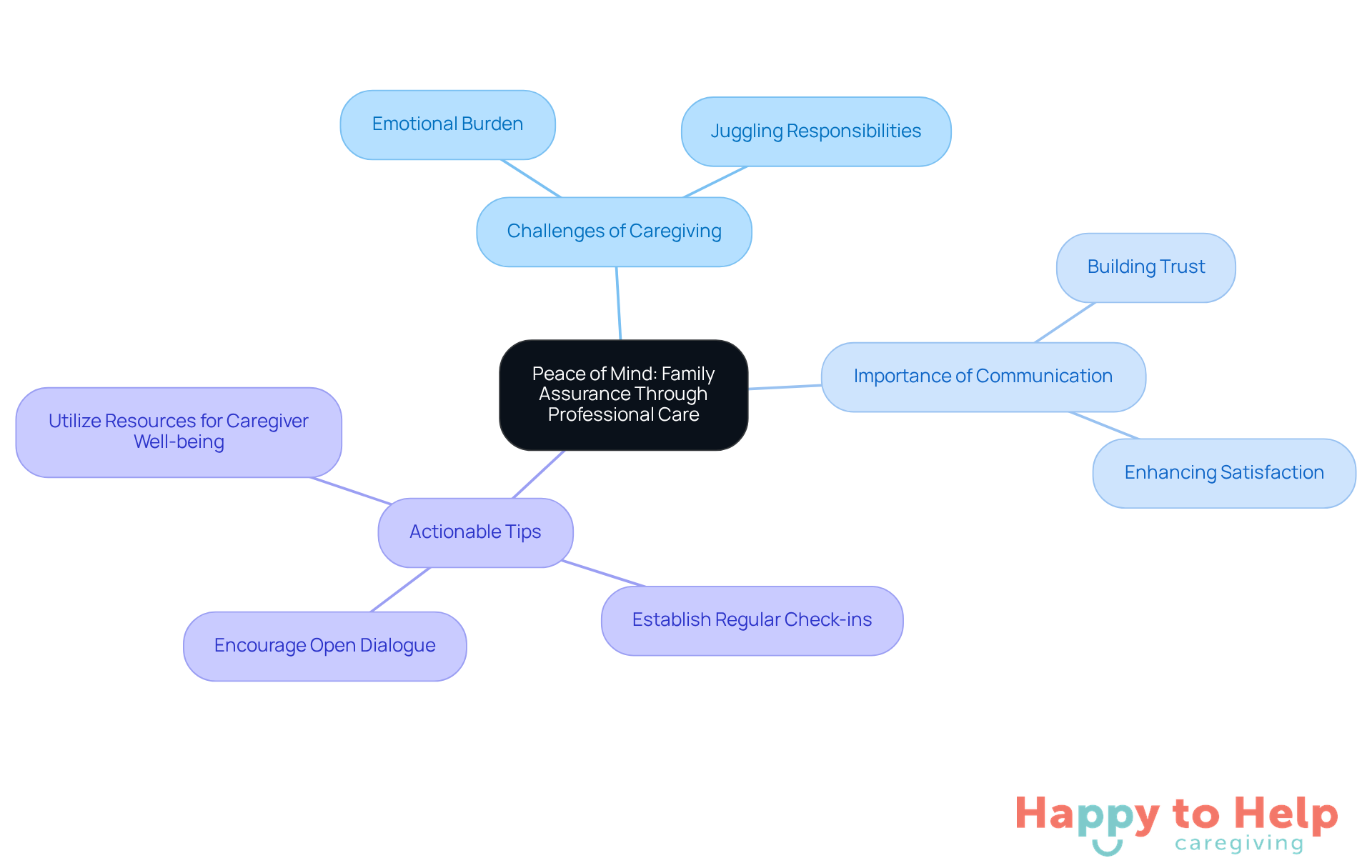
Engaging professional companion services poses a significant challenge for families in their quest for peace of mind. The emotional burden of caregiving can be overwhelming, especially as demands on family caregivers continue to rise in 2025. Many caregivers find themselves juggling work and caregiving responsibilities, which can lead to stress and anxiety.
Research shows that effective communication in caregiving is crucial for building trust and satisfaction among families. Happy to Help Caregiving prioritizes open communication and consistent support, which are essential for alleviating concerns about professional companion services. By fostering a transparent relationship, they not only help families feel secure but also enhance their overall satisfaction with care services.
Knowing that loved ones are in capable hands allows families to focus on their own well-being. This assurance is vital as caregivers navigate complex responsibilities. Happy to Help Caregiving reinforces confidence in the care provided, ultimately improving the quality of life for everyone involved.
To support caregivers, consider these actionable tips:
- Establish regular check-ins with care providers.
- Encourage open dialogue about care needs and preferences.
- Utilize resources that promote caregiver well-being.
By implementing these strategies, families can better manage the challenges of caregiving and ensure their loved ones receive the compassionate care they deserve.
Moving Forward with Professional Companion Services
The challenges faced by family caregivers are significant, often leading to feelings of isolation and stress. Seniors may struggle with loneliness, which can adversely affect their emotional and physical health. This situation not only impacts the elderly but also weighs heavily on their families, who may feel overwhelmed by the demands of caregiving.
Professional companion services offer a practical solution to these challenges. By providing tailored companionship, these services help combat loneliness and enhance the overall well-being of seniors. They allow elderly individuals to maintain their independence and dignity while receiving the necessary support for a fulfilling life. Engaging in social activities, ensuring safety at home, and fostering open communication are essential components of effective caregiving that these services address.
Moreover, respite care is a vital resource for family caregivers, enabling them to recharge and continue providing quality support. This service alleviates the burden on caregivers, allowing them to focus on their own well-being while ensuring their loved ones receive the care they need.
Ultimately, the significance of professional companion services extends beyond mere assistance; they enrich the lives of seniors and provide peace of mind for families. By recognizing the importance of companionship and tailored care, families can navigate the complexities of caregiving more effectively. Embracing these services not only enhances the well-being of elderly loved ones but also fosters a supportive environment that benefits everyone involved.
https://iframe.tely.ai/cta/eyJhcnRpY2xlX2lkIjogIjY5MjI0ZjgwNGZjYWRhOTUwOGRlNDQyMyIsICJjb21wYW55X2lkIjogIjY4ZWU1ZGNhNzMxNzYyNTU3ZjNjOTVjMSIsICJpbmRleCI6IG51bGwsICJ0eXBlIjogImFydGljbGUifQ==Frequently Asked Questions
What is the main issue faced by many older adults regarding companionship?
Many older adults experience a lack of consistent companionship, with studies indicating that 30% report feeling lonely, which can negatively impact their emotional and physical health.
How does loneliness affect the health of seniors?
Loneliness can lead to isolation and depression, resulting in serious mental health issues such as cognitive decline and heart disease.
What percentage of older adults reported feeling a lack of companionship in 2023?
In 2023, 37% of older adults reported feeling a lack of companionship, down from 41% in 2020.
What solutions can caregivers implement to combat loneliness in seniors?
Caregivers can schedule regular visits or activities that encourage social interaction and engagement, creating a nurturing environment that promotes independence and emotional well-being.
How do professional companion services help alleviate loneliness for seniors?
Professional companion services foster connections through meaningful conversations, shared activities, and attentive listening, enhancing the overall well-being of older adults and helping them feel valued and connected.
What daily living tasks do older adults often struggle with?
Older adults commonly struggle with tasks such as meal preparation, medication reminders, and light housekeeping.
Why is assistance with daily living tasks important for older adults?
Reliable assistance helps prevent accidents, as nearly one in four adults over 65 experiences falls each year, and it significantly boosts their independence, allowing them to engage in meaningful activities.
How do professional companion services support older adults in their daily living?
Professional companion services alleviate the burden of household duties, enabling older adults to focus on enjoying their daily activities and enhancing their overall well-being.
List of Sources
- Happy to Help Caregiving: Personalized Companionship for Seniors
- Some Important Statistics and In-Home Companion Care (https://americareinfo.com/beach-cities/articles/in-home-companion-care-some-important-facts-on-aging-to-consider)
- 10 Benefits of Companionship Carers for Seniors' Well-Being - Happy To Help (https://happytohelpcaregiving.com/10-benefits-of-companionship-carers-for-seniors-well-being)
- The Incredible Benefits of Home Care, in 7 Amazing Stats - Companions For Seniors (https://companionsforseniors.com/2019/08/benefits-home-care-amazing-stats-trends-reports)
- 2025 Home Care Statistics: Trends & Insights To Know (https://premierhcinc.com/blog/home-care-statistics)
- Blog - Happy To Help (https://happytohelpcaregiving.com/blog)
- Emotional Support: Alleviating Loneliness Through Companionship
- SoCal Seniors Get New 'Joy Calls' Service Free: An AI Companion That Combats Loneliness and Isolation Over the Phone (https://prnewswire.com/news-releases/socal-seniors-get-new-joy-calls-service-free-an-ai-companion-that-combats-loneliness-and-isolation-over-the-phone-302528658.html)
- Trends in Loneliness Among Older Adults from 2018-2023 (https://ihpi.umich.edu/national-poll-healthy-aging/reports-and-resources/trends-loneliness-among-older-adults-2018-2023)
- How Companion Drivers Help Fight Senior Loneliness and Isolation | NorthPennNow (https://northpennnow.com/news/2025/nov/14/how-companion-drivers-help-fight-senior-loneliness-and-isolation)
- The Role of Companionship in Senior Well-Being (https://anodyne-services.com/2025/01/07/the-role-of-companionship-in-senior-well-being)
- Devoted Care Services Continues Prioritizing Senior Emotional Well-Being with Companion Care in Camarillo, CA (https://theglobeandmail.com/investing/markets/markets-news/GetNews/36085080/devoted-care-services-continues-prioritizing-senior-emotional-wellbeing-with-companion-care-in-camarillo-ca)
- Daily Living Assistance: Supporting Independence in Everyday Tasks
- 2025 Home Care Statistics: Trends & Insights To Know (https://premierhcinc.com/blog/home-care-statistics)
- 28 Senior Care Statistics: In-Home & Assisted Living | Shortlister (https://myshortlister.com/insights/senior-care-statistics)
- Press Release - Newsroom | California Department of Aging - State of California (https://aging.ca.gov/Newsroom/Press\_Release/January3025)
- Families caring for older adults at home say aging in place should not be taken lightly, but may be worth it (https://cbsnews.com/newyork/news/aging-in-place-home-remodeling-cost-of-caregiving)
- Innovative New Technology Helps Seniors Age in Place (https://ucdavis.edu/health/news/innovative-new-technology-helps-seniors-age-place)
- Quality of Life Improvement: Enriching Seniors' Daily Experiences
- Why Home Care Providers Are Increasingly Offering Companion Care Services for Seniors | Aaniie, formerly Smartcare Software (https://aaniie.com/news/why-home-care-providers-are-increasingly-offering-companion-care-services-for-seniors)
- How Companion Care Enhances Quality of Life for Seniors (https://seniorsbluebook.com/articles/how-companion-care-enhances-quality-of-life-for-seniors)
- The Incredible Benefits of Home Care, in 7 Amazing Stats - Companions For Seniors (https://companionsforseniors.com/2019/08/benefits-home-care-amazing-stats-trends-reports)
- The Value of Companion Care for Seniors- Home Care Powered By AUAF (https://homecare-aid.com/the-value-of-companion-care-for-seniors)
- How companion care improves senior quality of life and socialization (https://humancareny.com/blog/how-companion-care-improves-senior-quality-of-life-and-socialization)
- Respite for Family Caregivers: Easing the Burden of Care
- The Caregiving Landscape: Data & Insights on the Caregiver Experience in the U.S. (https://caregiveraction.org/caregiver-statistics)
- It’s Time to Care for Caregivers: Senator Markey Announces Comprehensive Family Caregiving Legislative Agenda | U.S. Senator Ed Markey of Massachusetts (https://markey.senate.gov/news/press-releases/11/20/2025/its-time-to-care-for-caregivers-senator-markey-announces-comprehensive-family-caregiving-legislative-agenda)
- News & Updates | ARCH National Respite Network & Resource Center (https://archrespite.org/news)
- A bill in Congress would return $5,000 to millions of family caregivers every year, but will it pass? (https://cbsnews.com/newyork/news/credit-for-caring-act-family-caregiver-tax-credit)
- Congressman Nick Langworthy Introduces Bill to Support the Wellbeing of Family Caregivers (https://langworthy.house.gov/media/press-releases/congressman-nick-langworthy-introduces-bill-support-wellbeing-family)
- Flexible Scheduling: Tailoring Care to Fit Individual Needs
- Industry leaders: Offering work flexibility is the secret to attracting, retaining home care talent (https://mcknightshomecare.com/news/industry-leaders-offering-work-flexibility-is-the-secret-to-attracting-retaining-home-care-talent)
- Caregiving While Working Calls for Workplace Flexibility (https://aarp.org/pri/topics/work-finances-retirement/employers-workforce/employer-caregiving-survey)
- 9 Ways to Find Caregivers With Flexible Scheduling Options - MedCity News (https://medcitynews.com/2025/05/9-ways-to-find-caregivers-with-flexible-scheduling-options)
- Flexible Care Models Give Home Care Clients ‘What They Want When They Want It’ (https://homehealthcarenews.com/2025/10/flexible-care-models-give-home-care-clients-what-they-want-when-they-want-it)
- The Importance of Flexible Care Options in Retirement Living (https://thehighpointresidence.com/blog/the-importance-of-flexible-care-options-in-retirement-living)
- Safety and Security: Ensuring a Comfortable Home Environment
- Home Safety for Seniors: Statistics & Proven Safety Solutions (https://agesafeamerica.com/home-safety-hub/articles/home-safety-seniors-statistics-solutions)
- Home Safety Month, Garbage Cans, and Aging in Place (https://lifework.arizona.edu/news/2025/home-safety-month-garbage-cans-and-aging-place)
- Smart Surveillance Boosts Safety, Connection for Seniors Aging at Home (https://ltcnews.com/articles/smart-surveillance-boosts-safety-seniors-aging-at-home)
- As falling deaths rise for older adults, how home safety can make a difference (https://denver7.com/news/local-news/as-falling-deaths-rise-for-older-adults-how-home-safety-can-make-a-difference)
- Senior care service help to keep seniors safe and independent (https://cbsnews.com/chicago/video/senior-care-service-help-to-keep-seniors-safe-and-independent)
- Social Engagement: Encouraging Activities and Connections
- How Companion Drivers Help Fight Senior Loneliness and Isolation | NorthPennNow (https://northpennnow.com/news/2025/nov/14/how-companion-drivers-help-fight-senior-loneliness-and-isolation)
- Social Engagement and Companionship In Senior Living: Combating Isolation - WorldHealth.net (https://worldhealth.net/news/social-engagement-and-companionship-senior-living-combating-isolation)
- Social Interaction and Life Satisfaction among Older Adults by Age Group - PMC (https://pmc.ncbi.nlm.nih.gov/articles/PMC10671417)
- Companion Care at Home Reduces Loneliness for Seniors During the Holidays (https://lifesathomecare.com/companion-care-at-home-reduces-loneliness-for-seniors-during-the-holidays)
- The Impact of Group Activities on Senior Well-Being (https://rosewood-nursing.com/post/the-impact-of-group-activities-on-senior-well-being)
- Expert Care: Trained Professionals Delivering Quality Support
- Family Caregiver Support, Education Needs Growing (https://hospicenews.com/2025/11/11/family-caregiver-support-education-needs-growing)
- Home-Based Care Companies Improve Outcomes By Training Family Caregivers (https://homehealthcarenews.com/2025/10/home-based-care-companies-improve-outcomes-by-training-family-caregivers)
- The senior population is booming. Caregiving is struggling to keep up (https://cnbc.com/2025/11/21/senior-caregiving-labor.html)
- CCA Announces Free Online Caregiver Training Program for IHSS Workers (https://advancecaregivers.org/cca-announces-free-online-caregiver-training-program-for-ihss-workers)
- Caregiver Statistics: Demographics (https://caregiver.org/resource/caregiver-statistics-demographics)
- Peace of Mind: Family Assurance Through Professional Care
- Support for Family Caregivers Brings Peace of Mind (https://hiredhandshomecare.com/support-for-family-caregivers-brings-peace-of-mind)
- The Caregiving Landscape: Data & Insights on the Caregiver Experience in the U.S. (https://caregiveraction.org/caregiver-statistics)
- New Report Reveals U.S. Family Caregivers Perform Equivalent of a Staggering $873.5 Billion Worth of Labor, Would Surpass Revenue of Top Global Companies | Otsuka US (https://otsuka-us.com/news/new-report-reveals-us-family-caregivers-perform-equivalent-staggering-8735-billion-worth-labor)
- Caregiving Statistics US 2025: Insights for Family Caregivers (https://zencaregiving.org/caregiving-statistics-us-2025)
- Peace of Mind at Home: How In-Home Care Supports Visiting Seniors and Post-Surgery Recovery (https://alexandrialivingmagazine.com/home-and-garden/peace-of-mind-at-home-how-in-home-care-supports-visiting-sen)