
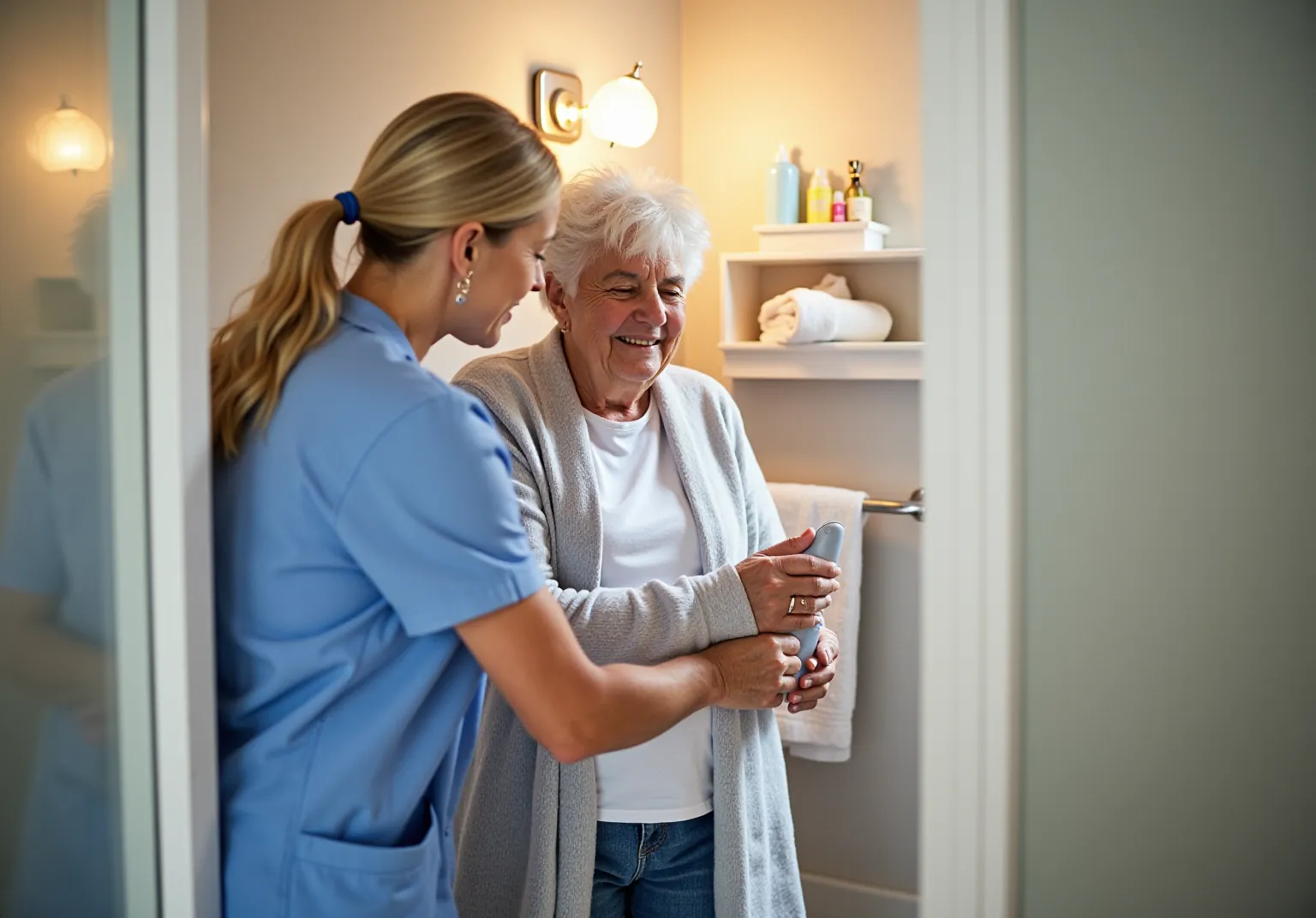
For families in our service areas
For families in our service areas, this guide explains caregiver support and how non-medical in-home caregiving can support care planning in East Idaho, Treasure Valley & Magic Valley, Northern Wasatch, North Central West Virginia, and Northeast Ohio.
What You Need to Know About Activities of Daily Living
Understanding the complexities of daily living activities is vital for family caregivers who aim to improve the quality of life for their loved ones. Many caregivers face the emotional weight of ensuring their family members receive the support they need. With nearly half of home care recipients requiring help with at least one daily task, the significance of personalized assistance is profound.
This article explores ten essential activities of daily living, offering caregivers valuable insights into how to effectively support their clients. It’s not just about the tasks; it’s about preserving dignity and promoting independence. Caregivers often wonder: how can they navigate these challenges to ensure their loved ones thrive in the comfort of their own homes?
By understanding these activities, caregivers can foster a nurturing environment that enhances well-being. Remember, you’re not alone in this journey. Together, we can find ways to make daily living more manageable and fulfilling.
Happy to Help Caregiving: Personalized Support for Daily Living Activities
At Happy to Help Caregiving, we understand the emotional challenges faced by individuals needing assistance with activities of daily living. Our support providers are not just trained; they are compassionate caregivers who recognize and respond to the unique needs of each person. Whether it’s companionship, personal assistance, or mobility aid, we deliver our services with the utmost dignity and care. This personalized approach not only fosters independence but also significantly enhances the well-being of our clients, allowing them to thrive in the comfort of their own homes.
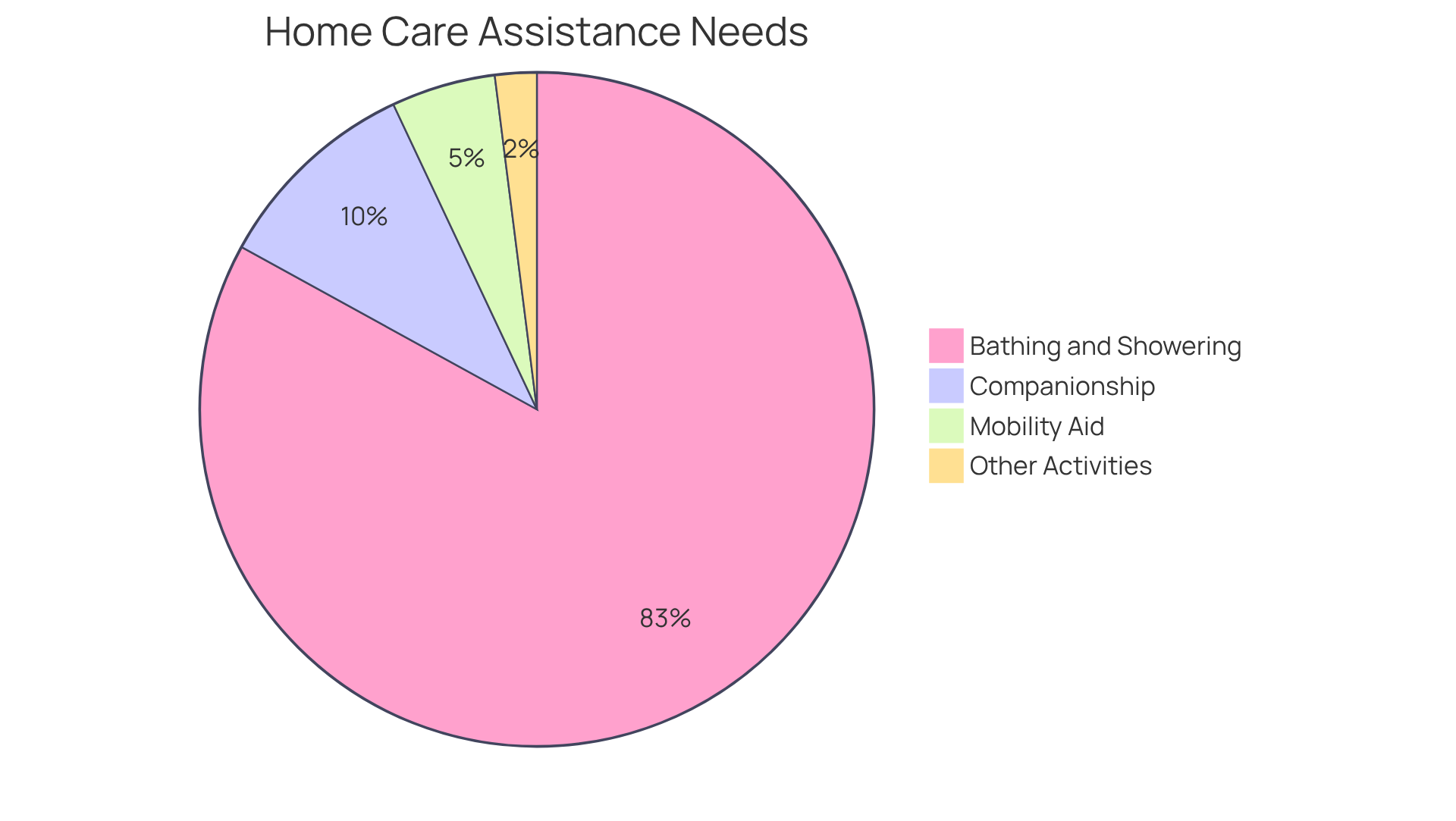
Recent trends reveal that nearly 44% of home care recipients require help with at least one daily activity, with 83% needing assistance specifically with bathing and showering. These statistics highlight the vital role of personalized caregiving in preserving the dignity and quality of life for seniors. Moreover, one in four individuals over the age of 65 experiences a fall each year, emphasizing the importance of in-home support in preventing accidents and ensuring safety.
Experts agree that personalized care is essential for activities of daily living, as it fosters a sense of security and belonging. By focusing on the personal preferences and habits of our clients, we create a warm atmosphere that meets not only their physical needs but also their emotional wellness. This holistic approach is crucial, especially since one in three adults aged 50-80 report feeling isolated at least some of the time. Additionally, nearly 70% of family caregivers find it challenging to balance their careers with caregiving responsibilities, highlighting the pressing need for extra in-home support.
Ultimately, our commitment to personalized caregiving goes beyond just assisting with activities of daily living. We strive to create a supportive environment where older adults can maintain their independence and enjoy a higher quality of life. Together, we can make a difference, ensuring that every individual feels valued and cared for.
Bathing and Showering: Essential Hygiene Practices for Caregivers
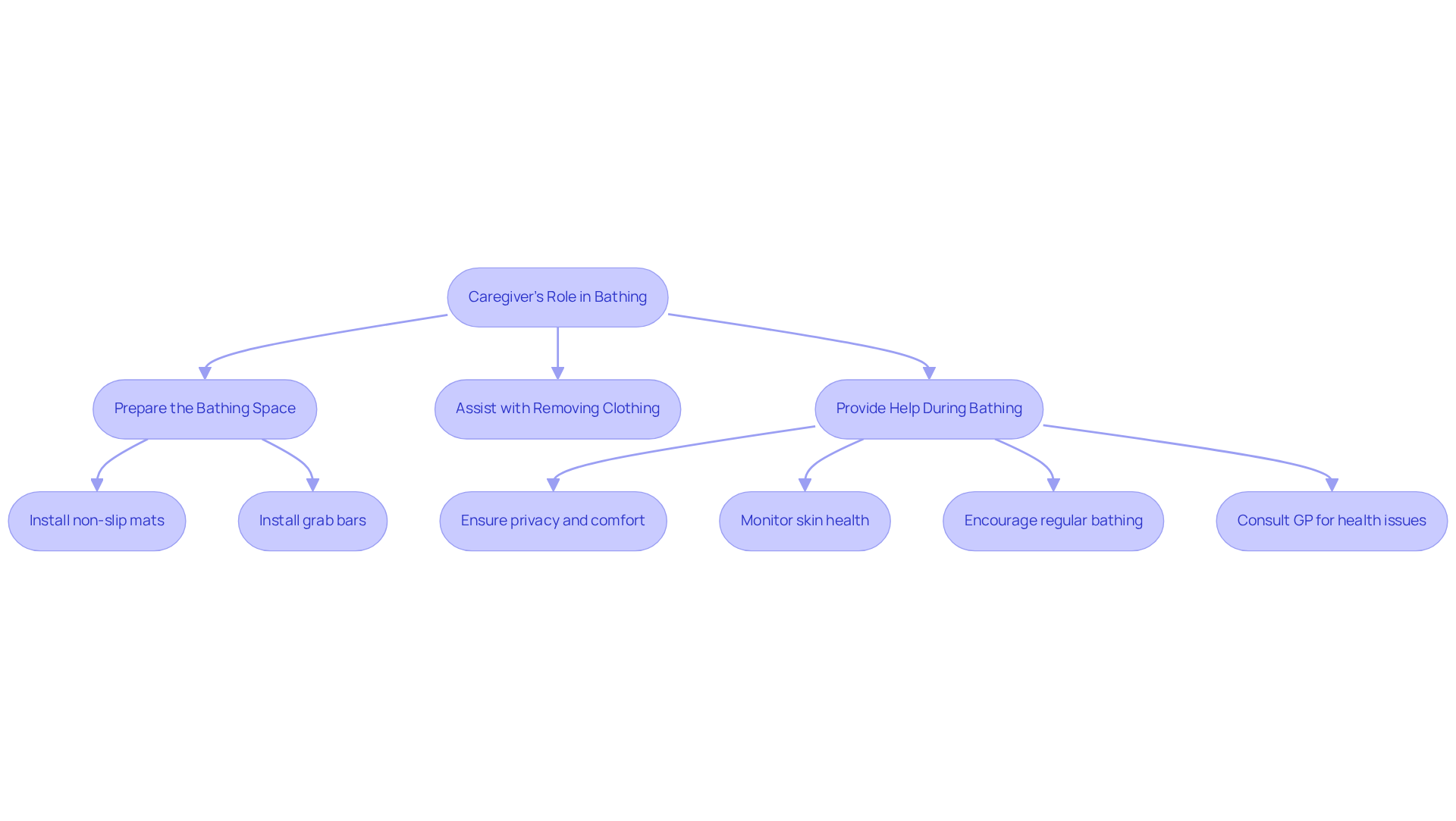
Bathing and showering are essential for maintaining hygiene and preventing skin issues among seniors. Regular bathing, ideally 1-2 times per week, helps remove dirt, bacteria, and harmful microorganisms. This is especially important for those with fragile skin, as aging increases the risk of infections. Caregivers play a vital role in creating a safe bathing environment. Installing non-slip mats and grab bars can significantly reduce the risk of falls, which are a leading cause of injury in older adults.
To support individuals effectively, caregivers should:
- Prepare the bathing space
- Assist with removing clothing
- Provide help during the bathing process
This not only ensures safety but also fosters a sense of dignity and independence. It's crucial to respect the client's privacy and preferences, allowing them to maintain control over their personal care routines. By creating a warm and welcoming atmosphere, caregivers can encourage elderly individuals to engage in regular bathing, which is linked to improved mood and overall wellness. Organizing social events or outings can also motivate seniors to uphold their bathing routines.
Implementing thoughtful strategies, like establishing a consistent bathing schedule and offering gentle encouragement, can help ease any resistance older adults may feel towards bathing. Caregivers should keep an eye on skin health during these routines, as they can spot any changes that might need medical attention. Consulting a GP for underlying health issues affecting personal care can also be beneficial. Ultimately, prioritizing hygiene through compassionate caregiving enhances the quality of life for seniors by supporting their activities of daily living, ensuring they feel clean, comfortable, and cared for.
Dressing: Supporting Independence and Dignity in Daily Care
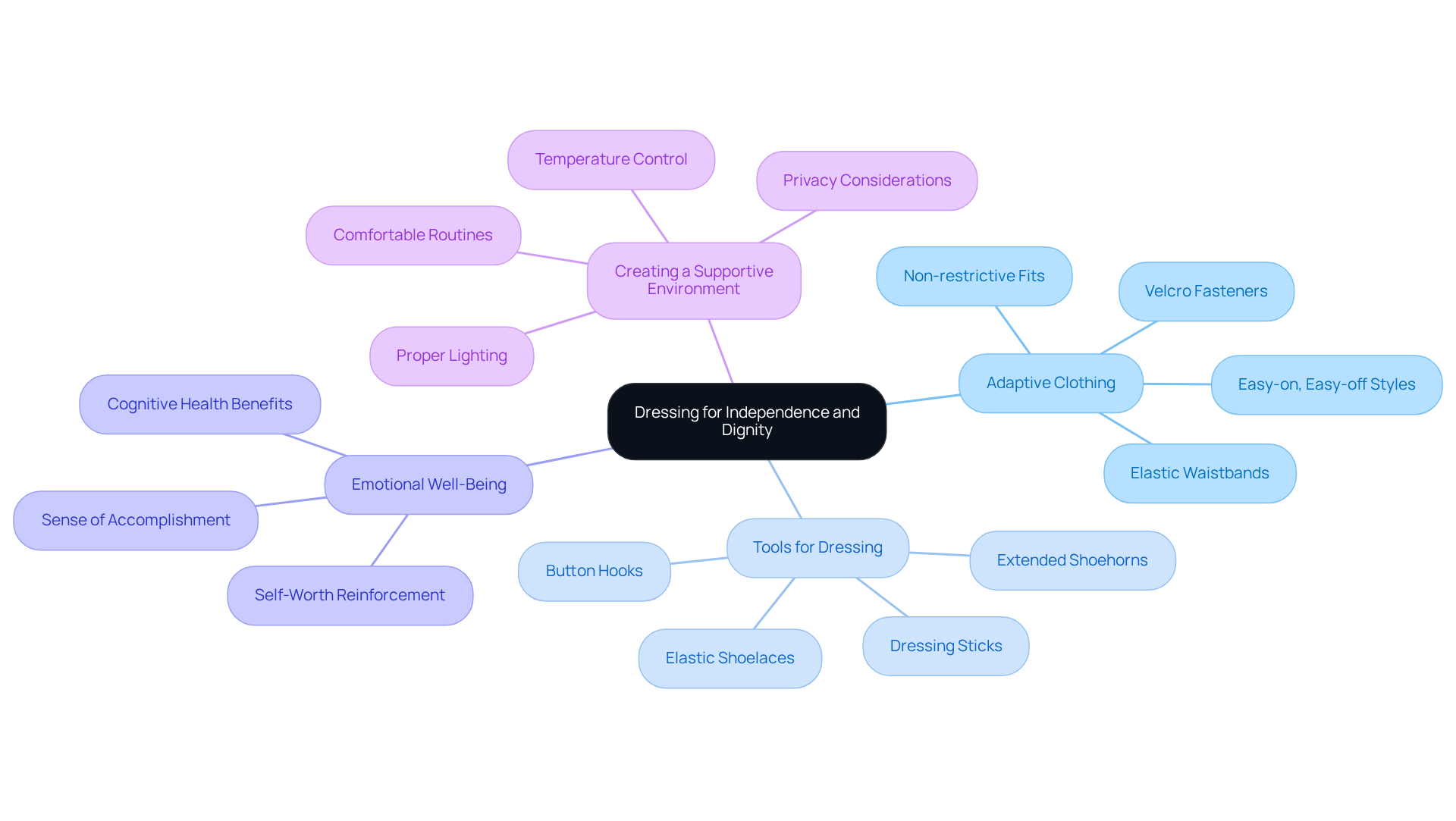
Helping individuals with dressing goes beyond just putting on clothes; it’s about preserving dignity and fostering independence. Imagine the relief that comes with adaptive clothing designed for ease of use - garments featuring Velcro fasteners and elastic waistbands can truly transform the dressing experience.
Tools like dressing sticks, elastic shoelaces, and extended shoehorns make the process even simpler, ensuring accessibility for those with limited mobility or dexterity. Encouraging individuals to engage in dressing as much as they can not only nurtures a sense of accomplishment but also reinforces their self-worth, which is vital for emotional well-being.
Research shows that seniors who actively participate in activities of daily living, including dressing, enjoy better cognitive health and greater life satisfaction. By prioritizing dignity and independence in dressing routines, caregivers can profoundly impact the activities of daily living and the overall quality of life for those they assist.
Creating a warm and inviting dressing environment can also help prevent discomfort during clothing changes, further enhancing the overall experience. Remember, every small step taken in this journey is a step towards greater independence and joy.
Eating and Drinking: Ensuring Proper Nutrition and Hydration
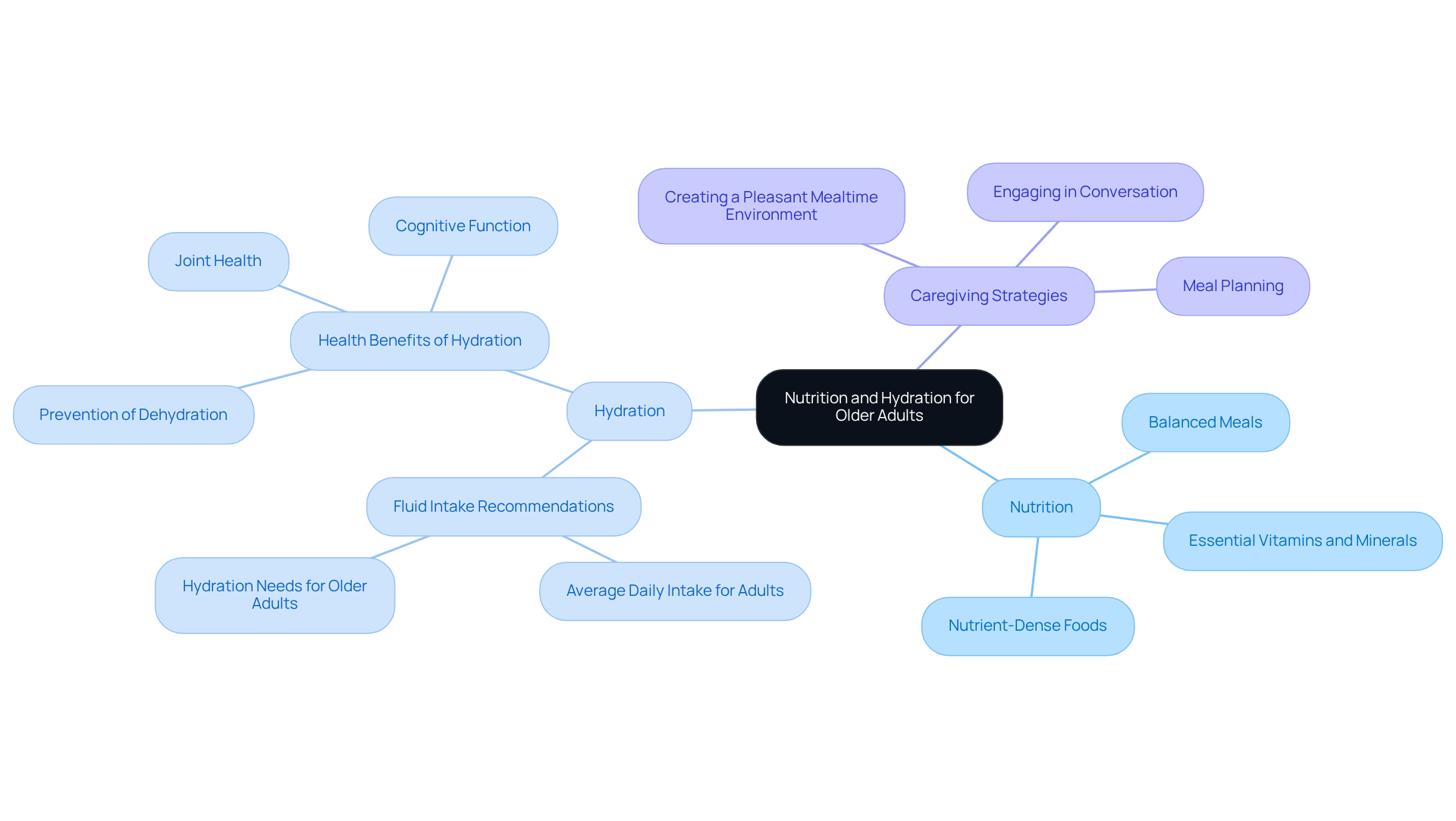
Caregivers truly make a difference in the lives of their clients, especially when it comes to activities of daily living like meal planning and preparation. They ensure that clients receive balanced nutrition tailored to their unique dietary needs. Meals should be rich in essential vitamins and minerals, which are so important for maintaining health in older adults. Equally vital is encouraging adequate fluid intake; dehydration can lead to serious health complications, including cognitive decline and an increased risk of falls. Research shows that many older adults struggle with staying hydrated, making it crucial for caregivers to monitor fluid intake throughout the day. For example, US adults are recommended to drink an average of 44 ounces of plain water daily, while children and adolescents average 23 ounces.
Creating a pleasant mealtime environment can significantly enhance the dining experience, turning it into a social and enjoyable occasion. Simple strategies, like:
- arranging the table attractively
- engaging guests in conversation
- including their favorite foods
can foster a sense of community and well-being. Moreover, thoughtful meal planning can profoundly impact elderly health, allowing for the inclusion of nutrient-dense foods that support overall wellness. Dietitians emphasize that this kind of planning not only meets nutritional needs but also enhances activities of daily living, promoting a sense of autonomy and satisfaction in seniors, making it a key aspect of effective caregiving. Additionally, staying hydrated helps reduce joint pain, as cartilage in joints is made up of about 80% water, underscoring the physical benefits of proper hydration.
Continence Management: Addressing Personal Care Needs with Sensitivity
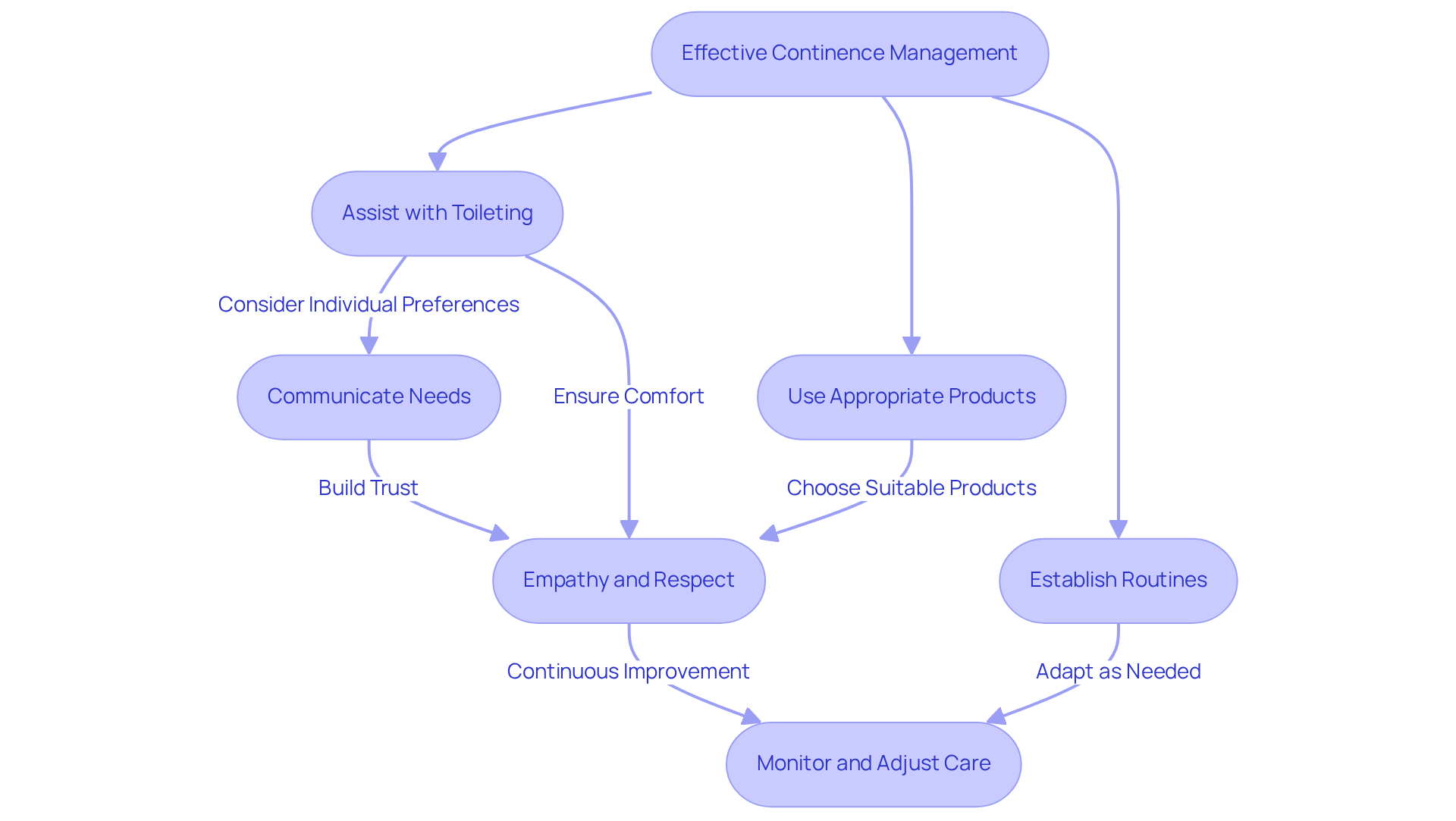
Effective continence management is vital for preserving the dignity of elderly individuals and addressing their activities of daily living needs. Caregivers, you play a crucial role in these sensitive situations. It's essential to approach them with empathy, ensuring that individuals feel comfortable and respected throughout the process. This includes:
- Assisting with toileting
- Using appropriate incontinence products
- Establishing routines that help minimize accidents in the context of activities of daily living
Open communication about individual needs and preferences is key to successful continence management. Geriatric support specialists advocate for a personalized approach, emphasizing that sensitivity in assistance not only enhances the client's experience but also builds trust and collaboration. By prioritizing dignity and respect, you can significantly improve the quality of life for seniors facing continence challenges.
Did you know that approximately 15 million adults in the United States are affected by urinary incontinence? This condition is more prevalent than osteoporosis and diabetes. Joan Junkin, RN, MSN, points out that Medicare members with incontinence are more than twice as likely to experience slips and falls. This underscores the urgent need for effective continence management strategies.
Moreover, the economic burden of urinary incontinence totals nearly $26 billion annually in the U.S. This highlights just how important it is to prioritize this aspect of care. Remember, your compassionate support can make a world of difference.
Toileting Assistance: Supporting Clients with Dignity and Respect
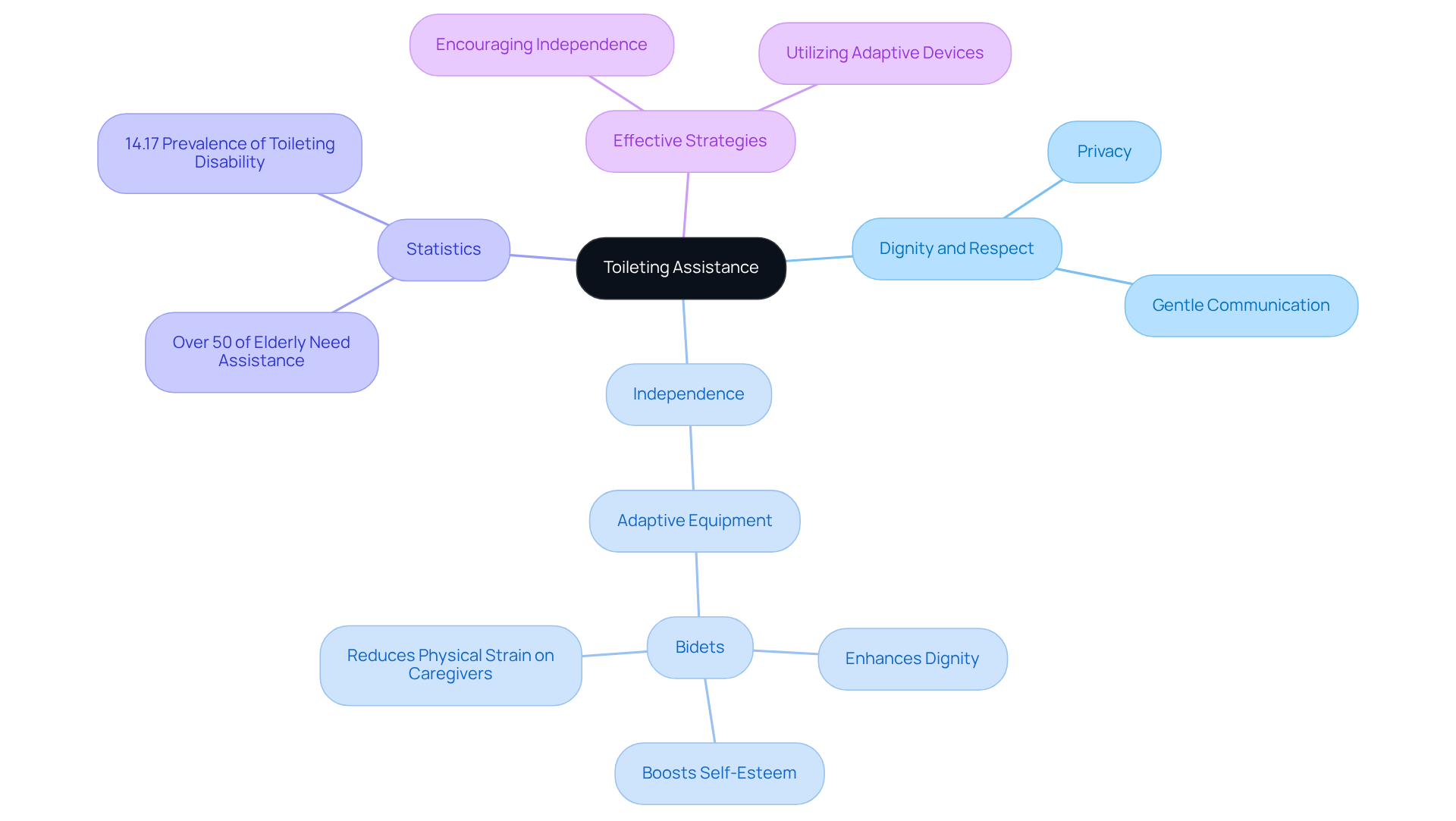
Toileting assistance is a vital part of caregiving, one that truly requires patience and respect. Caregivers have the incredible opportunity to create a supportive environment by ensuring privacy and using gentle communication. Helping individuals safely reach the bathroom and providing the necessary assistance during this process is essential.
Encouraging clients to maintain as much independence as possible - like using adaptive equipment such as bidets - not only boosts their self-esteem but also enhances their dignity. Caregiving professionals emphasize that maintaining personal hygiene without assistance can have a positive impact on mental health and self-esteem. This reinforces the importance of dignity in toileting support for seniors.
Statistics reveal that over 50% of elderly individuals need help with activities of daily living, including toileting, which has a disability prevalence of 14.17% among older adults. Effective strategies include utilizing adaptive devices that empower individuals to manage their activities of daily living independently, fostering a greater sense of autonomy.
By prioritizing dignity and independence, caregivers can significantly improve the quality of life for those they assist. It’s all about ensuring that they feel respected and valued during such a personal experience. Remember, every small act of kindness makes a world of difference.
Mobility Support: Facilitating Safe Movement for Clients
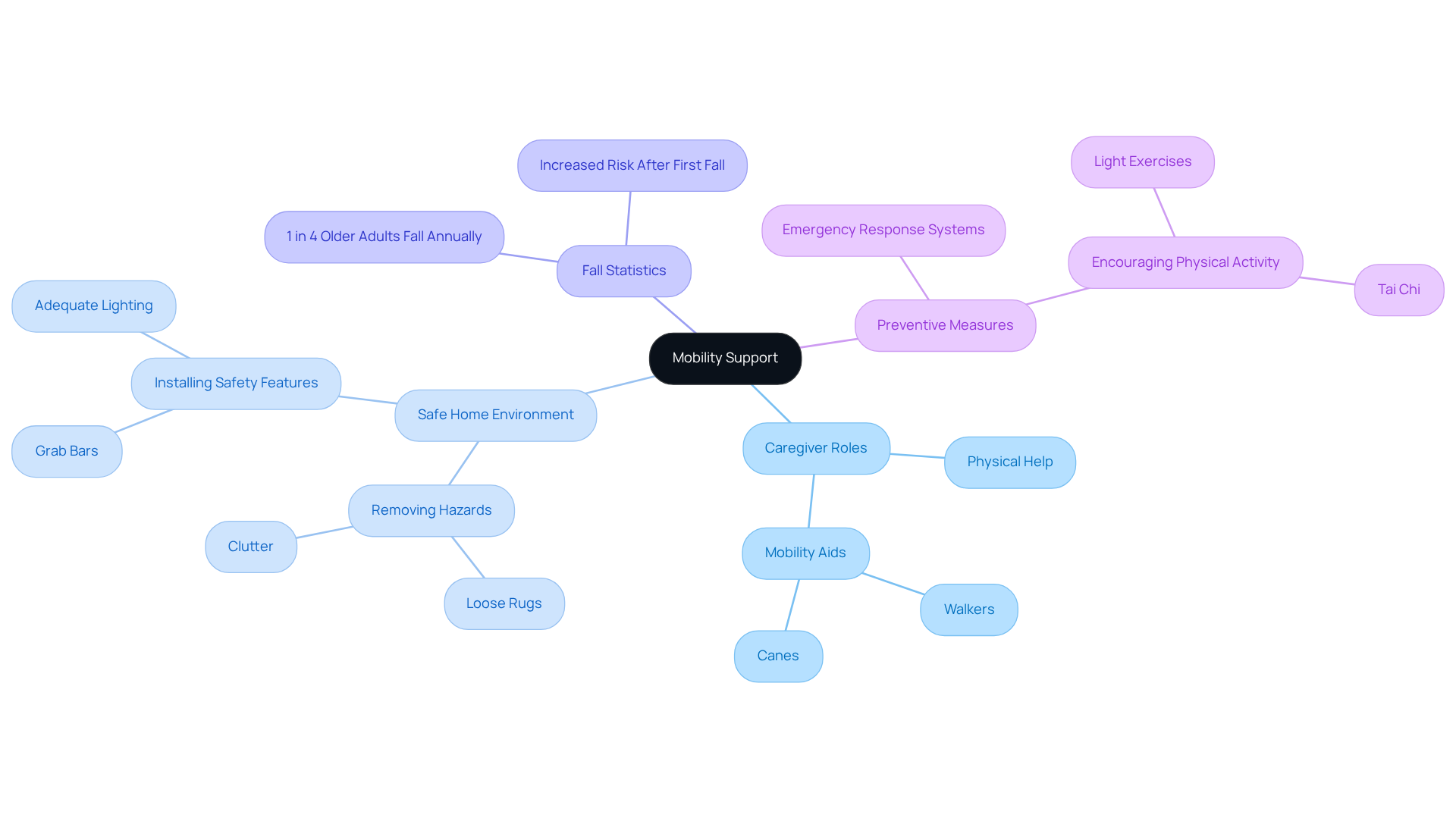
Caregivers truly play a vital role in understanding the mobility needs of those they assist. They ensure that individuals receive the right support, whether through physical help or mobility aids like walkers and canes. Creating a safe home environment is essential; by removing hazards such as loose rugs and clutter, we can significantly lower the risk of falls.
It's alarming to think that one out of four people over age 65 experiences a fall each year. This statistic highlights the importance of taking proactive measures. Encouraging clients to engage in light physical activities is crucial for maintaining strength and mobility, which are key to overall health. Physical therapists often emphasize that regular exercise not only improves balance and coordination but also builds confidence in movement.
As Amanda Rudderman, Fall Prevention Coordinator at VCU Medical Center, wisely states, "Most falls are preventable with the right support, education, and small changes." Simple safety measures, like installing grab bars in bathrooms and ensuring adequate lighting, can further protect seniors from falls.
By addressing these factors proactively, caregivers can create a nurturing environment that fosters independence in activities of daily living while also minimizing fall risks. Together, we can make a difference in the lives of those we care for.
Instrumental Activities of Daily Living: Enhancing Independence Through Care
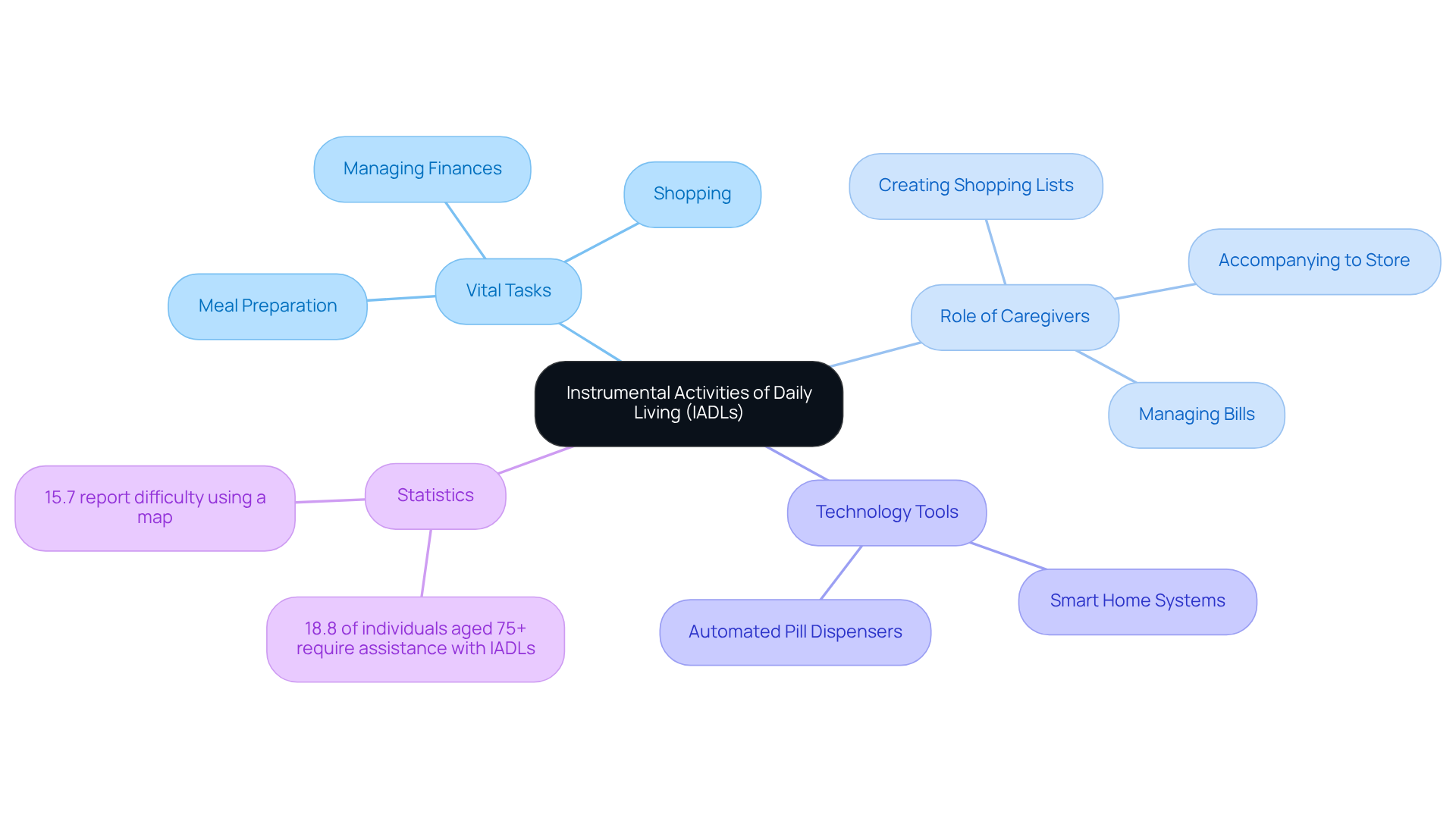
Instrumental activities of daily living (IADLs) include vital tasks like meal preparation, shopping, and managing finances. Caregivers are essential in supporting individuals with these activities, helping them maintain independence and strengthen their ties to the community. For instance, caregivers can assist in:
- Creating shopping lists
- Accompanying individuals to the store
- Helping manage bills
It's noteworthy that 18.8% of individuals aged 75 and older require assistance with IADLs, highlighting the crucial role that support providers play in preserving independence.
Encouraging clients to actively participate in these tasks is so important. It not only empowers them but also reinforces their sense of autonomy. Caregivers should also guide individuals in using technology for tasks like online shopping and bill payments. Tools such as:
- Automated pill dispensers
- Smart home systems
can simplify these processes, enhancing independence and allowing clients to manage daily responsibilities with greater ease.
Social workers stress that fostering independence through activities of daily living is vital for the emotional and psychological well-being of seniors. As Rita Choula from AARP points out, support providers are a key part of the support team, and their involvement is crucial in delivering comprehensive assistance. By blending technology with community resources, caregivers can create a nurturing environment that promotes self-sufficiency and enriches the lives of those they assist. As the landscape of elderly care evolves, staying updated on the latest trends in technology and community engagement will be essential for enhancing the independence of older adults.
Companionship: Fostering Emotional Well-Being in Caregiving
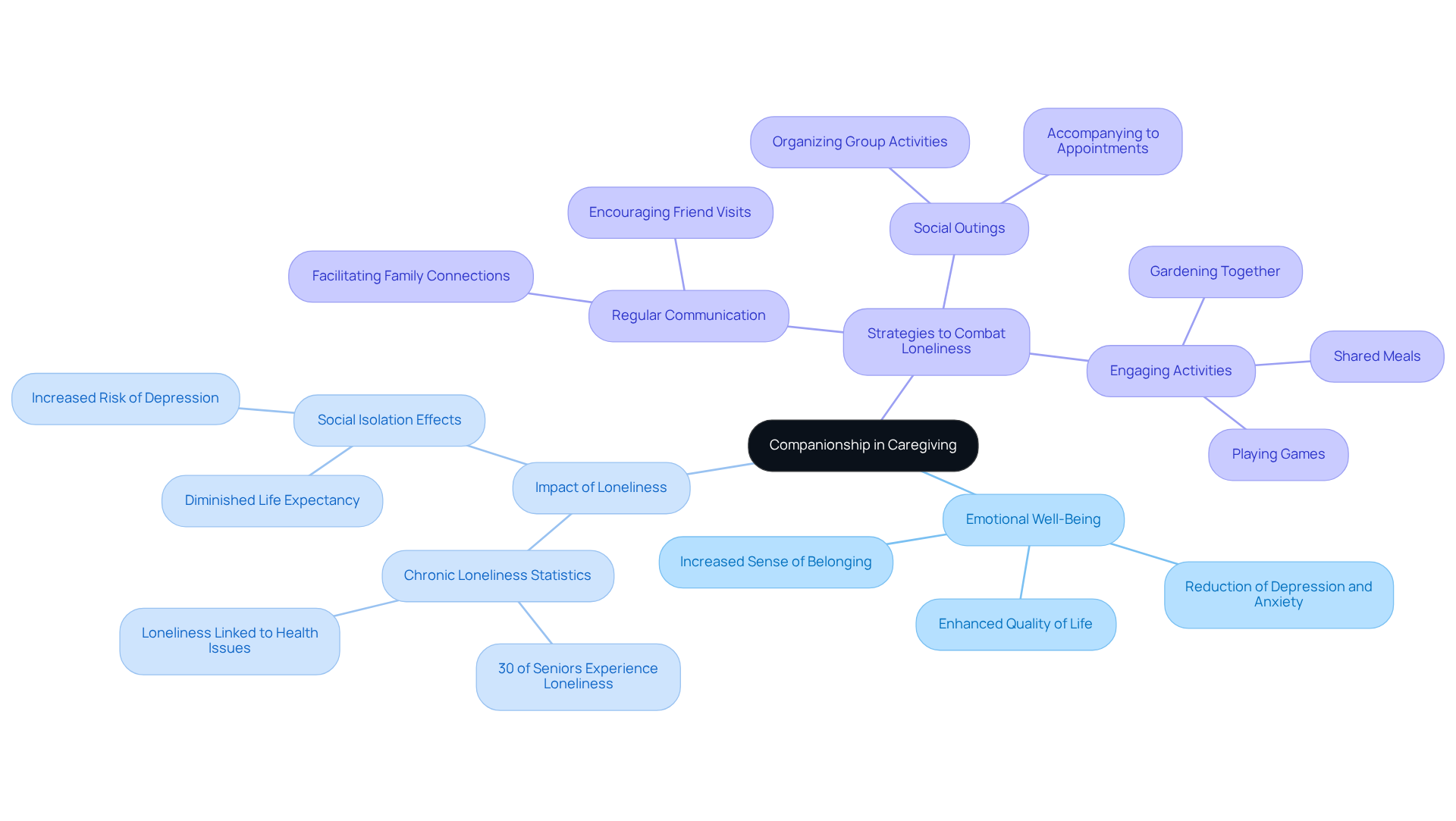
Companionship is essential in caregiving, profoundly influencing the emotional well-being of seniors. When caregivers involve clients in meaningful conversations and enjoyable activities of daily living, it fosters a sense of connection and belonging. Sadly, research shows that nearly one-third of older adults face chronic loneliness, and many report a lack of consistent companionship. This isolation can lead to serious health issues, including depression and anxiety. By simply providing a listening ear and encouraging social interactions, caregivers can help ease these feelings, significantly enhancing their clients' quality of life. Living alone without regular visitors can create unsafe isolation for older adults, highlighting the critical need for companionship care.
To combat loneliness, effective strategies include:
- Facilitating regular communication with family and friends
- Organizing social outings
- Engaging in activities of daily living
Engaging in activities of daily living, like playing games, gardening, or enjoying a meal together, can spark emotional engagement and promote mental clarity. These stimulating activities are especially beneficial for those at risk for dementia. Psychologists emphasize that regular social interaction is vital for older adults' emotional stability and overall happiness. As one expert noted, "Loneliness among older adults is more than an emotional issue; it’s an increasing public health challenge that directly affects physical health and mental wellness." Caregivers should prioritize these connections, as they not only support emotional well-being but also empower older adults to thrive in their familiar surroundings. Consider scheduling regular visits or activities with your loved ones to nurture emotional connections and combat loneliness.
Medication Management: Ensuring Health Through Proper Care
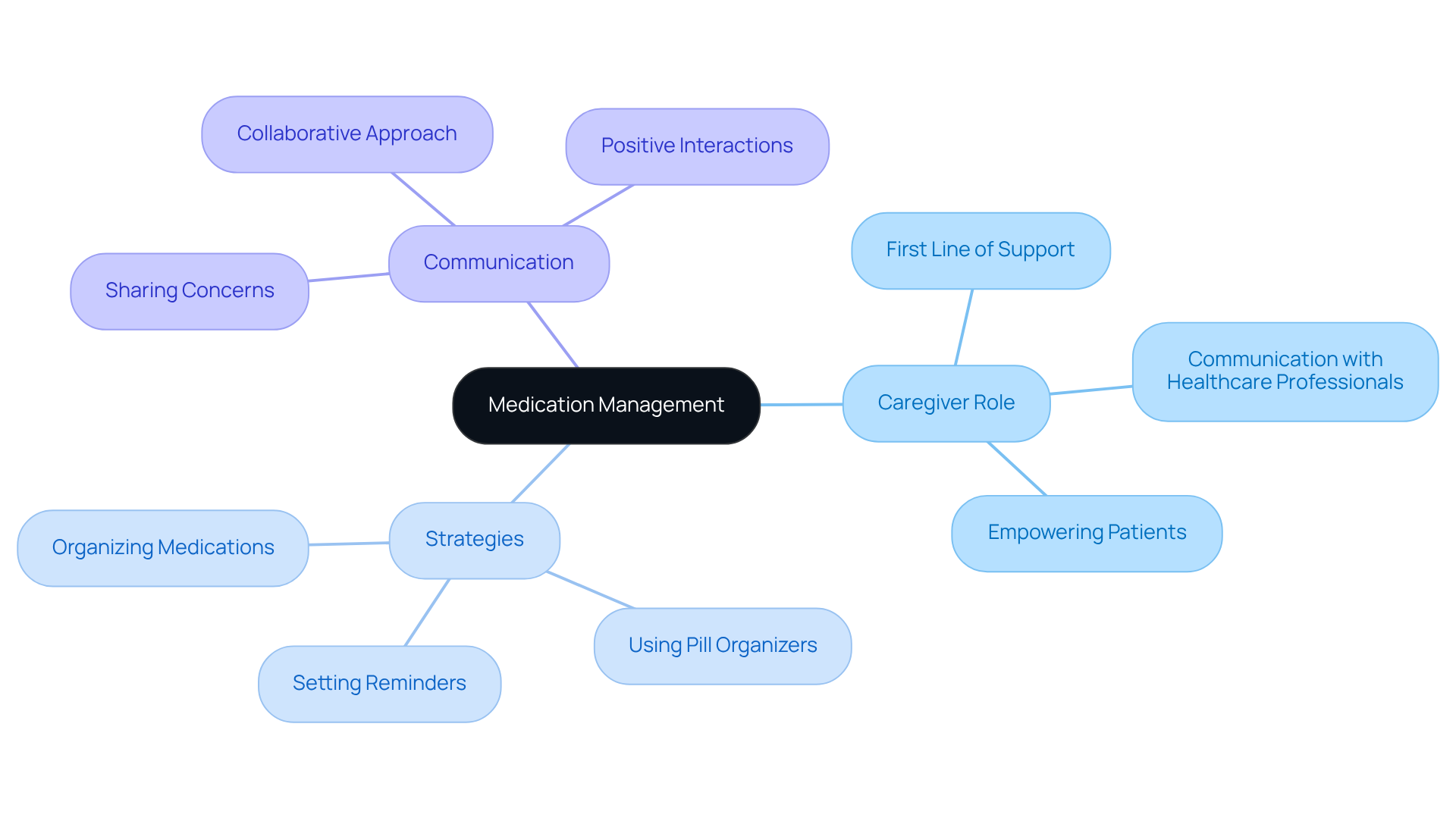
Caregivers play a vital role in managing medications for seniors, helping them stick to their prescribed regimens and truly understand their treatment plans. This involves:
- Organizing medications
- Using pill organizers
- Setting reminders to ensure timely intake
It's crucial for caregivers to communicate effectively with healthcare professionals; they need to share any concerns about potential interactions or side effects, fostering a collaborative approach to support.
Research shows that positive interactions between caregivers and patients can greatly improve treatment compliance, leading to better health outcomes and fewer complications. Pharmacists often highlight that caregivers are typically the first line of support in medication adherence, assisting individuals in navigating complex medication schedules and addressing any issues that arise.
By prioritizing these strategies, caregivers not only help maintain their clients' health but also empower them to take an active role in their own care. Remember, you’re not alone in this journey; your efforts make a significant difference in the lives of those you care for.
Taking the Next Steps
In the world of caregiving, supporting activities of daily living is truly essential. These vital tasks - like bathing, dressing, meal preparation, and providing companionship - play a crucial role in maintaining the dignity and independence of our seniors. When caregivers offer personalized care, they not only assist with these activities but also nurture a sense of belonging and emotional well-being for those they support.
Throughout this article, we've explored various aspects of daily living activities. We've highlighted the importance of creating safe environments for bathing, dressing, and toileting. Caregivers have a critical role in ensuring proper nutrition and hydration, which are fundamental to health. The significance of companionship cannot be overlooked; meaningful interactions can help combat loneliness and enhance mental health. Additionally, effective medication management is vital for maintaining health and ensuring adherence to treatment plans.
Ultimately, a commitment to personalized caregiving enriches the lives of seniors, allowing them to thrive in their own homes while preserving their independence. Caregivers are encouraged to view these essential activities of daily living as opportunities to make a meaningful impact. By prioritizing dignity, safety, and emotional support, caregivers can transform the caregiving experience into a journey of empowerment and connection. Every individual deserves to feel valued and cared for in their daily lives.
https://iframe.tely.ai/cta/eyJhcnRpY2xlX2lkIjogIjY5MWZkYzU4YmFmNTkyY2I3OTgzYzJiOCIsICJjb21wYW55X2lkIjogIjY4ZWU1ZGNhNzMxNzYyNTU3ZjNjOTVjMSIsICJpbmRleCI6IG51bGwsICJ0eXBlIjogImFydGljbGUifQ==Frequently Asked Questions
What is the primary focus of Happy to Help Caregiving?
Happy to Help Caregiving focuses on providing personalized support for individuals needing assistance with activities of daily living, emphasizing emotional challenges and the unique needs of each person.
What types of services does Happy to Help Caregiving offer?
The services offered include companionship, personal assistance, and mobility aid, all delivered with dignity and care to enhance the well-being of clients.
Why is personalized caregiving important for seniors?
Personalized caregiving is crucial as it helps preserve dignity and quality of life, fosters independence, and significantly enhances the emotional wellness of seniors.
What statistics highlight the need for in-home support for seniors?
Nearly 44% of home care recipients require help with at least one daily activity, with 83% needing assistance with bathing and showering. Additionally, one in four individuals over 65 experiences a fall each year.
How does Happy to Help Caregiving address emotional wellness?
The organization focuses on personal preferences and habits, creating a warm atmosphere that meets both physical and emotional needs, which is essential for combating feelings of isolation in older adults.
What role do caregivers play in maintaining hygiene for seniors?
Caregivers help maintain hygiene through regular bathing, creating a safe bathing environment, and ensuring that seniors feel dignified and independent during the process.
What are essential practices for caregivers when assisting with bathing and showering?
Caregivers should prepare the bathing space, assist with removing clothing, and provide help during the bathing process while respecting the client's privacy and preferences.
How can caregivers encourage seniors to maintain their bathing routines?
Caregivers can encourage regular bathing by creating a welcoming atmosphere, establishing a consistent bathing schedule, and organizing social events to motivate seniors.
What tools can assist seniors in the dressing process?
Tools such as dressing sticks, elastic shoelaces, and extended shoehorns can make dressing easier for individuals with limited mobility or dexterity.
Why is it important for seniors to participate in dressing themselves?
Actively participating in dressing fosters a sense of accomplishment, reinforces self-worth, and is linked to better cognitive health and greater life satisfaction among seniors.