
Why Asistencia Ancianos Services Matters
The landscape of elderly care is changing rapidly, presenting significant challenges for families. As they seek effective support systems for their loved ones, the need for compassionate and personalized assistance becomes increasingly clear. Families often struggle to balance their caregiving responsibilities with their own well-being, leading to stress and uncertainty.
Understanding the essential services available for family caregivers is crucial in this context. By exploring ten vital asistencia ancianos services, families can enhance the quality of life for seniors while empowering themselves to navigate their responsibilities with confidence. These services not only address the immediate needs of elderly individuals but also provide caregivers with the tools they need to manage their roles effectively.
How can families ensure they are providing the best possible care? The answer lies in exploring these services, which may hold the key to achieving a harmonious balance in caregiving. By implementing practical solutions, families can safeguard their own well-being while ensuring their loved ones receive the care they deserve.
Happy to Help Caregiving: Companionship Care for Seniors
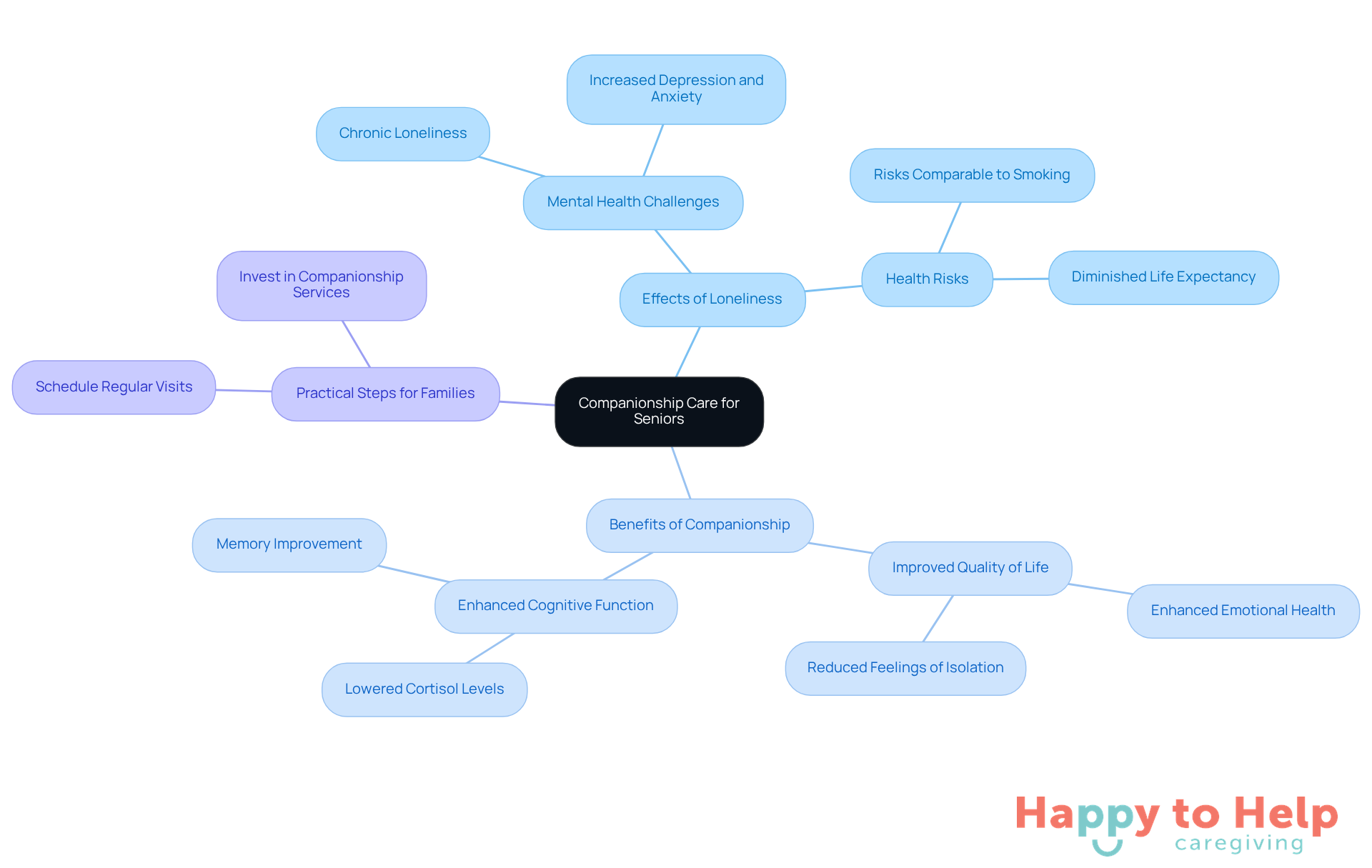
Companionship assistance is crucial for providing psychological support and engaging activities that help seniors maintain social connections and a sense of purpose. Loneliness affects one in three seniors, leading to significant mental health challenges. In fact, prolonged isolation poses health risks comparable to smoking fifteen cigarettes a day, highlighting the urgent need for companionship.
At Happy to Help Caregiving, caregivers are specially trained to foster meaningful interactions, ensuring clients feel valued and understood. Regular social interaction not only sharpens memory but also lowers cortisol levels, enhancing cognitive function. This makes companionship support an essential component of asistencia ancianos in the home.
To combat loneliness and promote emotional well-being, families can take practical steps:
- Scheduling regular visits or activities with companions fosters consistent engagement and connection.
- By investing in companionship, households can help their loved ones experience improved quality of life and enhanced emotional health.
Post-Hospital Recovery Assistance: Ensuring Smooth Transitions
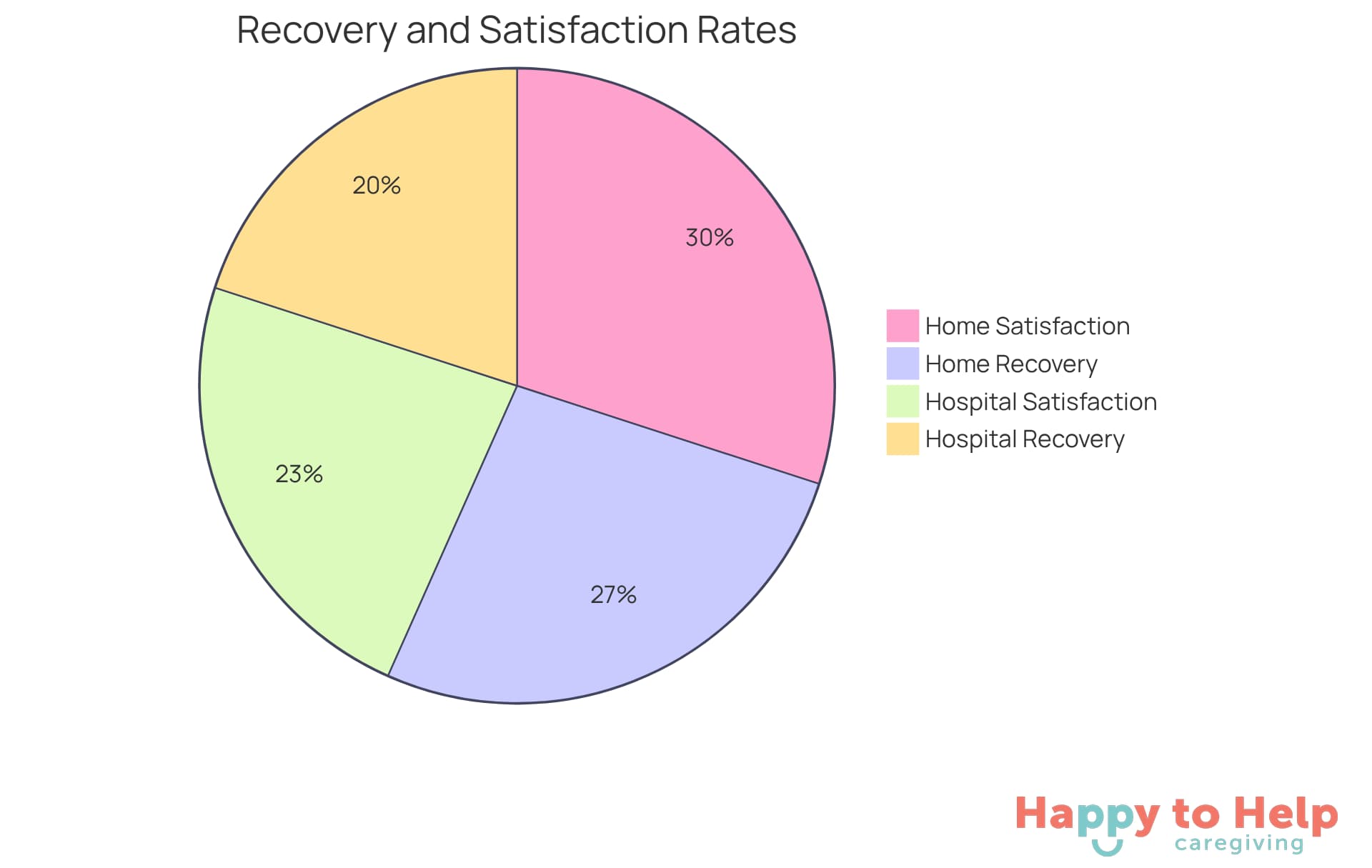
Post-hospital recovery presents significant challenges for caregivers and their clients. Without proper support, patients may struggle to adhere to discharge instructions, which can hinder their recovery process. This issue is critical, as research indicates that home treatment patients experience a 20% lower readmission rate compared to those receiving conventional hospital services. Furthermore, home recovery rates for post-operative patients stand at 80%, while hospital services only achieve 60%.
To address these challenges, caregivers can implement essential services such as:
- Medication management
- Mobility support
- Asistencia ancianos
These services not only alleviate anxiety but also foster healing, with asistencia ancianos that allows seniors to regain their independence more swiftly. With an average satisfaction rate of 90% among home health patients-significantly higher than the 70% satisfaction rate for hospital services-the personalized attention provided by caregivers greatly enhances the recovery experience.
By ensuring that seniors receive asistencia ancianos to feel secure and supported in their familiar surroundings, caregivers play a pivotal role in facilitating a smooth transition from hospital to home. This assistance is vital during this critical period, underscoring the importance of proper medication management and support.
Respite Care: Alleviating Caregiver Burnout
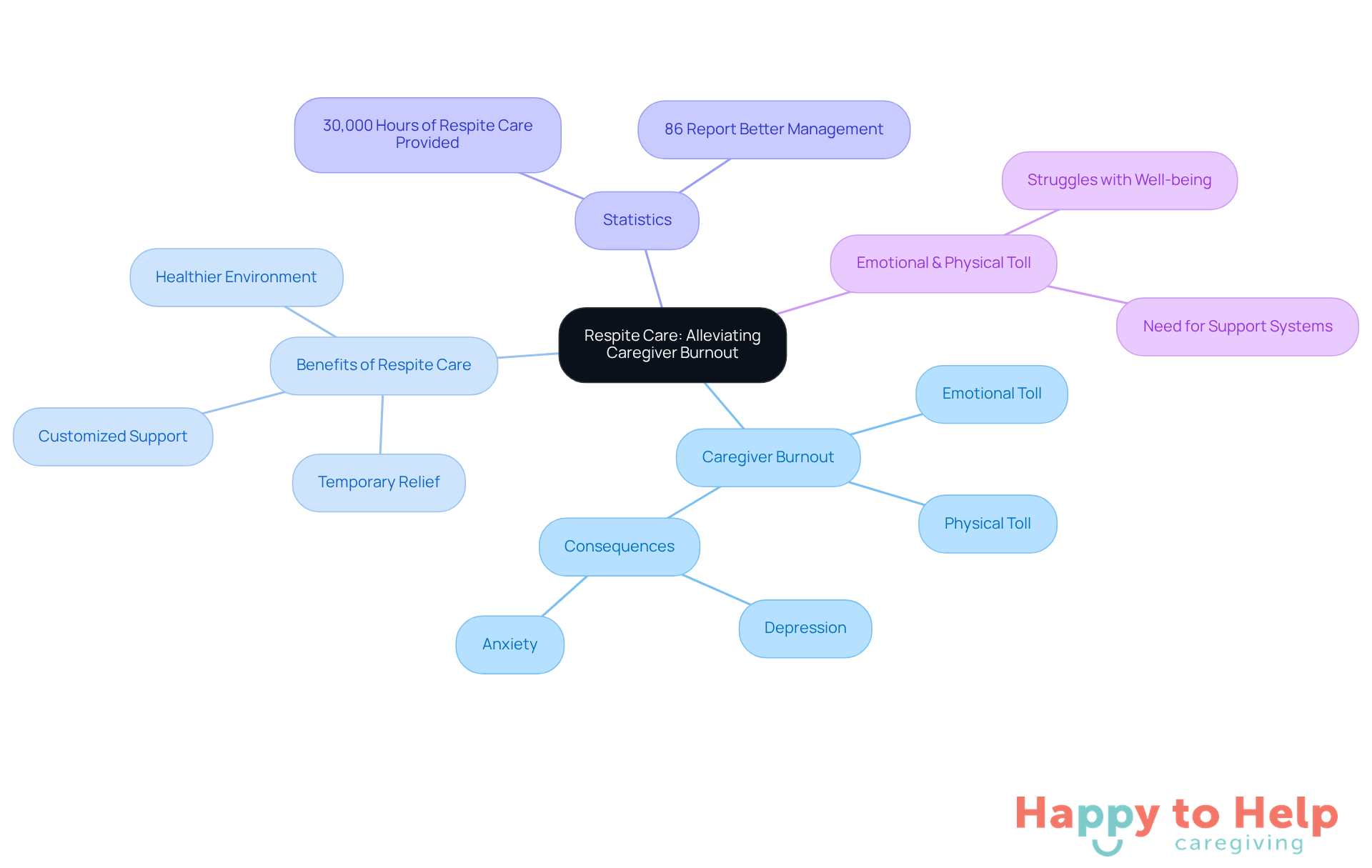
Caregiving can be incredibly demanding, often leading to significant burnout among those who provide support. The emotional and physical toll can result in severe consequences, including depression and anxiety. Caregivers frequently struggle to manage their own well-being while ensuring their loved ones receive the necessary asistencia ancianos.
This is where respite support comes in. It offers crucial temporary relief for family helpers, allowing them to rejuvenate while ensuring their loved ones receive high-quality assistance. This service can be customized to accommodate different needs, whether for a few hours or several days, providing support providers the flexibility to take necessary breaks.
Research shows that respite services greatly decrease burnout among those providing support. In fact, studies indicate that 86% of individuals report better management of assistance after using these resources. Moreover, individuals who participate in respite support encounter reduced levels of stress and exhaustion, which are essential for preserving their health and well-being.
Psychologists emphasize the importance of addressing the emotional and physical demands of caregiving. By providing caregivers with the opportunity to rest, respite care not only enhances their overall caregiving experience but also fosters a healthier environment for both caregivers and those receiving asistencia ancianos. This holistic approach highlights the significance of support systems in addressing the challenges encountered by households.
24/7 Availability: Flexible Support for Family Caregivers
Caregivers often face the challenge of being available around the clock, which can lead to significant stress for families. The uncertainty of not having immediate support can be overwhelming, especially during emergencies or when needs change unexpectedly.
Happy to Help Caregiving addresses this issue by offering 24/7 availability. This ensures that families can have peace of mind, knowing that help is just a call away. With this adaptability, caregivers can respond swiftly to emergencies and evolving needs, guaranteeing that seniors receive the assistance they require at any hour.
Personalized Care Plans: Tailored Support for Individual Needs
Many seniors face challenges in receiving adequate asistencia ancianos tailored to their individual needs. This can lead to feelings of frustration and a decline in overall well-being.
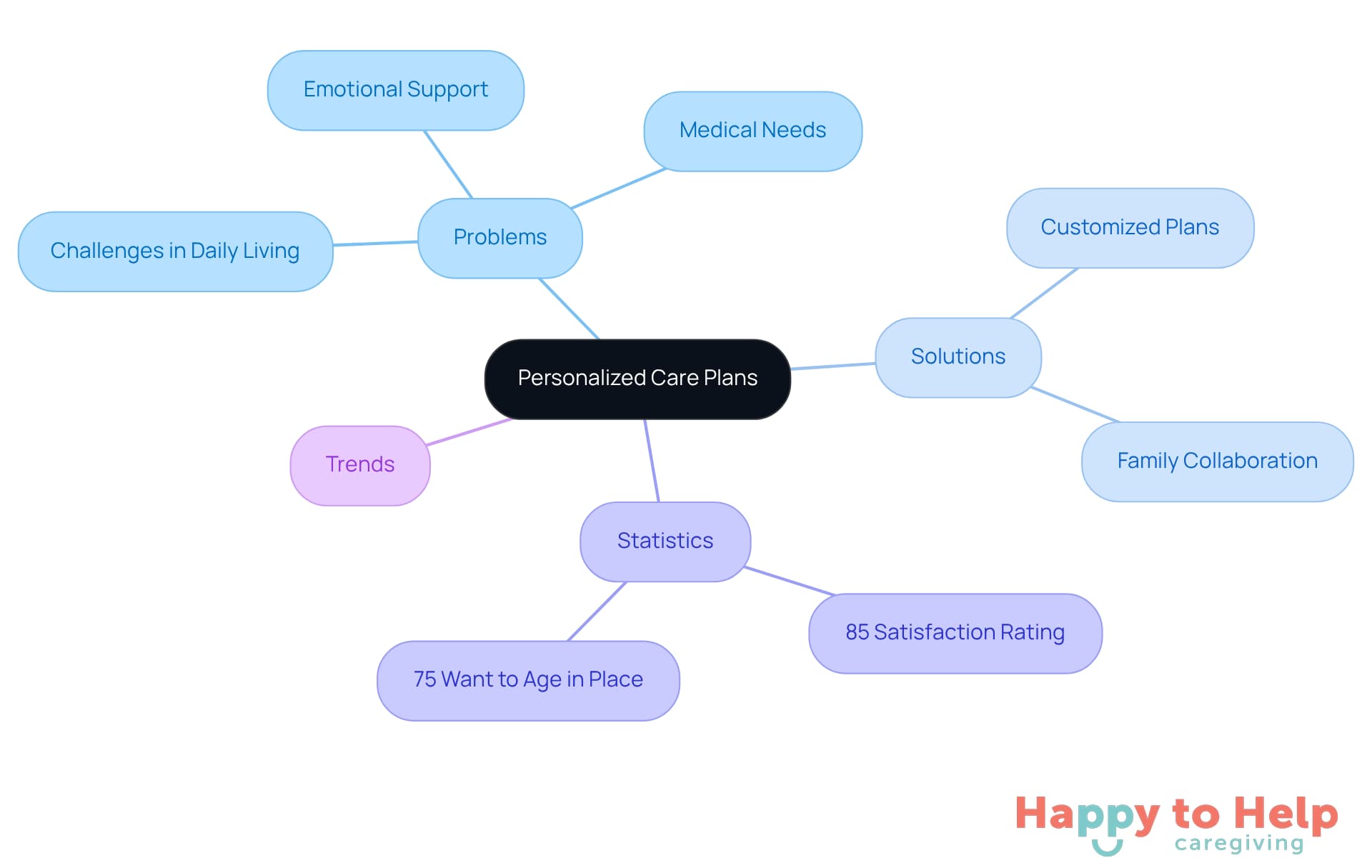
Without personalized care, seniors may struggle with daily living activities, medical needs, and may require asistencia ancianos for emotional support. This lack of tailored asistencia ancianos can diminish their dignity and independence, which are vital for emotional health. In fact, recent data indicates that 85 percent of home health patients rated their services positively, scoring 9 or 10 on a scale from 0 to 10. This highlights the significant impact that personalized support can have on client satisfaction.
At Happy to Help Caregiving, we address these challenges by meticulously crafting personalized support plans through comprehensive evaluations, focusing on asistencia ancianos. Our caregivers collaborate closely with families to create customized plans that effectively tackle specific challenges. By prioritizing clients' preferences and routines, we ensure that seniors receive the most appropriate and efficient asistencia ancianos, greatly enhancing their overall well-being.
These personalized care plans are revisited every six months or whenever health changes occur, ensuring that care remains relevant and effective. As the demand for personalized asistencia ancianos grows-75 percent of U.S. adults over 50 wish to age in their current residences-this approach is becoming a crucial trend in the caregiving environment. This ongoing adaptability is essential in providing seniors with the respect, engagement, and empowerment they need in their daily lives.
Emotional Support: Combating Loneliness in Seniors
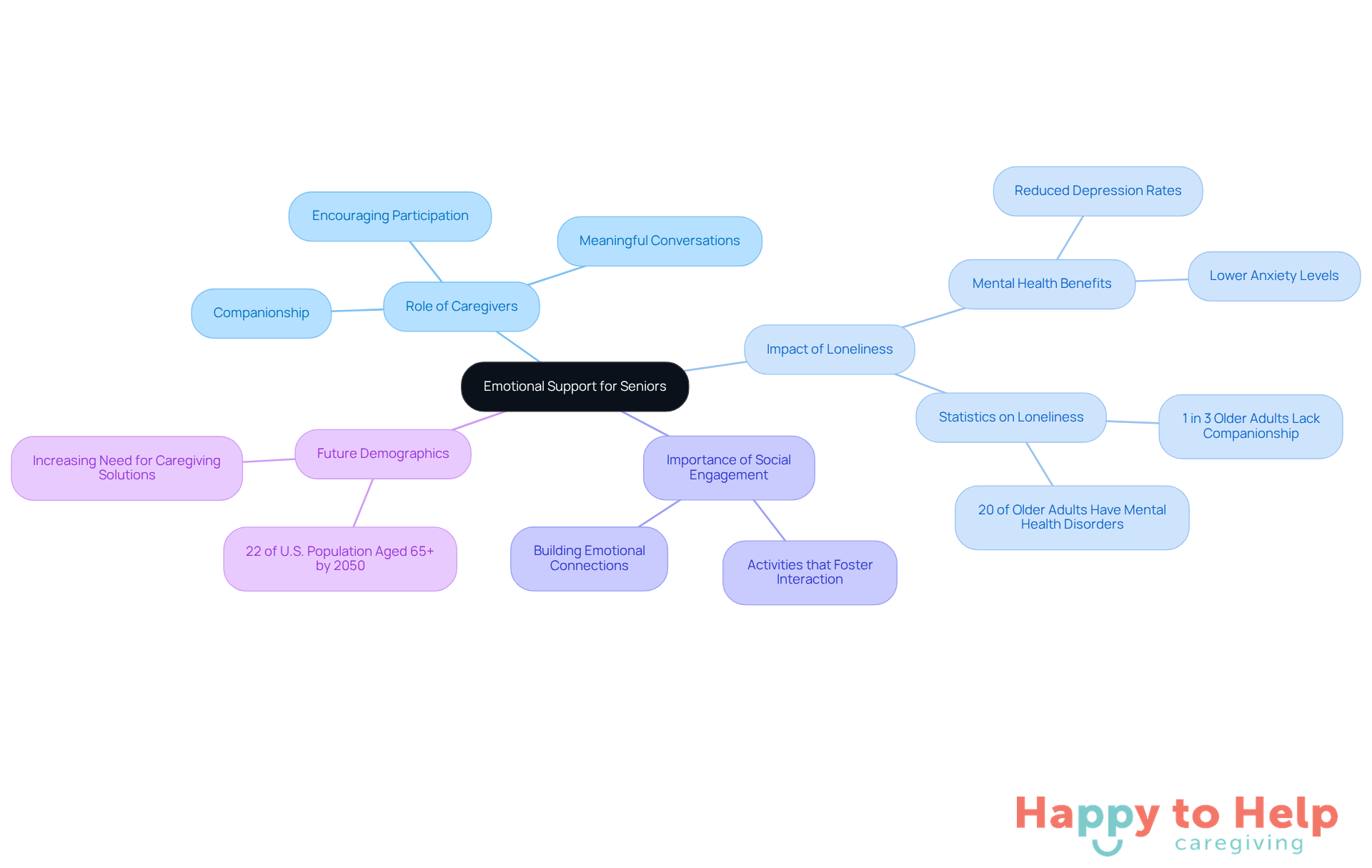
Emotional support is fundamental in caregiving, particularly for seniors who benefit from asistencia ancianos to overcome isolation. Caregivers play a vital role by providing companionship, engaging clients in meaningful conversations, and encouraging participation in activities that foster social interaction. This connection is crucial; studies indicate that individuals with supportive relationships are significantly less likely to experience depression compared to those with negative social ties. In fact, nearly one in three older adults report a lack of companionship, which can severely impact their mental health and overall quality of life. As Dr. Suraj Samtani observes, "This research supports the notion that loneliness and lack of personal connection aren’t merely sad, they’re perilous."
The implications of this isolation are profound. Engaging seniors in enjoyable activities not only enhances their mental well-being but also contributes to a more fulfilling life. Research shows that psychological support is more effective in preventing depression than practical help with daily activities. Therefore, caregivers must prioritize developing strong, supportive relationships. With the number of senior citizens increasing - forecasts suggest that by 2050, individuals aged 65 and above will constitute 22% of the U.S. population - the need for effective caregiving solutions that focus on mental well-being becomes essential.
Happy to Help Caregiving acknowledges these challenges and is dedicated to offering personalized asistencia ancianos that addresses the emotional needs of seniors. By fostering connections and promoting social engagement, caregivers can significantly reduce feelings of loneliness and enhance the quality of life for their clients.
Technology Integration: Enhancing Caregiver Communication
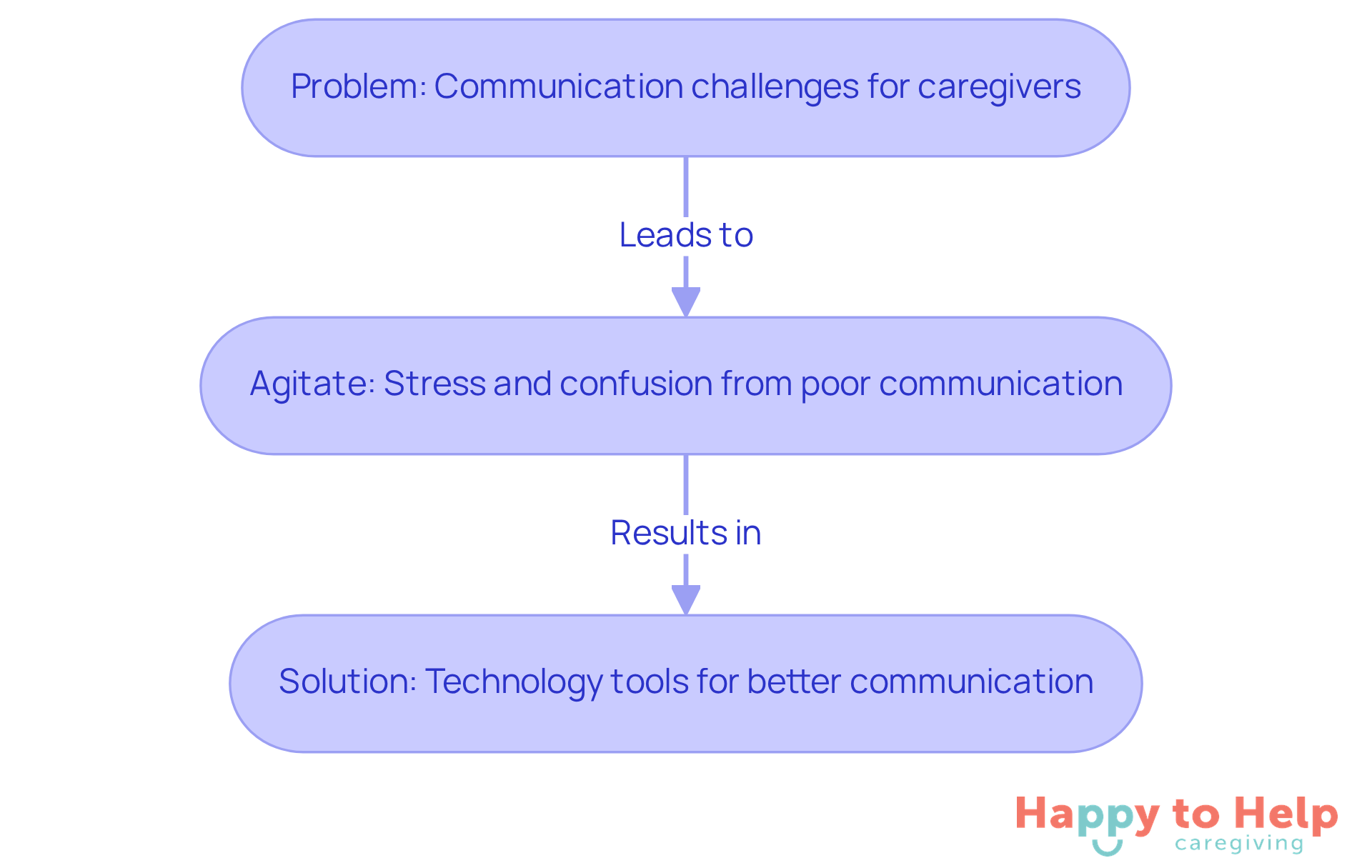
Problem: Caregivers face significant challenges in communication, which can hinder the support they provide to loved ones. Without effective coordination, important information may be missed, leading to potential risks in the well-being of those requiring asistencia ancianos.
Agitate: This lack of communication can create stress for both caregivers and families. When updates are not shared promptly, it can lead to confusion and frustration, making it difficult to manage care effectively. Research indicates that 84% of caregivers use computers and 82.5% rely on smartphones to handle their responsibilities, highlighting the need for better tools to streamline these processes.
Solution: Technology offers practical solutions to these communication challenges. Coordination applications, medication notifications, and online scheduling systems are essential tools that keep everyone informed and engaged. These technologies not only enhance operational efficiency but also improve the quality of support provided. As Steven Lee, co-founder of Ianacare, notes, "AI is there to ensure the home is secure and that the provider can handle the support load." By embracing these innovations, caregivers can navigate the complexities of asistencia ancianos more effectively, ultimately fostering a collaborative atmosphere that benefits both providers and recipients.
Caregiver Training: Ensuring Quality and Competence
Continuous education is crucial for maintaining high-quality service in the caregiving sector. Caregivers often face challenges due to a lack of ongoing training, which can lead to feelings of inadequacy and decreased confidence in their roles. This is particularly concerning given the increasing demand for skilled support workers driven by an aging population.
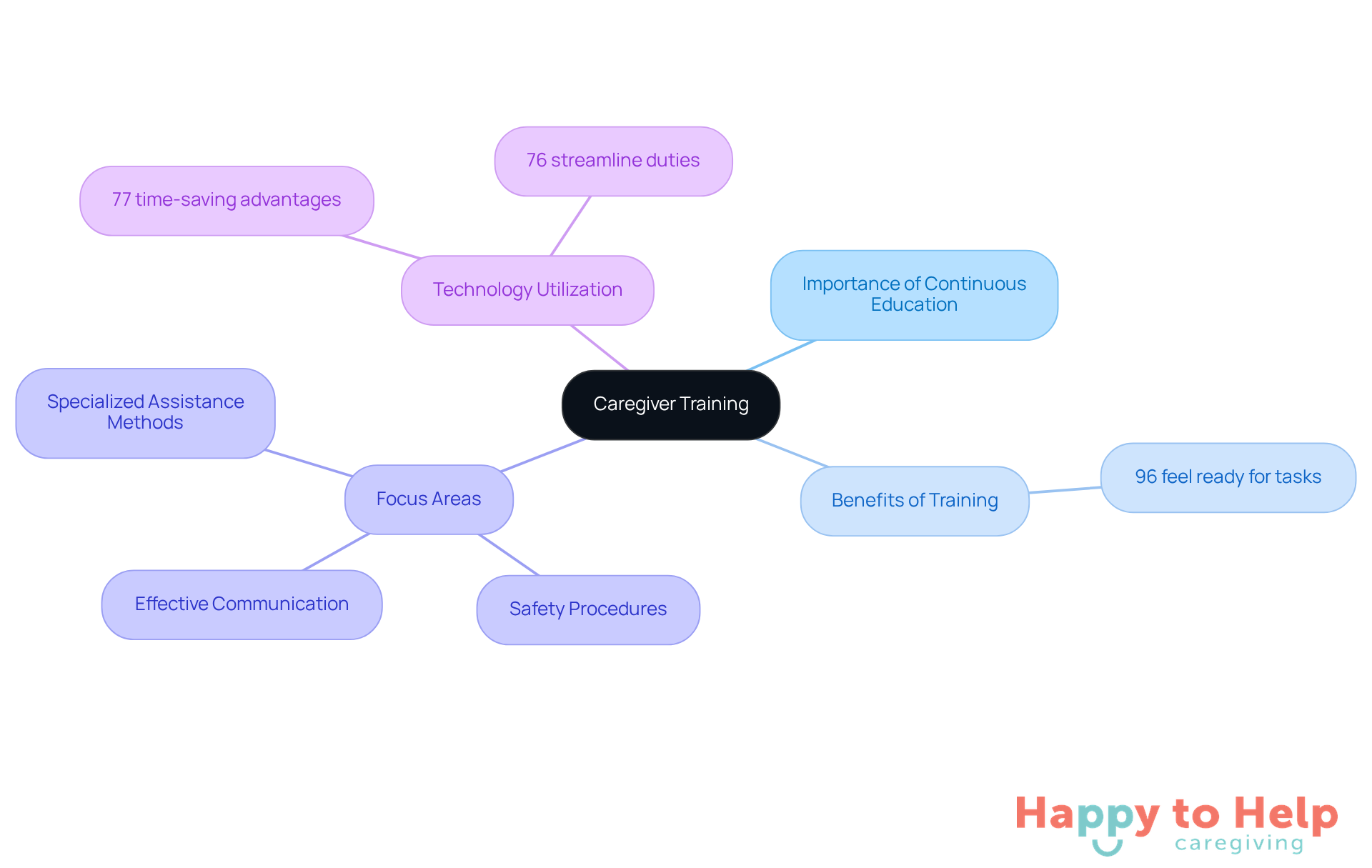
Research indicates that caregivers who receive training feel more equipped for their responsibilities. In fact, 96% report feeling ready for caregiving tasks after participating in educational programs. This highlights the importance of investing in training to enhance caregivers' skills and confidence.
Happy to Help Caregiving addresses this issue by emphasizing ongoing training for its support staff. The focus is on essential areas such as:
- Safety procedures
- Effective communication
- Specialized assistance methods tailored to individual client needs
By fostering a culture of learning and growth, they ensure that their support staff are not only skilled but also empowered to deliver the highest standard of care.
Moreover, current trends show that caregivers are increasingly inclined to utilize technology that enhances their experience. About 77% mention time-saving advantages, while 76% observe that technology streamlines their duties. This further underscores the necessity of training, as it equips caregivers with the tools and knowledge to leverage these resources effectively.
In summary, by prioritizing continuous education, Happy to Help Caregiving not only boosts the competence of its support staff but also leads to improved outcomes for clients and their families.
Client Testimonials: Real-Life Impact of Caregiving Services
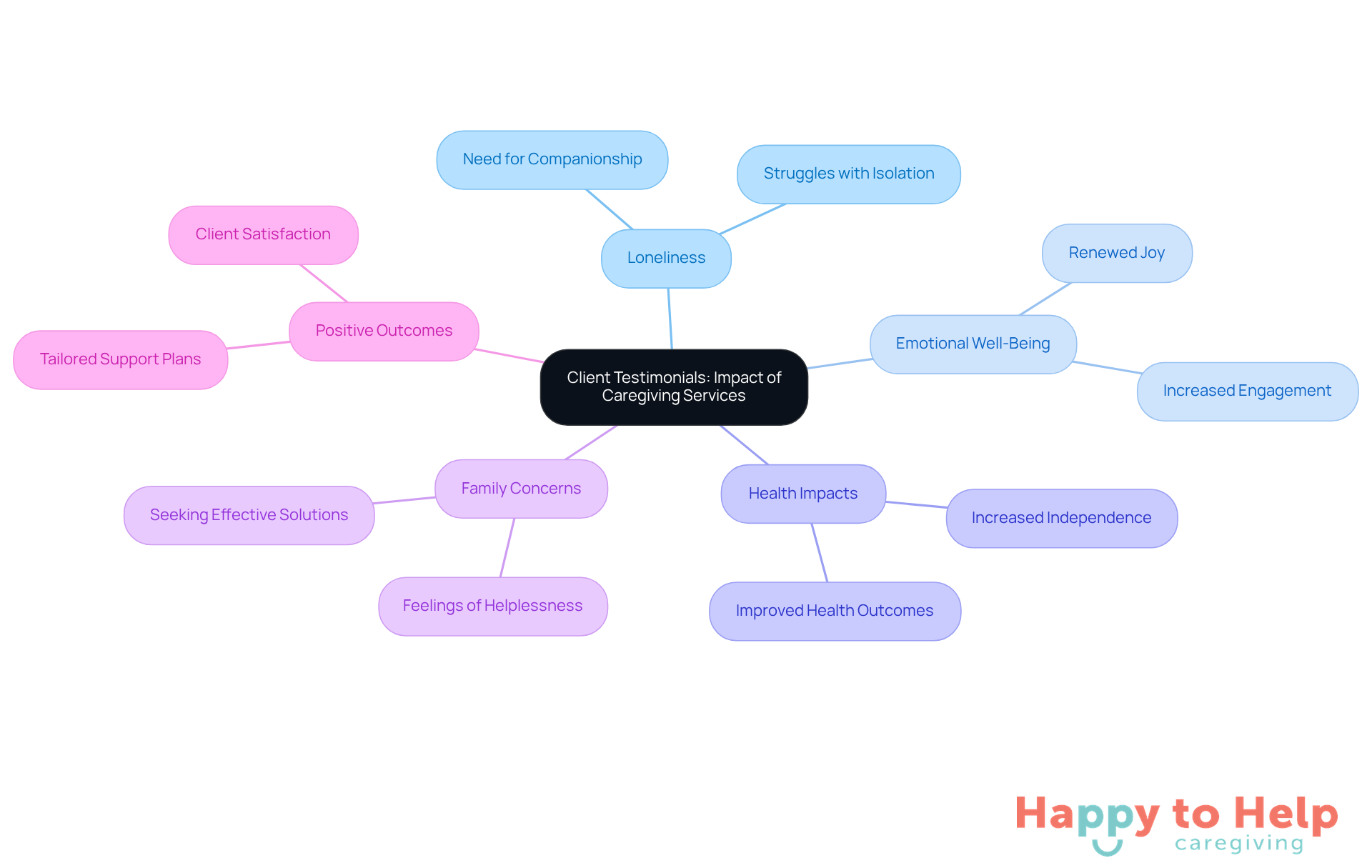
Client testimonials reveal a significant issue: many seniors struggle with loneliness and a diminished quality of life, indicating a need for asistencia ancianos. This problem not only affects their emotional well-being but also impacts their overall health. Families often feel helpless, seeking effective solutions for the asistencia ancianos of their loved ones.
Happy to Help Caregiving addresses this challenge head-on. Numerous households have shared stories of how their relatives have experienced a renewed sense of joy and engagement through the companionship provided by dedicated caregivers. For instance, one family noted that their elderly relative, previously isolated, found happiness and connection thanks to the support they received. Another family highlighted how tailored support plans, designed to meet their loved one's unique needs, led to better health outcomes and increased independence.
These testimonials underscore the effectiveness of Happy to Help Caregiving's asistencia ancianos services. They serve as powerful endorsements of the agency's commitment to excellence in caregiving. Expert opinions emphasize that such endorsements are crucial in the caregiving sector, as they reflect the genuine experiences of clients. This feedback can significantly influence the decisions of families seeking assistance for their loved ones.
Consider this: approximately 15 million Americans receive in-home assistance services each year, showcasing the growing demand for compassionate care. The positive experiences shared by families illustrate how effective home caregiving and asistencia ancianos can enhance mental and emotional well-being. This reinforces the importance of personalized, compassionate care in improving the overall quality of life for seniors through asistencia ancianos and individuals with special needs.
Taking the Next Steps
The article underscores a pressing issue: the challenges faced by family caregivers of seniors. These caregivers often experience significant stress and emotional strain, which can impact their well-being and the quality of care they provide. As the population ages, the demand for effective elderly care solutions continues to rise, making it essential to address these challenges head-on.
To alleviate these burdens, asistencia ancianos services play a crucial role. By offering essential services like:
- Companionship care
- Post-hospital recovery assistance
- Respite care
- Personalized care plans
These services provide tailored support that meets the unique needs of both seniors and their caregivers. Emotional support is vital, as it helps caregivers manage stress and fosters a healthier caregiving environment.
Moreover, the necessity of 24/7 availability cannot be overstated. Caregivers need access to resources and support at all times, ensuring they can respond to their loved ones' needs promptly. Integrating technology into caregiving can enhance communication and streamline care processes, making it easier for caregivers to stay connected and informed.
Testimonials from families highlight the positive impact of these services, showcasing improvements in emotional health and the strengthening of meaningful connections. By prioritizing the emotional and physical needs of seniors, caregivers can create a supportive environment that enriches the lives of their loved ones while also safeguarding their own well-being.
In conclusion, embracing compassionate, personalized assistance is essential for a fulfilling caregiving experience. Families should explore and invest in these vital services, recognizing their transformative power in the lives of both seniors and caregivers. By implementing these strategies, caregivers can navigate their responsibilities more effectively, ultimately leading to a more rewarding and less stressful caregiving journey.
https://iframe.tely.ai/cta/eyJhcnRpY2xlX2lkIjogIjY5MjEwYTlkMDVlZDRhMGQ5ZTRlYTc5NyIsICJjb21wYW55X2lkIjogIjY4ZWU1ZGNhNzMxNzYyNTU3ZjNjOTVjMSIsICJpbmRleCI6IG51bGwsICJ0eXBlIjogImFydGljbGUifQ==Frequently Asked Questions
What is companionship care for seniors?
Companionship care provides psychological support and engaging activities to help seniors maintain social connections and a sense of purpose, combating loneliness and its associated health risks.
How does loneliness affect seniors?
Loneliness affects one in three seniors and can lead to significant mental health challenges, with prolonged isolation posing health risks comparable to smoking fifteen cigarettes a day.
What benefits does regular social interaction provide for seniors?
Regular social interaction sharpens memory, lowers cortisol levels, and enhances cognitive function, making companionship support essential for seniors.
What practical steps can families take to combat loneliness in seniors?
Families can schedule regular visits or activities with companions to foster consistent engagement and connection, improving the quality of life and emotional health of their loved ones.
What challenges do caregivers face during post-hospital recovery?
Caregivers may struggle to help patients adhere to discharge instructions, which can hinder recovery. Without proper support, patients face higher readmission rates and lower recovery outcomes.
What services can caregivers provide to assist with post-hospital recovery?
Caregivers can offer medication management, mobility support, and companionship care to alleviate anxiety and foster healing, allowing seniors to regain independence more swiftly.
What is the satisfaction rate for home health patients compared to hospital services?
Home health patients have an average satisfaction rate of 90%, significantly higher than the 70% satisfaction rate for hospital services.
What is respite care and why is it important?
Respite care offers temporary relief for family caregivers, allowing them to rejuvenate while ensuring their loved ones receive high-quality assistance, which is crucial for preventing caregiver burnout.
How does respite care benefit caregivers?
Respite care helps decrease burnout, with 86% of individuals reporting better management of assistance after using these services, leading to reduced stress and exhaustion.
What do psychologists say about the importance of respite care?
Psychologists emphasize that respite care addresses the emotional and physical demands of caregiving, enhancing the overall caregiving experience and fostering a healthier environment for both caregivers and those receiving care.
List of Sources
- Happy to Help Caregiving: Companionship Care for Seniors
- Companion Care at Home Reduces Loneliness for Seniors During the Holidays (https://lifesathomecare.com/companion-care-at-home-reduces-loneliness-for-seniors-during-the-holidays)
- 10 Benefits of Companionship Carers for Seniors' Well-Being - Happy To Help (https://happytohelpcaregiving.com/10-benefits-of-companionship-carers-for-seniors-well-being)
- AI companion helps Bronx senior living facility residents combat loneliness (https://cbsnews.com/newyork/news/ai-companionship-for-seniors-bronx)
- 'Sometimes it could just be companionship': Senior Helpers fills gap in elder care (https://whec.com/top-news/sometimes-it-could-just-be-companionship-senior-helpers-fills-gap-in-elder-care)
- The Incredible Benefits of Home Care, in 7 Amazing Stats - Companions For Seniors (https://companionsforseniors.com/2019/08/benefits-home-care-amazing-stats-trends-reports)
- Post-Hospital Recovery Assistance: Ensuring Smooth Transitions
- Home Care Impact on Recovery of Patient (A Statistics Report) (https://lovinghomecareinc.com/home-care-recovery-statistics)
- Report emphasises importance of clear information to support safe and timely medication administration post hospital discharge (https://hssib.org.uk/news-events-blog/report-emphasises-importance-of-clear-information-to-support-safe-and-timely-medication-administration-post-hospital-discharge)
- Reducing Medication Errors at Hospital Discharge (https://cedars-sinai.org/newsroom/new-law-to-help-patients-avoid-medication-errors)
- Another Daughter TM | A senior care service for independent Seniors living in or around Raleigh, NC (https://anotherdaughter.com/case\_studies)
- How Home Care Boosts Recovery Time (https://humancareny.com/blog/how-home-care-boosts-recovery-time)
- Respite Care: Alleviating Caregiver Burnout
- Family Caregivers Struggling In Some States More Than Others (https://disabilityscoop.com/2025/10/31/family-caregivers-struggling-in-some-states-more-than-others/31710)
- Family Caregivers: You Deserve Support, and Here’s Where to Find It | Shore Medical Center (https://shoremedicalcenter.org/news/family-caregivers-you-deserve-support-and-here-s-where-find-it)
- News & Success Stories | Live Well San Diego (https://livewellsd.org/Home/Components/News/News/513/153)
- Funding Opportunity: National Lifespan Respite Care Program State Program Enhancement Grants | ACL Administration for Community Living (https://acl.gov/news-and-events/announcements/national-lifespan-respite-care-program-state-program-enhancement)
- It’s Time to Care for Caregivers: Senator Markey Announces Comprehensive Family Caregiving Legislative Agenda | U.S. Senator Ed Markey of Massachusetts (https://markey.senate.gov/news/press-releases/11/20/2025/its-time-to-care-for-caregivers-senator-markey-announces-comprehensive-family-caregiving-legislative-agenda)
- 24/7 Availability: Flexible Support for Family Caregivers
- New Report Reveals Crisis Point for America’s 63 million Family Caregivers (https://press.aarp.org/2025-07-24-New-Report-Reveals-Crisis-Point-for-Americas-63-million-Family-Caregivers)
- Helping Caregivers Thrive With Caregiver Leave, Flexible Work and More (https://adp.com/spark/articles/2025/03/helping-caregivers-thrive-with-caregiver-leave-flexible-work-and-more.aspx)
- Caregiver Statistics: Demographics (https://caregiver.org/resource/caregiver-statistics-demographics)
- Caregiving in the US 2025 (https://aarp.org/pri/topics/ltss/family-caregiving/caregiving-in-the-us-2025)
- The Caregiving Landscape: Data & Insights on the Caregiver Experience in the U.S. (https://caregiveraction.org/caregiver-statistics)
- Personalized Care Plans: Tailored Support for Individual Needs
- Boosting Confidence Through Personal Care Plans for Seniors (https://seniorlifestyle.com/resources/blog/personalized-care-plans-for-seniors)
- Topic: Home care in the U.S. (https://statista.com/topics/4049/home-care-in-the-us?srsltid=AfmBOoqz8gu4ZhYtHFg\_cEgSSYJ--S7dZyAj\_rFcDkkghCEcM-fkOmuz)
- Customized Care at Home: The Benefits of Personalized Care Plans - VNA Health Group (https://vnahg.org/customized-care-at-home-the-benefits-of-personalized-care-plans)
- Importance of Personalized Senior Home Care in Burlington NC (https://wisdomseniorcare.com/the-importance-of-personalized-care-plans-for-seniors)
- Benefits of Personalized Care Plans in Nursing Homes (https://havenhealthaz.com/blog/benefits-of-personalized-care-plans-in-nursing-homes)
- Emotional Support: Combating Loneliness in Seniors
- Emotional support key to protecting older adults against depression (https://unsw.edu.au/news/2025/09/neighbourhoods-may-hold-key-slowing-cognitive-decline)
- Medflyt at Home | Elderly Mental Health Statistics: What You Need To Know (https://medflyt.com/blog/posts/elderly-mental-health-statistics)
- Summary - Social Isolation and Loneliness in Older Adults - NCBI Bookshelf (https://ncbi.nlm.nih.gov/books/NBK557972)
- 1 in 3 older adults still experience loneliness and isolation (https://michiganmedicine.org/health-lab/1-3-older-adults-still-experience-loneliness-and-isolation)
- Lonely Seniors Are Turning To AI Bots For Companionship (https://forbes.com/sites/rashishrivastava/2025/10/18/lonely-seniors-are-turning-to-ai-bots-for-companionship)
- Technology Integration: Enhancing Caregiver Communication
- CAN Tech (https://caregiveraction.org/can-tech)
- Caregiver Statistics: Health, Technology, and Caregiving Resources (https://caregiver.org/resource/caregiver-statistics-health-technology-and-caregiving-resources)
- How AI Could Change Family Caregiving (https://aarp.org/caregiving/basics/how-ai-can-help-caregivers)
- Building a lifeline for family caregivers across the US (https://news.mit.edu/2025/ianacare-builds-lifeline-for-family-caregivers-across-us-0811)
- Technology Use Among Older Adults and Their Caregivers: Cross-Sectional Survey Study - PMC (https://pmc.ncbi.nlm.nih.gov/articles/PMC11084119)
- Caregiver Training: Ensuring Quality and Competence
- Home-Based Care Companies Improve Outcomes By Training Family Caregivers (https://homehealthcarenews.com/2025/10/home-based-care-companies-improve-outcomes-by-training-family-caregivers)
- Family Caregiver Support, Education Needs Growing (https://hospicenews.com/2025/11/11/family-caregiver-support-education-needs-growing)
- Caregiver Statistics: Health, Technology, and Caregiving Resources (https://caregiver.org/resource/caregiver-statistics-health-technology-and-caregiving-resources)
- 2025 home care trends include tightened EVV oversight, investments in caregiver training (https://mcknightshomecare.com/2025-home-care-trends-include-tightened-evv-oversight-investments-in-caregiver-training)
- HHS Backs AI Innovation for America’s Caregivers | HHS.gov (https://hhs.gov/press-room/hhs-backs-ai-innovation-for-americas-caregivers.html)
- Client Testimonials: Real-Life Impact of Caregiving Services
- Offering Home Health Care Services: A Case Study (https://syscreations.com/case\_studies/home-health-care-services)
- Home Healthcare Statistics and Facts (2025) (https://media.market.us/home-healthcare-statistics)
- 27 Eye-Opening Quotes from Home Care Clients (https://activatedinsights.com/articles/eye-opening-quotes-from-home-care-clients)
- Client & Caregiver Testimonials | Family Resource Home Care (https://familyresourcehomecare.com/about/awards-reviews-testimonials/testimonials)
- Home Care Statistics In 2025: Key Insights In Home Care (https://sagapixel.com/marketing/home-care-statistics)