

For families in our service areas
For families in our service areas, this guide explains caregiver support and how non-medical in-home caregiving can support care planning in East Idaho, Treasure Valley & Magic Valley, Northern Wasatch, North Central West Virginia, and Northeast Ohio.
What You Need to Know About Assistance Options
Navigating the complex landscape of caregiving for senior citizens presents unique challenges that can leave families feeling overwhelmed and uncertain. With an increasing number of elderly individuals requiring specialized support, caregivers must identify essential assistance options that not only address physical needs but also enhance emotional well-being.
How can caregivers ensure they are providing the best possible care while also managing their own stress and burnout? This article explores ten crucial assistance options that empower caregivers to create a supportive environment for seniors, fostering independence and improving overall quality of life.
Happy to Help Caregiving: Personalized In-Home Care Services
The Challenge of Caregiving
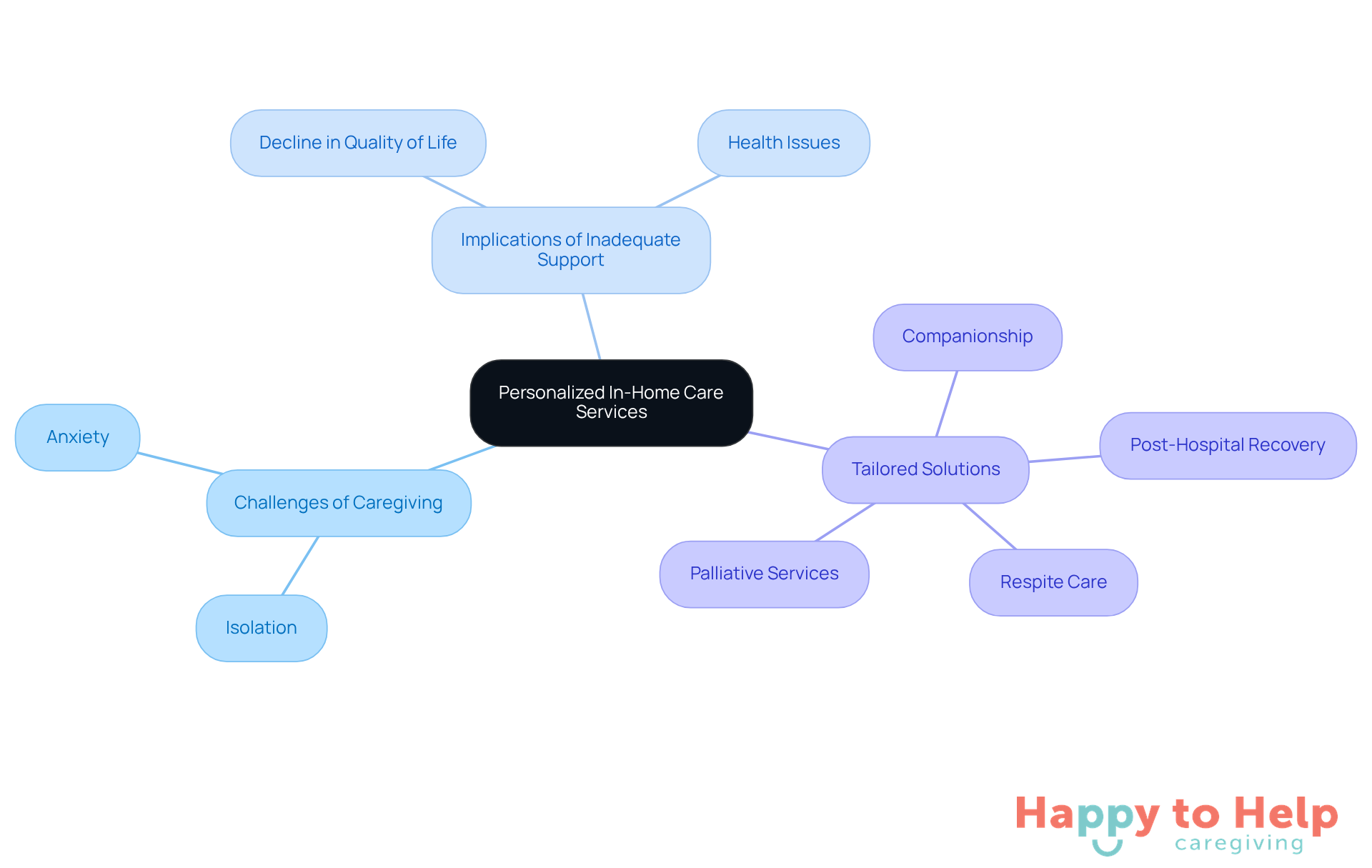
Providing adequate support for seniors and individuals with special needs can be a daunting task. Families often struggle to find the right assistance that not only meets physical needs but also addresses emotional well-being. This lack of support can lead to feelings of isolation and anxiety for both caregivers and their loved ones.
The Implications
When caregivers are overwhelmed, the quality of life for seniors can significantly decline. Loneliness and lack of social interaction can exacerbate health issues, making it crucial to find effective solutions. Without proper assistance, individuals may feel trapped in their own homes, unable to enjoy their daily lives.
A Tailored Solution
Happy to Help Caregiving excels in providing personalized in-home assistance services that significantly improve the quality of life for clients. Their primary services include:
- Companionship
- Post-hospital recovery assistance
- Respite care
- Palliative services
Each service is carefully customized to meet the distinct requirements of clients, ensuring they receive the essential support needed to thrive in their own homes.
By emphasizing independence, Happy to Help Caregiving enables clients to enjoy their daily lives while receiving professional assistance. Regular evaluations of care strategies are essential for adapting to changing health circumstances and individual preferences, ensuring that the support remains relevant and effective.
Moreover, the focus on emotional support and social interaction helps combat loneliness and promotes cognitive health, ultimately leading to improved emotional well-being and overall satisfaction. As the demand for home assistance services continues to grow, Happy to Help Caregiving stands out as a vital resource for families seeking compassionate and tailored support solutions.
Companionship Care: Emotional Support for Seniors
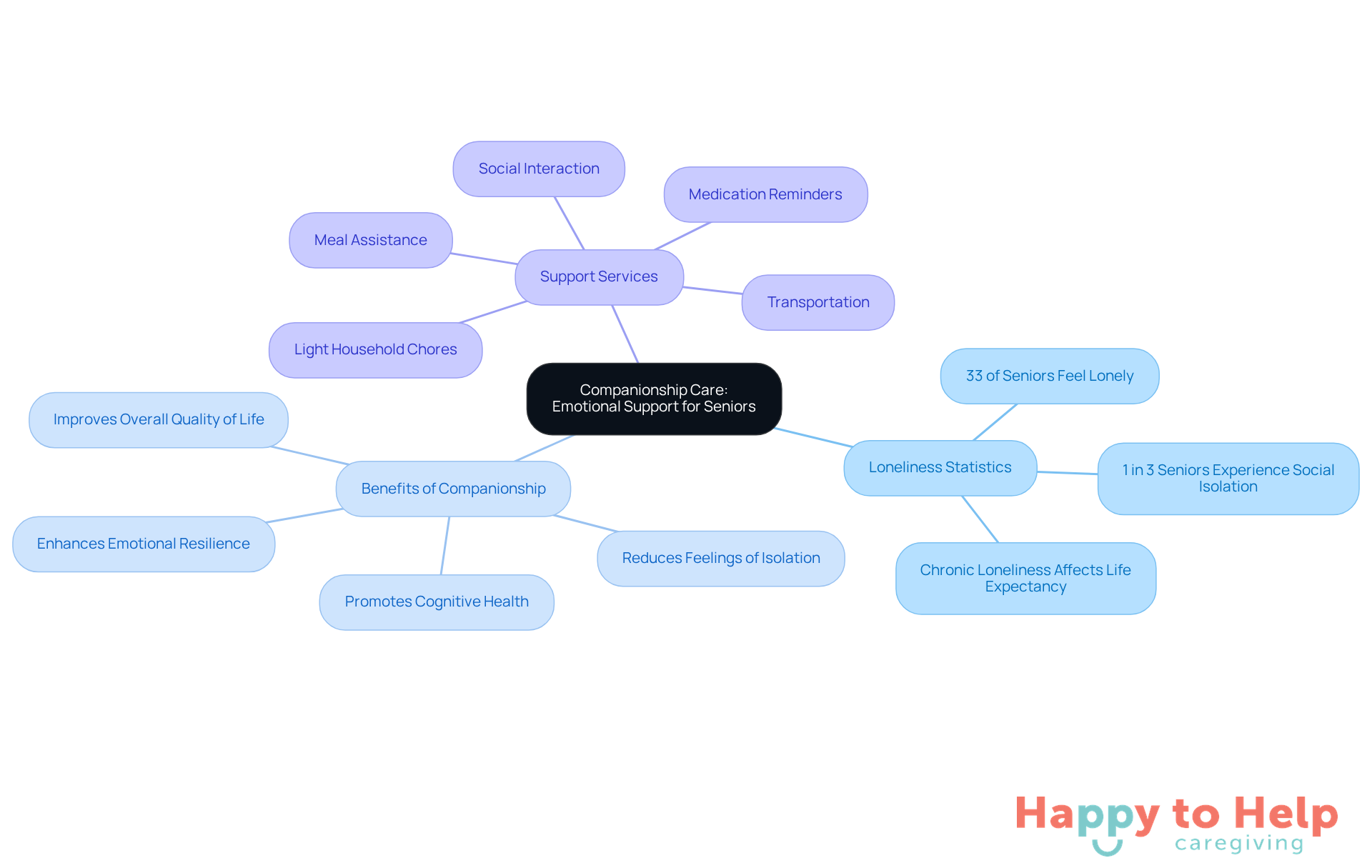
Loneliness is a significant issue for elderly individuals, with recent studies revealing that 33% felt lonely some of the time or often in the past year. This emotional isolation can lead to serious implications for mental and physical health, making it crucial for caregivers to address this challenge.
Assistance for senior citizens through companionship offers a vital solution, providing emotional support that helps reduce feelings of loneliness and isolation. Caregivers engage clients in meaningful conversations, activities, and hobbies, fostering a sense of connection and belonging. This type of support not only enhances emotional resilience but also promotes cognitive health, making it an essential component of in-home assistance.
Programs designed to provide emotional support in home care settings can include:
- Social interaction
- Light household chores
- Transportation
- Meal assistance
- Medication reminders
These services ensure that elderly individuals feel valued and connected in their daily lives. As noted by experts, "Companionship carers play a vital role in enhancing the well-being of older adults," reinforcing the significance of these provisions.
Ultimately, the emotional and physical benefits of companionship often outweigh the financial costs for families, making it a worthwhile investment in their loved ones' quality of life.
Post-Hospital Recovery Assistance: Safe Transition to Home
Post-hospital recovery poses a significant challenge, highlighting the need for assistance for senior citizens returning home after a hospital stay. Without proper support, these individuals face increased risks during their recovery, which can lead to complications and even readmissions. Statistics reveal that nearly one in five Medicare patients are readmitted within 30 days, often due to issues that could have been managed effectively at home. In a geriatric unit, the readmission rate stands at 5.18%, underscoring the critical need for effective post-hospital support.
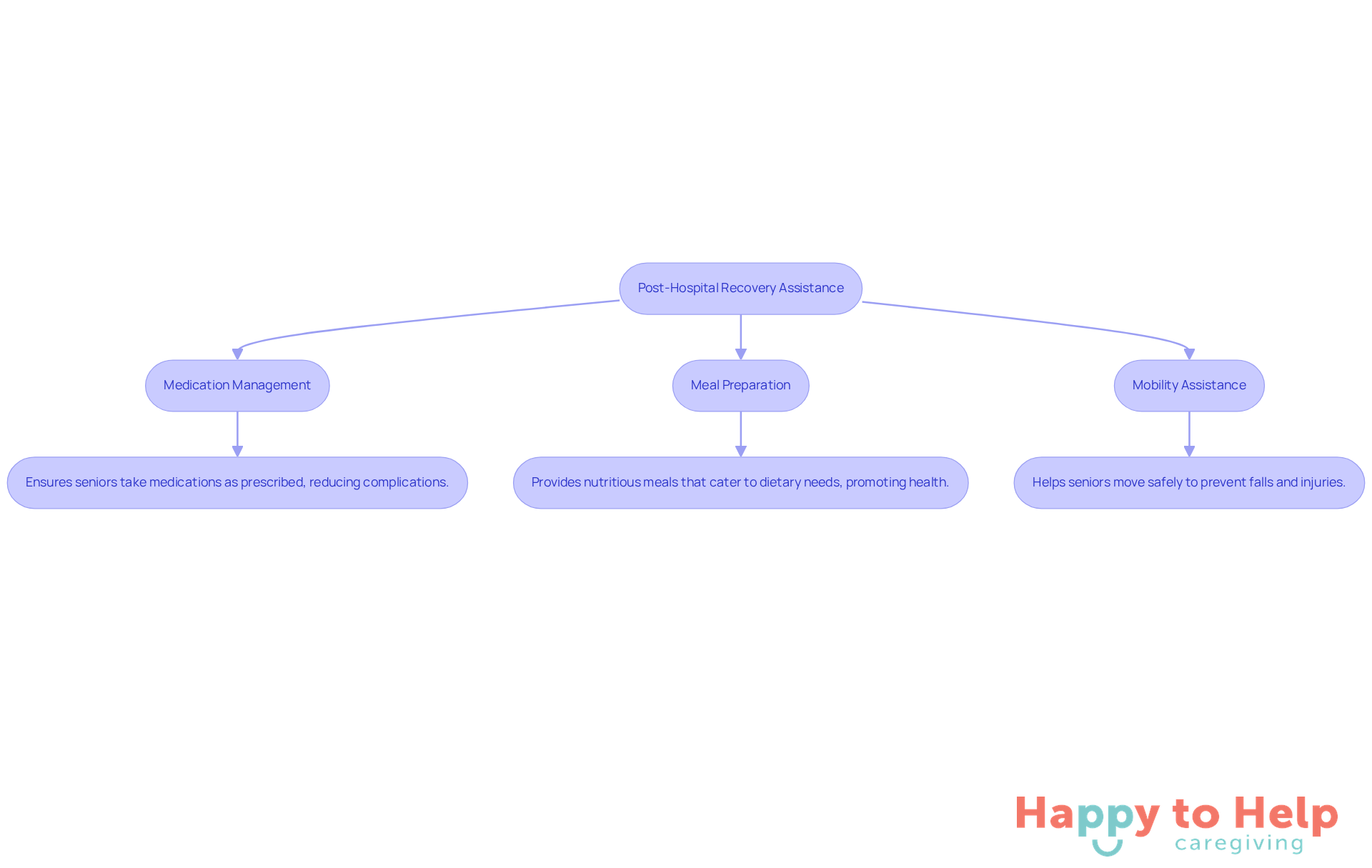
Caregivers can play a vital role in addressing these challenges by providing essential assistance for senior citizens, including services such as medication management, meal preparation, and mobility assistance. Caregivers provide assistance for senior citizens by equipping them with the necessary resources, which not only facilitates a smoother recovery process but also significantly reduces the risk of hospital readmissions. This assistance for senior citizens fosters confidence and independence, allowing them to navigate their recovery in familiar surroundings.
To enhance the quality of life for elderly patients during this vulnerable period, caregivers should consider implementing the following strategies:
- Medication Management: Ensure seniors take their medications as prescribed, reducing the risk of complications.
- Meal Preparation: Provide nutritious meals that cater to dietary needs, promoting overall health.
- Mobility Assistance: Help seniors move safely around their homes to prevent falls and injuries.
By adopting these practical solutions, caregivers can offer valuable assistance for senior citizens in their recovery journey, ensuring they feel secure and supported at home.
Respite Care: Support for Family Caregivers
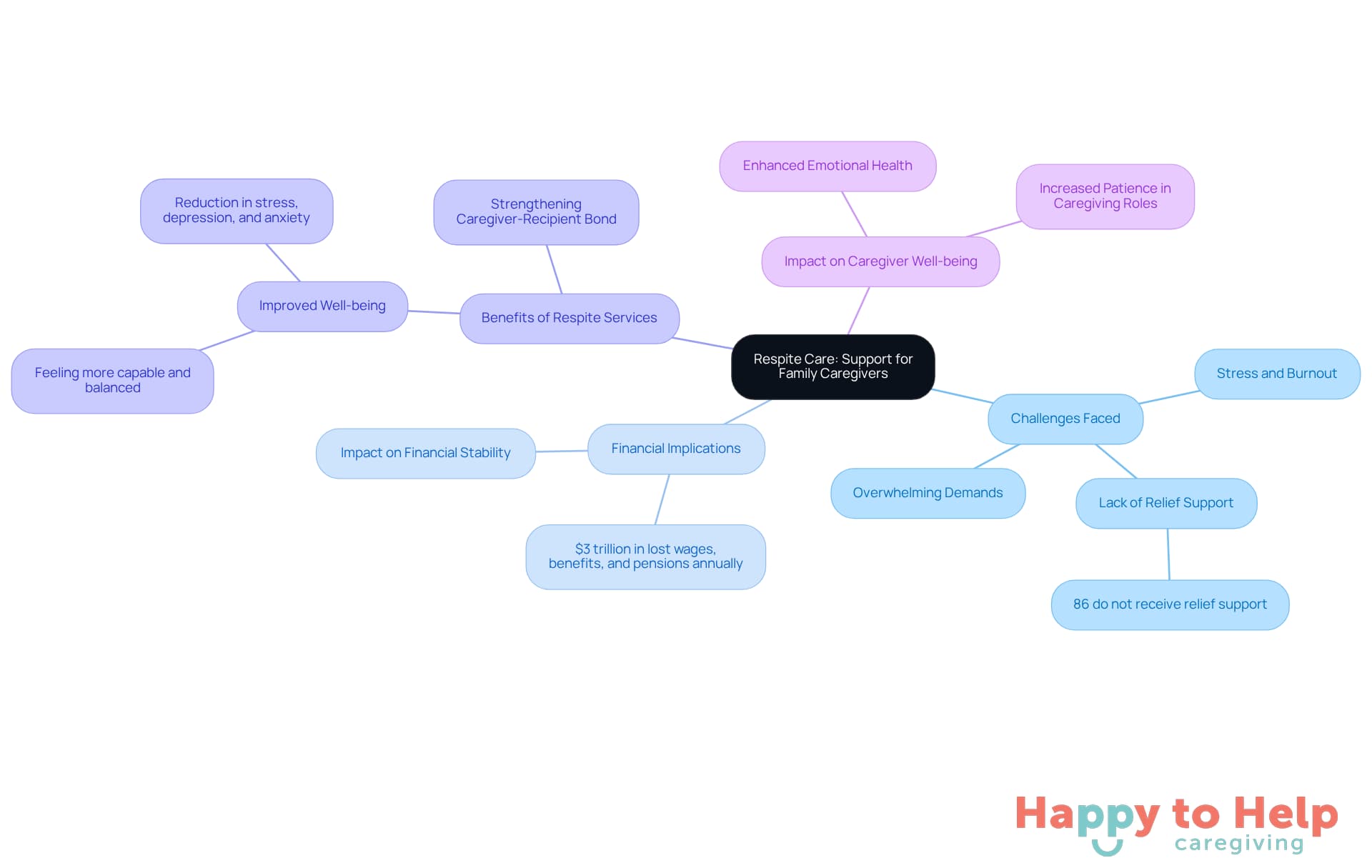
Respite support is a crucial resource for family caregivers, addressing a significant problem: the overwhelming demands of caregiving. Many caregivers struggle to find time for themselves, leading to stress and burnout. In fact, research shows that 86% of adult caregivers do not receive relief support, which can exacerbate feelings of anxiety and depression.
The implications of this lack of support are profound. Caregivers often face an estimated $3 trillion in lost wages, benefits, and pensions annually due to their responsibilities. This financial strain, combined with emotional stress, can hinder their ability to provide quality care. As caregiving experts note, 'Employing respite support is not a demonstration of frailty; instead, it is an essential initial move toward becoming an effective long-term caregiver.'
So, what can caregivers do? Utilizing respite services can significantly improve their well-being. These services can be tailored to meet diverse needs, ranging from a few hours to several days, allowing caregivers to recharge and focus on their health. By reducing stress and preventing burnout, respite support offers crucial assistance for senior citizens, enhancing the overall quality of care provided.
Caregivers who take advantage of respite services often report feeling more capable and balanced, which directly contributes to improved emotional health and patience in their caregiving roles. Ultimately, respite assistance not only benefits caregivers but also strengthens the caregiver-recipient bond, ensuring that both parties thrive in their respective roles.
Palliative Support Care: Enhancing Quality of Life
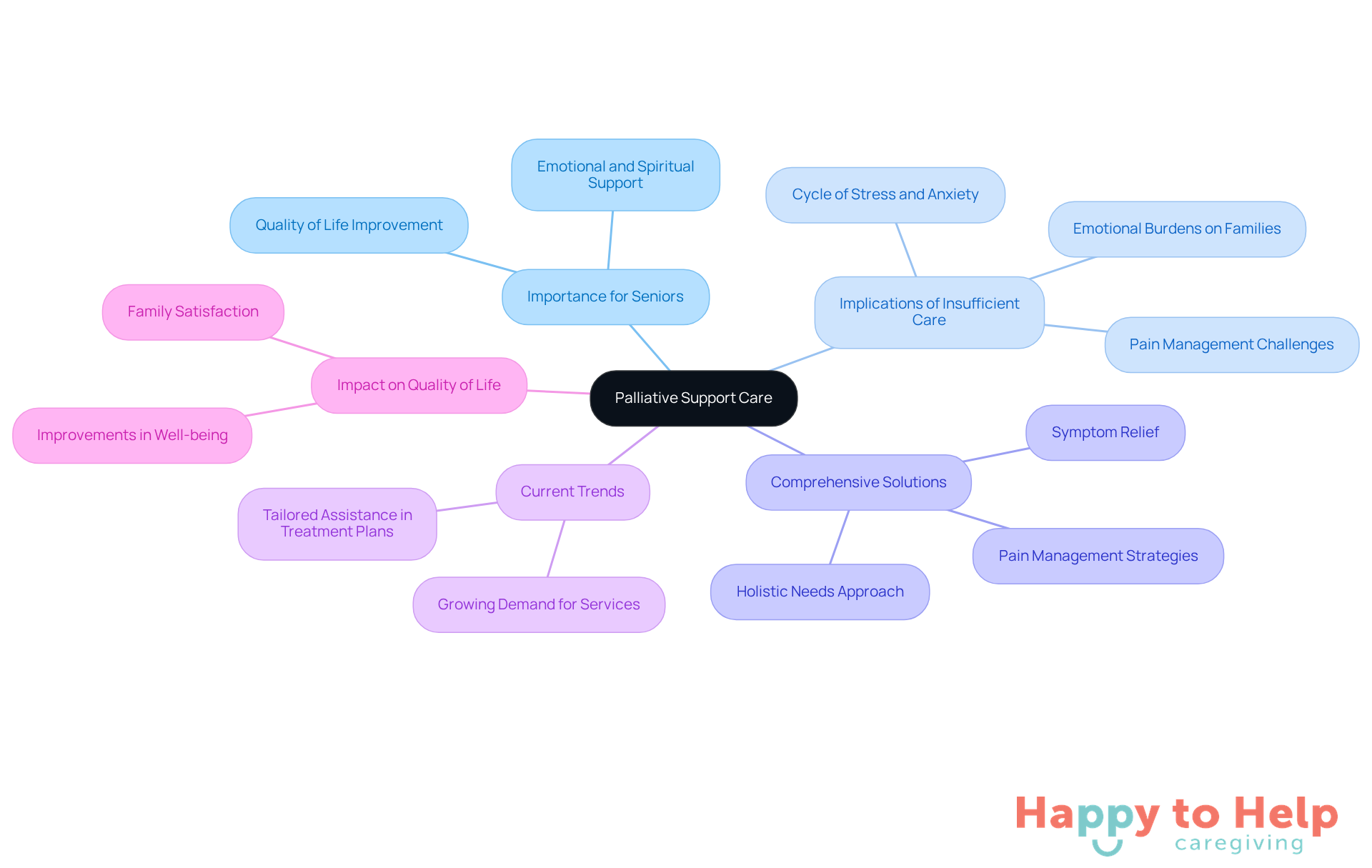
Assistance for senior citizens is crucial in palliative care for those facing serious illnesses, as it directly impacts their quality of life. Without adequate support, these individuals often experience significant physical discomfort and emotional distress, which can affect their overall well-being and that of their families.
The implications of insufficient palliative care are profound. Seniors may struggle with pain management, leading to a diminished quality of life. Families, too, face emotional burdens as they navigate the complexities of caregiving without the necessary assistance for senior citizens. This situation can create a cycle of stress and anxiety, making it essential to address these challenges head-on.
The solution lies in comprehensive palliative support that provides assistance for senior citizens, prioritizing symptom relief, pain management, and emotional well-being. By focusing on the holistic needs of individuals, palliative care fosters dignity and comfort throughout their journey. Experts emphasize that effective palliative support not only alleviates physical discomfort but also nurtures emotional and spiritual health, creating an environment where seniors can engage meaningfully with their lives.
Current trends in palliative support systems highlight the growing recognition of the need for tailored assistance in treatment plans. As the demand for such services increases, individualized support strategies become vital. This approach enables families to manage the complexities of serious illness with confidence and compassion.
Studies indicate that the impact of palliative support on quality of life is significant, with improvements in overall well-being, emotional stability, and family satisfaction. This comprehensive approach not only enhances the experience for those receiving care but also provides invaluable support to their loved ones, reinforcing the essential role of palliative assistance in the continuum of health options.
Medicaid Programs: Financial Assistance for Long-Term Care
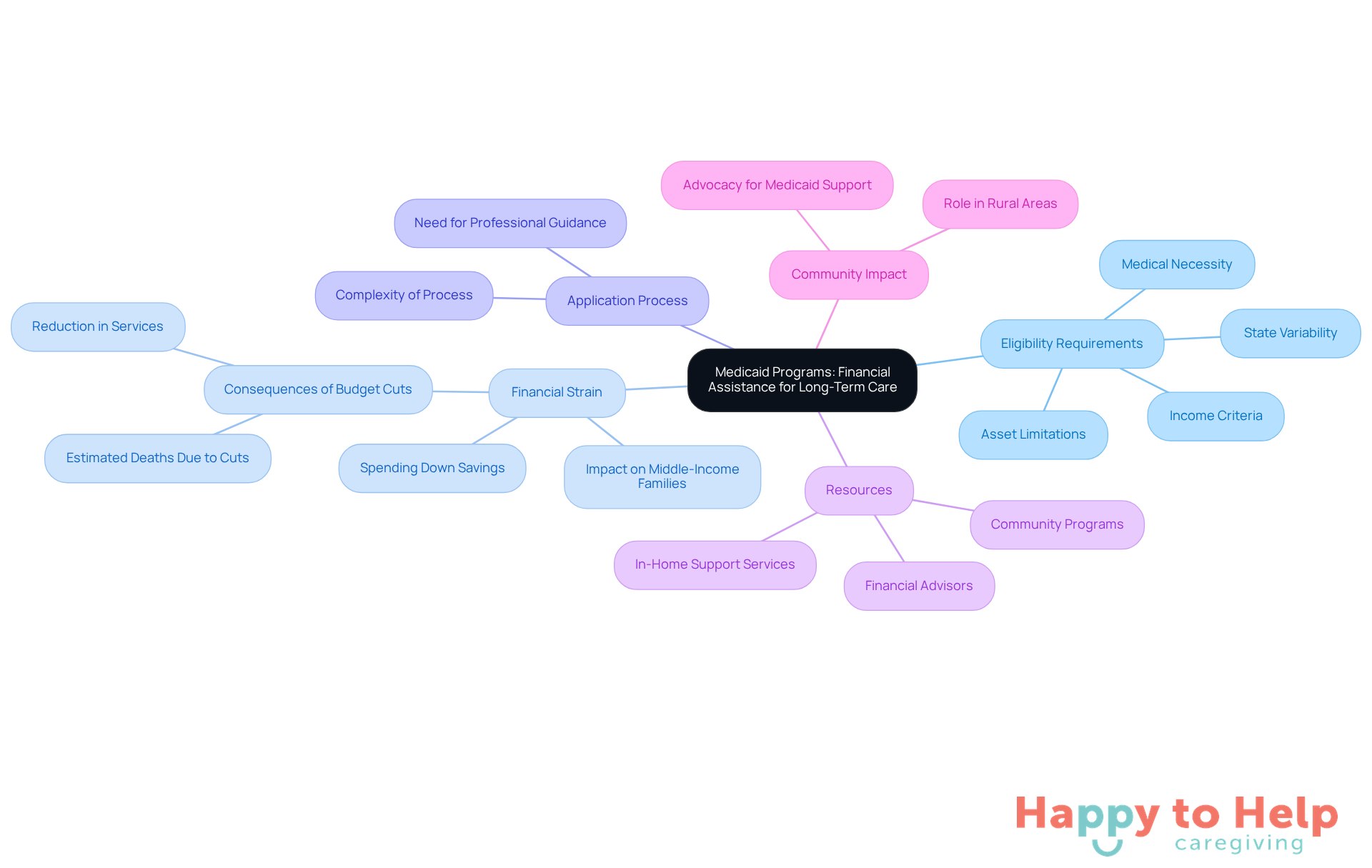
Medicaid programs serve as a crucial financial resource for families facing the challenges of long-term support for their loved ones. However, understanding eligibility requirements is essential, as these can vary significantly by state. Typically, Medicaid eligibility for long-term assistance hinges on factors like income, assets, and medical necessity. Many states require applicants to have limited income and assets, often forcing families to spend down their savings to qualify. This financial strain can be particularly tough for middle-income families, who may find themselves ineligible despite needing assistance. Alarmingly, it's estimated that 51,000 people will die each year due to Medicaid cuts, highlighting the severe consequences of funding reductions.
Navigating the application process can be daunting, but there are resources available to help families through it. Financial advisors often recommend consulting with professionals who specialize in Medicaid planning. This ensures families maximize their benefits while adhering to eligibility criteria. As one advisor notes, "Grasping the intricacies of Medicaid can greatly alleviate the financial strain on families, enabling them to concentrate on delivering support rather than fretting about expenses."
Moreover, effective financial assistance programs exist that focus specifically on in-home support services, providing assistance for senior citizens and additional help for families. These programs can assist in covering expenses that Medicaid might not fully handle, ensuring caregivers can offer the best possible support in a familiar setting.
With Medicaid covering about one in four adults in rural areas, its role in funding long-term assistance is particularly vital in these communities. However, recent budget cuts threaten the stability of these programs, making it even more crucial for families to stay informed about their options and advocate for necessary resources. As Clif Porter, President and CEO of AHCA, stated, "Any reductions to Medicaid would be devastating for older adults, caregivers, and communities." By understanding Medicaid's provisions and eligibility criteria, families can navigate the complexities of assistance for senior citizens more effectively, ensuring their loved ones receive the support they need.
Long-Term Care Options: Planning for Future Needs
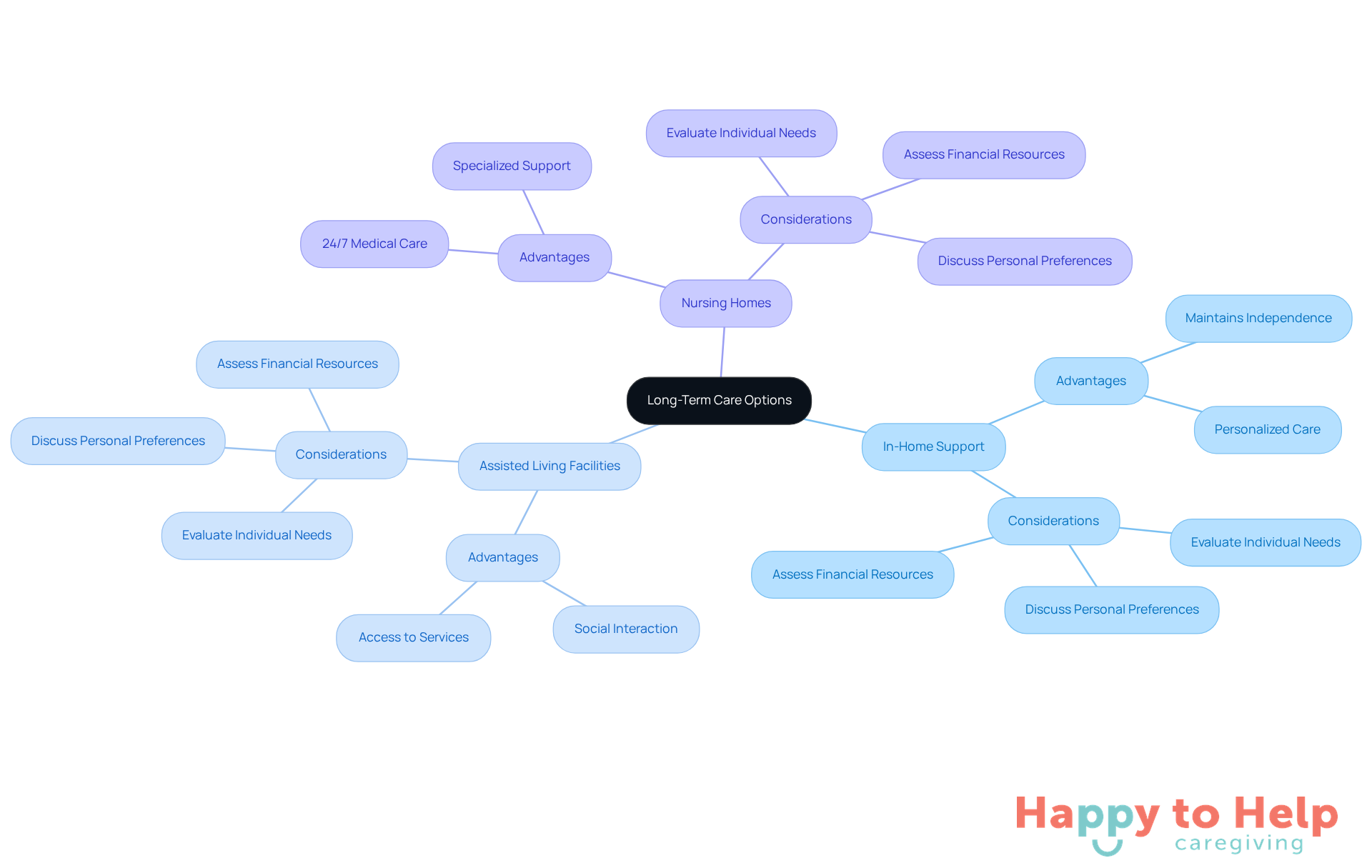
Finding the right long-term support options, including assistance for senior citizens, can be challenging. Families often face the dilemma of choosing between in-home support, assisted living facilities, and nursing homes, each with its own set of advantages. This decision can significantly impact the quality of life for older adults, making proactive planning essential.
To navigate these options effectively, families should:
- Evaluate individual needs
- Discuss personal preferences
- Assess financial resources
Early evaluations by geriatric management professionals can help determine specific support needs, ultimately improving the quality of life for seniors.
Recent trends indicate a growing preference for in-home assistance for senior citizens, which allows them to maintain their independence while receiving necessary support. Innovative models like PACE (Program of All-Inclusive Care for the Elderly) are also gaining popularity, offering comprehensive services that blend health and social assistance.
As the demand for long-term support continues to rise, families are encouraged to stay informed about the latest options available. By understanding the landscape of long-term care, caregivers can ensure their loved ones receive the best possible support.
Technology Integration: Enhancing Care Management
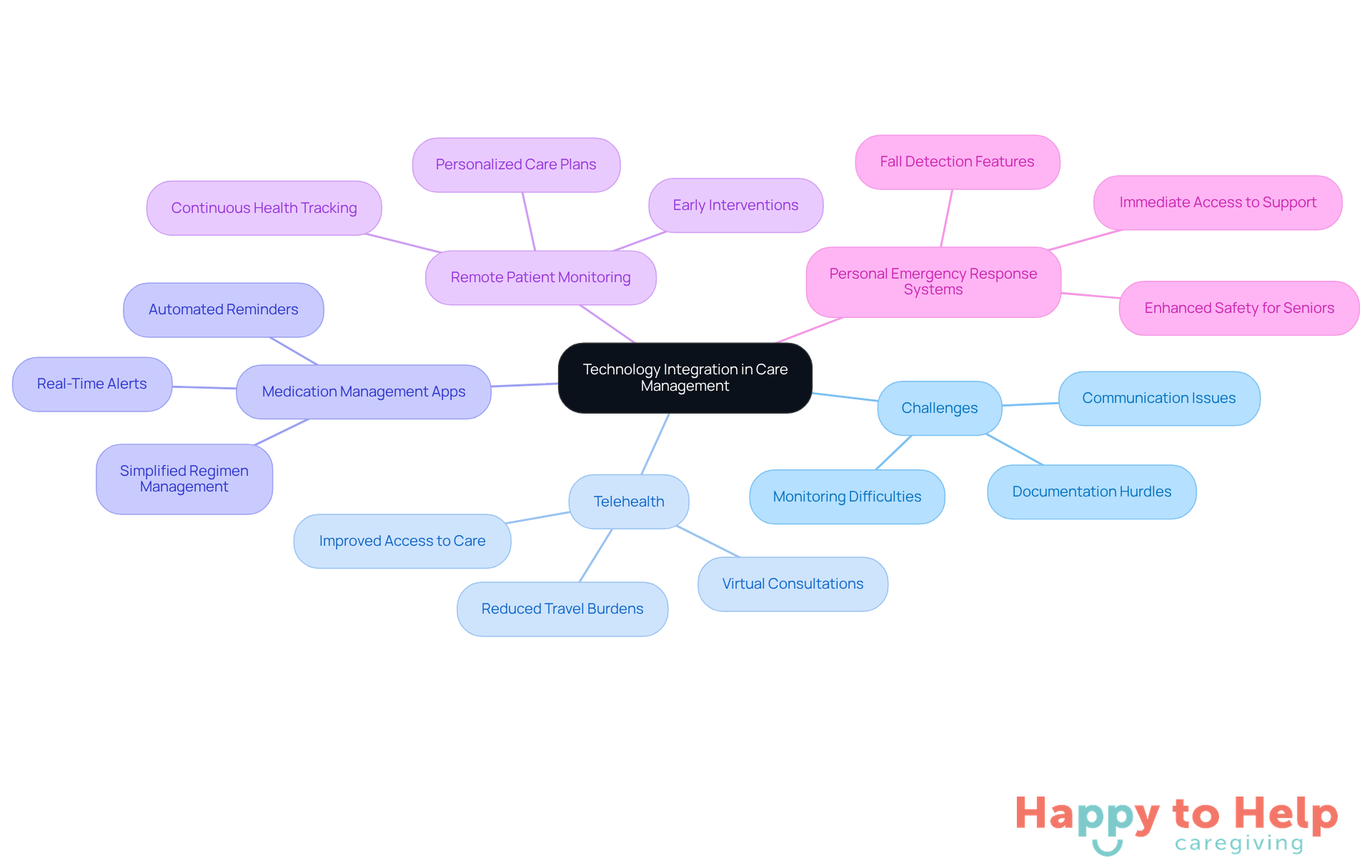
Problem: Caregivers face significant challenges in communication, monitoring, and documentation, which can hinder effective management of care.
These issues not only complicate the caregiving process but also impact the quality of assistance for senior citizens. For instance, without efficient communication tools, caregivers may struggle to coordinate with healthcare providers, leading to missed appointments and inadequate health monitoring.
Solution: Incorporating technology into caregiving can greatly improve management. Telehealth services offer assistance for senior citizens by enabling caregivers to conduct virtual consultations, enhancing access to healthcare while reducing travel burdens. A systematic review highlighted that telehealth interventions for rural older adults improved health outcomes and reduced travel-related expenses, making healthcare more accessible.
Medication management apps simplify the administration of complex regimens, ensuring adherence through automated reminders and real-time alerts for missed doses. Studies show that these technologies significantly improve medication adherence, which is crucial for managing chronic conditions effectively. Additionally, online family portals promote cooperation among caregivers and relatives, enabling smooth updates on support plans and health status.
The impact of these technologies is profound. Remote patient monitoring (RPM) tools facilitate continuous health tracking, leading to earlier interventions and fewer hospitalizations. Research suggests that RPM can foster more proactive and individualized care plans, essential for aging in place. For example, Sarah, a member with multiple chronic conditions, described her experience with RPM as 'life-changing,' allowing her to feel secure and independent. Furthermore, Personal Emergency Response Systems (PERS) provide immediate access to emergency support, enhancing safety and confidence, which offers vital assistance for senior citizens living alone.
Experts emphasize the importance of these technological solutions. As one specialist noted, 'The incorporation of digital tools not only enhances service quality but also enables older adults to sustain their independence.' However, barriers to technology adoption, such as familiarity and access, can hinder the effectiveness of these solutions. By embracing these innovations while being mindful of potential challenges, caregivers can significantly enhance the overall experience for both clients and their families, ensuring that care is not only effective but also compassionate and responsive to individual needs.
Community Resources: Connecting Seniors with Support
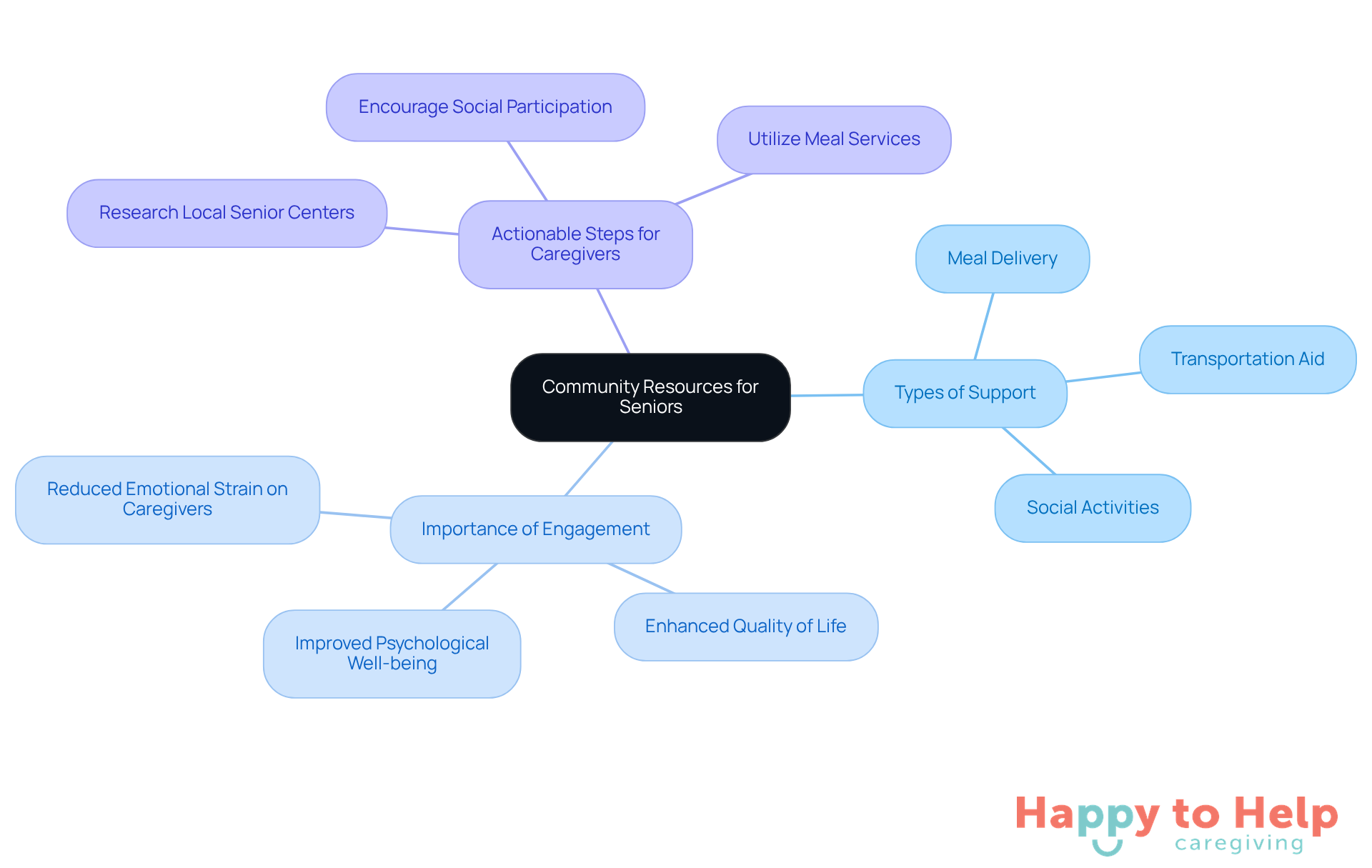
Community resources are vital for offering assistance for senior citizens by connecting older adults with essential support options such as meal delivery, transportation aid, and social activities. However, many caregivers struggle to find these resources, which can lead to feelings of frustration and helplessness.
Local agencies and organizations serve as crucial information hubs, with over 60% of senior centers offering assistance for senior citizens as focal points for Older Americans Act (OAA) resources. These centers often provide meal and nutrition programs, health and wellness initiatives, and transportation services, all of which serve as vital assistance for senior citizens, significantly enhancing the caregiving experience. Families should actively explore these options to ensure their loved ones receive comprehensive support, which can lead to improved health outcomes and greater life satisfaction.
Research shows that older individuals who participate in community center programs experience better psychological well-being. This highlights the importance of engaging with local resources. As noted by the National Council on Aging (NCOA), fostering connections between older adults and community resources provides essential assistance for senior citizens, enhancing their quality of life and alleviating emotional strain on caregivers.
By participating in community assistance for senior citizens programs, seniors can enjoy a more enriching environment that promotes independence and well-being. Here are some actionable steps caregivers can take:
- Research local senior centers to find available programs.
- Encourage participation in social activities to boost mental health.
- Utilize meal delivery services to ensure proper nutrition.
In summary, leveraging community resources can significantly improve the caregiving experience, offering essential assistance for senior citizens and their caregivers.
Caregiver Support: Addressing Emotional and Physical Challenges
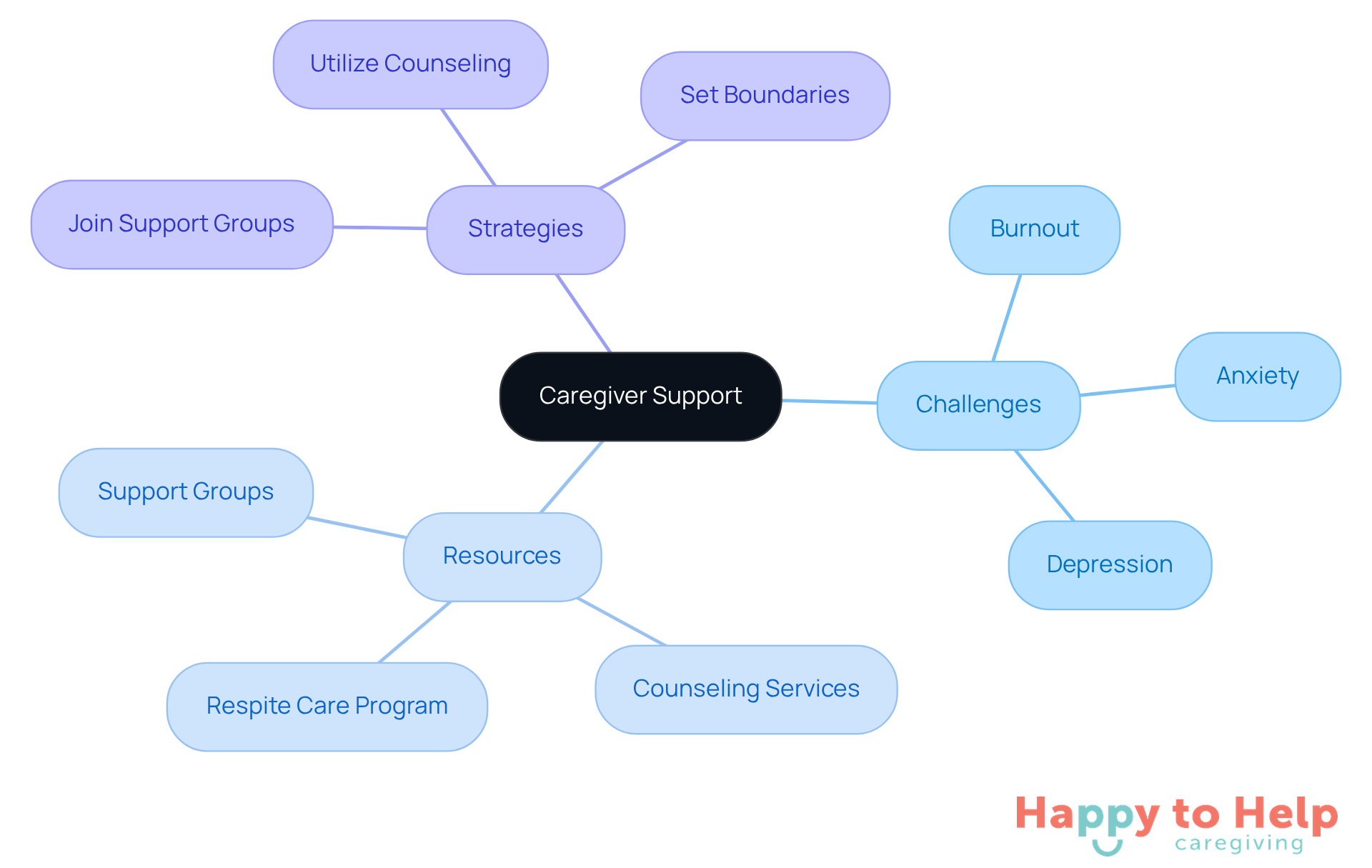
Caregiver support is crucial for addressing the emotional and physical challenges caregivers face. Research shows that over half of adult caregivers, especially those in the sandwich generation, are at risk of burnout. Many experience symptoms of anxiety and depression, which can severely impact their well-being.
To combat these issues, support groups and counseling resources are vital. For example, the Center for Family Caregivers offers free access to Caregiver Coaches who provide practical strategies for sustainable caregiving. Additionally, the Statewide Respite Care Program offers assistance for senior citizens at risk of nursing home placement through in-home services, providing caregivers much-needed relief and the opportunity to recharge.
By prioritizing their own health, caregivers can enhance the quality of support they provide to their loved ones. Psychologists stress the importance of setting boundaries and seeking help when necessary. Remember, prioritizing self-care benefits not only caregivers but also those they care for.
Engaging in support networks fosters a sense of community, which is essential for emotional resilience throughout the caregiving journey. Here are some actionable tips for caregivers:
- Join support groups to share experiences and strategies.
- Utilize counseling services to manage stress effectively.
- Set clear boundaries to protect personal time and health.
By implementing these strategies, caregivers can better navigate their challenges and improve their overall well-being.
Making the Right Choice
Caring for senior citizens can feel like an overwhelming responsibility. Caregivers often face emotional and physical challenges that can impact their well-being. Understanding the essential assistance options available can significantly improve the lives of both caregivers and seniors.
- Companionship is crucial in combating loneliness among elderly individuals.
- Additionally, post-hospital recovery assistance plays a critical role in preventing readmissions, while respite care offers much-needed relief for family caregivers.
- Palliative support is also vital, enhancing the quality of life for seniors.
- Financial resources, such as Medicaid, are essential for long-term care, ensuring that seniors receive the support they need.
By integrating technology and leveraging community resources, caregivers can improve care management. This proactive approach not only enhances the quality of life for seniors but also alleviates the burdens faced by caregivers.
Ultimately, the significance of comprehensive assistance options cannot be overstated. Caregivers are encouraged to actively explore these resources. By prioritizing the well-being of both seniors and caregivers, families can create a supportive environment that fosters independence and enhances overall satisfaction in the caregiving journey.
https://iframe.tely.ai/cta/eyJhcnRpY2xlX2lkIjogIjY5MjI0Zjg3NGZjYWRhOTUwOGRlNDQyZCIsICJjb21wYW55X2lkIjogIjY4ZWU1ZGNhNzMxNzYyNTU3ZjNjOTVjMSIsICJpbmRleCI6IG51bGwsICJ0eXBlIjogImFydGljbGUifQ==Frequently Asked Questions
What challenges do families face when providing care for seniors and individuals with special needs?
Families often struggle to find adequate support that meets both physical needs and emotional well-being, leading to feelings of isolation and anxiety for caregivers and their loved ones.
How does caregiver overwhelm affect seniors?
When caregivers are overwhelmed, the quality of life for seniors can decline significantly due to increased loneliness and lack of social interaction, exacerbating health issues.
What services does Happy to Help Caregiving provide?
Happy to Help Caregiving offers personalized in-home assistance services, including companionship, post-hospital recovery assistance, respite care, and palliative services.
How does Happy to Help Caregiving ensure personalized care?
Each service is customized to meet the distinct requirements of clients, with regular evaluations of care strategies to adapt to changing health circumstances and individual preferences.
What is the importance of companionship care for seniors?
Companionship care provides emotional support, helping to reduce feelings of loneliness and isolation, and promotes cognitive health through meaningful interactions and activities.
What types of support are included in companionship care?
Companionship care can include social interaction, light household chores, transportation, meal assistance, and medication reminders.
Why is post-hospital recovery assistance crucial for seniors?
Post-hospital recovery assistance is vital as it helps prevent complications and readmissions, enabling seniors to recover safely in their homes.
What strategies can caregivers implement during a senior's post-hospital recovery?
Caregivers can implement medication management, meal preparation, and mobility assistance to support seniors during their recovery and enhance their quality of life.
What are the benefits of companionship care for seniors?
The emotional and physical benefits of companionship often outweigh the financial costs, making it a worthwhile investment in enhancing the quality of life for elderly individuals.
List of Sources
- Happy to Help Caregiving: Personalized In-Home Care Services
- The Future of Home Health Care: Trends to Watch in 2025 (https://synchronyfl.com/the-future-of-home-health-care-trends-to-watch-in-2025)
- Home Care Industry Trends to Watch in 2025 (https://firstlighthomecare.com/blog/home-care-industry-trends)
- The impact of personalized home care on elderly quality of life (https://humancareny.com/blog/the-impact-of-personalized-home-care-on-elderly-quality-of-life)
- Trends in Senior Care: What to Expect in 2025 (https://agingconnections.org/blog/trends-in-senior-care-what-to-expect-in-2025)
- How Personalized In-Home Care can Improve Seniors Quality of Life - Freedom Home Care (https://freedomhomecare.net/2024/11/21/how-personalized-in-home-care-can-improve-seniors-quality-of-life)
- Companionship Care: Emotional Support for Seniors
- The Value of Companion Care for Seniors- Home Care Powered By AUAF (https://homecare-aid.com/the-value-of-companion-care-for-seniors)
- Companion Care Benefits for Seniors (https://careindeed.com/blogs/companion-care-benefits-for-seniors)
- The Role of Companionship in Senior Well-Being (https://anodyne-services.com/2025/01/07/the-role-of-companionship-in-senior-well-being)
- 10 Benefits of Companionship Carers for Seniors' Well-Being - Happy To Help (https://happytohelpcaregiving.com/10-benefits-of-companionship-carers-for-seniors-well-being)
- Understanding the Benefits of Companion Care for Seniors - Freedom Home Care (https://freedomhomecare.net/2025/08/26/understanding-the-benefits-of-companion-care-for-seniors)
- Post-Hospital Recovery Assistance: Safe Transition to Home
- Readmission rates and predictors of avoidable readmissions in older adults in a tertiary care centre - PMC (https://pmc.ncbi.nlm.nih.gov/articles/PMC9730993)
- How to Help Seniors Transition Back Home After a Hospital Stay (https://assistinghands.com/98/ohio/westlake/blog/help-seniors-transition-home-hospital)
- After the Hospital: How Home Health Care Supports Recovery at Home - Advanced Nursing & Home Care (https://advancednursing.care/blog/after-the-hospital-how-home-health-care-supports-recovery-at-home)
- Data-driven strategies to reduce preventable hospital readmissions in elders (https://mcknights.com/marketplace/marketplace-experts/data-driven-strategies-to-reduce-preventable-hospital-readmissions-in-elders)
- Risk of hospital readmission after surgery is high for older Americans (https://news.yale.edu/2024/02/28/risk-hospital-readmission-after-surgery-high-older-americans)
- Respite Care: Support for Family Caregivers
- How Does Respite Care Helps Prevent Caregiver Burnout (https://sundaleseniorliving.com/news-and-articles/the-role-of-respite-care-in-preventing-caregiver-burnout)
- 3 Benefits of Respite Care (https://baptistretirement.org/news-blog/3-benefits-of-respite-care)
- Improving Support for Family Caregivers (https://nationalacademies.org/news/2025/07/improving-support-for-family-caregivers)
- Caregivers and the Importance of Respite Care (https://benedictineliving.org/resources/news/caregivers-and-the-importance-of-respite-care)
- Palliative Support Care: Enhancing Quality of Life
- Palliative care and hospice poll reveal major gaps (https://michiganmedicine.org/health-lab/palliative-care-and-hospice-poll-reveal-major-gaps)
- Palliative care (https://who.int/news-room/fact-sheets/detail/palliative-care)
- Quality of Life in Palliative Care: A Systematic Meta-Review of Reviews and Meta-Analyses (https://clinical-practice-and-epidemiology-in-mental-health.com/VOLUME/20/ELOCATOR/e17450179183857/FULLTEXT)
- Regence BlueShield Releases Findings on the Importance of a Holistic Approach to Palliative Care (https://news.regence.com/releases/regence-blueshield-releases-findings-on-the-importance-of-a-holistic-approach-to-palliative-care)
- Understanding the Role of Palliative Care in Advanced Illness Management (https://news.cuanschutz.edu/graduate-school/understanding-the-role-of-palliative-care-in-advanced-illness-management)
- Medicaid Programs: Financial Assistance for Long-Term Care
- States Already Cutting Medicaid, Massive Federal Cuts Yet to Come - Medicare Rights Center (https://medicarerights.org/medicare-watch/2025/10/02/states-already-cutting-medicaid-massive-federal-cuts-yet-to-come)
- New Survey Highlights Devastating Impact of Medicaid Reductions on Nursing Homes (https://ahcancal.org/News-and-Communications/Press-Releases/Pages/New-Survey-Highlights-Devastating-Impact-of-Medicaid-Reductions-on-Nursing-Homes.aspx)
- Changes to Medicaid, the ACA and other key provisions of the One Big Beautiful Bill Act (https://ama-assn.org/health-care-advocacy/federal-advocacy/changes-medicaid-aca-and-other-key-provisions-one-big)
- How cutting Medicaid would affect long-term care and family caregivers (https://npr.org/2025/04/14/g-s1-59261/medicaid-cuts-long-term-care-caregivers)
- Long-Term Care Options: Planning for Future Needs
- Long-term care statistics 2025 (https://singlecare.com/blog/news/long-term-care-statistics)
- Long Term Care 2025 Trends and Outlook (https://providermagazine.com/Articles/Pages/Long Term Care 2025 Trends and Outlook.aspx)
- New Study Explores the Need for Expanded Long-Term Care Services to Support Aging-in-Place | Johns Hopkins Bloomberg School of Public Health (https://publichealth.jhu.edu/2025/new-study-explores-the-need-for-expanded-long-term-care-services-to-support-aging-in-place)
- Most Americans expect to need long-term care in the future, and they don’t want that care in assisted living (https://mcknightsseniorliving.com/news/most-americans-expect-to-need-long-term-care-in-the-future-and-they-dont-want-that-care-in-assisted-living)
- Technology Integration: Enhancing Care Management
- Technology and interventions are changing care for older adults (https://fastcompany.com/91414509/technology-and-interventions-are-changing-care-for-older-adults)
- How enabling technology is transforming home-based care | UnitedHealthcare Community & State (https://uhccommunityandstate.com/content/blog-post/blogs/how-enabling-technology-is-transforming-home-based-care)
- How Technology Can Ease the Caregiver Burden (https://connectamerica.com/insights/how-technology-can-ease-the-caregiver-burden)
- How New Technology Is Elevating Home Care | Baptist Health (https://baptisthealth.com/blog/home-care/how-new-technology-is-elevating-home-care)
- Technology Use Among Older Adults and Their Caregivers: Cross-Sectional Survey Study - PMC (https://pmc.ncbi.nlm.nih.gov/articles/PMC11084119)
- Community Resources: Connecting Seniors with Support
- Get the Facts on Senior Centers and How They Serve Older Adults (https://ncoa.org/article/get-the-facts-on-senior-centers)
- Federal cost cutting imperils some North Dakota senior programs • North Dakota Monitor (https://northdakotamonitor.com/2025/07/15/federal-cost-cutting-imperils-some-north-dakota-senior-programs)
- (https://belleviecare.co.uk/support-advice/60-elderly-care-quotes-to-lift-your-spirits)
- 2025 Senior Living Statistics | SeniorLiving.org (https://seniorliving.org/companies/statistics)
- 28 Senior Care Statistics: In-Home & Assisted Living | Shortlister (https://myshortlister.com/insights/senior-care-statistics)
- Caregiver Support: Addressing Emotional and Physical Challenges
- 'I don't know where to start.' Parents and caregivers are burned out. Who's most at risk? (https://usatoday.com/story/money/2025/04/04/parents-caregivers-burnt-out-help/82695959007)
- Caregiving connects us, community strengthens us - VA News (https://news.va.gov/143323/caregiving-connects-us-community-strengthens-us)
- Family Caregivers: You Deserve Support, and Here’s Where to Find It | Shore Medical Center (https://shoremedicalcenter.org/news/family-caregivers-you-deserve-support-and-here-s-where-find-it)
- Family Caregiver Support, Education Needs Growing (https://hospicenews.com/2025/11/11/family-caregiver-support-education-needs-growing)