10 Essential Companions for Seniors at Home to Enhance Care
For families in our service areas
For families in our service areas, this guide explains companion care and how non-medical in-home caregiving can support care planning in East Idaho, Treasure Valley & Magic Valley, Northern Wasatch, North Central West Virginia & Southwestern Pennsylvania, and Northeast Ohio.
Understanding Companions
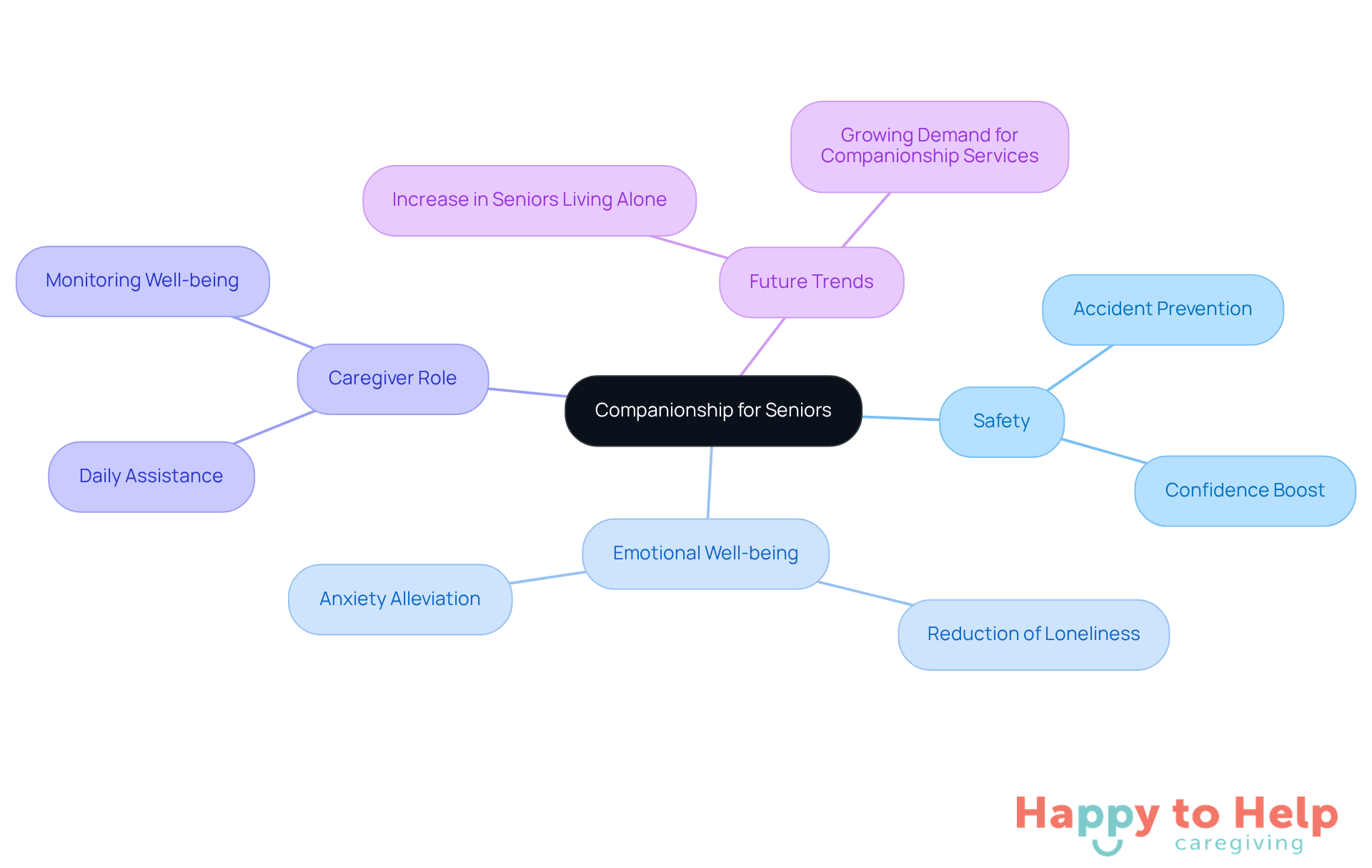
Loneliness and the need for personalized care are significant challenges that many seniors encounter, often resulting in a decline in their overall well-being. As our population ages, the demand for effective companionship services has become increasingly critical. This article delves into ten essential companions for seniors at home, illustrating how these services not only strengthen emotional connections but also markedly enhance the quality of life for older adults.
What innovative solutions can caregivers implement to combat loneliness, ensure safety, and foster independence and joy in the lives of their elderly clients?
Happy to Help Caregiving: Personalized Companionship for Seniors
Loneliness and a lack of personalized care are significant challenges faced by older adults. These issues can lead to emotional distress and a diminished quality of life, making it essential for caregivers to address them effectively.
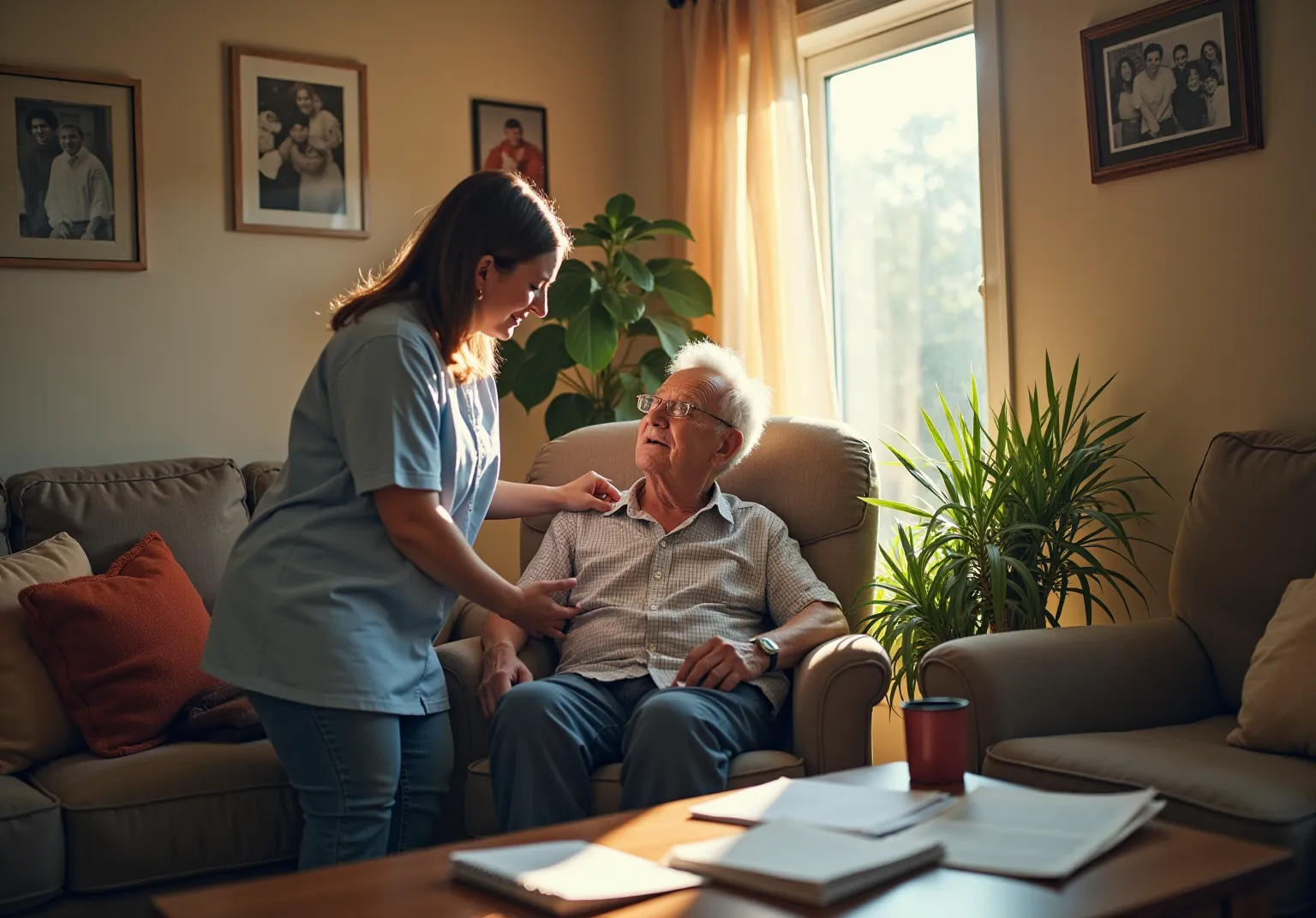
Happy to Help Caregiving provides a solution by offering companions for seniors at home, delivering personalized companionship tailored to each client's unique preferences and needs. This approach not only fosters emotional connections but also enhances the overall quality of life for older adults by providing companions for seniors at home, allowing them to thrive in the comfort of their own homes.
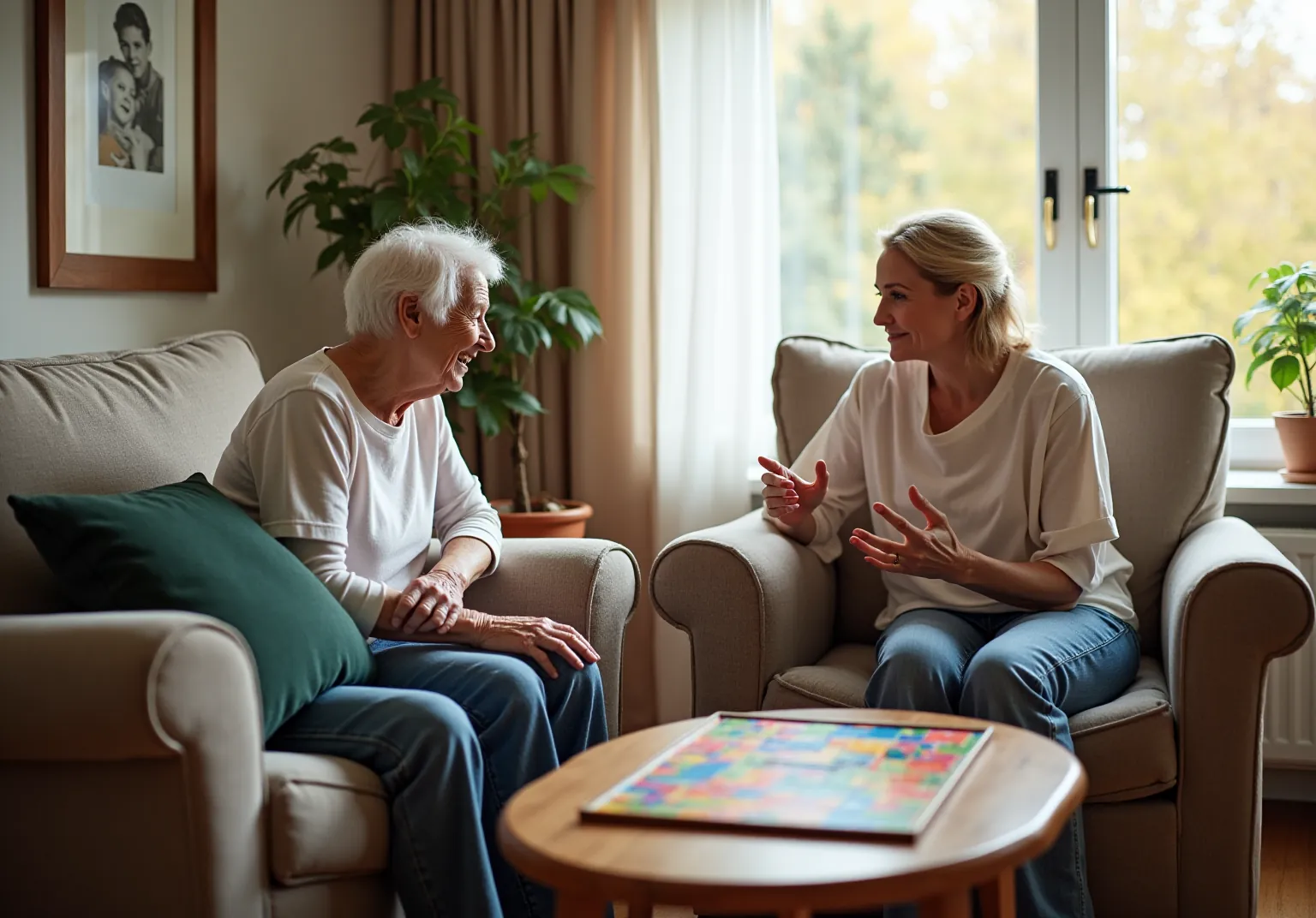
Caregivers provide companionship and engage clients in meaningful conversations and activities, which are crucial for emotional well-being and social interaction, particularly as companions for seniors at home. By focusing on these aspects, caregivers can significantly improve the lives of older adults, ensuring they feel valued and connected.
Post-Hospital Recovery Assistance: A Vital Support System
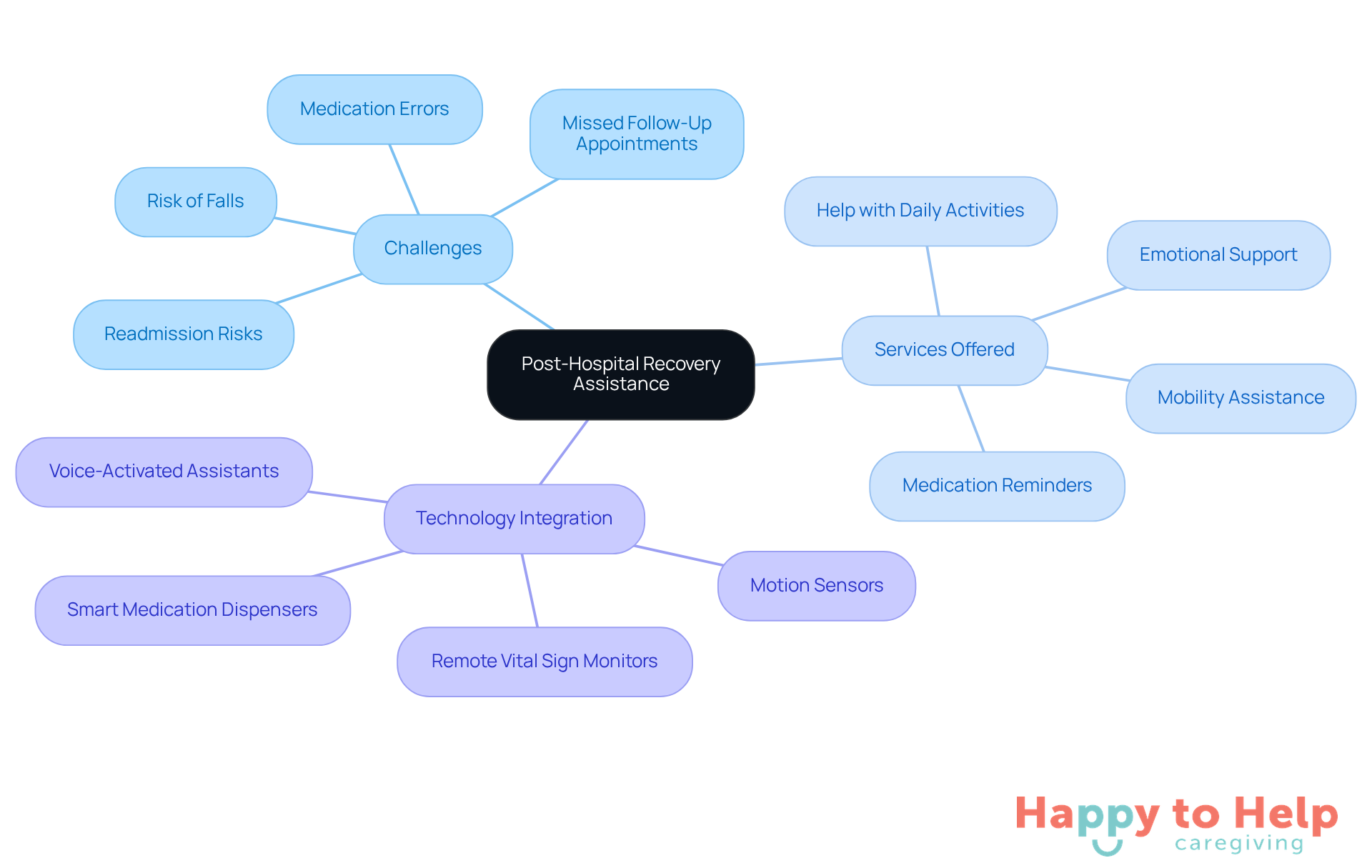
Companions for seniors at home are essential for post-hospital recovery assistance, which is a critical concern for elderly individuals who have recently undergone medical procedures. Many face significant challenges during this vulnerable transition, including the risk of medication errors and falls. Research indicates that nearly one in five Medicare patients returns to the hospital within 30 days of discharge, underscoring the need for effective home support.
Happy to Help Caregiving offers a comprehensive support system that includes companions for seniors at home to address these issues. Their services include:
- Medication reminders
- Mobility assistance
- Help with daily activities
Providing companions for seniors at home ensures that older adults can recover safely. By facilitating a smoother recovery process, this service not only reduces the risk of complications but also promotes a quicker return to independence, allowing seniors to regain their strength and confidence in a familiar environment.
The integration of smart home technology, such as motion sensors and smart medication dispensers, further enhances this support. These tools provide continuous monitoring and timely interventions, which are crucial for successful recovery. As healthcare professionals emphasize, "The transition from hospital to home is a crucial stage that can influence the success of recovery." Therefore, dedicated post-hospital support is essential for elderly patients.
Respite Care: Alleviating Caregiver Burnout
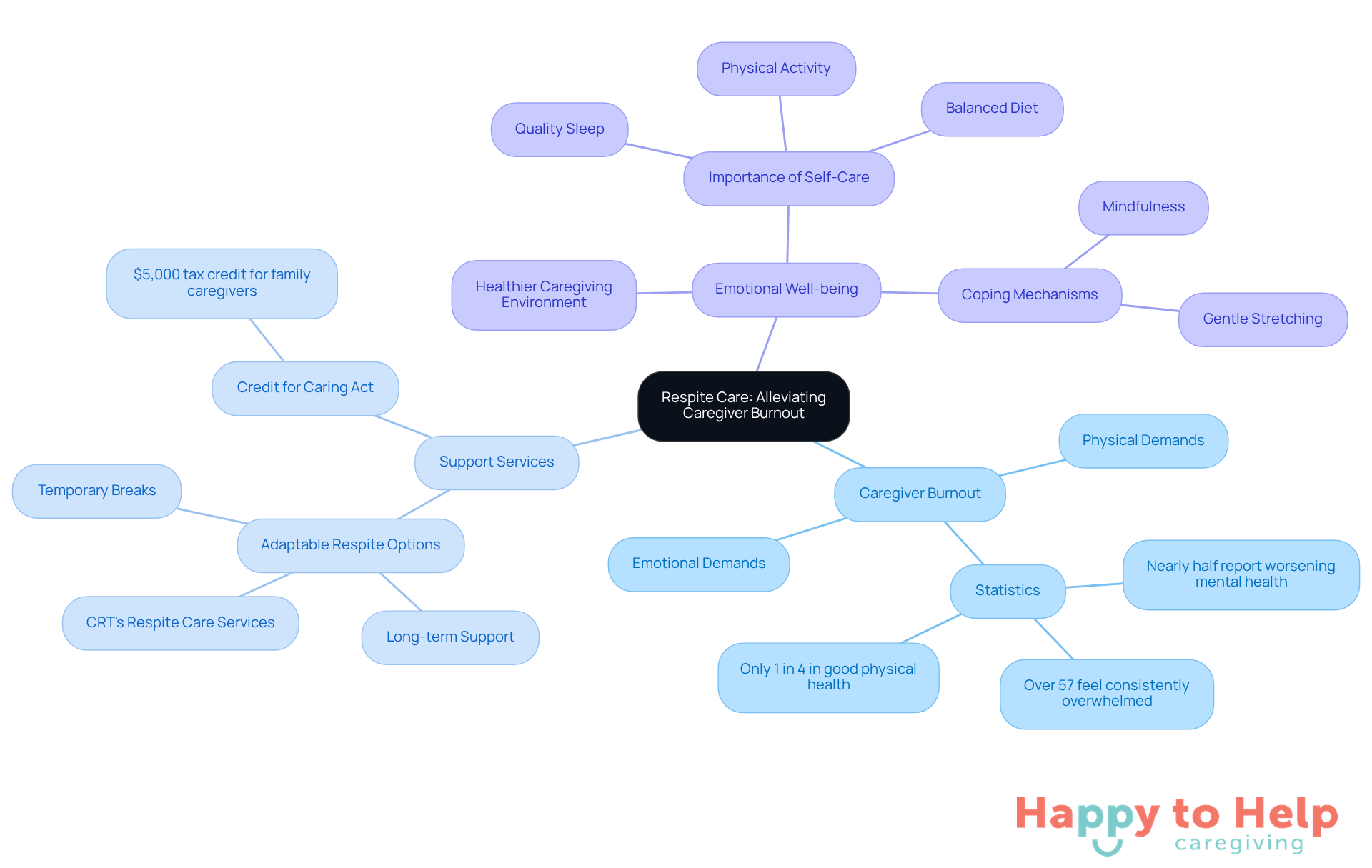
Caregiver burnout is a significant issue that many family members face when providing care for their loved ones. The emotional and physical demands can be overwhelming, leading to stress and fatigue.
Happy to Help Caregiving recognizes this challenge and offers adaptable respite support options for companions for seniors at home. These services help ensure that companions for seniors at home can provide high-quality assistance, allowing caregivers to take necessary breaks in their absence.
Not only does this service address the physical needs of elderly individuals, but it also supports the emotional well-being of caregivers. By fostering a healthier caregiving environment, Happy to Help Caregiving helps alleviate the pressures that caregivers often experience.
Palliative Support Care: Enhancing Quality of Life
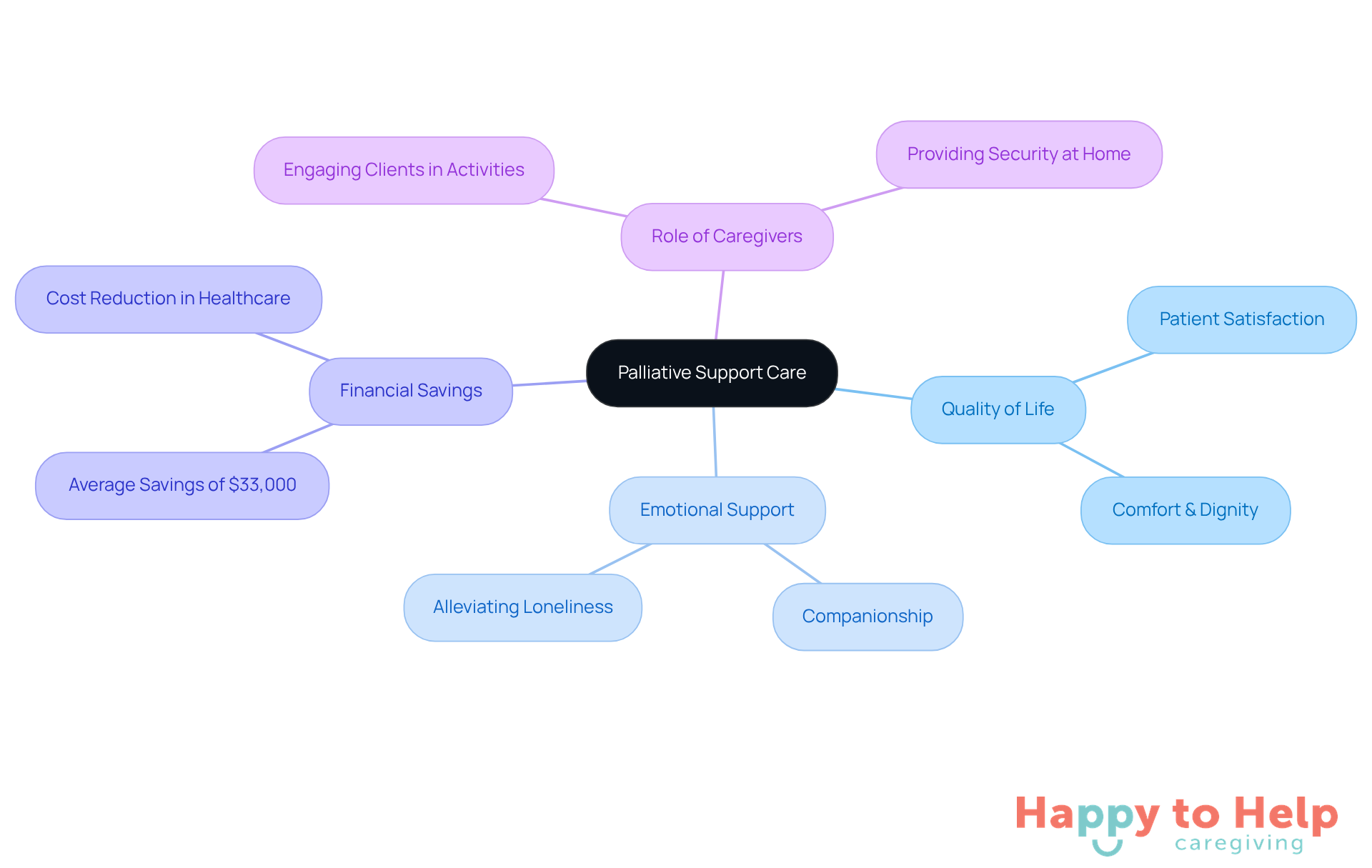
Palliative support is a critical component in improving the quality of life for seniors facing serious illnesses. Without adequate support, families often grapple with emotional and financial burdens. Research indicates that effective palliative care not only enhances patient satisfaction but can also lead to significant cost savings in healthcare. For example, patients receiving both palliative and hospice services save an average of $33,000, underscoring the financial advantages alongside improved quality of life.
Healthcare professionals assert that palliative support is beneficial at any stage of a serious illness, prioritizing comfort and dignity. By integrating emotional support and engaging clients in meaningful activities, caregivers can provide companions for seniors at home to help alleviate feelings of loneliness and isolation. This approach fosters a sense of security at home by providing companions for seniors at home, enhancing the well-being of older adults while giving families peace of mind that their loved ones are receiving the best possible care during challenging times.
As the demand for palliative support rises, especially in light of recent healthcare trends, it’s essential for families to recognize the profound impact these services can have. By focusing on comprehensive support, organizations like Happy to Help Caregiving ensure that elderly individuals can share significant moments with their family members, ultimately enriching their quality of life.
Flexible Care Plans: Tailoring Support to Individual Needs
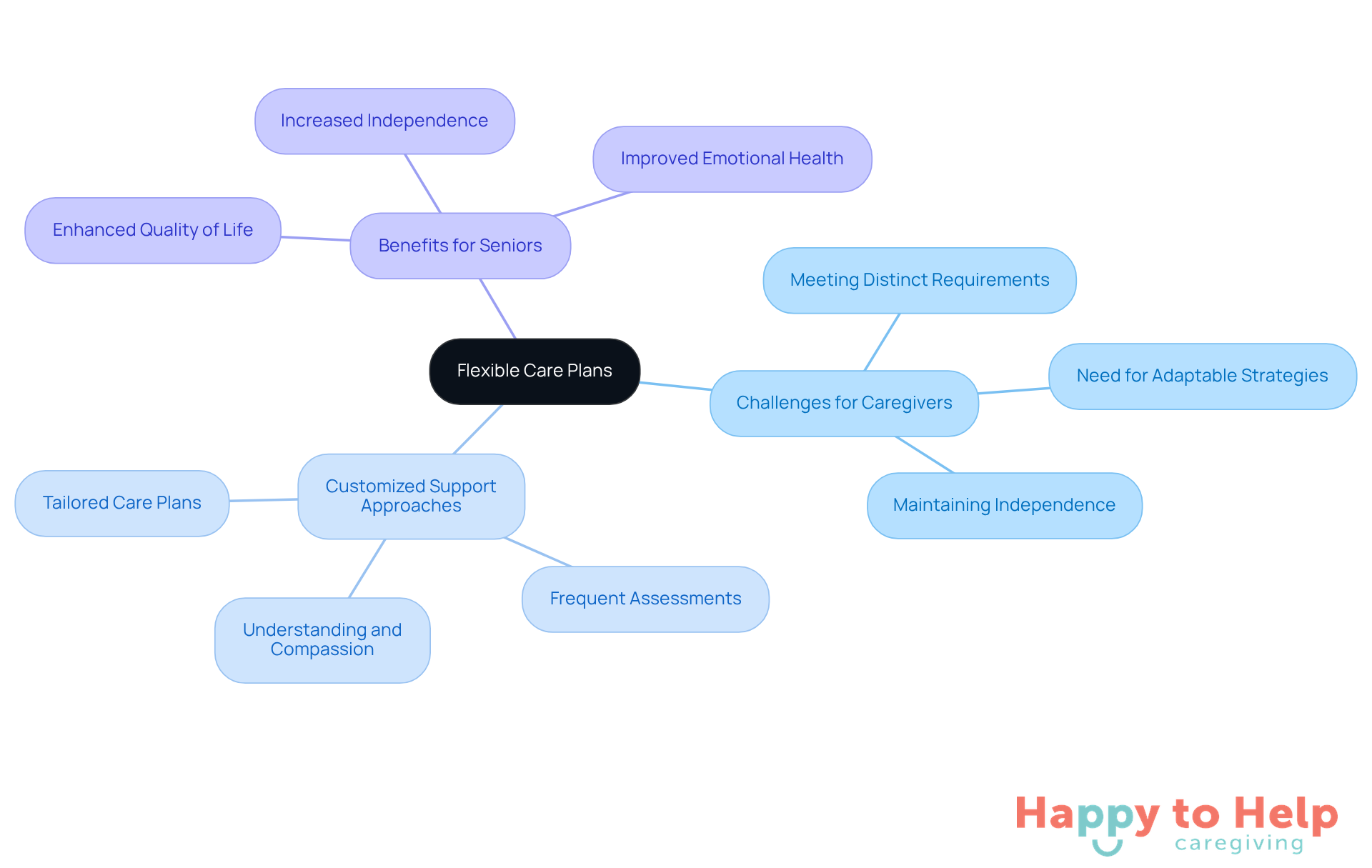
Caregivers face significant challenges in meeting the distinct requirements of elderly individuals, especially when providing companions for seniors at home. Without adaptable support strategies, many older adults may struggle to receive the assistance they need, highlighting the importance of companions for seniors at home to maintain their independence and quality of life.
Joyful to Assist Caregiving addresses this issue by creating customized support approaches that adjust to evolving situations. This tailored method ensures that clients receive the appropriate level of assistance at the right moment, enhancing the effectiveness of support.
By implementing these personalized strategies, caregivers can serve as companions for seniors at home, helping older adults maintain their independence and improve their overall well-being. This approach not only meets immediate needs but also fosters a better quality of life for those they care for.
Combating Loneliness: The Emotional Benefits of Companionship
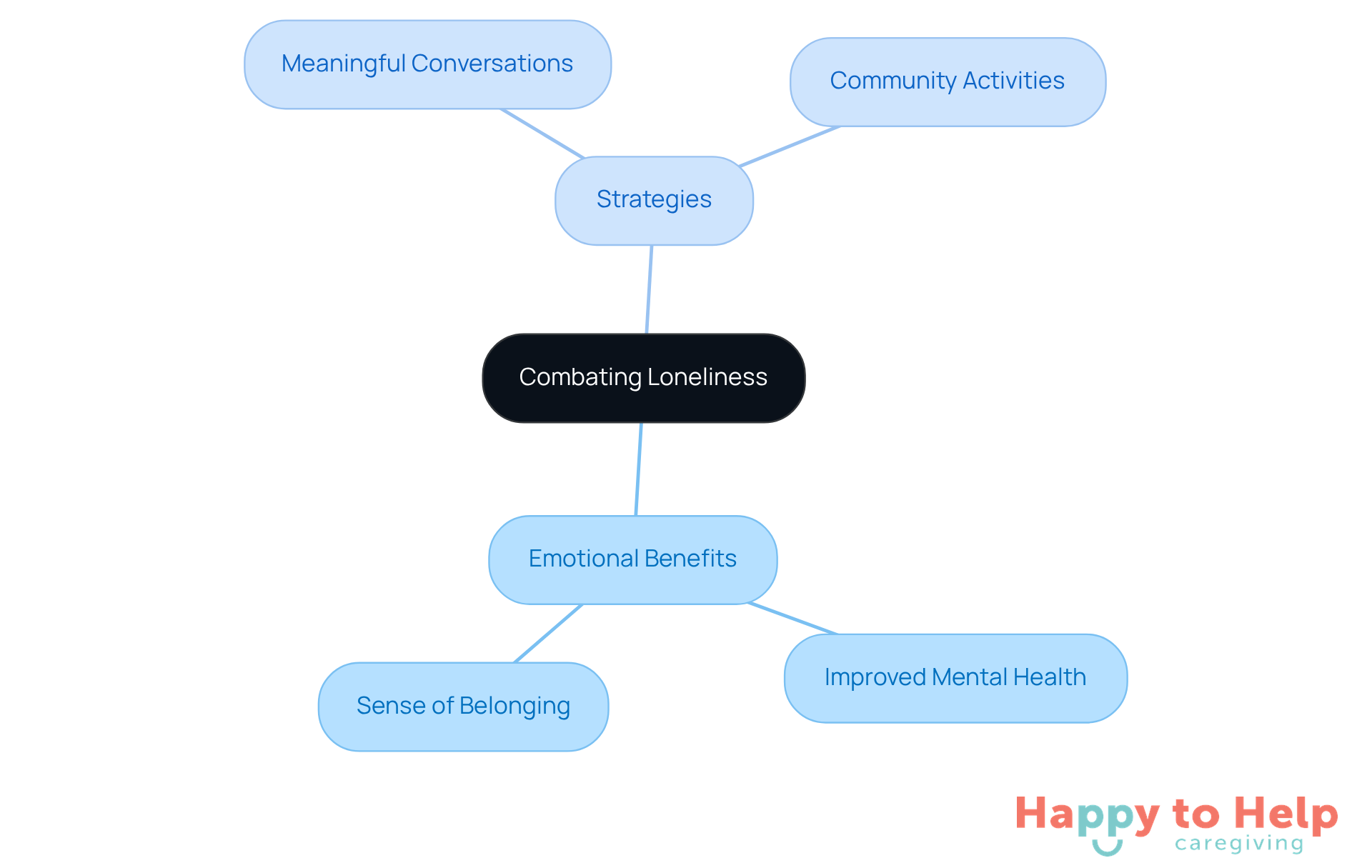
Loneliness is a significant issue in elder care, impacting the emotional well-being of older adults. Many face feelings of isolation, which can lead to deteriorating mental health. In fact, studies indicate that 61% of older adults report feeling less lonely after moving into supportive environments that offer companionship services. This highlights the importance of addressing loneliness in caregiving.
To combat this problem, caregivers can implement several effective strategies:
- Engaging older adults in meaningful conversations
- Encouraging participation in community activities
These strategies can foster social connections. Regular social interactions are essential, as they help create a sense of belonging, which is crucial for mental health. Dr. Jennifer Wong, interim executive director of the nonprofit Life Story Club, emphasizes this point: "When we experience meaningful connections, it improves our physical and mental well-being."
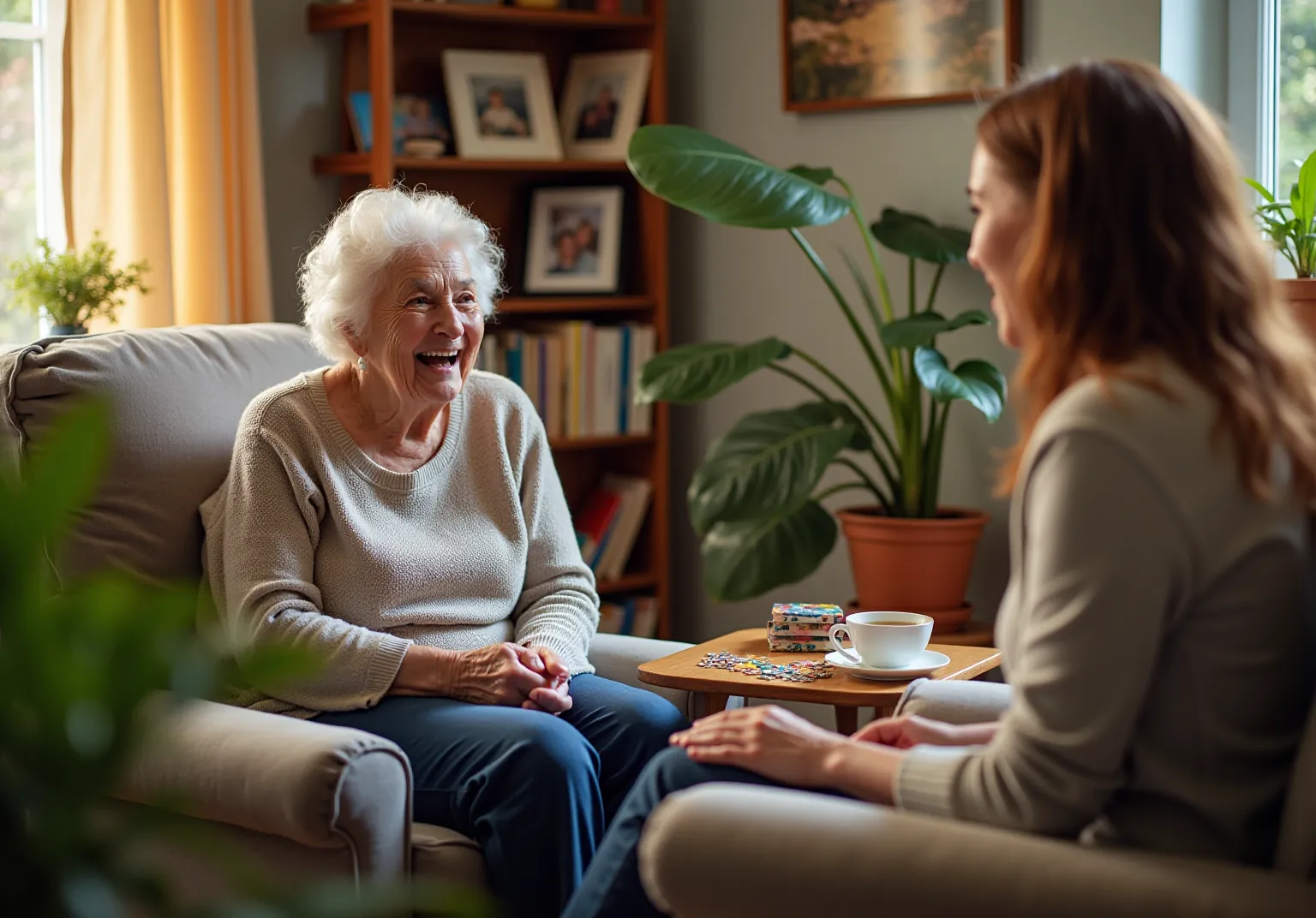
Companions for seniors at home play a vital role in providing the emotional support and social interactions necessary to alleviate loneliness. By focusing on building relationships, caregivers can significantly enhance the quality of life for older adults, promoting a healthier and happier existence.
Safety and Peace of Mind: The Assurance of Companionship
Having companions for seniors at home is crucial, as it significantly contributes to their sense of safety and peace of mind. Many elderly individuals face the challenge of loneliness, which highlights the importance of having companions for seniors at home to reduce anxiety and the heightened risk of accidents. At Happy to Help Caregiving, caregivers are dedicated to addressing this issue by being present, assisting with daily tasks, and closely monitoring their clients' well-being.
This attentive presence not only helps prevent accidents but also instills confidence in older adults, knowing that help is readily available when needed. Research shows that strong social relationships are linked to greater longevity and improved health, highlighting the essential role of companionship in enhancing safety at home. Caregivers often report that their presence alleviates anxiety for both elderly individuals and their families, creating a comforting atmosphere that promotes independence.
As we look ahead to 2025, the number of elderly individuals living alone is expected to rise. This trend underscores the increasing importance of companions for seniors at home in preventing accidents and enhancing safety, making it a vital component of in-home care. By fostering strong relationships and providing consistent support, caregivers can significantly improve the quality of life for older adults.
Engagement in Activities: Boosting Mental Health for Seniors
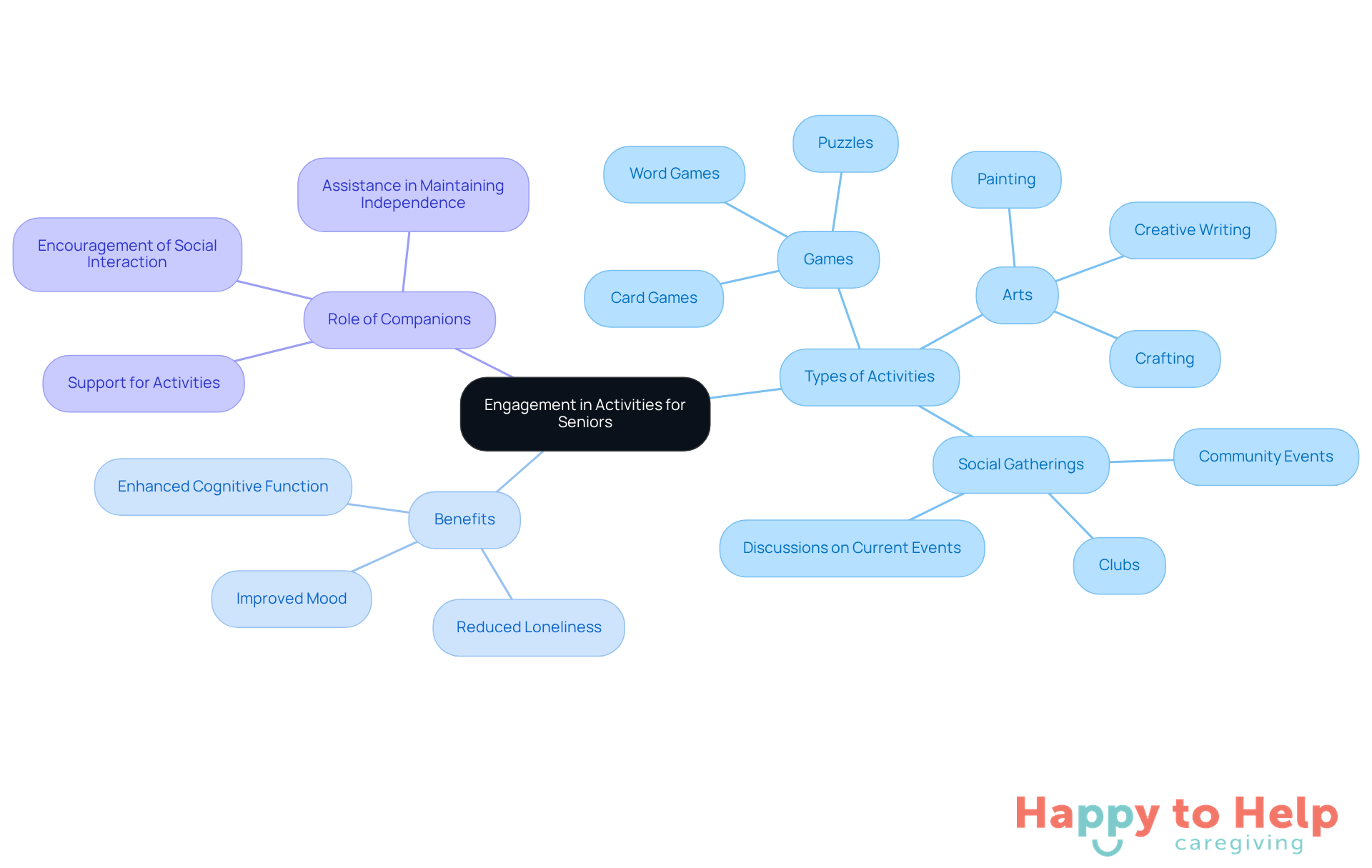
Active participation in hobbies and social gatherings is crucial for older adults facing mental health challenges, and having companions for seniors at home can greatly support this involvement. Many struggle with feelings of isolation and cognitive decline, which can significantly impact their quality of life, making the presence of companions for seniors at home essential.
Research shows that companions for seniors at home can help them stay mentally, physically, and socially active, which can improve mood and reduce the risk of memory problems. Engaging in activities like games, arts, and community gatherings not only stimulates cognitive function but also fosters emotional well-being. For instance, creative pursuits such as painting or crafting provide a calming outlet for stress while enhancing focus and memory.
Social engagements, whether through clubs or discussions about current events, provide companions for seniors at home and help alleviate feelings of loneliness. These interactions with companions for seniors at home enable older adults to feel more connected and appreciated. Caregivers can serve as companions for seniors at home, playing a vital role in promoting an active lifestyle and assisting older adults in preserving their mental sharpness and overall happiness.
By encouraging participation in various activities, caregivers can significantly enhance the quality of life for older adults, who may benefit from having companions for seniors at home.
Technology Integration: Enhancing the Caregiving Experience
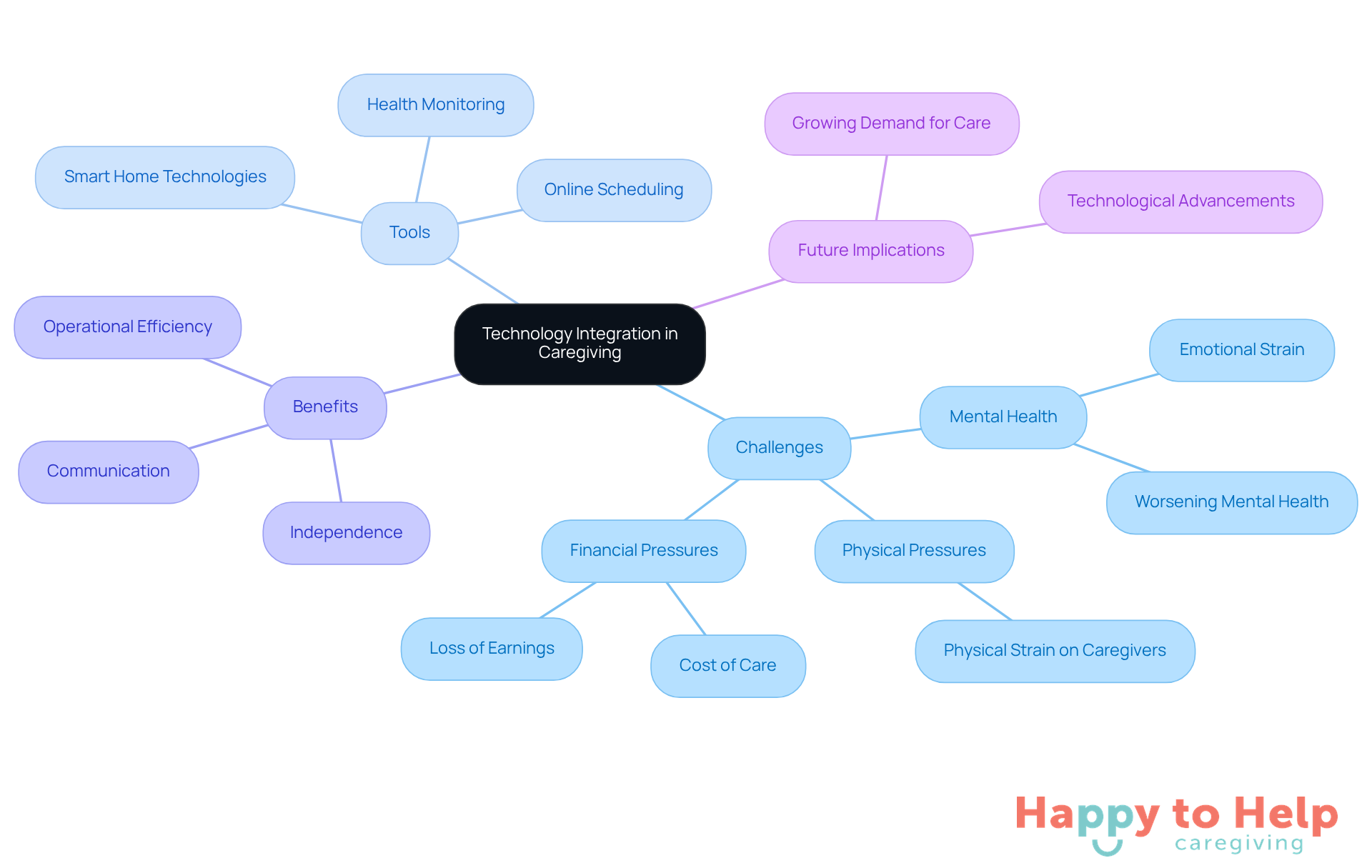
The incorporation of technology is vital in improving the caregiving experience, particularly for those providing companions for seniors at home. Caregivers face significant challenges, with nearly half reporting deteriorating mental health due to emotional, physical, and financial pressures. This alarming statistic underscores the urgent need for supportive technologies that can alleviate stress and enhance coordination of assistance.
Happy to Help Caregiving utilizes a range of tools, including online scheduling systems and health monitoring devices, to enhance service delivery and keep families informed. These advancements not only improve operational efficiency but also foster better communication among caregivers, elderly individuals, and their families. By integrating smart home technologies, older adults can maintain control over their living environments, which facilitates the use of companions for seniors at home, promoting independence while ensuring safety and preserving dignity in caregiving relationships.
As one in five Americans is expected to be over 65 by 2030, with 73 million Baby Boomers navigating the balance between independence and necessity, the demand for companions for seniors at home will only grow. This makes technological integrations crucial for effective elder assistance. By utilizing these tools, Caregiving exemplifies how technology can enhance the overall caregiving experience, fostering a supportive and connected environment for both caregivers and their clients.
Family Testimonials: Real-Life Impact of Companion Care
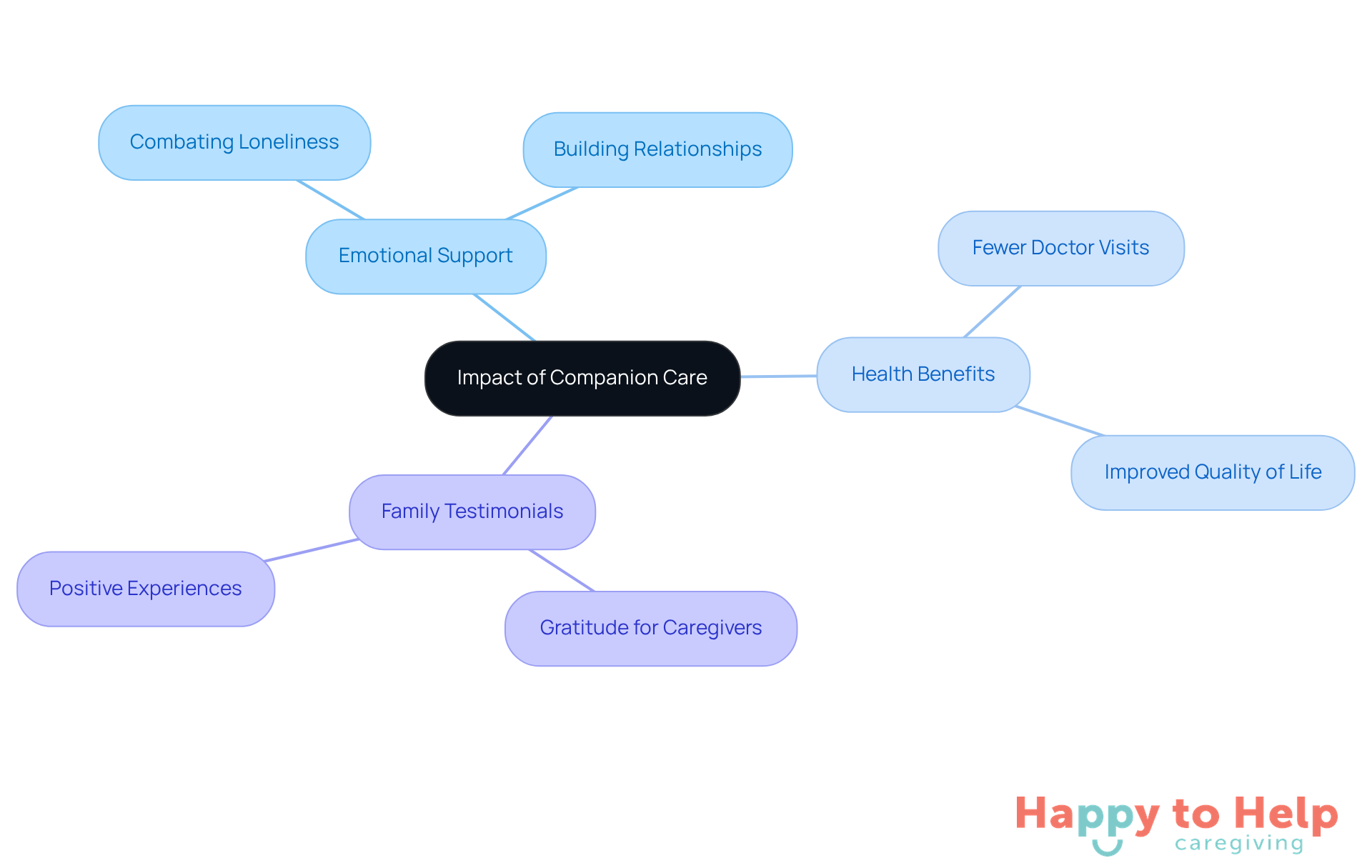
Loneliness among older adults is a significant issue that can greatly affect their quality of life. Families often express concern about their loved ones feeling isolated, which can lead to emotional distress and even health complications. This is where companions for seniors at home play a crucial role.
Individualized attention from Happy to Help Caregiving has been shown to improve the lives of seniors. Families frequently share their gratitude for the dedicated support their loved ones receive. For instance, one family noted how their long-term caregiver became an essential part of their mother’s daily routine, helping her maintain independence while providing emotional support. As one family member expressed, "The caregiver not only helped my mother with daily tasks but also became a friend, making her feel valued and loved."
Such testimonials highlight the agency's commitment to enhancing daily life for older adults. Knowing that their loved ones are cared for with compassion and respect brings peace of mind to families. Moreover, seniors utilizing in-home assistance services report 25% fewer doctor visits annually compared to those who do not, underscoring the health benefits of companionship.
The positive feedback from families reinforces the idea that personalized care is essential for ensuring satisfaction and comfort. Companionship provided by companions for seniors at home is not just a nice-to-have; it is a cornerstone of effective elderly care that can significantly improve the well-being of older adults.
Moving Forward with Companions
Companionship for seniors at home is more than just a service; it’s a crucial lifeline that significantly enhances their quality of life. Loneliness can be a profound issue for older adults, leading to emotional distress and even health complications. Caregivers provide essential emotional, physical, and social support that can alleviate these feelings, aid recovery after hospitalization, and ensure a safe living environment.
Recognizing the unique needs of each individual is vital. Personalized companionship services empower seniors to thrive in their own homes, fostering dignity and a sense of belonging. This tailored approach not only addresses loneliness but also promotes overall well-being.
As we explore the various aspects of companion care, it’s clear that emotional support plays a critical role in combating loneliness. Additionally, technology enhances caregiving experiences, making it easier for caregivers to connect with seniors. Flexible care plans, palliative support, and respite care options create a comprehensive strategy to tackle the multifaceted challenges faced by seniors and their caregivers. Each component contributes to a holistic support system that prioritizes the well-being of older adults while alleviating the stress experienced by family caregivers.
With the growing senior population, the importance of companionship in elderly care is paramount. Families should actively seek personalized caregiving options that cater to their loved ones' unique needs. This ensures that seniors are not only cared for but also cherished. Investing in companion care is an investment in a happier, healthier future for seniors, reinforcing the idea that everyone deserves to feel valued and connected, regardless of age.
https://iframe.tely.ai/cta/eyJhcnRpY2xlX2lkIjogIjY5MjI2NTBiMjcyNDliYTNkMmMzZTVhNyIsICJjb21wYW55X2lkIjogIjY4ZWU1ZGNhNzMxNzYyNTU3ZjNjOTVjMSIsICJpbmRleCI6IG51bGwsICJ0eXBlIjogImFydGljbGUifQ==Frequently Asked Questions
What challenges do older adults face that Happy to Help Caregiving addresses?
Older adults often face loneliness and a lack of personalized care, which can lead to emotional distress and a diminished quality of life.
How does Happy to Help Caregiving provide companionship for seniors?
Happy to Help Caregiving offers companions for seniors at home, delivering personalized companionship tailored to each client's unique preferences and needs, fostering emotional connections and enhancing their overall quality of life.
What activities do caregivers engage clients in?
Caregivers engage clients in meaningful conversations and activities, which are crucial for emotional well-being and social interaction.
Why is post-hospital recovery assistance important for seniors?
Post-hospital recovery assistance is vital for elderly individuals who have recently undergone medical procedures, as they face challenges such as medication errors and falls during this vulnerable transition.
What services does Happy to Help Caregiving provide for post-hospital recovery?
Their services include medication reminders, mobility assistance, and help with daily activities, ensuring that older adults can recover safely at home.
How does smart home technology enhance the support provided to seniors?
Smart home technology, such as motion sensors and smart medication dispensers, provides continuous monitoring and timely interventions, which are crucial for successful recovery.
What is caregiver burnout, and how does Happy to Help Caregiving address it?
Caregiver burnout refers to the emotional and physical exhaustion faced by family members providing care. Happy to Help Caregiving offers adaptable respite support options to help alleviate this burnout and ensure high-quality assistance for seniors.
How does respite care benefit both seniors and caregivers?
Respite care addresses the physical needs of elderly individuals while also supporting the emotional well-being of caregivers, fostering a healthier caregiving environment.
List of Sources
- Happy to Help Caregiving: Personalized Companionship for Seniors
- How Senior In-Home Care Promotes Independence in San Antonio, TX (https://fox2now.com/business/press-releases/ein-presswire/866935491/how-senior-in-home-care-promotes-independence-in-san-antonio-tx)
- Companion Care Benefits for Seniors (https://careindeed.com/blogs/companion-care-benefits-for-seniors)
- Benefits of Companion Care for Seniors in California - 2025 (https://findinghomecare.net/benefits-of-companion-care-for-seniors)
- 10 Benefits of Companionship Carers for Seniors' Well-Being - Happy To Help (https://happytohelpcaregiving.com/10-benefits-of-companionship-carers-for-seniors-well-being)
- How Companion Drivers Help Fight Senior Loneliness and Isolation | NorthPennNow (https://northpennnow.com/news/2025/nov/14/how-companion-drivers-help-fight-senior-loneliness-and-isolation)
- Post-Hospital Recovery Assistance: A Vital Support System
- Recovering Stronger: Rehab for the Elderly After a Hospital Stay - Notre Dame Health Care (https://notredamehealthcare.org/news-blog/recovering-stronger-rehab-for-the-elderly-after-a-hospital-stay)
- Post-Hospital Home Care: The Key to a Smoother, Safer Recovery (https://heavenathomecare.com/how-post-hospital-home-care-helps-seniors-recover)
- Smart Homes and Post-Hospital Care: Supporting Seniors Aging in Place (https://hcprosonline.com/smart-homes-and-post-hospital-care-supporting-seniors-aging-in-place)
- Recovery in Activities of Daily Living Among Older Adults Following Hospitalization for Acute Medical Illness - PMC (https://pmc.ncbi.nlm.nih.gov/articles/PMC2717728)
- Sent Home To Heal, Patients Avoid Wait for Rehab Home Beds - KFF Health News (https://kffhealthnews.org/news/article/patients-rehab-at-home-unclog-hospital-bed-nursing-home-waiting-list)
- Respite Care: Alleviating Caregiver Burnout
- A bill in Congress would return $5,000 to millions of family caregivers every year, but will it pass? (https://cbsnews.com/newyork/news/credit-for-caring-act-family-caregiver-tax-credit)
- HHS Backs AI Innovation for America’s Caregivers | HHS.gov (https://hhs.gov/press-room/hhs-backs-ai-innovation-for-americas-caregivers.html)
- Family Caregivers Struggling In Some States More Than Others (https://disabilityscoop.com/2025/10/31/family-caregivers-struggling-in-some-states-more-than-others/31710)
- Caregiver Burnout: The Importance of Respite Care - CRT Care Services (https://crtcare.co.uk/2025/09/12/caregiver-burnout-the-importance-of-respite-care)
- News & Success Stories | Live Well San Diego (https://livewellsd.org/Home/Components/News/News/513/153)
- Palliative Support Care: Enhancing Quality of Life
- ‘A good death’: How compassionate care helps people navigate the end of life (https://news.yale.edu/2025/10/13/good-death-how-compassionate-care-helps-people-navigate-end-life)
- Hospice, Palliative Care Services Yield High Quality, Cost Savings (https://hospicenews.com/2025/09/22/hospice-palliative-care-services-yield-high-quality-cost-savings)
- Palliative Care Articles & News (https://capc.org/about/press-media/articles-news?page=9)
- Emergency departments report more consults for hospice, palliative care (https://msutoday.msu.edu/news/2025/09/emergency-departments-report-more-consults-for-hospice-palliative-care)
- Hospice & Palliative Care Benefits | Council on Aging (https://help4seniors.org/news/how-hospice-and-palliative-care-services-make-a-difference)
- Flexible Care Plans: Tailoring Support to Individual Needs
- Expanding Home Care Options with New Congressional Bill (https://caitlin-morgan.com/seniors-will-have-more-flexible-home-care-options-if-new-bill-is-passed)
- Government rolls out new home care model for older people (https://rnz.co.nz/news/national/574631/government-rolls-out-new-home-care-model-for-older-people)
- Importance of Personalized Senior Home Care in Burlington NC (https://wisdomseniorcare.com/the-importance-of-personalized-care-plans-for-seniors)
- Senior Living Operators Pivot to Blended Care Levels to Promote Personalization, Ease Transitions (https://seniorhousingnews.com/2025/08/05/senior-living-operators-pivot-to-blended-care-levels-to-promote-personalization-ease-transitions)
- Care planning model allows for more flexibility in the event of serious illness (https://mcknights.com/news/care-planning-model-allows-for-more-flexibility-in-the-event-of-serious-illness)
- Combating Loneliness: The Emotional Benefits of Companionship
- For seniors dealing with social isolation, NYC programs provide intergenerational events (https://cbsnews.com/newyork/news/cost-of-caregiving-the-life-story-club-nyc-friendly-visiting-program)
- 11 Ways to Fight Loneliness in Older Adults (https://health.usnews.com/senior-care/articles/loneliness-in-older-adults-challenges-and-remedies)
- Senior living can help break cycle of loneliness in older adults, Argentum CEO testifies at Senate hearing (https://mcknightsseniorliving.com/news/senior-living-can-help-break-cycle-of-loneliness-in-older-adults-argentum-ceo-testifies-at-senate-hearing)
- Fighting elderly loneliness (https://cbsnews.com/video/fighting-elderly-loneliness)
- The emotional benefits of companion care for seniors (https://humancareny.com/blog/the-emotional-benefits-of-companion-care-for-seniors)
- Safety and Peace of Mind: The Assurance of Companionship
- Peace of Mind: The Safety and Security Benefits in Today’s Senior Living Communities (https://clearwaterliving.com/news-blog/peace-of-mind-the-safety-and-security-benefits-in-today-s-senior-living-communities)
- Protecting Elderly Parents This Winter: How iSharing Keeps Families Connected (https://cw39.com/business/press-releases/ein-presswire/868271582/protecting-elderly-parents-this-winter-how-isharing-keeps-families-connected)
- 5 Ways Senior Living Provides Peace of Mind (https://seacrestterraces.com/senior-living-peace-of-mind)
- How Senior Living Communities Champion Safety, Wellness, and Peace of Mind for Older Adults (https://redeemerseniorliving.org/news/how-senior-living-communities-champion-safety-wellness-and-peace-of-mind-for-older-adults)
- Facts About Falls (https://cdc.gov/falls/data-research/facts-stats)
- Engagement in Activities: Boosting Mental Health for Seniors
- Avoiding Isolation By Volunteering Offers Mental Health Benefits to Seniors (https://usnews.com/news/health-news/articles/2025-01-10/avoiding-isolation-by-volunteering-offers-mental-health-benefits-to-seniors)
- 5 Activities to Support Mental Health in Older Adults - WelbeHealth (https://welbehealth.com/activities-mental-health-seniors)
- Research to study how to increase engagement in activities among assisted living residents with dementia (https://mcknightsseniorliving.com/news/research-to-study-how-to-increase-engagement-in-activities-among-assisted-living-residents-with-dementia)
- Older adults prioritize social activities, inclusiveness in massive survey assessing what matters most to them (https://mcknights.com/news/older-adults-prioritize-social-activities-inclusiveness-in-massive-survey-assessing-what-matters-most-to-them)
- A Better Solution Home Care (https://abs.care/Importance-of-staying-informed-and-engaged-in-current-affairs-for-seniors)
- Technology Integration: Enhancing the Caregiving Experience
- Guest column: AI and CareTech are transforming how we care for aging parents (https://wral.com/business/technology/caregiving-aging-ai-careyaya-june-2025)
- How AI Could Change Family Caregiving (https://aarp.org/caregiving/basics/how-ai-can-help-caregivers)
- HHS Backs AI Innovation for America’s Caregivers | HHS.gov (https://hhs.gov/press-room/hhs-backs-ai-innovation-for-americas-caregivers.html)
- HHS Launches New Caregiving AI Initiative to 'Spark Innovative Support' (https://hospicenews.com/2025/11/18/hhs-launches-new-caregiving-ai-initiative-to-spark-innovative-support)
- Family Testimonials: Real-Life Impact of Companion Care
- When Care Becomes Comfort: Real Stories. Real Impact. - Cornerstone Caregiving (https://cornerstonecaregiving.com/blog/when-care-becomes-comfort-real-stories-real-impact)
- Read Home Care and Senior Care News by Companion Services of America (https://companionserve.com/news)
- Topic: Home care in the U.S. (https://statista.com/topics/4049/home-care-in-the-us?srsltid=AfmBOorjfyoSc_XTwI6rutWiNTsbgANKM6vghsuqGz4TDgs0O2Jnmq8G)
- Client & Caregiver Testimonials | Family Resource Home Care (https://familyresourcehomecare.com/about/awards-reviews-testimonials/testimonials)
- The Incredible Benefits of Home Care, in 7 Amazing Stats - Companions For Seniors (https://companionsforseniors.com/2019/08/benefits-home-care-amazing-stats-trends-reports)