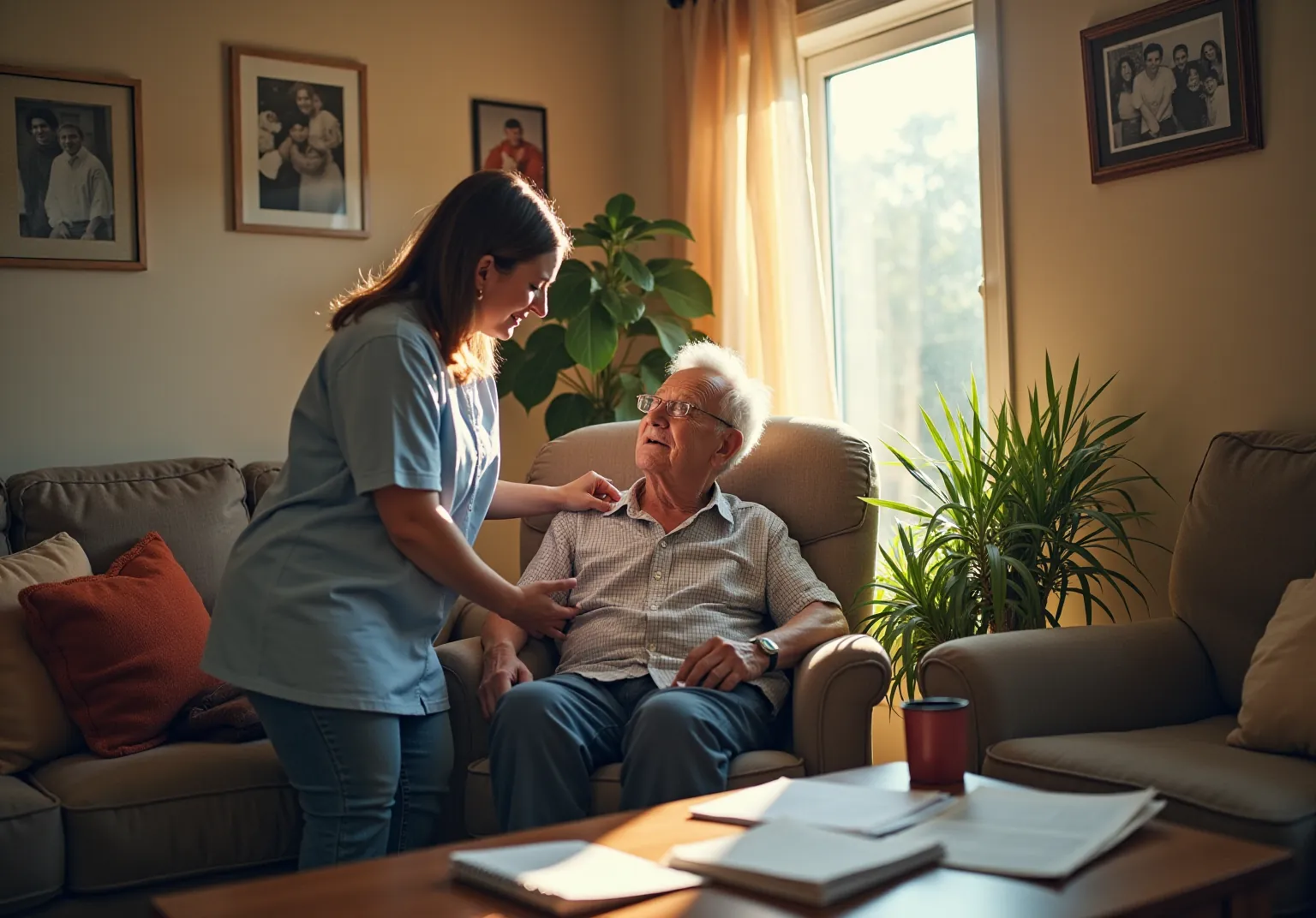
10 Essential Elderly Assistive Devices for Daily Living Support
For families in our service areas
For families in our service areas, this guide explains caregiving and how non-medical in-home caregiving can support care planning in East Idaho, Treasure Valley & Magic Valley, Northern Wasatch, North Central West Virginia & Southwestern Pennsylvania, and Northeast Ohio.
Understanding Elderly Assistive Devices for Daily
Aging often brings challenges that can significantly reduce the sense of independence for many seniors. Daily tasks may become daunting and overwhelming, leading to frustration and a loss of autonomy. As the population of older adults continues to grow, the need for effective support solutions becomes increasingly critical.
This article explores ten essential elderly assistive devices designed to enhance daily living and promote autonomy. These practical solutions empower seniors to navigate their routines with confidence. How can these innovative tools transform the lives of elderly individuals and help them maintain their cherished independence? By addressing these challenges head-on, we can provide actionable solutions that caregivers can implement to support their loved ones.
Happy to Help Caregiving: Personalized In-Home Support for Daily Living
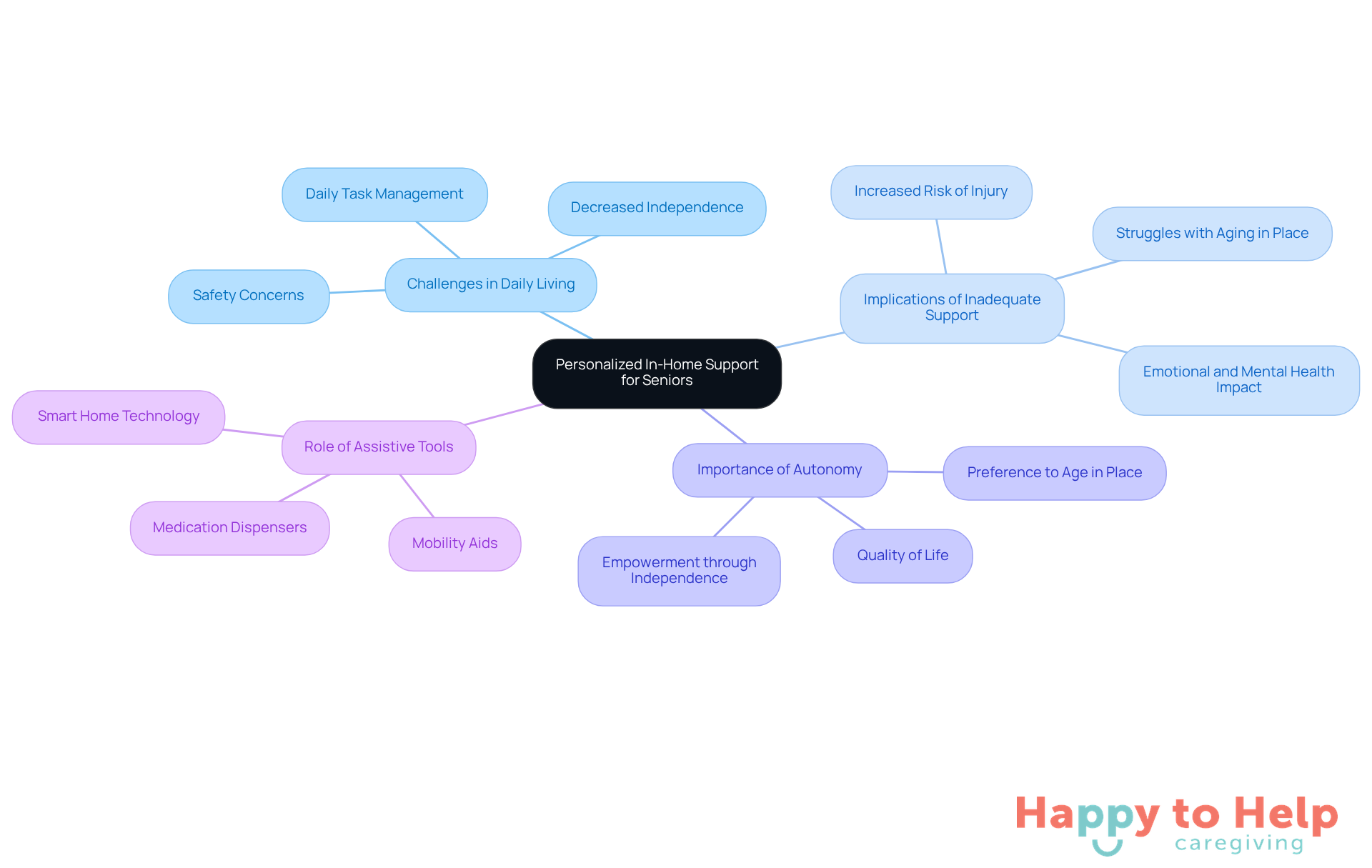
Happy to Help Caregiving addresses a significant problem: the need for personalized in-home support for seniors and individuals with special needs. Many face challenges in daily living, which can diminish their independence and well-being. This issue is critical, as maintaining autonomy is essential for quality of life.
The implications of inadequate support are profound. Without proper assistance, seniors may struggle with daily tasks, leading to safety concerns and a decreased ability to age in place. According to caregiving expert Amy Goyer, 75% of older adults prefer to remain in their homes, but safety issues can hinder their self-sufficiency. This highlights the urgency of finding effective solutions to empower these individuals.
One effective solution is the incorporation of assistive tools into care plans. Mobility aids, medication dispensers, and smart home technology play a crucial role in fostering independence among the elderly. These tools not only assist with daily tasks but also enhance safety, allowing seniors to thrive in familiar surroundings. By integrating elderly assistive devices, caregivers can significantly improve their clients' quality of life, ensuring they receive the essential support needed to flourish.
As the demand for home care continues to rise, with forecasts indicating a 22% increase by 2034, the role of these tools becomes increasingly vital. Caregivers must prioritize the integration of assistive technology to enhance autonomy and improve everyday living for their clients.
Medline Bed Assist Bar: Safety and Support for Bed Mobility
Problem: Many elderly individuals struggle with bed mobility, which can lead to safety concerns and decreased independence.
Agitate: This challenge not only affects their ability to get in and out of bed safely but can also impact their overall quality of life. Caregivers often face the stress of ensuring their loved ones can navigate these daily tasks without risk of injury.
The Medline Bed Assist Bar is one of the elderly assistive devices that offers vital assistance for those requiring aid with bed movement. It features a soft grip handle and adjustable height, making it easier for users to get in and out of bed safely. This elderly assistive device not only improves safety but also promotes independence, enabling older adults to handle their daily routines with assurance.
Drive Medical Walker with Seat: Mobility and Rest Combined
Elderly assistive devices are essential to address mobility challenges that significantly concern elderly individuals, often impacting their independence and quality of life. Many seniors struggle with maintaining an active lifestyle due to physical limitations, which can lead to feelings of isolation and decreased well-being. This is where assistive devices, like the Drive Medical Walker with Seat, come into play, offering a practical solution to enhance mobility and comfort.
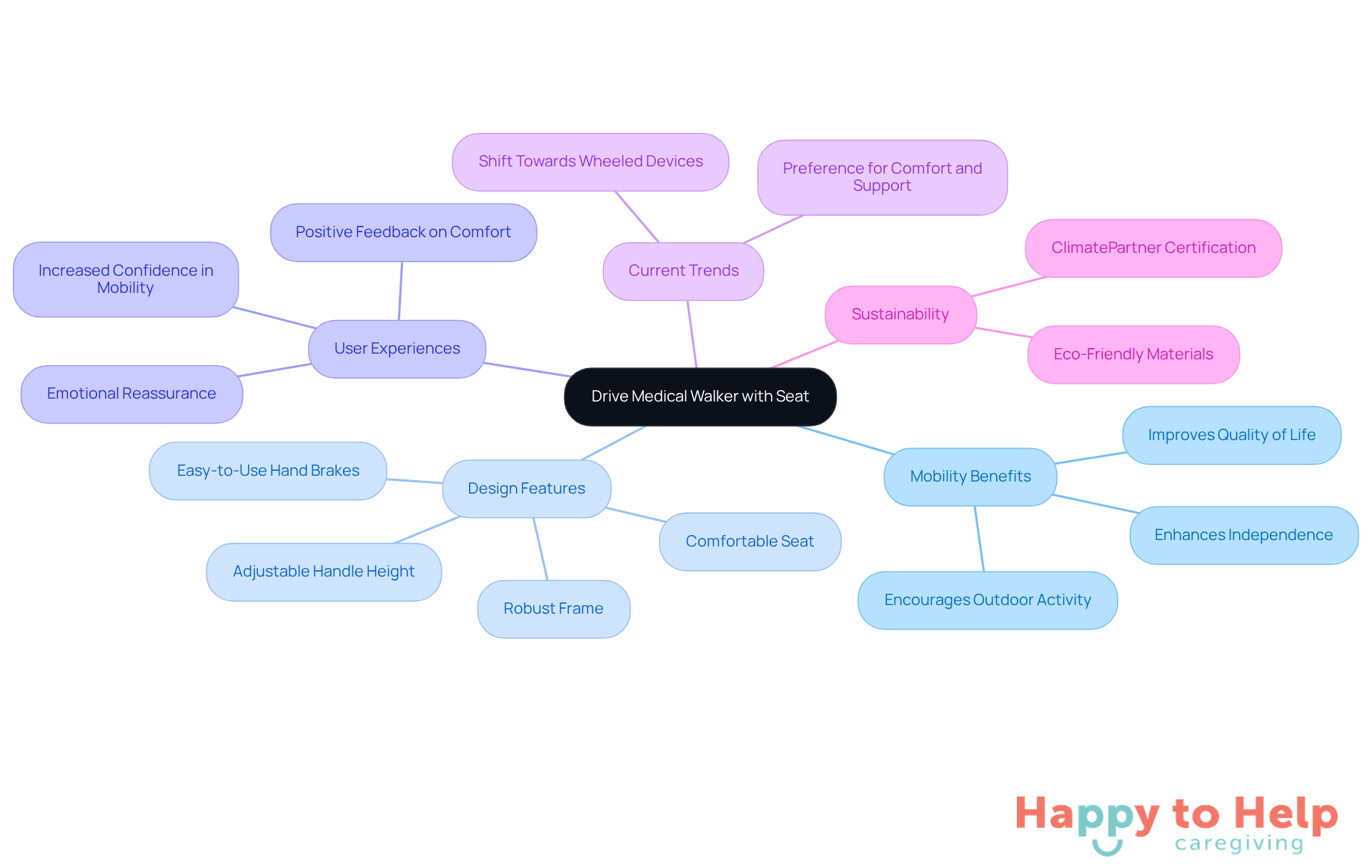
The Drive Medical Walker with Seat merges the utility of a walker with the comfort of a resting area. Designed with a robust frame and a comfortable seat, it’s perfect for both indoor and outdoor activities. Its easy-to-use hand brakes enhance safety, allowing older adults to navigate various terrains confidently. Statistics show that 8.5 million (24.1%) of older adults in the U.S. reported using elderly assistive devices in the last month, underscoring the importance of such aids in promoting autonomy and movement among seniors.
Real-life examples illustrate how this walker encourages outdoor activity among seniors. Many users report enjoying leisurely strolls in parks or around their neighborhoods, knowing they can take a break whenever needed. Physical therapists emphasize that 'walkers with seats not only encourage physical activity but also offer a sense of safety and independence.' This highlights the dual benefit of physical activity and emotional reassurance that such devices provide.
Current trends indicate a growing preference for elderly assistive devices that provide both support and comfort, particularly a shift towards wheeled and seated mobility devices. The Drive Medical Walker exemplifies this trend, enabling older adults to maintain an active lifestyle while ensuring they have a secure place to rest. Additionally, this walker is recognized for its sustainability features, certified by ClimatePartner, which adds value for environmentally conscious users.
In summary, the Drive Medical Walker with Seat is not just a mobility aid; it’s a vital example of elderly assistive devices that enhance the quality of life for elderly individuals. By providing both support and a resting area, it empowers seniors to engage more fully in their daily activities, making it a valuable addition to their daily living support.
Philips Lifeline Medical Alert System: Immediate Help at Your Fingertips
Older adults often face the challenge of needing immediate assistance during emergencies, especially those living alone. This situation can lead to feelings of vulnerability and anxiety, as the lack of quick support can have serious implications for their safety and well-being.
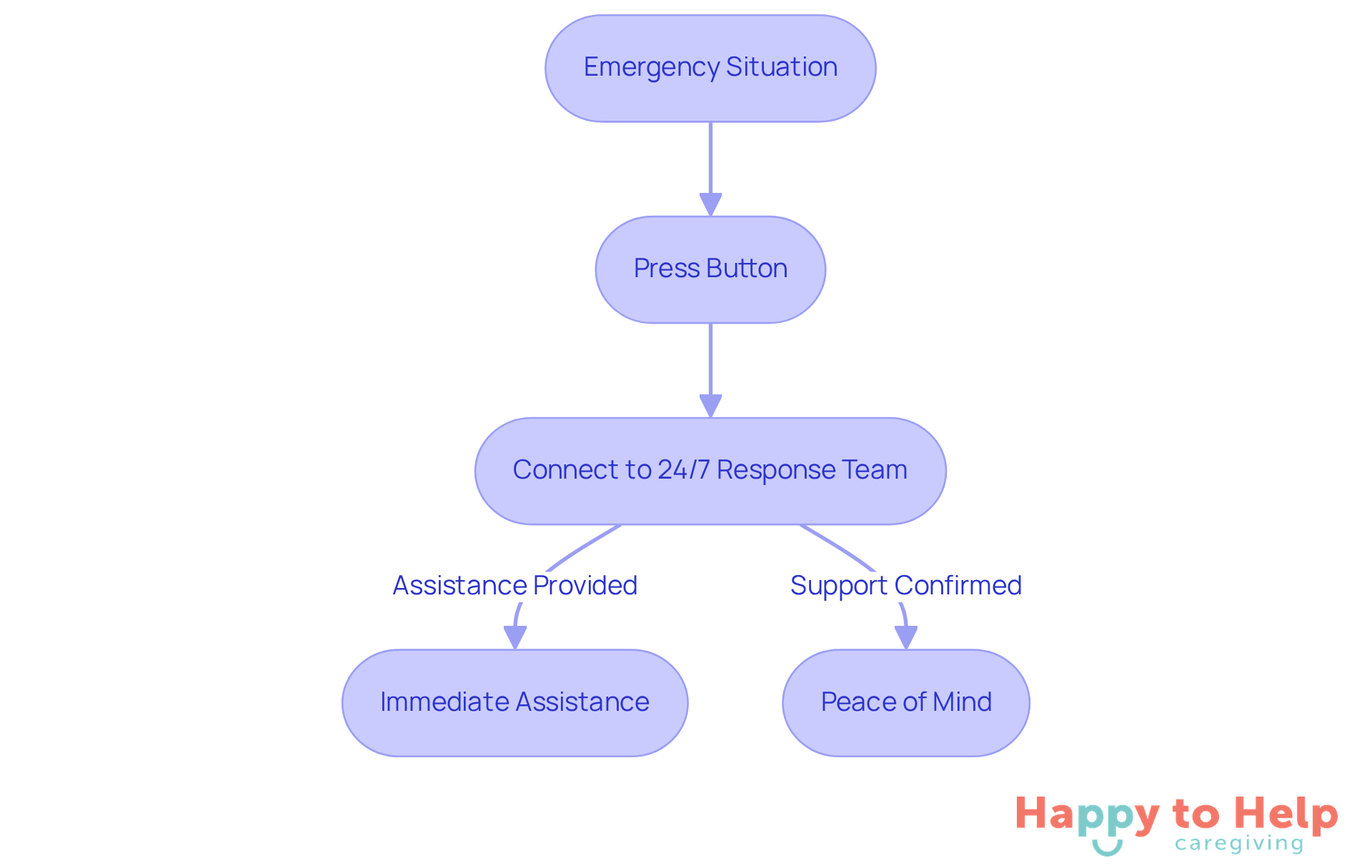
The Philips Lifeline Medical Alert System addresses this critical issue by offering a dependable solution. With just a simple press of a button, users can connect to a trained response team available 24/7. This system not only empowers elderly individuals to maintain their independence through elderly assistive devices, but also ensures that prompt support is always within reach, providing peace of mind for both them and their caregivers.
OXO Good Grips Utensils: Ergonomic Tools for Easier Meal Prep
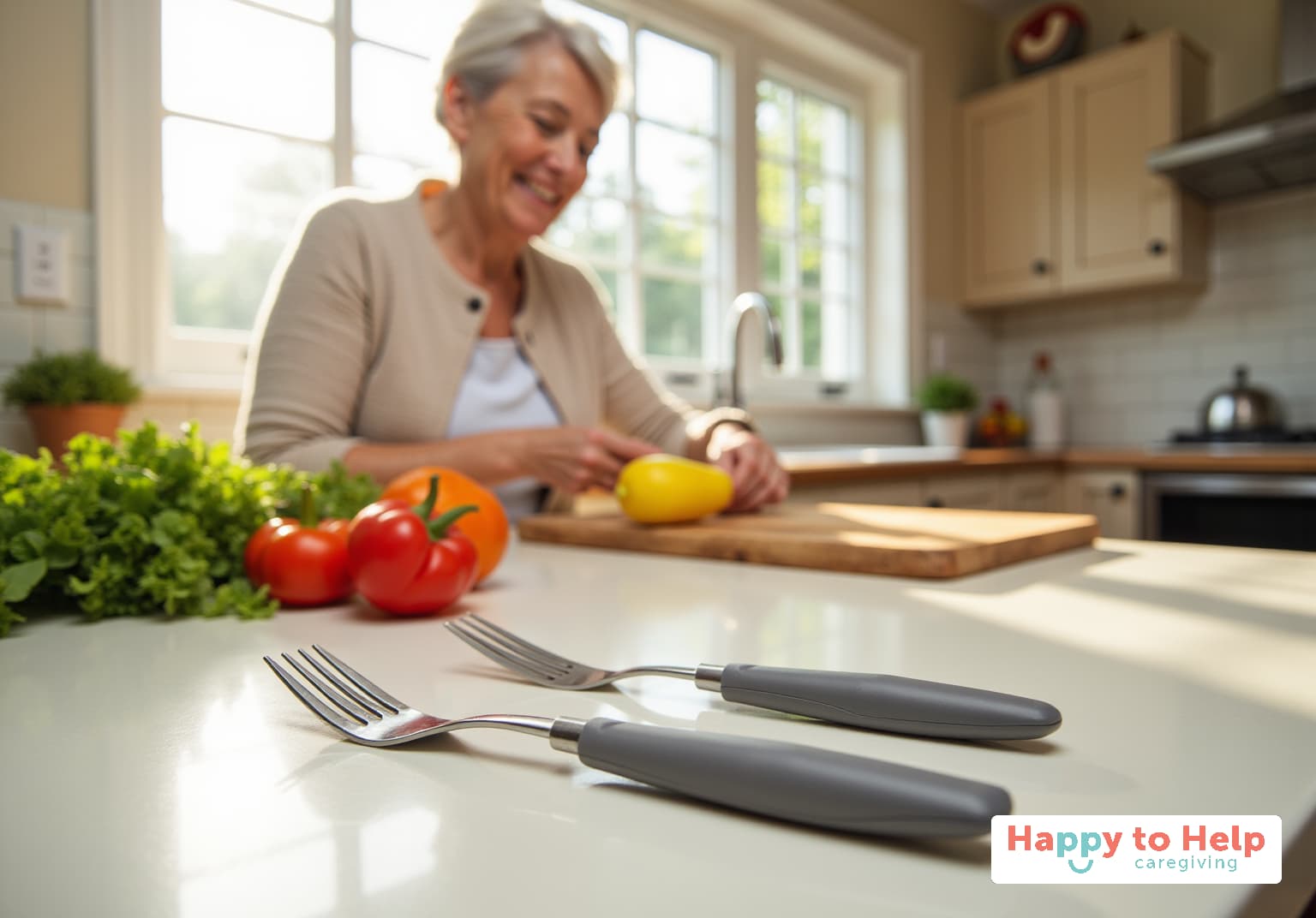
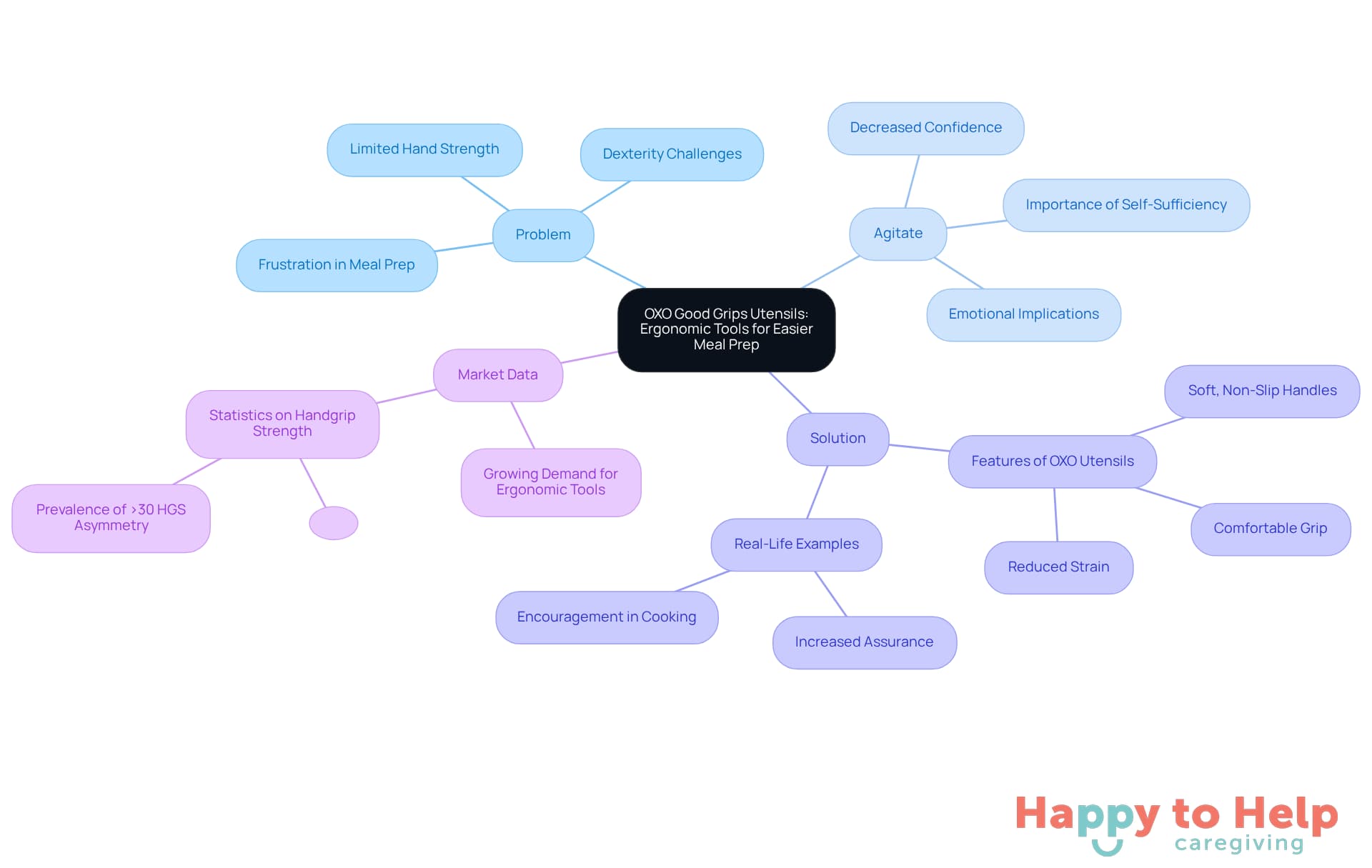
Many older adults struggle with limited hand strength or dexterity, making meal preparation and dining challenging without the help of elderly assistive devices. This can lead to frustration and a decreased sense of independence in the kitchen.
Agitate: The implications of these difficulties are significant. Without the right tools, older adults may feel less confident in their cooking abilities, which can discourage them from participating in meal preparation. Nutritionists emphasize that using elderly assistive devices is crucial for maintaining self-sufficiency, allowing individuals to prepare nutritious meals without relying heavily on assistance.
Solution: OXO Good Grips Utensils are expertly designed to address these challenges. Featuring soft, non-slip handles, these utensils provide a comfortable grip that reduces strain during use. Real-life examples show that older adults using OXO utensils feel more assured and competent while cooking, fostering a sense of achievement and encouraging more frequent participation in meal preparation.
As noted by CORE Physical Therapy, "You can purchase a specially designed adaptive utensil to make eating independently easier, but if you’re on a budget, you can also consider creating your own adaptation."
Current market data reveals a growing demand for elderly assistive devices, including ergonomic kitchen tools tailored to aging adults. Products like the T-grip rocker knife and adaptive utensils designed for limited range of motion are becoming increasingly popular. These elderly assistive devices not only enhance meal preparation but also improve the quality of life for older adults, making cooking a more enjoyable and accessible activity.
Significantly, more than half of older Americans demonstrate handgrip strength (HGS) asymmetry exceeding 10%, underscoring the need for adaptive tools that support self-sufficiency.
Carex Bedside Commode: Convenient Bathroom Access for Seniors
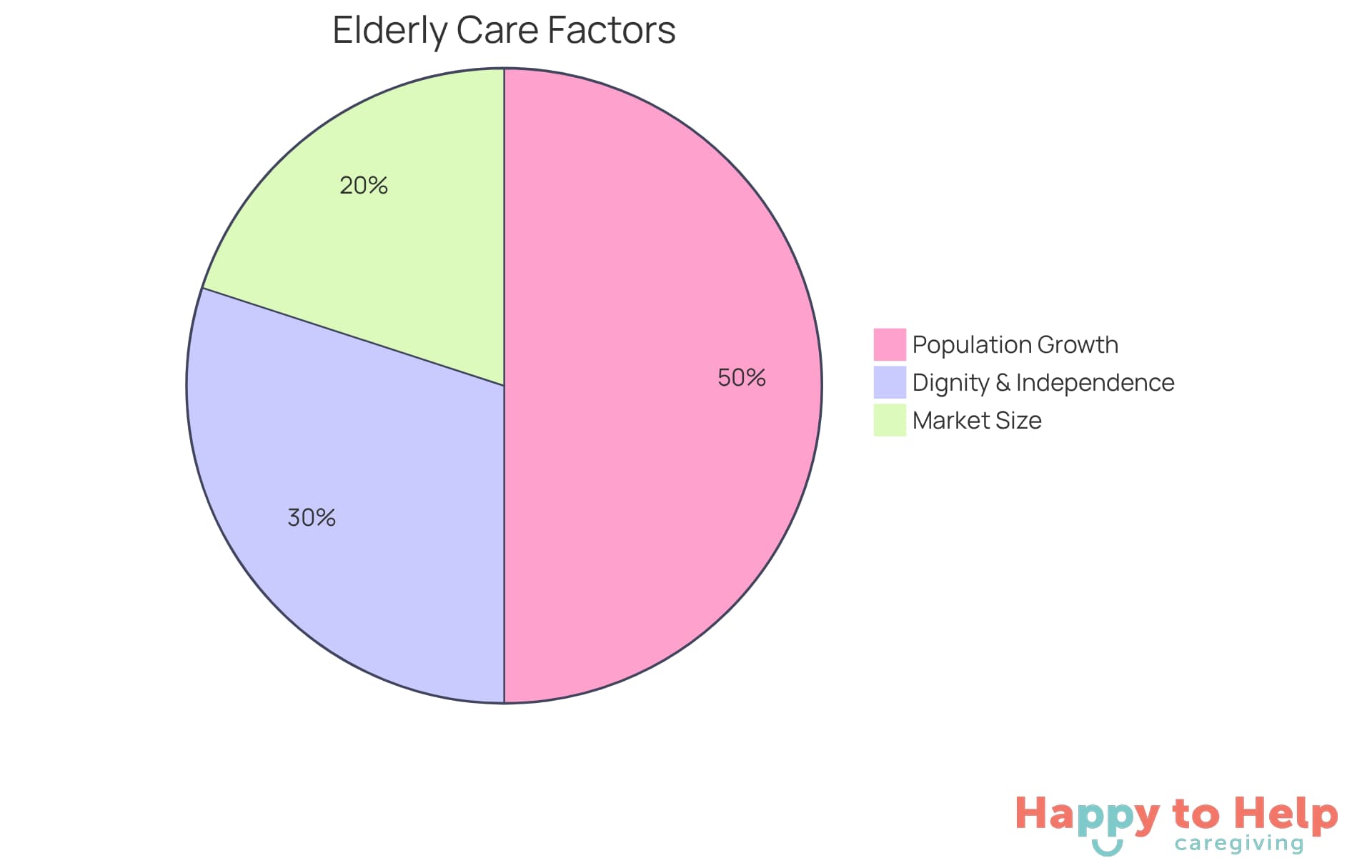
The Carex Bedside Commode addresses a significant problem for seniors: difficulty accessing traditional bathrooms. As the global population aged 60 and above is projected to reach 2 billion by 2050, the need for accessible bathroom solutions becomes increasingly urgent. Elderly assistive devices, like bedside commodes such as the Carex model, are essential in elderly care, especially given the rising prevalence of mobility issues and chronic illnesses.
This situation can be distressing for both seniors and their caregivers. Limited access to bathrooms can lead to a loss of dignity and independence, impacting mental well-being. Caregivers emphasize the importance of bathroom accessibility, with one stating, "Having a bedside commode enables my clients to uphold their dignity and self-sufficiency, which is essential for their mental well-being."
The Carex Bedside Commode offers a practical solution. This versatile 3-in-1 commode can function as a standalone toilet, a raised toilet seat, or a safety frame, providing flexibility and safety. Individuals recovering from surgery have reported that the Carex commode significantly eases their transition back to home life, offering a reliable and comfortable toileting option without excessive movement.
Current trends show a growing acceptance of elderly assistive devices, such as bedside commodes, among the elderly, driven by the increasing prevalence of home healthcare services. The bedside commode chair market is anticipated to reach around USD 2.1 billion by 2033, reflecting the rising demand for adaptable and user-friendly solutions like the Carex Bedside Commode. This ensures that older adults can enjoy enhanced freedom and a better quality of life.
Medline Rollator Walker: Stability and Independence on the Go
Problem: Many older adults face mobility challenges that can hinder their independence and social engagement. As the senior population grows, the need for effective support devices becomes increasingly critical.
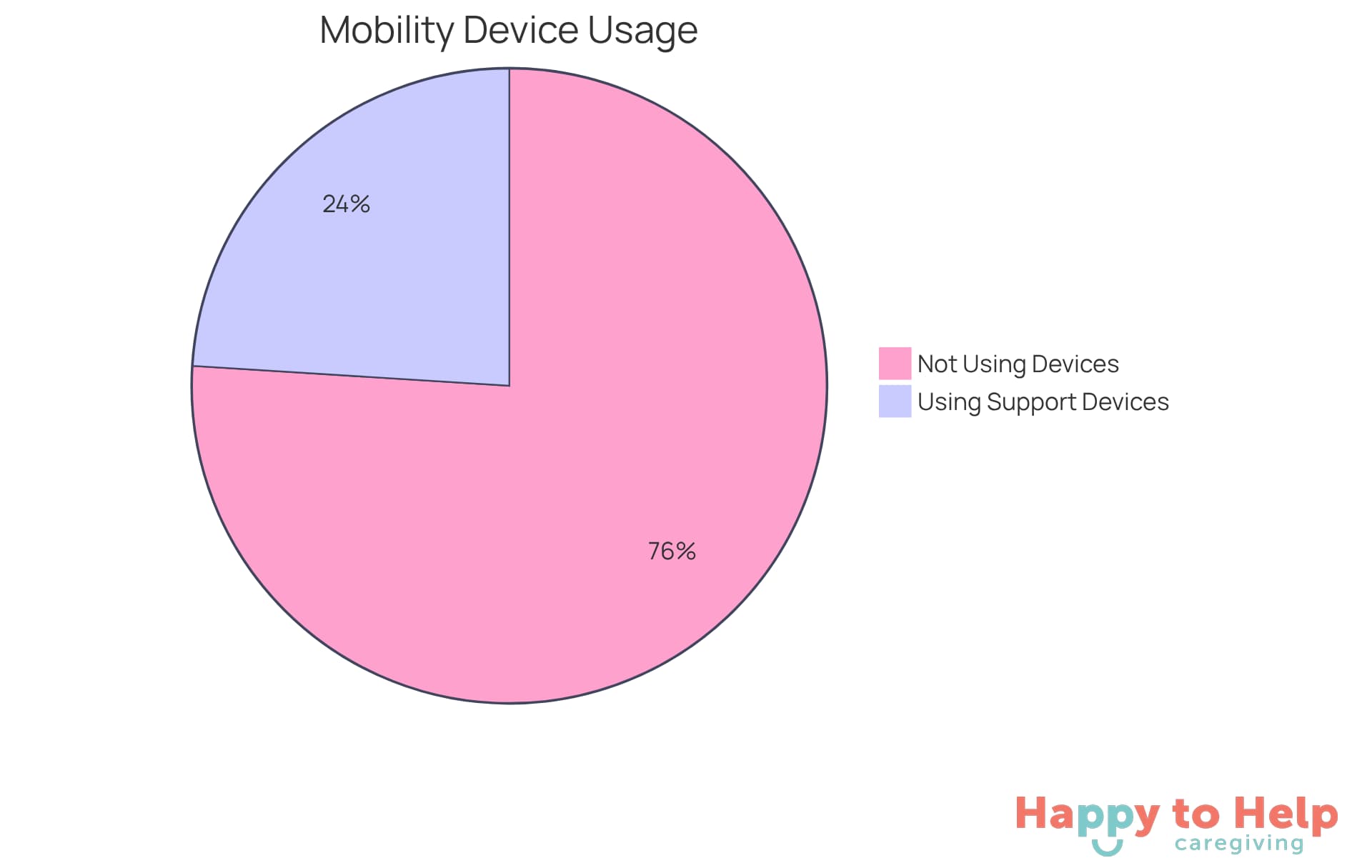
Agitate: Without proper assistance, seniors may struggle to maintain a normal gait pattern, leading to decreased activity levels and feelings of isolation. In fact, 24% of U.S. adults aged 65 and older reported using a support device in the last month, highlighting the widespread need for solutions that enhance mobility and confidence.
Solution: The Medline Rollator Walker exemplifies a perfect blend of stability and independence for older adults on the go. Designed with a padded seat, adjustable handles, and a convenient storage pouch, this walker empowers users to navigate their surroundings with confidence and ease. Its lightweight construction not only facilitates transport but also encourages seniors to stay active and engaged in daily activities.
Movement experts stress that elderly assistive devices, such as rollator walkers, greatly improve mobility for older adults, enabling them to sustain a normal gait pattern while offering essential support. Real-life examples demonstrate how older individuals using rollators report improved involvement in social activities, ultimately enhancing their quality of life. For instance, one user noted, "The ease of having a seat at any time minimizes the fear of fatigue that might make a user hesitate to commit to daily walks or errands."
With the Elderly Walker Market valued at USD 1.56 billion in 2023 and expected to reach USD 2.73 billion by 2032, the increasing trend towards ergonomic and user-friendly designs makes rollator walkers essential tools for older adults aiming to preserve their independence and mobility.
Easi-Grip Garden Tools: Gardening Made Accessible for Seniors
Gardening can be a challenging activity for older adults and individuals with limited hand strength. This limitation not only makes it difficult for them to enjoy a fulfilling hobby but also hinders their physical activity and mental well-being.
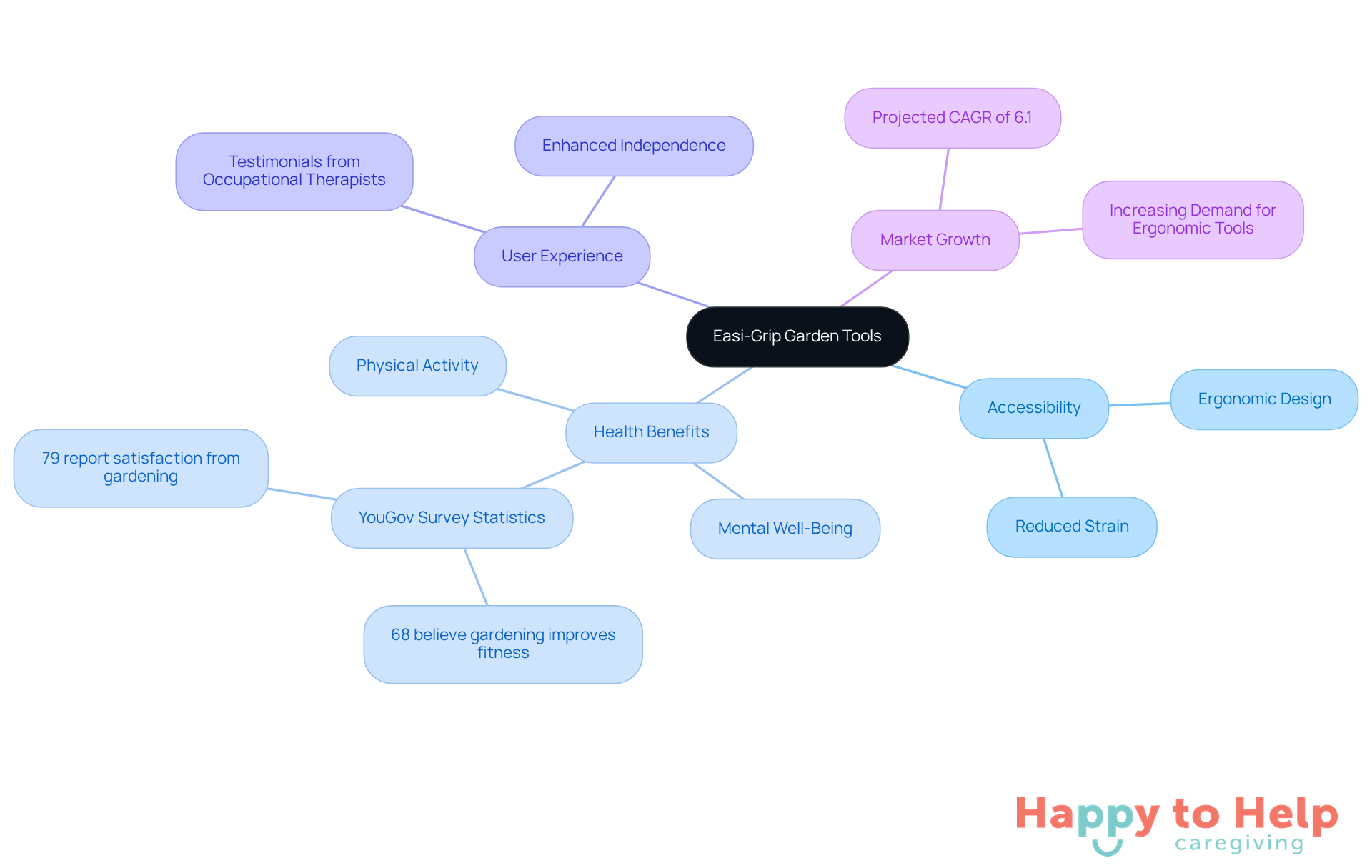
Easi-Grip Garden Tools address this problem with their ergonomic handles, designed specifically to reduce strain during use. By making gardening more accessible, these tools encourage older adults to engage in this beneficial activity. Research shows that gardening can lower the risk of chronic conditions and improve mobility, making it an ideal choice for maintaining health in later years. For example, a YouGov survey commissioned by STIGA found that 68% of respondents believe gardening enhances their fitness levels.
Moreover, occupational therapists highlight that gardening fosters a sense of purpose and belonging, which is crucial for emotional health. Tools like the Easi-Grip trowel and pruner have transformed the gardening experience for many older adults, allowing them to maintain independence while enjoying the therapeutic benefits of working with plants.
As the market for ergonomic gardening tools expands, with projections indicating a compound annual growth rate of 6.1% from 2025 to 2032, the significance of these assistive devices in improving the quality of life for elderly individuals becomes increasingly clear. The growing demand for elderly assistive devices underscores their role in enhancing accessibility and promoting well-being among older adults.
Reacher Grabber Tool: Effortless Item Retrieval for Seniors
For older adults, retrieving items can be a significant challenge, which elderly assistive devices can help overcome. Bending down or reaching high shelves can often lead to discomfort or injury, which is why elderly assistive devices are beneficial. This issue not only affects their ability to perform daily tasks but can also diminish their sense of independence and quality of life, which could be improved with the use of elderly assistive devices.
The Reacher Grabber Tool addresses this problem effectively. By extending their reach, it allows seniors to pick up items without straining. This simple yet powerful tool enables them to retrieve objects from the floor or high shelves with ease, promoting autonomy in their daily routines.
Elderly individuals can maintain their independence at home by using elderly assistive devices such as the Reacher Grabber Tool. This enhancement in their daily lives not only boosts their confidence but also significantly improves their overall well-being.
Zadro LED Lighted Vanity Mirror: Enhanced Visibility for Personal Care
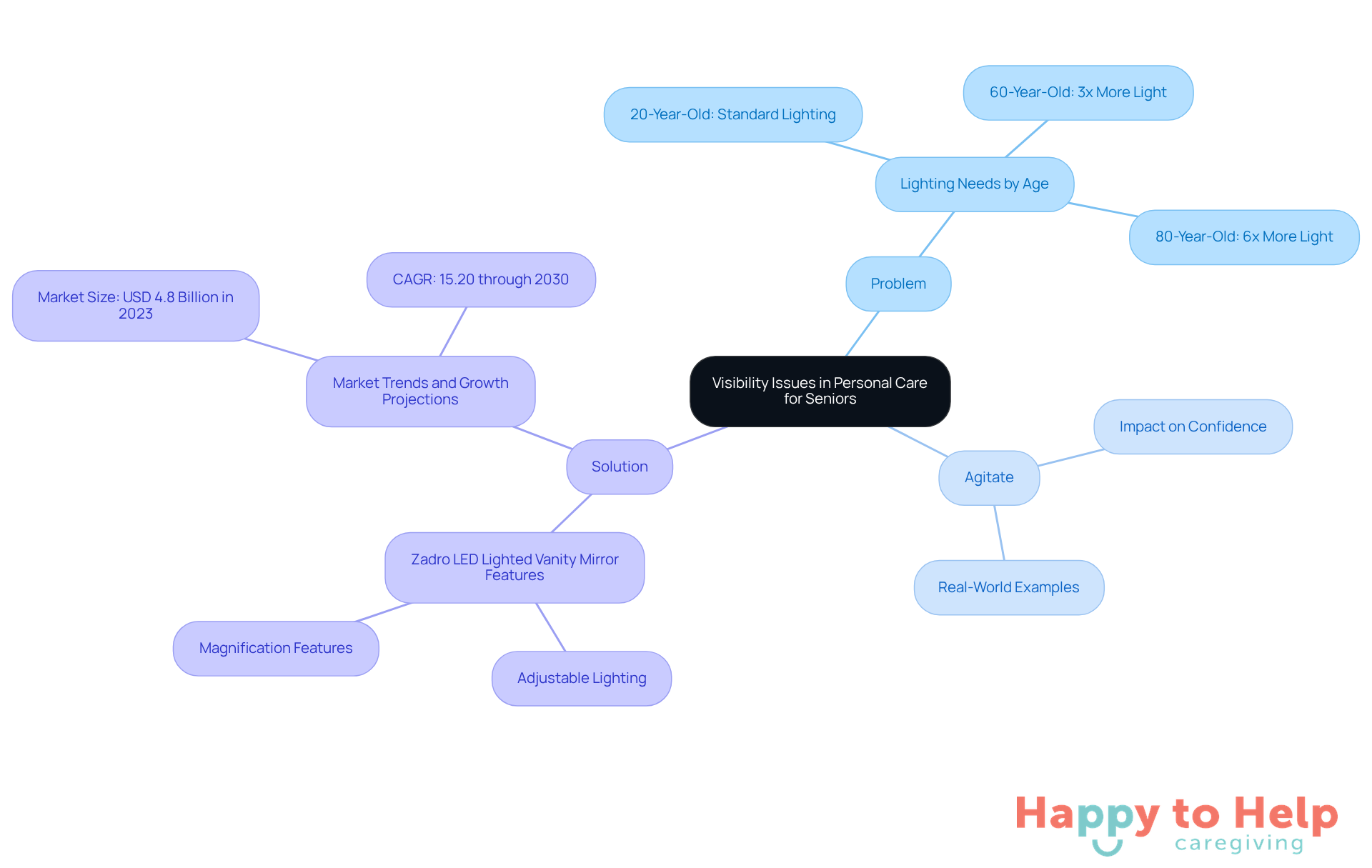
Problem: Many elderly individuals struggle with visibility during personal grooming activities, which can hinder their self-care routines. As we age, our lighting needs change significantly; for instance, an 80-year-old requires six times more light than a 20-year-old to achieve the same circadian effect. This lack of adequate lighting can lead to difficulties in applying makeup or attending to other personal care tasks.
Agitate: Dermatologists stress that proper lighting is crucial for effective grooming, as it directly affects visibility and precision. Without sufficient light, older adults may find it challenging to maintain their grooming standards, which can impact their confidence and independence in daily activities. Real-world examples show how inadequate lighting can frustrate self-care efforts, making it essential to address this issue.
Solution: The Zadro LED Lighted Vanity Mirror offers a practical solution by providing adjustable lighting and magnification features. This mirror enhances visibility, allowing users to see clearly while grooming. By promoting improved self-care, the Zadro mirror helps older adults sustain their confidence and independence. The growing market for LED lighted mirrors, projected to reach USD 4.8 billion in 2023 and expand at a CAGR of 15.20% through 2030, reflects the increasing demand for products that enhance the quality of life for seniors. Additionally, customization and modular design preferences are trending, catering to family caregivers seeking effective assistive devices.
Taking the Next Steps
Elderly assistive devices are essential for enhancing the quality of life for seniors, allowing them to maintain independence and dignity in their daily routines. However, many older adults face unique challenges that can hinder their ability to navigate their environments safely and effectively. This is where the integration of assistive tools into personalized care plans becomes crucial.
Various assistive devices can significantly improve mobility and safety. For instance:
- The Medline Bed Assist Bar aids in bed mobility.
- The Drive Medical Walker with Seat enhances overall mobility.
- The Philips Lifeline Medical Alert System provides vital emergency support.
Each of these devices not only addresses specific challenges but also fosters a sense of autonomy and well-being.
As society ages, the demand for effective elderly assistive devices will continue to rise. Caregivers and family members must explore and invest in these tools, as they play a significant role in ensuring the safety, comfort, and independence of older adults. By prioritizing the integration of assistive technology into daily living support, we can help seniors thrive in their own homes while enjoying the activities they love.
In summary, the right assistive devices can make a world of difference. By understanding the challenges seniors face and implementing practical solutions, caregivers can enhance the quality of life for their loved ones. Investing in these tools is not just about safety; it's about empowering seniors to live fulfilling lives.
https://iframe.tely.ai/cta/eyJhcnRpY2xlX2lkIjogIjY5MjY0MzcwM2U1ODU0NTE1NmI5MjVlNCIsICJjb21wYW55X2lkIjogIjY4ZWU1ZGNhNzMxNzYyNTU3ZjNjOTVjMSIsICJpbmRleCI6IG51bGwsICJ0eXBlIjogImFydGljbGUifQ==Frequently Asked Questions
What is the purpose of Happy to Help Caregiving?
Happy to Help Caregiving provides personalized in-home support for seniors and individuals with special needs, addressing challenges in daily living to help maintain their independence and well-being.
Why is maintaining autonomy important for seniors?
Maintaining autonomy is essential for the quality of life of seniors, as it allows them to age in place and live safely in their homes.
What are the consequences of inadequate support for seniors?
Inadequate support can lead to safety concerns, decreased ability to age in place, and struggles with daily tasks, which can diminish their independence.
What percentage of older adults prefer to remain in their homes, according to caregiving expert Amy Goyer?
According to Amy Goyer, 75% of older adults prefer to remain in their homes.
How can assistive tools aid seniors in daily living?
Assistive tools such as mobility aids, medication dispensers, and smart home technology can foster independence, enhance safety, and help seniors manage daily tasks effectively.
What is the expected trend in the demand for home care services?
The demand for home care services is expected to increase by 22% by 2034, highlighting the importance of integrating assistive technology in care plans.
What is the Medline Bed Assist Bar designed for?
The Medline Bed Assist Bar is designed to assist elderly individuals with bed mobility, helping them get in and out of bed safely.
What features does the Medline Bed Assist Bar offer?
The Medline Bed Assist Bar features a soft grip handle and adjustable height for ease of use, promoting safety and independence for older adults.
What is the Drive Medical Walker with Seat, and what does it provide?
The Drive Medical Walker with Seat is an elderly assistive device that combines a walker with a resting area, enhancing mobility and comfort for seniors.
How does the Drive Medical Walker with Seat support seniors in their daily activities?
The walker allows seniors to navigate various terrains confidently, encourages outdoor activity, and provides a secure place to rest, promoting both physical activity and emotional reassurance.
What trend is currently observed in the use of elderly assistive devices?
There is a growing preference for elderly assistive devices that provide both support and comfort, particularly those that are wheeled and have seating options.
What sustainability feature does the Drive Medical Walker highlight?
The Drive Medical Walker is certified by ClimatePartner, indicating its sustainability features for environmentally conscious users.
List of Sources
- Happy to Help Caregiving: Personalized In-Home Support for Daily Living
- Home (https://homehealthcarenews.com)
- Home Care Industry Trends to Watch in 2025 (https://firstlighthomecare.com/blog/home-care-industry-trends)
- Trends and Innovations in Senior Care | Amada Blog (https://amadaseniorcare.com/2025/01/trends-and-innovations-in-senior-care)
- In-Home Care for Seniors - Caregiving News and Tips (https://aarp.org/caregiving/home-care)
- The senior population is booming. Caregiving is struggling to keep up (https://cnbc.com/2025/11/21/senior-caregiving-labor.html)
- Drive Medical Walker with Seat: Mobility and Rest Combined
- Mobility Assistive Device Use in Older Adults (https://aafp.org/pubs/afp/issues/2021/0615/p737.html)
- Home Care Rancho Santa Fe, CA - Supporting Seniors With Mobility Devices (https://canaanhomecare.com/supporting-seniors-with-mobility-devices)
- The Importance of Mobility Aids for Seniors - Bethesda Health Group (https://bethesdahealth.org/blog/the-importance-of-mobility-aids-for-seniors)
- Amazon.com: Drive Medical 10257BL-1 4 Wheel Rollator Walker With Seat, Steel Rolling Walker, Height Adjustable, 7.5" Wheels, Removable Back Support, 300 Pound Weight Capacity, Blue : Health & Household (https://amazon.com/Drive-Medical-Rollator-Removable-Support/dp/B00NFJX0PU)
- Incidence and dynamics of mobility device use among community-dwelling older adults in the United States - PMC (https://pmc.ncbi.nlm.nih.gov/articles/PMC12288708)
- Philips Lifeline Medical Alert System: Immediate Help at Your Fingertips
- Are medical alerts worth it for seniors? Here's what experts say (https://cbsnews.com/news/are-medical-alerts-worth-it-for-seniors-what-experts-say)
- Lifeline (https://consumeraffairs.com/age/philips-lifeline.html)
- Medical Alert Statistics 2025 (https://consumeraffairs.com/medical-alert-systems/medical-alert-statistics.html)
- Medical Alert Systems: 2023-2024 Research and Statistics (https://theseniorlist.com/research/medical-alert-device-consumer-usage-study)
- OXO Good Grips Utensils: Ergonomic Tools for Easier Meal Prep
- Adaptive Utensils To Help Seniors Eat Independently (https://elderlifefinancial.com/resources/adaptive-utensils-to-help-seniors-eat-independently)
- Prevalence and Trends of Handgrip Strength Asymmetry in the United States (https://agmr.hapres.com/htmls/AGMR_1533_Detail.html)
- Reference values and factors associated with hand grip strength among older adults living in southeastern Poland - Scientific Reports (https://nature.com/articles/s41598-021-89408-9)
- The Importance of Ergonomic & Easy-to-Use Kitchen Tools for Aging Adults - CORE: Mobile Physical Therapy (https://coremobilept.com/blog/importance-of-ergonomic-kitchen-tools)
- Carex Bedside Commode: Convenient Bathroom Access for Seniors
- Carex 3-in-1 Folding Bedside Commode Review (https://easierforseniors.com/carex-3-in-1-folding-bedside-commode-review)
- Commodes -How Bedside Commodes Support Mobility (https://affinityhomemedical.com/blogs/news/the-role-of-bedside-commodes-in-enhancing-mobility-and-independence?srsltid=AfmBOoo2EjHKaJzZ-0noWEMm50712qupf_b_5w00PNI51yo-yKSU5mSm)
- The Benefits of Using a Bedside Commode for Elderly Care (https://harmonyhomemedical.com/blogs/home-medical-resources/the-benefits-of-using-a-bedside-commode-for-elderly-care?srsltid=AfmBOorlJIm1nDTmAQB8a99HFKLScc4Cx3jzR8t99LW4_zGmDPj_470E)
- Bedside Commode Chair Market Size, Trends, Growth & Forecast Report - 2033 (https://datahorizzonresearch.com/bedside-commode-chair-market-52399)
- Medline Rollator Walker: Stability and Independence on the Go
- Mobility Assistive Device Use in Older Adults (https://aafp.org/pubs/afp/issues/2021/0615/p737.html)
- Incidence and dynamics of mobility device use among community-dwelling older adults in the United States - PMC (https://pmc.ncbi.nlm.nih.gov/articles/PMC12288708)
- Elderly Walker Market Size, Share Analysis Report 2032 (https://snsinsider.com/reports/elderly-walker-market-5887)
- How Rollator Walkers with Seats Enhance Senior Independence - SUPERPI (https://superpirobot.com/news/industry-knowledge/how-rollator-walkers-with-seats-enhance-senior-independence)
- Mobility Device Use Among Older Adults and Incidence of Falls and Worry About Falling: Findings From the 2011–2012 National Health and Aging Trends Study - PMC (https://pmc.ncbi.nlm.nih.gov/articles/PMC4439269)
- Easi-Grip Garden Tools: Gardening Made Accessible for Seniors
- Gardening for Older People: How the Right Tools Can Make All the Difference - Wellbeing Magazine (https://wellbeingmagazine.com/gardening-for-older-people-how-the-right-tools-can-make-all-the-difference)
- 10 Best Assistive Devices for Elderly Independence and Safety - Happy To Help (https://happytohelpcaregiving.com/10-best-assistive-devices-for-elderly-independence-and-safety)
- U.S. Garden Hand Tools Market Size, Trends & Share, 2025-2032 (https://coherentmarketinsights.com/industry-reports/us-garden-hand-tools-market)
- 7 Essential Tools for Gardeners 50 and Older (https://aarp.org/home-living/gardening-tools-comfort)
- 4 Unexpected Holistic Benefits of Gardening for Seniors (https://humangood.org/resources/senior-living-blog/unexpected-holistic-benefits-of-gardening-for-seniors)
- Reacher Grabber Tool: Effortless Item Retrieval for Seniors
- 30 Inspirational Physical Therapy Quotes - Care Options for Kids (https://careoptionsforkids.com/blog/physical-therapy-quotes)
- Get the Facts on Healthy Aging (https://ncoa.org/article/get-the-facts-on-healthy-aging)
- Mobility is Most Common Disability Among Older Americans, Census Bureau Reports (https://census.gov/newsroom/archives/2014-pr/cb14-218.html)
- Disability Impacts All of Us Infographic (https://cdc.gov/disability-and-health/articles-documents/disability-impacts-all-of-us-infographic.html)
- Zadro LED Lighted Vanity Mirror: Enhanced Visibility for Personal Care
- Better lighting can boost sleep, mood in dementia patients | ASU News (https://news.asu.edu/20250909-health-and-medicine-better-lighting-can-boost-sleep-mood-dementia-patients)
- Lighted Makeup Mirror with Magnification (https://zadroinc.com/products/led-dual-vanity-mirror-lvan?srsltid=AfmBOorOA1sb5Z7Fk9vh4FXhfyKUSUrPuEWptFK4UIwWZFrMjBZuyPzN)
- The Role of Caregivers in Grooming and Hygiene for the Elderly (https://ltcnews.com/articles/role-of-caregivers-grooming-hygiene-elderly)
- LED Mirrors market will expand significantly by 15.20% CAGR from 2023 to 2030. (https://cognitivemarketresearch.com/led-mirrors-market-report)