
10 Factors Influencing the Average Cost of 24-Hour In-Home Care

For families in our service areas
For families in our service areas, this guide explains in-home care and how non-medical in-home caregiving can support care planning in East Idaho, Treasure Valley & Magic Valley, Northern Wasatch, North Central West Virginia, and Northeast Ohio.
Understanding 10 Factors Influencing the Average Cost
The rising demand for in-home care services presents a significant challenge for families seeking elder support. With a complex web of factors influencing costs, understanding these elements is crucial. Geographic variability, caregiver qualifications, and other aspects play pivotal roles in determining the average cost of 24-hour in-home care.
Families often find themselves navigating this intricate system, which can lead to confusion and financial strain. Without a clear grasp of the factors at play, budgeting and care decisions can become overwhelming. So, how can families ensure they receive quality care without breaking the bank?
To tackle this issue, families should:
- Research local care options and compare costs.
- Engage with reputable agencies to gain insights into caregiver qualifications and service offerings.
- Explore financial assistance programs to help alleviate some of the financial burdens associated with in-home care.
By taking these steps, families can make informed decisions that prioritize both quality care and budget considerations.
Happy to Help Caregiving: Personalized In-Home Care Services
Caregivers often face significant challenges when it comes to providing adequate support for their loved ones. The lack of tailored in-home assistance can lead to increased stress and burnout, impacting both the caregiver and the individual receiving care.
Happy to Help Caregiving addresses these issues by offering customized in-home support options that cater to the unique needs of each client. Their primary services include:
- Companionship support
- Post-hospital recovery assistance
- Respite services
- Palliative assistance
Each of these services is designed to enhance the quality of life for seniors and individuals with special needs, ensuring they receive the necessary support to thrive in their own homes. This tailored approach not only promotes autonomy but also significantly influences the average cost of 24 hour in home care, as the specific services required will determine the pricing frameworks.
State Variability: How Location Affects In-Home Care Costs
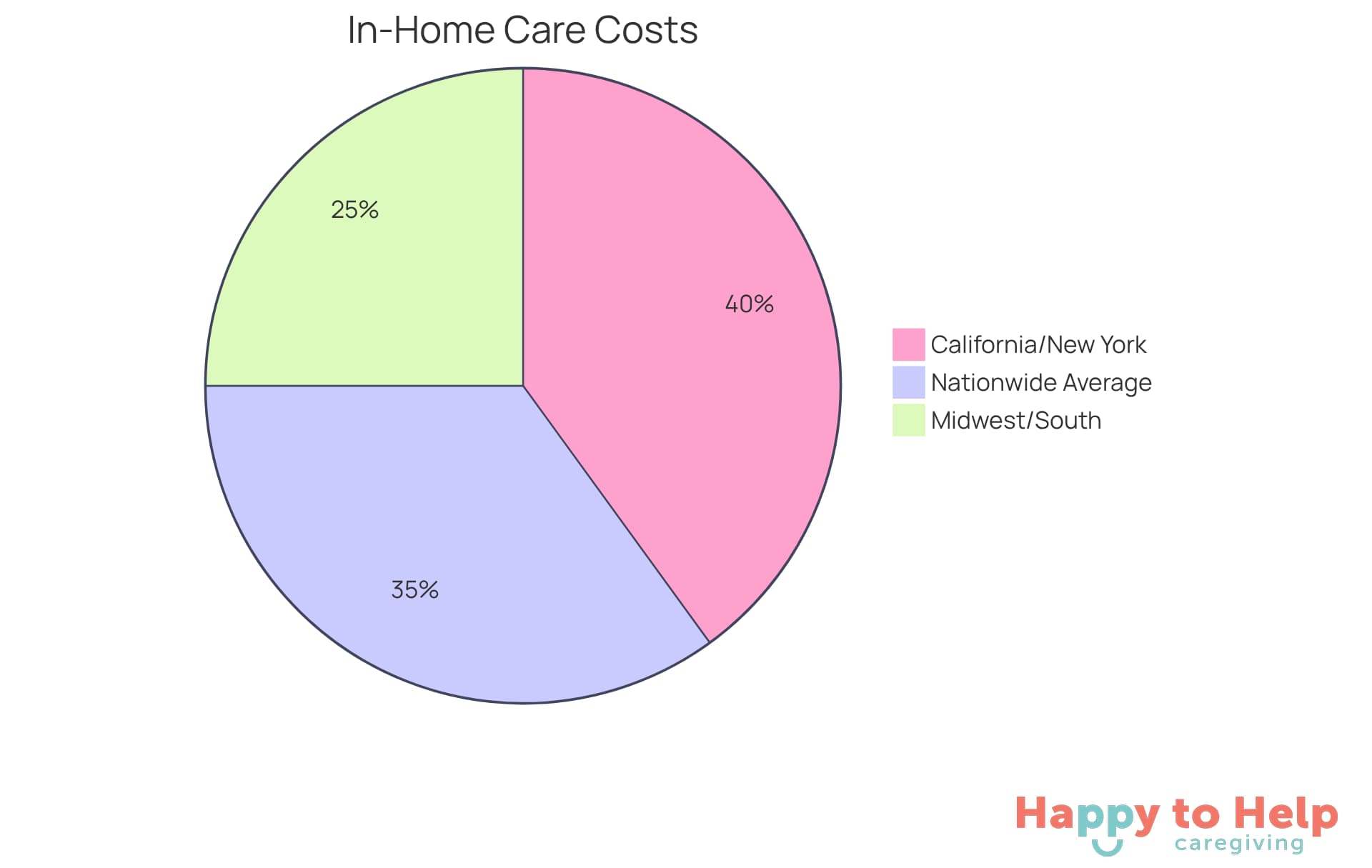
The cost of in-home assistance varies significantly based on geographic location, presenting a challenge for caregivers. This variation is influenced by factors such as the cost of living, local demand for services, and state regulations. Urban areas typically charge higher rates than rural ones, which can strain household budgets.
For example, in 2025, states like California and New York report hourly rates between $30 and $50. In contrast, regions with lower living expenses, such as parts of the Midwest and South, may offer rates ranging from $20 to $30. Nationwide, the average cost of 24 hour in home care is estimated to range from $25 to $35 per hour. This disparity highlights the necessity of understanding regional pricing when planning for care services.
Moreover, fluctuations in caregiving costs across states can significantly impact financial strategies for families. Jim Better, President of Essential Plans of Insurance, notes that "in states like Arkansas or Texas, a private room in a nursing home can be significantly less expensive than in states like Massachusetts, where the same room can be much pricier." This insight underscores how local economic conditions and state regulations affect overall support costs.
To navigate these challenges, caregivers should:
- Research local rates and regulations in their area.
- Consider the financial implications of choosing care services based on geographic location.
- Consult with experts to understand the best options available for their loved ones.
By taking these steps, families can better plan for their loved ones' needs while managing costs effectively.
Service Type: The Impact of Care Options on Pricing
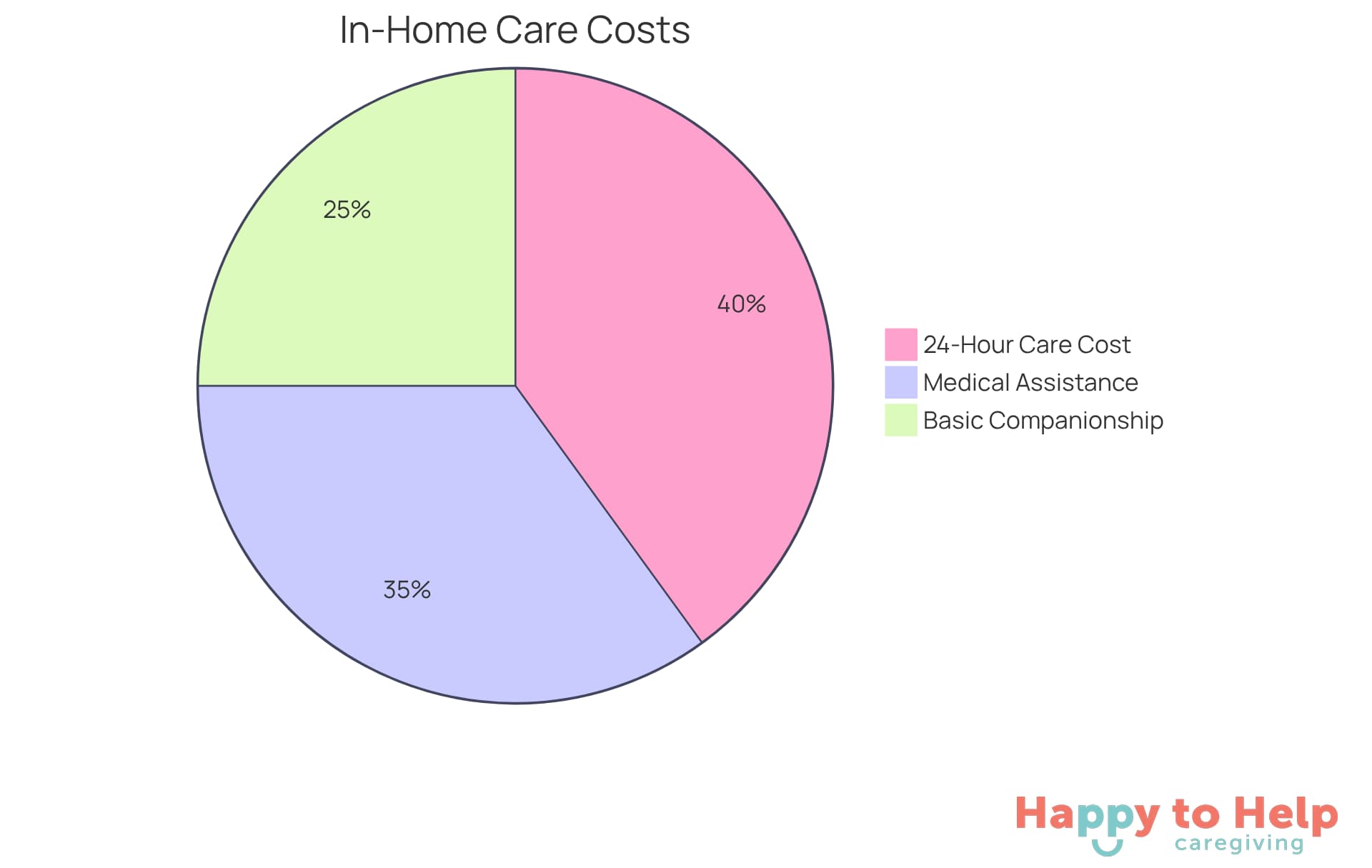
For families, the average cost of 24 hour in home care can be a significant burden. Basic companionship services typically range from $20 to $30 per hour, making them a more budget-friendly option. However, the average cost of 24 hour in home care for specialized medical assistance, such as skilled nursing or therapy services, can exceed $50 per hour due to the advanced training required. In 2023, the average cost of 24 hour in home care was approximately $68,640 for 40 hours a week, highlighting the financial implications families may face over time.
As Benjamin Chernow, a certified senior advisor, points out, the hourly rate for assistance often decreases as the number of hours increases. This indicates that the average cost of 24 hour in home care can be more cost-effective on an hourly basis compared to short visits. Families should also consider the potential for insurance coverage for medically necessary home health assistance, which can help offset the out-of-pocket costs typically associated with nonmedical in-home support.
To choose the most suitable and economical service, it’s crucial for families to thoroughly assess their loved one's specific needs and preferences. Balancing quality support with financial considerations is essential for making informed decisions.
Caregiver Expertise: How Experience Influences Cost
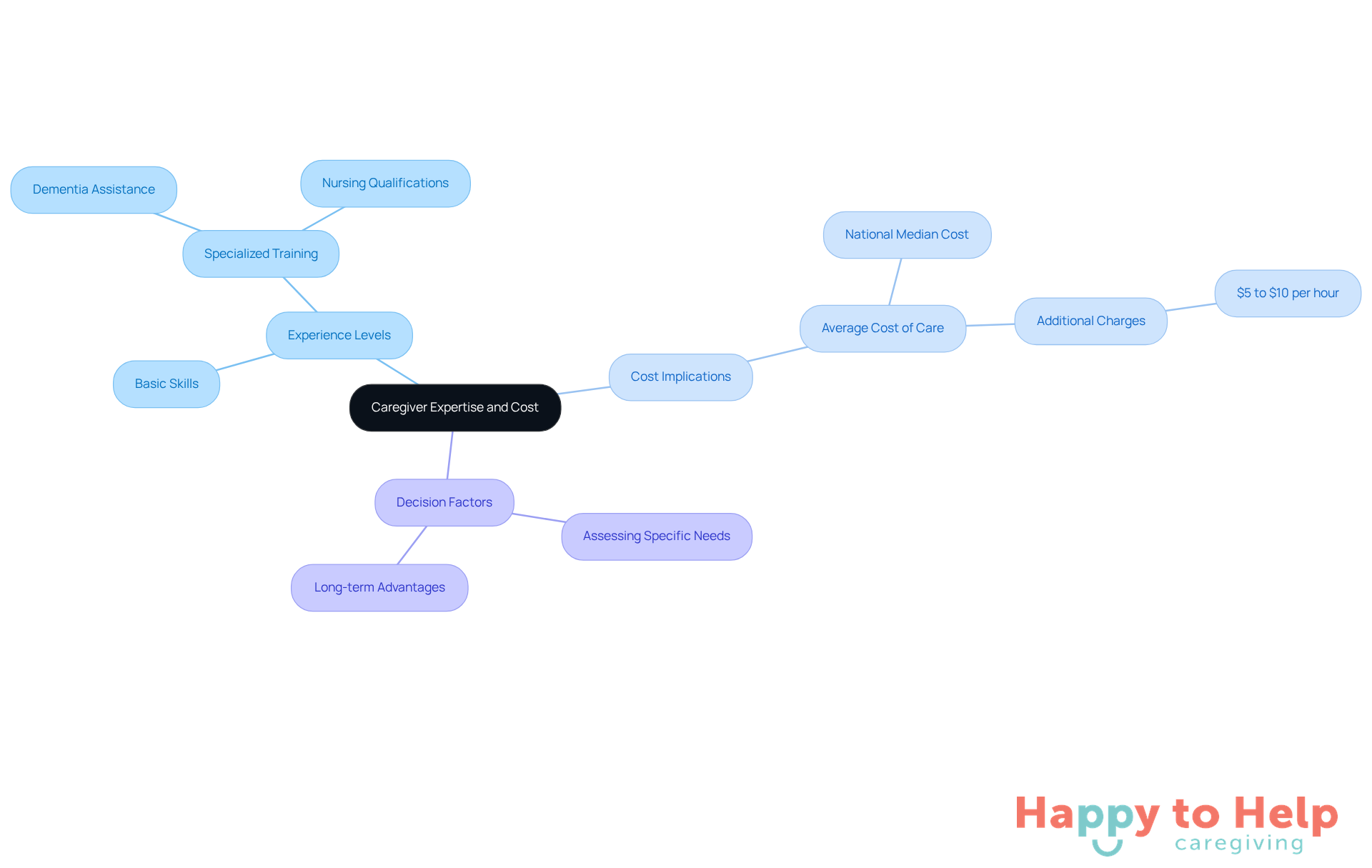
Caregiver proficiency presents a significant challenge regarding the average cost of 24 hour in home care assistance. Families often face the dilemma of choosing between experienced caregivers, who usually have a higher average cost of 24 hour in home care, and those with basic skills. This decision can impact the quality of care received, as understanding the average cost of 24 hour in home care allows more skilled caregivers to bring specialized training and expertise to the table.
For instance, caregivers with qualifications in dementia assistance or nursing may charge an additional $5 to $10 per hour compared to their counterparts offering basic companionship. While this may strain a family's budget, the benefits of hiring highly skilled caregivers can outweigh the average cost of 24 hour in home care.
To navigate this issue, families should assess their specific needs and consider the long-term advantages of investing in experienced caregivers. By weighing the potential for improved care against financial constraints, families can make informed decisions that best suit their situation.
Level of Care: Assessing Needs and Their Cost Implications
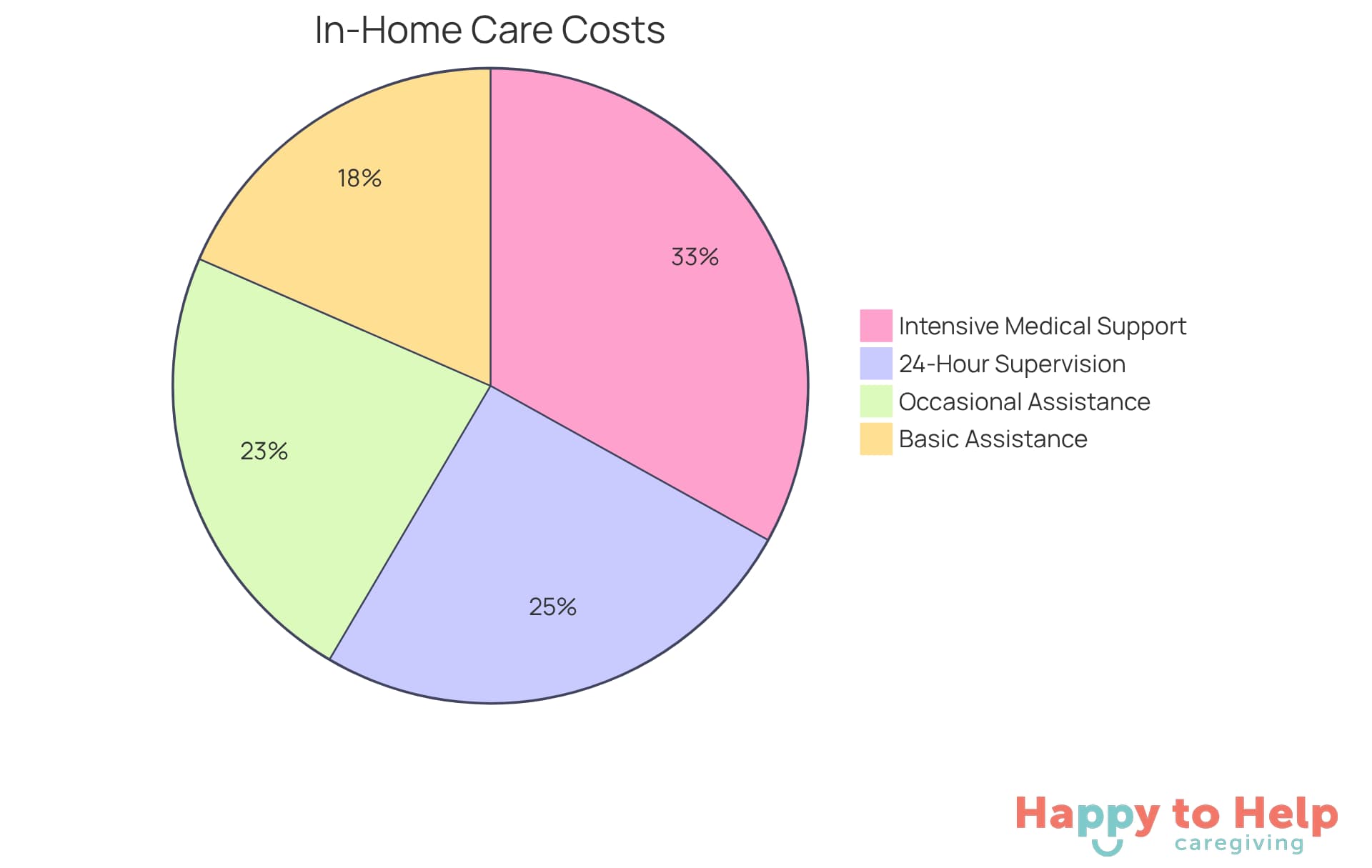
The extent of support needed, ranging from basic help with daily tasks to more intensive medical assistance, greatly impacts the average cost of 24 hour in home care. Families face a significant challenge in evaluating their loved one's requirements to establish the suitable level of support. For instance, individuals needing 24-hour supervision or specialized medical care encounter higher expenses compared to the average cost of 24 hour in home care for those requiring occasional assistance.
As of November 2025, the average cost of 24 hour in home care is represented by the national median price for nonmedical in-home assistance, which is $33 per hour, while state expenses vary from $24 to $43 per hour. This reflects the increasing preference for in-home support among aging individuals. Basic assistance, which may involve support with daily tasks such as meal preparation and light housekeeping, typically incurs lower costs. In contrast, the average cost of 24 hour in home care can escalate quickly due to intensive medical support, including skilled nursing assistance or specialized therapies.
Families may find that hiring a private caregiver for basic companionship is often less expensive than engaging an agency for comprehensive medical support. Agencies usually include background checks, training, and insurance coverage, which can add to the overall cost. Additionally, the qualifications of caregivers and the requirements of agencies can significantly impact expenses.
Understanding these variations, including the average cost of 24 hour in home care, is essential for households as they navigate the complexities of in-home assistance. This ensures they choose the best option that aligns with both their loved one's needs and their financial capacities. The financial strain of elder support can be substantial, often leading families to make difficult choices regarding assistance options. Moreover, differentiating between home assistance and home health services is crucial, as it influences the type of offerings available and their related expenses.
Payment Options: Understanding Financial Aspects of In-Home Care
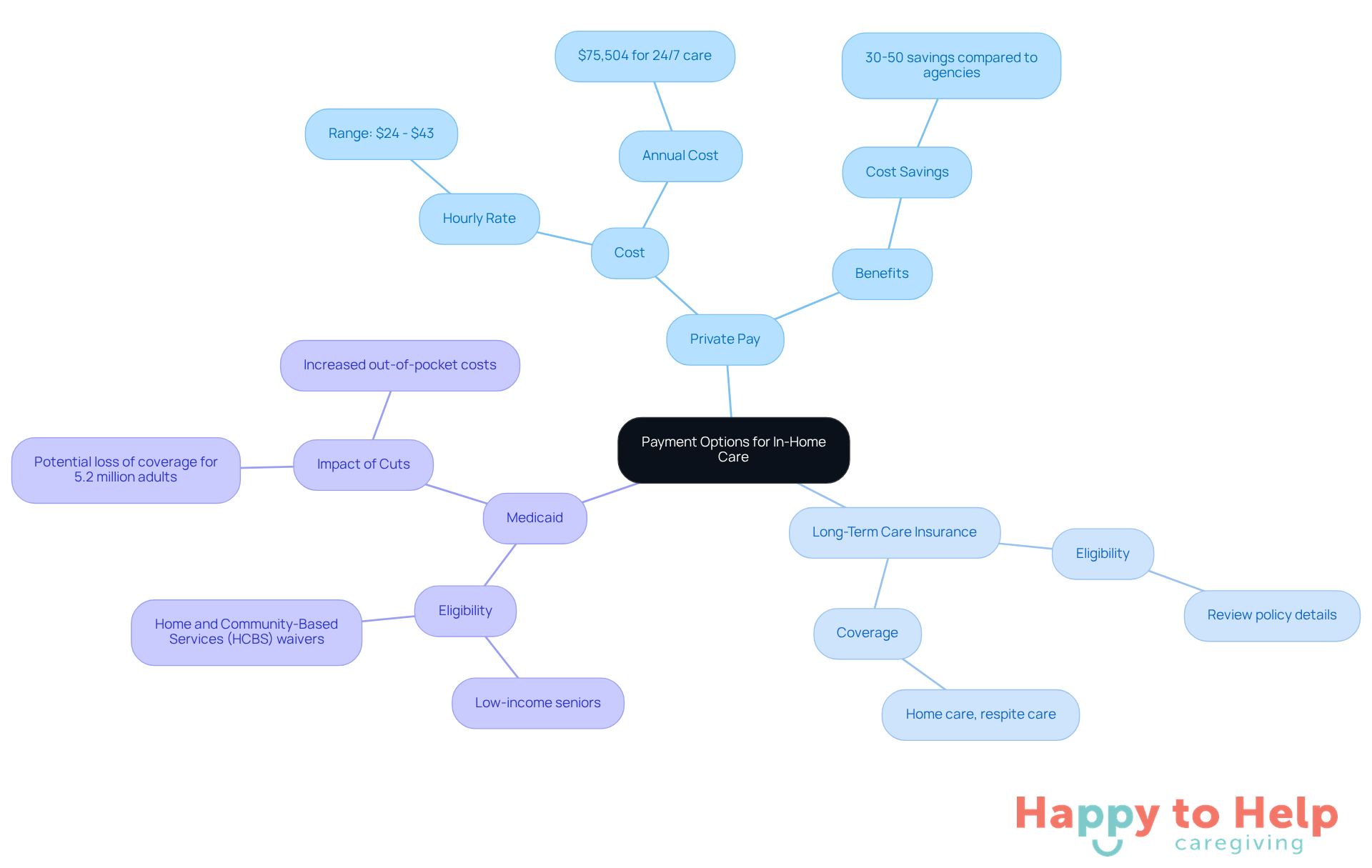
Families face a significant challenge in managing the average cost of 24 hour in home care. With options like private pay, long-term care insurance, and Medicaid available, understanding these choices is crucial for effective budgeting. Many households opt for private payment, which can be quite costly, while others may qualify for Medicaid or various assistance programs that help cover the average cost of 24 hour in home care.
To navigate this complex landscape, it's essential for families to explore all available financial resources. By doing so, they can determine the best approach tailored to their unique situation. Engaging with financial advisors or local agencies can provide valuable insights and support in making informed decisions.
Additional Services: How Extras Influence Overall Care Costs
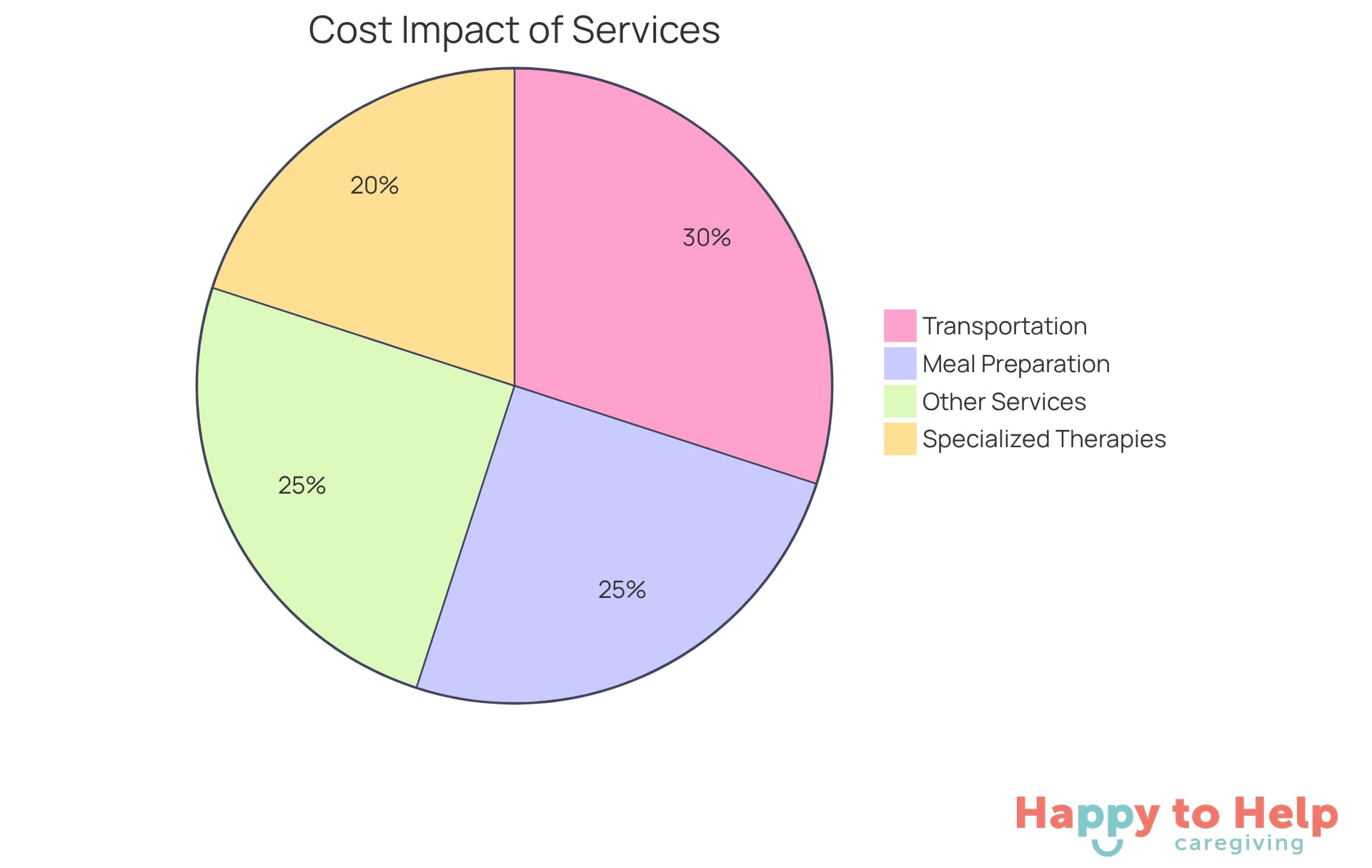
In-house support expenses can significantly rise with the addition of options like transportation, meal preparation, or specialized therapies. Families need to recognize that while basic support may fit their budget, adding these services can lead to unexpected financial strains. For instance, meal preparation can increase monthly costs by $200 to $400, depending on how often and how complex the meals are.
Planning for these additional offerings is crucial, as they can greatly impact overall health-related expenses. Families often struggle to manage these costs, especially when unexpected needs arise. For example, organizing transportation for medical appointments can introduce another layer of expense.
Experts stress the importance of anticipating the average cost of 24 hour in home care, as it can represent a significant portion of the caregiving budget. A recent study shows that the average cost of 24 hour in home care has surged by over 35% since January 2020, making it essential for households to understand the financial implications of these services. By proactively addressing these needs, families can navigate the complexities of caregiving more effectively and ensure their loved ones receive the necessary support without jeopardizing their financial stability.
Care Duration: The Effect of Time on Cost
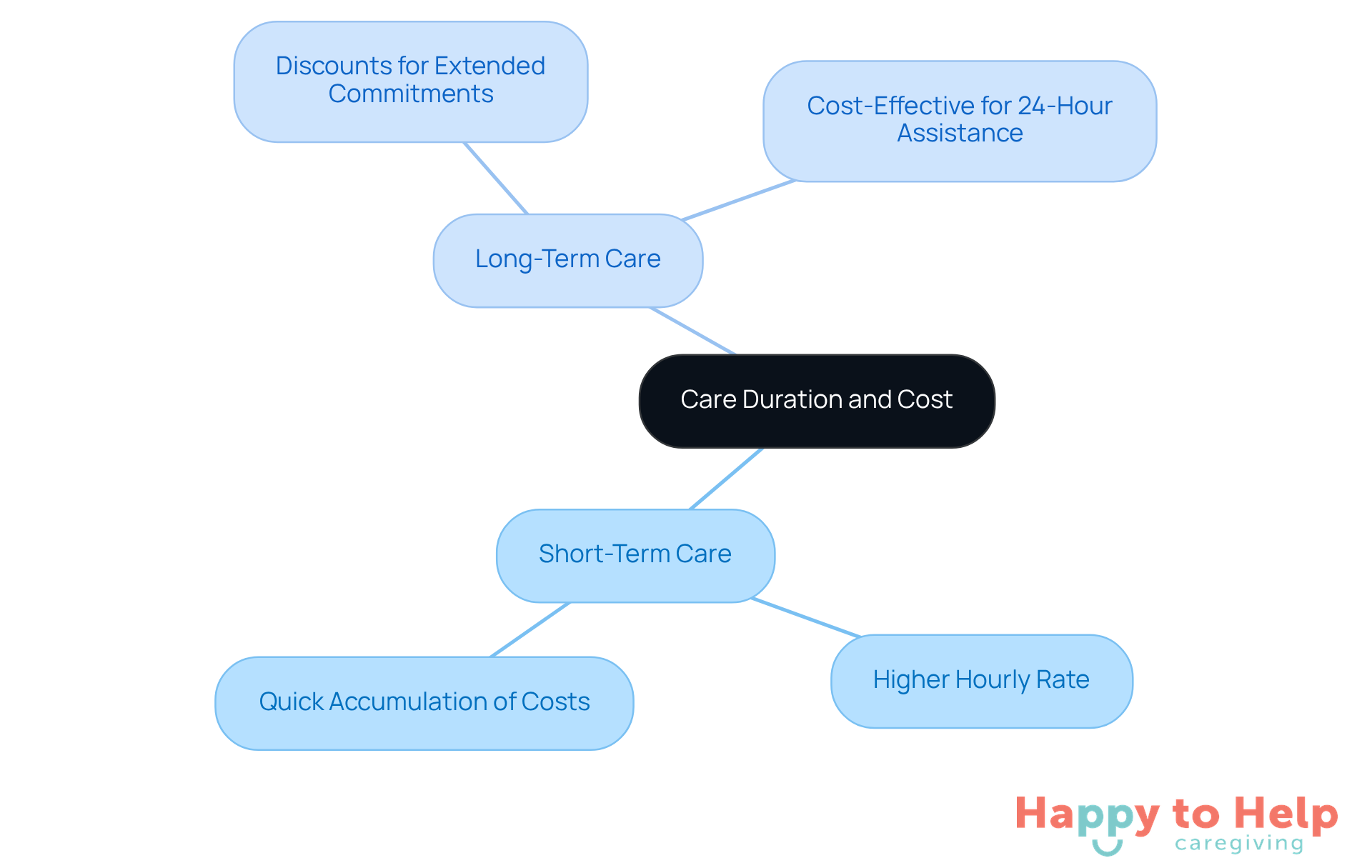
The duration of care - whether short-term or long-term - poses a significant challenge for families when it comes to managing costs. Short-term assistance often comes with a higher hourly rate, which can quickly add up. In contrast, many agencies offer discounts for extended commitments, making long-term care a more economical choice.
For instance, households seeking round-the-clock assistance may discover that the average cost of 24 hour in home care is more cost-effective than hourly rates for the same level of care. Understanding these pricing models is crucial for families, as it empowers them to make informed decisions about their caregiving needs. By evaluating the options available, caregivers can choose the most suitable and financially viable care plan.
Technology Integration: Cost Implications of Modern Care Solutions
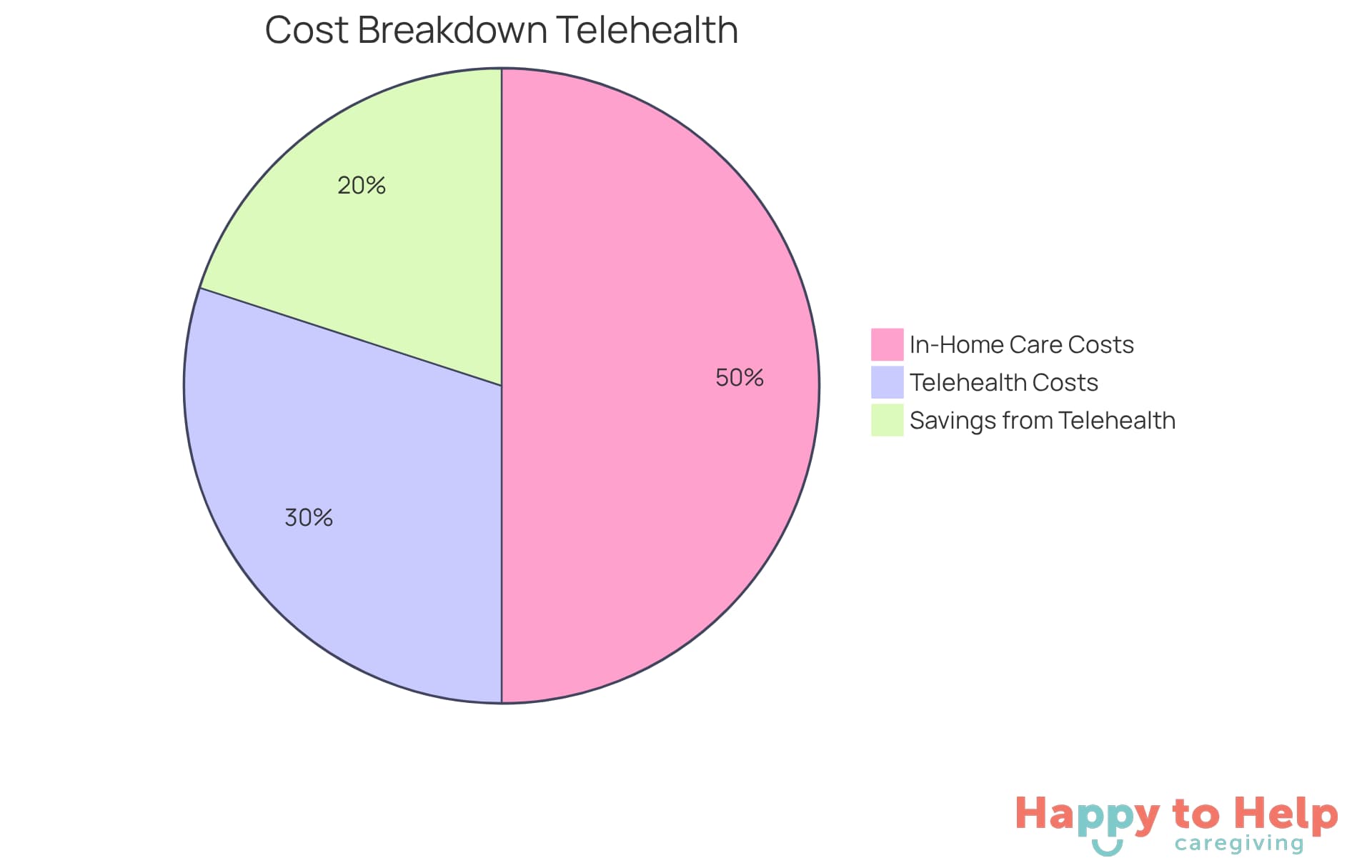
Incorporating technology into in-home care presents a significant challenge for many households, as they must weigh the average cost of 24 hour in home care against the benefits of remote monitoring systems and telehealth options. While telehealth can reduce the need for face-to-face appointments - often linked to higher expenses - families must also consider any additional fees that may arise, which can affect their budgets and the average cost of 24 hour in home care.
The financial implications, including the average cost of 24 hour in home care, of telehealth are noteworthy. A pilot program in Washington, D.C. revealed a remarkable 44% decrease in the cost of in-home support, all while enhancing patient satisfaction and reducing emergency room visits. This indicates that, despite the initial expenses related to telehealth, the long-term savings and improved quality of care can justify the average cost of 24 hour in home care.
Moreover, the average cost of 24 hour in home care can vary for telehealth services in caregiving, reflecting the convenience and efficiency they offer. As healthcare evolves, integrating telehealth has become essential. Many households find that the benefits - such as improved access to healthcare providers and better management of chronic diseases - outweigh the costs.
Experts stress that telehealth should be regarded as a crucial element of modern healthcare, rather than just an add-on. It plays a vital role in enhancing patient outcomes and satisfaction. However, families should also be aware of the challenges related to reimbursement for telehealth services, as these can impact the average cost of 24 hour in home care budgeting.
Market Demand: How Competition Affects In-Home Care Pricing
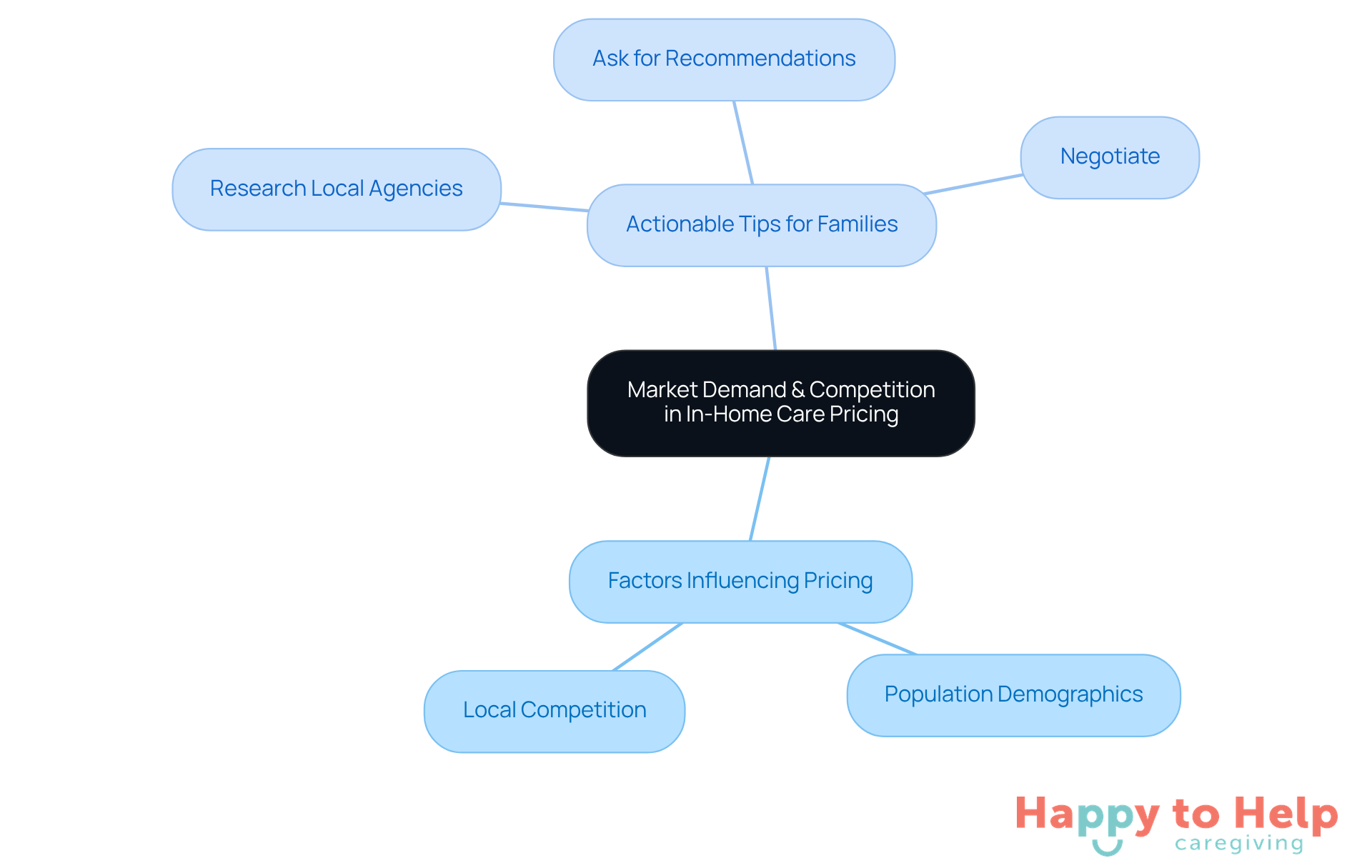
The demand for in-home assistance services presents a significant challenge for families seeking care. This demand can fluctuate based on factors like population demographics and local competition. In areas where demand is high and supply is limited, families may face significantly rising prices. On the other hand, in competitive markets, agencies often lower their prices to attract clients, creating a complex landscape for families to navigate.
Understanding these dynamics is crucial for families. By being aware of local market conditions, they can identify better pricing options and make informed decisions. Here are some actionable tips:
- Research local agencies: Compare services and prices to find the best fit for your needs.
- Ask for recommendations: Speak with other families or professionals in the area to gather insights.
- Negotiate: Don’t hesitate to discuss pricing with agencies; they may offer discounts or flexible payment plans.
By taking these steps, families can better manage the costs associated with in-home assistance services.
Making the Right Choice
Understanding the various factors influencing the average cost of 24-hour in-home care is essential for families navigating the complexities of caregiving. Families often face the challenge of deciphering how personalized care services, geographic location, service type, caregiver expertise, and additional services contribute to overall pricing. This lack of clarity can lead to confusion and stress, making it difficult to provide the best care for their loved ones.
Location plays a significant role in determining costs, with urban areas typically charging higher rates than rural regions. The type of care required - ranging from basic companionship to specialized medical assistance - greatly impacts pricing. Families are encouraged to assess their loved one's specific needs and consider the long-term benefits of investing in experienced caregivers. While initial costs may be higher, this investment can lead to better care outcomes.
To navigate the financial implications of in-home care, families should actively research local rates, explore payment options, and anticipate additional service costs. By approaching in-home care with a strategic mindset, they can ensure they provide the necessary support without compromising their financial stability. Here are some actionable tips:
- Research local rates to understand the market.
- Explore various payment options, including insurance and government assistance.
- Anticipate additional service costs to avoid surprises.
By taking these steps, families can effectively navigate the challenges of caregiving while securing the best possible care for their loved ones.
https://iframe.tely.ai/cta/eyJhcnRpY2xlX2lkIjogIjY5Mjc5NGRlMDFkMWUzYmY0NmRiMjQ5MCIsICJjb21wYW55X2lkIjogIjY4ZWU1ZGNhNzMxNzYyNTU3ZjNjOTVjMSIsICJpbmRleCI6IG51bGwsICJ0eXBlIjogImFydGljbGUifQ==Frequently Asked Questions
What services does Happy to Help Caregiving provide?
Happy to Help Caregiving offers personalized in-home support options, including companionship support, post-hospital recovery assistance, respite services, and palliative assistance.
How does Happy to Help Caregiving's approach benefit clients?
Their tailored approach enhances the quality of life for seniors and individuals with special needs, promoting autonomy and ensuring they receive necessary support in their own homes.
What factors influence the cost of in-home care?
The cost of in-home assistance varies based on geographic location, cost of living, local demand for services, and state regulations. Urban areas typically charge higher rates than rural ones.
What are the estimated hourly rates for in-home care in different regions?
In 2025, states like California and New York report hourly rates between $30 and $50, while regions in the Midwest and South may charge between $20 and $30. Nationwide, the average cost of 24-hour in-home care is estimated to range from $25 to $35 per hour.
How can caregivers navigate the challenges of varying in-home care costs?
Caregivers should research local rates and regulations, consider the financial implications of care services based on location, and consult with experts to understand the best options available for their loved ones.
What is the average cost of 24-hour in-home care?
As of 2023, the average cost of 24-hour in-home care was approximately $68,640 for 40 hours a week, with basic companionship services ranging from $20 to $30 per hour and specialized medical assistance exceeding $50 per hour.
How can families potentially reduce the cost of in-home care?
Families may find that the hourly rate for assistance decreases as the number of hours increases. Additionally, they should consider insurance coverage for medically necessary home health assistance to help offset out-of-pocket costs.
What should families consider when choosing in-home care services?
Families should assess their loved one's specific needs and preferences, balancing quality support with financial considerations to make informed decisions.
List of Sources
- Happy to Help Caregiving: Personalized In-Home Care Services
- High care costs push families toward home solutions (https://hmenews.com/article/high-care-costs-push-families-toward-home-solutions)
- Growing Trend of Private Pay Home Care for Elderly (https://regencyhcs.com/blog/growing-trend-of-private-pay-home-care-for-elderly)
- Why It’s Time for In-Home Care to Catch Up to the Value-Based Care Movement - MedCity News (https://medcitynews.com/2025/10/why-its-time-for-in-home-care-to-catch-up-to-the-value-based-care-movement)
- New Report Reveals U.S. Family Caregivers Perform Equivalent of a Staggering $873.5 Billion Worth of Labor, Would Surpass Revenue of Top Global Companies | Otsuka US (https://otsuka-us.com/news/new-report-reveals-us-family-caregivers-perform-equivalent-staggering-8735-billion-worth-labor)
- Caring Senior Service Banks Growth Goals On New House-Made Technology (https://homehealthcarenews.com/2025/10/caring-senior-service-banks-growth-goals-on-new-house-made-technology)
- State Variability: How Location Affects In-Home Care Costs
- Geography Matters: Location plays key role in long-term care cost (https://insurancenewsnet.com/innarticle/geography-matters-location-plays-key-role-in-long-term-care-cost)
- Navigating Home Care Amidst the Tide of Rising Costs | Amada (https://amadaseniorcare.com/2024/03/navigating-home-care-amidst-the-tide-of-rising-costs)
- How Much Does In-Home Care Cost in 2025? A State-by-State Guide - Elder Answers (https://elder-answers.com/how-does-in-home-care-cost-in-2025)
- Home Care Costs in 2025: A State-by-State Guide (https://aplaceformom.com/caregiver-resources/articles/in-home-care-costs)
- Service Type: The Impact of Care Options on Pricing
- Home Care Cost (https://ltsschoices.aarp.org/scorecard-report/2023/dimensions-and-indicators/home-care-cost)
- Home Care Costs in 2025: A State-by-State Guide (https://aplaceformom.com/caregiver-resources/articles/in-home-care-costs)
- High care costs push families toward home solutions (https://hmenews.com/article/high-care-costs-push-families-toward-home-solutions)
- The Cost of In-Home Caregivers May Surprise You (https://health.usnews.com/senior-care/caregiving/articles/how-much-do-in-home-caregivers-cost)
- Inflation Hits Home Care, Increasing Pressure on Older Adults and Family Caregivers (https://blog.aarp.org/thinking-policy/inflation-hits-home-care-increasing-pressure-older-adults-family-caregivers)
- Caregiver Expertise: How Experience Influences Cost
- Breaking Down the Cost of In-Home Care: What Families Need to Know (https://seniorlivingnearme.com/resources/breaking-down-the-cost-of-in-home-care-what-families-need-to-know)
- Why Skill-Based Billing Is Growing In Home Care – And Why Some Say No (https://homehealthcarenews.com/2025/09/why-skill-based-billing-is-growing-in-home-care-and-why-some-say-no)
- What Are the Average Caregiver Pay Rates in 2025? — Paid.Care (https://paid.care/guides/what-are-the-average-caregiver-pay-rates-in-2025)
- Caregiver Pay in 2025: Average Salary by State & Role (https://goinstacare.com/blogs/caregiver-salaries-2025-role-state-guide)
- How Much Do In-Home Caregivers Cost? - WTOP News (https://wtop.com/news/2025/11/how-much-do-in-home-caregivers-cost)
- Level of Care: Assessing Needs and Their Cost Implications
- Medicaid Home Care Cuts Could Cost States $1 Billion Over 5 Years (https://homehealthcarenews.com/2025/10/medicaid-home-care-cuts-could-cost-states-1-billion-over-5-years)
- Home Care Costs in 2025: A State-by-State Guide (https://aplaceformom.com/caregiver-resources/articles/in-home-care-costs)
- Facing Financial Ruin as Costs Soar for Elder Care (Published 2023) (https://nytimes.com/2023/11/14/health/long-term-care-facilities-costs.html)
- Tension Between Demand Growth, Rate Pressure Shape At-Home Care Playbooks (https://homehealthcarenews.com/2025/08/tension-between-demand-growth-rate-pressure-shapes-at-home-care-playbooks)
- New Survey Highlights Devastating Impact of Medicaid Reductions on Nursing Homes (https://ahcancal.org/News-and-Communications/Press-Releases/Pages/New-Survey-Highlights-Devastating-Impact-of-Medicaid-Reductions-on-Nursing-Homes.aspx)
- Payment Options: Understanding Financial Aspects of In-Home Care
- The Cost of Dignity: A Guide to In-Home Care Costs and Happier Aging in 2025 | Nurse Next Door (https://nursenextdoor.com/blog/how-much-does-senior-home-care-cost)
- How to Pay for In-Home Care: A Comprehensive Guide for Families - Go Care Hero (https://gocarehero.com/resource/how-to-pay-for-in-home-care-a-comprehensive-guide-for-families)
- 2025 Budget Impacts: House Bill Would Cut Assistance and Raise Costs for Seniors (https://cbpp.org/research/federal-budget/2025-budget-impacts-house-bill-would-cut-assistance-and-raise-costs-for)
- Governor Hochul Announces Next Steps in Plans to Strengthen Home Care Services for New Yorkers (https://governor.ny.gov/news/governor-hochul-announces-next-steps-plans-strengthen-home-care-services-new-yorkers)
- Payment Rates for Medicaid Home Care: States’ Responses to Workforce Challenges | KFF (https://kff.org/medicaid/payment-rates-for-medicaid-home-care-states-responses-to-workforce-challenges)
- Additional Services: How Extras Influence Overall Care Costs
- The Real Costs of Home Health Care in NYC: What to Expect - Friends & Family (https://friendsfamilyhomecare.com/home-care/the-costs-of-home-health-care)
- Home Care Cost (https://ltsschoices.aarp.org/scorecard-report/2023/dimensions-and-indicators/home-care-cost)
- Home Care Cost (https://ultimatecareny.com/resources/home-care-cost)
- Inflation Hits Home Care, Increasing Pressure on Older Adults and Family Caregivers (https://blog.aarp.org/thinking-policy/inflation-hits-home-care-increasing-pressure-older-adults-family-caregivers)
- How Much Will Home Care Cost Per Month in 2025? | Home Care agency in New York (https://angelcareny.com/how-much-will-home-care-cost-per-month-in-2025)
- Care Duration: The Effect of Time on Cost
- How Much Does 24/7 Home Care Cost? (https://aplaceformom.com/caregiver-resources/articles/24-hour-in-home-care)
- Cost of Long Term Care by State | Cost of Care Report | Carescout (https://carescout.com/cost-of-care)
- Long-term care costs can be a 'huge problem,' experts say. Here's why (https://cnbc.com/2025/05/17/why-long-term-care-costs-can-be-a-huge-problem.html)
- 24/7 In-Home Care Costs in 2025 - Assisted Living Magazine (https://assistedlivingmagazine.com/24-7-in-home-care-costs-in-2025)
- Technology Integration: Cost Implications of Modern Care Solutions
- COVID-19 pushed telemedicine ahead a decade: 4 quotes on virtual care innovation from Mayo physicians - Becker's Hospital Review | Healthcare News & Analysis (https://beckershospitalreview.com/healthcare-information-technology/telehealth/covid-19-pushed-telemedicine-ahead-a-decade-4-quotes-on-virtual-care-innovation-from-mayo-physicians)
- 30 Quotes About the Future of Healthcare: Expert Takes (https://deliberatedirections.com/quotes-future-of-healthcare)
- How Telehealth Is Changing Home Health Care (https://wolterskluwer.com/en/expert-insights/how-telehealth-is-changing-home-health-care)
- AI and technology triggering a $1 billion shift in healthcare (https://healthcarefinancenews.com/news/ai-and-technology-triggering-1-billion-shift-healthcare)
- Market Demand: How Competition Affects In-Home Care Pricing
- Tension Between Demand Growth, Rate Pressure Shape At-Home Care Playbooks (https://homehealthcarenews.com/2025/08/tension-between-demand-growth-rate-pressure-shapes-at-home-care-playbooks)
- Demand for Home Care Expected to Surge 22% by 2034 (https://respiratory-therapy.com/public-health/healthcare-policy/home-care/demand-home-care-expected-surge-22-2034)
- High care costs push families toward home solutions (https://hmenews.com/article/high-care-costs-push-families-toward-home-solutions)
- How Senior Living Operators Can Turn the Tide in Competition with Home Care (https://seniorhousingnews.com/2024/09/19/how-senior-living-operators-can-turn-the-tide-in-competition-with-home-care)
- 10 Must-Know U.S. Home Care Industry Stats for 2025 - North American Community Hub (https://nchstats.com/us-home-care-industry-stats)