The Importance of Benefits of Senior Inhome Care
The landscape of senior care is changing, highlighting the significant impact that in-home services can have on elderly individuals and their family caregivers. Family caregivers often face numerous challenges, including emotional stress, physical exhaustion, and the struggle to balance their own lives with caregiving responsibilities. These burdens can lead to burnout, affecting both the caregiver's well-being and the quality of care provided to seniors.
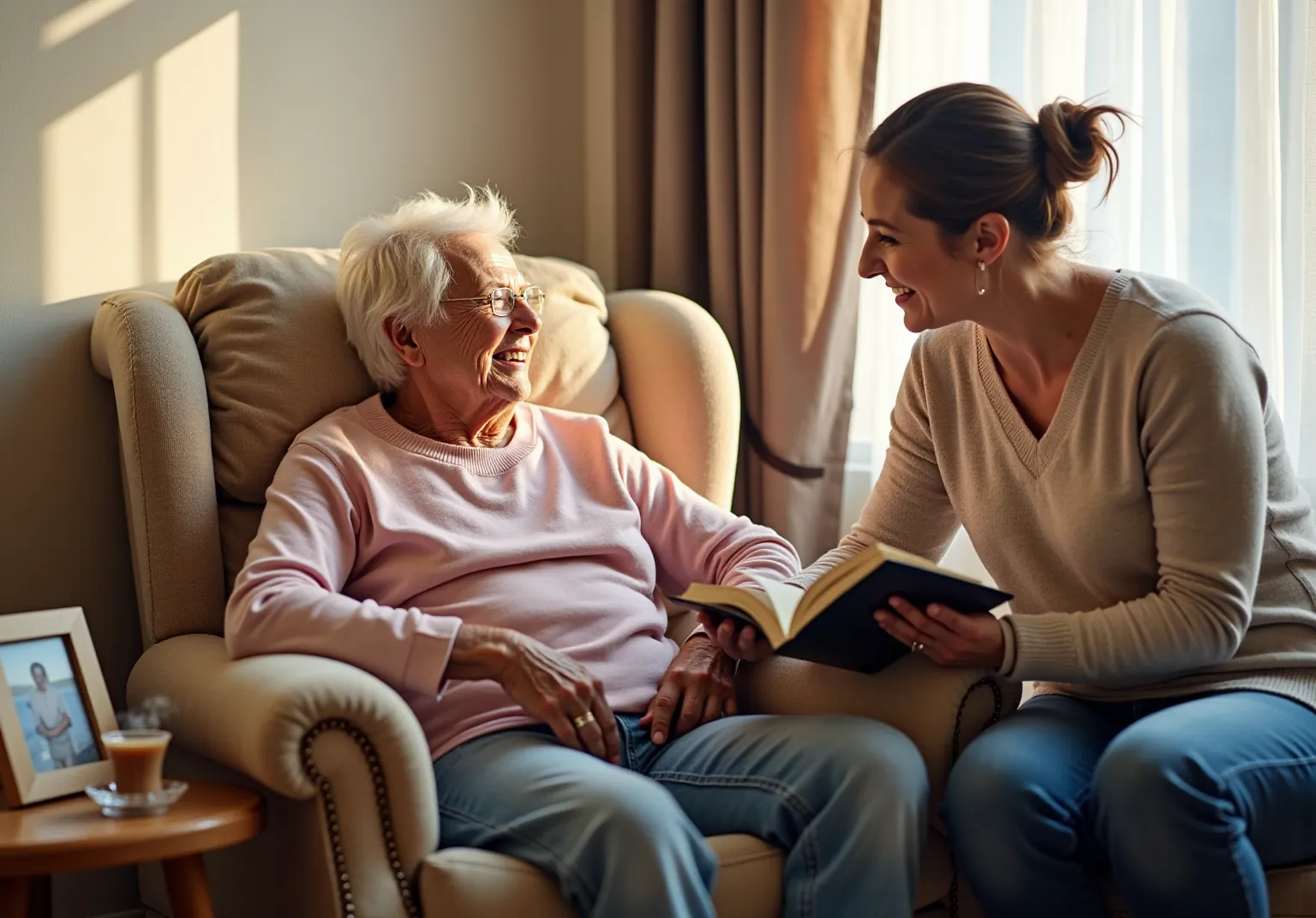
As the demand for personalized support grows, understanding the benefits of senior in-home care becomes crucial. These services not only enhance the quality of life for seniors by providing companionship and assistance with daily activities but also alleviate the pressures faced by caregivers. Tailored in-home care solutions can address these pressing needs by offering:
- Respite care
- Specialized support
- Resources that empower caregivers
What challenges do family caregivers encounter? They often grapple with feelings of isolation and the overwhelming nature of their responsibilities. However, by implementing practical solutions such as seeking professional in-home care assistance, caregivers can find relief and support. This article will explore how these services can transform the caregiving experience, ensuring that both seniors and their caregivers thrive.
Happy to Help Caregiving: Companionship Care for Emotional Support
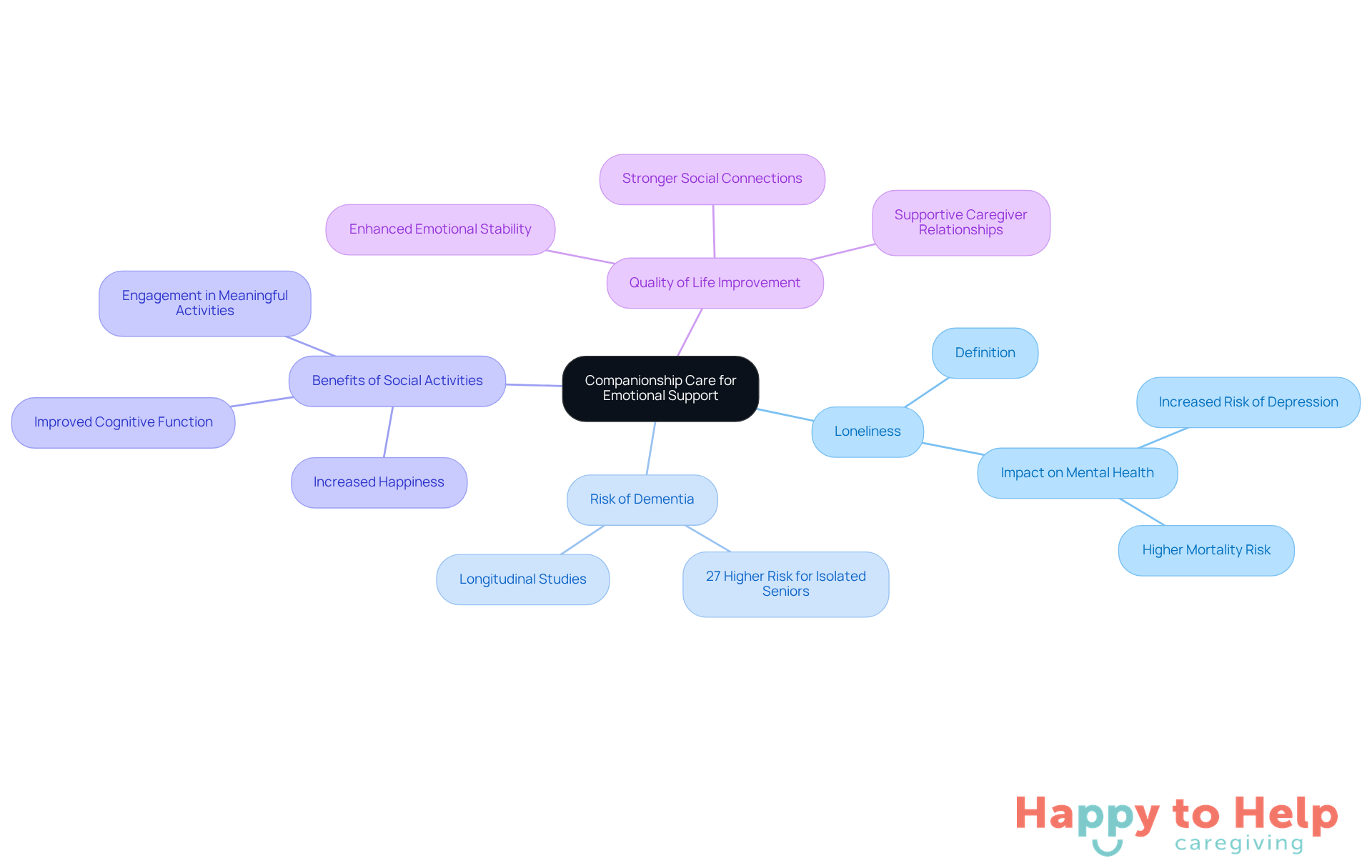
Loneliness is a significant issue for many older adults, often leading to detrimental effects on their mental health. Research shows that socially isolated seniors face a 27% higher risk of developing dementia compared to their more socially active peers. This alarming statistic highlights the urgent need for solutions that foster social interaction and emotional well-being.
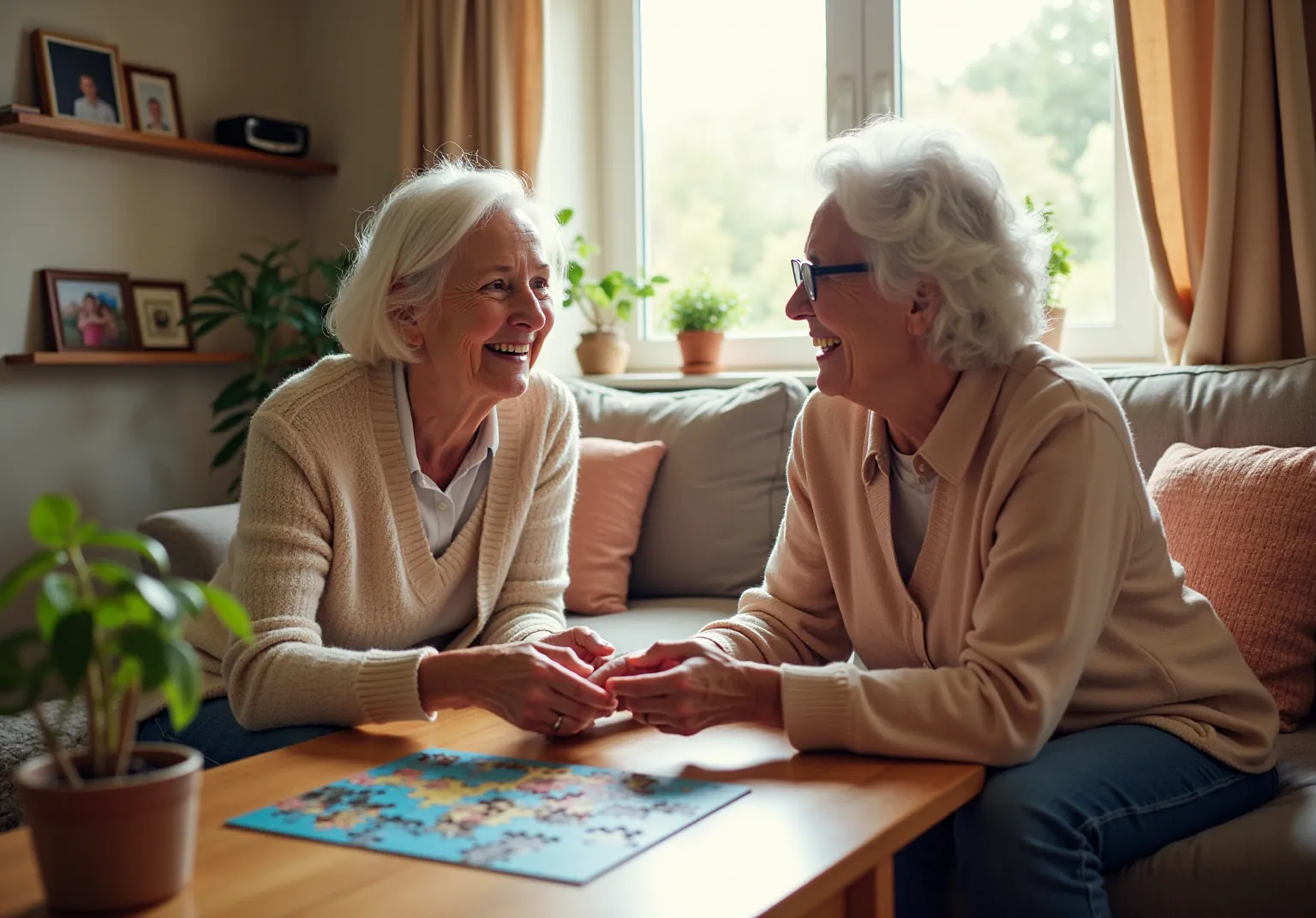
Companionship care offered by Happy to Help Caregiving addresses this problem directly. By cultivating meaningful relationships between caregivers and clients, this service goes beyond mere physical assistance. It actively engages older adults in discussions and activities they enjoy, which greatly enhances their mental well-being and emotional stability.
The benefits of companionship care are clear. Older individuals who participate in social activities report increased happiness and overall well-being. Therefore, incorporating companionship care into senior in-home care is not just an addition; it is a crucial element that promotes emotional health and enriches the lives of elderly individuals. By prioritizing social interaction, caregivers can significantly improve the quality of life for their clients.
Post-Hospital Recovery Assistance: Facilitating Independence After Medical Care
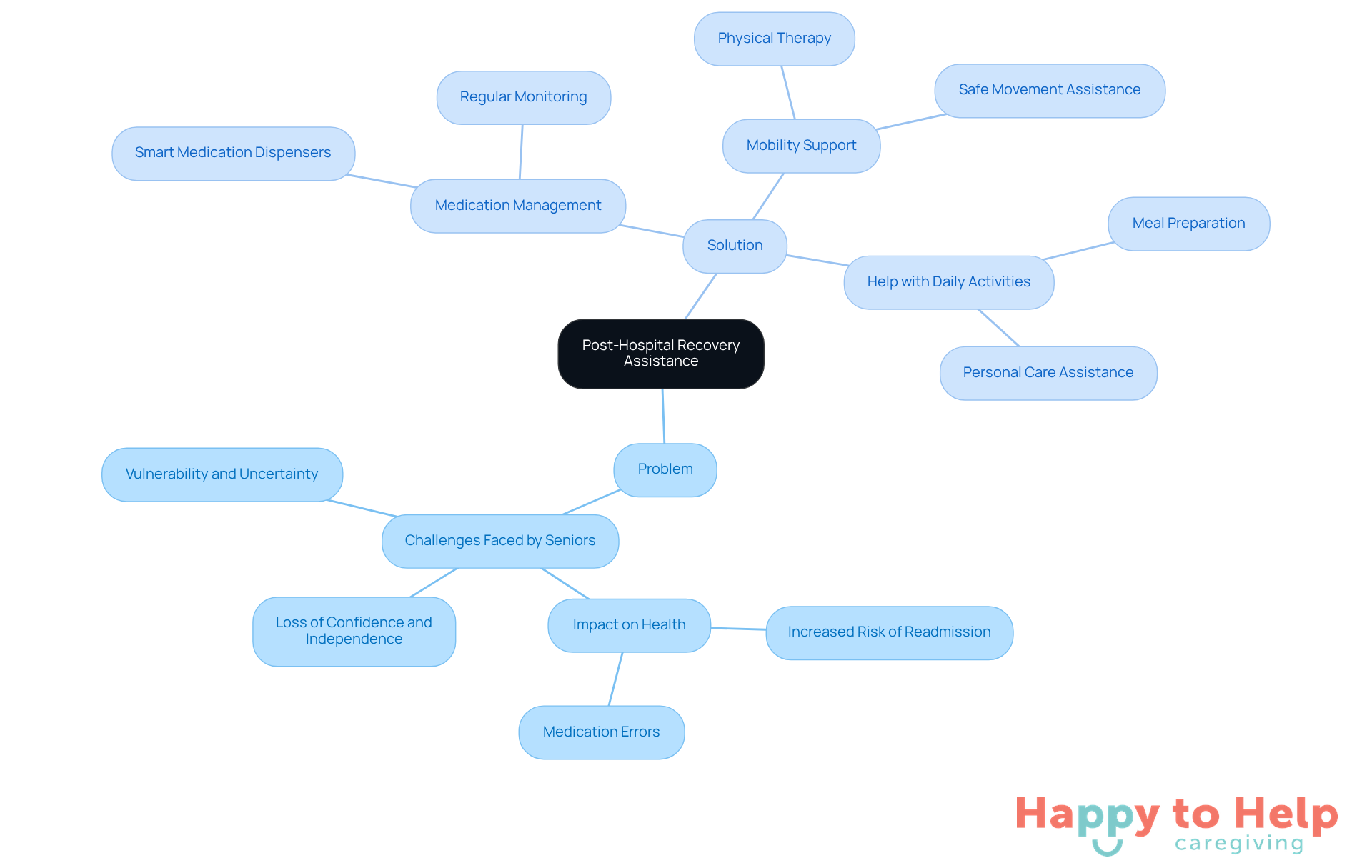
Problem: Post-hospital recovery can be a daunting challenge for seniors, highlighting the importance of senior in-home care to prevent complications and reduce the risk of readmission.
Agitate: Many caregivers struggle to provide the necessary support, which can leave seniors feeling vulnerable and uncertain about their recovery. This situation not only affects their health but also their confidence and independence.
Happy to Help Caregiving offers tailored post-hospital recovery assistance through their senior in-home care services, which include:
- Medication management
- Mobility support
- Help with daily activities
Caregivers are trained to recognize signs of complications and provide timely interventions, significantly reducing the risk of readmission. By creating a safe and supportive atmosphere, providers enable seniors to regain their independence and confidence as they recuperate in the comfort of their own homes.
Respite Care: Alleviating Family Caregiver Burnout
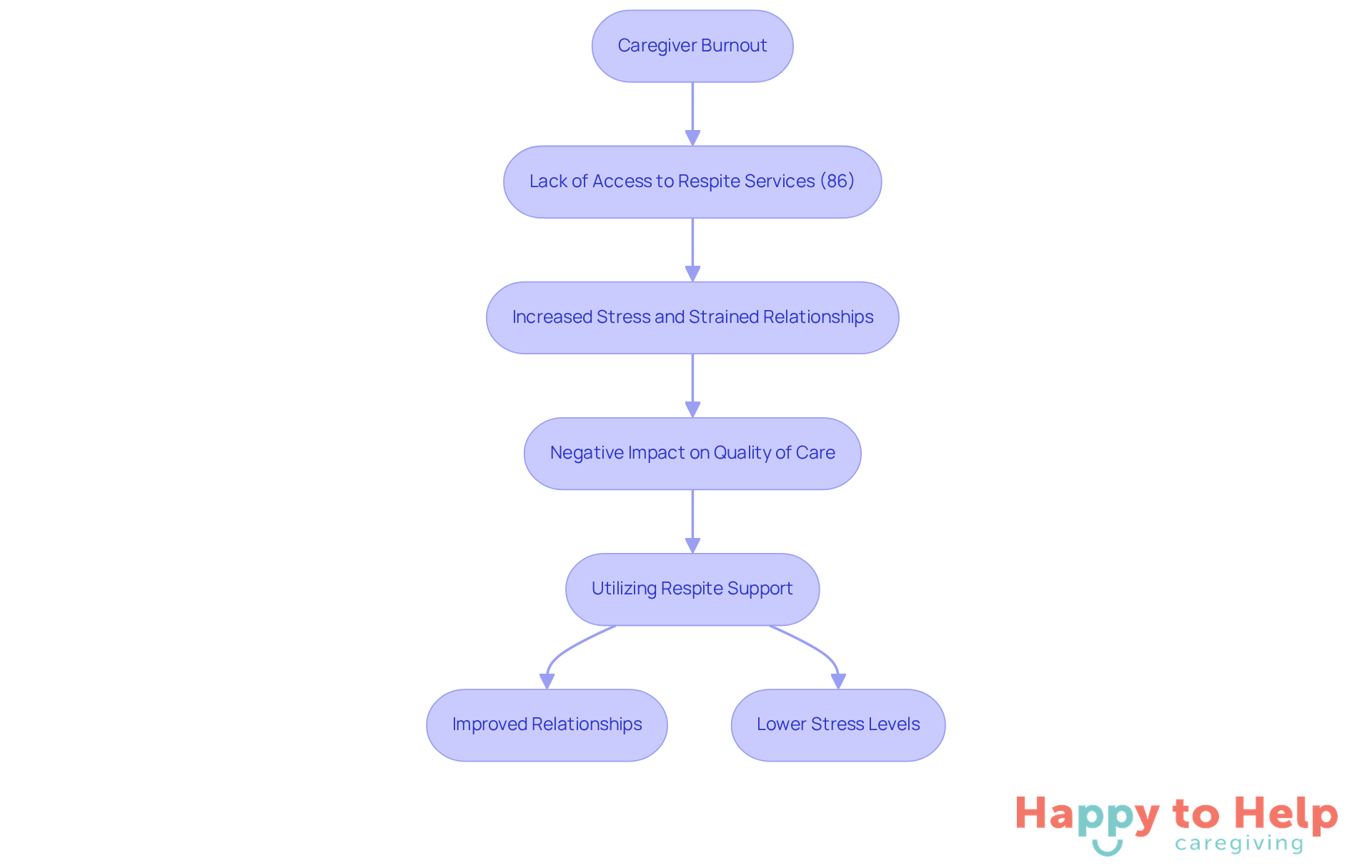
Caregivers face a significant challenge: burnout. Many individuals providing care for adults are not receiving the respite they need, leading to increased stress and strained relationships with those they assist. Research shows that nearly 86% of caregivers lack access to respite services, highlighting a critical gap that needs addressing.
The implications of this problem are profound. Caregivers who do not take regular breaks often experience heightened stress levels, which can negatively impact the quality of care they provide. However, utilizing respite support can lead to a more positive caregiving environment. Studies indicate that caregivers who take advantage of these services report improved relationships and lower stress levels.
So, what can be done? Happy to Help Caregiving provides flexible respite options for senior in-home care, offering breaks that range from a few hours to several days. Regular breaks not only reduce the risk of burnout but also allow caregivers to return to their duties with renewed energy and patience. As Samantha Wolfe, a Direct Support Professional, states, "Respite care exists to provide family caregiver assistance," underscoring the importance of these services for sustaining caregiver health.
24/7 Availability: Ensuring Continuous Support for Seniors
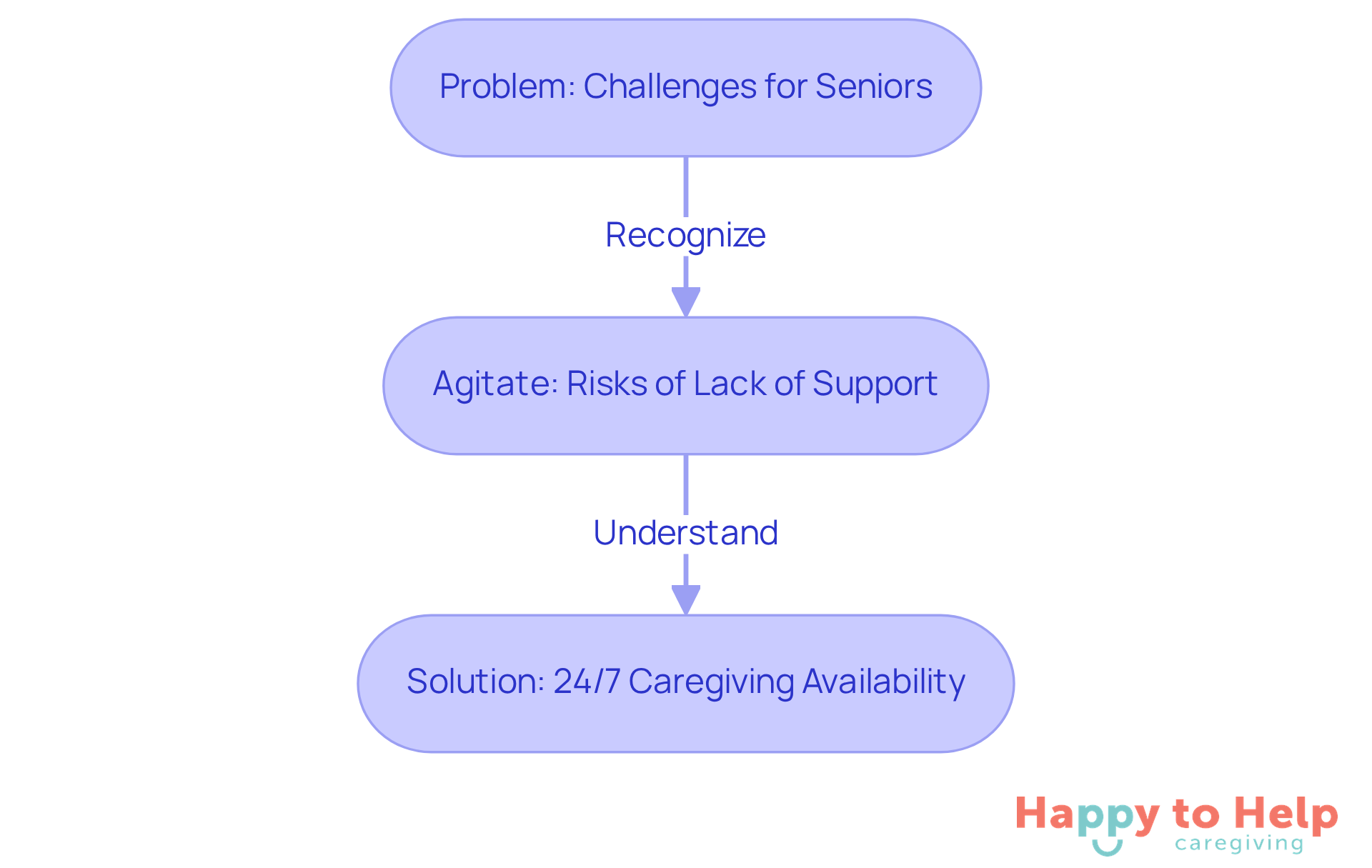
Problem: Many older adults face challenges due to chronic conditions or mobility issues, requiring constant assistance. This need can lead to feelings of isolation and anxiety for both the elderly and their families.
Agitate: Without immediate support, emergencies can escalate quickly, leaving older adults vulnerable. Families often worry about their loved ones being alone, which can add to their stress and concern.
Solution: Happy to Help Caregiving addresses these challenges by providing 24/7 availability. This ensures that older adults have access to assistance whenever they need it. With continuous support, families can rest assured knowing that their loved ones are never alone and that help is always just a call away.
Flexible Scheduling: Customizing Care to Fit Individual Needs
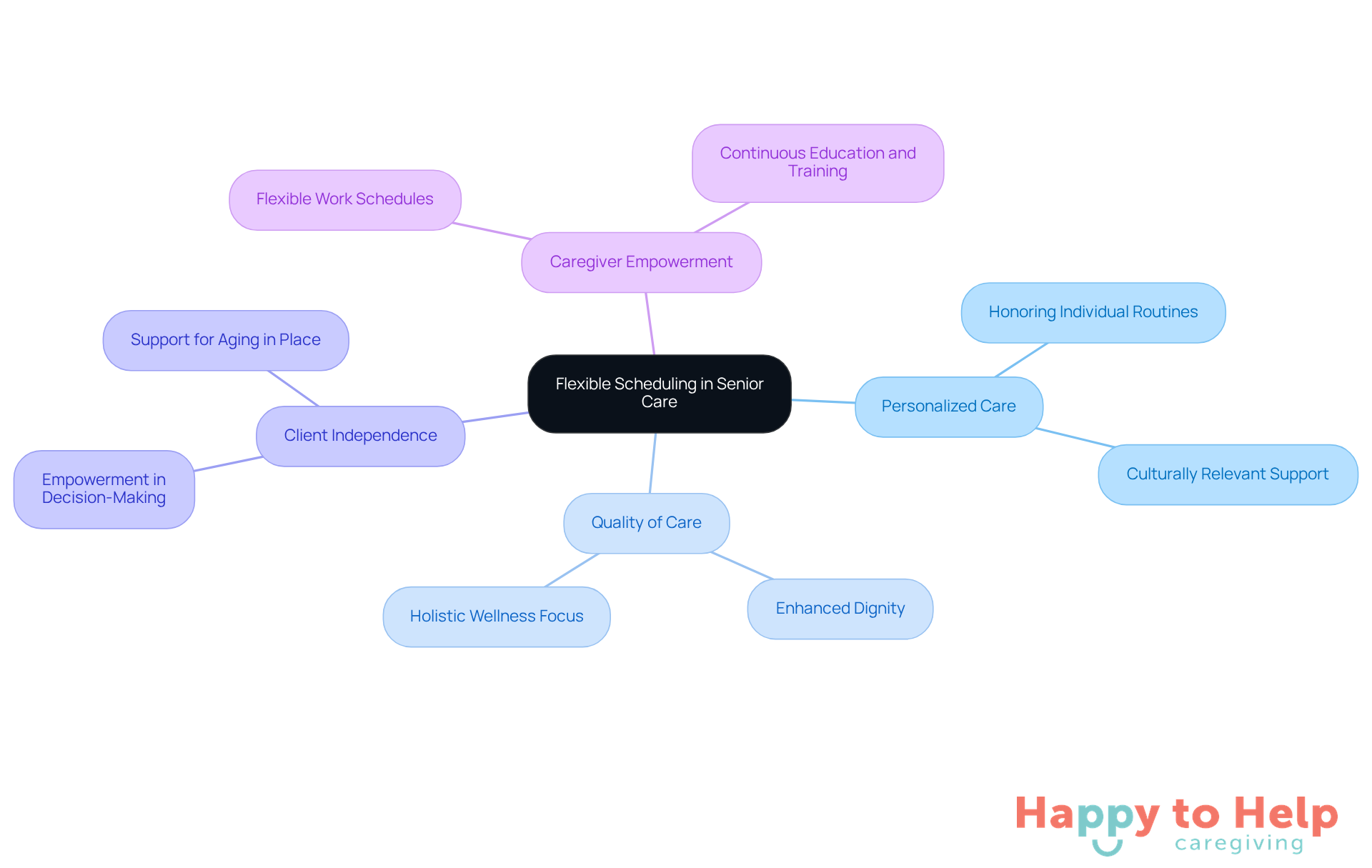
Caring for the elderly through senior inhome care presents unique challenges, particularly in addressing their diverse needs and preferences. Many caregivers struggle to provide personalized senior inhome care that honors the individual routines of their clients. This lack of customization can lead to a diminished quality of care, impacting the independence and dignity of older adults.
To tackle this issue, Happy to Help Caregiving offers flexible scheduling options. By allowing caregivers to tailor their services, they can better align with the specific needs of each client. This approach not only enhances the quality of senior inhome care but also empowers older adults to choose when and how they receive assistance, ultimately supporting their independence.
Promoting Independence: Empowering Seniors to Live on Their Terms
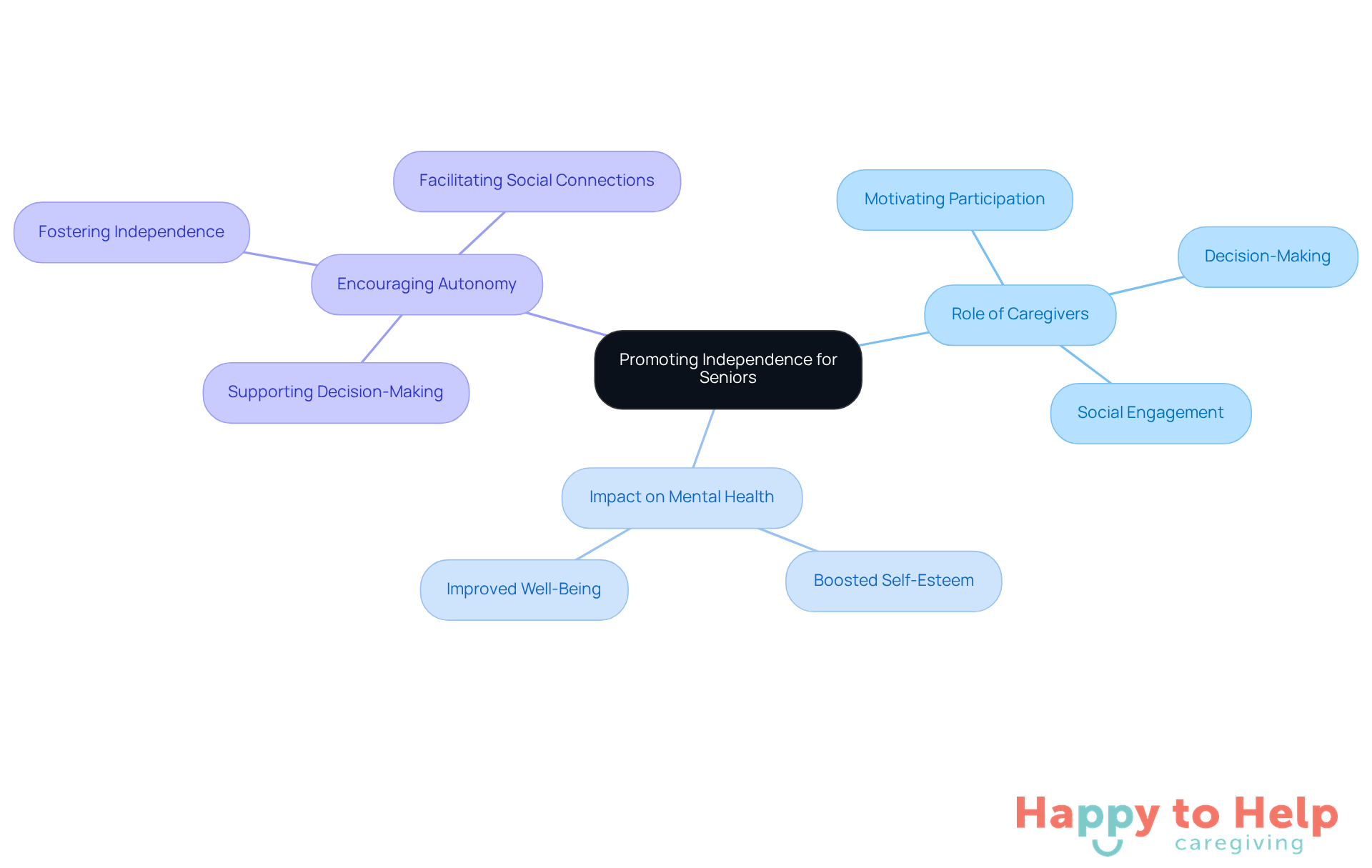
At Happy to Help Caregiving, we recognize a significant problem: many elderly individuals struggle with a lack of independence. This can lead to feelings of helplessness and diminished self-esteem, ultimately impacting their overall well-being. Research shows that older adults who feel in control of their lives are more likely to experience positive mental health outcomes.
To address this issue, caregivers play a crucial role in empowering elderly individuals. By motivating them to participate in daily activities, make decisions about their care, and engage in social interactions, caregivers can significantly enhance their clients' sense of autonomy. This empowerment not only boosts self-esteem but also contributes to improved well-being.
Incorporating these practices into caregiving routines can lead to better mental health for older adults. Caregivers should focus on fostering independence by encouraging participation in daily tasks and facilitating social connections. By doing so, they can help their clients lead more fulfilling lives.
Emotional Support: Combating Loneliness and Isolation in Seniors
Loneliness is a significant issue faced by many elderly individuals, often leading to feelings of isolation and diminished mental well-being. This emotional struggle can result in increased risks of depression and anxiety, making it crucial for caregivers to address these challenges effectively.
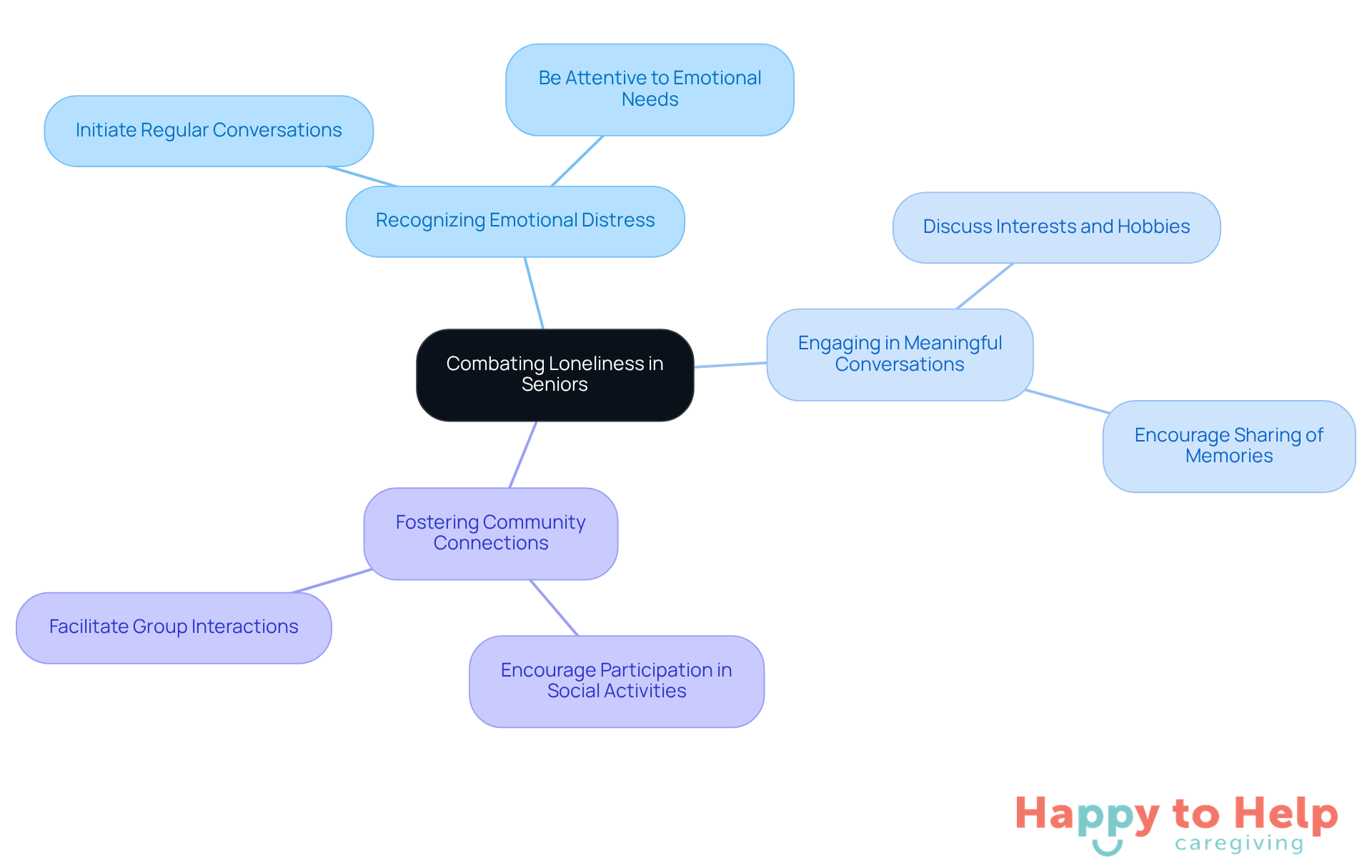
To combat loneliness, caregivers in senior inhome care at Happy to Help Caregiving are trained to recognize signs of emotional distress and engage elderly clients in meaningful conversations and activities. By fostering relationships and providing companionship, senior inhome care caregivers can help alleviate feelings of seclusion, ultimately enhancing the mental health of those they support.
Research indicates that older adults who receive emotional assistance are less likely to experience depression and anxiety. Therefore, caregivers in senior inhome care should prioritize emotional support as a vital component of their services. Here are some actionable tips:
- Initiate regular conversations to build rapport.
- Encourage participation in social activities to foster community connections.
- Be attentive to the emotional needs of clients, offering companionship and understanding.
By implementing these strategies, caregivers can create a supportive environment that promotes mental well-being and a stronger sense of community among elderly individuals.
Personalized Care Plans: Tailoring Support to Individual Needs
Caregivers often face the challenge of providing care that meets the unique needs of each individual. Generic care plans can lead to inefficiencies and a lack of empathy, ultimately affecting the quality of life for older adults.
To address this issue, Happy to Help Caregiving offers personalized care plans tailored to the specific needs of each client. These plans are developed through comprehensive assessments that take into account:
- Medical history
- Daily routines
- Personal preferences
By customizing assistance to meet personal requirements, caregivers can deliver more effective and compassionate care. This approach not only enhances wellness outcomes but also significantly improves the overall quality of life for older adults.
Technology Integration: Enhancing Communication and Monitoring in Care
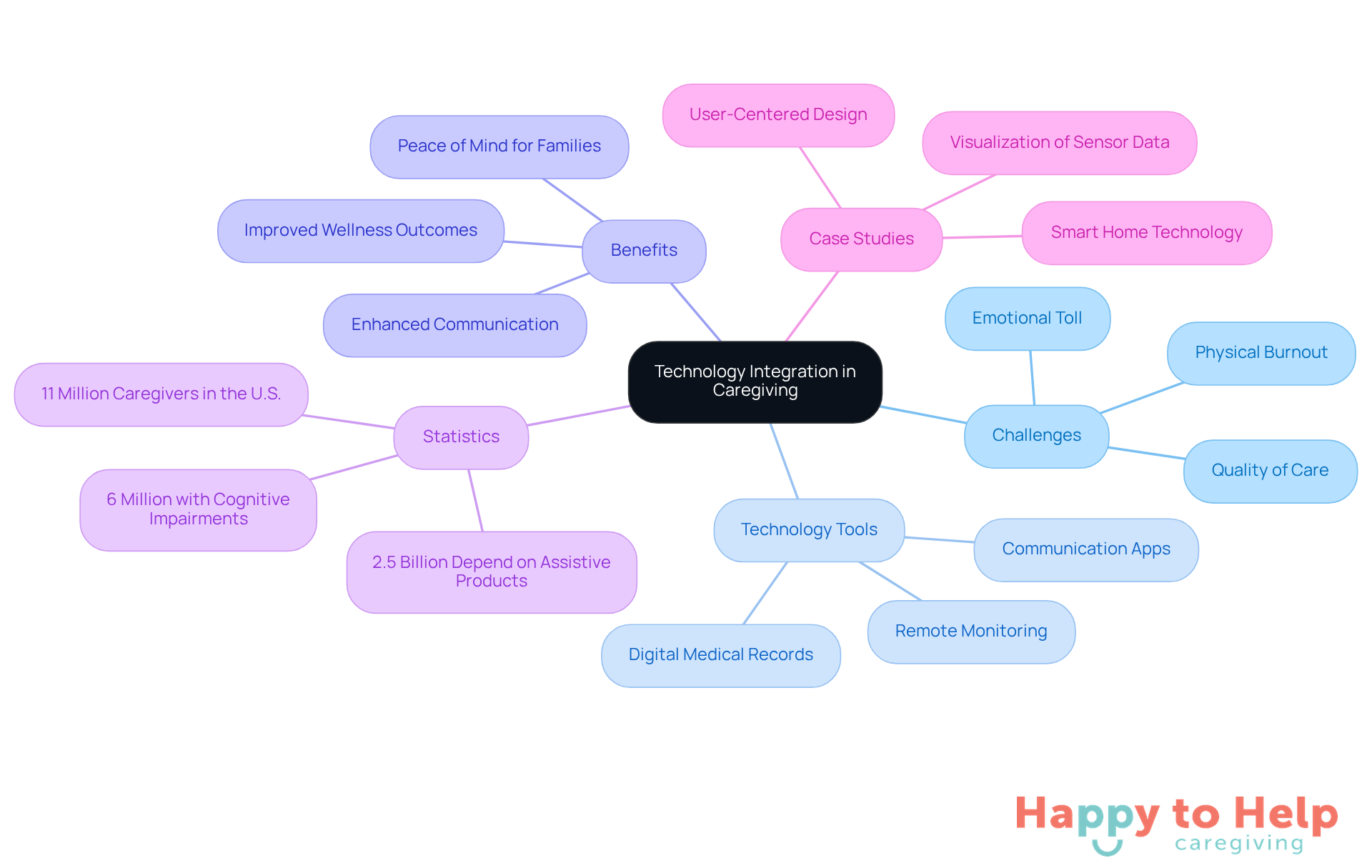
Caregiving presents significant challenges for many, with around 11 million Americans involved in caregiving roles. The emotional and physical toll on caregivers can be overwhelming, often leading to burnout and decreased quality of care for those they support.
To address these issues, technology emerges as a vital solution. Tools like remote monitoring systems, communication applications, and digital medical records not only streamline care coordination but also help caregivers maintain a strong bond with clients and their families. This integration offers families peace of mind, allowing them to monitor their loved ones' well-being from a distance.
Research indicates that remote observation can lead to better wellness outcomes for older adults. When caregivers can swiftly react to changes in medical conditions, prompt actions become feasible. Furthermore, digital health records enhance communication among health providers, ensuring that everyone involved in a senior's care is informed and aligned.
As Penny Pirtle, Director of Tech-First Programs, notes, "Globally, over 2.5 billion individuals depend on one or more assistive products to enhance their daily lives, a figure that is anticipated to increase to 3.5 billion by 2050." This statistic underscores the growing need for technology in caregiving.
Additionally, case studies like "Can A Smart Home Fill In Caregiving Gaps?" illustrate how smart home technology can assist caregivers while promoting the independence of elderly individuals. As technology continues to evolve, its role in home care will likely expand, further enhancing the quality of life for seniors and the support provided to their families.
Caregivers are encouraged to explore specific technologies that can enhance communication and monitoring in their caregiving practices.
Your Path Forward
Senior in-home care addresses a significant problem faced by families: the emotional and physical needs of elderly individuals. Caregivers often struggle with stress and burnout while trying to provide the best support for their loved ones. This situation can lead to feelings of isolation for seniors, making it essential to find effective solutions.
The implications of inadequate support are profound. Without proper care, seniors may experience loneliness and a decline in their emotional well-being. Additionally, family caregivers may find themselves overwhelmed, which can negatively impact the quality of care provided. Recognizing these challenges is the first step toward fostering a healthier environment for both seniors and their caregivers.
Fortunately, senior in-home care services offer a viable solution. By integrating services such as companionship care, post-hospital recovery assistance, and flexible scheduling, families can ensure their loved ones receive the personalized attention they deserve. This holistic approach not only enhances seniors' independence but also significantly improves their emotional health.
Key benefits of these services include:
- Emotional Support: Helps combat loneliness and fosters a sense of connection.
- 24/7 Availability: Ensures continuous assistance, providing peace of mind for families.
- Personalized Care Plans: Tailored to meet individual needs, enhancing the overall quality of care.
Moreover, the integration of technology enriches the caregiving experience. It facilitates better communication and monitoring, which is essential for both seniors and their families. By embracing these services, families can create a supportive atmosphere that promotes well-being.
In conclusion, exploring senior in-home care services is not just about aiding the elderly; it’s about nurturing their dignity and emotional health. Family caregivers are encouraged to recognize the profound impact that compassionate, tailored care can have on their loved ones. By prioritizing these services, families can enrich the lives of both seniors and caregivers alike.
https://iframe.tely.ai/cta/eyJhcnRpY2xlX2lkIjogIjY5Mjc5NGUwNmFmMzU5NTU2OTU3ODdiZSIsICJjb21wYW55X2lkIjogIjY4ZWU1ZGNhNzMxNzYyNTU3ZjNjOTVjMSIsICJpbmRleCI6IG51bGwsICJ0eXBlIjogImFydGljbGUifQ==Frequently Asked Questions
What is companionship care and why is it important for older adults?
Companionship care involves cultivating meaningful relationships between caregivers and clients, addressing loneliness and promoting emotional well-being. It helps older adults engage in discussions and activities they enjoy, which enhances their mental health and overall happiness.
What are the risks associated with social isolation in seniors?
Research indicates that socially isolated seniors face a 27% higher risk of developing dementia compared to their more socially active peers, highlighting the need for solutions that foster social interaction.
How does Happy to Help Caregiving support post-hospital recovery for seniors?
Happy to Help Caregiving offers tailored post-hospital recovery assistance, including medication management, mobility support, and help with daily activities, to help seniors regain independence and confidence after medical care.
What challenges do caregivers face after a senior's hospitalization?
Caregivers often struggle to provide necessary support, which can leave seniors feeling vulnerable and uncertain about their recovery, affecting both their health and independence.
What is respite care and why is it necessary for family caregivers?
Respite care provides temporary relief for family caregivers, allowing them to take breaks from their caregiving duties. This is necessary to prevent caregiver burnout, reduce stress, and improve the quality of care provided.
What are the benefits of using respite care services?
Utilizing respite care services can lead to improved relationships, lower stress levels for caregivers, and a more positive caregiving environment, allowing caregivers to return to their duties with renewed energy and patience.
How flexible are the respite care options offered by Happy to Help Caregiving?
Happy to Help Caregiving provides flexible respite options that range from a few hours to several days, accommodating the needs of family caregivers.
List of Sources
- Happy to Help Caregiving: Companionship Care for Emotional Support
- Social connection linked to improved health and reduced risk of early death (https://who.int/news/item/30-06-2025-social-connection-linked-to-improved-heath-and-reduced-risk-of-early-death)
- The importance of connections: Ways to live a longer, healthier life | Harvard T.H. Chan School of Public Health (https://hsph.harvard.edu/news/the-importance-of-connections-ways-to-live-a-longer-healthier-life)
- New Studies Suggest Social Isolation Is a Risk Factor for Dementia in Older Adults, Point to Ways to Reduce Risk (https://hopkinsmedicine.org/news/newsroom/news-releases/2023/01/new-studies-suggest-social-isolation-is-a-risk-factor-for-dementia-in-older-adults-point-to-ways-to-reduce-risk)
- Addressing Social Isolation and Loneliness in Older Adults (https://behavioralhealthnews.org/addressing-social-isolation-and-loneliness-in-older-adults)
- Social isolation, loneliness in older people pose health risks (https://nia.nih.gov/news/social-isolation-loneliness-older-people-pose-health-risks)
- Post-Hospital Recovery Assistance: Facilitating Independence After Medical Care
- Post-Hospital Home Care: The Key to a Smoother, Safer Recovery (https://heavenathomecare.com/how-post-hospital-home-care-helps-seniors-recover)
- Smart Homes and Post-Hospital Care: Supporting Seniors Aging in Place (https://hcprosonline.com/smart-homes-and-post-hospital-care-supporting-seniors-aging-in-place)
- Hospital-to-Home Transitions | Foundation for Senior Care (https://foundationforseniorcare.org/hospital-to-home)
- Home Care Impact on Recovery of Patient (A Statistics Report) (https://lovinghomecareinc.com/home-care-recovery-statistics)
- Post-Hospital Care for Seniors Supports Healing (https://picseniorcare.com/how-post-hospital-care-for-seniors-makes-recovery-easier)
- Respite Care: Alleviating Family Caregiver Burnout
- Caregivers and the Importance of Respite Care (https://benedictineliving.org/resources/news/caregivers-and-the-importance-of-respite-care)
- Respite Care Services: Essential Support for Caregivers (https://esoregon.com/the-benefits-of-respite-care-services-for-caregiver-relief)
- Improving Support for Family Caregivers (https://nationalacademies.org/news/2025/07/improving-support-for-family-caregivers)
- New Report Reveals Crisis Point for America’s 63 million Family Caregivers (https://press.aarp.org/2025-07-24-New-Report-Reveals-Crisis-Point-for-Americas-63-million-Family-Caregivers)
- 24/7 Availability: Ensuring Continuous Support for Seniors
- 10 Benefits of Senior Overnight Care for Family Caregivers - Happy To Help (https://happytohelpcaregiving.com/10-benefits-of-senior-overnight-care-for-family-caregivers)
- Signs Your Loved One Needs 24/7 Home Care (https://villagecaregiving.com/blog/signs-for-24-7-care)
- Why 24/7 Senior Care Works: Safety, Comfort, and Constant Support - With A Little Help (https://withalittlehelp.com/24-7-senior-care-works)
- News & Information (https://wellnessalliance.org/resources-and-tools/news-and-information/2025/11/10/national-family-caregivers-month--preventing-caregiver-burnout)
- Next Avenue Special Report: Caregiving in America - The 24/7 Caregiver (https://johnahartford.org/resources/view/next-avenue-special-report-caregiving-in-america-the-24-7-caregiver-1)
- Flexible Scheduling: Customizing Care to Fit Individual Needs
- The Future of Aging: Is In-Home Care the New Standard? - WorldHealth.net (https://worldhealth.net/news/future-of-aging-is-in-home-care-new-standard)
- Top Trends in Senior Care Services for 2024 (https://westmontliving.com/blog/assisted-living/top-10-trends-in-senior-care-services-for-2024)
- Trends and Innovations in Senior Care | Amada Blog (https://amadaseniorcare.com/2025/01/trends-and-innovations-in-senior-care)
- Flexible scheduling in healthcare: Top strategies from CNOs and HR leaders (https://go.beckershospitalreview.com/hr/flexible-scheduling-in-healthcare-top-strategies-from-cnos-and-hr-leaders)
- 9 Ways to Find Caregivers With Flexible Scheduling Options - MedCity News (https://medcitynews.com/2025/05/9-ways-to-find-caregivers-with-flexible-scheduling-options)
- Promoting Independence: Empowering Seniors to Live on Their Terms
- How Senior In-Home Care Promotes Independence in San Antonio, TX (https://ktla.com/business/press-releases/ein-presswire/866935491/how-senior-in-home-care-promotes-independence-in-san-antonio-tx)
- Independence and older adults: Importance and promoting it (https://medicalnewstoday.com/articles/independence-and-the-elderly)
- Promoting Independence through In-Home Care (https://visitingangels.com/npr/news-info/promoting-independence-through-in-home-care/24383)
- Tech tools promote independence, seniors say (https://mcknightsseniorliving.com/news/tech-tools-promote-independence-seniors-say)
- Aging in Place with Connection: How In-Home Senior Care Supports Independence and Mental Wellbeing - Arlington & Alexandria (https://aplaceathome.com/arlington-alexandria/2025/06/04/aging-in-place-with-connection-how-in-home-senior-care-supports-independence-and-mental-wellbeing)
- Emotional Support: Combating Loneliness and Isolation in Seniors
- AI companion helps Bronx senior living facility residents combat loneliness (https://cbsnews.com/newyork/news/ai-companionship-for-seniors-bronx)
- AI Companions Redefine Elder Care: 3 Ways They Fight Loneliness, Boost Safety And Scale Support (https://forbes.com/sites/cathyrubin/2025/05/16/ai-companions-are-redefining-elder-care-3-ways-they-fight-loneliness-boost-safety-and-scale-support)
- Trends in Loneliness Among Older Adults from 2018-2023 (https://ihpi.umich.edu/national-poll-healthy-aging/reports-and-resources/trends-loneliness-among-older-adults-2018-2023)
- Seniors using AI robots to combat loneliness (https://abc7news.com/post/seniors-ai-robot-companionship/14154002)
- AI Care Companions for Seniors (https://health.usnews.com/senior-care/articles/ai-care-companions-for-seniors)
- Personalized Care Plans: Tailoring Support to Individual Needs
- The Importance of Personalized Care Plans when Aging in Place (https://kendalathome.org/blog/the-importance-of-personalized-care-plans-when-aging-in-place)
- Novel Care Model May Improve Outcomes for Older Adults With Multiple Chronic Conditions (https://consultqd.clevelandclinic.org/novel-care-model-may-improve-outcomes-for-older-adults-with-multiple-chronic-conditions)
- Importance of Personalized Senior Home Care in Burlington NC (https://wisdomseniorcare.com/the-importance-of-personalized-care-plans-for-seniors)
- Benefits of Personalized Care Plans in Nursing Homes (https://havenhealthaz.com/blog/benefits-of-personalized-care-plans-in-nursing-homes)
- The Importance of Personalized Care Plans in Memory Care (https://bucknerparkwayplace.org/news-blog/the-importance-of-personalized-care-plans-in-memory-care)
- Technology Integration: Enhancing Communication and Monitoring in Care
- Innovative New Technology Helps Seniors Age in Place (https://ucdavis.edu/health/news/innovative-new-technology-helps-seniors-age-place)
- Tech-enabled caregiving can help dementia patients stay at home — perhaps for too long (https://statnews.com/2025/11/24/dementia-caregiving-technology-assistance)
- How enabling technology is transforming home-based care | UnitedHealthcare Community & State (https://uhccommunityandstate.com/content/blog-post/blogs/how-enabling-technology-is-transforming-home-based-care)
- Viewpoints: Caregiving Has Gotten Harder For American Families; Technology Helps Elderly Stay Home - KFF Health News (https://kffhealthnews.org/morning-breakout/viewpoints-caregiving-has-gotten-harder-for-american-families-technology-helps-elderly-stay-home)