

For families in our service areas
For families in our service areas, this guide explains respite care and how non-medical in-home caregiving can support care planning in East Idaho, Treasure Valley & Magic Valley, Northern Wasatch, North Central West Virginia, and Northeast Ohio.
Why Insights on Cost of Respite Care Per Matters
Navigating the financial landscape of respite care can be a daunting task for families. The costs vary widely based on location, type of service, and level of care required, leaving many caregivers struggling to provide essential support without overspending. This article explores ten key insights into the weekly costs of respite care, equipping families with valuable information and strategies to ease their financial burden. As the demand for respite services grows, how can families make informed decisions that meet their loved ones' needs while staying within budget?
Happy to Help Caregiving: Affordable In-Home Respite Care Services
Caregiving can be a demanding role, often leading to caregiver burnout. Many families struggle to find affordable in-home relief assistance that meets their unique needs and are often concerned about the cost of respite care per week. This challenge can significantly impact the quality of life for seniors and individuals with special needs, leaving caregivers feeling overwhelmed and unsupported.
Happy to Help Caregiving addresses this issue by offering a variety of affordable in-home relief assistance services tailored to the distinct requirements of households. Their services include:
- Companionship support
- Post-hospital recovery assistance
- Short-term relief
- Palliative assistance
By focusing on improving the quality of life for those in need, they provide essential support that allows caregivers to take necessary breaks while managing the cost of respite care per week without financial strain.
Happy to Help Caregiving is committed to affordability, ensuring that families can access the assistance they require and are informed about the cost of respite care per week. This not only alleviates the pressure on caregivers but also enhances the overall well-being of those they care for. By choosing their services, families can find the relief they need, making caregiving a more sustainable and manageable experience.
Average Weekly Cost of Respite Care: What to Expect
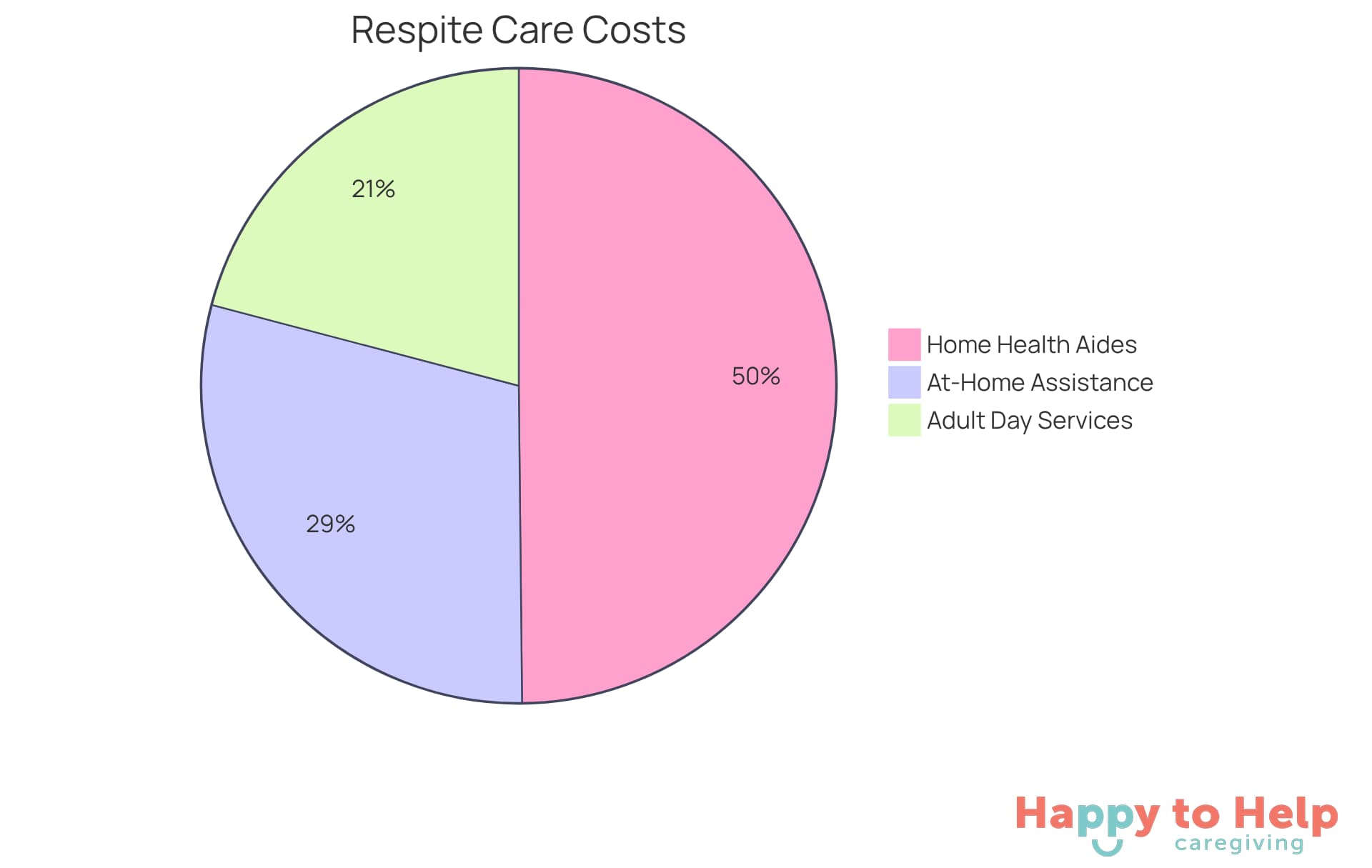
The cost of respite care per week can pose a significant challenge for caregivers, varying widely based on location, type of support, and the level of help required. For at-home assistance, families typically spend between $20 and $50 per hour, leading to a cost of respite care per week that can add up to around $560 to $1,400 for full-time care. In contrast, adult day services usually range from $50 to $150 daily, which contributes to the cost of respite care per week being approximately $350 to $1,050.
These expenses can be daunting. The monthly costs for temporary support translate to a cost of respite care per week, averaging $6,677 for home health aides and $2,232 for adult day services. Understanding these averages, along with the variability of costs based on location, is crucial for families as they budget for their loved ones' needs.
To alleviate some of this financial burden, families should consider Lifespan Respite Care Programs (LRCPs), which offer grants and vouchers to help cover temporary support expenses. As Matthew Clem, a licensed nurse, points out, "When you evaluate the alternatives, including assisted living and nursing home options, in-home assistance may be a more financially accessible choice."
By exploring these options, caregivers can find more manageable solutions to support their loved ones.
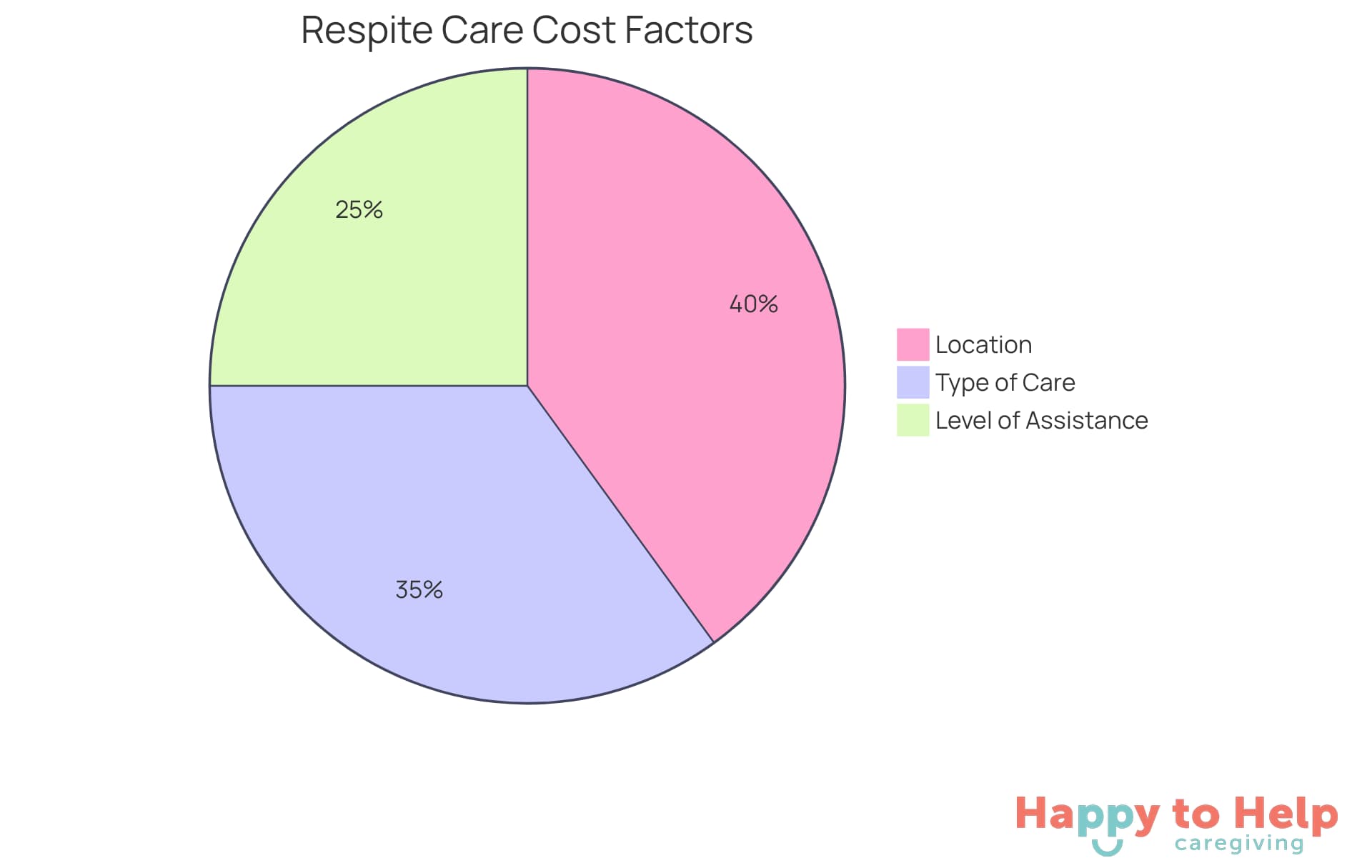
Factors Influencing Respite Care Costs: Location, Type, and Level of Care
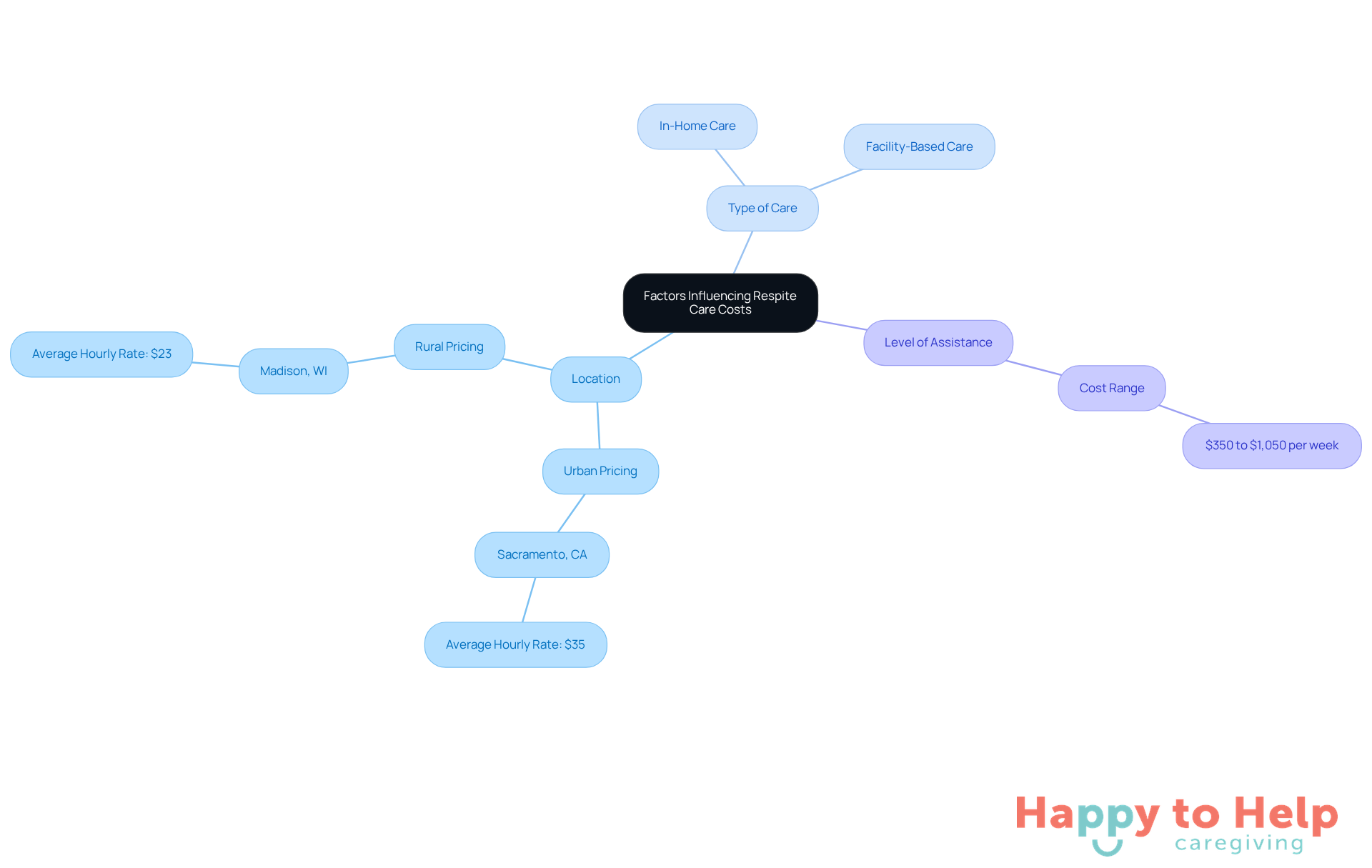
The rising expense of relief services, specifically the cost of respite care per week, poses a significant challenge for caregivers, particularly influenced by geographic location. Urban areas often face higher rates due to increased demand and elevated living costs. For example, the national average for in-home respite services is around $26 per hour, but this can vary widely. In cities like Sacramento, CA, the average hourly rate for a home health aide reaches $35, while in Madison, WI, it is approximately $23. This disparity highlights the importance of understanding regional pricing trends when selecting treatment options.
Additionally, the type of assistance provided - whether in-home or facility-based - also affects the cost of respite care per week. The cost of respite care per week can range from $350 to $1,050, depending on the services offered and the facility's location. Families should consider the extent of assistance needed; specialized support for conditions like dementia or post-operative recovery typically incurs higher costs.
Experts warn that as the aging population grows, coupled with inflationary pressures, the cost of respite care per week for seniors is projected to rise by 20-30% by 2025. This makes proactive financial planning essential. Understanding these factors can help families navigate the complexities of respite service pricing and make informed choices that align with their financial capabilities and support needs. While metropolitan areas may have higher prices, rural regions often experience lower costs but limited access to specialized services, resulting in varied service options.
As Myechia Minter-Jordan, CEO of AARP, states, "As our population ages, we must act boldly to support individuals offering this vital source of assistance." By recognizing these challenges and planning accordingly, caregivers can better manage the financial aspects of respite services.
Who Pays for Respite Care? Understanding Financial Responsibilities
Families often face a significant financial burden when covering the cost of respite care per week on their own. This obligation can weigh heavily, especially when seeking respite services.
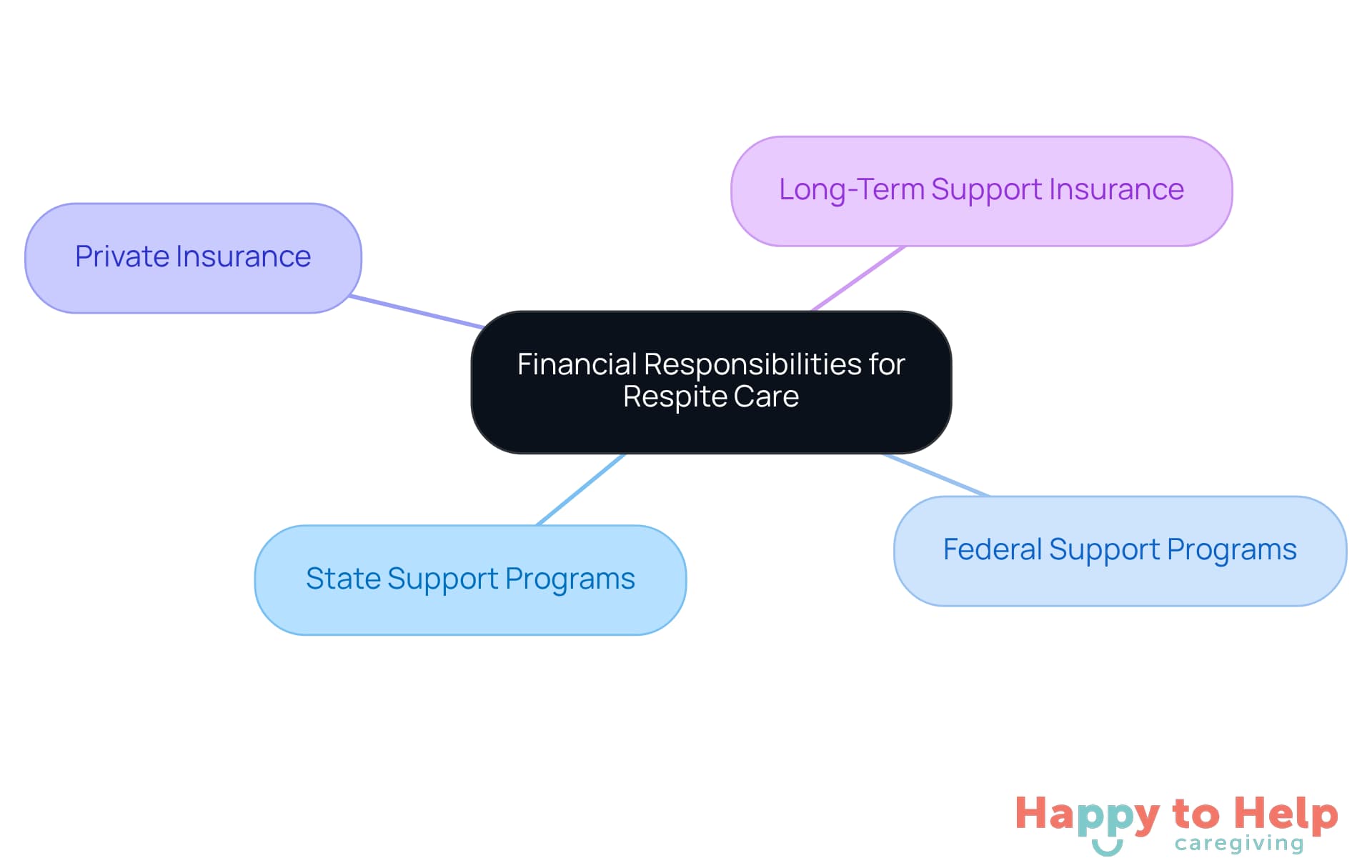
However, there are several funding alternatives available that can help alleviate the financial strain caused by the cost of respite care per week. Families should consider exploring:
- State support programs
- Federal support programs
- Private insurance
- Long-term support insurance
By investigating these options, caregivers can find practical solutions to reduce the cost of respite care per week associated with respite services.
Types of Respite Care: Exploring Options and Their Costs
Finding the right respite services can be a challenge for caregivers. With various options available, it’s crucial to understand the differences and the cost of respite care per week for each type.
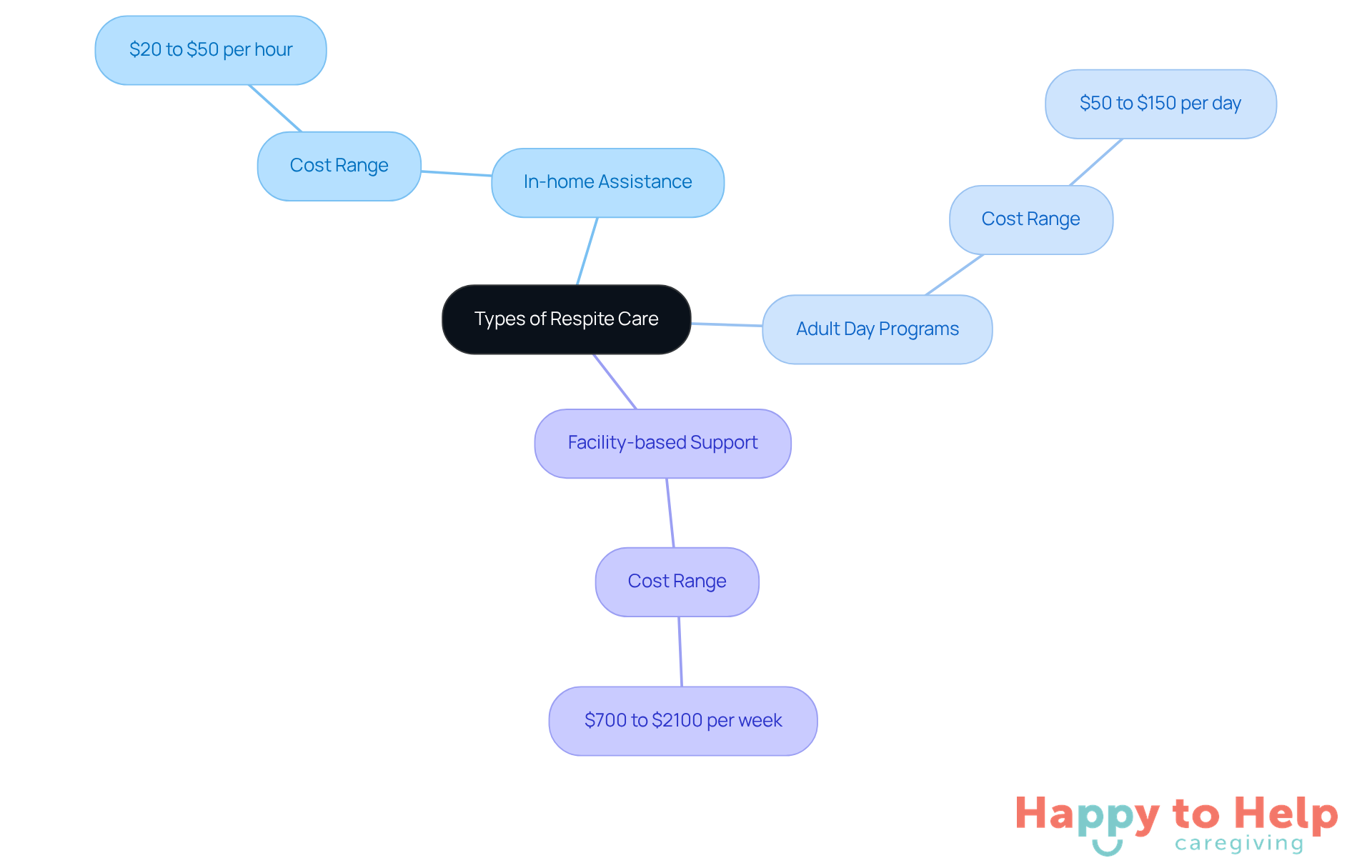
Respite services can be categorized into several types:
- In-home assistance
- Adult day programs
- Facility-based support
In-home assistance typically costs between $20 to $50 per hour, making it a flexible option for many families. Adult day services, on the other hand, range from $50 to $150 per day, providing structured care during the day. For those needing more comprehensive support, the cost of respite care per week for facility-based temporary assistance can range from $700 to $2100, depending on the level of care required.
Each option has its advantages, and it’s essential for caregivers to consider their loved one's specific needs and preferences when making a choice. By understanding these services, caregivers can make informed decisions that best support their family members.
Budgeting for Respite Care: Tips for Families
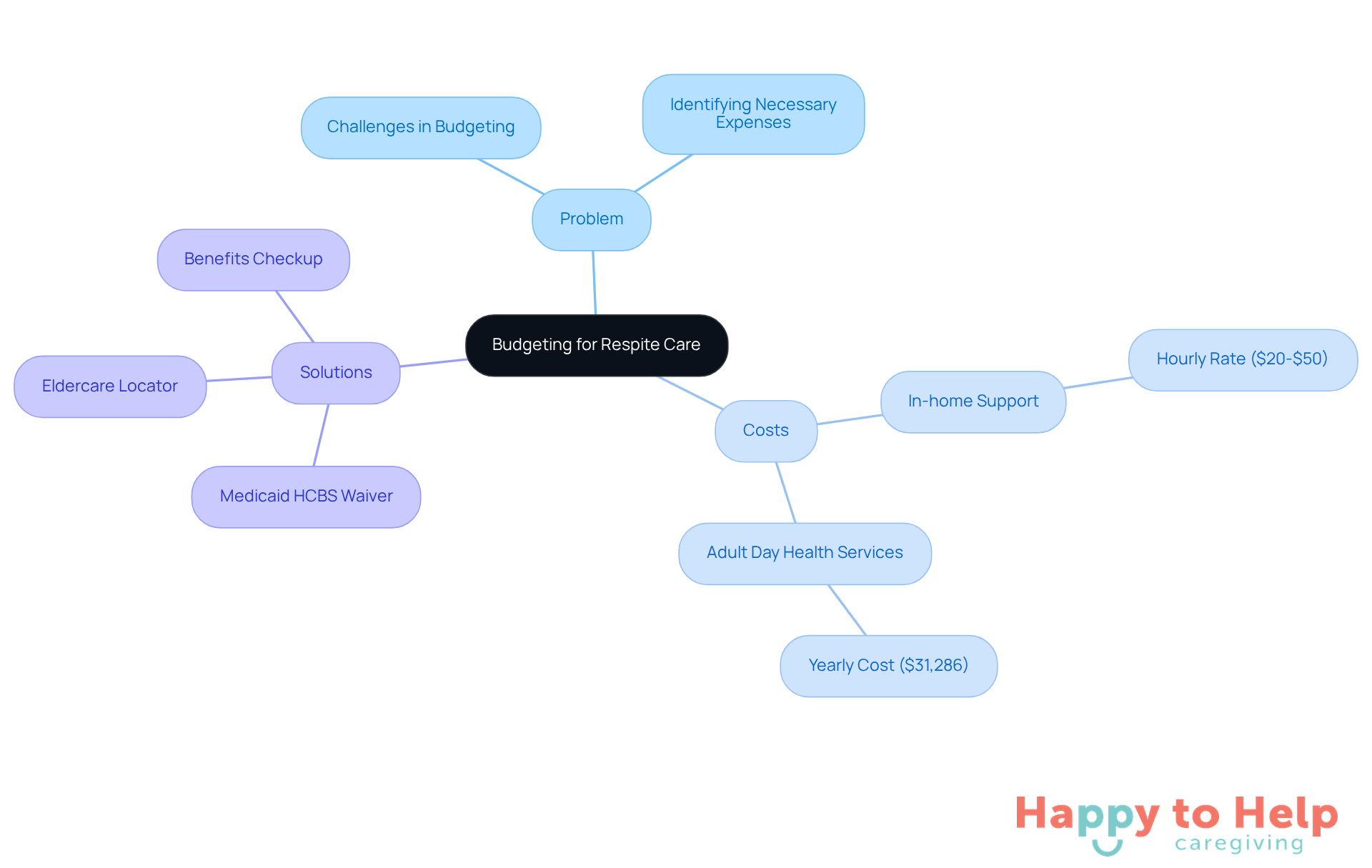
Problem: Budgeting for temporary assistance can be challenging for households, especially when trying to allocate funds effectively. Many families struggle to identify a practical budget that covers all necessary expenses.
Agitate: A comprehensive budget must include various costs, such as hourly rates for in-home support, transportation, and any additional services that may arise. For instance, families can expect to pay between $20 to $50 per hour for in-home support, which can add up quickly. Additionally, the average yearly expense for adult day health services can reach approximately $31,286 for just a few days each week, making long-term financial planning essential.
Solution: To alleviate this financial burden, exploring financial assistance programs like Medicaid's Home and Community-Based Services (HCBS) waiver program can be beneficial. Many households also utilize resources such as the Eldercare Locator, which helps find nearby services offering temporary assistance at lower rates. Furthermore, tools like Benefits Checkup can uncover additional financial support options tailored to individual needs.
By actively developing a comprehensive budget and seeking accessible resources, households can manage the expenses related to temporary assistance more effectively, ensuring that both caregivers and recipients receive the necessary support.
Financial Assistance for Respite Care: Exploring Available Resources
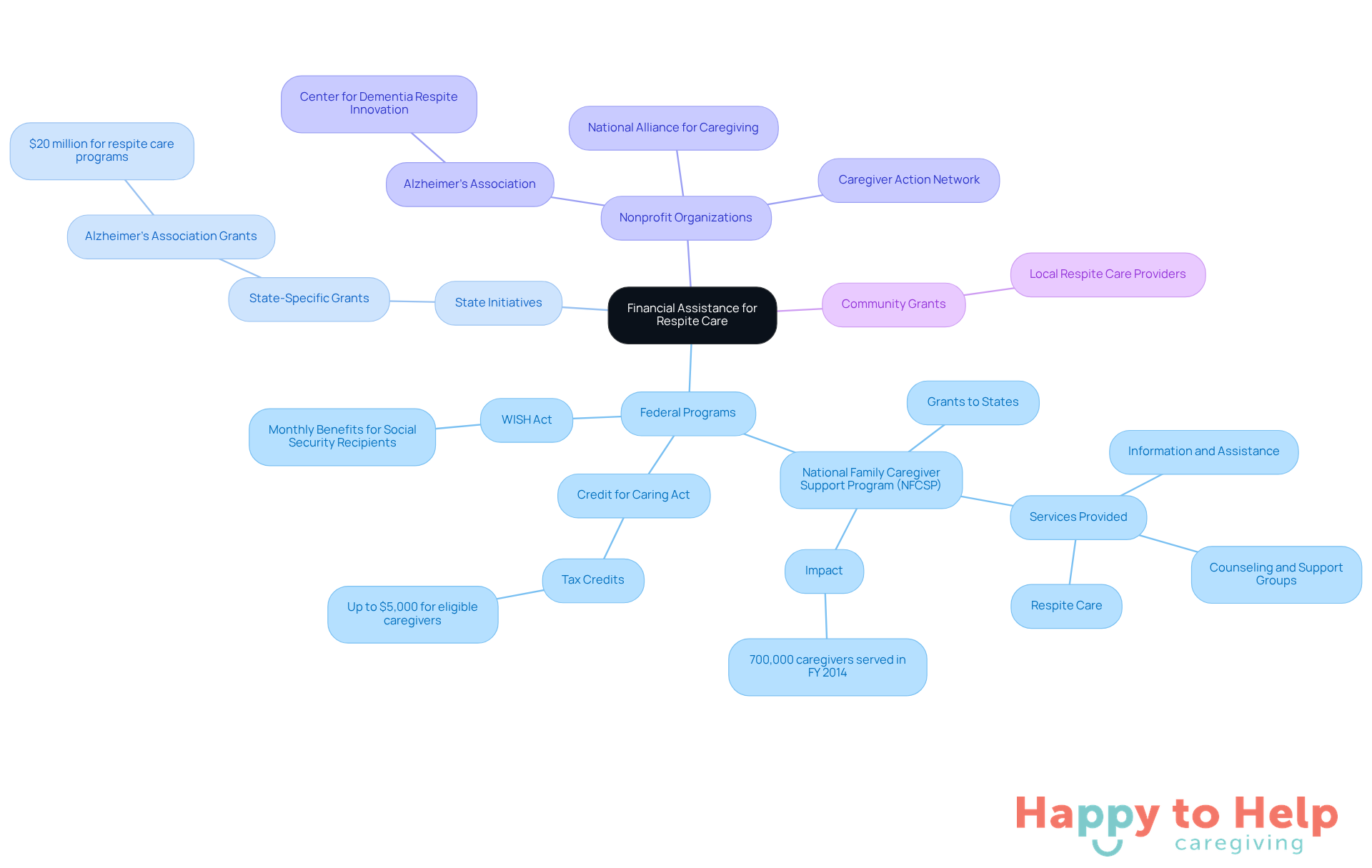
Families seeking financial support for temporary relief services encounter significant challenges. Caregivers often face overwhelming responsibilities, leading to stress and burnout. This situation is compounded by the financial strain of caregiving, which can average 26% of a caregiver's annual income.
To address these issues, various resources are available, including state and federal programs, nonprofit organizations, and community grants. The National Family Caregiver Support Program (NFCSP) is pivotal, offering grants to states based on their population aged 70 and over. This program provides essential assistance such as information about available resources, counseling, support groups, and respite care, which can significantly alleviate caregiver stress and promote long-term care at home. In FY 2014, over 700,000 caregivers benefited from the NFCSP, highlighting its extensive reach and impact.
In addition to the NFCSP, many states have introduced specific grants to ease the financial burden on caregivers. For example, the Credit for Caring Act proposes nonrefundable tax credits of up to $5,000 for eligible working family caregivers, directly addressing out-of-pocket expenses. Furthermore, the Alzheimer’s Association Center for Dementia Respite Innovation plans to allocate $20 million in competitive grants over five years to enhance access to person-centered dementia support, including relief programs, with $100,000 grants starting in July 2025.
Real-world examples underscore the effectiveness of these initiatives. Families utilizing NFCSP services have reported notable improvements in managing caregiving responsibilities, often experiencing reduced anxiety and stress. Legislative efforts, such as the WISH Act, aim to encourage private insurers to offer more affordable long-term support products, suggesting a monthly benefit for qualified Social Security recipients to assist with long-term expenses, further aiding households in need of relief.
Overall, these state and federal initiatives reflect a growing acknowledgment of the challenges caregivers face and the necessity for sustainable support systems. By leveraging these resources, families can find the financial assistance required to cover the cost of respite care per week for their loved ones.
Insurance Coverage for Respite Care: What You Need to Know
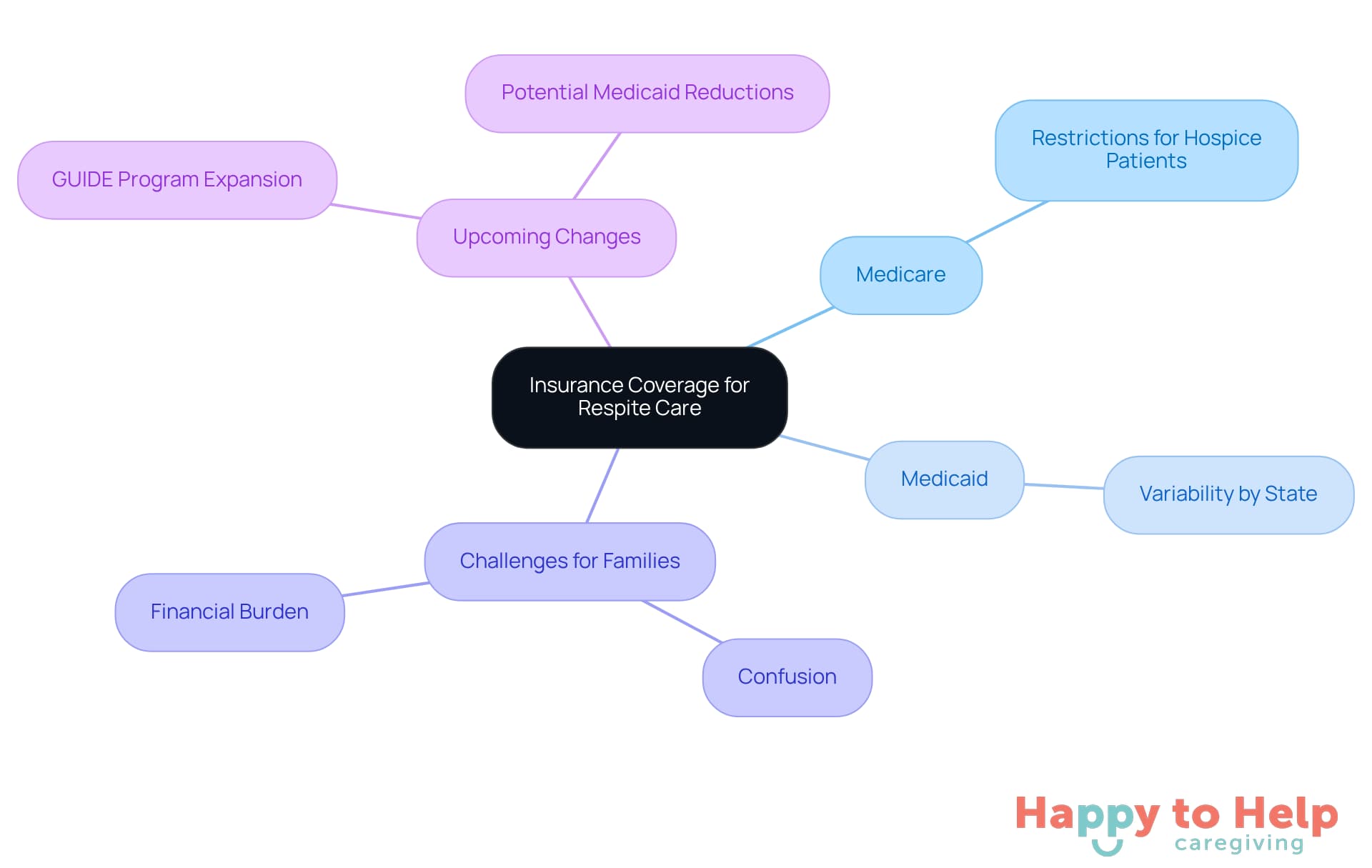
Navigating insurance coverage for short-term assistance can be a significant challenge for caregivers. Many families find themselves without adequate support due to the limitations of their policies. For instance, Medicare typically restricts temporary support coverage to hospice patients, leaving other caregiving situations without assistance. This can create a stressful environment for families who need help.
On the other hand, Medicaid offers more extensive options, but coverage varies widely based on state regulations. This inconsistency can lead to confusion and frustration. Families are strongly encouraged to thoroughly examine their insurance policies to identify what support services are included. Additionally, exploring other insurance options may provide extra benefits, potentially easing the financial burden associated with the cost of respite care per week.
Starting in 2025, there will be important changes to Medicare and Medicaid that could enhance coverage for temporary assistance. Notably, the expansion of the GUIDE program for caregivers of individuals with dementia will offer substantial support. It’s crucial for households to stay informed about these changes, especially considering the potential financial implications of proposed Medicaid reductions that could affect access to necessary support services.
Long-Term Costs of Respite Care: Planning for the Future
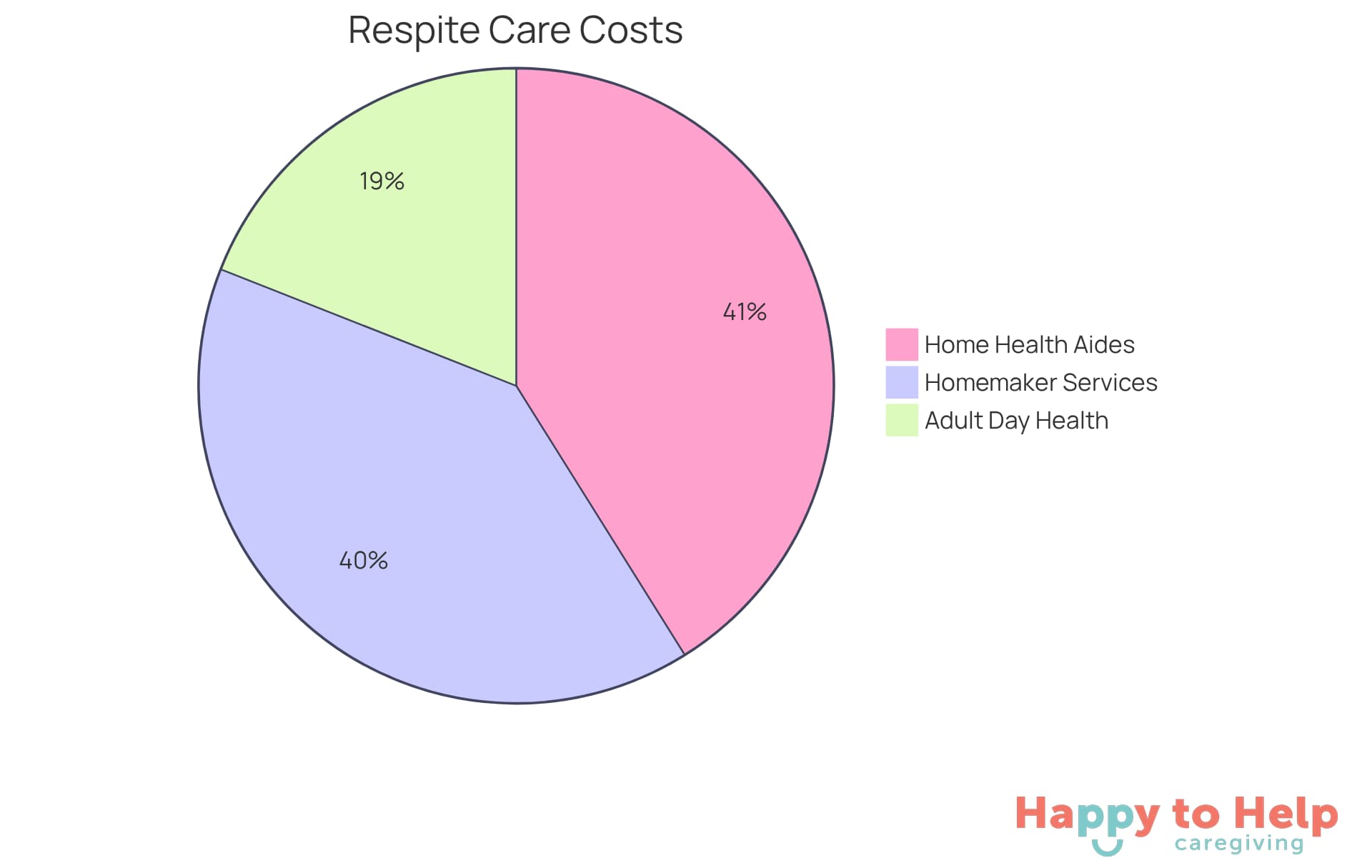
As families consider respite services, they face a significant problem: the long-term financial implications can be daunting. The cost of respite care per week can accumulate quickly, especially when caregivers require regular breaks. In 2024, the national median cost for home health aides was approximately $6,483 per month, while homemaker services averaged around $6,292. Additionally, the daily expense for adult day health services in 2024 was $100. These figures underscore the importance of incorporating the cost of respite care per week into broader financial planning, particularly as support needs may grow with aging.
To address this challenge, families should consider:
- Creating a dedicated savings strategy
- Exploring long-term insurance options to manage future expenses effectively
Legislative initiatives like the WISH Act and the Credit for Caring Act aim to alleviate some financial burdens by offering potential support avenues, such as tax credits for caregivers. As McClanahan points out, "Medicare may partially cover 'skilled' assistance for the first 100 days," highlighting the necessity for households to be proactive in their financial planning. By tackling these costs head-on, families can better prepare for the ongoing needs of their loved ones.
Key Takeaways on Respite Care Costs: Essential Insights for Families
Caregivers often face the challenge of managing financial responsibilities linked to temporary support. The cost of respite care per week can vary significantly based on location, type, and level of assistance. Without a clear understanding of the cost of respite care per week, families may find themselves unprepared, leading to stress and potential financial strain.
To navigate this complex landscape, it’s crucial for households to explore available assistance options and plan for long-term costs, particularly the cost of respite care per week. By leveraging resources effectively and budgeting wisely, families can ensure they provide the necessary support for their loved ones. This proactive approach not only aids in managing respite care but also helps maintain the well-being of caregivers themselves.
Your Path Forward
Navigating the complexities of respite care costs presents a significant challenge for families seeking support for their loved ones. The financial implications associated with the weekly cost of respite care can weigh heavily on caregivers, making it essential to understand these factors. By exploring affordable in-home respite care services and other available resources, families can alleviate the stress that often accompanies caregiving responsibilities.
Key insights reveal that respite care costs can vary widely, influenced by factors such as location, type of service, and the level of care required. Families are encouraged to budget effectively and investigate financial assistance programs, including state and federal support, to ease this financial burden. Being proactive in planning for long-term costs is crucial, especially as the aging population grows and the demand for respite services increases.
Ultimately, prioritizing financial planning and leveraging available resources allows families to provide the necessary support to maintain their loved ones' well-being. This approach not only enhances the quality of care but also promotes a healthier balance for caregivers, making the caregiving journey more sustainable and fulfilling.
https://iframe.tely.ai/cta/eyJhcnRpY2xlX2lkIjogIjY5MmY5MWIwZGM0MTVjZWNlZTQ2NmM4ZiIsICJjb21wYW55X2lkIjogIjY4ZWU1ZGNhNzMxNzYyNTU3ZjNjOTVjMSIsICJpbmRleCI6IG51bGwsICJ0eXBlIjogImFydGljbGUifQ==Frequently Asked Questions
What is Happy to Help Caregiving?
Happy to Help Caregiving is a service that offers affordable in-home respite care, providing relief assistance tailored to the unique needs of families, including companionship support, post-hospital recovery assistance, short-term relief, and palliative assistance.
Why is respite care important for caregivers?
Respite care is important because it helps alleviate caregiver burnout by providing necessary breaks. It improves the quality of life for both caregivers and those they care for, allowing families to manage their responsibilities without feeling overwhelmed.
What is the average cost of respite care per week?
The average cost of respite care per week varies widely. For at-home assistance, families typically spend between $560 to $1,400 for full-time care, while adult day services range from approximately $350 to $1,050 per week.
What factors influence the cost of respite care?
The cost of respite care is influenced by geographic location, type of support (in-home vs. facility-based), and the level of care required. Urban areas generally have higher rates due to demand and living costs, while specialized support for conditions like dementia may incur additional costs.
How can families manage the financial burden of respite care?
Families can explore Lifespan Respite Care Programs (LRCPs), which provide grants and vouchers to help cover temporary support expenses. Additionally, understanding the average costs and planning accordingly can help families budget for their loved ones' needs.
What is the projected trend for respite care costs in the future?
The cost of respite care for seniors is projected to rise by 20-30% by 2025 due to the growing aging population and inflationary pressures, making proactive financial planning essential for families.
List of Sources
- Happy to Help Caregiving: Affordable In-Home Respite Care Services
- As Family Caregiving Grows, So Does the Need for Reform - Medicare Rights Center (https://medicarerights.org/medicare-watch/2025/08/14/as-family-caregiving-grows-so-does-the-need-for-reform)
- Respite Care Costs | How Much Does it Cost for Respite Care in 2025? (https://seniorliving.org/respite/costs)
- The Growing Demand for Home Care: Demographics and Market Trends (https://1851franchise.com/home-halo/how-home-halo-is-supporting-the-growing-demand-for-home-care-2730140)
- Desperate Families Search for Affordable Home Care - KFF Health News (https://kffhealthnews.org/news/article/dying-broke-desperate-families-search-for-affordable-home-care)
- Average Weekly Cost of Respite Care: What to Expect
- How Much Does Respite Care Cost Out Of Pocket? (https://trualta.com/resources/blog/how-much-does-respite-care-cost-out-of-pocket)
- Respite Care Costs | How Much Does it Cost for Respite Care in 2025? (https://seniorliving.org/respite/costs)
- What Is the Average Cost of Respite Care? (https://ventanabybuckner.com/blog/what-is-the-average-cost-of-respite-care)
- Genworth and CareScout Release Cost of Care Survey Results for 2024 (https://investor.genworth.com/news-events/press-releases/detail/982/genworth-and-carescout-release-cost-of-care-survey-results)
- How Much Does In-Home Respite Care Cost? l Caring.com (https://caring.com/answers/how-much-does-in-home-respite-care-cost)
- Factors Influencing Respite Care Costs: Location, Type, and Level of Care
- Understanding the Cost of Respite Care for Elderly Caregivers - Happy To Help (https://happytohelpcaregiving.com/understanding-the-cost-of-respite-care-for-elderly-caregivers)
- The number of family caregivers is surging (https://19thnews.org/2025/07/family-caregivers-surging-aarp)
- New Report Reveals Crisis Point for America’s 63 million Family Caregivers (https://press.aarp.org/2025-07-24-New-Report-Reveals-Crisis-Point-for-Americas-63-million-Family-Caregivers)
- Understanding the Costs and Insurance Coverage for Respite Care (https://rosewood-nursing.com/post/understanding-the-costs-and-insurance-coverage-for-respite-care)
- Will Senior Care Costs Rise in 2025? - Stillinger Investigations, Inc. (https://investigatesc.com/senior-care)
- Who Pays for Respite Care? Understanding Financial Responsibilities
- New State-by-State Data Expose the Crushing Financial Strain of Family Caregiving — and Call for Immediate Federal and State Action (https://press.aarp.org/2025-10-28-New-Data-Expose-Financial-Strain-of-Family-Caregiving)
- Congressman Nick Langworthy Introduces Bill to Support the Wellbeing of Family Caregivers (https://langworthy.house.gov/media/press-releases/congressman-nick-langworthy-introduces-bill-support-wellbeing-family)
- Changes to Medicare in 2025: Support for caregivers and more (https://medicalnewstoday.com/articles/changes-to-medicare-in-2025)
- Financial Support and Respite Care for Caregivers: Promising Legislative Proposals and Research (https://nursing.upenn.edu/live/news/financial-support-and-respite-care)
- Federal budget committee greenlights millions in spending for family caregivers, respite services (https://mcknightshomecare.com/news/federal-budget-committee-greenlights-millions-in-spending-for-family-caregivers-respite-services)
- Types of Respite Care: Exploring Options and Their Costs
- How Much Does Respite Care Cost Out Of Pocket? (https://trualta.com/resources/blog/how-much-does-respite-care-cost-out-of-pocket)
- What Is Respite Care and Where Can I Find Respite Caregivers Near Me? (https://health.usnews.com/senior-care/articles/what-is-respite-care-and-where-can-i-find-respite-caregivers-near-me)
- Understanding Respite Care Costs: Key Factors and Payment Options - Happy To Help (https://happytohelpcaregiving.com/understanding-respite-care-costs-key-factors-and-payment-options)
- Understanding the Cost of Respite Care for Elderly Caregivers - Happy To Help (https://happytohelpcaregiving.com/understanding-the-cost-of-respite-care-for-elderly-caregivers)
- Federal budget committee greenlights millions in spending for family caregivers, respite services (https://mcknightshomecare.com/news/federal-budget-committee-greenlights-millions-in-spending-for-family-caregivers-respite-services)
- Budgeting for Respite Care: Tips for Families
- Improving Support for Family Caregivers (https://nationalacademies.org/news/2025/07/improving-support-for-family-caregivers)
- Respite Care Costs | How Much Does it Cost for Respite Care in 2025? (https://seniorliving.org/respite/costs)
- Understanding the Costs and Insurance Coverage for Respite Care (https://rosewood-nursing.com/post/understanding-the-costs-and-insurance-coverage-for-respite-care)
- Understanding Respite Care Costs: Key Factors and Payment Options - Happy To Help (https://happytohelpcaregiving.com/understanding-respite-care-costs-key-factors-and-payment-options)
- Budget for Caregiving When Planning for Aging, Illness (https://aarp.org/caregiving/financial-legal/plan-budget-for-care)
- Financial Assistance for Respite Care: Exploring Available Resources
- Financial Support and Respite Care for Caregivers: Promising Legislative Proposals and Research (https://nursing.upenn.edu/live/news/financial-support-and-respite-care)
- Alzheimer’s Association Center for Dementia Respite Innovation Awards More Than $4 Million in New Round of Grants to Improve Respite Care for People Living With Dementia and Their Caregivers (https://alz.org/news/2025/alzheimers-association-center-for-dementia-respite-innovation-grants-4-million-in-second-year)
- National Family Caregiver Support Program | ACL Administration for Community Living (https://acl.gov/programs/support-caregivers/national-family-caregiver-support-program)
- Senate Votes to Extend National Family Caregiver Support Program - Nasddds (https://nasddds.org/senate-votes-to-extend-national-family-caregiver-support-program)
- Insurance Coverage for Respite Care: What You Need to Know
- These Medicare 2025 Changes Could Save You Money (https://verywellhealth.com/medicare-changes-2025-8721972)
- Stats, Facts and Things to Know About Respite Care (https://bethesdaseniorliving.com/senior-resources/stats-facts-and-things-to-know-about-respite-care)
- HHS May End Medicare Advice, Elder Rights and Respite Care Programs (https://thinkadvisor.com/2025/04/17/hhs-may-end-medicare-advice-elder-rights-and-respite-care-programs)
- 7 Medicare Changes Happening Right Now in 2025 (https://aarp.org/medicare/changes-coming-in-2025)
- How cutting Medicaid would affect long-term care and family caregivers (https://npr.org/2025/04/14/g-s1-59261/medicaid-cuts-long-term-care-caregivers)
- Long-Term Costs of Respite Care: Planning for the Future
- Federal budget committee greenlights millions in spending for family caregivers, respite services (https://mcknightshomecare.com/news/federal-budget-committee-greenlights-millions-in-spending-for-family-caregivers-respite-services)
- Financial Support and Respite Care for Caregivers: Promising Legislative Proposals and Research (https://nursing.upenn.edu/live/news/financial-support-and-respite-care)
- Cost of Long Term Care by State | Cost of Care Report | Carescout (https://carescout.com/cost-of-care)
- Long-term care costs can be a 'huge problem,' experts say. Here's why (https://cnbc.com/2025/05/17/why-long-term-care-costs-can-be-a-huge-problem.html)
- Key Takeaways on Respite Care Costs: Essential Insights for Families
- Federal budget committee greenlights millions in spending for family caregivers, respite services (https://mcknightshomecare.com/news/federal-budget-committee-greenlights-millions-in-spending-for-family-caregivers-respite-services)
- Respite Care Costs | How Much Does it Cost for Respite Care in 2025? (https://seniorliving.org/respite/costs)
- Inspirational Quotes for Compassionate Caregivers (https://humancareny.com/blog/inspirational-quotes-for-caregivers)
- New Report Reveals Crisis Point for America’s 63 million Family Caregivers (https://press.aarp.org/2025-07-24-New-Report-Reveals-Crisis-Point-for-Americas-63-million-Family-Caregivers)
- Caregiving and Finances: A Balancing Act for Families (https://ltcnews.com/articles/caregiving-finances-balancing-act-families)