Happy to Help

10 Reasons to Choose a Palm Beach Home Health Agency for Care

·18 min read
10 Reasons to Choose a Palm Beach Home Health Agency for Care

Introduction

Finding quality caregiving can be a significant challenge for families. They want to ensure their loved ones receive the compassionate support they deserve, but the search can feel overwhelming. This is especially true in Palm Beach, where numerous options are available.

Families often struggle to determine the best fit for their unique circumstances. The implications of this challenge can lead to stress and uncertainty, impacting both clients and their families. However, there is a solution: a Palm Beach home health agency that offers a variety of services tailored to individual needs.

These agencies not only provide personalized care but also enhance overall well-being. In this article, we will explore ten compelling reasons to choose a Palm Beach home health agency, highlighting the profound impact these services can have on clients and their families.

Happy to Help Caregiving: Personalized In-Home Care for Your Loved Ones

Caregivers often face the challenge of providing personalized support that meets the unique needs of their loved ones. This can lead to feelings of frustration and helplessness when the right resources are not available. Without proper assistance, families may struggle to ensure their loved ones receive the compassionate care they deserve, which can impact both emotional well-being and quality of life.

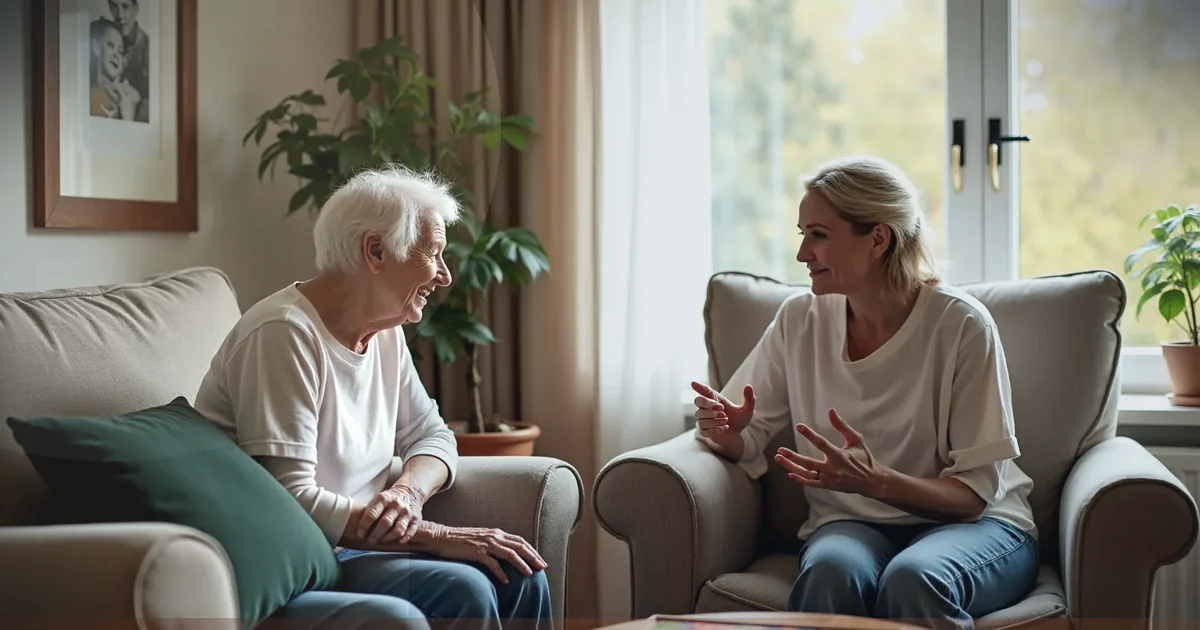
Happy to Help Caregiving addresses this issue by delivering customized in-home assistance tailored to individual preferences and lifestyles. By focusing on the distinct requirements of each person, the agency ensures that loved ones receive compassionate support in the comfort of their own homes. This tailored approach not only enhances the quality of care from a Palm Beach home health agency but also fosters a sense of safety and belonging, making it an essential option for families considering home health services.

In summary, choosing a service like Happy to Help Caregiving can alleviate the stress of caregiving by providing the necessary support that respects individual needs. Families can feel confident knowing their loved ones are cared for in a way that promotes both comfort and dignity.

The central node represents the main theme of personalized care, while the branches show the challenges, solutions, and benefits, helping you understand how they all connect.

Companionship Care: Alleviating Loneliness and Enhancing Well-Being

Loneliness among older adults is a pressing issue that can significantly impact their mental health and overall well-being. Research from the University of Michigan’s National Poll on Healthy Aging reveals that one in three seniors feels isolated. This chronic loneliness can shorten life expectancy even more than being overweight or sedentary, highlighting the urgent need for effective solutions.

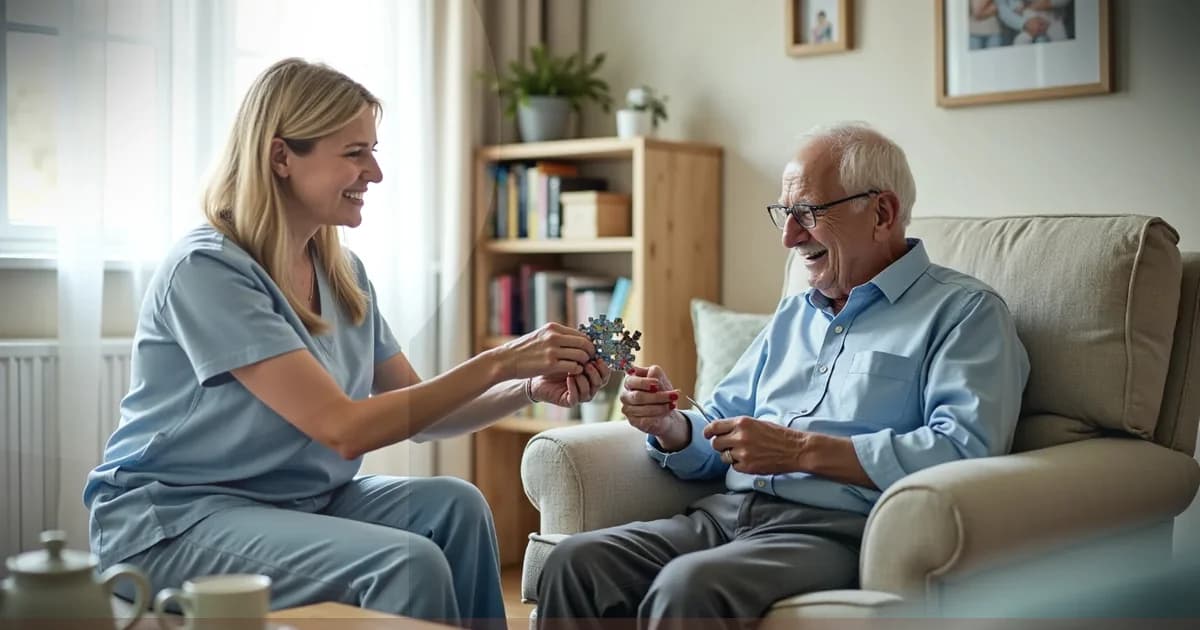
Companionship support emerges as a vital strategy in combating this isolation. By actively engaging seniors in meaningful discussions, activities, and hobbies, caregivers can foster emotional connections that are essential for enhancing mental health. Regular interactions with caregivers not only stabilize emotions but also reduce anxiety and encourage participation in social activities. This engagement leads to better mental wellness and a more fulfilling life.

To effectively implement companionship support, caregivers can focus on the following actionable strategies:

  • Encourage Participation: Involve seniors in activities they enjoy to promote a sense of purpose and joy.
  • Foster Emotional Connections: Create opportunities for meaningful conversations that strengthen relationships.
  • Promote Social Engagement: Help seniors connect with peers through group activities or community events.

By prioritizing companionship support, caregivers can significantly enhance the quality of life for older adults, offering emotional encouragement and fostering a positive outlook.

The center represents the main focus on companionship care, while the branches show different strategies caregivers can use to help reduce loneliness and improve well-being. Each strategy is connected to specific actions that can be taken.

Post-Hospital Recovery Assistance: Ensuring Safe Transitions to Home

Post-hospital recovery assistance provided by a Palm Beach home health agency presents a significant challenge for caregivers, as ensuring safe transitions from medical facilities back to home environments is crucial. Without adequate support, patients may face complications that hinder their recovery. Caregivers play a vital role in this process by offering essential help such as:

  • Medication management
  • Mobility assistance
  • Personal care

The services offered by a Palm Beach home health agency not only help prevent complications but also promote healing and recovery.

For instance, studies indicate that effective medication management significantly reduces the likelihood of hospital readmissions. Only 3 percent of patients who completed a Transitional Care Management (TCM) visit were readmitted after discharge, compared to an average of 14 percent for those not receiving TCM services. This stark difference highlights the importance of structured support during recovery.

Moreover, caregivers assist seniors in navigating their recovery by helping them remember medication schedules and attending follow-up appointments, which are critical for monitoring health changes. A case study from Aegis Homecare demonstrates how organized programs focusing on home safety and medication management can facilitate the transition process. This ensures seniors obtain the essential assistance to thrive at home, aligning closely with the services provided by the Palm Beach home health agency, which emphasizes individualized support during recovery.

Healthcare professionals underscore the importance of these transitions. As noted by Marwa Moussa, MD, "Our purpose was to prevent errors," highlighting the critical role of clear communication about follow-up care and medication adherence in preventing readmissions and ensuring a smooth recovery. Furthermore, caregivers can aid in meal preparation and ensuring balanced nutrition, which is vital for seniors recovering from health issues.

This comprehensive support system alleviates family concerns and fosters a sense of security for seniors, allowing them to heal in the comfort of their own homes.

This flowchart outlines the key actions caregivers take to support patients after hospital discharge. Follow the arrows to see how each step contributes to a safe and effective recovery at home.

Respite Care: Supporting Family Caregivers and Preventing Burnout

Respite support is a crucial resource for family caregivers, providing necessary breaks that allow them to rejuvenate while ensuring their loved ones receive consistent, quality assistance. The problem is clear: caregiver burnout can significantly reduce effectiveness and increase stress levels. Studies indicate that about one in five caregivers is at risk of burnout, with approximately 38.80% reporting symptoms of depression. This highlights the urgent need for respite services to preserve caregivers' mental well-being.

Moreover, only one in four caregivers reports being in good physical health, underscoring the necessity for support. Happy to Help Caregiving addresses this issue by offering temporary support options, fostering a healthier nurturing environment. This enables caregivers to return rejuvenated and better prepared to assist their loved ones.

The benefits of respite support extend beyond individual caregivers; it enhances family relationships by alleviating stress and promoting overall wellness. Families often feel more skilled and capable when they have access to respite services, leading to better management of support and a more harmonious home life. As mental health experts emphasize, "Supporting caregivers through respite services is crucial for their mental wellness and the welfare of those they assist."

In summary, respite support is not just a luxury; it is a vital component in maintaining the health and effectiveness of caregivers.

The blue slice shows the percentage of caregivers at risk of burnout, while the orange slice represents those experiencing symptoms of depression. Together, they highlight the critical need for respite support.

Palliative Support Care: Enhancing Comfort and Quality of Life

Palliative assistance addresses a significant problem: individuals facing serious health challenges often lack comprehensive support. This gap can lead to discomfort and a diminished quality of life. Caregivers are essential in this scenario, providing not just physical help but also emotional and spiritual guidance. Their role is crucial in meeting the holistic needs of each individual, ensuring that clients receive compassionate support that respects their dignity and personal preferences.

The implications of inadequate support are profound. Research indicates that holistic approaches in palliative care can lead to better symptom management and increased patient satisfaction. Dr. Andrew Esch, a noted authority in the field, points out that recent advancements in palliative support have improved both sustainability and quality for severely ill patients. With approximately 56.8 million individuals needing palliative support each year, understanding and addressing these needs is vital.

To enhance the quality of life for those with severe illnesses, caregivers can implement several actionable solutions:

  1. They should focus on integrating emotional and spiritual aspects into treatment plans.
  2. This can be achieved through regular communication with patients about their preferences and needs.
  3. Additionally, caregivers can benefit from training that emphasizes holistic care practices, ensuring they are equipped to provide comprehensive support.

In summary, the challenges faced by caregivers in palliative assistance are significant, but by adopting a holistic approach, they can profoundly impact the well-being of their clients. This not only improves the quality of care but also honors the dignity of those they serve.

The central node represents the main topic, while branches show related areas of focus. Each color-coded branch helps you see how different aspects of palliative care connect and contribute to enhancing patient quality of life.

24/7 Availability: Immediate Support When You Need It Most

Problem: Individuals with complex health needs often face significant challenges when it comes to receiving timely assistance. This lack of prompt support can lead to serious complications, especially for seniors who are prone to emergencies.

Agitate: Studies indicate that timely intervention is crucial in reducing health risks. For instance, seniors who do not receive immediate care during critical situations are at a higher risk of complications. This not only affects their health but also creates anxiety for their families, who worry about their loved ones' safety.

Solution: Happy to Help Caregiving addresses this issue with 24/7 availability, ensuring that individuals receive prompt assistance whenever needed. According to healthcare experts, having dedicated caregivers available around the clock not only enhances the quality of support but also fosters a sense of security for both clients and their families. As Dr. Anshu Banerjee states, "Round-the-clock support offers peace of mind to families by ensuring prompt emergency response and continuous health monitoring."

This comprehensive assistance system from a Palm Beach home health agency is essential for effectively managing health risks and allowing seniors to thrive in their own homes. Furthermore, ongoing assistance from a Palm Beach home health agency has been shown to help older adults manage health and safety risks efficiently, underscoring the importance of prompt aid in home health services.

This flowchart shows the journey from the problem of delayed assistance to the solution of round-the-clock caregiver availability. Each box represents a key point in the discussion, helping you understand how they connect.

Flexible Scheduling: Tailoring Care to Fit Your Family's Needs

Problem: Many families face challenges with rigid caregiving schedules that do not accommodate their unique needs. This can lead to stress and dissatisfaction, as families struggle to balance caregiving with their daily routines.

Agitate: When caregivers cannot adjust their schedules, it can disrupt family dynamics and create feelings of being overwhelmed. Families often report that inflexible support options hinder their ability to maintain a sense of normalcy, making it difficult to thrive in their daily lives.

Solution: Flexible scheduling empowers Happy to Help Caregiving to customize services according to the distinct needs of each family. Whether clients require short visits or more comprehensive assistance, the agency can adjust schedules to match individual preferences and situations. This adaptability not only ensures that families receive the necessary support but also respects their daily routines and responsibilities.

Families have indicated that such customized support options significantly improve their overall satisfaction. The capability to modify support schedules to accommodate family dynamics is essential, as it promotes a nurturing atmosphere where loved ones can flourish without feeling burdened by caregiving demands.

As the demand for short-hour care increases, the relevance of flexible scheduling in healthcare becomes more pronounced. This makes it a vital consideration for families seeking effective care solutions.

The central idea is flexible scheduling, with branches showing the problems it addresses, the emotional impact, the solutions provided, and the benefits for families. Each branch helps visualize how these elements connect to support family needs.

Emotional Support: Building Trust and Connection with Caregivers

Emotional support is a critical challenge in effective caregiving. Caregivers often struggle to establish trust and connection with those they assist, which can hinder the caregiving experience and negatively impact health outcomes. When individuals feel safe and understood, they are more likely to communicate their needs and concerns openly.

Research shows that consistent caregivers can notice subtle changes in health or behavior that inexperienced providers might overlook. For instance, older adults tend to thrive with consistency; having the same support person frequently helps build trust and reduces anxiety associated with unfamiliar individuals.

To address these challenges, caregivers should prioritize emotional connections. This not only provides essential support but also enhances the overall well-being of clients, fostering a sense of security and comfort vital for recovery and daily living. Family caregivers are encouraged to engage in open conversations with their loved ones, ask about their preferences, and maintain a consistent caregiving routine. By doing so, they can strengthen these vital emotional bonds and improve the caregiving experience.

The central node represents the main theme of emotional support, while the branches illustrate key aspects and strategies that caregivers can use to foster trust and connection.

Technology Integration: Enhancing Communication and Care Management

Caregivers often face significant challenges in communication and support management, which can lead to misunderstandings and inefficiencies. This lack of effective communication can create stress for both caregivers and families, ultimately impacting the quality of care provided.

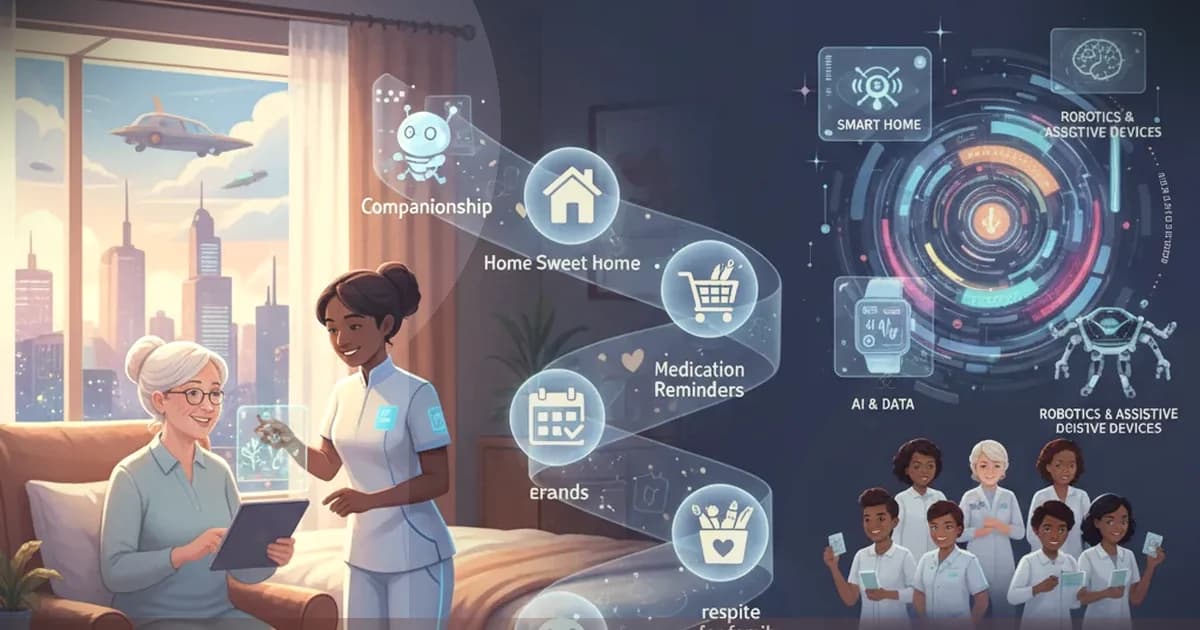
To address these issues, Happy to Help Caregiving incorporates technology into its services. Tools like online notes for family members and scheduling applications ensure that everyone involved in the support process stays informed and engaged. This technological integration not only simplifies operations but also fosters openness and cooperation among providers, patients, and families.

By leveraging these tools, caregivers can enhance communication, streamline support management, and create a more collaborative environment. Implementing such solutions can significantly improve the caregiving experience for all parties involved.

This flowchart shows how challenges in caregiving lead to the integration of technology, which then improves communication and care management, enhancing the overall caregiving experience.

Family Testimonials: Real Stories of Impact and Satisfaction

Family testimonials highlight a significant challenge faced by families: finding quality caregiving services that truly meet their loved ones' needs. This search can be emotionally taxing, as families want to ensure their loved ones receive the best possible care. The implications of inadequate support can lead to feelings of anxiety and uncertainty about their loved ones' well-being.

Happy to Help Caregiving addresses this issue by providing personalized care that makes a profound difference in clients' lives. Families often share heartfelt stories that emphasize the kindness and commitment of caregivers. For example, one family expressed immense gratitude for a caregiver who not only provided essential assistance but also formed a meaningful connection through shared language. This connection led to a request for that caregiver's continued presence, illustrating the importance of personalized support.

Statistics reinforce the effectiveness of these services, with 95% of customers reporting high satisfaction levels. Many families observe substantial improvements in their loved ones' quality of life after receiving assistance. This feedback is crucial, as it enhances the agency's reputation and builds trust among prospective customers.

Dr. Jane Smith, a caregiving specialist, notes that "customized support narratives are essential in demonstrating the emotional and practical advantages of home health services." This underscores the idea that every client deserves tailored attention and assistance. Ultimately, these testimonials not only reflect the agency's values but also highlight the transformative power of compassionate caregiving.

The central node represents the overall theme of family testimonials. Each branch explores different aspects of their experiences, from challenges faced to the positive impacts of personalized care, with statistics and expert insights supporting the narrative.

Conclusion

Choosing a Palm Beach home health agency for care presents a significant challenge for many families. Caregiving can be overwhelming, leading to stress and burnout for both caregivers and their loved ones. The need for personalized support is crucial, as it directly impacts the quality of life for clients and their families.

The implications of inadequate care can be severe. Loneliness can take a toll on mental health, especially for seniors. Post-hospital recovery often requires specialized assistance, and without it, individuals may struggle to regain their independence. Additionally, caregivers face the risk of burnout, which can affect their ability to provide effective support.

Home health agencies like Happy to Help Caregiving offer practical solutions to these challenges. They provide companionship care to combat loneliness, ensuring that clients feel connected and supported. Their services include post-hospital recovery assistance, which is vital for a smooth transition back home. Respite care is also available, allowing primary caregivers to take necessary breaks and recharge.

Moreover, the significance of 24/7 availability and flexible scheduling cannot be overstated. These features ensure that families receive the support they need when they need it most. Emotional support and technology integration further enhance communication and care management, creating a holistic care experience.

Ultimately, the impact of personalized in-home care goes beyond mere assistance; it enriches lives and strengthens family bonds. Families searching for effective care solutions should recognize the essential role of home health agencies in promoting comfort, dignity, and a higher quality of life. Embracing these services can lead to meaningful improvements in the lives of those requiring care, reinforcing the belief that compassionate support is a vital lifeline for families navigating the complexities of caregiving.

Frequently Asked Questions

What is Happy to Help Caregiving?

Happy to Help Caregiving is a service that provides personalized in-home care tailored to the unique needs and preferences of individuals, ensuring compassionate support in the comfort of their own homes.

How does Happy to Help Caregiving benefit families?

It alleviates the stress of caregiving by offering necessary support that respects individual needs, promoting comfort and dignity for loved ones.

What is the significance of companionship care for older adults?

Companionship care addresses loneliness among seniors, which can negatively impact their mental health. It fosters emotional connections and encourages participation in social activities, enhancing overall well-being.

What strategies can caregivers use to implement companionship support?

Caregivers can encourage participation in enjoyable activities, foster emotional connections through meaningful conversations, and promote social engagement by helping seniors connect with peers.

Why is post-hospital recovery assistance important?

Post-hospital recovery assistance is crucial for ensuring safe transitions from medical facilities to home, as it helps prevent complications and supports healing during recovery.

What types of support do caregivers provide during post-hospital recovery?

Caregivers assist with medication management, mobility, personal care, and meal preparation, all of which are essential for a successful recovery at home.

How does effective medication management impact recovery?

Effective medication management significantly reduces the likelihood of hospital readmissions, as evidenced by studies showing lower readmission rates for patients receiving structured support after discharge.

What role do caregivers play in a senior's recovery process?

Caregivers help seniors remember medication schedules, attend follow-up appointments, and maintain balanced nutrition, all of which are critical for monitoring health changes and promoting recovery.

List of Sources

  1. Happy to Help Caregiving: Personalized In-Home Care for Your Loved Ones
  1. Companionship Care: Alleviating Loneliness and Enhancing Well-Being
  1. Post-Hospital Recovery Assistance: Ensuring Safe Transitions to Home
  1. Respite Care: Supporting Family Caregivers and Preventing Burnout
  1. Palliative Support Care: Enhancing Comfort and Quality of Life
  1. 24/7 Availability: Immediate Support When You Need It Most
  1. Flexible Scheduling: Tailoring Care to Fit Your Family's Needs
  1. Emotional Support: Building Trust and Connection with Caregivers
  1. Technology Integration: Enhancing Communication and Care Management
  1. Family Testimonials: Real Stories of Impact and Satisfaction

Need help with in-home caregiving?

We serve families across Idaho, West Virginia, Utah, Ohio, Texas, and Nebraska. No minimums, no long-term contracts.

Request a Free Consultation

Related Articles