
What You Need to Know About Finding Live In Carers Near Me
Finding the right live-in carer for a loved one can be a daunting process. Families often face emotional challenges when the well-being and happiness of their loved ones are at stake. As they navigate the complexities of in-home care, understanding the unique needs of those requiring assistance becomes crucial.
This article presents ten essential tips designed to empower families in their search for compassionate and qualified caregivers. These tips address common challenges and ensure that the chosen support aligns with individual preferences.
How can families select a caregiver who meets practical needs while also fostering emotional connection and companionship?
Happy to Help Caregiving: Personalized In-Home Care Services
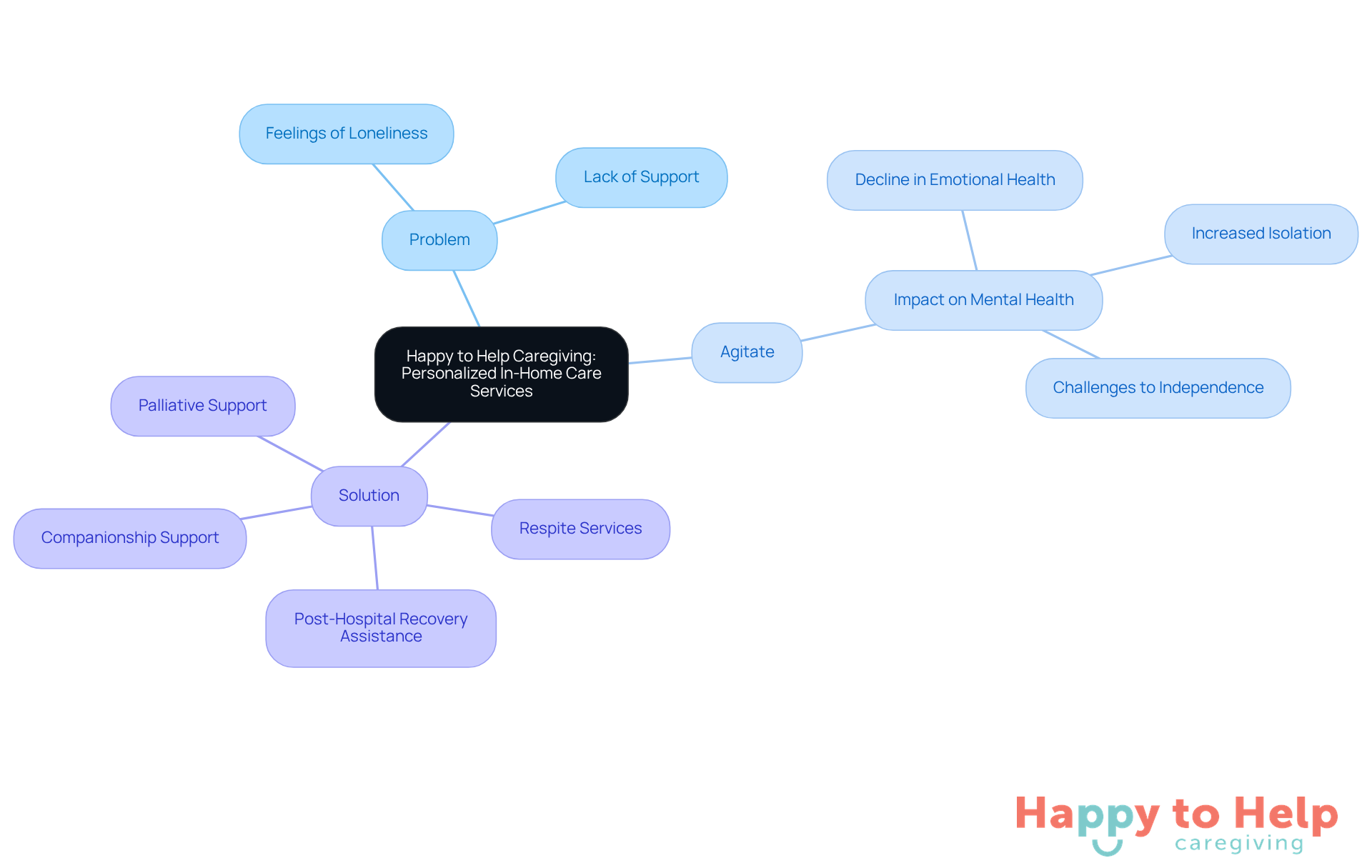
Problem: Many individuals receiving in-home care often face feelings of loneliness and a lack of support, which can significantly impact their well-being. This emotional strain not only affects the clients but also their families, who may worry about their loved ones' quality of life.
Agitate: The implications of this loneliness can be profound. Without proper companionship and engaging activities, clients may experience a decline in their mental and emotional health. This can lead to increased isolation, making it even harder for them to maintain their independence and overall happiness.
Solution: Happy to Help Caregiving addresses these challenges by delivering compassionate in-home assistance tailored to each client's unique needs. Their services include:
- Companionship support
- Post-hospital recovery assistance
- Respite services
- Palliative support
By focusing on maintaining independence and well-being, their trained support providers engage clients in enjoyable activities, alleviating feelings of loneliness and ensuring a safe home environment. This personalized approach fosters a sense of security and comfort for clients and their families, making it an ideal choice for those seeking live-in care solutions.
Evaluate Caregiver Qualifications and Experience
Finding the right live in carers near me can be a challenge. Many caregivers struggle with ensuring that the individuals they hire are truly qualified to meet their loved ones' needs. Without proper qualifications, the quality of care may suffer, leading to potential risks for those who require assistance.
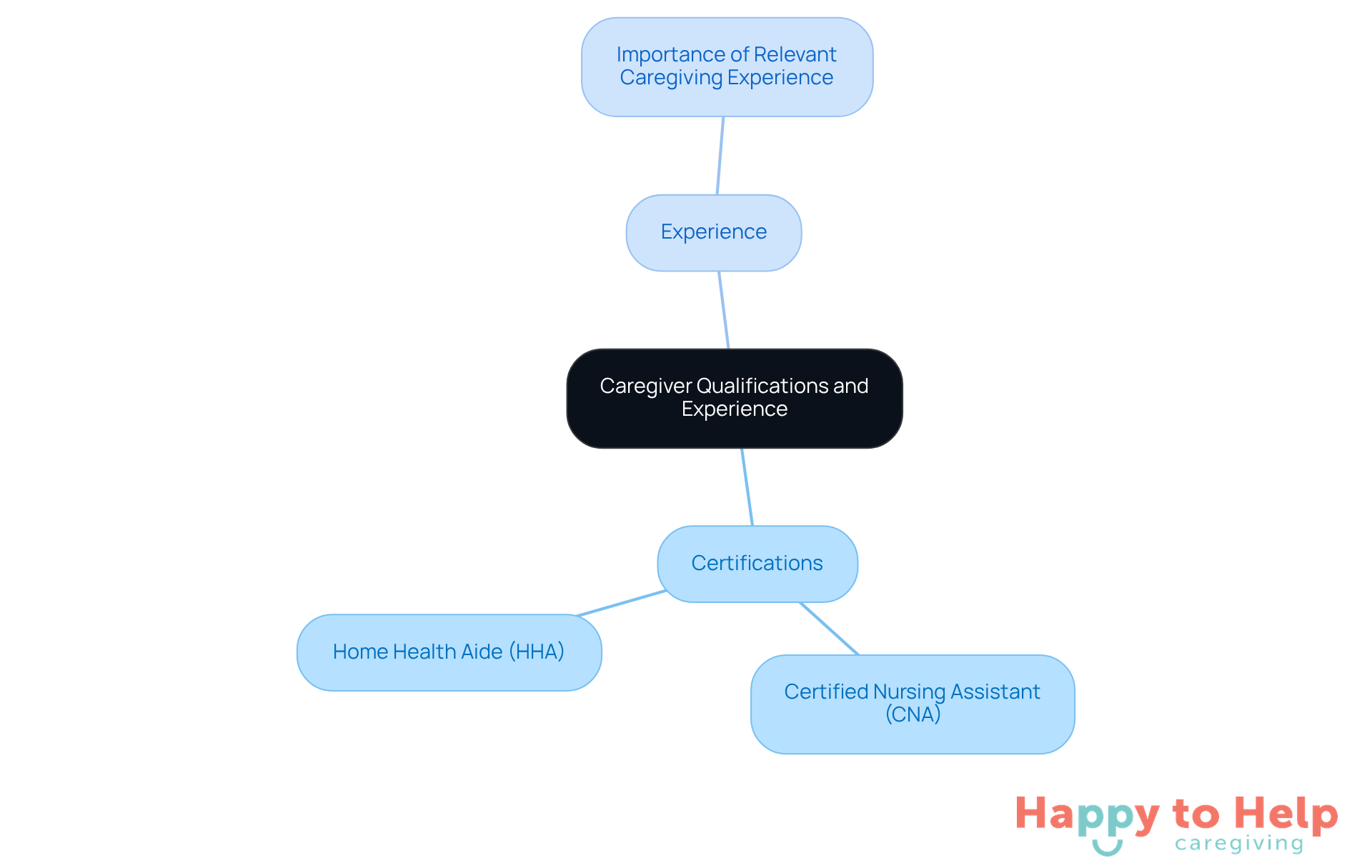
To address this issue, it’s essential to look for providers with recognized certifications, such as:
- Certified Nursing Assistant (CNA)
- Home Health Aide (HHA)
These credentials indicate that the individual has undergone the necessary training to provide quality care. Additionally, inquire about their previous experience in caregiving, particularly with clients who have similar needs to your loved one when searching for live in carers near me. This not only confirms their qualifications but also ensures they can deliver the specific support required.
Identify Specific Care Needs and Preferences
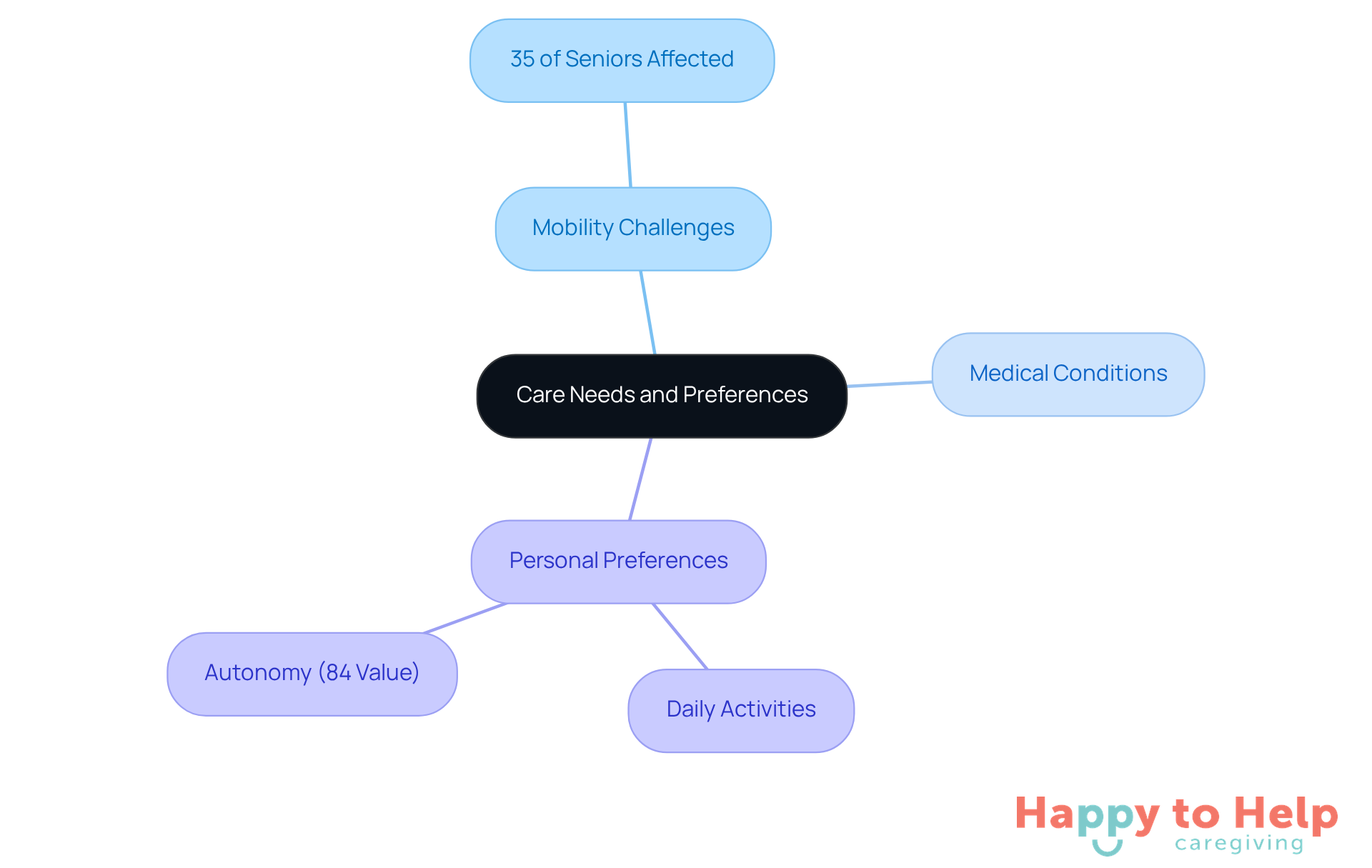
Before employing live in carers near me, it’s crucial to evaluate your loved one’s specific support needs and preferences. Many elderly individuals face mobility challenges, which can significantly affect their daily routines and overall quality of life. In fact, about 35% of seniors experience mobility issues, highlighting the importance of understanding these difficulties for effective communication with potential caregivers.
Consider factors such as:
- Medical conditions
- Mobility limitations
- Personal preferences regarding daily activities
Geriatric specialists stress that recognizing these individual preferences is vital for creating a supportive environment that fosters independence and comfort. As Morgan Gonzales, an award-winning journalist, notes, 'Families of older adults have a strong preference for home assistance, specifically live in carers near me, over senior living - but many are unaware of the type of support their loved one requires.'
Moreover, recent studies reveal that 84% of family supporters value their loved one's autonomy, underscoring the need for tailored support plans that address individual requirements. A customized support plan might include:
- Assistance with mobility
- Medication management
- Engagement in preferred activities
By taking the time to identify these specific needs, families can ensure that caregivers are well-equipped to deliver compassionate and effective care.
Check References and Read Reviews
Finding reliable and professional live in carers near me can be a daunting task. Without proper vetting, you risk placing your loved one in the hands of someone who may not meet your expectations or needs.
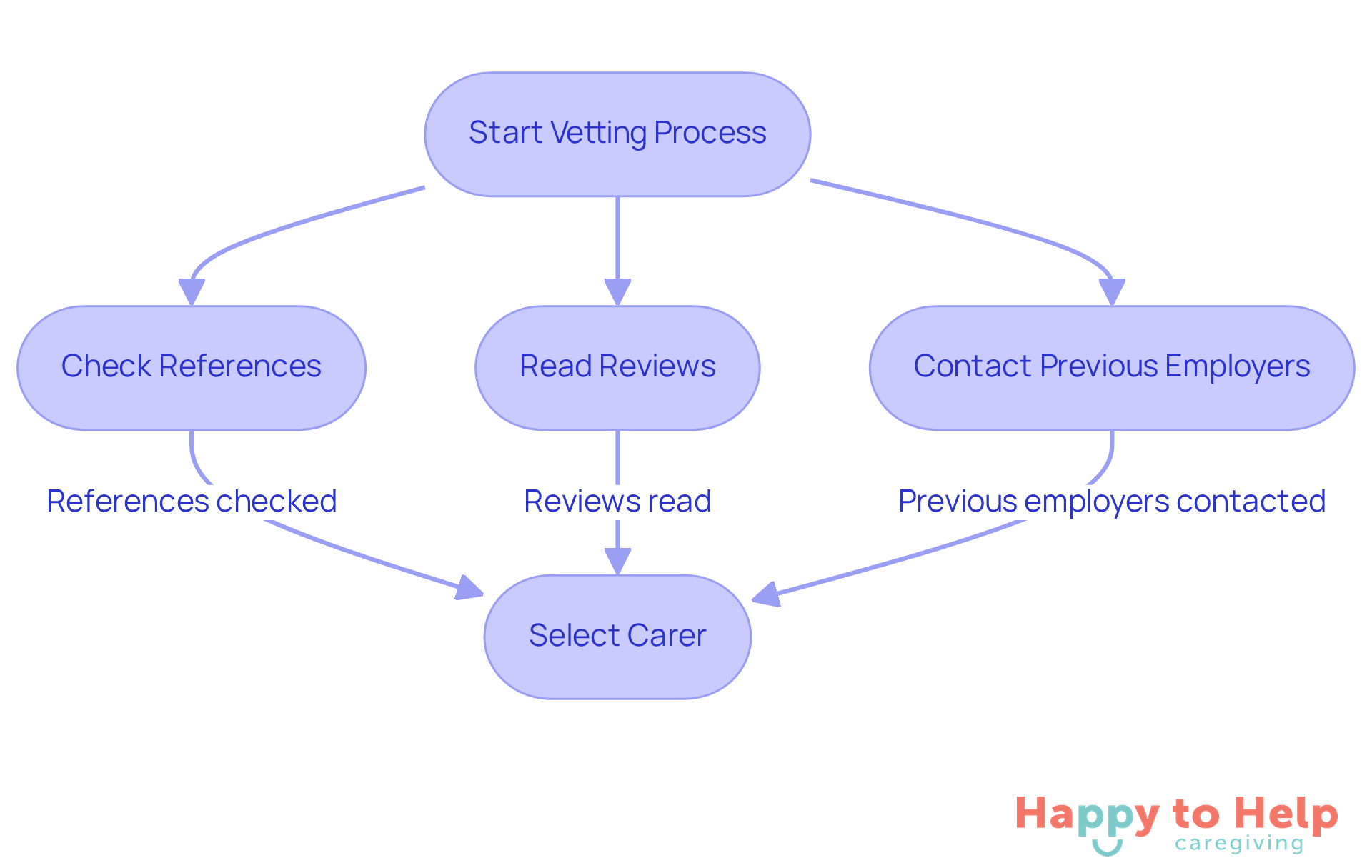
To mitigate this risk, it’s crucial to conduct thorough research. Always check references and read reviews before making a decision. Ask for contact information from previous employers or clients to gain insights into their experiences. Online reviews can also provide valuable information about the aide's reliability and ability to connect with clients.
By taking these steps, you can select live in carers near me who are well-regarded in the community, ensuring peace of mind for both you and your loved one.
Conduct Interviews with Potential Caregivers
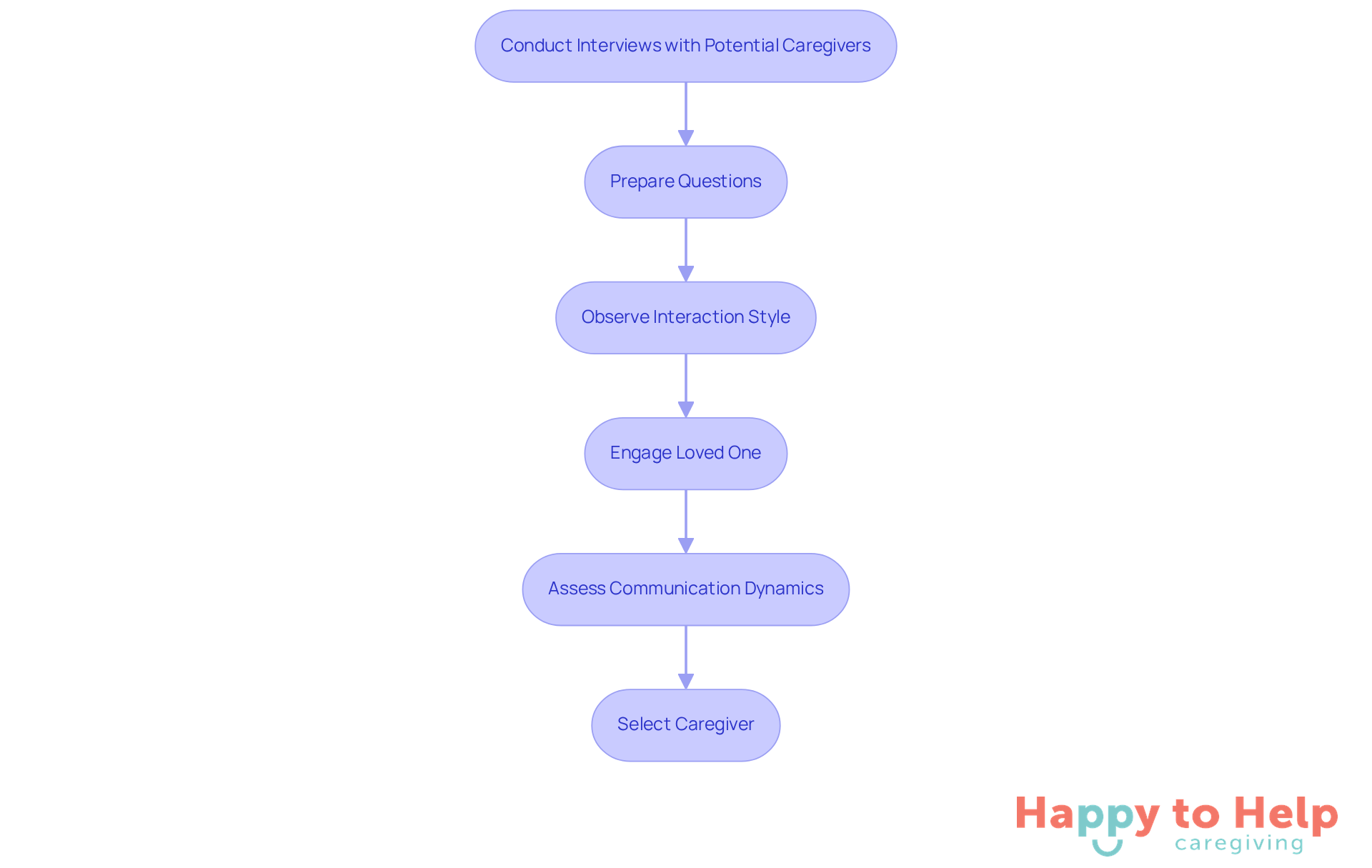
Finding the right caregiver for your loved one can be a daunting challenge. Conducting interviews with prospective support providers is a critical step in this hiring process. A comprehensive list of questions should delve into their experience, caregiving philosophy, and responses to specific scenarios.
Observing their interaction style and demeanor is crucial, as these traits significantly influence the establishment of trust with your loved one. Engaging your loved one in the interview process can provide valuable insights into their comfort level with the caregiver, fostering a sense of security and connection.
Effective interaction goes beyond just exchanging information; it involves active listening and empathy, which are essential for building strong caregiver-client relationships. Caregivers who exhibit a compassionate way of interacting can better comprehend and address the unique needs of seniors, improving their overall support experience.
To ensure successful caregiver-client matching, prioritize thoughtful interviews that focus on these communication dynamics. This approach guarantees that both parties feel respected and understood, ultimately leading to a more positive caregiving experience.
Discuss Care Plans and Expectations Clearly
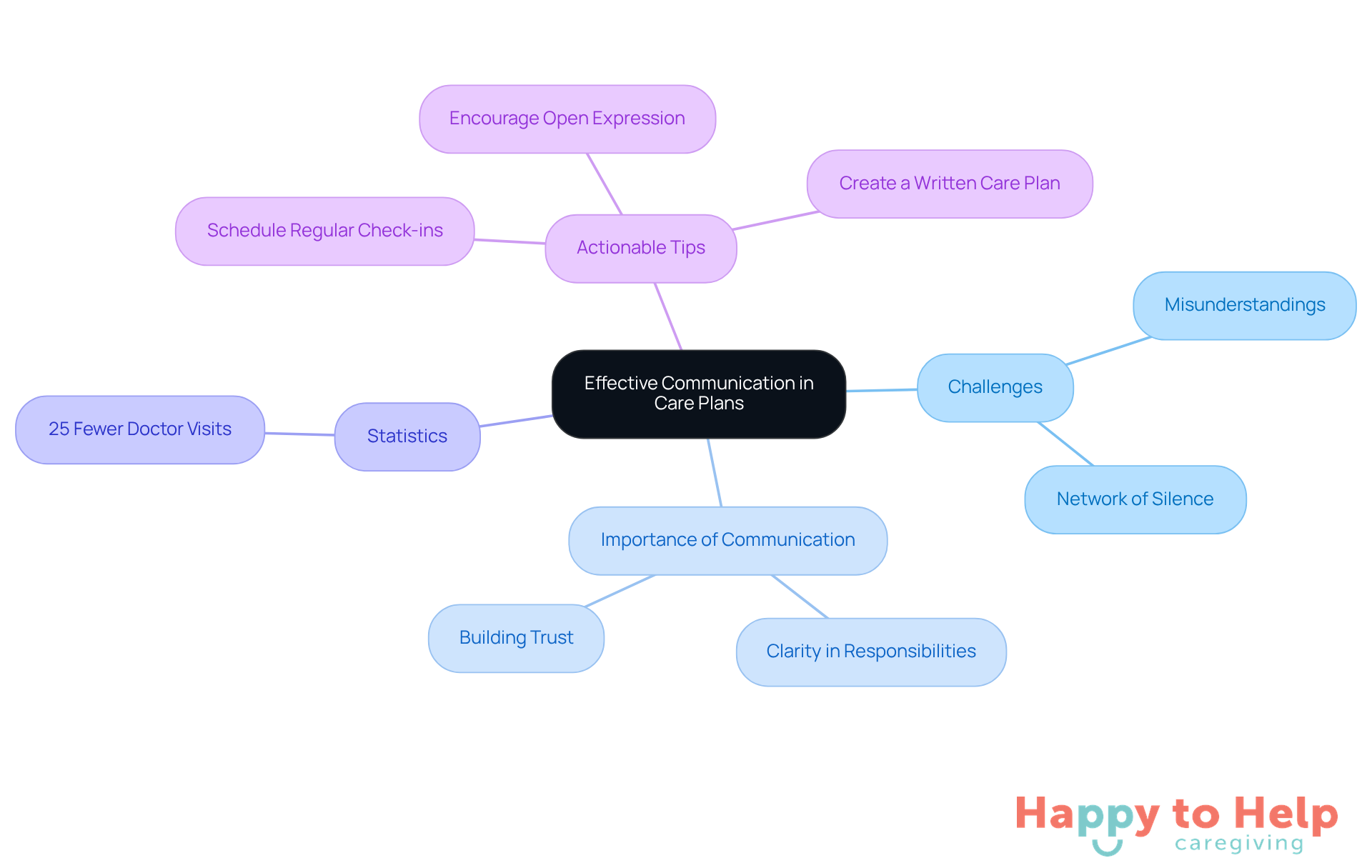
Choosing a support provider is just the beginning; the real challenge lies in establishing effective communication. Without a detailed conversation about assistance strategies and expectations, misunderstandings can arise, leading to frustration for both caregivers and clients. This lack of clarity can hinder the caregiver-client relationship, making it difficult to build trust and understanding.
To address this issue, it’s essential to clearly outline the specific responsibilities of the caregiver and any preferences your loved one may have regarding their daily routine. Regularly reviewing and adjusting the support plan as situations evolve is crucial for ensuring that the provider can deliver the best assistance possible. Healthcare professionals emphasize that maintaining open channels of dialogue helps providers better understand their clients' needs, ultimately enhancing the quality of care.
Consider this: elderly individuals using at-home support services report 25% fewer doctor visits annually compared to those who do not utilize such services. This statistic highlights the importance of effective communication in managing health outcomes. By prioritizing clear expectations, families can reduce potential misunderstandings and foster a more harmonious caregiving environment.
However, it’s important to recognize the 'network of silence' that can develop between providers and patients. This silence can obstruct vital conversations about care needs and preferences. To combat this, proactive communication is essential for nurturing a supportive caregiving relationship. Here are some actionable tips:
- Schedule regular check-ins with the caregiver to discuss any changes in care needs.
- Encourage your loved one to express their preferences openly.
- Create a written care plan that outlines responsibilities and expectations.
By addressing these communication barriers, families can ensure a more effective and compassionate caregiving experience.
Understand the Costs of Live-In Care Services
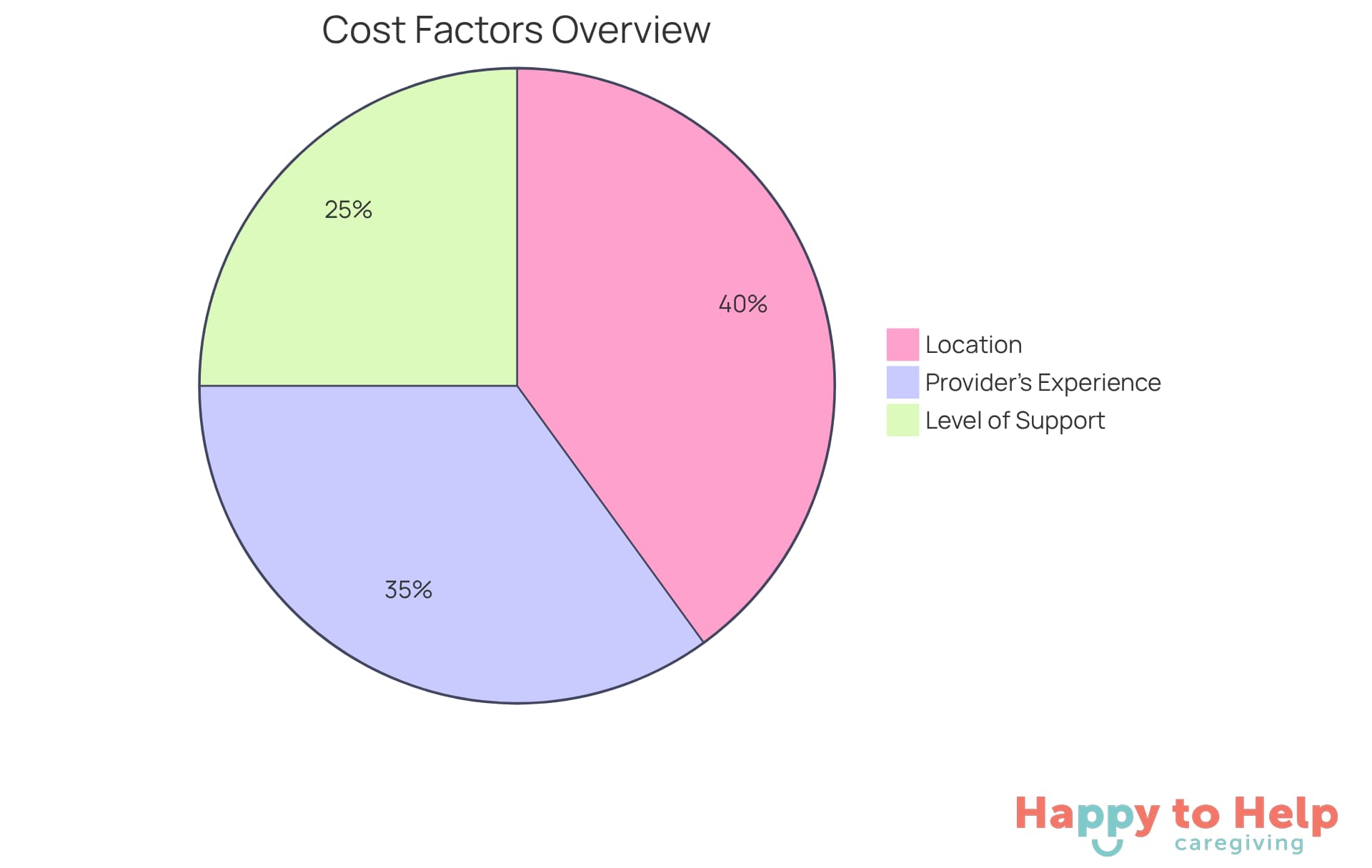
Understanding the costs of live in carers near me is crucial for families considering this option. The problem lies in the significant variability in expenses, which can range from $1,200 to $4,000 per month. This variation depends on factors such as:
- Location
- The provider's experience
- The level of support required
These costs can create financial strain for many families. It's essential to recognize that without proper planning, the burden of these expenses can lead to stress and uncertainty.
To address this challenge, families should explore various payment options. Discussing potential financial assistance programs can also provide much-needed relief. By being proactive and informed, caregivers can better manage the costs associated with hiring live in carers near me.
Ensure Flexibility in Caregiver Scheduling
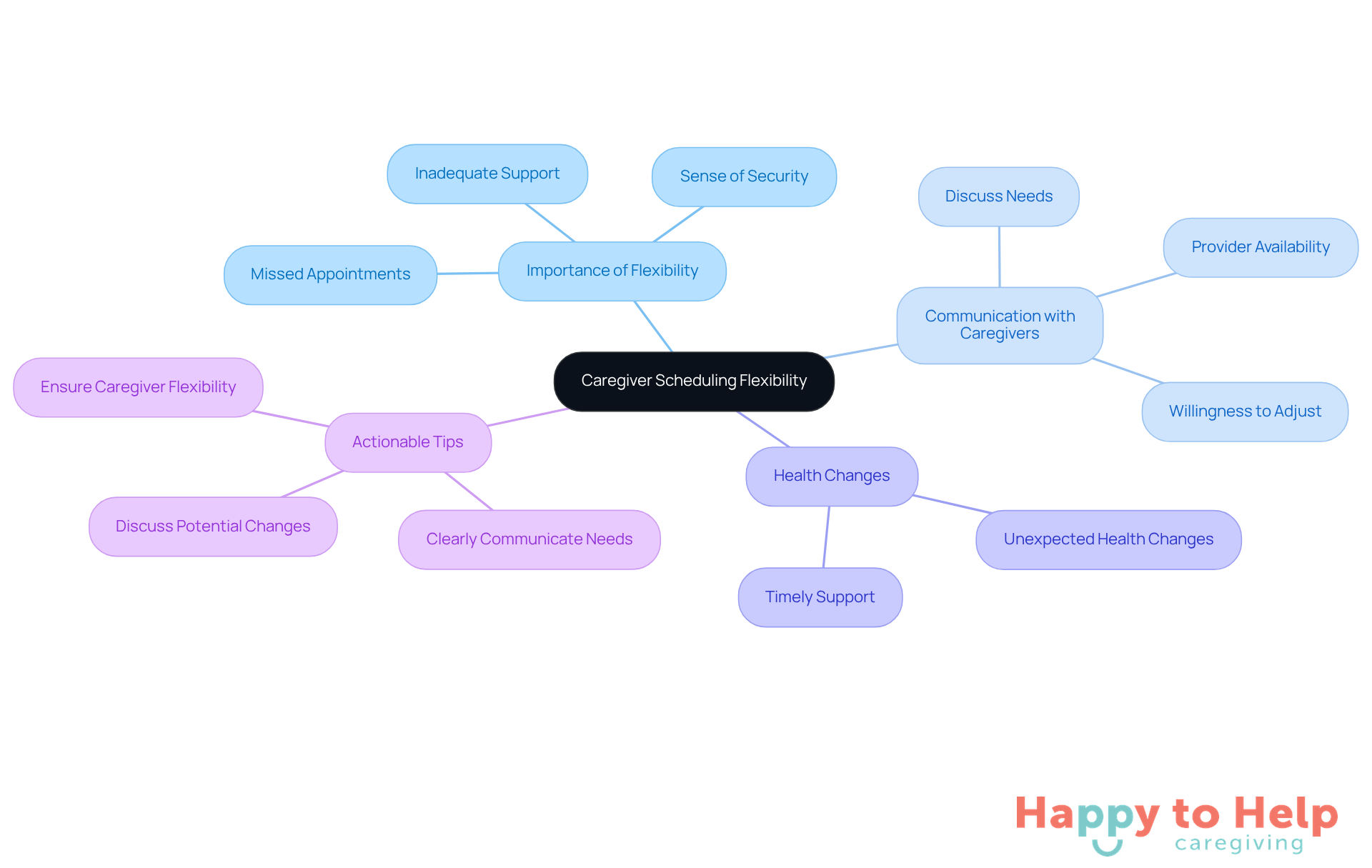
When employing live in carers near me, the issue of scheduling flexibility can significantly impact your loved one's care. Caregivers often face challenges in adapting their routines to meet the specific needs of their clients, especially when unexpected health changes arise. This lack of flexibility can lead to missed medical appointments or inadequate support during critical times.
To address this issue, it’s essential to engage in open dialogue about the provider's availability and their willingness to adjust their schedule. Flexibility is crucial for ensuring that your loved one receives timely support, which in turn fosters a sense of security and comfort in their environment.
As the demand for senior support continues to rise, with projections indicating a significant increase in the elderly population, the availability of live in carers near me to provide responsive and personalized assistance becomes even more vital. Discussing scheduling needs upfront can lead to a more effective caregiving arrangement that prioritizes your loved one's well-being.
Actionable Tips:
- Clearly communicate your loved one's needs to the caregiver.
- Discuss potential changes in health and how they might affect scheduling.
- Ensure the caregiver is open to adjusting their routine as necessary.
Assess Caregiver's Companionship and Emotional Support Skills
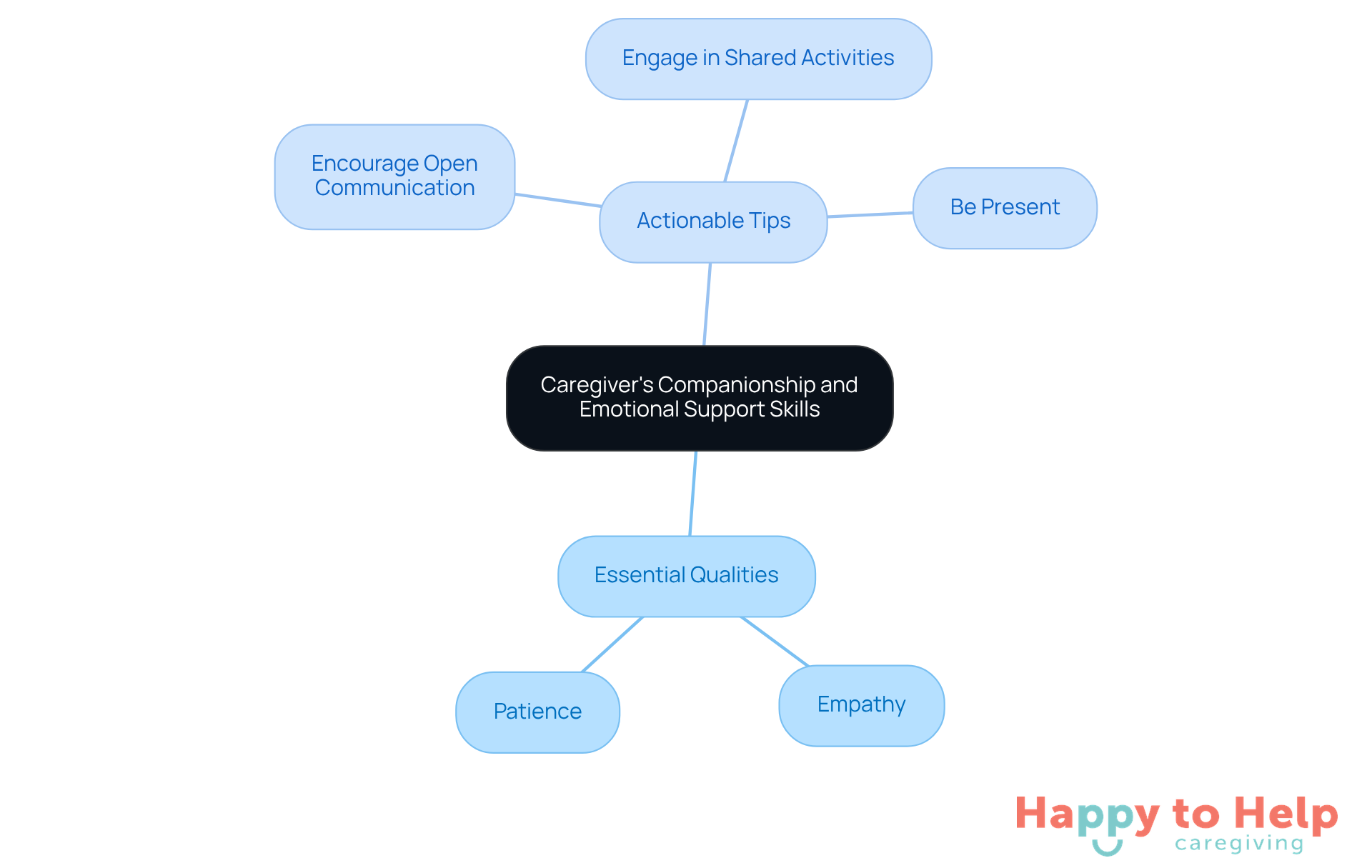
When caring for a loved one, it's not just about physical assistance; emotional support is equally vital. Many caregivers face the challenge of providing companionship, which can significantly impact the well-being of those they care for. Without empathy and patience, building a trusting relationship becomes difficult, potentially leading to feelings of isolation for the individual receiving care.
To address this issue, seek caregivers who demonstrate strong interpersonal skills. Look for individuals who show genuine empathy and patience, as these qualities are essential for fostering a supportive environment. By prioritizing emotional support, caregivers can enhance their loved one's happiness and overall quality of life.
Here are some actionable tips for caregivers:
- Encourage open communication: Create a safe space for your loved one to express their feelings.
- Engage in shared activities: Spend quality time together through hobbies or simple conversations.
- Be present: Sometimes, just being there can make a world of difference.
By focusing on these aspects, caregivers can not only provide physical assistance but also nurture emotional connections that are crucial for their loved one's happiness.
Maintain Open Communication with Caregivers
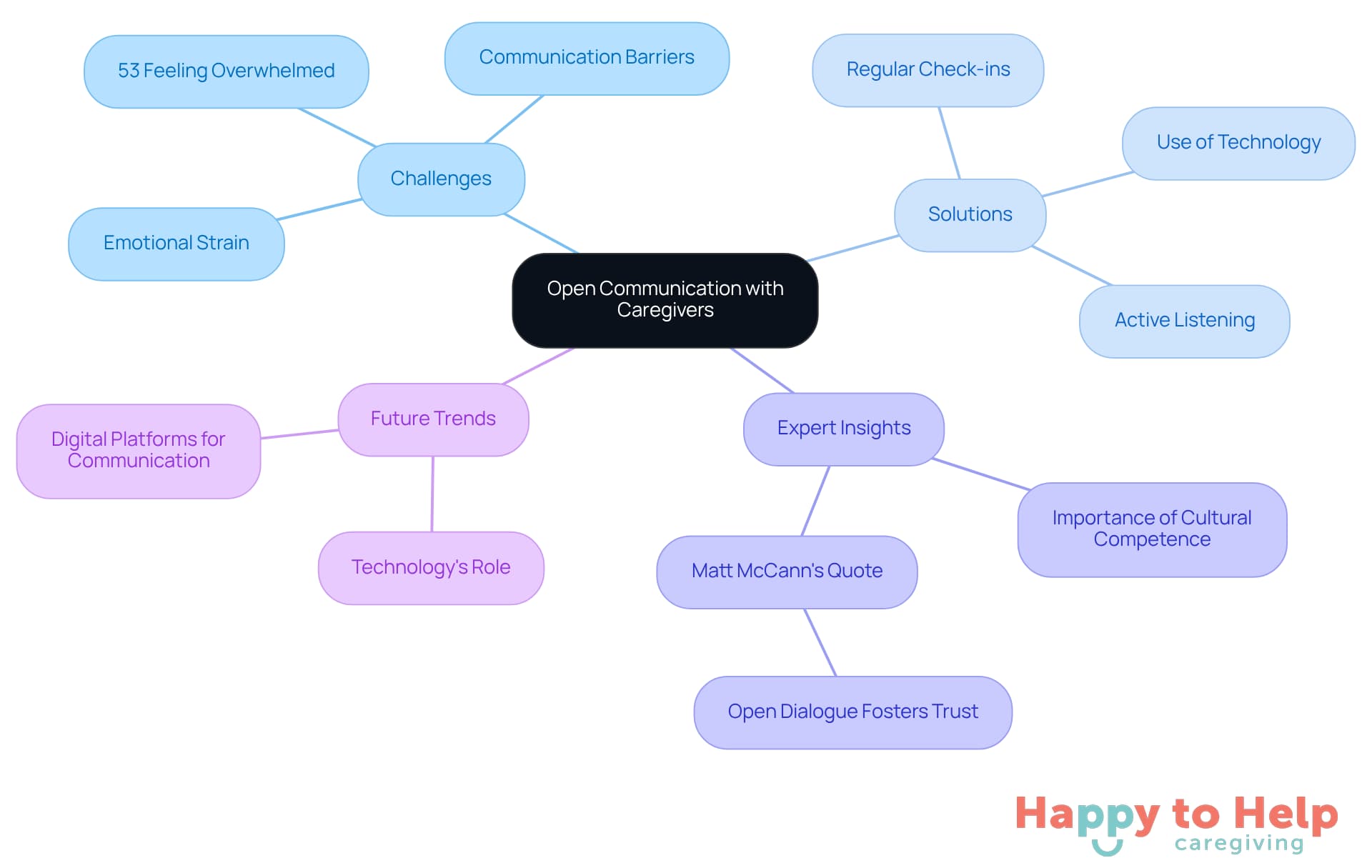
Effective communication with caregivers is crucial for meeting your loved one's needs. However, many families face significant challenges in this area. A staggering 53% of caregivers report feeling depressed, overwhelmed, or helpless due to communication difficulties. This not only affects their well-being but also the quality of care provided.
To address these issues, regular check-ins should be scheduled. These meetings allow families to discuss any changes in treatment plans, address concerns, and provide constructive feedback. This practice promotes openness and encourages providers to share their observations and insights, ultimately improving the quality of support.
Experts emphasize that open and honest dialogue fosters trust and understanding. As long-term planning expert Matt McCann states, "Open and sincere dialogue fosters trust and comprehension between the provider and the recipient of assistance." By prioritizing these interactions, families can create a supportive environment that empowers caregivers and enriches the caregiving experience.
In 2025, trends indicate a growing recognition of technology's role in enhancing communication. Many families are turning to digital platforms for real-time updates and feedback. Those who engage in regular check-ins report stronger relationships with caregivers, leading to better care outcomes and greater satisfaction for everyone involved.
Taking the Next Steps
Finding the right live-in care for loved ones can be a daunting challenge. Families often face the problem of ensuring their loved ones receive not only physical assistance but also the emotional support necessary for a fulfilling life. Without this balance, the quality of care may suffer, leading to feelings of insecurity and discomfort for both clients and their families.
To address these concerns, it’s crucial to evaluate caregiver qualifications and understand specific care needs. Conducting thorough interviews, checking references, and discussing care plans are essential steps that families can take to make informed decisions. Additionally, recognizing the importance of emotional support and flexibility in scheduling can significantly enhance the caregiving experience.
By prioritizing these best practices in hiring live-in caregivers, families can improve outcomes for everyone involved. Taking proactive steps to find compassionate, qualified caregivers not only meets immediate needs but also contributes to the long-term happiness and well-being of loved ones. Embrace the journey of finding live-in care with confidence, knowing that the right support can truly enhance the quality of life for those who matter most.
https://iframe.tely.ai/cta/eyJhcnRpY2xlX2lkIjogIjY5MmY5MTkyY2E4MDg5MWIwMmZiMDBlMyIsICJjb21wYW55X2lkIjogIjY4ZWU1ZGNhNzMxNzYyNTU3ZjNjOTVjMSIsICJpbmRleCI6IG51bGwsICJ0eXBlIjogImFydGljbGUifQ==Frequently Asked Questions
What problem does Happy to Help Caregiving aim to address?
Happy to Help Caregiving aims to address feelings of loneliness and lack of support experienced by individuals receiving in-home care, which can significantly impact their well-being and that of their families.
What are the implications of loneliness for clients receiving in-home care?
Loneliness can lead to a decline in mental and emotional health, increased isolation, and difficulties in maintaining independence and overall happiness for clients.
What services does Happy to Help Caregiving provide?
Happy to Help Caregiving offers personalized in-home assistance that includes companionship support, post-hospital recovery assistance, respite services, and palliative support.
How does Happy to Help Caregiving ensure a safe and comfortable environment for clients?
Their trained support providers engage clients in enjoyable activities, which alleviates feelings of loneliness and fosters a sense of security and comfort for both clients and their families.
What qualifications should I look for when searching for live-in caregivers?
When searching for live-in caregivers, it’s essential to look for recognized certifications such as Certified Nursing Assistant (CNA) or Home Health Aide (HHA) to ensure quality care.
Why is it important to inquire about a caregiver's previous experience?
Inquiring about a caregiver's previous experience, particularly with clients who have similar needs to your loved one, confirms their qualifications and ensures they can deliver the specific support required.
What factors should be considered when identifying specific care needs and preferences?
Factors to consider include medical conditions, mobility limitations, and personal preferences regarding daily activities.
Why is understanding individual preferences important in caregiving?
Recognizing individual preferences is vital for creating a supportive environment that fosters independence and comfort for the elderly, as most families prefer home assistance over senior living options.
What might a customized support plan include?
A customized support plan might include assistance with mobility, medication management, and engagement in preferred activities.
What percentage of family supporters value their loved one's autonomy?
Recent studies reveal that 84% of family supporters value their loved one's autonomy, highlighting the need for tailored support plans that address individual requirements.
List of Sources
- Happy to Help Caregiving: Personalized In-Home Care Services
- National Alliance for Caregiving: Caregiving in the US 2025 Report (https://johnahartford.org/resources/view/national-alliance-for-caregiving-caregiving-in-the-us-2025-report)
- Home-Based Care Companies Improve Outcomes By Training Family Caregivers (https://homehealthcarenews.com/2025/10/home-based-care-companies-improve-outcomes-by-training-family-caregivers)
- How 3 Top Trends Have Shaped Home-Based Care This Year (https://homehealthcarenews.com/2025/08/how-3-top-trends-have-shaped-home-based-care-this-year)
- Caregiving in the US 2025 (https://aarp.org/pri/topics/ltss/family-caregiving/caregiving-in-the-us-2025)
- Evaluate Caregiver Qualifications and Experience
- How A Caregiver Certification Can Enhance Your Patient Care (https://trualta.com/resources/blog/how-a-caregiver-certification-can-enhance-your-patient-care)
- US News & World Report Highlights CCA's Caregiver Training (https://advancecaregivers.org/report-us-news-world-report-highlights-ccas-caregiver-training)
- New Study Finds Many Agencies Place Unqualified Caregivers in Homes of the Elderly - News Center (https://news.feinberg.northwestern.edu/2012/07/10/dangerous\_caregivers)
- AHCA/NCAL Launches New Workforce Campaign, ‘Caregivers For Tomorrow’ (https://ahcancal.org/News-and-Communications/Press-Releases/Pages/AHCA-NCAL-Launches-New-Workforce-Campaign-Caregivers-For-Tomorrow.aspx)
- Caregiver Recruitment Strategies That Work | Rellevate (https://rellevate.com/news/caregiver-recruitment-strategies)
- Identify Specific Care Needs and Preferences
- Families Prefer In-Home Care To Senior Living – Yet Struggle To Identify Needed Support (https://homehealthcarenews.com/2025/11/families-prefer-in-home-care-to-senior-living-yet-struggle-to-identify-needed-support)
- Warning From Older Adults: Care for Aging in America Needs Urgent Rethinking (https://johnahartford.org/newsroom/view/warning-from-older-adults-care-for-aging-in-america-needs-urgent-rethinking)
- Elderly Care Statistics (https://rosewood-nursing.com/post/elderly-care-statistics)
- Most Americans expect to need long-term care in the future, and they don’t want that care in assisted living (https://mcknightsseniorliving.com/news/most-americans-expect-to-need-long-term-care-in-the-future-and-they-dont-want-that-care-in-assisted-living)
- Check References and Read Reviews
- Home Care Clients Like Their Caregivers More Than Their Provider, Data Shows (https://homehealthcarenews.com/2024/08/home-care-clients-like-their-caregivers-more-than-their-provider-data-shows)
- New U.S. Workforce Report: Nearly 70% of Family Caregivers Report Difficulty Balancing Career and Caregiving Responsibilities, Spurring Long-Term Impacts to U.S. Economy (https://press.aarp.org/2024-5-16-US-Workforce-Report-70-Caregivers-Difficulty-Balancing-Career-Caregiving-Responsibilities)
- The Case For Stronger Caregiver Vetting In Home Care (https://homehealthcarenews.com/2024/10/the-case-for-stronger-caregiver-vetting-in-home-care)
- Why Do Online Reviews Matter for Your Home Care Business (https://activatedinsights.com/articles/online-reviews-matter-home-care-business)
- Protect your loved ones: Recent caregiver arrest highlights rising elder exploitation, fraud (https://wral.com/news/local/caregiver-exploitation-elder-vulnerable-adults-how-to-protect-aug-2025)
- Conduct Interviews with Potential Caregivers
- The Importance of Caregiver-Client Relationships in Senior Well-Being (https://homeinstead.com/home-care/usa/in/goshen/588/news-and-media/the-importance-of-caregiver-client-relationships-in-senior-well-being)
- Caregiver Dementia Quotes (Encouragement For Dementia Caregivers) (https://optoceutics.com/caregiver-dementia-quotes-encouragement-dementia-caregivers?srsltid=AfmBOoq5nbIWnpjUgwLtv2EdLQ-nZ5xbPePKcea1-pMpfEiZ9ogHPjY0)
- 27 Inspirational Quotes for Caregivers (https://ultimatecareny.com/resources/27-quotes-for-caregivers)
- The Secrets to Successful Caregiver Interviews - HomeChoice Home Care Solutions (https://homechoicehomecare.com/careers-in-caring/the-secrets-to-successful-caregiver-interviews)
- Discuss Care Plans and Expectations Clearly
- As Family Caregiving Grows, So Does the Need for Reform - Medicare Rights Center (https://medicarerights.org/medicare-watch/2025/08/14/as-family-caregiving-grows-so-does-the-need-for-reform)
- Advance Care Planning Advice for Family Caregivers (https://mskcc.org/news/stand-by-me-family-caregivers-and-advance-care-planning)
- The Incredible Benefits of Home Care, in 7 Amazing Stats - Companions For Seniors (https://companionsforseniors.com/2019/08/benefits-home-care-amazing-stats-trends-reports)
- HHSC Offers Topics for Discussions on Aging During National Family Caregivers Month | Texas Health and Human Services (https://hhs.texas.gov/news/2025/11/hhsc-offers-topics-discussions-aging-during-national-family-caregivers-month)
- Home Care Impact on Recovery of Patient (A Statistics Report) (https://lovinghomecareinc.com/home-care-recovery-statistics)
- Understand the Costs of Live-In Care Services
- Understanding the Cost of a Live-In Caregiver: Key Factors Explained - Happy To Help (https://happytohelpcaregiving.com/understanding-the-cost-of-a-live-in-caregiver-key-factors-explained)
- Home Care Costs in 2025: A State-by-State Guide (https://aplaceformom.com/caregiver-resources/articles/in-home-care-costs)
- Facing financial ruin as costs soar for elder care (https://kunm.org/news/2024-02-22/facing-financial-ruin-as-costs-soar-for-elder-care)
- Ensure Flexibility in Caregiver Scheduling
- The senior population is booming. Caregiving is struggling to keep up (https://cnbc.com/2025/11/21/senior-caregiving-labor.html)
- 2023 Study — Caregiving in America, Statistics on Family Caregivers and Beyond | Guardian (https://guardianlife.com/reports/caregiving-in-america)
- How Flexible Scheduling Improves The Home Care Experience For Families – CCN – Columbus County News (https://columbuscountynews.com/2025/12/how-flexible-scheduling-improves-the-home-care-experience-for-families)
- The need for caregiving benefits may have reached a fever pitch (https://hrdive.com/news/sandwich-generation-needs-caregiving-benefits/802864)
- Caregiving While Working Calls for Workplace Flexibility (https://aarp.org/pri/topics/work-finances-retirement/employers-workforce/employer-caregiving-survey)
- Assess Caregiver's Companionship and Emotional Support Skills
- The Role of Companion Care in Reducing Depression Among Seniors (https://malamamaikai.com/role-of-companion-care-in-reducing-depression-among-seniors)
- Building Trust Between Families and Companion Caregivers (https://humancareny.com/blog/building-trust-between-families-and-companion-caregivers)
- New Report Reveals Crisis Point for America’s 63 million Family Caregivers (https://press.aarp.org/2025-07-24-New-Report-Reveals-Crisis-Point-for-Americas-63-million-Family-Caregivers)
- The Incredible Benefits of Home Care, in 7 Amazing Stats - Companions For Seniors (https://companionsforseniors.com/2019/08/benefits-home-care-amazing-stats-trends-reports)
- Understanding the Benefits of Companion Care for Seniors - Freedom Home Care (https://freedomhomecare.net/2025/08/26/understanding-the-benefits-of-companion-care-for-seniors)
- Maintain Open Communication with Caregivers
- Communication Breakdowns Take Toll on Family Caregivers, Especially for Older Adults with Chronic Illness (https://ltcnews.com/articles/communication-breakdowns-toll-family-caregivers-older-adults-chronic-illness)
- The Importance of Effective Communication in Caregiving (https://familycaregiversonline.net/the-importance-of-effective-communication-in-caregiving)
- AARP Research Insights on Caregiving (https://aarp.org/pri/topics/ltss/family-caregiving/aarp-research-insights-caregiving)
- Effective Communication as a Caregiver | Always Caring of CT (https://alwayscaringct.com/news/effective-communication-as-a-caregiver)