The Importance of Helping the Elderly in Their Homes in
Caring for the elderly at home presents a unique set of challenges, especially in a vibrant community like Savannah, GA. As the population ages, families and caregivers face the pressing issue of how to effectively support seniors. This challenge is not just about meeting basic needs; it also involves fostering independence and emotional well-being in loved ones.
The implications of inadequate support can be significant. Without proper care, seniors may experience a decline in their quality of life, leading to feelings of isolation and helplessness. Therefore, understanding how to assess needs and create personalized care plans is crucial.
To address these challenges, caregivers can take essential steps:
- Assess the specific needs of the elderly individual. This includes evaluating their physical health, mental well-being, and social connections.
- Craft a personalized care plan that outlines daily routines, medical needs, and social activities.
- Create a safe home environment that minimizes risks and promotes independence.
By implementing these strategies, caregivers can enhance the quality of life for elderly individuals, ensuring they not only meet basic needs but also support their emotional and social well-being.
Assess the Needs of the Elderly Individual
Understanding the Needs of the Elderly
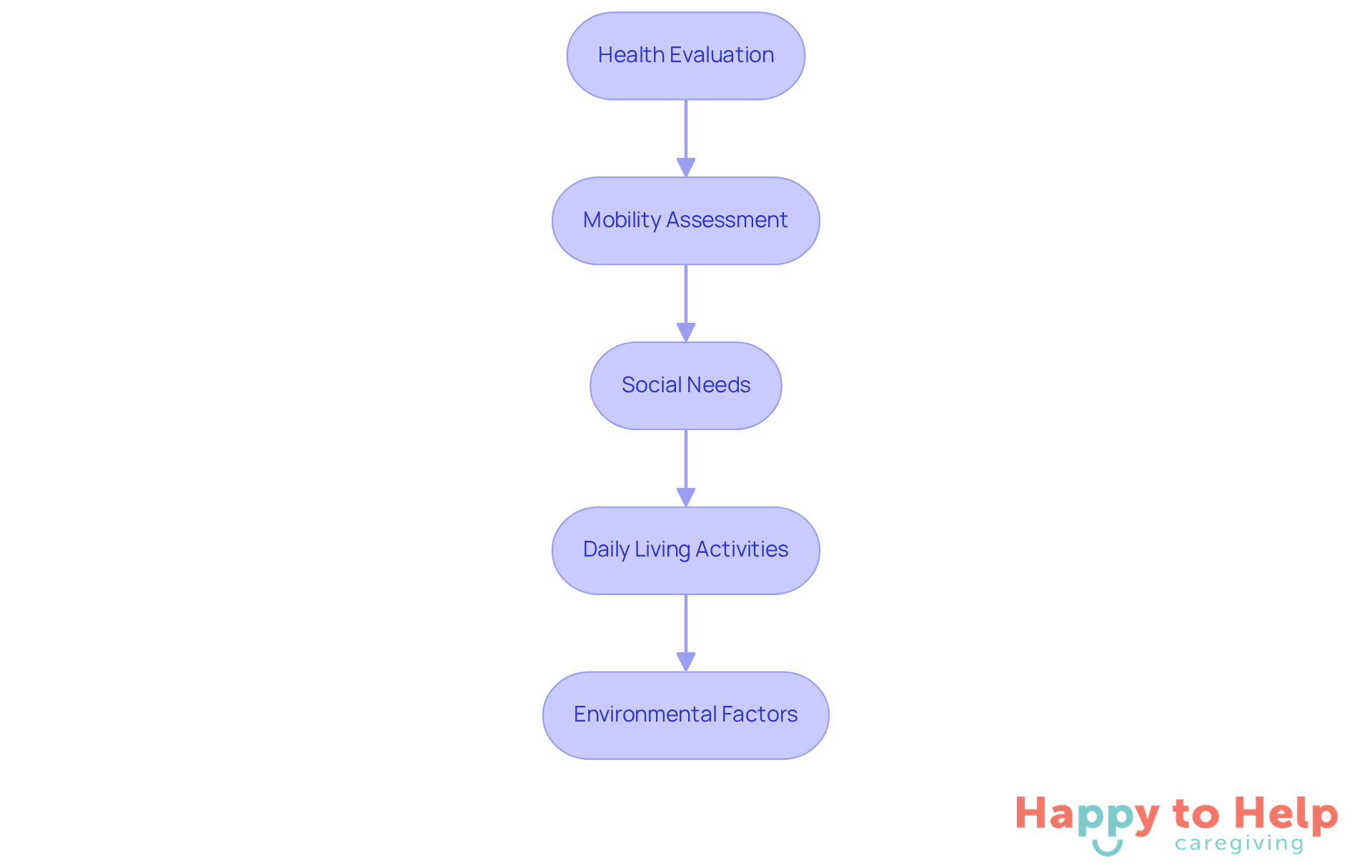
Caring for an elderly person can be challenging, especially when it comes to understanding their specific needs. Failing to address these needs can lead to serious implications for their health and well-being. Here’s a comprehensive evaluation to guide caregivers in identifying and addressing these requirements:
-
Health Evaluation: Start by reviewing the elderly person's medical history, current medications, and any chronic conditions. Consider scheduling a visit with their healthcare provider for a thorough check-up.
-
Mobility Assessment: Observe their ability to move around safely. Take note of any difficulties they may have with walking, balance, or performing daily activities.
-
Social Needs: Discuss their social interactions and emotional well-being. Are they feeling isolated? Do they have friends or family nearby to support them?
-
Daily Living Activities: Identify which daily tasks they struggle with, such as bathing, dressing, or cooking. Utilizing checklists or evaluation tools can help record these requirements effectively.
-
Environmental Factors: Evaluate their living environment for safety hazards, such as stairs, clutter, or inadequate lighting. This assessment will guide necessary modifications to their home, ensuring a safer living space.
Develop a Personalized Care Plan
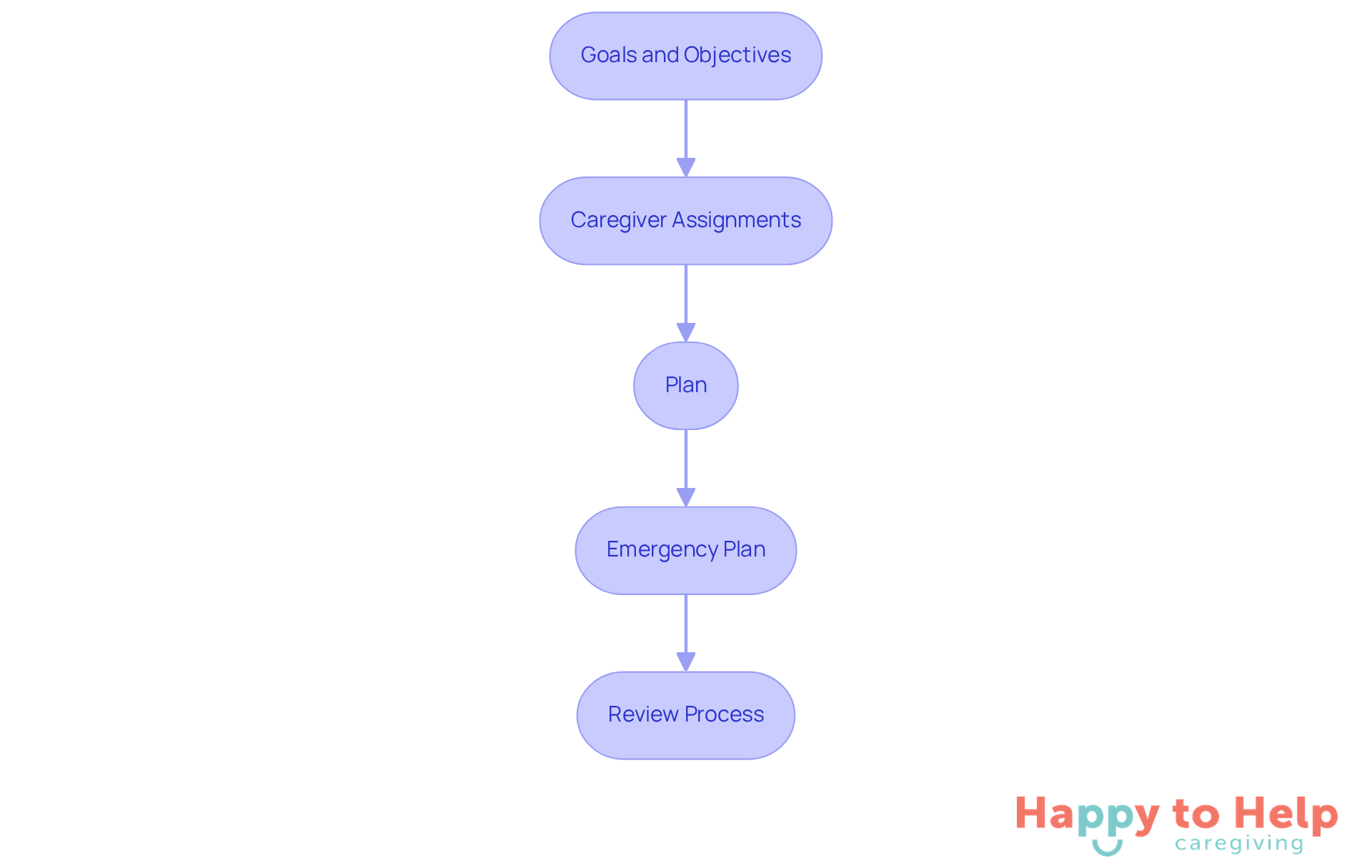
Once the needs assessment is complete, caregivers often face the challenge of developing a personalized care plan that effectively addresses the individual’s needs. This can be overwhelming, but with a structured approach, it becomes manageable. Here’s how to create an effective care plan:
-
Goals and Objectives: Start by defining clear, achievable goals based on the individual's needs. For instance, improving mobility or enhancing social interactions. Research indicates that establishing clear goals not only offers guidance but also inspires both the provider and the client, leading to improved results.
-
Caregiver Assignments: Identify who will deliver support and what specific tasks they will manage, such as personal assistance, meal preparation, or companionship. Studies show that individuals receiving support at home experienced a 20% enhancement in symptom management and physical functioning over six months, underscoring the significance of clearly defined roles for providers.
-
Plan: Develop a flexible timetable that fits the person's routine and preferences, ensuring consistency in support. This consistency is crucial for building trust and ensuring comfort, which can lead to improved emotional well-being.
-
Emergency Plan: Include protocols for emergencies, such as medical issues or falls, detailing who to contact and what steps to take. This preparedness ensures that caregivers are equipped to handle any situation effectively.
-
Review Process: Establish regular check-ins to evaluate the effectiveness of the support plan and make adjustments as necessary. Regular assessments enable adjustments based on the changing requirements of the person, ensuring that the support stays pertinent and efficient.
By focusing on these elements, families can create a supportive environment that promotes independence and enhances the overall quality of life for their elderly loved ones, particularly through helping the elderly in their homes savannah ga. As management specialists emphasize, establishing clear objectives is vital for attaining positive results in elderly support.
Create a Safe and Comfortable Home Environment
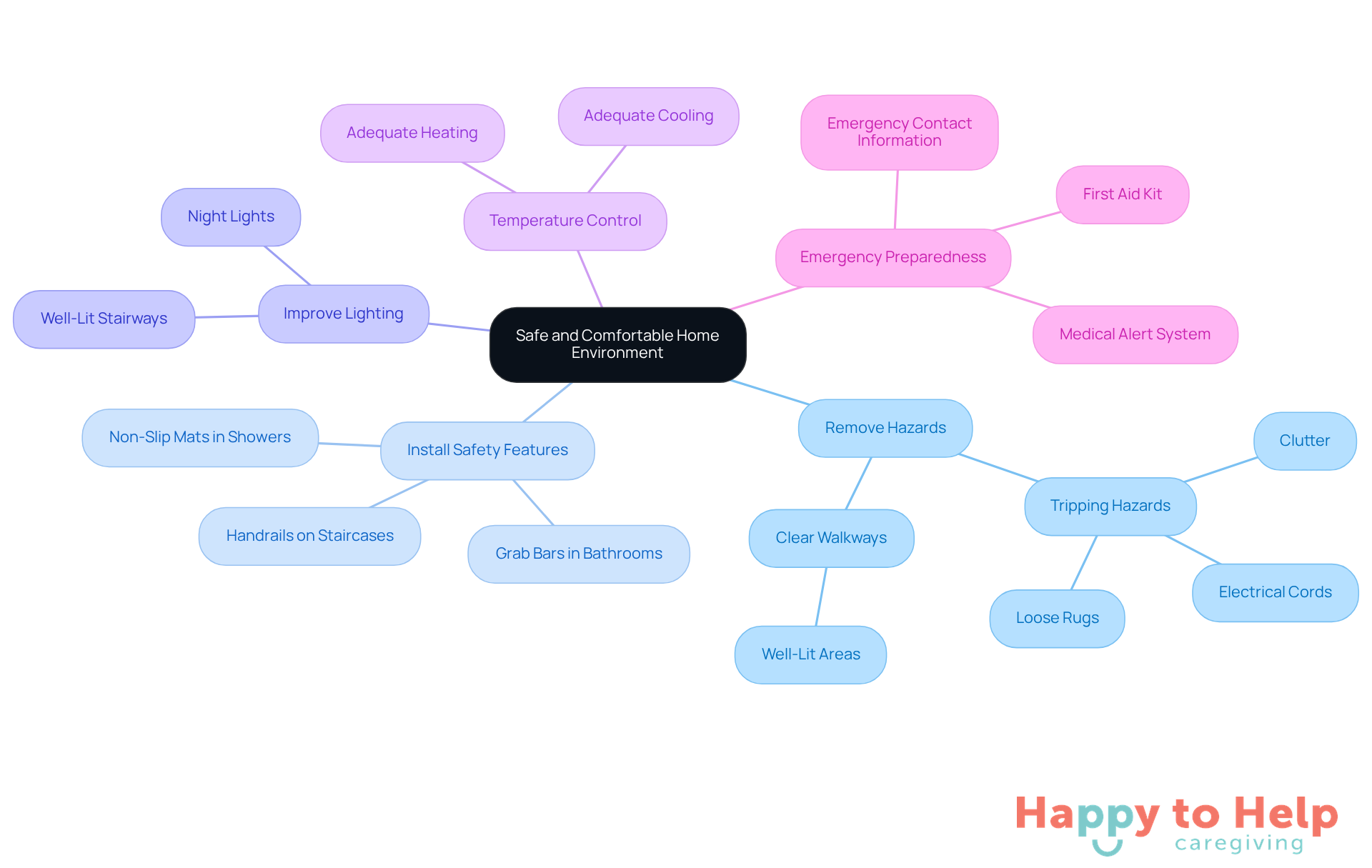
Creating a safe and comfortable home environment is essential for caregivers involved in helping the elderly in their homes Savannah GA and their loved ones. It is crucial to address hazards in the home proactively, especially when helping the elderly in their homes Savannah GA to prevent accidents and injuries.
-
Remove Hazards: Tripping hazards like loose rugs, clutter, and electrical cords can pose significant risks. To prevent falls, it is important to ensure that walkways are clear and well-lit, especially when helping the elderly in their homes Savannah GA.
-
Installing safety features like grab bars in bathrooms, handrails on staircases, and non-slip mats in the shower is essential for helping the elderly in their homes Savannah GA, as it greatly reduces the risk of falls and provides peace of mind for caregivers.
-
Improve Lighting: Proper lighting is vital. Ensure all areas of the home, especially stairways and hallways, are well-lit. Consider using night lights for safe navigation during the night.
-
Temperature Control: Maintaining a comfortable temperature is important, particularly for those with health conditions. Ensure the home is adequately heated or cooled to promote well-being.
Emergency preparedness is crucial for helping the elderly in their homes in Savannah, GA, by ensuring their homes are equipped with essential safety measures, including emergency contact information, a first aid kit, and a medical alert system. These tools can enhance safety and provide reassurance for caregivers.
Provide Daily Living Assistance and Companionship
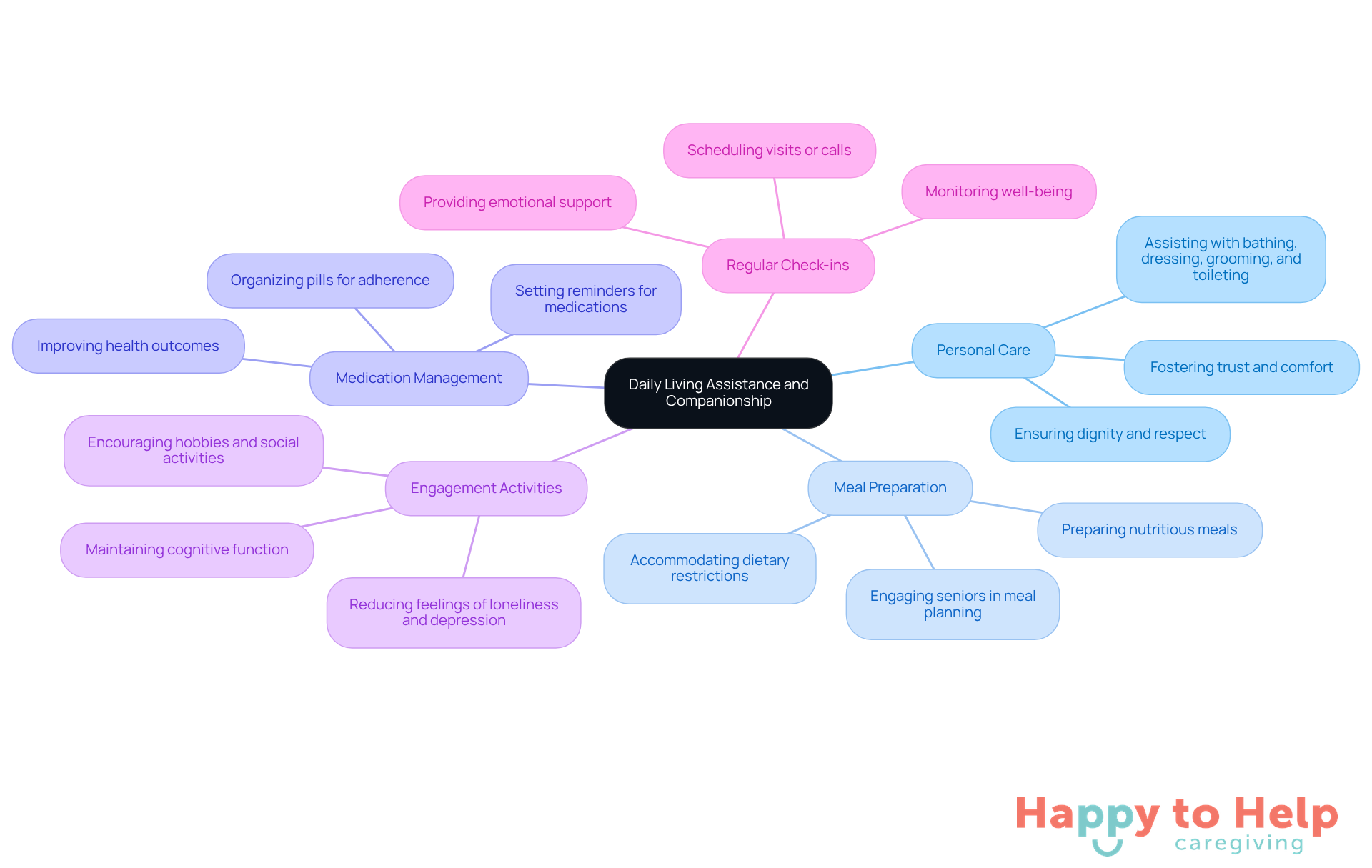
Caregivers face several challenges that can impact the quality of care while helping the elderly in their homes Savannah GA by providing daily living assistance and companionship for seniors. Here are some strategies to address these issues:
-
Personal Care: One significant challenge is assisting with personal care tasks such as bathing, dressing, grooming, and toileting. Ensuring dignity and respect during these activities fosters trust and comfort, which are essential for emotional well-being.
-
Meal Preparation: Another concern is meal preparation. Seniors often have dietary restrictions and preferences, making it crucial to prepare nutritious meals that encourage healthy eating habits. Research shows that seniors prefer meals that are not only healthy but also familiar and comforting. Engaging them in meal planning enhances their sense of control and satisfaction. Nutritionists emphasize that meals should be tailored to meet the specific dietary needs of elderly individuals, ensuring they receive essential nutrients for optimal health.
-
Medication Management: Medication management is also a critical area where caregivers can provide support. Setting reminders or organizing pills helps seniors adhere to prescribed regimens. Studies indicate that seniors who receive assistance with medication management experience better health outcomes and fewer hospitalizations.
-
Engagement Activities: Encouraging participation in hobbies, social activities, or outings is vital for fostering social connections and mental stimulation. Companion care significantly reduces feelings of loneliness and depression, which are common among seniors. Regular social interaction is essential for maintaining cognitive function and emotional health. Research highlights that chronic loneliness can shorten life expectancy, underscoring the importance of consistent companionship.
-
Regular Check-ins: Lastly, scheduling regular visits or calls can provide companionship and monitor well-being. This consistent support alleviates feelings of isolation and enhances overall quality of life, as seniors feel valued and connected. Geriatric specialists stress that emotional support is crucial for seniors living independently, reinforcing the need for regular check-ins.
By focusing on these strategies, caregivers can create a supportive environment that promotes independence while helping the elderly in their homes Savannah GA and improves the lives of older adults.
Communicate Effectively with Family and Caregivers
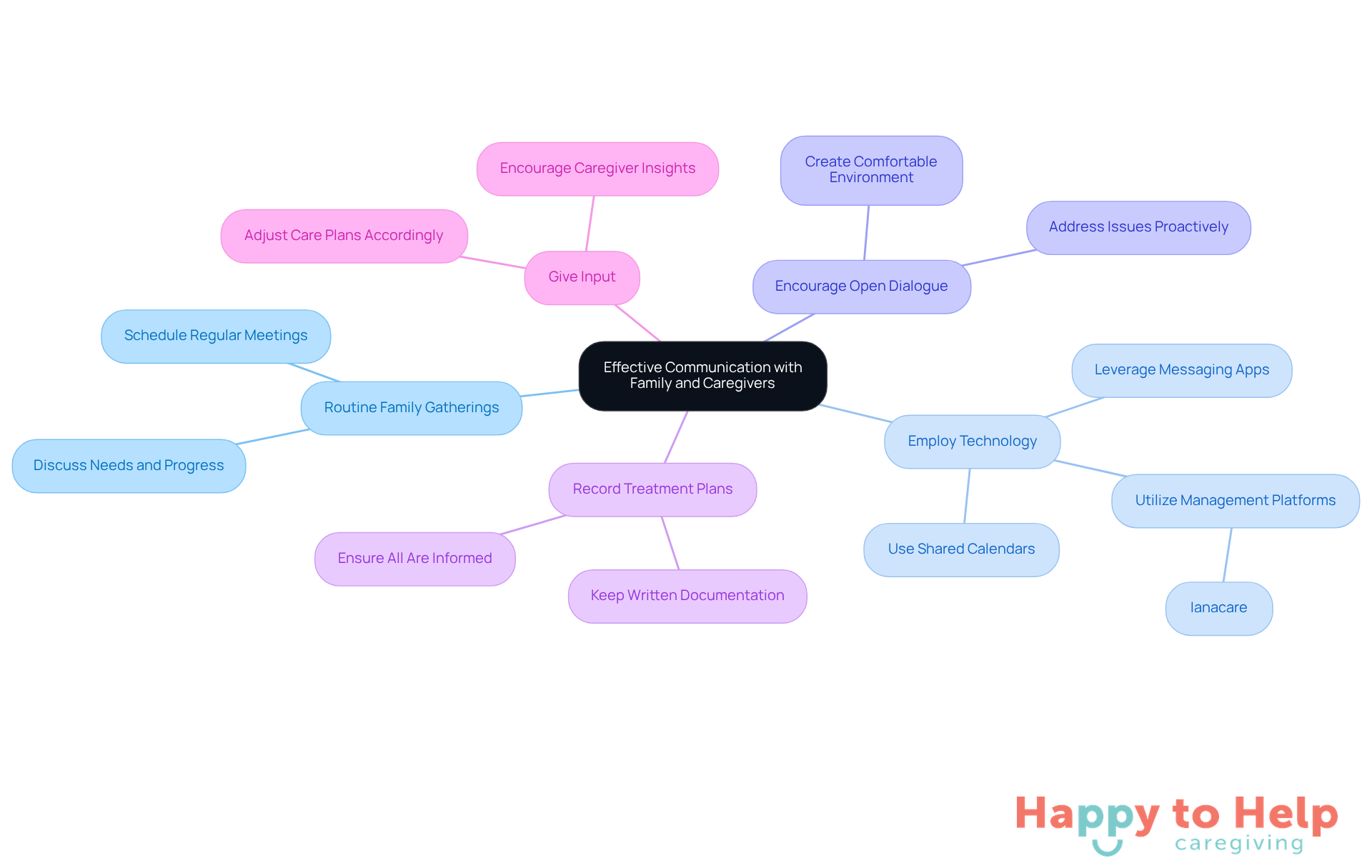
Effective communication with family and caregivers is crucial for helping the elderly in their homes Savannah GA to receive quality support. However, many caregivers face challenges in coordinating care and sharing important information. This can lead to misunderstandings and gaps in support, ultimately affecting the well-being of the elderly person.
To address these issues, consider the following strategies:
-
Routine Family Gatherings: Schedule regular meetings to discuss the elderly person's needs, progress, and any changes in their condition. Recent data shows that the number of family supporters in the U.S. rose from 18.2 million to 24.1 million between 2011 and 2022, underscoring the importance of effective communication strategies in caregiving.
-
Employ Technology: Leverage communication tools like shared calendars, messaging apps, or management platforms such as Ianacare. These technologies facilitate real-time updates and help coordinate schedules, making it easier for family members and support providers to stay connected.
-
Encourage Open Dialogue: Create an environment where family members feel comfortable voicing concerns and suggestions about the support provided. As one caregiver noted, "Regular meetings have helped us address issues before they become problems, ensuring everyone is on the same page."
-
Record Treatment Plans: Keep written documentation of treatment plans, schedules, and any changes. This serves as a reference for all involved, ensuring everyone is informed about the support being provided.
-
Give Input: Encourage caregivers to share their insights on the assistance offered. This practice allows for continuous improvement and adjustments to the care plan, ensuring it remains effective and responsive to the elderly person's evolving needs.
By incorporating these strategies for helping the elderly in their homes Savannah GA, you can enhance communication and strengthen the support network around elderly individuals, which ultimately improves their quality of life.
Your Path Forward
Helping the elderly in their homes presents a significant challenge that requires careful consideration of their health, safety, and emotional well-being. As the population of elderly individuals continues to grow, the implications of inadequate care become increasingly serious. Caregivers face the daunting task of addressing the unique needs of seniors, which can often lead to feelings of overwhelm and uncertainty.
To tackle these challenges effectively, caregivers can implement several key strategies:
- Conducting thorough needs assessments is essential to understand the specific requirements of each individual.
- Developing personalized care plans ensures that the support provided is tailored to the unique circumstances of the elderly person.
- Creating safe home environments is also crucial, as it minimizes risks and promotes independence.
- Providing daily living assistance and fostering effective communication among family and caregivers can significantly enhance the quality of care.
Each of these steps plays a vital role in delivering comprehensive support that not only meets the physical needs of seniors but also enriches their emotional and social well-being.
Ultimately, prioritizing safety, comfort, and connection is essential for caregivers. By taking action today, they can help ensure that seniors remain engaged and cared for in their own homes. This proactive approach not only enriches the lives of elderly individuals but also leads to a brighter, healthier future for those who have contributed so much to our communities.
https://iframe.tely.ai/cta/eyJhcnRpY2xlX2lkIjogIjY5MjBmZDQwNzJkZTk4NjA5OWQwYjBjNCIsICJjb21wYW55X2lkIjogIjY4ZWU1ZGNhNzMxNzYyNTU3ZjNjOTVjMSIsICJpbmRleCI6IG51bGwsICJ0eXBlIjogImFydGljbGUifQ==Frequently Asked Questions
What are the key areas to assess when evaluating the needs of an elderly individual?
Key areas to assess include health evaluation, mobility assessment, social needs, daily living activities, and environmental factors.
How can caregivers evaluate the health of an elderly person?
Caregivers should review the elderly person's medical history, current medications, and chronic conditions, and consider scheduling a visit with their healthcare provider for a thorough check-up.
What should caregivers observe during a mobility assessment?
Caregivers should observe the elderly person's ability to move around safely, noting any difficulties with walking, balance, or performing daily activities.
Why is it important to consider the social needs of the elderly?
Understanding social needs is important to assess their emotional well-being and to determine if they feel isolated or have friends or family nearby for support.
How can caregivers identify daily living activities that an elderly person struggles with?
Caregivers can identify these struggles by discussing daily tasks such as bathing, dressing, or cooking, and utilizing checklists or evaluation tools to record these requirements.
What environmental factors should be evaluated for the elderly individual's safety?
Caregivers should evaluate the living environment for safety hazards like stairs, clutter, or inadequate lighting to guide necessary modifications for a safer living space.
What are the first steps in developing a personalized care plan for an elderly individual?
The first steps include defining clear, achievable goals based on the individual's needs and identifying who will deliver support and manage specific tasks.
How important is consistency in a care plan for elderly individuals?
Consistency is crucial for building trust and ensuring comfort, which can lead to improved emotional well-being for the elderly individual.
What should be included in an emergency plan for elderly care?
An emergency plan should include protocols for medical issues or falls, detailing who to contact and what steps to take in case of an emergency.
Why is a review process important in a personalized care plan?
A review process is important to evaluate the effectiveness of the support plan and make adjustments based on the changing requirements of the elderly individual, ensuring the support remains relevant and efficient.
List of Sources
- Assess the Needs of the Elderly Individual
- AI must optimize home care, continuity, and early detection for older adults (https://news-medical.net/news/20251007/AI-must-optimize-home-care-continuity-and-early-detection-for-older-adults.aspx)
- Develop a Personalized Care Plan
- How Personalized Care Models Are Transforming Senior Living in 2025 (https://stpetersassistedliving.com/blog/how-personalized-care-models-are-revolutionizing-senior-living-in-2025)
- Home Care Impact on Recovery of Patient (A Statistics Report) (https://lovinghomecareinc.com/home-care-recovery-statistics)
- The Future of Private Home Care: What to Expect in 2025 (https://anodyne-services.com/2024/08/14/the-future-of-private-home-care-what-to-expect-in-2025)
- AI must optimize home care, continuity, and early detection for older adults (https://news-medical.net/news/20251007/AI-must-optimize-home-care-continuity-and-early-detection-for-older-adults.aspx)
- HealthFORCE, AAPA, and West Health Release “Aging Well with AI” – First in a Two-Part Series on AI and the Healthcare Workforce (https://aapa.org/news-central/2025/10/healthforce-aapa-and-west-health-release-aging-well-with-ai-first-in-a-two-part-series-on-ai-and-the-healthcare-workforce)
- Provide Daily Living Assistance and Companionship
- Companion Care Benefits for Seniors (https://careindeed.com/blogs/companion-care-benefits-for-seniors)
- Older adults find support through health care companions (https://news-medical.net/news/20250924/Older-adults-find-support-through-health-care-companions.aspx)
- Why Home Care Providers Are Increasingly Offering Companion Care Services for Seniors | Aaniie, formerly Smartcare Software (https://aaniie.com/news/why-home-care-providers-are-increasingly-offering-companion-care-services-for-seniors)
- 10 Benefits of Companionship Carers for Seniors' Well-Being - Happy To Help (https://happytohelpcaregiving.com/10-benefits-of-companionship-carers-for-seniors-well-being)
- Benefits of Companionship for Seniors (https://harmonyseniorservices.com/news-blog/benefits-of-companionship-for-seniors)
- Communicate Effectively with Family and Caregivers
- How AI Could Change Family Caregiving (https://aarp.org/caregiving/basics/how-ai-can-help-caregivers)
- Fact Sheet: Trends in Family Care for Older Americans (https://prb.org/resources/fact-sheet-trends-in-family-care-for-older-americans)
- Caregiver Statistics: Demographics (https://caregiver.org/resource/caregiver-statistics-demographics)
- Building a lifeline for family caregivers across the US (https://news.mit.edu/2025/ianacare-builds-lifeline-for-family-caregivers-across-us-0811)