

For families in our service areas
For families in our service areas, this guide explains home care and how non-medical in-home caregiving can support care planning in East Idaho, Treasure Valley & Magic Valley, Northern Wasatch, North Central West Virginia, and Northeast Ohio.
Understanding Choose Senior Home Care Services Near Me
Choosing the right senior home care services presents a significant challenge for many families. With countless options available, caregivers often find themselves overwhelmed by critical decisions that must be made. Understanding the unique needs and preferences of a loved one is essential, yet this complexity can lead to confusion and stress.
The implications of this challenge are profound. Caregivers may struggle to balance quality care with affordability, leading to anxiety about making the right choice. What if the services chosen do not meet the needs of their loved one? This uncertainty can weigh heavily on families, making the selection process feel like navigating a maze.
To address these challenges, this guide offers a structured approach to simplify the selection process. By focusing on reliable support tailored to specific circumstances, families can find peace of mind. Here, we will explore actionable tips and expert insights to help caregivers effectively navigate this journey.
Assess Individual Needs and Preferences
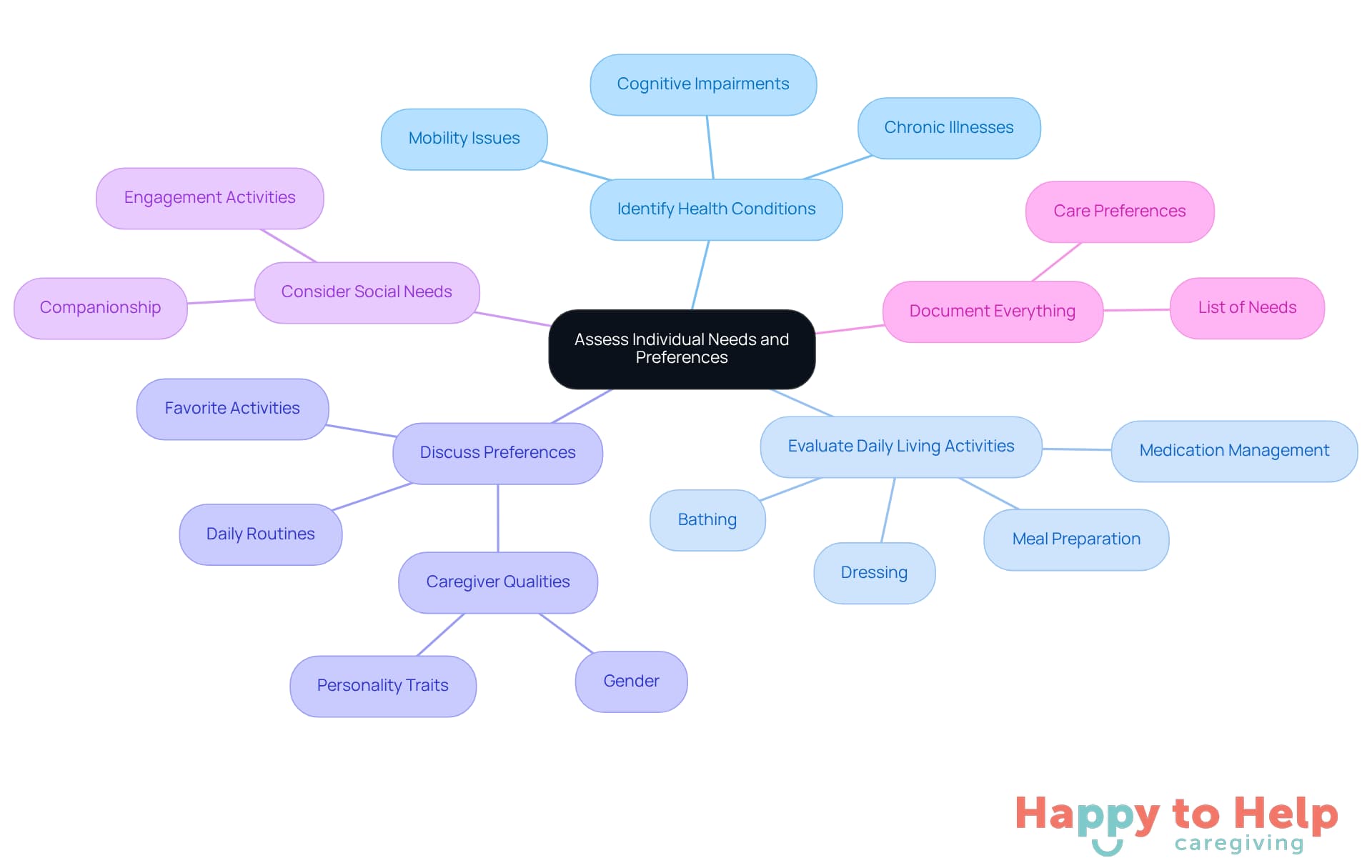
Identify Health Conditions: Caregivers often face the challenge of managing various health conditions. Start by listing any medical conditions or disabilities that require attention, such as chronic illnesses, mobility issues, or cognitive impairments.
Evaluate Daily Living Activities: Daily tasks can become overwhelming for those in need of care. Consider the activities your family member struggles with, including bathing, dressing, meal preparation, and medication management.
Discuss Preferences: Engaging your loved one in conversations about their care preferences is crucial. This includes understanding their daily routines, favorite activities, and specific caregiver qualities they value, such as gender or personality traits.
Consider Social Needs: Social isolation can significantly impact mental well-being, especially for seniors. Assess the social aspects of care, focusing on companionship and activities that promote engagement.
Document Everything: To streamline your search for appropriate care services, create a detailed list of needs and preferences. This documentation will serve as a valuable guide in finding the right support.
Research Local Home Care Providers
Problem: Finding reliable care agencies can be a daunting task for caregivers, especially when ensuring the safety and well-being of their loved ones.
Agitate: With so many options available, it’s crucial to navigate this landscape carefully. A lack of proper research can lead to choosing an agency that may not meet the necessary standards of care, putting your loved one at risk.
Solution: Here are some actionable steps to help you make an informed decision:
-
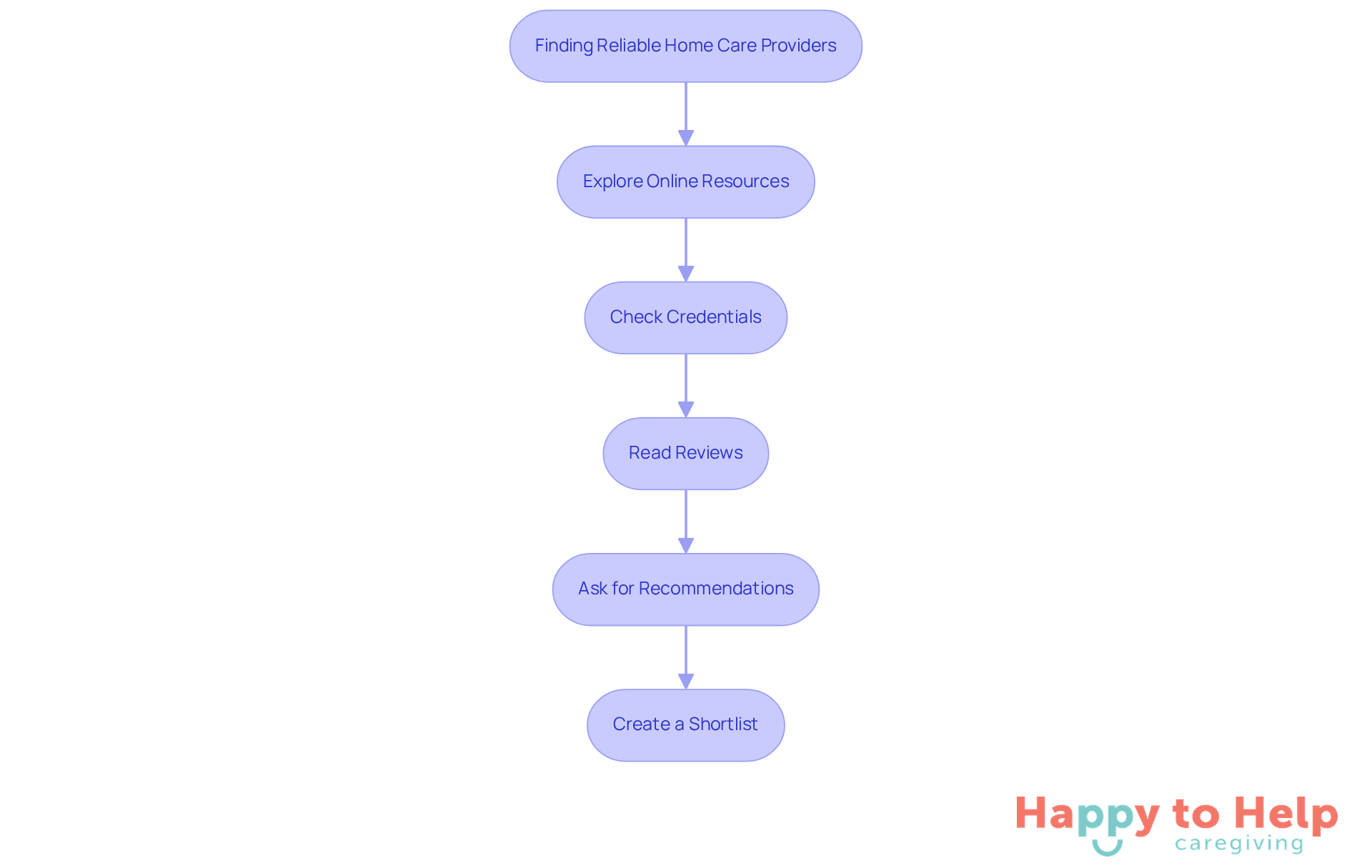
Explore online resources by checking online directories and review platforms to compile a list of senior home care services near me. Websites like AgingCare and CareScout offer valuable insights and can help you assess the reputation of various providers.
-
Check Credentials: Ensure that each agency is licensed and accredited by relevant state and national organizations. For instance, around 6,000 healthcare organizations in the U.S. are accredited by the Joint Commission, which guarantees they meet industry standards for care-essential for your loved one's safety.
-
Read Reviews: Look for client testimonials and reviews on platforms like Yelp or Google. Research shows that 91% of residential healthcare recipients are satisfied with their assistance, underscoring the importance of selecting a reputable agency. Pay close attention to feedback regarding caregiver quality, reliability, and overall satisfaction.
-
Ask for Recommendations: Don’t hesitate to reach out to healthcare professionals, friends, or family members who have experience with home care services. Personal recommendations can lead you to trustworthy options for senior home care services near me and offer insights into the quality of care provided by specific agencies.
-
Create a Shortlist: After your research, compile a shortlist of potential providers that align with your loved one's needs. This focused approach will streamline your decision-making process and help ensure you choose a provider capable of delivering the necessary support.
Evaluate Caregiver Qualifications and Compatibility
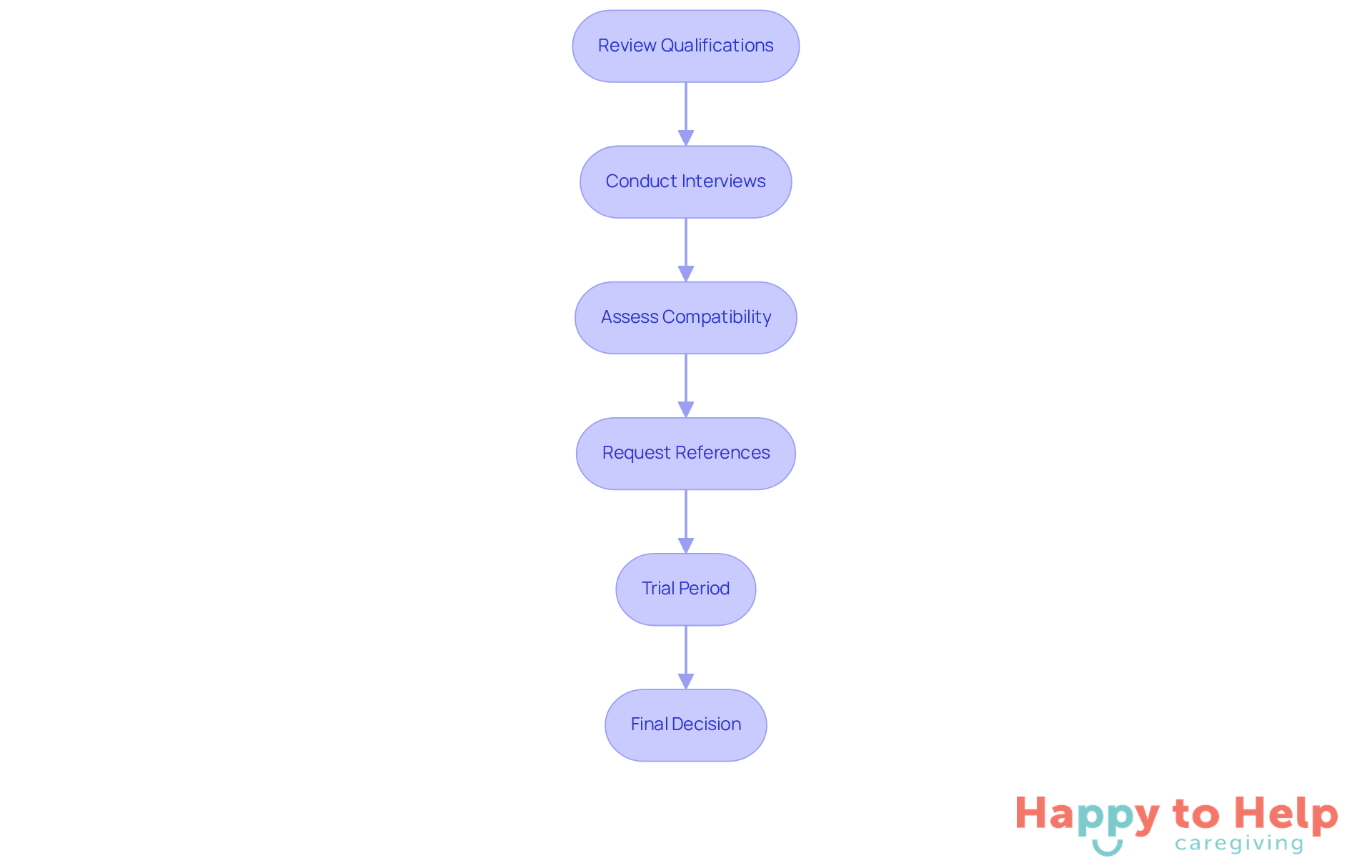
Review Qualifications: Begin by verifying the individual's certifications, training, and experience. Look for credentials such as Certified Nursing Assistant (CNA) or Home Health Aide (HHA), which indicate a foundational level of training in providing care. It's important to note that only 22% of those providing care receive formal training, underscoring the necessity of confirming qualifications during this review process.
Conduct Interviews: Arrange discussions with prospective support providers to talk about their experience and approach to care. Prepare targeted questions that explore how they handle specific situations, such as managing emergencies or addressing the unique needs of seniors with chronic conditions. Dr. Colleen M. Richardson stresses that in-person home visits enable staff to properly evaluate providers and suggest additional supports, highlighting the significance of comprehensive assessments.
Assess Compatibility: Evaluate the provider's personality and communication style. A suitable provider can significantly improve your loved one's comfort and overall assistance experience, fostering a trusting relationship that is essential for effective care.
Request References: Ask for references from previous clients or employers. This step is essential for gaining insights into the provider's reliability, professionalism, and the quality of care they offer, assisting you in making a more informed decision. Additionally, many states have specific regulatory requirements for background checks on those providing care, which can further ensure the safety and appropriateness of the provider.
Trial Period: If possible, organize a trial period for the provider to assist your loved one. This allows both sides to evaluate compatibility and comfort levels prior to engaging in a long-term agreement, ensuring that the provider meets your family’s requirements.
Understand Costs and Payment Options
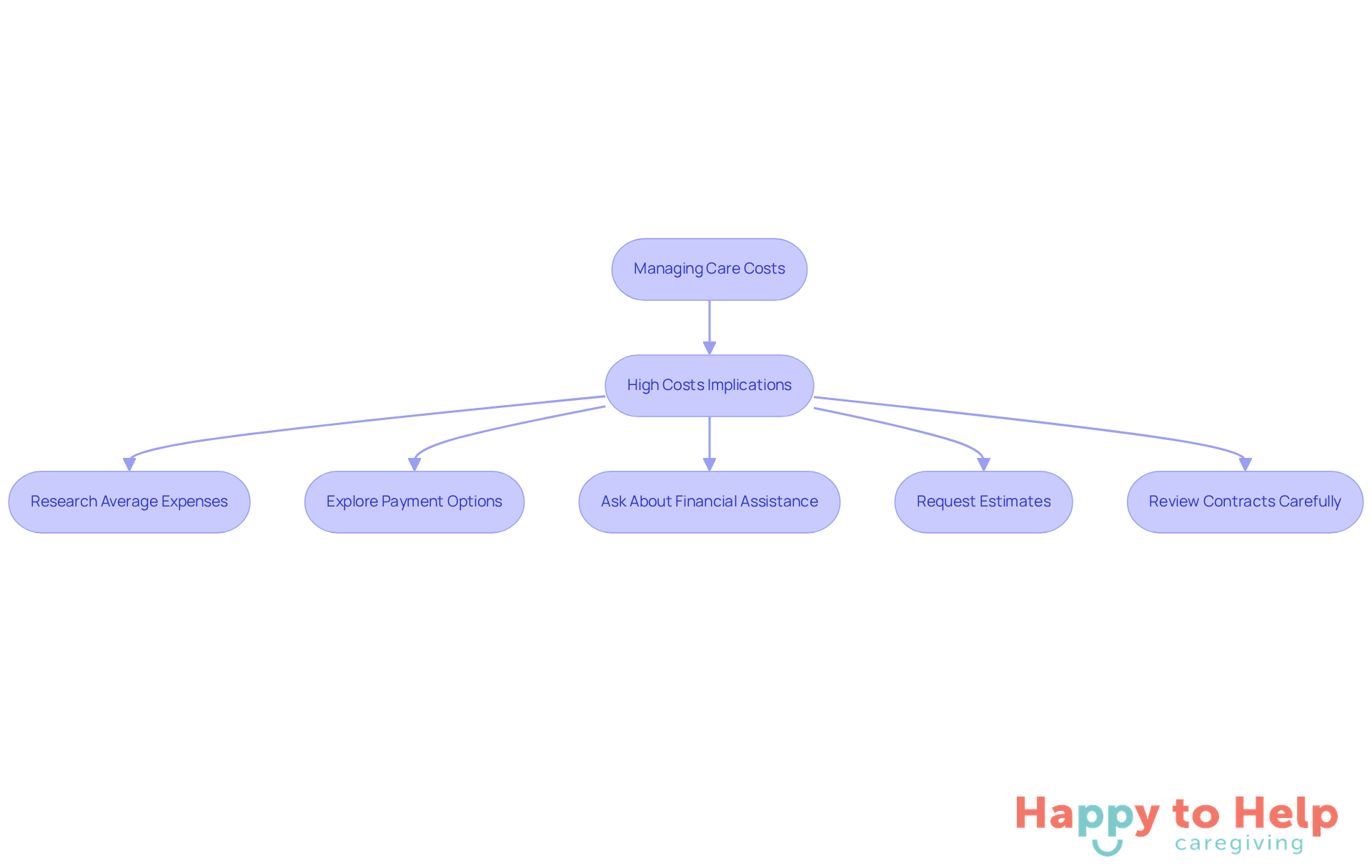
Problem: Managing Care Costs
Caregivers often face the challenge of navigating the costs associated with domestic care services. These expenses can vary significantly based on location, type of care, and level of service, making it crucial to understand the financial landscape.
Agitate: The Implications of High Costs
High care costs can place a significant burden on families, especially those with limited financial resources. This can lead to stress and uncertainty about how to provide the necessary support for loved ones.
Solution: Practical Steps to Manage Expenses
- Research the average expenses of senior home care services near me by investigating the average costs of domestic care services in your area.
- Explore Payment Options: Familiarize yourself with different payment methods, including private pay, long-term care insurance, and Medicaid. Each option has specific eligibility requirements and coverage details.
- Ask About Financial Assistance: Inquire with local agencies about financial assistance programs that may be available to help cover costs, especially for low-income families.
- I am looking for senior home care services near me. Request detailed estimates from potential providers of senior home care services near me, including any additional fees for services such as transportation or specialized care.
- Review Contracts Carefully: Before signing any agreements, carefully review the contract terms, including cancellation policies and payment schedules.
Make the Final Decision and Initiate Care
-
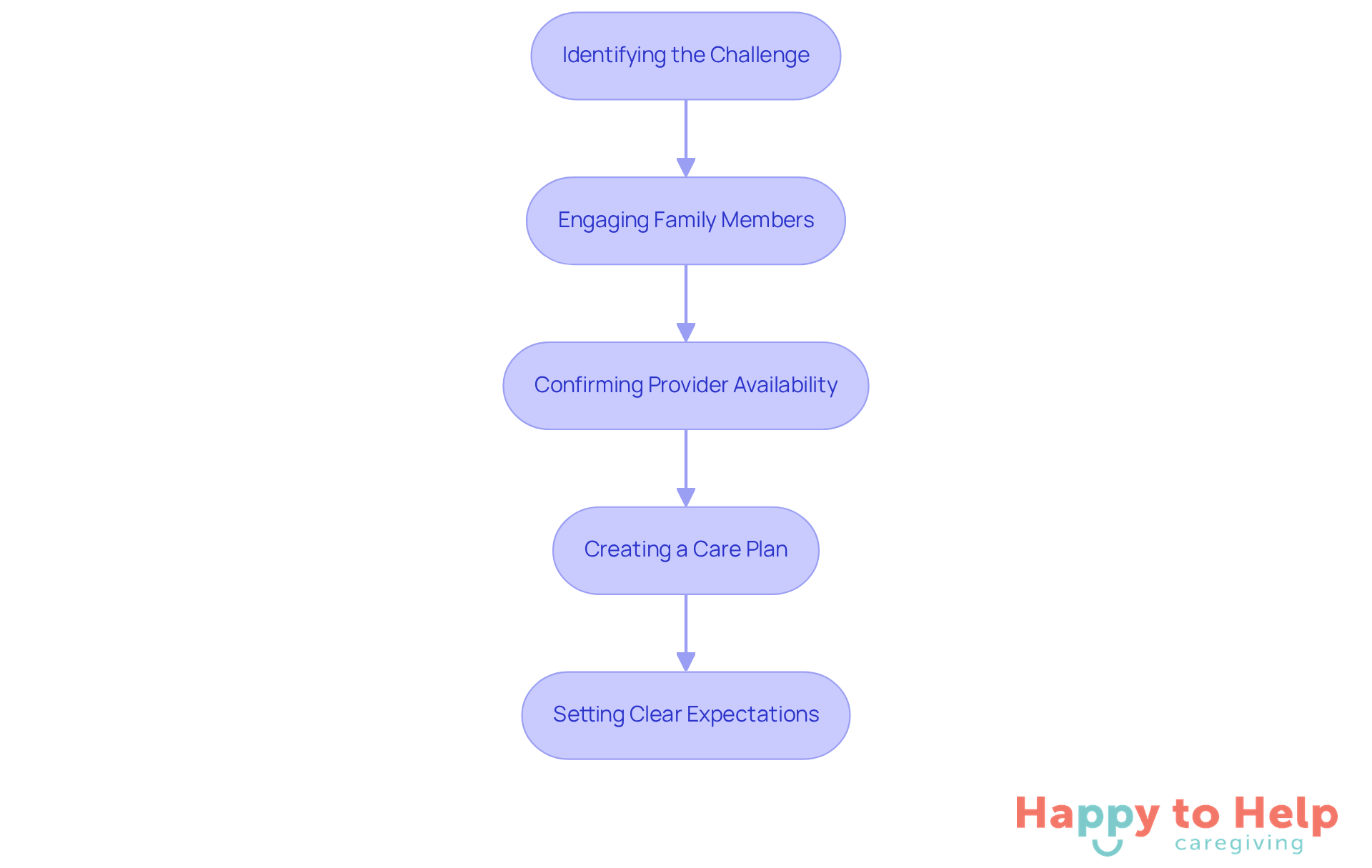
Identifying the Challenge: Caregivers often struggle with the overwhelming task of selecting the right senior home care services near me. This decision involves examining various factors such as provider qualifications, costs, and compatibility with the family member's needs regarding senior home care services near me.
-
Engaging Family Members: It's crucial to consult with family members involved in the caregiving process. Discussing the final decision ensures that everyone is comfortable and aligned with the choice, fostering a supportive environment.
-
Confirming provider availability: Once a provider is chosen, reach out to the selected senior home care services near me. Confirm the attendant's availability and finalize the service agreement to ensure a smooth transition into care.
-
Creating a Care Plan: Collaborate with the agency to develop a personalized care plan. This plan should outline specific services, schedules, and goals tailored to your loved one’s needs, ensuring clarity in care delivery.
-
Setting Clear Expectations: Effective communication is key. Clearly articulate expectations with both the caregiver and the agency, ensuring that everyone understands the care plan and any specific needs or preferences. This step is vital for maintaining a high standard of care.
Your Path Forward
Choosing the right senior home care services can be a daunting task for caregivers. The implications of this decision are significant, as it directly affects the well-being of loved ones. Without proper guidance, caregivers may feel overwhelmed by the multitude of options available, leading to confusion and uncertainty.
To navigate this complex landscape, caregivers should take a structured approach. Start by assessing the specific health and social needs of your loved one. Research local providers thoroughly, evaluating their qualifications and services. Understanding the costs involved is also crucial, as it helps in making an informed choice that aligns with your budget.
Engaging family members in this process is essential. Clear communication with chosen caregivers fosters a supportive environment and enhances the quality of care. Remember, the well-being of seniors hinges on the decisions made during this process. By taking the time to assess needs, evaluate options, and communicate effectively, caregivers can create a positive caregiving experience.
Ultimately, embracing these steps with diligence can significantly improve the quality of life for seniors. Caregivers are encouraged to follow this guide, ensuring that their loved ones receive the appropriate support tailored to their individual needs.
https://iframe.tely.ai/cta/eyJhcnRpY2xlX2lkIjogIjY5NDFmMzYxMTZmMjZkMjQ4NTRmZDJlYSIsICJjb21wYW55X2lkIjogIjY4ZWU1ZGNhNzMxNzYyNTU3ZjNjOTVjMSIsICJpbmRleCI6IG51bGwsICJ0eXBlIjogImFydGljbGUifQ==Frequently Asked Questions
What should caregivers assess when considering care for their loved ones?
Caregivers should assess individual needs and preferences, including identifying health conditions, evaluating daily living activities, discussing care preferences, considering social needs, and documenting everything for future reference.
Why is it important to identify health conditions?
Identifying health conditions is crucial as it helps caregivers understand the specific medical needs that require attention, such as chronic illnesses, mobility issues, or cognitive impairments.
How can caregivers evaluate daily living activities?
Caregivers can evaluate daily living activities by considering tasks their loved ones struggle with, such as bathing, dressing, meal preparation, and medication management.
What role do preferences play in caregiving?
Engaging loved ones in conversations about their care preferences is important to understand their daily routines, favorite activities, and specific caregiver qualities they value, such as gender or personality traits.
How can social needs impact caregiving?
Social isolation can negatively affect mental well-being, particularly for seniors, so assessing social needs and ensuring companionship and engagement activities are part of the care plan is essential.
What steps should caregivers take when researching local home care providers?
Caregivers should explore online resources, check credentials, read reviews, ask for recommendations, and create a shortlist of potential providers that meet their loved one's needs.
What online resources can help in finding home care services?
Websites like AgingCare and CareScout provide valuable insights and help assess the reputation of various senior home care services.
Why is it important to check the credentials of home care agencies?
Ensuring that agencies are licensed and accredited by relevant organizations, such as the Joint Commission, is essential for guaranteeing they meet industry standards for care and ensuring the safety of loved ones.
How can reviews influence the decision-making process for caregivers?
Reading client testimonials and reviews on platforms like Yelp or Google can provide insights into caregiver quality, reliability, and overall satisfaction, helping caregivers make informed choices.
What should caregivers do after conducting research on home care providers?
After researching, caregivers should compile a shortlist of potential providers that align with their loved one's needs to streamline the decision-making process.
List of Sources
- Assess Individual Needs and Preferences
- New Study Finds That While Aging Seniors Prefer In-Home Care, Most Are Critically Underprepared for Future Healthcare Needs | Cross Country Healthcare, Inc. (https://ir.crosscountry.com/news-releases/news-release-details/new-study-finds-while-aging-seniors-prefer-home-care-most-are)
- What to Expect During a Home Care Evaluation for Seniors (https://firstlighthomecare.com/blog/home-care-evaluation)
- Families Prefer In-Home Care To Senior Living – Yet Struggle To Identify Needed Support (https://homehealthcarenews.com/2025/11/families-prefer-in-home-care-to-senior-living-yet-struggle-to-identify-needed-support)
- Aging in Place: Growing Older at Home (https://nia.nih.gov/health/aging-place/aging-place-growing-older-home)
- Older adults prioritize social activities, inclusiveness in massive survey assessing what matters most to them (https://mcknights.com/news/older-adults-prioritize-social-activities-inclusiveness-in-massive-survey-assessing-what-matters-most-to-them)
- Research Local Home Care Providers
- Find Quality Homecare Near Me: A Step-by-Step Guide for Caregivers - Happy To Help (https://happytohelpcaregiving.com/find-quality-homecare-near-me-a-step-by-step-guide-for-caregivers)
- 15 Effective Home Care Referral Sources (https://careacademy.com/blog/home-health-care-referrals)
- FastStats (https://cdc.gov/nchs/fastats/home-health-care.htm)
- 7 Best Places to Find Caregivers for Home Care | Aaniie, formerly Smartcare Software (https://aaniie.com/news/7-best-places-to-find-caregivers-for-home-care)
- FAQ: How can I find someone to help care for my family member at home? (https://caregiver.org/faq/how-can-i-find-someone-to-help-care-for-my-family-member-at-home)
- Evaluate Caregiver Qualifications and Compatibility
- Caregiver Statistics: Work and Caregiving (https://caregiver.org/resource/caregiver-statistics-work-and-caregiving)
- News for family caregivers - VA News (https://news.va.gov/118374/news-for-family-caregivers)
- The Case For Stronger Caregiver Vetting In Home Care (https://homehealthcarenews.com/2024/10/the-case-for-stronger-caregiver-vetting-in-home-care)
- Caregiving in the US 2025 (https://aarp.org/pri/topics/ltss/family-caregiving/caregiving-in-the-us-2025)
- 2025 home care trends include tightened EVV oversight, investments in caregiver training (https://mcknightshomecare.com/2025-home-care-trends-include-tightened-evv-oversight-investments-in-caregiver-training)
- Understand Costs and Payment Options
- How to Pay for Home Care (https://aplaceformom.com/caregiver-resources/articles/pay-for-home-care)
- Home Care Costs in 2025: A State-by-State Guide (https://aplaceformom.com/caregiver-resources/articles/in-home-care-costs)
- How Much Does In-Home Care Cost and How to Pay for It (https://health.usnews.com/senior-care/caregiving/articles/how-much-do-in-home-caregivers-cost)
- How Much Does In-Home Care Cost in 2025? A State-by-State Guide - Elder Answers (https://elder-answers.com/how-does-in-home-care-cost-in-2025)
- Payment Rates for Medicaid Home Care: States’ Responses to Workforce Challenges | KFF (https://kff.org/medicaid/payment-rates-for-medicaid-home-care-states-responses-to-workforce-challenges)
- Make the Final Decision and Initiate Care
- ‘Doesn’t Cure The Illness’: Home Health Community Reacts To Medicare Final Rule (https://homehealthcarenews.com/2025/12/doesnt-cure-the-illness-home-health-community-reacts-to-medicare-final-rule)
- CMS Releases 2025 Home Health Final Rule & Quality Update (https://healthcareprovidersolutions.com/home-health-final-rule)
- Home & Community Based Services Final Regulation | Medicaid (https://medicaid.gov/medicaid/home-community-based-services/guidance/home-community-based-services-final-regulation)
- Calendar Year (CY) 2026 Home Health Prospective Payment System Final Rule (CMS-1828-F) | CMS (https://cms.gov/newsroom/fact-sheets/calendar-year-cy-2026-home-health-prospective-payment-system-final-rule-cms-1828-f)
- Family Caregivers Deserve to be a Valued Part of the Healthcare Continuum - MedCity News (https://medcitynews.com/2024/11/family-caregivers-deserve-to-be-a-valued-part-of-the-healthcare-continuum)