Comparing GPS Trackers for Elderly with Dementia: Key Insights

For families in our service areas
For families in our service areas, this guide explains dementia care and how non-medical in-home caregiving can support care planning in East Idaho, Treasure Valley & Magic Valley, Northern Wasatch, North Central West Virginia & Southwestern Pennsylvania, and Northeast Ohio.
Understanding Comparing GPS Trackers for Elderly with
Caring for individuals with dementia presents profound challenges, particularly regarding the risk of wandering. Studies show that up to 60% of dementia patients may wander, creating a daunting task for caregivers who must ensure safety while also preserving a sense of independence for their loved ones.
This article explores GPS trackers specifically designed for the elderly with dementia, highlighting their critical features and benefits. Caregivers often find themselves navigating a myriad of options, seeking the best GPS tracker that balances safety, usability, and cost-effectiveness.
Understanding the importance of these tools can empower caregivers to make informed decisions, ultimately enhancing the quality of life for both themselves and their loved ones.
Overview of GPS Trackers for Dementia Care
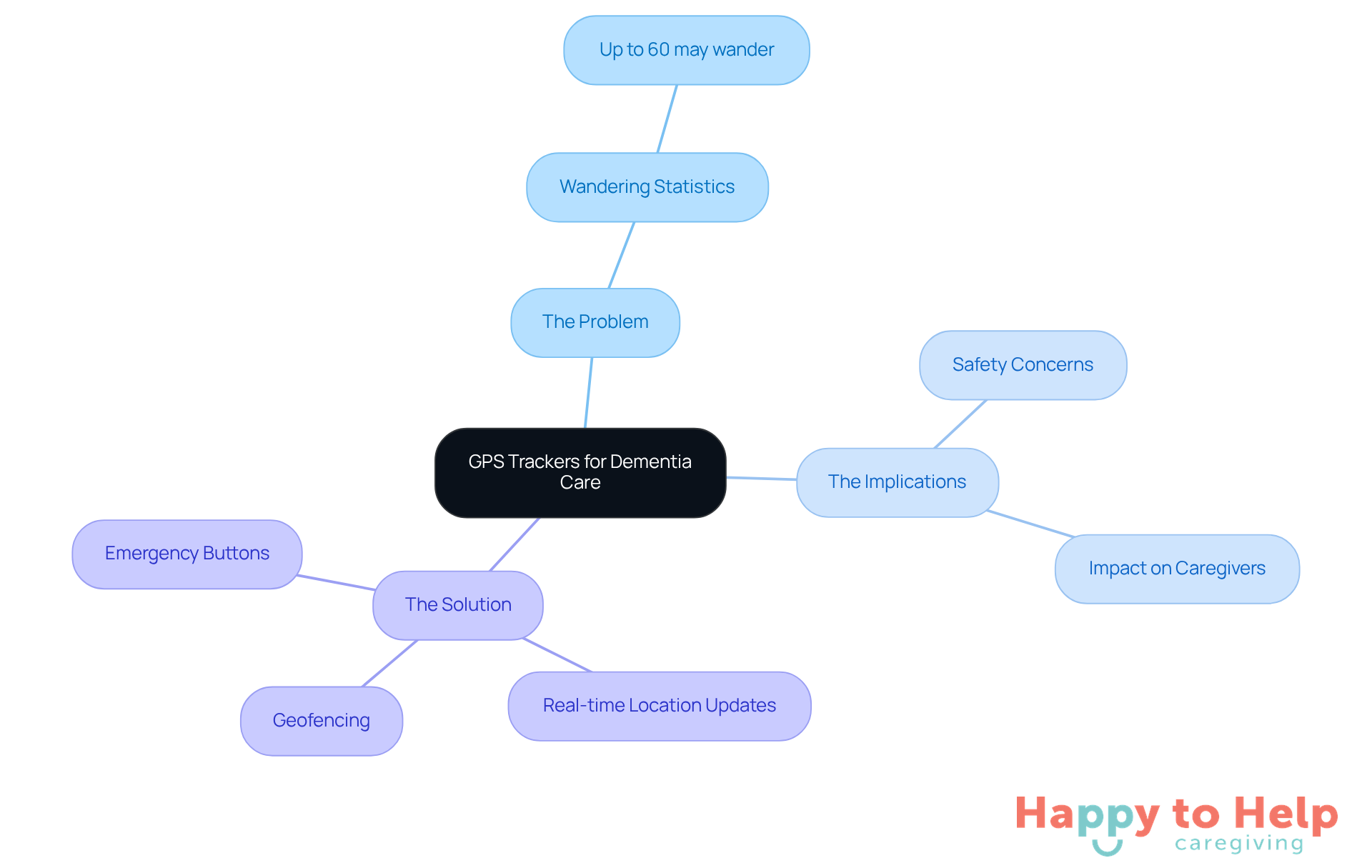
The Problem: Individuals with dementia often wander, posing significant challenges for caregivers. Studies show that up to 60% of people with dementia may wander at some point, leading to safety concerns and increased anxiety for their loved ones.
The Implications: Wandering can result in dangerous situations, making it crucial for caregivers to have effective tools to monitor their loved ones. The fear of losing track of someone with cognitive impairments can be overwhelming, impacting both the individual and their support network.
The solution is a GPS tracker for elderly with dementia, which is a vital tool that enables guardians to oversee the locations of individuals with cognitive impairments. These devices serve as a GPS tracker for elderly with dementia by utilizing advanced GPS technology to provide real-time location updates, allowing caregivers to quickly find their loved ones if they wander. Many models come equipped with geofencing capabilities, sending alerts when the individual exits a designated safe zone. Additionally, emergency buttons offer immediate assistance when needed.
This incorporation of technology not only enhances safety but also fosters a sense of independence for users, enabling them to engage in outdoor activities with less worry for their caregivers. Real-world applications, such as the L.A. Found program, demonstrate the effectiveness of GPS devices in safeguarding vulnerable individuals, having successfully located numerous missing persons.
Overall, a GPS tracker for elderly with dementia is an essential instrument in dementia support, providing reassurance for families and supporters while enhancing the well-being of those they assist.
Comparison Criteria for Evaluating GPS Trackers
When it comes to caring for dementia patients, finding the right GPS tracker can be a daunting task. Caregivers often face the challenge of ensuring the safety and well-being of their loved ones while navigating the complexities of technology. To make an informed choice, several key criteria should be considered:
- Accuracy: The precision of location tracking is paramount. Devices should provide real-time updates with minimal lag.
- Battery Life: Long-lasting battery life is crucial to ensure the device remains operational throughout the day without frequent recharging.
- Ease of Use: The device should be user-friendly, featuring simple interfaces for both the user and support personnel.
- Durability: Given that many users may be prone to dropping or mishandling devices, a robust design is essential.
- Emergency Features: Look for devices that include SOS buttons or fall detection capabilities, which can notify guardians in critical situations.
- Subscription Costs: Many GPS devices require a monthly fee for data services; understanding these expenses is crucial for budgeting.
- Geofencing Capabilities: This feature enables guardians to establish safe zones and receive notifications if the user leaves these areas.
By evaluating these criteria, families can make informed choices about which GPS device best suits their needs, ultimately enhancing the safety and peace of mind for both caregivers and patients.

Side-by-Side Comparison of Leading GPS Tracker Models
Selecting the right GPS tracker for elderly with dementia can be a daunting task for caregivers. With various options available, it’s crucial to understand the key features that can significantly impact safety and peace of mind.
Caregivers often face the challenge of balancing accuracy, battery life, and cost. For instance, while AngelSense boasts very high accuracy and essential emergency features, it comes with a higher subscription cost of $39.99 per month. In contrast, Jiobit offers a more affordable option at $8.99 per month, making it a practical choice without sacrificing essential functionalities.
Here’s a quick overview of leading GPS trackers:
-
Model Name: Family1st
- Accuracy: High
- Battery Life: Up to 10 days
- Emergency Features: Yes
- Geofencing: Yes
- Subscription Cost: $29.99/month
-
Model Name: AngelSense
- Accuracy: Very High
- Battery Life: Up to 5 days
- Emergency Features: Yes
- Geofencing: Yes
- Subscription Cost: $39.99/month
-
Model Name: Jiobit
- Accuracy: High
- Battery Life: Up to 10 days
- Emergency Features: Yes
- Geofencing: Yes
- Subscription Cost: $8.99/month
-
Model Name: GPS SmartSole
- Accuracy: Moderate
- Battery Life: Up to 3 days
- Emergency Features: Yes
- Geofencing: No
- Subscription Cost: $35/month
-
Model Name: Theora Connect
- Accuracy: High
- Battery Life: Up to 7 days
- Emergency Features: Yes
- Geofencing: Yes
- Subscription Cost: $29.99/month
This overview summarizes the key features of these trackers, allowing caregivers to quickly assess which model aligns best with their needs. By understanding the trade-offs between features and costs, caregivers can make informed decisions about using a GPS tracker for elderly with dementia to enhance the safety and well-being of their loved ones.

Benefits of GPS Tracking for Dementia Patients
The Problem: Caregivers of dementia patients often face the distressing challenge of ensuring their loved ones' safety. One significant concern is the risk of patients becoming lost, which can lead to anxiety and potential harm.
The Agitation: This issue not only affects the patients but also weighs heavily on caregivers, who may feel helpless and overwhelmed. The fear of a loved one wandering off can create constant worry, making it difficult to focus on other aspects of care.
The Solution: Fortunately, a GPS tracker for elderly with dementia provides a practical solution to these challenges. Here are some key benefits:
- Enhanced Safety: GPS trackers significantly reduce the likelihood of patients getting lost, enabling caregivers to locate them quickly.
- Enhanced Independence: With the reassurance of tracking, patients can enjoy outdoor activities, fostering their autonomy and mental well-being.
- Peace of Mind for Supporters: Knowing they can monitor their loved ones' locations alleviates anxiety for caregivers, allowing them to concentrate on providing quality care.
- Emergency Response: Many devices include emergency features that alert guardians or emergency services in case of a fall or urgent situation.
- Data Insights: Some monitors provide valuable information on users' movements, helping caregivers understand patterns and adjust care strategies accordingly.
Overall, a GPS tracker for elderly with dementia serves as an essential resource in dementia care, enhancing safety, independence, and peace of mind for both patients and caregivers.

Your Path Forward
The integration of GPS trackers into the care of elderly individuals with dementia addresses a significant problem: wandering. This common challenge not only poses safety risks but also creates anxiety for caregivers. By utilizing GPS technology, caregivers can enhance the safety and independence of their loved ones, allowing them to engage in daily activities with greater confidence.
These devices provide real-time location updates and emergency features, enabling caregivers to respond swiftly to any situation. Selecting the right GPS tracker is crucial, and caregivers should consider factors such as:
- Accuracy
- Battery life
- Ease of use
- Cost
A side-by-side comparison of leading models reveals the trade-offs between features and affordability, helping caregivers make informed decisions that best suit their needs.
The benefits of GPS trackers extend beyond tracking; they promote autonomy for dementia patients and alleviate caregiver anxiety. Embracing this technology is not just about safety; it’s about enhancing the overall well-being of individuals living with dementia and their support networks. As caregivers navigate the complexities of dementia care, the right GPS tracker can be a vital ally in promoting peace of mind and independence.
Investing in these tools can significantly impact the lives of both patients and caregivers. Therefore, it is essential to consider their integration into dementia care strategies.
https://iframe.tely.ai/cta/eyJhcnRpY2xlX2lkIjogIjY5MmZiYWE4ODlkMmVhNjQzNGVjMGEzMiIsICJjb21wYW55X2lkIjogIjY4ZWU1ZGNhNzMxNzYyNTU3ZjNjOTVjMSIsICJpbmRleCI6IG51bGwsICJ0eXBlIjogImFydGljbGUifQ==Frequently Asked Questions
What challenges do individuals with dementia face regarding wandering?
Individuals with dementia often wander, which can pose significant challenges for caregivers. Studies indicate that up to 60% of people with dementia may wander at some point, leading to safety concerns and increased anxiety for their loved ones.
Why is wandering a concern for caregivers of individuals with dementia?
Wandering can result in dangerous situations, making it crucial for caregivers to have effective tools to monitor their loved ones. The fear of losing track of someone with cognitive impairments can be overwhelming, impacting both the individual and their support network.
How do GPS trackers assist in dementia care?
GPS trackers for elderly individuals with dementia enable guardians to oversee their locations by providing real-time location updates. This allows caregivers to quickly find their loved ones if they wander.
What features do GPS trackers for dementia typically have?
Many GPS trackers come equipped with geofencing capabilities, which send alerts when the individual exits a designated safe zone. Additionally, they often include emergency buttons for immediate assistance when needed.
What are the benefits of using GPS trackers for individuals with dementia?
The incorporation of GPS technology enhances safety and fosters a sense of independence for users, allowing them to engage in outdoor activities with less worry for their caregivers.
Are there real-world examples of GPS trackers being effective in dementia care?
Yes, programs like L.A. Found demonstrate the effectiveness of GPS devices in safeguarding vulnerable individuals, having successfully located numerous missing persons.
What overall role do GPS trackers play in dementia support?
GPS trackers are essential instruments in dementia support, providing reassurance for families and caregivers while enhancing the well-being of individuals with cognitive impairments.
List of Sources
- Overview of GPS Trackers for Dementia Care
- L.A. County Expands Tracking Program for Residents With Cognitive Disabilities (https://governing.com/resilience/l-a-county-expands-tracking-program-for-residents-with-cognitive-disabilities)
- L.A. County Launches New GPS Smartwatch to Protect Alzheimer’s and Autism Communities (https://bellflower.ca.gov/news_detail_T43_R444.php)
- Dementia GPS Tracker Market Report | Global Forecast From 2025 To 2033 (https://dataintelo.com/report/global-dementia-gps-tracker-market)
- L.A. County Launches New GPS Smartwatch to Protect Alzheimer’s and Autism Communities – COUNTY OF LOS ANGELES (https://lacounty.gov/2025/10/15/l-a-county-launches-new-gps-smartwatch-to-protect-alzheimers-and-autism-communities)
- Comparison Criteria for Evaluating GPS Trackers
- GPS devices can help caregivers of dementia patients | Medical Economics (https://medicaleconomics.com/view/gps-devices-can-help-caregivers-of-dementia-patients)
- Best Elderly GPS Tracker 2025 Guide: Keep Your Loved Ones Safe (https://tracki.com/blogs/post/elderly-gps-tracker-guide?srsltid=AfmBOooSxlftS_H8D5vehYHH1q8Wpjbc1elhw7lYsqrmeAZfphDFJ-0l)
- 11 Best GPS Trackers for Dementia Patients In 2025 (https://family1st.io/best-gps-trackers-for-dementia-patients)
- 5 Best GPS Trackers For Dementia Patients In 2025 (https://gpstracker247.com/blogs/gps-trackers/best-gps-trackers-for-dementia-patients)
- Side-by-Side Comparison of Leading GPS Tracker Models
- 11 Best GPS Trackers for Dementia Patients In 2025 (https://family1st.io/best-gps-trackers-for-dementia-patients)
- The Top GPS Trackers for Seniors in 2025: Features and Reviews - Space Coast Daily (https://spacecoastdaily.com/2025/01/the-top-gps-trackers-for-seniors-in-2025-features-and-reviews)
- 4 Best GPS Trackers for Dementia Patients (2025 Review) | SafeWise (https://safewise.com/best-gps-trackers-dementia-patients)
- 5 Best GPS Trackers For Dementia Patients In 2025 (https://gpstracker247.com/blogs/gps-trackers/best-gps-trackers-for-dementia-patients)
- Benefits of GPS Tracking for Dementia Patients
- GPS devices can help caregivers of dementia patients | Medical Economics (https://medicaleconomics.com/view/gps-devices-can-help-caregivers-of-dementia-patients)
- Is GPS Tracking For Seniors Worth It? The Pros & Cons (https://trualta.com/resources/blog/is-gps-tracking-for-seniors-worth-it-the-pros-cons)
- Comparing GPS for Alzheimer's Patients: Key Features and Benefits - Happy To Help (https://happytohelpcaregiving.com/comparing-gps-for-alzheimers-patients-key-features-and-benefits)
- Why a GPS Tracker is Essential for Ensuring the Safety of Dementia Pat (https://smartmedalert.com/blogs/news/why-a-gps-tracker-is-essential-for-ensuring-the-safety-of-dementia-patients?srsltid=AfmBOopRgQm1_kaoI_Pm8sbvI3jgNlncBplOdfb2XqIsiL_pucwrAr7D)
- How GPS Trackers Help Alzheimer Patients | Family1st (https://family1st.io/how-gps-trackers-help-alzheimers-patients)