Comparing Independent Living Aids for Seniors: A Caregiver's

For families in our service areas
For families in our service areas, this guide explains caregiver support and how non-medical in-home caregiving can support care planning in East Idaho, Treasure Valley & Magic Valley, Northern Wasatch, North Central West Virginia & Southwestern Pennsylvania, and Northeast Ohio.
Why Comparing Independent Living Aids Matters
Many elderly individuals face the challenge of maintaining independence at home, which can significantly impact their quality of life. This situation often leaves caregivers feeling overwhelmed as they search for effective independent living aids. These tools are essential for promoting safety and autonomy for seniors, yet the multitude of options can be daunting.
What are the best choices available? Caregivers need to navigate this landscape carefully to ensure their loved ones thrive. This article explores essential aids that enhance mobility, personal care, and overall well-being. By equipping caregivers with the right knowledge, we aim to help them make informed decisions that foster independence and improve the quality of life for seniors.
Understanding Independent Living Aids for Seniors
Many elderly individuals face challenges in maintaining their independence at home. This can lead to a decreased quality of life and an increased risk of accidents or injuries. Caregivers often struggle to find effective solutions that allow their loved ones to live safely and autonomously.
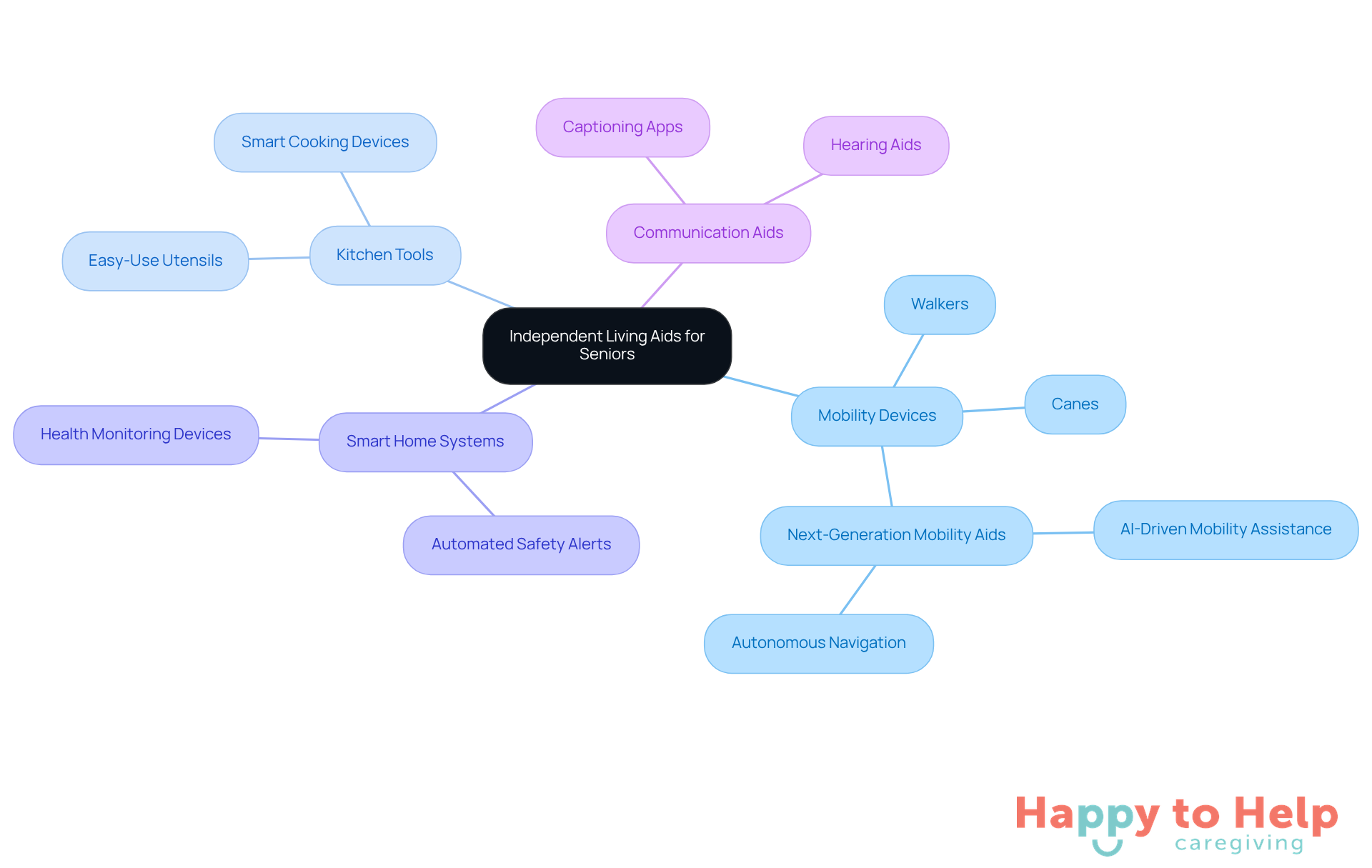
To address these issues, it’s essential to understand the various independent living aids for seniors that are available. The following aids can significantly enhance mobility and daily living:
- Mobility devices like walkers and canes
- Kitchen tools designed for ease of use
By incorporating independent living aids for seniors into daily routines, caregivers can assist their loved ones in maintaining their dignity and independence.
Ultimately, the goal of these supports is to improve the overall quality of life for elderly individuals. By recognizing the importance of independence and safety, caregivers can make informed decisions that empower their loved ones to thrive at home.
Categories of Independent Living Aids
Independent living aids for seniors are essential for enhancing the autonomy and quality of life for elderly individuals. Caregivers often face the challenge of ensuring their loved ones maintain independence while also staying safe. This can be daunting, as the risk of accidents and health issues increases with age. However, by utilizing independent living aids for seniors, caregivers can significantly enhance the situation.
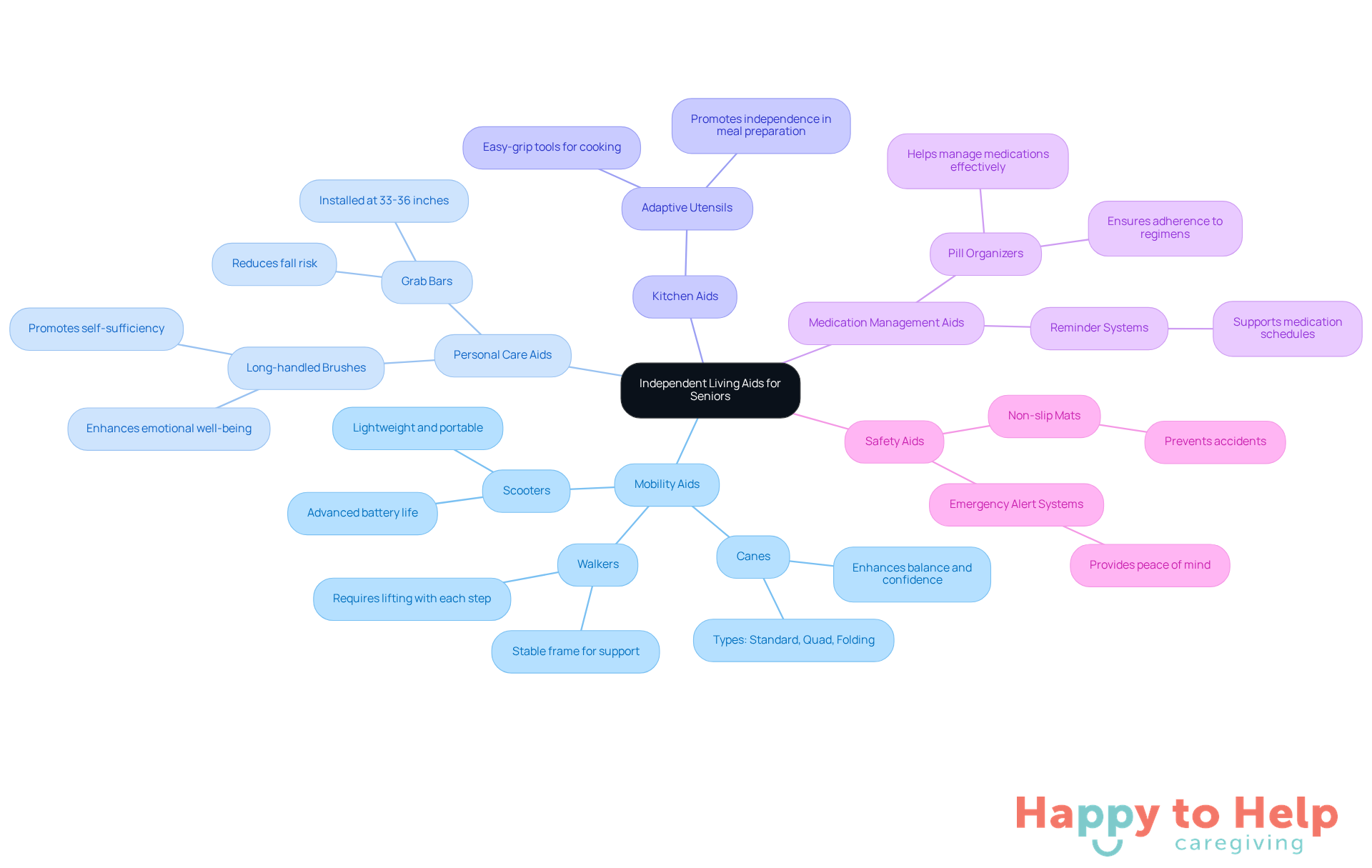
Mobility Aids are a critical category. Devices like canes, walkers, and scooters help older adults move around safely. Properly fitted canes, for example, enhance balance and confidence, allowing seniors to navigate their environments securely. Recent advancements in mobility aid technology, such as independent living aids for seniors featuring lightweight designs and improved battery life, empower older adults to sustain their independence.
Personal Care Aids also play a vital role. Independent living aids for seniors, including tools designed for bathing, dressing, and grooming like grab bars and long-handled brushes, promote safety and self-sufficiency. These independent living aids for seniors help reduce the risk of falls and enhance their emotional well-being. It's crucial that grab bars are installed correctly to ensure their effectiveness.
In the kitchen, Kitchen Aids simplify cooking and eating. Independent living aids for seniors, such as adaptive utensils and easy-grip tools, enable older adults to prepare meals and enjoy dining experiences independently. This empowerment is key to maintaining their autonomy.
Medication Management Aids are another essential resource. Independent living aids for seniors, such as pill organizers and reminder systems, assist older adults in managing their medications effectively. These independent living aids for seniors are vital for ensuring adherence to prescribed regimens, which is crucial for maintaining health and independence.
Lastly, Safety Aids enhance home safety. Independent living aids for seniors, such as non-slip mats and emergency alert systems, prevent accidents and provide peace of mind for both older adults and their caregivers. Statistics indicate that proper safety measures can significantly reduce the risk of falls, a major concern for seniors.
By organizing these resources, caregivers can easily identify which independent living aids for seniors best meet the unique needs of their loved ones. This ultimately promotes greater independence and improves overall quality of life by utilizing independent living aids for seniors. Integrating mobility tools into personalized care approaches not only assists physical movement but also addresses emotional well-being, reducing feelings of isolation and anxiety among older adults.
Comparing Pros and Cons of Top Independent Living Aids
When evaluating independent living aids for seniors, caregivers face the challenge of understanding their advantages and disadvantages to make informed choices. This is crucial for ensuring the safety and independence of their loved ones.
Canes:
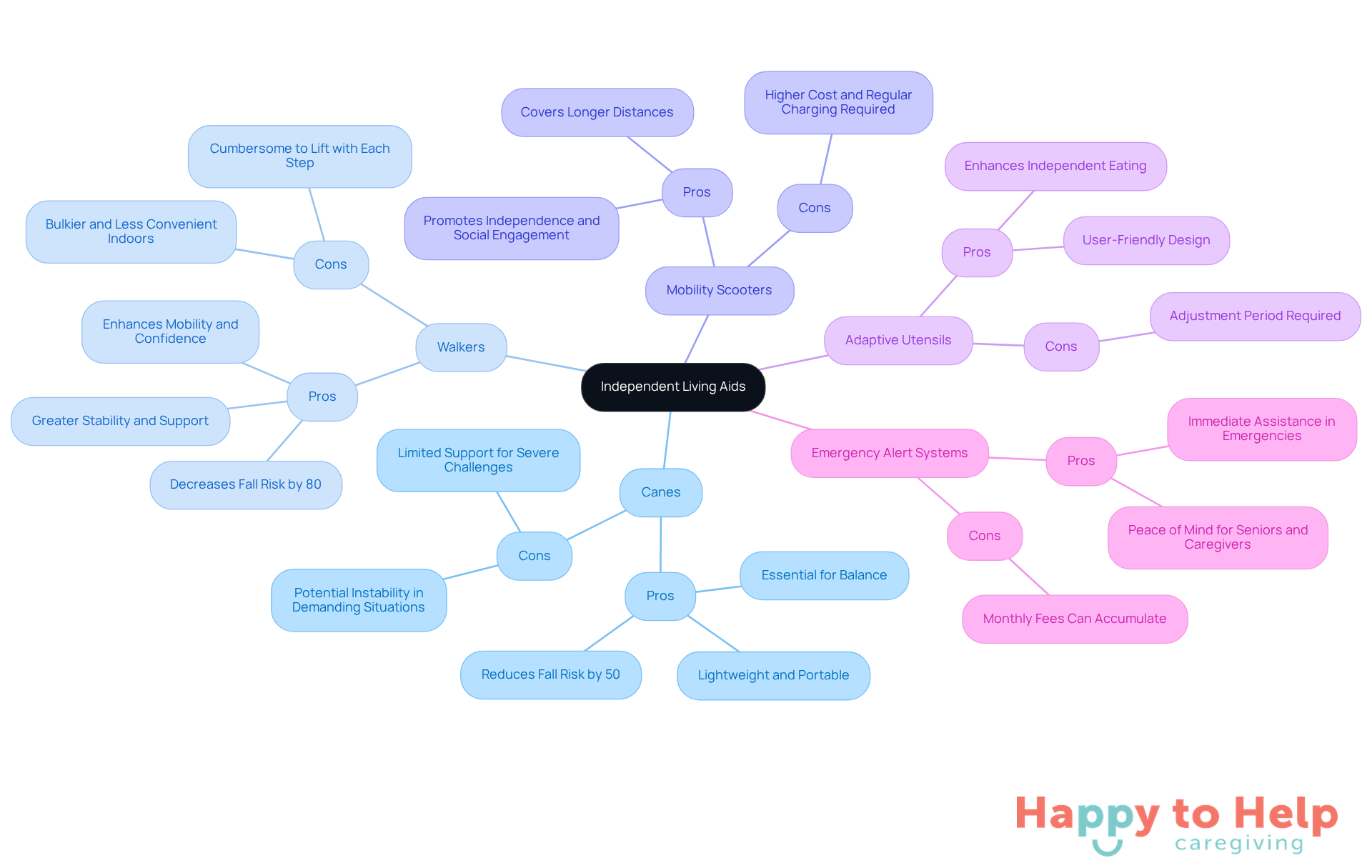
- Pros: Canes are lightweight and portable, making them easy to carry and use. They provide essential assistance for balance, significantly lowering the risk of falls among older adults. Physical therapists often recommend canes for individuals with slight movement challenges, as they promote independence without burdening the user. Research shows that elderly individuals using assistive devices are 50% less likely to fall compared to those who do not utilize them.
- Cons: However, canes may not offer adequate support for those with severe movement challenges, potentially leading to instability in more demanding situations.
Walkers:
- Pros: Walkers provide greater stability and support than canes, making them ideal for seniors who require more assistance. Studies indicate that using walkers correctly can decrease the risk of falling by as much as 80%. They enhance mobility and confidence, allowing users to navigate their environment more safely. As noted by physical therapists, "Mobility difficulties can greatly affect the autonomy of older adults, making it hard for them to manage their daily activities."
- Cons: On the downside, walkers can be bulkier and may pose challenges in tight spaces, making them less convenient for indoor use. Users may need to lift the walker with each step, which can be cumbersome for some.
Mobility Scooters:
- Pros: Mobility scooters enable seniors to cover longer distances with ease, promoting independence and social engagement. They are especially beneficial for individuals with considerable movement difficulties, allowing users to engage in activities beyond the home.
- Cons: However, mobility scooters can be more expensive and require regular charging, which may not be feasible for all users.
Adaptive Utensils:
- Pros: These utensils assist seniors in eating independently, enhancing their quality of life. They are designed to be user-friendly, accommodating various physical limitations.
- Cons: Seniors may need time to adjust to using adaptive utensils, which can initially be frustrating.
Emergency Alert Systems:
- Pros: These systems provide peace of mind for both seniors and caregivers, ensuring immediate assistance in emergencies. They are crucial for preserving autonomy while ensuring safety.
- Cons: However, the monthly fees associated with these systems can accumulate over time, which may be a concern for some families.
By thoughtfully evaluating these advantages and disadvantages, caregivers can choose the most suitable independent living aids for seniors tailored to their loved ones' specific needs, ultimately improving their independence and quality of life.
Choosing the Right Independent Living Aids: Key Considerations
Choosing the right independent living aids for seniors can be a challenging task for caregivers. The challenges are numerous, from understanding individual needs to navigating budget constraints. However, by addressing these issues thoughtfully, caregivers can significantly enhance the independence and safety of seniors in their daily lives.
-
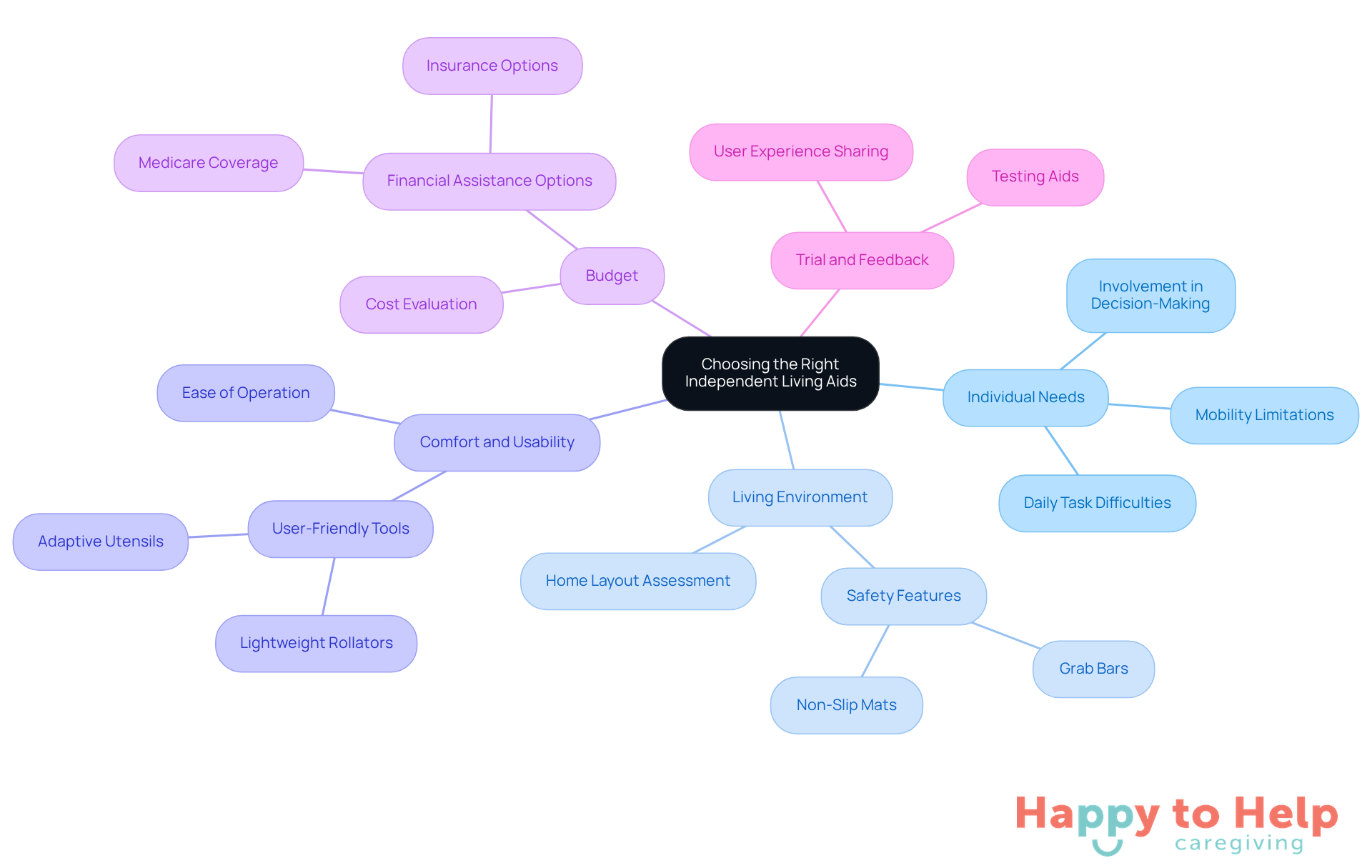
Individual Needs: Start by evaluating the specific challenges the elderly person faces, such as mobility limitations or difficulties with daily tasks. Understanding these requirements is crucial for selecting suitable resources that improve their quality of life. Involving seniors in the decision-making process ensures that the chosen tools align with their preferences, promoting independence.
-
Living Environment: Assess the home layout to identify areas where assistance might be needed. Stairs and bathrooms often present challenges that can be addressed with the right tools, like grab bars or non-slip mats, ensuring safety and accessibility. A thorough examination of the home layout is essential for identifying effective living supports that enhance safety and mobility.
-
Comfort and Usability: Opt for aids that are comfortable to use and easy to operate. User-friendly tools, like lightweight rollators with built-in seats, serve as independent living aids for seniors, encouraging regular use and helping older adults maintain their independence. Research shows that tools requiring minimal effort can significantly improve seniors' lives, promoting both safety and emotional health.
-
Budget: Consider the overall cost of resources, including ongoing expenses for maintenance or subscriptions for alert systems. Exploring financial assistance options, such as Medicare coverage for durable medical equipment, can help make these resources more accessible. Evaluating expenses and investigating financial support or insurance options for assistive devices is crucial.
-
Trial and Feedback: Whenever possible, allow older individuals to test various supports and share their experiences. This engagement not only empowers them but also increases the likelihood of regular use, enhancing their overall satisfaction and self-sufficiency. A case study on selecting living aids based on physical condition underscores the importance of assessing elderly individuals' movement, strength, and health concerns to identify appropriate assistance tools.
By thoughtfully considering these factors, caregivers can make informed decisions that significantly improve the independence and safety of seniors in their daily lives.
Key Takeaways for Caregivers
The exploration of independent living aids for seniors reveals a significant challenge: many elderly individuals struggle to maintain their autonomy and quality of life. Without the right support, seniors may face mobility issues, personal care difficulties, and an increased risk of accidents, all of which can diminish their overall well-being.
To address these challenges, caregivers must recognize the importance of independent living aids. These tools not only facilitate mobility and personal care but also empower seniors to remain in familiar environments. By doing so, caregivers can help reduce the risk of accidents and enhance the quality of life for their loved ones.
Key categories of independent living aids include:
- Mobility devices: Enhance movement and accessibility.
- Personal care tools: Support daily hygiene and grooming.
- Kitchen aids: Assist with meal preparation and cooking.
- Medication management systems: Ensure proper medication adherence.
- Safety devices: Provide security and peace of mind.
Each category offers unique benefits and considerations, highlighting the need for tailored choices based on individual needs. By understanding the pros and cons of various aids, caregivers can make informed decisions that align with the preferences and requirements of seniors.
In conclusion, the significance of independent living aids is profound. Caregivers are encouraged to evaluate individual needs, assess living environments, and consider comfort and budget constraints when selecting aids. This proactive approach not only enhances safety and independence for seniors but also fosters a sense of dignity and self-reliance. Embracing these tools is essential for ensuring that elderly individuals can thrive in their own homes, ultimately leading to a more fulfilling and empowered life.
https://iframe.tely.ai/cta/eyJhcnRpY2xlX2lkIjogIjY5NDFmMzVhMjI1ZjA3N2M1ZmMwYzA0MCIsICJjb21wYW55X2lkIjogIjY4ZWU1ZGNhNzMxNzYyNTU3ZjNjOTVjMSIsICJpbmRleCI6IG51bGwsICJ0eXBlIjogImFydGljbGUifQ==Frequently Asked Questions
What are independent living aids for seniors?
Independent living aids for seniors are tools and devices designed to help elderly individuals maintain their independence and safety at home.
Why are independent living aids important for seniors?
They are important because they help seniors overcome challenges related to mobility and daily living, which can enhance their quality of life and reduce the risk of accidents or injuries.
What types of independent living aids are available for seniors?
Available aids include mobility devices like walkers and canes, as well as kitchen tools designed for ease of use.
How can caregivers assist seniors with independent living aids?
Caregivers can incorporate these aids into daily routines to support their loved ones in maintaining dignity and independence.
What is the ultimate goal of using independent living aids for seniors?
The ultimate goal is to improve the overall quality of life for elderly individuals by promoting independence and safety in their living environment.
List of Sources
- Understanding Independent Living Aids for Seniors
- Top 5 Cutting-Edge Equipment for Seniors in 2025 - INTCO Medical (https://intcowheelchair.com/news/top-5-cutting-edge-equipment-for-seniors-in-2025)
- Technology to Help Older Adults Live Independently (https://carescout.com/resources/smart-technology-and-home-devices-helping-older-adults-live-independently)
- Advancements in mobility aids: Supporting independent living - AZ Big Media (https://azbigmedia.com/lifestyle/advancements-in-mobility-aids-supporting-independent-living)
- New 2025 Summer Guide Empowers Seniors to Stay Independent as Mobility Equipment Innovation Surges Nationwide (https://kron4.com/business/press-releases/ein-presswire/827097148/new-2025-summer-guide-empowers-seniors-to-stay-independent-as-mobility-equipment-innovation-surges-nationwide)
- Help & Support Center | The Future of Aging at Home: How 2025 is Revolutionizing Homecare Medical Equipment, Mobility Aids for Seniors, and Patient Care Solutions (https://medmobilityhomecare.tawk.help/article/the-future-of-aging-at-home-how-2025-is-revolutionizing-homecare-medical-equipment-mobility-aids-for-seniors)
- Categories of Independent Living Aids
- 10 Essential Senior Mobility Devices for Enhanced Independence - Happy To Help (https://happytohelpcaregiving.com/10-essential-senior-mobility-devices-for-enhanced-independence)
- Top 5 Cutting-Edge Equipment for Seniors in 2025 - INTCO Medical (https://intcowheelchair.com/news/top-5-cutting-edge-equipment-for-seniors-in-2025)
- The Latest Trends in Mobility Aid Technology for 2025 (https://everythingmedicalonline.com/blogs/news/the-latest-trends-in-mobility-aid-technology-for-2025?srsltid=AfmBOopBU1CEoUA2WdUzSwlR890hV9k3DYKZ84RLYc7SXhOBQJ5BV2ID)
- New 2025 Summer Guide Empowers Seniors to Stay Independent as Mobility Equipment Innovation Surges Nationwide (https://abc4.com/business/press-releases/ein-presswire/827097148/new-2025-summer-guide-empowers-seniors-to-stay-independent-as-mobility-equipment-innovation-surges-nationwide)
- New Lightweight Mobility Devices Cater to Active Elderly - INTCO Medical (https://intcowheelchair.com/news/new-lightweight-mobility-devices-cater-to-active-elderly)
- Comparing Pros and Cons of Top Independent Living Aids
- 7 Must-Have Assistive Devices for Elderly Parents in 2025 (https://arhomecare.com/7-must-have-assistive-devices-for-elderly-parents-in-2025)
- Top 5 Cutting-Edge Equipment for Seniors in 2025 - INTCO Medical (https://intcowheelchair.com/news/top-5-cutting-edge-equipment-for-seniors-in-2025)
- The Best Mobility Aids for Seniors: What You Need to Know (https://step2health.com/blogs/news/the-best-mobility-aids-for-seniors-what-you-need-to-know?srsltid=AfmBOorN_nEiaqe4oOTLhqx7hb7479ccVuy4PtFc4DojwEWb4WQ5I3OK)
- Comparing Mobility Devices for Seniors: Canes, Walkers, and Scooters - Happy To Help (https://happytohelpcaregiving.com/comparing-mobility-devices-for-seniors-canes-walkers-and-scooters)
- Choosing the Right Independent Living Aids: Key Considerations
- Top 5 Cutting-Edge Equipment for Seniors in 2025 - INTCO Medical (https://intcowheelchair.com/news/top-5-cutting-edge-equipment-for-seniors-in-2025)
- Top 10 Daily Living Aids 2025 | Assistive Tech Hub (https://assistivetechhub.com.au/blog/top-10-daily-living-aids-for-independent-living-in-2025)
- Comparing Living Aids for Seniors: Find the Best Fit for Care - Happy To Help (https://happytohelpcaregiving.com/comparing-living-aids-for-seniors-find-the-best-fit-for-care)
- New 2025 Summer Guide Empowers Seniors to Stay Independent as Mobility Equipment Innovation Surges Nationwide (https://cbs42.com/business/press-releases/ein-presswire/827097148/new-2025-summer-guide-empowers-seniors-to-stay-independent-as-mobility-equipment-innovation-surges-nationwide)
- Best Mobility Aids for Seniors: How to Choose the Right One | Home Care agency in New York (https://angelcareny.com/best-mobility-aids-for-seniors-how-to-choose-the-right-one)