The Unsung Hero: Why Consistency is Caregiving's #1 Secret

For families in our service areas
For families in our service areas, this guide explains caregiving and how non-medical in-home caregiving can support care planning in East Idaho, Treasure Valley & Magic Valley, Northern Wasatch, North Central West Virginia & Southwestern Pennsylvania, and Northeast Ohio.
Caregiving stands as one of life's most demanding endeavors, a crucible forging strength and compassion in equal measure. But what if nestled within this challenging path lay a "secret ingredient," a simple yet profound element capable of easing daily care, amplifying its effectiveness, and enriching the experience for all involved? This, I posit, is consistency, woven into the comforting fabric of routine. It transcends mere task management; it's about elevating caregiving from a commendable act to a truly transformative one. Let's delve into how consistency benefits both the recipient of care and the incredible individuals who provide it.
What defines "great caregiving," you might ask? It's not merely a checklist of skills, but a tapestry woven from practical abilities and deeply human qualities. Compassion, patience, unwavering dependability, crystal-clear communication, profound respect for dignity, and, crucially, a healthy dose of self-care – these are the threads that constitute truly exceptional care.
The Rhythm of Relief: Why Routines Rock for Everyone
Routines, often perceived as mundane, hold within them the potential to unlock a world of predictability and peace, not just for those receiving care, but also for those providing it.
For the Care Recipient: A World of Predictability and Peace
Imagine a security blanket, not woven from fabric, but from the reassuring structure of daily life. This is the power of routine.
- A Security Blanket: Routines create a stable environment, mitigating anxiety, confusion, and agitation. This is particularly vital for individuals grappling with cognitive impairments such as dementia or autism. Instead of a constant "what's next?!" anxiety, there's a comforting sense of knowing the rhythm.
- Independence & Self-Esteem Boost: Familiar tasks, repeated daily, empower recipients to participate more actively. This fosters autonomy and a sense of accomplishment, countering the helplessness that can accompany dependence.
- Health & Harmony: Consistent schedules for meals, sleep, and activity exert a profound influence on both physical and mental well-being. Regular mealtimes aid digestion, consistent sleep patterns boost energy levels, and predictable activities help maintain cognitive functions.
- Safety First: A caregiver attuned to a consistent routine is better positioned to detect subtle deviations in health or behavior. This acts as an early warning system, potentially preventing medication mishaps and ensuring timely intervention.
For the Caregiver: Your Sanity Saver and Supercharger
Caregiving, while rewarding, can be an emotionally and physically draining marathon. Consistency offers a respite, a source of strength, and a path towards sustainable care.
- Stress Less, Do More: Routines simplify time management, reduce decision fatigue, and carve out precious space for self-care. This directly combats caregiver burnout, the insidious enemy of effective care.
- Efficiency Master: Tasks, repeated regularly, become second nature. This frees up mental and emotional bandwidth, allowing for more meaningful interactions and a deeper connection with the care recipient.
- Building Bridges of Trust: Consistency strengthens the caregiver-recipient bond, fostering emotional security and open communication. It creates a foundation of trust, allowing for a more collaborative and less stressful care dynamic.
- Finding Purpose & Resilience: Caregiving, when approached with structure and self-care, can be a source of profound personal growth. From a sense of purpose to unexpected health benefits, the positive impact on caregivers is undeniable.
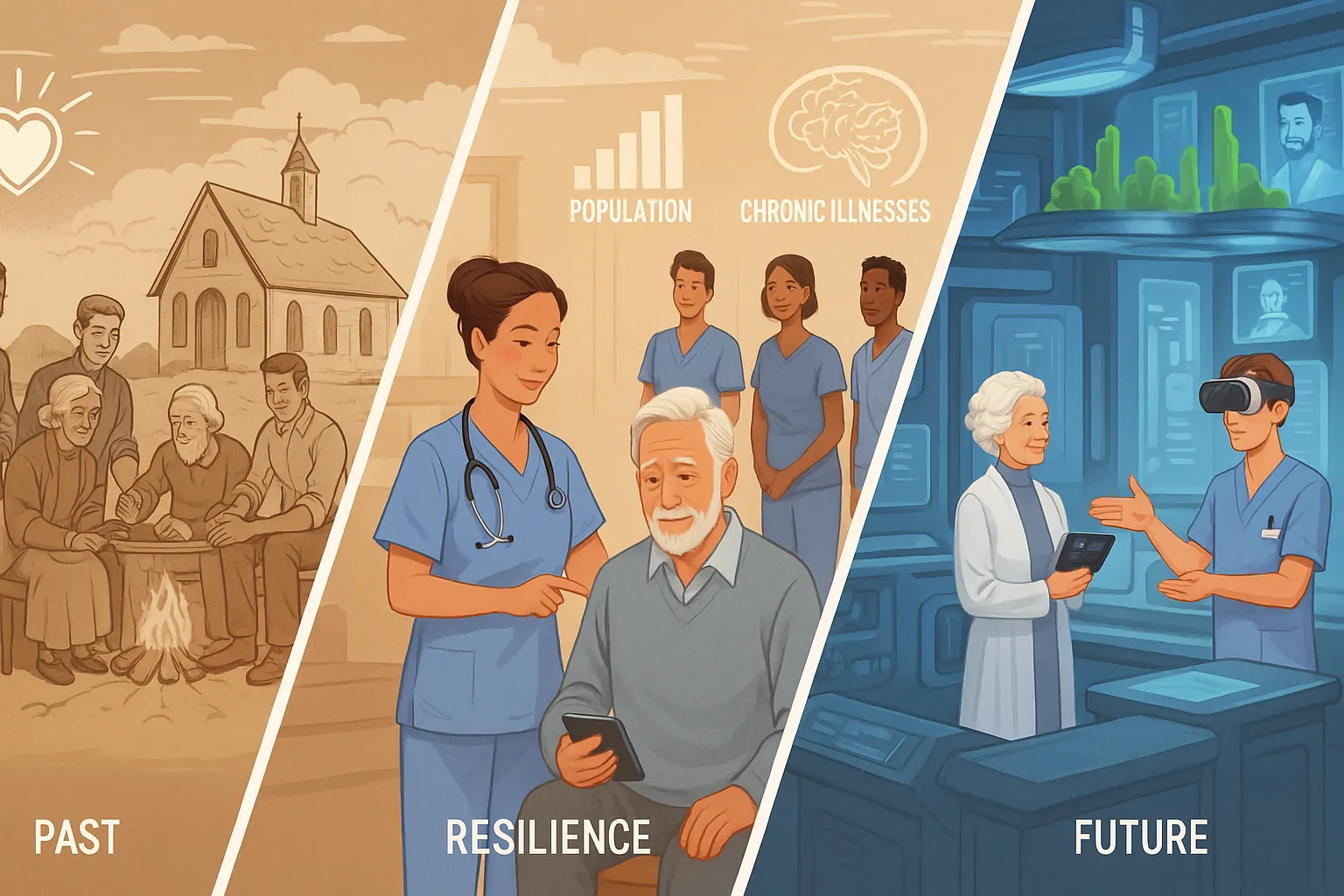
A Stroll Through Time: Caregiving's Ever-Present Thread
Caregiving isn't a modern invention; it's a fundamental aspect of the human experience, woven into the very fabric of our history and culture.
- From Ancient Instincts to Spiritual Duty: In early human history, caregiving was an innate, familial, and communal act, essential for survival. Consistent child-rearing practices, for instance, were crucial for the continuation of the species. Later, religious institutions like monasteries and convents adopted structured, compassionate approaches to care.
- The Industrial Age & the Birth of the "Pro": The Industrial Revolution brought societal disruption, straining traditional family care networks. Florence Nightingale's formalization of nursing introduced standardized practices and deliberate routines into professional care.
- Modern Thought & Empathy: Philosophers have long pondered the essence of care. Seneca's "cura" and Heidegger's "Sorge" highlight the centrality of care to human existence. The "Ethics of Care," championed by thinkers like Gilligan and Noddings, emphasizes the moral importance of relationships, interdependence, and responsive, consistent care. Attachment theory further underscores the enduring significance of consistent, responsive care for healthy development, from infancy onwards.
The Double-Edged Sword: When Consistency Goes Rogue
Like any powerful tool, consistency can be misused. Its benefits evaporate when it devolves into rigidity or becomes a source of unsustainable pressure.
- The Rigidity Trap: Why "Rhythm" Beats "Rigid Rules" The danger lies in strict, inflexible routines. These can backfire, particularly with conditions like dementia, leading to frustration, resistance, and increased agitation for both parties. The key is to embrace a "rhythm" – focusing on patterns and comfort cues rather than slavishly adhering to precise schedules. This allows for flexibility to adapt to daily fluctuations in mood or health.
- The Silent Crisis: Caregiver Burnout Caregiver burnout is a state of profound physical, emotional, and mental exhaustion, a recognized medical condition fueled by the relentless demands of caregiving. Symptoms include fatigue, social withdrawal, irritability, resentment, and even physical illness. Financial strain, lack of support, and the unpredictability of a loved one's condition exacerbate the problem. The irony is that the pressure to be consistent can undermine a caregiver's ability to be consistently self-caring.
- Tricky Terrain: Controversies & Conflicts The stress of caregiving can, in tragic circumstances, lead to ethical dilemmas like elder abuse or neglect. Navigating the healthcare system, with its complex diagnoses, treatment plans, and medication management, can also be a source of conflict and frustration.
The Future Is Now(ish): Tech, Touch, & Tailored Care
Technology offers the potential to revolutionize caregiving, making it more efficient, personalized, and sustainable.
- Smart Care, Smarter Routines: AI and data analytics can move us beyond one-size-fits-all care. Personalized care plans, medication schedules, and wellness routines tailored to individual genetic profiles and real-time needs are becoming a reality. Predictive analytics can proactively flag potential issues. Wearables, biosensors, and smart home devices enable continuous monitoring of vitals, sleep, and activity, while also providing fall detection and medication reminders. Robotics can assist with physically demanding tasks and even provide companionship, freeing human caregivers for emotional connection. Telehealth integration allows for seamless virtual consultations and consistent medical oversight.
- The Human Heart of Technology: The core philosophy must be to augment human capabilities and compassionate care, not to substitute the essential human connection. Caregiver training is crucial to ensure the effective and ethical utilization of these tools.
- The Roadblocks Ahead: Ethical debates surrounding data privacy, security, equitable access, and the emotional boundaries of robot companionship must be addressed.
Conclusion: Finding Your Flow in Daily Caregiving
Consistency in caregiving is a potent force – a historical constant, a modern necessity, and a key to a promising future. The ultimate goal isn't rigid perfection, but a flexible, responsive "rhythm" that adapts to evolving needs.
Embrace the power of routine while prioritizing flexibility and self-care. Lean on support networks and intelligently integrate technology. When approached thoughtfully, consistency transforms the challenging act of caregiving into a deeply human, deeply rewarding experience for everyone involved.