For families in our service areas
For families in our service areas, this guide explains caregiving and how non-medical in-home caregiving can support care planning in East Idaho, Treasure Valley & Magic Valley, Northern Wasatch, North Central West Virginia & Southwestern Pennsylvania, and Northeast Ohio.
I. Introduction: The Unsung Heroes Among Us
Consider the caregiver, juggling a demanding job while ensuring their aging mother takes her medication and makes it to her doctor's appointments. It’s in the fleeting moments – the shared laugh over a misremembered story, the comforting squeeze of a hand – that the true essence of caregiving resides. But what exactly is "everyday caregiving?" It transcends mere task completion; it's an unwavering commitment to supporting individuals who, due to age, illness, disability, or mental health challenges, require assistance in navigating daily life. Often, as with Maria, the graphic designer who found herself caring for her ailing father after a sudden stroke, it's not a path chosen, but an unexpected detour.
These caregivers form the invisible backbone of our society, their contributions frequently overlooked, their sacrifices unseen. This piece serves as a celebration of the "small moments" and "quiet wins" that sustain them and profoundly enrich the lives of those they care for. We'll explore their impact, historical roots, current challenges, and, crucially, the future of support.
II. A Look Back: The Evolution of Care
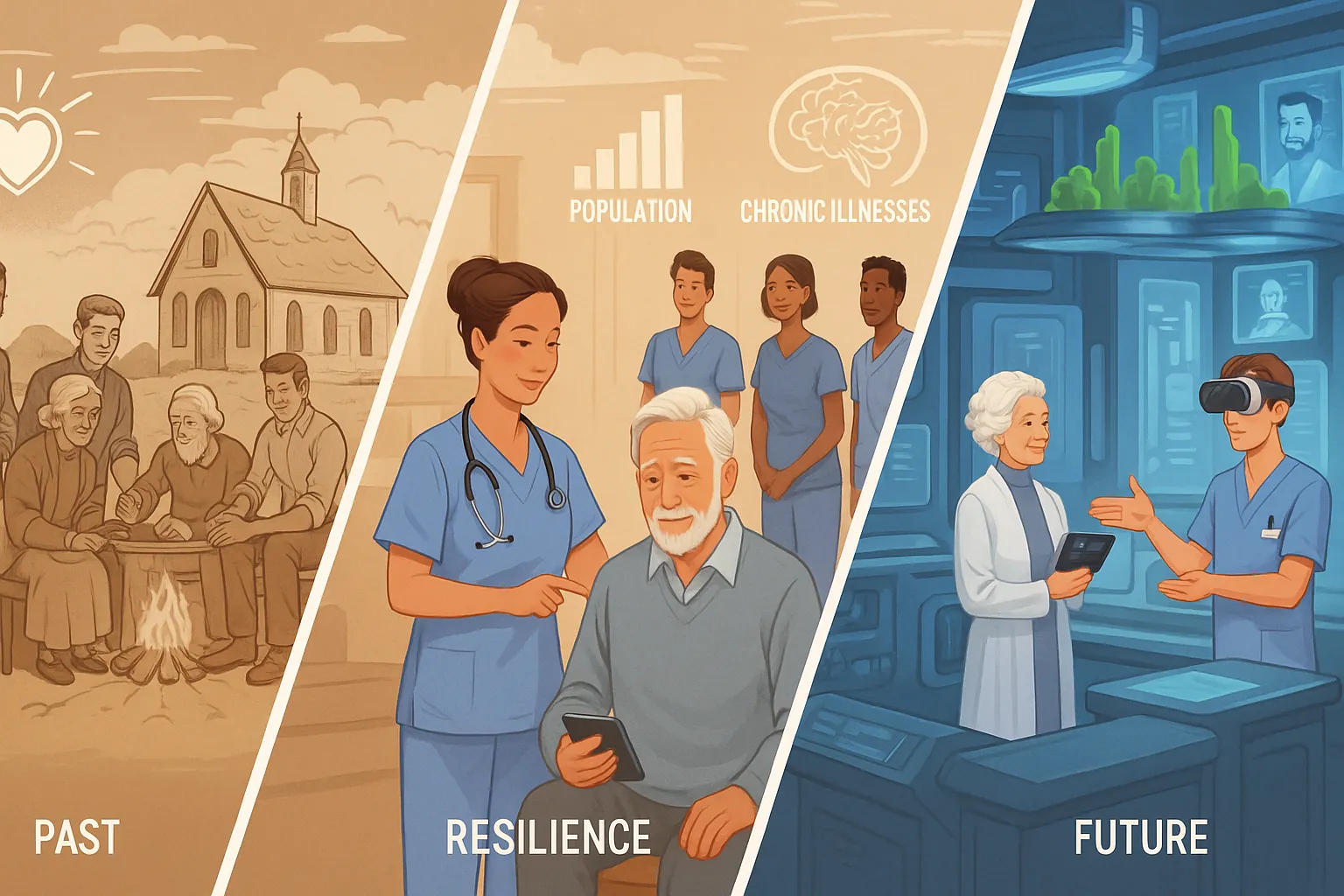
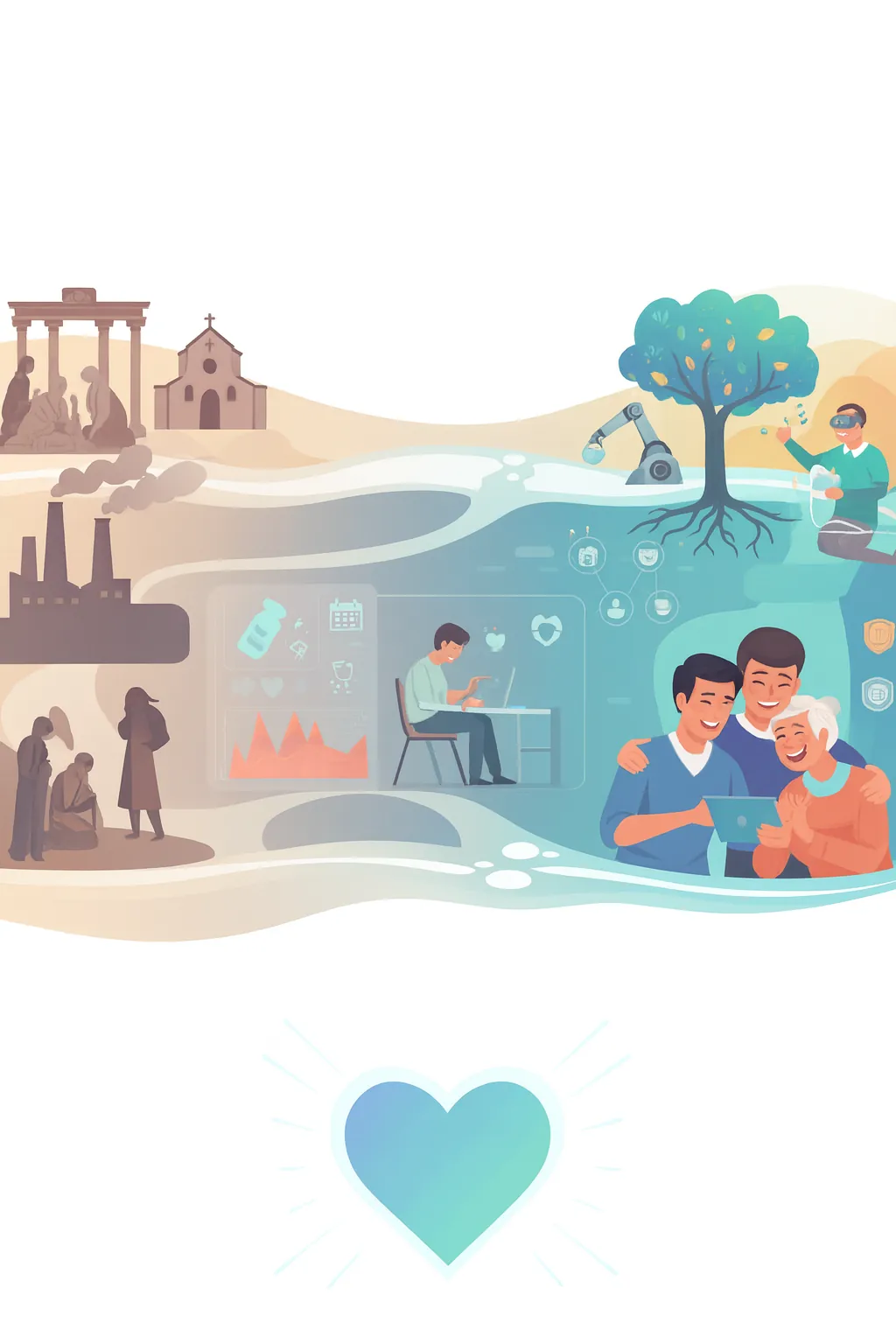
Caregiving's roots are deeply embedded in human history. From the ancient concept of filial piety, where caring for elders was a cornerstone of societal structure, to the charitable acts of medieval religious orders, caregiving has been a constant. However, the Industrial Revolution disrupted traditional extended family structures, shifting the landscape of care. Throughout history, women have disproportionately shouldered the burden of care – a trend that persists today, with women comprising over 60% of informal caregivers. The recognition, or lack thereof, afforded to caregivers has evolved over time, transitioning from a private family matter to a slowly emerging public issue. With increased life expectancy and a rise in chronic conditions, the need for informal caregivers has reached unprecedented levels, with an estimated 53 million Americans providing care in 2020.
III. The Everyday Reality: Defining Caregiving and Its Challenges
What constitutes "everyday caregiving" in practical terms? The spectrum is vast, encompassing a multitude of responsibilities. There's the personal touch, involving assistance with Activities of Daily Living (ADLs) such as bathing, dressing, and mobility, as well as providing transportation. Home base management includes preparing meals tailored to specific dietary needs, maintaining a clean and safe living environment, and managing finances. The caregiver often assumes the role of medical maestro, administering medications, coordinating doctor's appointments, and even providing complex wound care. Crucially, they serve as an emotional anchor, providing companionship, advocating for their loved one's needs, offering comfort, and combating loneliness.
However, beneath the surface of this dedication lies a harsh reality: caregiver burden. The financial drain is substantial, with out-of-pocket costs averaging $7,200 per year, often compounded by reduced work hours and mounting debt. The mental and emotional rollercoaster of stress, anxiety, depression, isolation, and decision fatigue takes a significant toll. Remember Kate, who experienced burnout after years of caring for her husband? The physical toll of lifting, transferring, and neglecting their own health can also be detrimental. The perceived "flexibility" of work can be a trap, leading to constant "on-call" status and reinforcing traditional gender roles.
This prompts some uncomfortable questions. Is "informal care" merely unpaid labor, predominantly performed by women, thereby devaluing the essential nature of care? Where does societal responsibility end and individual or family obligation begin? And, perhaps most unsettling, can untrained caregivers consistently provide optimal care?
IV. The Power of "Small Moments, Quiet Wins"
At the heart of this demanding work lies the profound significance of "small moments" and "quiet wins." These seemingly insignificant triumphs serve as an emotional lifeline for both caregiver and care recipient.
For the caregiver, these moments act as a burnout buster. Micro-breaks, even brief 30-second mindfulness check-ins, and deep breathing exercises can help reset stress levels. Celebrating small achievements, such as successfully managing a challenging situation or sharing a laugh, builds resilience and motivation. The realization of how much has been accomplished can be a powerful affirmation. Finding joy and meaning beyond the endless to-do list, like Sarah laughing with her grandfather, fosters a sense of purpose and fulfillment. Practicing self-compassion, being kind to oneself and acknowledging the difficulty of the task is essential.
For the care recipient, these moments affirm their sense of being seen and valued. A gentle touch, a kind word, direct eye contact – these actions reinforce their humanity and individuality beyond their diagnosis. Remembering a favorite song, noticing a mood shift, or offering a silent hand squeeze builds trust. Transforming personal care tasks into moments of connection and respect upholds their dignity.
Ultimately, these shared experiences strengthen the bond between caregiver and care recipient, providing deep satisfaction through shared meals, patient listening, and genuine connection.
V. Towards a Brighter Future: Support, Tech, and Policy
There is a growing, yet still insufficient, recognition of caregivers as essential contributors to society. Experts emphasize the need to "see" and validate their experiences. However, significant barriers remain, particularly in accessing resources in rural areas, and policy gaps often force caregivers to choose between employment and care.
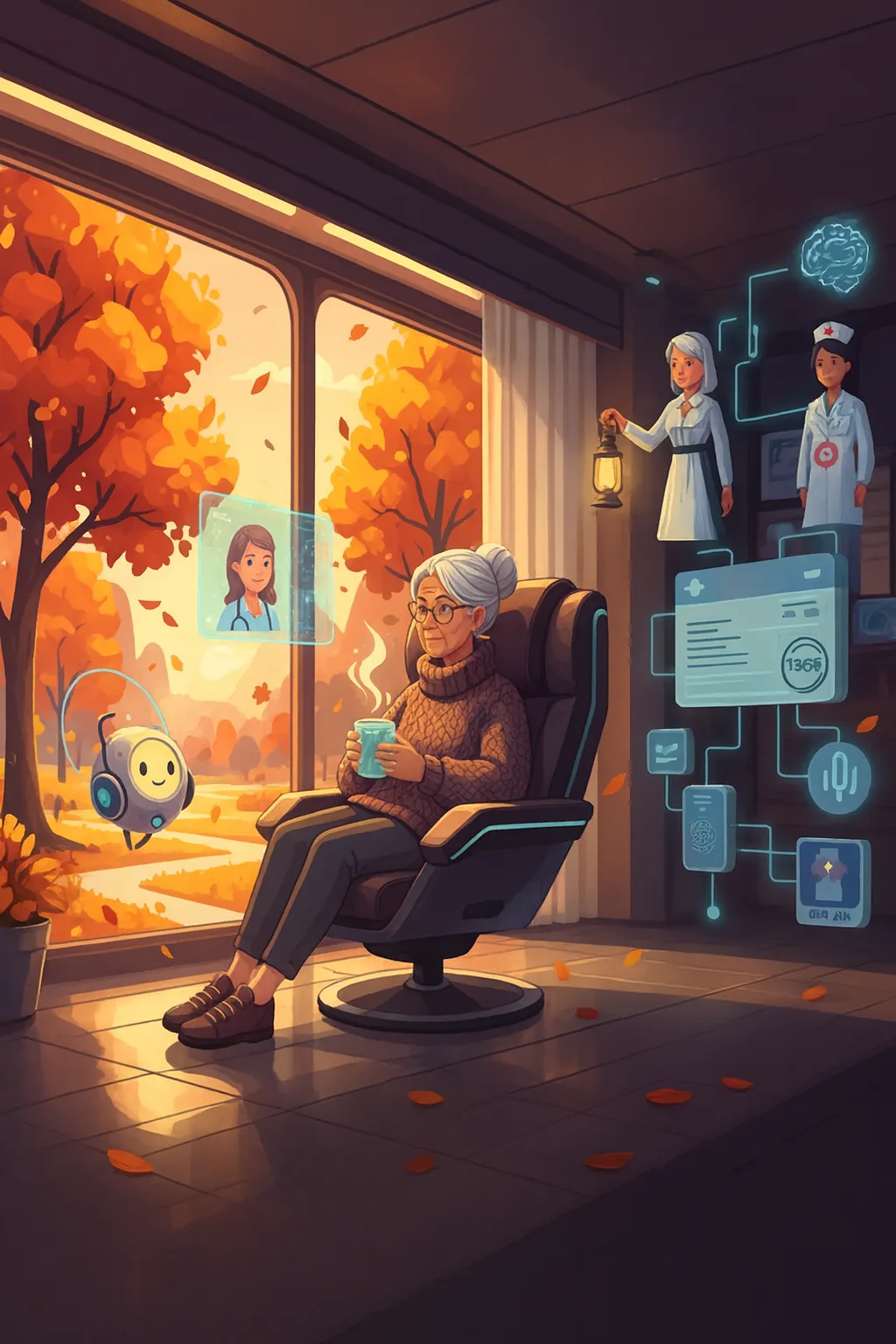
Technology offers a potential avenue for relief. Smart homes and wearables can provide remote monitoring of vital signs and falls, while voice assistants can enhance independence. AI and robotics can automate routine tasks, predict potential issues, and even offer companionship. Caregiving apps can assist with medication reminders, schedule coordination, and communication. VR/AR can offer immersive training for emergencies and medical procedures.
On the policy front, the RAISE Family Caregivers Act represents a step towards a national strategy for support, and the American Rescue Plan Act has boosted home- and community-based services. Proposed legislation, such as national paid family leave programs, could be transformative. State-level innovations in financial assistance, training, and anti-discrimination measures are also gaining traction.
Community support networks, including online and in-person support groups, national organizations like AARP and FCA, local Area Agencies on Aging, and faith communities, play a crucial role. Specialized support is also emerging for young caregivers and those facing mental health challenges.
The future vision of caregiving involves greater integration, personalization, and technological support, with a whole-person focus on the well-being of both care recipient and caregiver. This includes an expansion of professional caregivers, improved training, and policies that truly empower caregivers to thrive.
VI. Conclusion: Acknowledging the Everyday Heroes
The often-demanding world of caregiving is sustained by the profound impact of small moments and quiet wins. How can we better recognize and support the caregivers in our lives and communities? What small moments of kindness can we offer?
Caregiving is a marathon, not a sprint. Acknowledging every small victory helps make caregiving sustainable and, most importantly, filled with love. Let us strive to make these unsung heroes feel seen, valued, and supported in their vital role.