The Comfort Season: Why Fall Is the Perfect Time to Reassess Care
By Happy to Help Caregiving·7 min read
For families in our service areas
For families in our service areas, this guide explains caregiving and how non-medical in-home caregiving can support care planning in East Idaho, Treasure Valley & Magic Valley, Northern Wasatch, North Central West Virginia & Southwestern Pennsylvania, and Northeast Ohio.
Introduction: Falling for Fall (and a Fresh Perspective!)
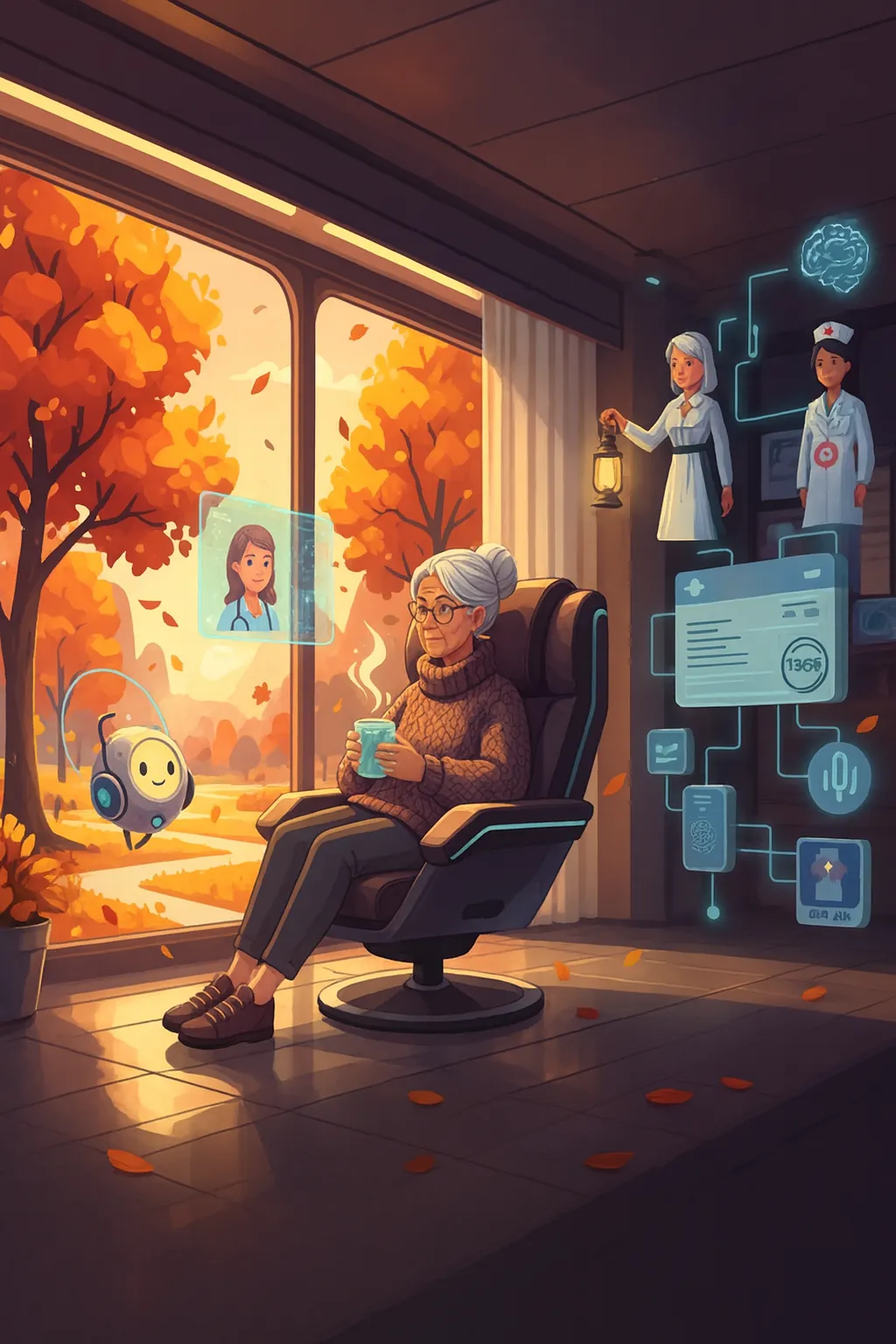
- The Vibe Check: You know the feeling. The air gets crisp, leaves turn fiery hues, and suddenly, you're craving chunky sweaters, warm mugs, and hearty meals. Fall isn't just a season; it's a mood. The world seems to soften, edges blur, and a sense of cozy introspection descends. It's as if nature itself is whispering, "slow down."
- More Than Just Cozy: Beyond the "hygge" vibes (think scented candles and yummy stews), autumn naturally nudges us toward reflection, gratitude, and even new beginnings. There's a subtle melancholic beauty in watching the landscape transform, reminding us of the cyclical nature of life. It’s nature’s gentle reminder to slow down and take stock, to consider what we cherish and what needs tending.
- The Unexpected Connection: What if we told you this introspective season is also the ultimate time to give your home care plan a thorough, loving check-up? It's about translating that "new beginnings" energy into ensuring comfort and safety where it matters most: at home. As the world prepares for a period of dormancy, perhaps it’s the perfect moment to nurture and fortify our own foundations.
Section 1: Fall's Unique Lens for Home Care Reflection
- Nature's Metaphor for Letting Go: Just as trees shed old leaves to make way for new growth, fall inspires us to release what no longer serves us. We prune our gardens, clear out cluttered spaces, and prepare for a period of inward focus. For home care, this means re-evaluating if current support still truly fits evolving needs. Has the individual's mobility changed? Are their cognitive abilities still adequately supported? Are there aspects of their routine that could be optimized for greater comfort and independence?
- The Fall Forecast: New Risks on the Horizon:
- Slippery Situations: Those gorgeous fallen leaves become treacherous slip hazards when wet or frosty. Outdoor pathways, dim lighting indoors – fall significantly ups the "oopsie" risk for seniors. Simple fixes like raking, ensuring adequate lighting, and adding non-slip mats can drastically reduce these risks.
- Chilly Challenges: Colder weather can worsen chronic conditions like arthritis. Is the heating adequate? Are warm clothes and bedding readily available? Beyond the immediate discomfort, persistent cold can exacerbate existing health issues and increase susceptibility to illness.
- The Winter Blues (and Colds!): Shorter daylight hours can impact mood (hello, Seasonal Affective Disorder!) and flu season kicks off. Time to talk flu shots and mental well-being! The interplay between physical and mental well-being is undeniable, and the isolation that can accompany shorter days can significantly impact quality of life.
- Why a Reassessment isn't just "Good," it's ESSENTIAL: It's your chance to proactively adapt care plans, tackle new risks, ensure comfort, and support overall well-being before winter really sets in. This isn't merely about ticking boxes; it's about engaging in a thoughtful dialogue about evolving needs and proactively adapting to the changing landscape of care.
Section 2: A Whirlwind Tour: How Home Care Came to Be
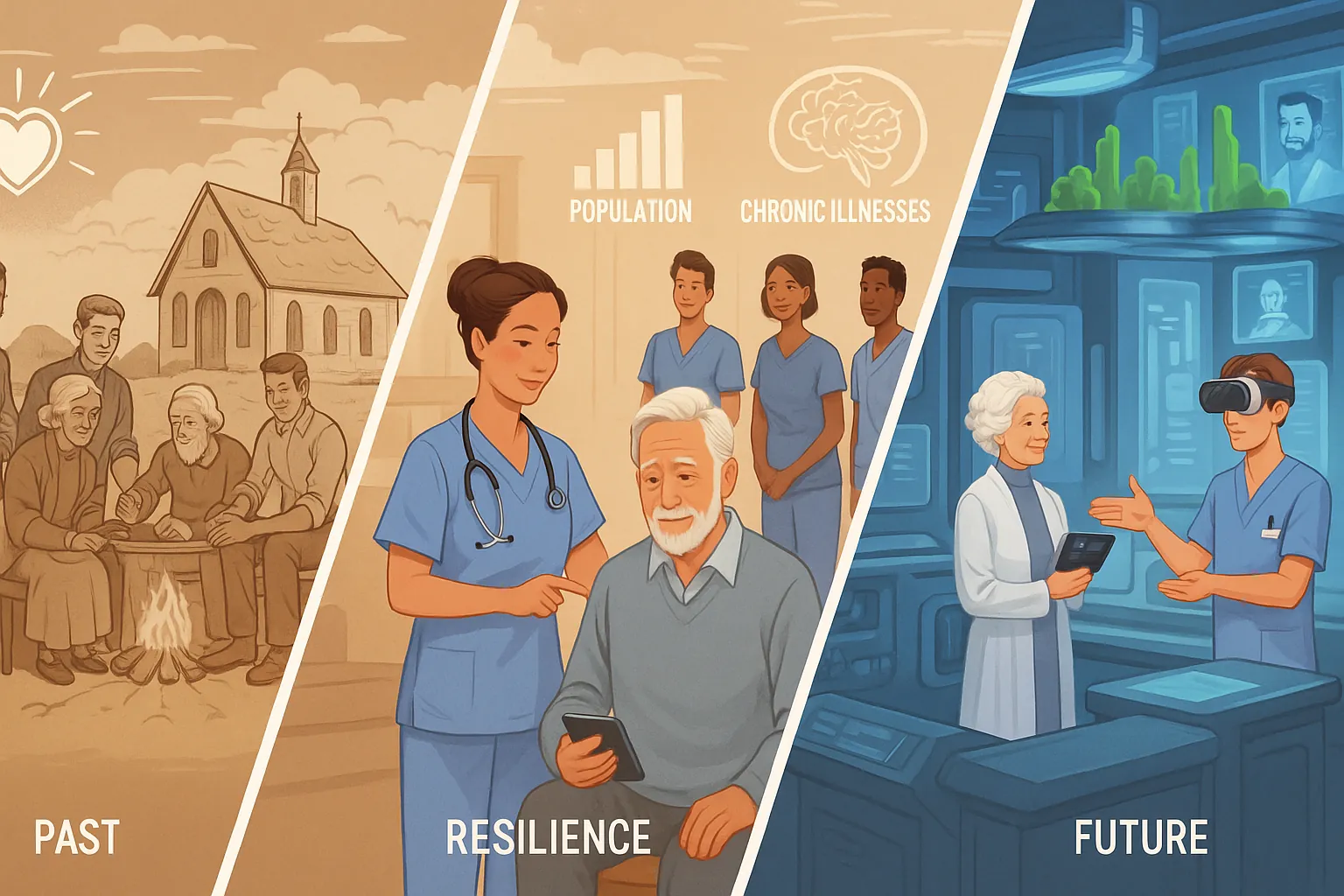
- The OG Caregivers: Back in ancient times, caring for elders was a family affair – think community support and monastic orders. This embedded system, rooted in familial obligation and community interdependence, stands in stark contrast to the more formalized, often fragmented, systems we see today.
- Nurses on the Go! The late 1800s saw the rise of "visiting nurses" (thanks, Florence Nightingale and Lillian Wald!). Suddenly, professional help was stepping into homes. These pioneers recognized the importance of delivering care within the familiar context of the patient's home, understanding that environment plays a crucial role in healing and well-being.
- Medicare Changes Everything (1965!): This was a game-changer, making home care a legitimate, covered healthcare option and setting the stage for agencies we know today. It was a pivotal moment in recognizing the value of home-based care as a viable and often preferable alternative to institutional settings.
- The March of Progress: From basic assistance to comprehensive medical support, home care has grown to include skilled nurses, therapists, and aides, constantly adapting to an "aging in place" preference. This evolution reflects a broader societal shift towards patient-centered care, empowering individuals to maintain their independence and dignity within the comfort of their own homes.
Section 3: The State of Home Care Today: High Hopes and Hurdles
Current Opinions: Dynamic, Personalized, and Tech-Savvy:
- No "Set It and Forget It": Care plans are living documents, always evolving with the patient's needs, preferences, and goals. Rigidity has no place in effective care; adaptability and responsiveness are paramount.
- Patient Power: It's all about a "person-centered approach," involving clients and families every step of the way. Care should be a collaborative endeavor, respecting the autonomy and preferences of the individual at its heart.
- Tech's Growing Role: Electronic Health Records, data analytics – modern home care is leaning into technology for better coordination and outcomes. The promise of technology lies in its ability to enhance communication, improve efficiency, and personalize care in unprecedented ways.
The Elephant in the Room: Controversies & Challenges:
- The Caregiver Crisis: A massive shortage of qualified staff, often due to low pay, long hours, and lack of benefits, leads to high turnover and inconsistent care. It's a tough job! This shortage poses a significant threat to the quality and accessibility of home care services.
- Quality & Trust: Concerns about inadequate training, communication gaps, and even serious issues like elder abuse or fraud can understandably make families nervous. (This is why reassessments are key for accountability!) Transparency, rigorous training, and robust oversight mechanisms are essential to building and maintaining trust.
- Navigating the Red Tape: Agencies face a mountain of changing regulations and administrative burdens, which can impact costs and service delivery. Streamlining regulations and reducing administrative burdens could free up resources to be directed towards direct patient care.
- The Bottom Line: Affordability remains a big worry for many families trying to keep loved ones at home. Innovative financing models and government subsidies are crucial to ensuring that home care is accessible to all who need it.
Section 4: Peeking into the Future: Home Care's Exciting Evolution
Tech Takes Over (in a good way!):
- Telehealth & Remote Monitoring: Imagine virtual doctor visits and smartwatches constantly tracking vitals, alerting caregivers to issues before they become emergencies. The potential to proactively manage health conditions and prevent crises is immense.
- Smart Homes, Smarter Care: Voice-activated assistants, automated medication dispensers, fall detection sensors – homes becoming proactive partners in care. Transforming homes into intelligent ecosystems that anticipate and respond to the needs of their occupants.
- AI & Robotics: AI helping predict health changes, even robotic companions to combat loneliness. While ethical considerations must be carefully addressed, the potential for AI and robotics to enhance care and companionship is undeniable.
Policy Power-Ups:
- Governments are catching on to the "aging in place" trend. Expect expanded eligibility, broader services (mental health, nutrition, transport), and more targeted funding to support home-based care. This represents a growing recognition of the societal and economic benefits of supporting individuals to age in place.
Societal Shifts & The Demand Boom:
- Boomers Leading the Charge: A rapidly aging population wants to stay home, pushing the home care industry to innovate and grow. The preferences and expectations of this demographic cohort will shape the future of home care.
- Whole-Person Care: Care is becoming more about addressing social, emotional, and environmental factors alongside medical needs. Moving beyond a purely medical model to embrace a more comprehensive and person-centered approach to care.
Conclusion: Use Fall to Review Your Care Plan
- Don't Let the Season Pass You By: This autumn, embrace the spirit of reflection and new beginnings. It’s the ideal moment to take a fresh look at your home care situation. Just as we prepare our homes for the changing seasons, so too should we prepare our care plans to meet evolving needs.
- The Power of a Reassessment: It's not just paperwork; it's a vital step to ensure safety, comfort, and the highest quality of life for your loved one. It's about optimizing their care as their needs, and the world around them, continue to change. Think of it as a tune-up, ensuring that everything is running smoothly and efficiently.
- Take Action! Use this beautiful comfort season to get ahead of winter. Call your home care provider and schedule that reassessment. Your loved one's well-being is worth it! Let the gentle introspection of autumn guide you towards ensuring the best possible care for those you cherish.
Tags:agencycaregiver wellbeingcompanionshipHome CareNon-Medical Caregiving