

For families in our service areas
For families in our service areas, this guide explains home care and how non-medical in-home caregiving can support care planning in East Idaho, Treasure Valley & Magic Valley, Northern Wasatch, North Central West Virginia, and Northeast Ohio.
Why Essential Best Practices for Cleveland Matters
Navigating home care services can be overwhelming for families, especially in a bustling city like Cleveland, where the demand for quality support is rising. Families face a significant problem: choosing the right services is crucial, as a misstep can lead to inadequate care and compromised well-being.
The implications of this challenge are serious. Families must understand the unique needs of their loved ones, as failing to do so can result in insufficient support that doesn't adapt to evolving circumstances. This raises a pressing question: how can families ensure their choices meet immediate needs while remaining flexible?
To address these concerns, this article outlines essential best practices for selecting and managing home care services. By following these actionable tips, families can empower themselves to make informed decisions that enhance the quality of care for their loved ones.
Assess Individual Care Needs Before Choosing Services
Before choosing in-home assistance services, caregivers face a significant challenge: understanding the unique support requirements of their loved ones. Without a comprehensive evaluation, they risk overlooking critical aspects of care that can impact the well-being of seniors.
This evaluation should encompass several key areas:
- Medical History: Review any chronic conditions, medications, and recent hospitalizations.
- Daily Activities: Assess the individual's ability to perform activities of daily living (ADLs) such as bathing, dressing, and meal preparation.
- Social Needs: Consider the importance of companionship and social interaction to combat feelings of loneliness.
Using assessment questionnaires can help families gather thorough information. Engaging with healthcare professionals for insights can also enhance the assessment process, ensuring that the chosen services are tailored to the individual's unique situation.
Research shows that 78.1% of health patients improved their functional status after receiving assistance based on thorough evaluations. As Tanner Gish states, "An in-house support evaluation is the foundation of effective senior assistance, enabling families and providers to understand each individual’s specific needs, risks, and preferences." This thorough approach not only improves the quality of assistance but also supports the emotional and cognitive well-being of seniors.

Research and Evaluate Home Care Providers Thoroughly
Choosing a cleveland home care provider can be daunting, especially with the rising demand for quality support services. Families often face the challenge of ensuring safety and quality in Cleveland home care, which can lead to anxiety and uncertainty. Without thorough research, the risk of selecting an inadequate Cleveland home care provider increases, potentially compromising the well-being of loved ones.
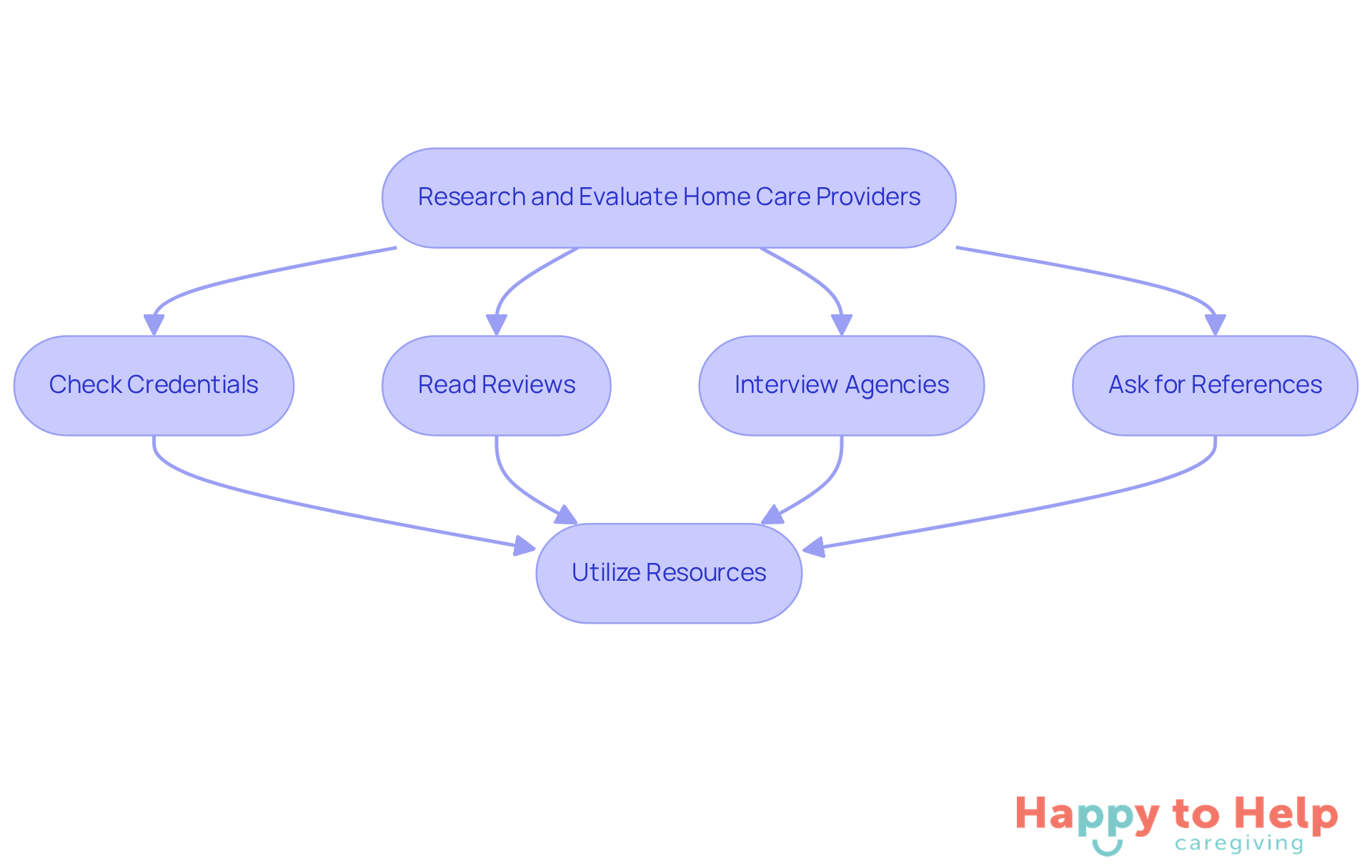
To navigate this process effectively, families should consider the following actionable steps:
- Check Credentials: Ensure the agency is licensed, bonded, and insured. Look for accreditation from recognized organizations, as this is a key indicator of quality. Verifying credentials is essential for ensuring safety and quality in Cleveland home care services.
- Read Reviews: Explore online evaluations and testimonials from other households to assess the quality of assistance provided. Families are increasingly depending on these evaluations to make informed choices regarding Cleveland home care agencies.
- Interview Agencies: Arrange discussions with potential providers to explore services, caregiver qualifications, and support philosophies. This personal interaction can reveal much about the agency's method of support.
- Ask for References: Request references from current or past clients to gain insights into their experiences.
Utilizing resources such as the Medicare Care Compare tool can help families compare agencies based on quality ratings and services offered. Furthermore, the Cleveland home care sector in Ohio is expected to expand at an annualized rate of x.x% to $x.x billion by 2025, emphasizing the rising demand for quality support services. Integrating technology in coordination and communication is also crucial, as it improves the overall caregiving experience.
Foster Open Communication with Caregivers
Effective communication is crucial for successful Cleveland home care services. Families often face challenges when caregivers and family members do not communicate effectively, leading to misunderstandings and unmet needs. This lack of dialogue can hinder the quality of care provided to loved ones.
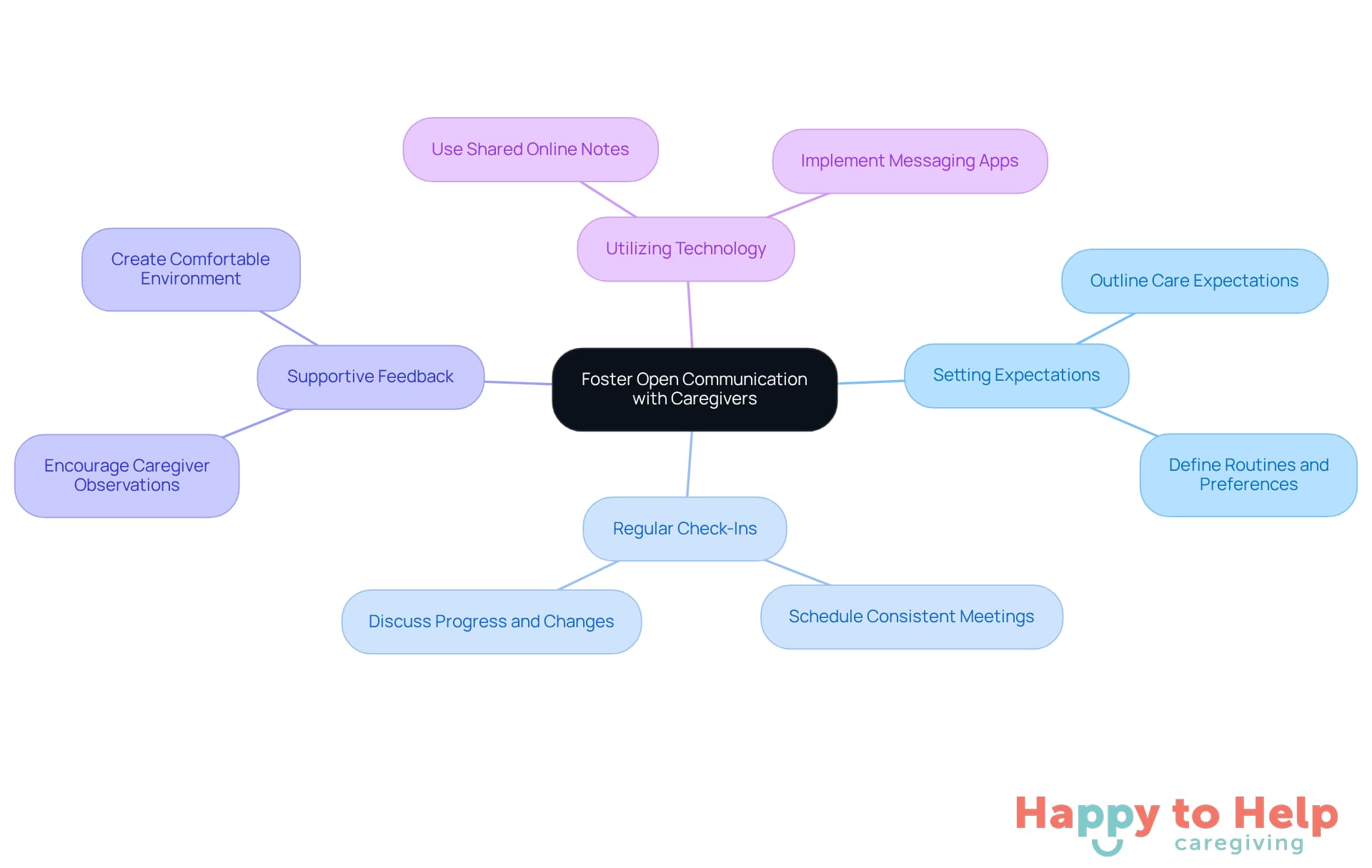
To address these issues, families should prioritize open dialogue with caregivers by implementing the following strategies:
- Setting Expectations: Clearly outline care expectations, routines, and preferences to ensure everyone is aligned.
- Regular Check-Ins: Schedule consistent meetings or calls to discuss the recipient's progress and any changes in their condition.
- Supportive Feedback: Create an environment where caregivers feel comfortable sharing observations and concerns about the recipient's well-being.
- Utilizing Technology: Use communication tools like shared online notes or messaging apps to facilitate ongoing updates and coordination.
By fostering a culture of open dialogue, families can significantly enhance the Cleveland home care experience, ensuring that their loved ones receive the best possible support.
Regularly Review and Adjust Care Plans
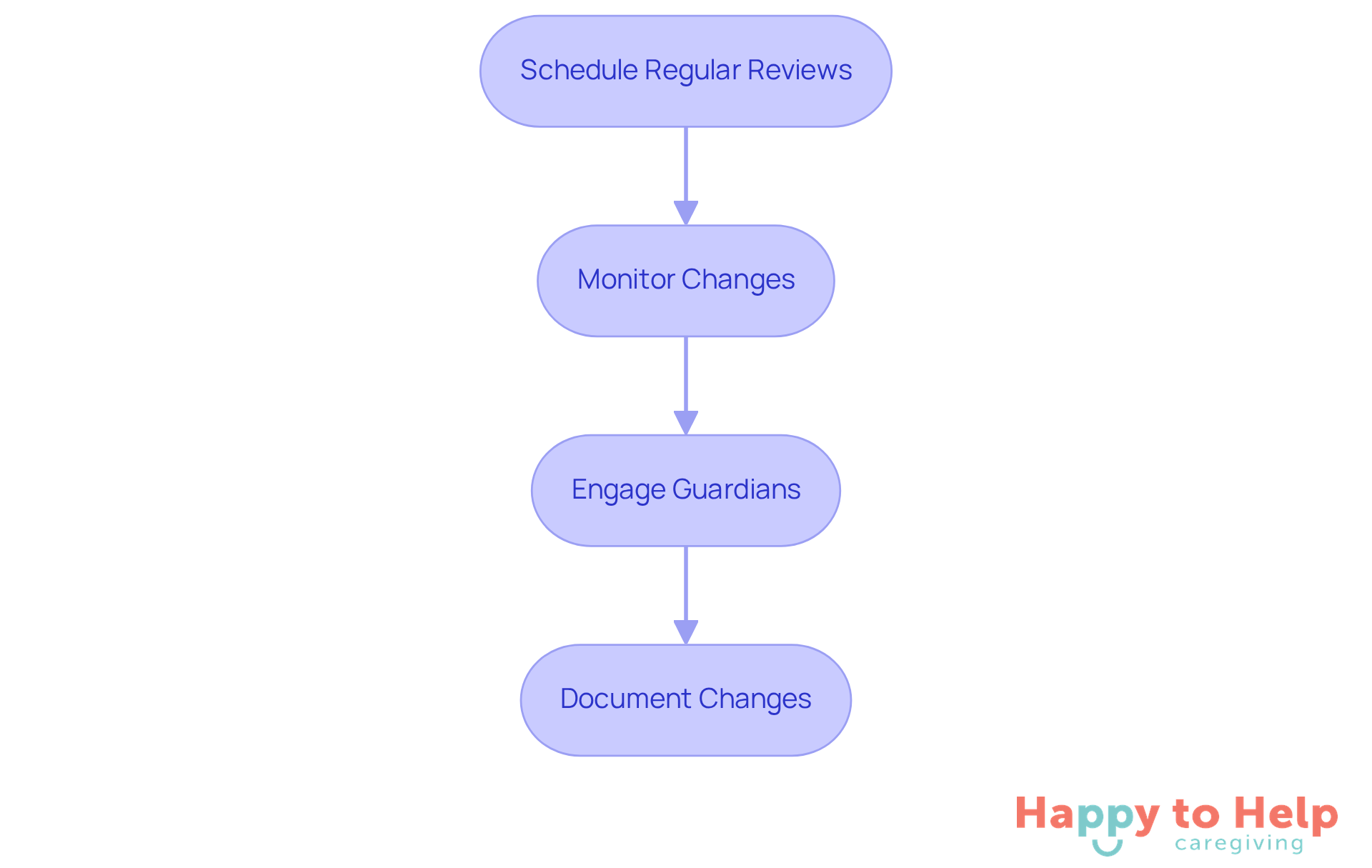
Support requirements can change significantly over time, posing a challenge for caregivers. If these changes go unaddressed, the quality of care may diminish, impacting the recipient's well-being. To tackle this issue, families should adopt a proactive approach by implementing the following best practices:
- Schedule Regular Reviews: Establish specific intervals, such as every 60 days, to evaluate the effectiveness of the care plan and make necessary adjustments. This routine ensures that support remains relevant and adaptable to the recipient's needs.
- Monitor Changes: Actively track any alterations in the recipient's health, mobility, or emotional state. For instance, families should observe changes in mood or physical abilities, as these can indicate the need for adjustments in support strategies.
- Engage Guardians: Involve guardians in the evaluation process to gather their insights and observations regarding the recipient's needs. Care providers often have direct awareness of daily changes and can offer valuable input that enhances the support plan.
- Document Changes: Keep clear records of any modifications made to the treatment plan. This documentation ensures continuity and clarity among all caregivers involved, enabling a coordinated approach to assistance.
By implementing a structured review process, families can ensure that care remains aligned with the evolving needs of their loved ones, ultimately enhancing their quality of life and well-being.
Your Path Forward
Choosing the right home care services in Cleveland can be a daunting task for families. The challenge lies in understanding individual care needs and finding providers who can meet those needs effectively. Without thorough research and communication, families risk compromising the quality of support for their loved ones.
To address this issue, families should prioritize comprehensive assessments to identify specific support requirements. Vetting home care providers through credential checks and client feedback is crucial. Maintaining open lines of communication with caregivers ensures that families stay informed and engaged in the care process.
Regularly reviewing and adjusting care plans is essential as health and well-being can change over time. This proactive approach helps ensure that care remains effective and responsive to evolving needs.
Ultimately, the well-being of seniors in home care settings depends on active family involvement. By implementing these best practices, families not only enhance the quality of care but also create a supportive environment that promotes dignity and independence. Embracing these strategies leads to a more fulfilling home care experience, highlighting the importance of thoughtful planning and communication in achieving the best outcomes for seniors.
https://iframe.tely.ai/cta/eyJhcnRpY2xlX2lkIjogIjY5NDFmMzQ5MjI1ZjA3N2M1ZmMwYzAzMSIsICJjb21wYW55X2lkIjogIjY4ZWU1ZGNhNzMxNzYyNTU3ZjNjOTVjMSIsICJpbmRleCI6IG51bGwsICJ0eXBlIjogImFydGljbGUifQ==Frequently Asked Questions
Why is it important to assess individual care needs before choosing in-home assistance services?
Assessing individual care needs is crucial to understand the unique support requirements of loved ones, ensuring that critical aspects of care are not overlooked, which can significantly impact the well-being of seniors.
What key areas should be included in the evaluation of care needs?
The evaluation should encompass medical history, daily activities (such as bathing, dressing, and meal preparation), and social needs, particularly the importance of companionship to combat loneliness.
How can families gather thorough information for the assessment?
Families can use assessment questionnaires and engage with healthcare professionals to gather comprehensive information, enhancing the assessment process.
What does research indicate about the effectiveness of thorough evaluations in care assistance?
Research shows that 78.1% of health patients improved their functional status after receiving assistance based on thorough evaluations.
What role does an in-house support evaluation play in senior assistance?
An in-house support evaluation serves as the foundation of effective senior assistance, allowing families and providers to understand each individual’s specific needs, risks, and preferences, which ultimately improves the quality of assistance and supports the emotional and cognitive well-being of seniors.
List of Sources
- Assess Individual Care Needs Before Choosing Services
- 10 Key Factors to Evaluate for Assisted Home Care Options - Happy To Help (https://happytohelpcaregiving.com/10-key-factors-to-evaluate-for-assisted-home-care-options)
- The Role of Home Health Care in Maintaining Cognitive Health (https://humancareny.com/blog/the-role-of-home-health-care-in-maintaining-cognitive-health)
- Why In-Home Care Assessment Is Important | Loving Homecare (https://lovinghomecareinc.com/blog/why-in-home-care-assessment)
- Family Caregiver Support, Education Needs Growing (https://hospicenews.com/2025/11/11/family-caregiver-support-education-needs-growing)
- The Importance of Regular Physical Assessments in Home Health Plans (https://regencyhcs.com/blog/the-importance-of-regular-physical-assessments-in-home-health-plans)
- Research and Evaluate Home Care Providers Thoroughly
- US News to publish inaugural Best Home Health ratings next year (https://mcknightshomecare.com/news/us-news-to-publish-inaugural-best-home-health-ratings-next-year)
- Home Care Providers in Ohio - Market Research Report (2015-2030) | IBISWorld (https://ibisworld.com/united-states/industry/ohio/home-care-providers/12908)
- FastStats (https://cdc.gov/nchs/fastats/home-health-care.htm)
- U.S. News to Debut Best Home Health Ratings in 2026 (https://usnews.com/info/blogs/press-room/articles/2025-11-03/u-s-news-to-debut-best-home-health-ratings-in-2026)
- Home Health Care Trends for 2025 (https://carevoyant.com/home-health-blog/home-health-care-trends-2025)
- Foster Open Communication with Caregivers
- What Expectations Should I Set for the Caregiver? - Caring.com (https://caring.com/resources/what-expectations-should-i-set-for-the-caregiver)
- Communication between healthcare professionals and relatives of patients approaching the end-of-life: A systematic review of qualitative evidence - PMC (https://pmc.ncbi.nlm.nih.gov/articles/PMC6691601)
- Home Care Archives (https://arcadiahomecare.com/category/home-care-blog)
- 5 Communication Tips for Caregivers of a Person with Dementia (https://wehelpcaregivers.com/news/5-tips-for-improving-communication-between-those-with-dementia-and-their-caregivers)
- Regularly Review and Adjust Care Plans
- Why Should Care Plans Be Updated Regularly | Birdie Blog (https://birdie.care/blog/why-should-care-plans-be-updated-regularly)
- The Importance of Care Plans in Care Homes - The Check House Care Home (https://checkhousecare.co.uk/news-events/what-is-a-care-plan-in-a-care-home)
- The Importance of Having a Home Care Plan: Tips for Families | VNA Health Group (https://vnahg.org/home-care-plan-tips-for-families)
- Importance of Regular Review and Adaptation of Care Plans (https://catalystgrp.co.uk/blog/importance-of-regular-review-and-adaptation-of-care-plans)
- Home Health Plans & Doctors - Alora Health (https://alorahealth.com/homecare-software-blog-new-studies-point-towards-u-s-doctors-widely-ignoring-review-of-details-in-their-patient-s-home-health-plans)