
For families in our service areas
For families in our service areas, this guide explains home care and how non-medical in-home caregiving can support care planning in East Idaho, Treasure Valley & Magic Valley, Northern Wasatch, North Central West Virginia, and Northeast Ohio.
The Importance of Essential Best Practices for Local Home
Navigating the complex landscape of local home care services can be a daunting task for families seeking to enhance the quality of life for seniors. The problem lies in the overwhelming number of options available, which can lead to confusion and uncertainty. Families often face emotional and physical challenges, not just for their loved ones but also for themselves as caregivers.
With so many choices, how can families ensure they select the most effective care tailored to their unique situations? This article explores best practices for local home care services, providing insights on:
- Evaluating providers
- Customizing care plans
- Fostering vital communication
By understanding these elements, families can make informed decisions that truly support their loved ones' needs.
Identify Essential Home Care Services
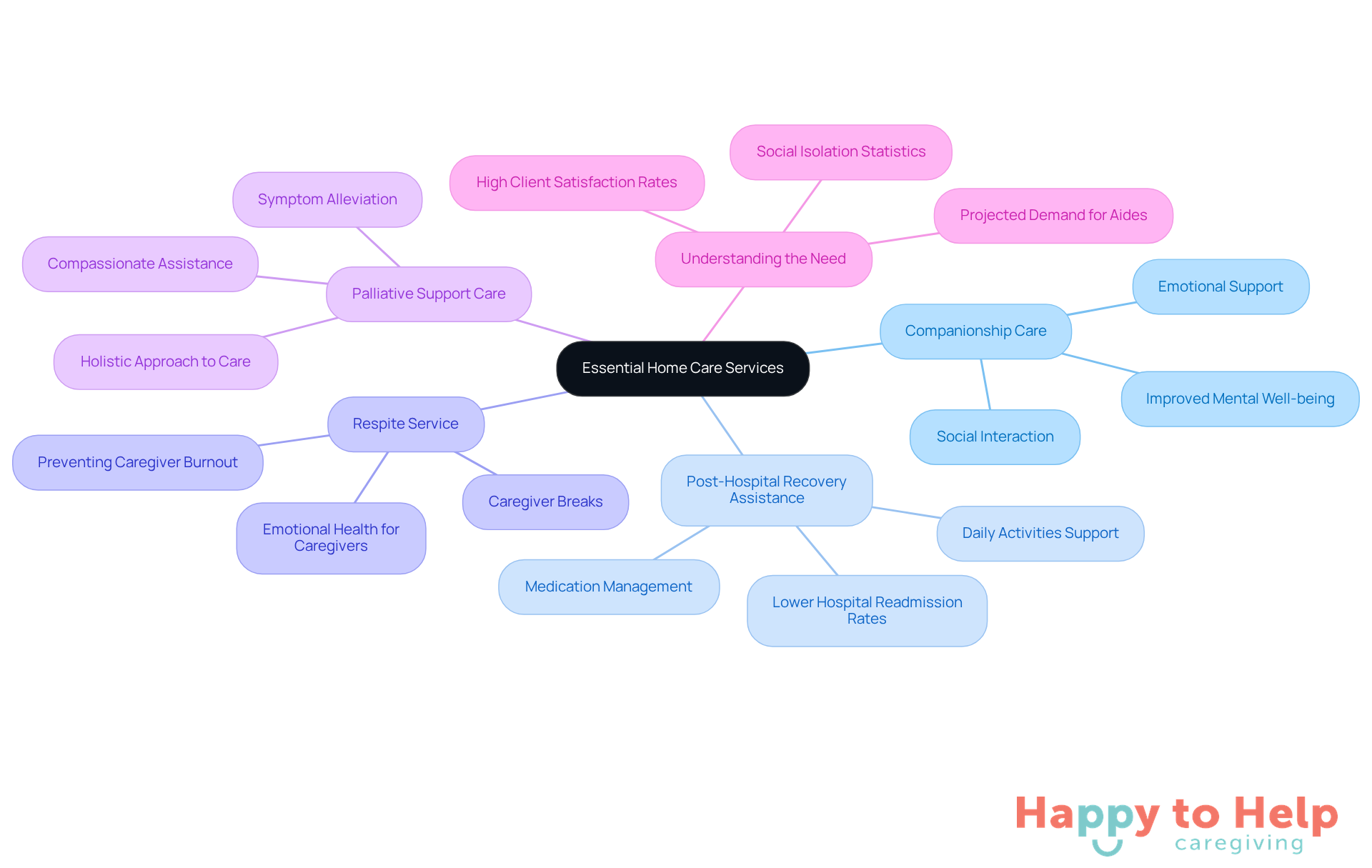
Recognizing the challenges families face in securing vital local home care services is essential for providing the best assistance for their loved ones. Many caregivers struggle with feelings of isolation and the overwhelming responsibilities of caring for seniors. Approximately 24% of community-dwelling Americans aged over 65 experience social isolation, which can lead to serious health risks, including a 29% increase in heart disease and a 32% increase in stroke. This highlights the urgent need for effective support services.
Companionship Care offers a solution by providing essential emotional support and social interaction. Engaging in social activities can significantly enhance mental well-being, giving older adults a renewed sense of purpose and improved quality of life. By addressing loneliness, companionship care plays a crucial role in promoting overall health.
Post-Hospital Recovery Assistance is another critical service. After a hospital stay, many individuals require help with daily activities, medication management, and mobility support to ensure a smooth recovery. Research shows that seniors receiving local home care services experience significantly lower hospital readmission rates, making this service vital for successful transitions from hospital to home.
Respite Service allows family caregivers to take necessary breaks while ensuring their loved ones receive quality support. This assistance is essential for preventing caregiver burnout, enabling caregivers to recharge and maintain their emotional health. As caregiving expert Amy Goyer notes, caregivers need moments that lift them above the chaos of their responsibilities.
Palliative Support Care focuses on alleviating symptoms and enhancing quality of life for individuals facing serious health challenges. This approach addresses the physical, emotional, and psychological needs of seniors, ensuring they receive compassionate assistance during difficult times.
Understanding these services empowers families to make informed decisions, ensuring that the specific needs of their loved ones are met effectively. With approximately 15 million Americans currently receiving local home care services, the demand for these essential supports is clear. Notably, 91% of home support clients report satisfaction with their providers, underscoring the positive impact of these services on clients' well-being.
Evaluate Provider Credentials and Reputation
Choosing the right local home care services provider can be a daunting task for families. With so many options available, how can you ensure that your loved ones receive the best care? The implications of selecting an unreliable agency can lead to inadequate support and increased stress for both caregivers and recipients.
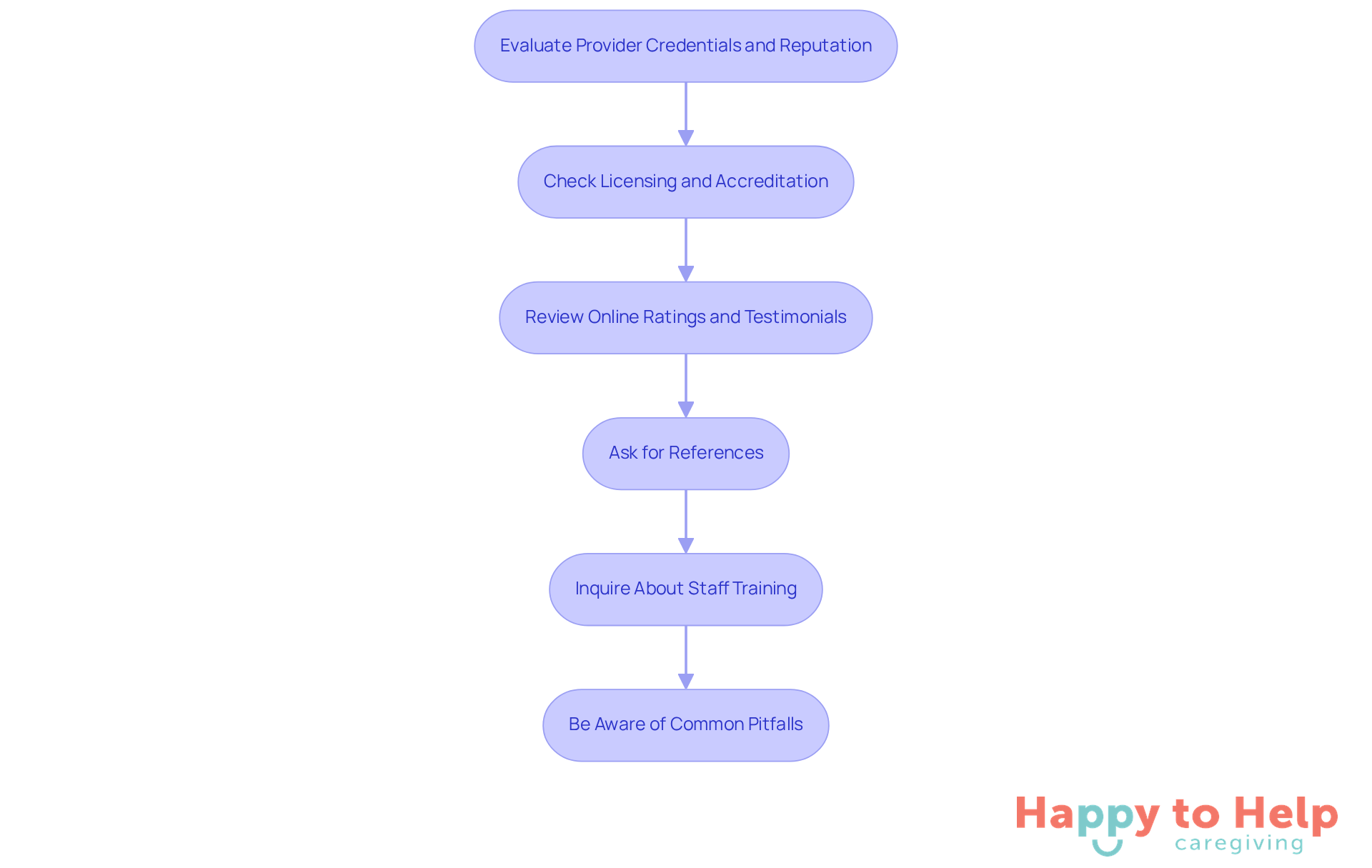
To tackle this issue, here are essential steps to follow:
- Check Licensing and Accreditation: Confirm that the agency is licensed to operate in your state and accredited by recognized organizations. This accreditation signifies compliance with industry standards, which is crucial for ensuring quality service. Notably, 98.6% of home health agencies in the U.S. are Medicare-certified, reflecting a high level of service.
- Review Online Ratings and Testimonials: Investigate reviews on platforms like Yelp or Google to gauge the experiences of other families. Positive feedback can be a strong indicator of the agency's reliability and service quality. Significantly, 91% of patients express satisfaction with their home health services, highlighting the importance of choosing a trustworthy provider.
- Ask for References: Request references from current or past clients to gain insights into the agency's performance and service standards. This firsthand information can be invaluable in making an informed decision.
- Inquire About Staff Training: Ensure that caregivers receive ongoing training and support to stay updated on best practices in home assistance. Agencies that prioritize staff development are more likely to deliver high-quality services. With the average yearly salary for a home health worker being $33,177, investing in training can lead to improved service outcomes.
- Be Aware of Common Pitfalls: Watch out for agencies with unclear pricing or hidden fees, as these can lead to financial stress and distrust. Clarity in pricing is essential for families selecting a home support agency.
By following these steps, families can confidently choose a provider of local home care services that meets their expectations, ensuring their loved ones receive the best possible support in the comfort of their own homes.
Customize Care Plans for Individual Needs
Developing personalized support strategies is crucial for meeting the specific requirements of each individual. Caregivers often face the challenge of ensuring that care plans are tailored to the unique needs of their clients, which can significantly impact the quality of care provided.
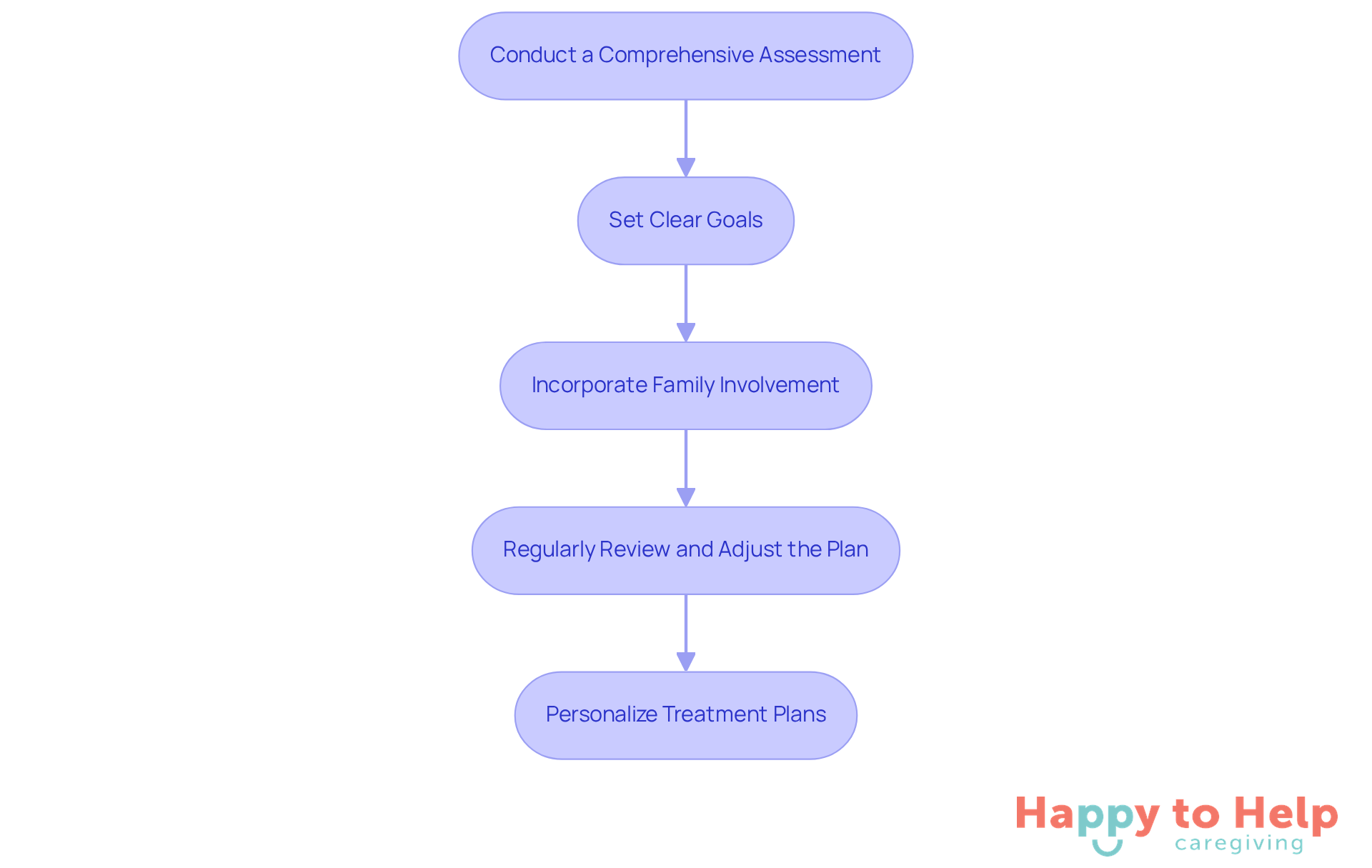
To address this issue, here are actionable steps to develop an effective care plan:
-
Conduct a Comprehensive Assessment: Begin with a thorough evaluation of the client's physical, emotional, and social needs. This evaluation should include contributions from the individual and their family, as family members often act as the first responders to changes in health and can offer valuable insights.
-
Set Clear Goals: Establish specific, measurable objectives that reflect the individual's preferences and desired outcomes. This could involve enhancing mobility, boosting social engagement, or addressing chronic conditions, ensuring that the treatment plan is customized to the person's lifestyle.
-
Incorporate Family Involvement: Involve family members in the planning process to ensure that the plan aligns with the client's lifestyle and preferences. Family involvement in healthcare significantly improves overall patient outcomes, fostering better communication and shared decision-making.
-
Regularly Review and Adjust the Plan: Support needs can change over time, so it is important to review and modify the support plan regularly to ensure it remains relevant and effective. The level and frequency of support a patient requires may increase over time, making ongoing evaluations essential.
By personalizing treatment plans through thorough evaluations and engaged family involvement, local home care services can provide more effective assistance that greatly improves the client's quality of life. Family assistance can offer crucial emotional backing, reassurance, companionship, and a feeling of security during a time of uncertainty.
Foster Communication and Support Networks
Effective communication is the backbone of successful home support, yet many caregivers face significant challenges in this area. Miscommunication can lead to serious consequences, including medical errors and preventable deaths. In fact, 80% of serious medical errors can be traced back to miscommunication during caregiver handovers, highlighting the critical need for effective communication strategies.
To address these issues, here are some actionable solutions:
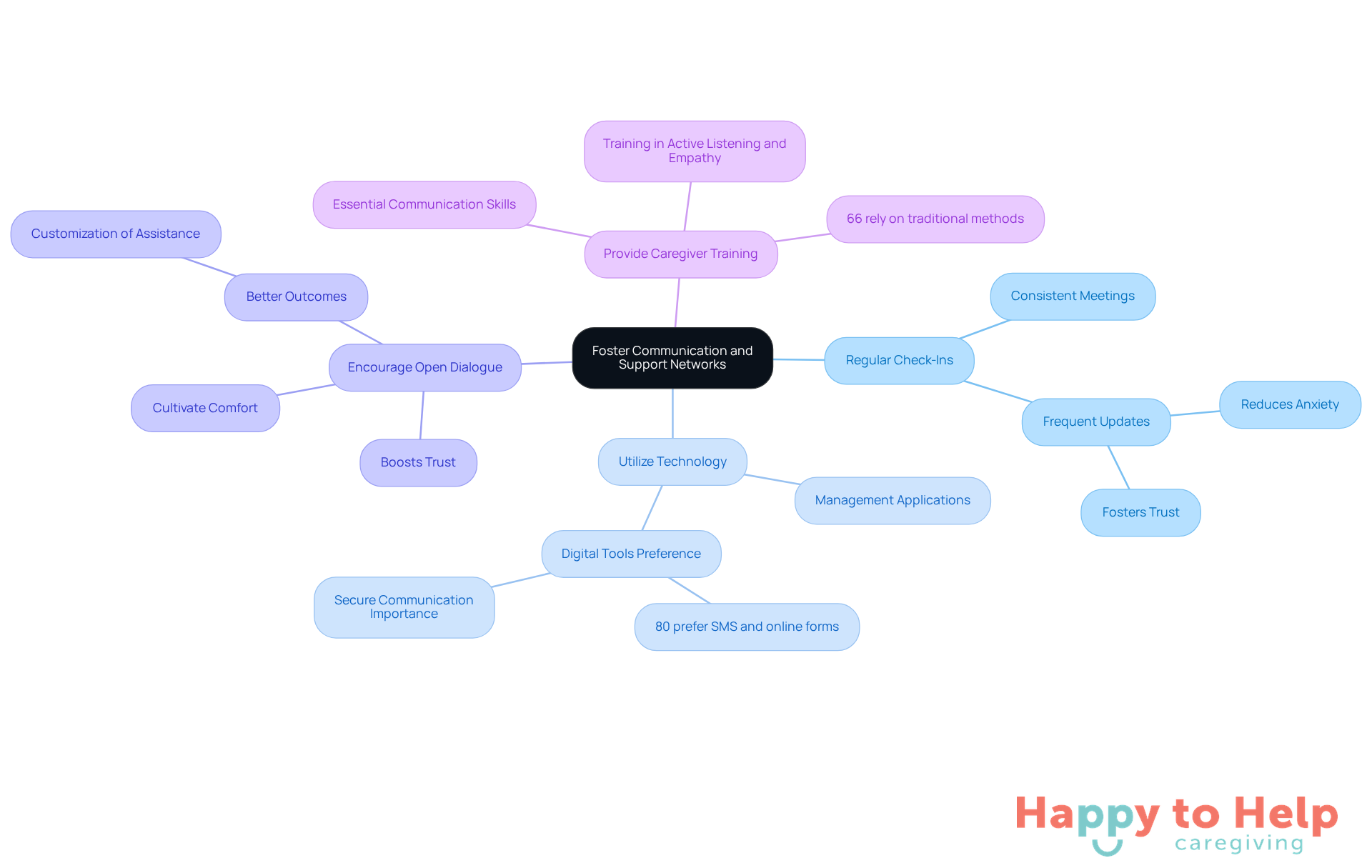
- Establish Regular Check-Ins: Schedule consistent meetings or calls between caregivers, clients, and family members to discuss care progress and address any concerns. Frequent updates can reduce anxiety and foster trust, ensuring everyone is aligned on treatment plans.
- Utilize Technology: Implement management applications or online platforms that allow relatives to stay updated about their loved one's treatment. With 80% of healthcare consumers preferring to engage with providers using digital tools like SMS and online forms, these tools facilitate easy communication with caregivers, enhancing transparency and engagement. However, it is essential to ensure that these methods are secure, as unsecured communication can put sensitive information at risk.
- Encourage Open Dialogue: Cultivate a setting where individuals and their loved ones feel at ease sharing their needs and concerns. This transparency not only boosts trust but also results in better outcomes, as caregivers can more effectively customize their assistance. Communication failures have contributed to nearly 2,000 preventable deaths, underscoring the importance of effective dialogue.
- Provide Caregiver Training: Equip caregivers with essential communication skills to effectively interact with individuals and families. Training in active listening and empathy can significantly enhance the caregiver-client relationship, creating a more supportive atmosphere. It is also important to recognize that 66% of healthcare providers still rely heavily on traditional communication methods, which can limit the effectiveness of technology-based solutions.
By prioritizing communication, local home care services can enhance the overall care experience, ensuring that clients receive the personalized support they need to thrive.
Taking the Next Steps
Recognizing the critical role of local home care services is essential for families seeking to provide the best support for their loved ones. The problem of social isolation and the need for tailored support can significantly impact seniors' quality of life. By understanding the various types of services available - such as companionship care, post-hospital recovery assistance, respite services, and palliative support care - families can make informed decisions that enhance well-being and emotional health.
Throughout the article, key practices for selecting and evaluating home care providers have been discussed. Families are encouraged to:
- Verify provider credentials
- Review client testimonials
- Ensure that care plans are customized to meet individual needs
Additionally, fostering open communication among caregivers, clients, and families is crucial for effective care and minimizing risks associated with miscommunication. By adopting these best practices, families can navigate the complexities of home care and secure the best possible support for their loved ones.
Ultimately, the significance of local home care services cannot be overstated. As the demand for these essential supports continues to grow, prioritizing quality care and effective communication will empower families to provide the necessary assistance that enhances the well-being of seniors. Embracing these best practices is not just a matter of care; it is a commitment to ensuring that every individual receives the compassion and support they deserve in their own home.
https://iframe.tely.ai/cta/eyJhcnRpY2xlX2lkIjogIjY5NDBhMjEwNmYzZjk5NzYxYTM2ZTNiZCIsICJjb21wYW55X2lkIjogIjY4ZWU1ZGNhNzMxNzYyNTU3ZjNjOTVjMSIsICJpbmRleCI6IG51bGwsICJ0eXBlIjogImFydGljbGUifQ==Frequently Asked Questions
What are the main challenges families face in securing home care services?
Families often struggle with feelings of isolation and the overwhelming responsibilities of caring for seniors, as well as the urgent need for effective support services.
How prevalent is social isolation among seniors?
Approximately 24% of community-dwelling Americans aged over 65 experience social isolation, which can lead to serious health risks, including increased rates of heart disease and stroke.
What is Companionship Care and how does it help seniors?
Companionship Care provides essential emotional support and social interaction, helping to enhance mental well-being, reduce loneliness, and improve the overall quality of life for older adults.
What is the importance of Post-Hospital Recovery Assistance?
Post-Hospital Recovery Assistance helps individuals with daily activities, medication management, and mobility support after a hospital stay, significantly lowering hospital readmission rates for seniors.
What is the purpose of Respite Service for family caregivers?
Respite Service allows family caregivers to take necessary breaks while ensuring their loved ones receive quality support, helping to prevent caregiver burnout and maintain emotional health.
What does Palliative Support Care focus on?
Palliative Support Care focuses on alleviating symptoms and enhancing the quality of life for individuals facing serious health challenges, addressing their physical, emotional, and psychological needs.
Why is it important for families to understand home care services?
Understanding these services empowers families to make informed decisions, ensuring that the specific needs of their loved ones are met effectively.
How many Americans are currently receiving local home care services?
Approximately 15 million Americans are currently receiving local home care services.
What is the satisfaction rate among home support clients?
Notably, 91% of home support clients report satisfaction with their providers, highlighting the positive impact of these services on clients' well-being.
List of Sources
- Identify Essential Home Care Services
- Home Care Statistics In 2025: Key Insights In Home Care (https://sagapixel.com/marketing/home-care-statistics)
- 10 Essential At Home Senior Care Services for Family Caregivers - Happy To Help (https://happytohelpcaregiving.com/10-essential-at-home-senior-care-services-for-family-caregivers)
- 'It has made my life a lot easier': New Ohio program pays people to care for their loved ones at home (https://10tv.com/article/news/local/new-ohio-program-pays-people-to-care-for-their-loved-ones-at-home/530-403c8d62-a2ad-4199-a420-15523d1a8062)
- In-Home Care for Seniors - Caregiving News and Tips (https://aarp.org/caregiving/home-care)
- 2025 Home Care Statistics: Trends & Insights To Know (https://premierhcinc.com/blog/home-care-statistics)
- Evaluate Provider Credentials and Reputation
- 52 Eye-Opening Home Health Statistics: Insights for 2025 (https://boosthomehealth.com/home-health-statistics)
- How to Vet a Home Care Agency: 10 Red Flags Families Shouldn’t Ignore | Breaking AC (https://seaislenews.com/news/2025/dec/09/how-to-vet-a-home-care-agency-10-red-flags-families-shouldnt-ignore)
- House approves bill to enhance elder home care standards (https://wwlp.com/news/state-politics/house-approves-bill-to-enhance-elder-home-care-standards)
- Topic: Home care in the U.S. (https://statista.com/topics/4049/home-care-in-the-us?srsltid=AfmBOorz3xRKPDkPSmE-kljyEFmVDAQFoHEk4Fg9FdTZUoX2ZiJgoYd1)
- FastStats (https://cdc.gov/nchs/fastats/home-health-care.htm)
- Customize Care Plans for Individual Needs
- Customized Care at Home: The Benefits of Personalized Care Plans - VNA Health Group (https://vnahg.org/customized-care-at-home-the-benefits-of-personalized-care-plans)
- How Family Involvement Enhances the Success of Personalized Support Plans (https://heartwisesupport.org/post/how-family-involvement-enhances-the-success-of-personalized-support-plans)
- The Role of Family Support in Long-Term Care Planning (https://innovativecpagroup.com/resources/newsarticles/the-role-of-family-support-in-long-term-care-planning)
- Developing Customized Care Plans for Seniors - New Wave Home Care (https://newwavehomecare.com/developing-customized-care-plans-for-seniors)
- Importance of Personalized Senior Home Care in Burlington NC (https://wisdomseniorcare.com/the-importance-of-personalized-care-plans-for-seniors)
- Foster Communication and Support Networks
- How to Improve Care Team Communication in Home Care (https://carevoyant.com/home-health-blog/how-to-improve-care-team-communication-in-home-care)
- Latest Healthcare Communication Statistics: Comprehensive Guide for 2025 (https://dialoghealth.com/post/healthcare-communication-statistics)
- Effective Communication Strategies in Senior Care: Empowering Residents, Families, and Caregivers - MedCity News (https://medcitynews.com/2023/12/effective-communication-strategies-in-senior-care-empowering-residents-families-and-caregivers)
- 8 Patient Communication Stats to Know in 2025 (https://wellreceived.com/blog/8-patient-communication-stats-every-healthcare-provider-should-know-in-2025)
- How Technology Enhances Communication in Senior Care (https://business.seminolebusiness.org/news/details/how-technology-enhances-communication-in-senior-care)