Essential Ramp Installation for Seniors: A Caregiver's Guide
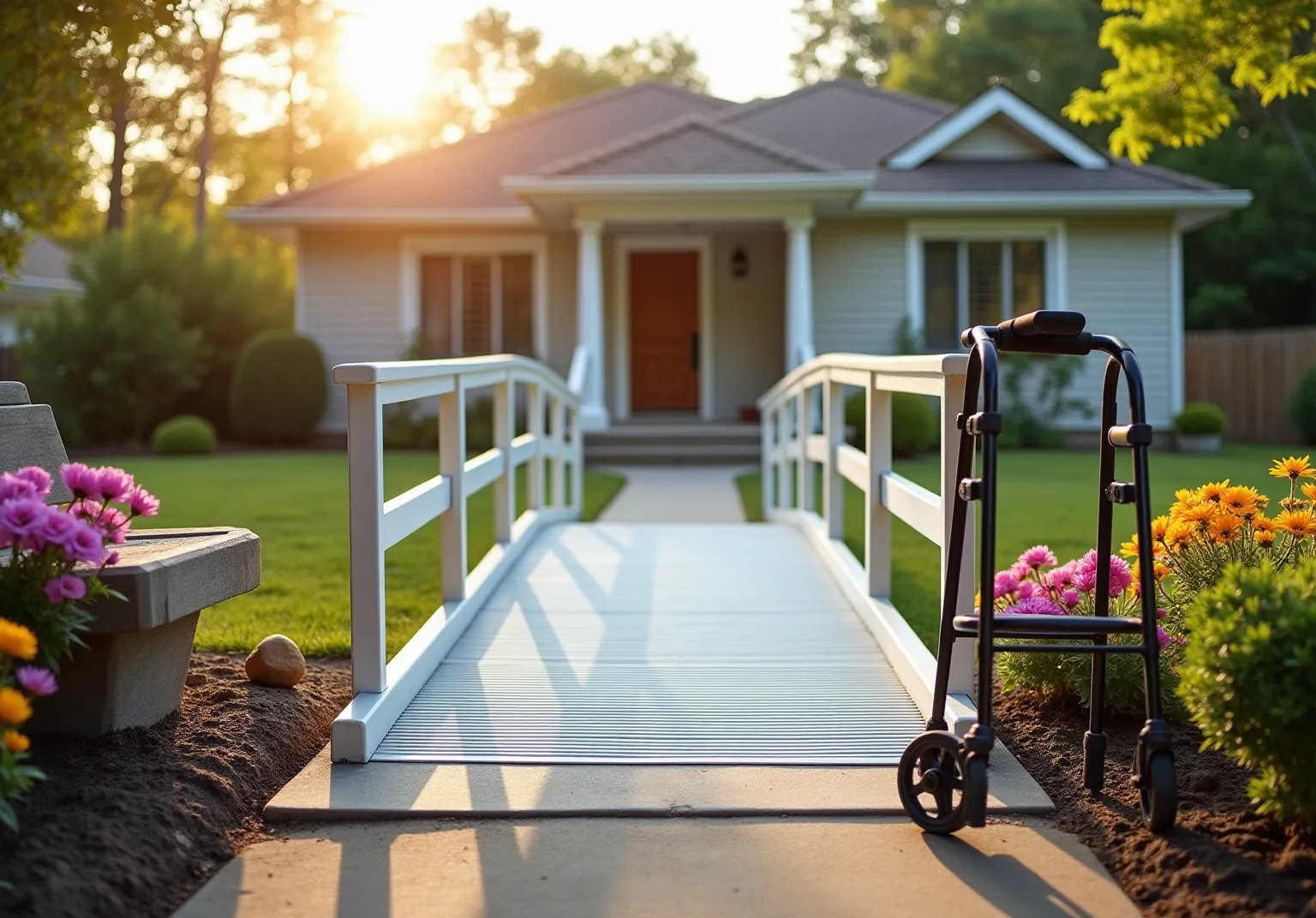
For families in our service areas
For families in our service areas, this guide explains caregiver support and how non-medical in-home caregiving can support care planning in East Idaho, Treasure Valley & Magic Valley, Northern Wasatch, North Central West Virginia, and Northeast Ohio.
What You Need to Know About Essential Ramp Installation
Ramps are more than just physical structures; they serve as a crucial lifeline for seniors, enhancing their mobility and independence. However, many caregivers face significant challenges when it comes to selecting the right ramp and ensuring its proper installation. This can lead to safety concerns and hinder the quality of life for elderly individuals, preventing them from navigating their environments with confidence.
To address these issues, caregivers must consider several key factors when creating a safe and accessible space for seniors. First, understanding the specific needs of the elderly individual is essential. This includes evaluating their mobility level and the types of environments they will be navigating. Additionally, ensuring that the ramp meets safety standards and is installed correctly can significantly impact its effectiveness.
By focusing on these considerations, caregivers can transform the daily lives of seniors, allowing them to move freely and confidently. Practical solutions, such as consulting with experts on ramp design and installation, can provide the necessary guidance to make informed decisions. Ultimately, the right ramp can empower seniors, enhancing their independence and overall quality of life.
Understanding the Importance of Ramps for Seniors
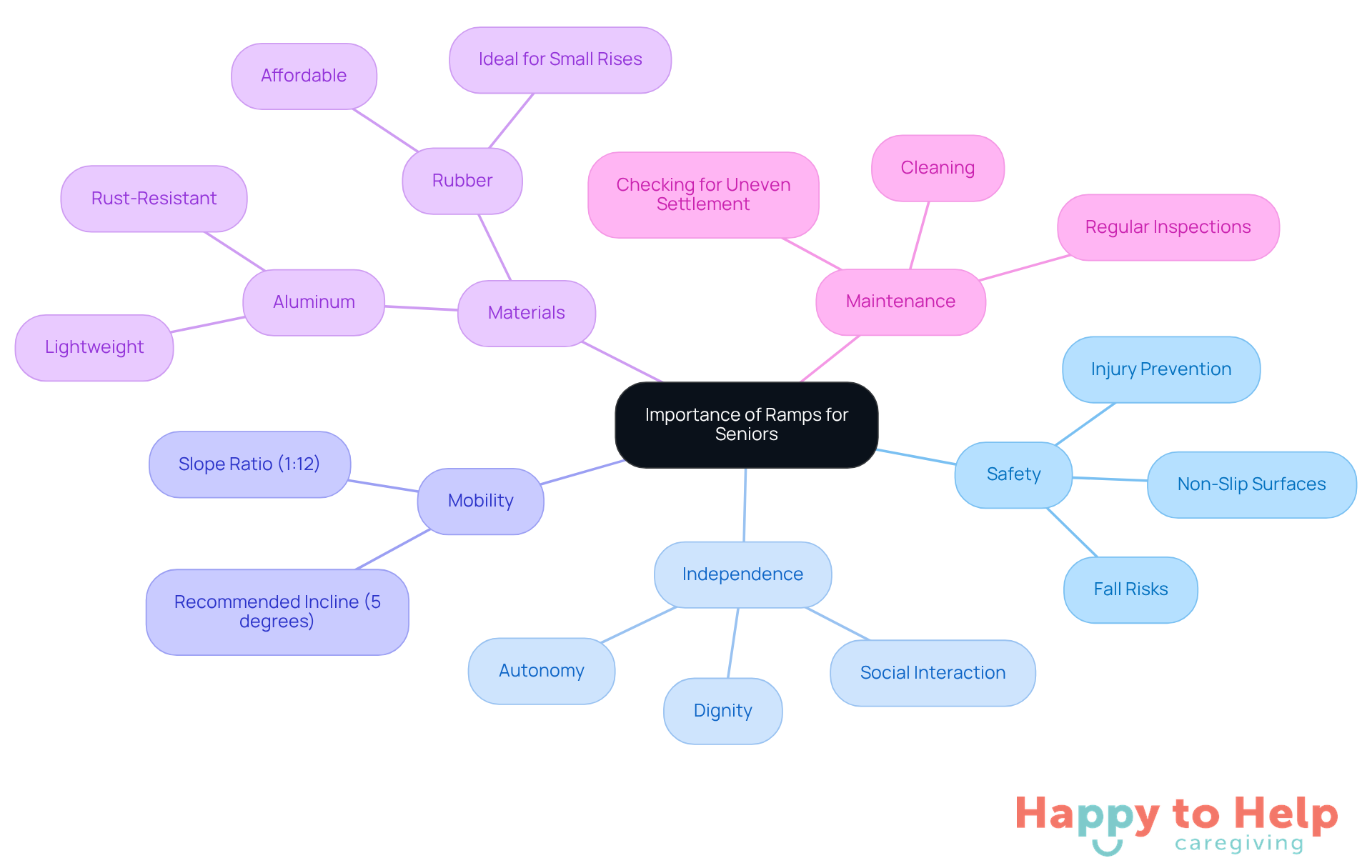
Ramps present a significant problem for older adults, which highlights the need for ramp installation for seniors to enhance their safety and independence. Without proper access, seniors face increased risks of falls and injuries when navigating steps and curbs. This issue is particularly pressing for those using wheelchairs, walkers, or experiencing restricted mobility, as ramp installation for seniors is necessary to maintain their autonomy and dignity.
The implications of inadequate access are profound. Limited mobility can lead to social isolation and negatively impact mental health. Access to essential services and social interactions is crucial for seniors, and ramp installation for seniors can help facilitate these connections. Experts recommend a slope ratio of 1:12 and an incline of five degrees to ensure optimal security and usability.
Fortunately, there are practical solutions. Case studies show that older adults who benefit from ramp installation for seniors report enhanced confidence and reduced fatigue when moving around their homes. Various materials, such as rubber and aluminum, offer distinct benefits; aluminum is lightweight and rust-resistant, while rubber is ideal for smaller rises.
To ensure the longevity and safety of ramps, consistent upkeep is essential. Regular cleaning and inspections for uneven settlement can prevent potential hazards. Expert opinions consistently highlight that ramp installation for seniors not only improves physical accessibility but also fosters a sense of belonging and community involvement.
By recognizing the importance of ramp installation for seniors, caregivers can implement these essential changes in the home environment, allowing older adults to thrive comfortably and securely in their familiar surroundings.
Key Considerations for Choosing the Right Ramp
Selecting the right ramp installation for seniors can be a daunting task, particularly when taking into account their unique mobility needs. Caregivers often face the challenge of ensuring safety and accessibility, which can significantly impact the quality of life for elderly individuals.
To address this issue, here are several key factors to consider:
- Type of Incline: Options include portable, modular, and permanent inclines. Portable inclines are ideal for temporary needs, while permanent structures offer long-term solutions, often built from resilient materials like concrete or wood.
- Material: Ramps can be made from wood, aluminum, or concrete. Aluminum inclines are lightweight and simple to set up, making them ideal for portable choices. Wooden structures provide aesthetic charm but necessitate regular upkeep. Concrete inclines are sturdy and durable but can be pricier and difficult to set up.
- Slope and Length: The ADA suggests a slope ratio of 1:12, indicating that for each inch of elevation, there should be a minimum of 12 inches of incline length. This guideline is essential for guaranteeing security and ease of use, especially for elderly individuals who may have mobility challenges.
- Width: A minimum width of 36 inches is suggested to accommodate wheelchairs and allow for caregiver assistance, ensuring that users can navigate the incline comfortably.
- Protection Features: Look for non-slip surfaces, handrails, and edge protection to improve security during use. These features are essential in preventing accidents, especially in wet or icy conditions.
- Local Regulations: Ensure that the incline adheres to local building codes and ADA guidelines to avoid legal issues and ensure safety. Consulting with local dealers can provide insights into specific requirements and best practices for installation, as well as help identify potential hidden costs associated with online purchases.
By considering these factors, caregivers can choose the most suitable incline for ramp installation for seniors, which will enhance mobility and independence, ultimately improving their quality of life.

Step-by-Step Guide to Installing a Wheelchair Ramp
The ramp installation for seniors is crucial for ensuring mobility and safety for users. Without proper access, caregivers face significant challenges in providing care and support. This guide provides a clear, step-by-step solution for ramp installation for seniors to help you install an incline effectively.
- Assess the Location: Identify where the incline will be installed. Ensure the area is free of obstacles and has sufficient space for the length and width of the incline required for ramp installation for seniors.
- Measure the Height: Determine the height from the ground to the entry point of the home. This measurement will dictate the length of the incline based on the suggested slope.
- Select the Type of Incline: Decide whether to utilize a portable, modular, or permanent structure for ramp installation for seniors based on your requirements and budget.
- Collect Materials: If constructing an incline, gather all essential materials, including wood or metal for the frame, non-slip surface materials, and handrails.
- Build the Ramp Frame: Construct the frame according to the measurements taken. Ensure it is sturdy and can support the weight of the user and any additional load.
- Install the Surface: Attach a non-slip surface to the incline to prevent slips and falls, especially in wet conditions.
- Add Handrails: Install handrails on both sides of the incline if the rise is greater than 6 inches. Ensure they are at a comfortable height for users.
- Before use, during ramp installation for seniors, test the incline with a wheelchair or walker to ensure stability and safety. Make any necessary adjustments.
- Regular Maintenance: Schedule regular inspections and maintenance to ensure the ramp remains safe and functional over time.
Making the Right Choice
Ramp installation for seniors is more than just a convenience; it addresses critical issues of safety, mobility, and independence for older adults. The unique challenges faced by seniors can significantly impact their quality of life. By ensuring they can navigate their homes with confidence and ease, caregivers play a vital role in enhancing their well-being.
The importance of ramps cannot be overstated. They help prevent falls and promote social interaction, which are essential for maintaining a healthy lifestyle. Key considerations include:
- Incline type
- Material selection
- Slope ratio
- Safety features
These factors equip caregivers with the knowledge necessary to make informed decisions about ramp installation.
To implement these essential modifications effectively, a step-by-step installation process is provided. This practical framework guides caregivers through the installation, ensuring that ramps are both functional and safe.
Ultimately, installing ramps is a crucial investment in the well-being of seniors. By prioritizing accessibility and safety, caregivers foster an environment that encourages independence and community engagement. Embracing these changes not only enhances mobility but also enriches the lives of seniors, allowing them to thrive in their own homes.
https://iframe.tely.ai/cta/eyJhcnRpY2xlX2lkIjogIjY5MmY5MTg3ZGM0MTVjZWNlZTQ2NmMxNyIsICJjb21wYW55X2lkIjogIjY4ZWU1ZGNhNzMxNzYyNTU3ZjNjOTVjMSIsICJpbmRleCI6IG51bGwsICJ0eXBlIjogImFydGljbGUifQ==Frequently Asked Questions
Why are ramps important for seniors?
Ramps are important for seniors as they enhance safety and independence by providing proper access, reducing the risks of falls and injuries when navigating steps and curbs.
What challenges do seniors face without ramps?
Without ramps, seniors, especially those using wheelchairs or walkers, face increased risks of falls and injuries, which can lead to social isolation and negatively impact their mental health.
What slope ratio is recommended for ramp installation for seniors?
Experts recommend a slope ratio of 1:12 and an incline of five degrees to ensure optimal security and usability of ramps.
What benefits do older adults report after ramp installation?
Older adults who benefit from ramp installation report enhanced confidence and reduced fatigue when moving around their homes.
What materials are commonly used for ramps, and what are their benefits?
Common materials for ramps include aluminum, which is lightweight and rust-resistant, and rubber, which is ideal for smaller rises.
How can the safety and longevity of ramps be maintained?
The safety and longevity of ramps can be maintained through consistent upkeep, including regular cleaning and inspections for uneven settlement.
How does ramp installation impact community involvement for seniors?
Ramp installation not only improves physical accessibility but also fosters a sense of belonging and community involvement for seniors.
What role do caregivers play in ramp installation for seniors?
Caregivers can implement essential changes, such as ramp installation, in the home environment to help older adults thrive comfortably and securely in their familiar surroundings.
List of Sources
- Understanding the Importance of Ramps for Seniors
- Choosing the Right Handicap Ramps for Your Home Entryways (https://vitalitymedical.com/blog/choosing-handicap-ramps-home-entryways.html?srsltid=AfmBOop1YUiDBpOmtdFHOcmS-QK7Wxxp0Lw2vgmhub51FWyQw\_CYqRh5)
- A Survey of Ramp and Stair Use among Older Adults - Kimberly Graves Wolfinbarger, Randa L. Shehab, 2000 (https://journals.sagepub.com/doi/10.1177/154193120004402421)
- Key Considerations for Choosing the Right Ramp
- How to Choose a Wheelchair Ramp (https://bluebadgeinsurance.com.au/blog/how-to-choose-a-wheelchair-ramp)
- Wheelchair Ramp Pricing in 2025 | Lifeway Mobility (https://lifewaymobility.com/resources/product-guides/how-much-does-a-wheelchair-ramp-cost)
- Choosing Ramps for Stairs for Elderly Loved Ones | BraunAbility (https://braunability.com/us/en/resources/caregiver-resources/ramps-for-stairs-for-elderly.html)
- How Much Does a Wheelchair Ramp Cost in 2025? (https://homeadvisor.com/cost/environmental-safety/build-a-disability-ramp)