Essential Steps for In Home Help for Disabled Family Members

For families in our service areas
For families in our service areas, this guide explains caregiving and how non-medical in-home caregiving can support care planning in East Idaho, Treasure Valley & Magic Valley, Northern Wasatch, North Central West Virginia & Southwestern Pennsylvania, and Northeast Ohio.
What You Need to Know About Essential Steps for In Home Help for
Navigating the complexities of in-home care for disabled family members presents a significant challenge for many caregivers. With approximately 70% of disabled individuals needing assistance with daily activities, the stakes are high. Understanding the essential steps to provide effective support is crucial for families facing this daunting task.
The implications of inadequate care can be severe, affecting not only the disabled individual but also the entire family dynamic. Caregivers often feel overwhelmed, unsure of where to start or how to find the right resources. This guide aims to clarify these challenges by outlining critical processes such as:
- Assessing care needs
- Exploring available services
- Choosing the right caregiver
Additionally, we will address the financial implications that often accompany caregiving, ensuring families are well-informed.
So, how can families ensure they are making the best choices for their loved ones amidst these challenges? By following a structured approach, caregivers can navigate the complexities of in-home care with confidence.
Assess Care Needs of Disabled Family Members
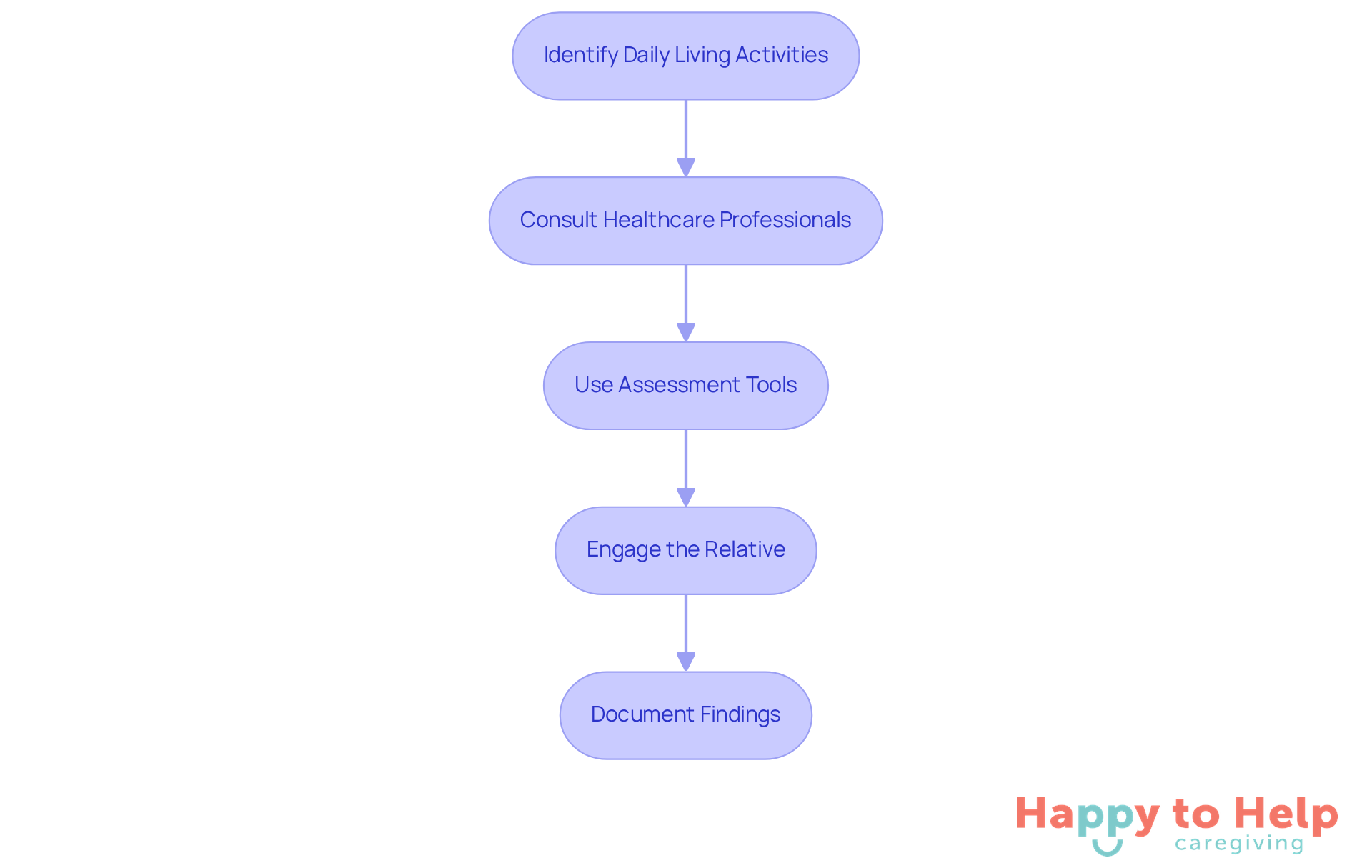
Identify Daily Living Activities: Caregivers often struggle to assess the daily living activities of their disabled family members. Observing tasks like bathing, dressing, eating, and mobility can reveal significant difficulties. Research shows that about 70% of disabled individuals need in home help for disabled with at least one daily living activity. This statistic highlights the critical need for thorough evaluations in home help for disabled to ensure appropriate support.
Consult Healthcare Professionals: It's essential to consult with healthcare providers about the individual's medical history and specific care needs. This includes discussing medication management, physical therapy, and dietary restrictions. Engaging with professionals can provide valuable insights into best practices for care and identify additional resources available to support caregivers.
Use Assessment Tools: Implementing structured assessment tools, such as the Activities of Daily Living (ADLs) assessment, can help pinpoint areas where assistance is necessary. Effective tools are vital for caregivers. As HHS Secretary Robert F. Kennedy Jr. noted, AI can revolutionize caregiving by offering on-demand support and streamlining paperwork, allowing caregivers to focus on what truly matters.
Engage the Relative: Involving the disabled relative in discussions about their needs and preferences is crucial. This approach empowers them and ensures their voice is included in the care planning process. Engaging them fosters autonomy and respect, which are essential for their emotional well-being.
Document Findings: Finally, it's important to document your findings in detail, including specific needs, preferences, and recommendations from healthcare professionals. This report will serve as a reference for future steps. Clear communication and documentation are vital for ensuring continuity of care, especially as families navigate the complexities of the healthcare system.
Explore Available In-Home Care Services
-
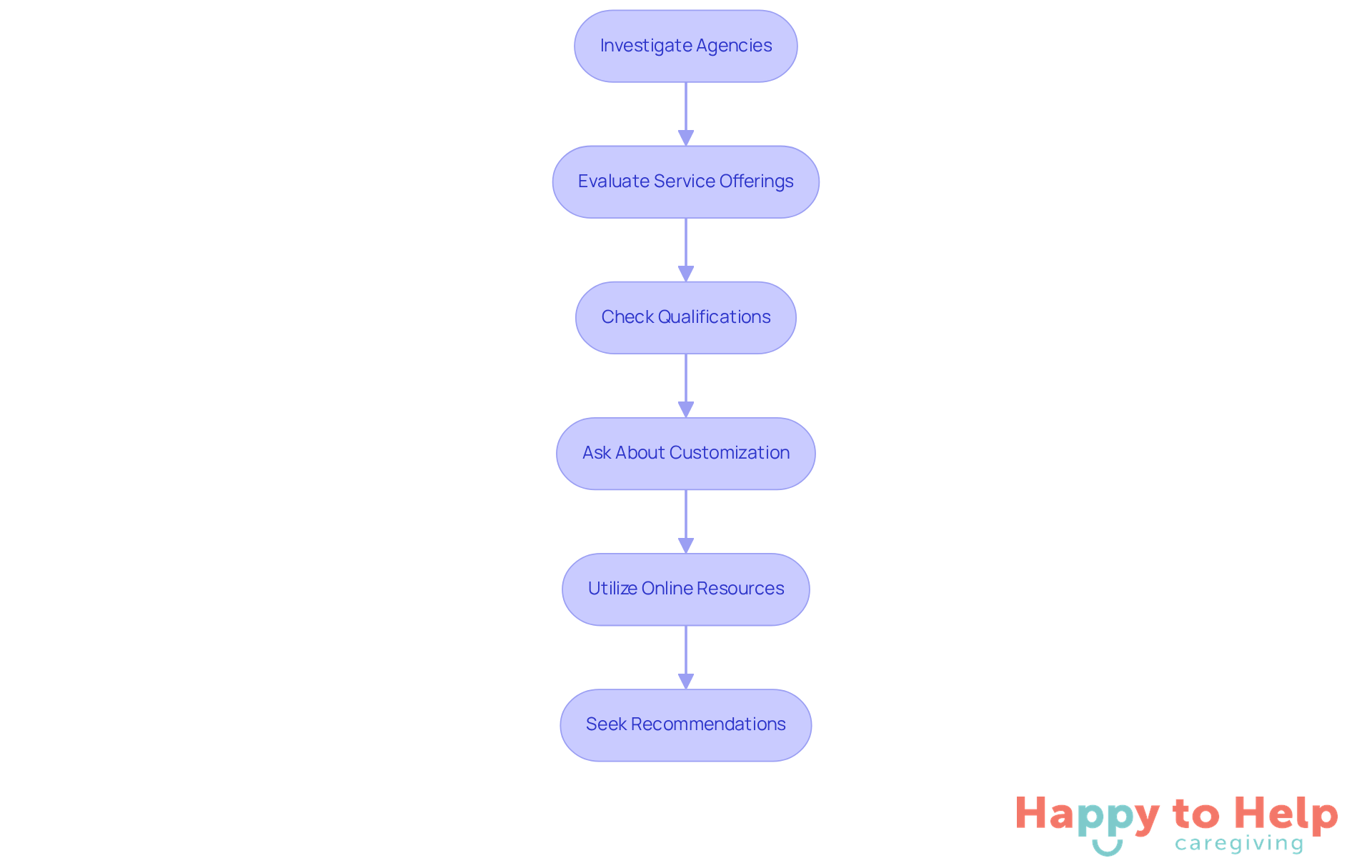
Caregivers often struggle to find reliable organizations that provide in home help for disabled individuals. Start by investigating nearby agencies with positive reviews and a solid reputation. Notably, 98.6% of home health agencies in the U.S. are Medicare-certified, serving as a reliable indicator of quality and compliance with federal standards.
-
Evaluate Service Offerings: Many caregivers face the challenge of finding agencies that provide the right services. Compare the types of services offered, such as personal care, companionship, respite care, and specialized medical services. Approximately 70% of disabled adults require in home help for disabled individuals with daily activities, making it essential to choose an agency that can effectively meet these needs.
-
Check Qualifications: Ensuring that attendants are properly trained and certified is crucial. Look for agencies that conduct background checks and offer ongoing training for their staff. It's important to note that only 7% of caregivers report having received formal training, highlighting the necessity of selecting agencies that prioritize caregiver education.
-
Ask About Customization: Caregivers often need tailored care plans for their loved ones. Inquire whether the agency can create a customized care plan that addresses specific needs identified during the assessment phase. This is especially crucial for households with loved ones who may have conditions such as dementia, which affected 35.6% of home health users in 2020.
-
Utilize Online Resources: Navigating care options can be overwhelming. Websites like AARP and government sources provide valuable information about available options and how to access them. These platforms can assist households in making informed decisions.
-
Seek Recommendations: Finding the right agency can be daunting. Speak with other households who have utilized in home help for disabled relatives. Their experiences can offer insights into which agencies are most effective. As Lindsey Copeland noted, caregivers often face challenges in locating budget-friendly choices, emphasizing the importance of selecting the right support to alleviate some of the emotional burden associated with caregiving.
Choose the Right Caregiver for Your Family
-
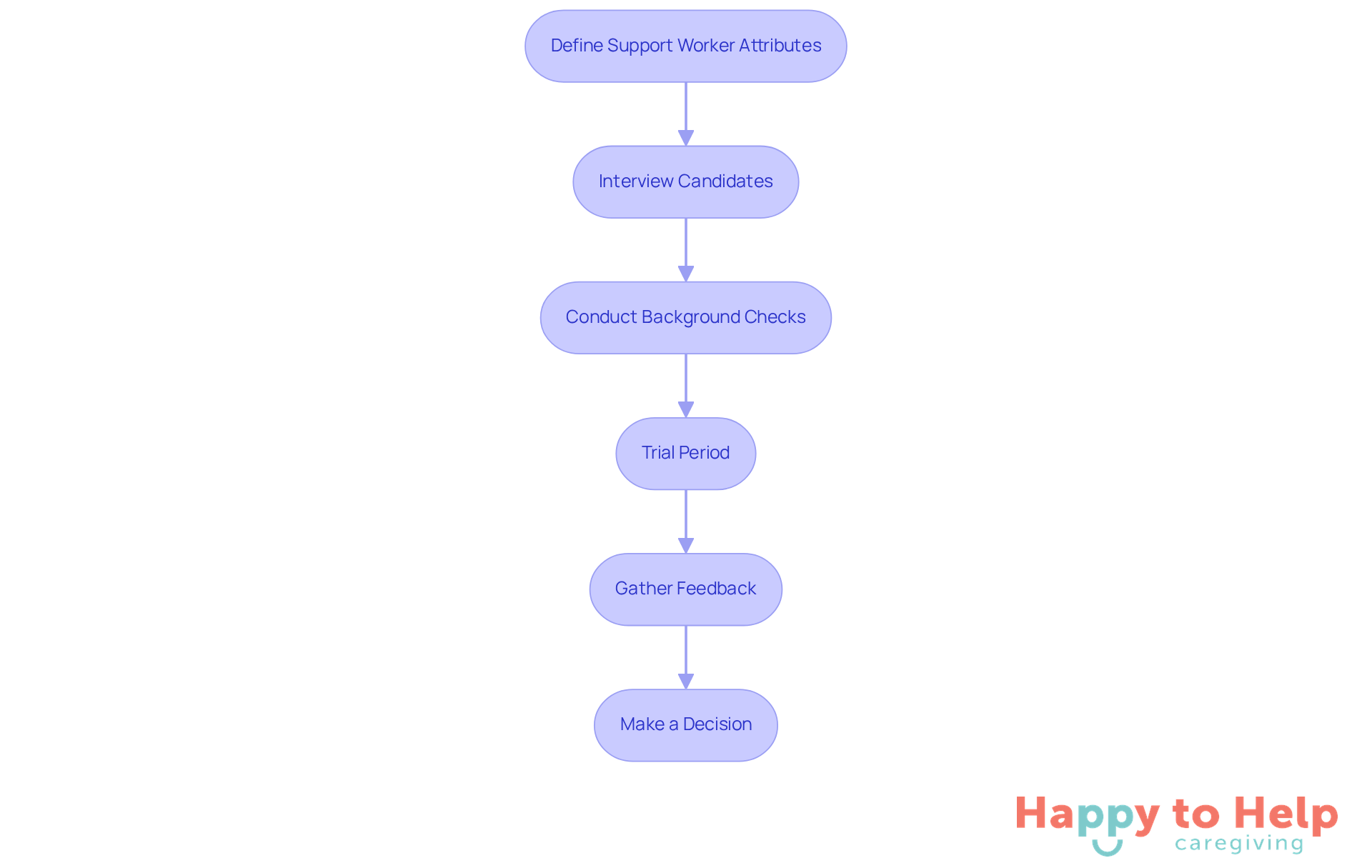
Define Support Worker Attributes: Caregivers often struggle to find the right support for their loved ones. Essential traits for a support worker in home help for disabled include empathy, patience, and relevant experience with disabilities. Experts emphasize that caregivers should possess sound judgment and a compassionate attitude to foster a supportive environment. Rita B. Choula, Senior Director of Caregiving at the AARP Public Policy Institute, highlights this need, stating, "We have to stop thinking of family supporters as an invisible workforce," underscoring their critical role.
-
Interview Candidates: Conducting thorough interviews with prospective aides is crucial. Ask about their experience, training, and specific caregiving approaches. This step allows you to gauge their understanding of the unique needs of individuals with disabilities in home help for disabled. Nearly 60% of family supporters advocate for care recipients' needs, making it vital to choose someone who can effectively assist your loved one.
-
Conduct Background Checks: Trust is paramount when selecting a caregiver. Ensure that any individual you consider has undergone comprehensive background checks. This step is essential for establishing safety and reliability, especially since many caregivers are unpaid.
-
Trial Period: Whenever possible, organize a trial phase for the attendant to work with your relative. This setup allows both parties to assess compatibility and comfort levels in a real-world setting.
-
Gather Feedback: After the trial period, solicit feedback from your family member about their comfort and satisfaction with the attendant. This input is invaluable in determining whether the provider is a good fit. Remember, the right provider of in home help for disabled individuals can significantly enhance their quality of life.
-
Make a Decision: Based on the feedback and your observations, make an informed choice about which provider will best meet your family member's needs. Financial strain is a common issue for caregivers, with many facing challenges in balancing responsibilities. Choosing the right provider can alleviate some of this burden and enhance overall well-being.
Evaluate Costs and Funding Options for Care
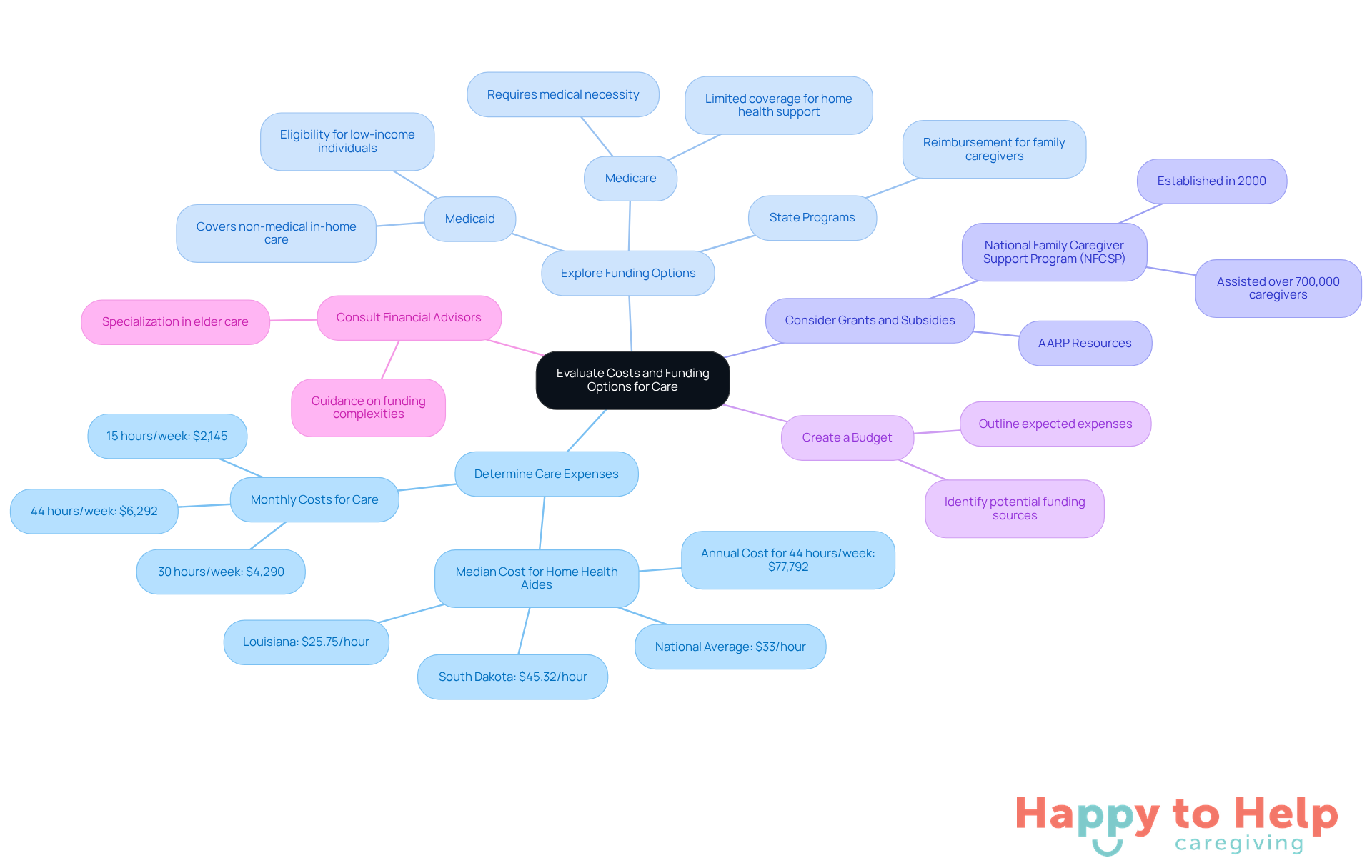
Determine Care Expenses: Caregiving costs can be daunting, especially when considering in-home assistance. The typical expenses vary significantly based on the type of care required and the caregiver's qualifications. For example, the national median cost for home health aides is around $33 per hour, but this can fluctuate by state - South Dakota averages about $45.32 per hour, while Louisiana is lower at approximately $25.75 per hour. Furthermore, the median annual cost for a home health aide working 44 hours a week stands at $77,792 as of 2024, highlighting the financial burden of in-home care.
Explore Funding Options: To alleviate these costs, it's crucial to investigate potential funding sources. Medicaid provides non-medical in-home assistance and medical care for low-income individuals, while Medicare offers limited coverage for home health support, primarily for medically necessary treatments. Additionally, some states have programs that reimburse family members for providing care, which can be a valuable resource.
Consider Grants and Subsidies: Another avenue to explore is local and national grants or subsidies that can help with caregiving expenses. Organizations like AARP and the National Family Caregiver Support Program (NFCSP) offer resources and funding opportunities. Since its inception in 2000, the NFCSP has assisted over 700,000 caregivers, underscoring its importance in supporting families.
Create a Budget: Developing a detailed budget is essential for managing caregiving costs. This proactive approach allows you to outline expected expenses and potential funding sources, preparing you for any unexpected financial challenges. For instance, caring for someone for 15 hours a week can cost around $2,145 per month, making careful planning vital.
Consult Financial Advisors: If you're feeling overwhelmed, consider consulting a financial advisor who specializes in elder care. Their expertise can guide you through the complexities of funding in home help for disabled individuals. Notably, some Medicare recipients with dementia may access a pilot program offering $2,500 a year for respite services, which could be a significant resource for families.
Moving Forward with Essential Steps for In Home Help for
Navigating the complexities of in-home help for disabled family members presents a significant challenge. Caregivers often face the daunting task of understanding the unique needs of their loved ones while ensuring they receive the necessary support for a better quality of life. This situation can lead to feelings of overwhelm and uncertainty, making it crucial to approach the process thoughtfully and systematically.
To address these challenges, caregivers should:
- Assess care needs through careful observation and consultations with healthcare professionals. This step is vital in identifying daily living activities that require assistance.
- Explore available in-home care services to find options that best fit their specific requirements.
- Select caregivers who possess the right attributes, as the right match can greatly enhance the quality of care.
- Evaluate costs and funding options to manage the financial aspects of care.
- Document their findings and utilize structured assessment tools to create a comprehensive plan that addresses both emotional and practical needs.
This proactive approach not only fosters dignity and respect but also empowers disabled individuals to maintain their autonomy.
Ultimately, providing in-home help for disabled family members is about more than just meeting physical needs; it’s about enhancing their overall well-being. Families are encouraged to seek out resources, share experiences, and remain engaged in the caregiving process. By committing to thoughtful caregiving, caregivers can ensure that their loved ones receive the compassionate support they truly deserve.
https://iframe.tely.ai/cta/eyJhcnRpY2xlX2lkIjogIjY5MmZiYWE1ODAyMzUzNTMyMmNmNTI0NCIsICJjb21wYW55X2lkIjogIjY4ZWU1ZGNhNzMxNzYyNTU3ZjNjOTVjMSIsICJpbmRleCI6IG51bGwsICJ0eXBlIjogImFydGljbGUifQ==Frequently Asked Questions
How can caregivers assess the daily living activities of disabled family members?
Caregivers can assess daily living activities by observing tasks such as bathing, dressing, eating, and mobility. This observation can reveal significant difficulties faced by disabled individuals.
What percentage of disabled individuals require in-home help for daily living activities?
Research shows that about 70% of disabled individuals need in-home help for at least one daily living activity.
Why is it important to consult healthcare professionals when assessing care needs?
Consulting healthcare professionals is essential to understand the individual's medical history and specific care needs, including medication management, physical therapy, and dietary restrictions. It provides valuable insights and identifies additional resources for caregivers.
What are assessment tools, and how can they assist caregivers?
Assessment tools, such as the Activities of Daily Living (ADLs) assessment, help caregivers pinpoint areas where assistance is necessary. These structured tools are vital for effective caregiving.
How can AI impact caregiving according to HHS Secretary Robert F. Kennedy Jr.?
AI can revolutionize caregiving by offering on-demand support and streamlining paperwork, allowing caregivers to focus more on the needs of the individual they are caring for.
Why is it important to engage the disabled relative in discussions about their care needs?
Involving the disabled relative in discussions about their needs and preferences empowers them and ensures their voice is included in the care planning process, fostering autonomy and respect for their emotional well-being.
What should caregivers document regarding the care needs of their disabled family members?
Caregivers should document findings in detail, including specific needs, preferences, and recommendations from healthcare professionals. This documentation serves as a reference for future steps and ensures continuity of care.
List of Sources
- Assess Care Needs of Disabled Family Members
- Latest News - Disability Scoop (https://disabilityscoop.com/latest-news)
- Proper Medical Care is a Challenge for Disabled People to Access - Able News at The Viscardi Center (https://ablenews.com/proper-medical-care-is-a-challenge-for-disabled-people-to-access)
- To Address Disability Caregiver Crisis, Feds Look To AI (https://disabilityscoop.com/2025/12/02/to-address-disability-caregiver-crisis-feds-look-to-ai/31755)
- DHS news releases (https://mn.gov/dhs/media/news/index.jsp)
- Explore Available In-Home Care Services
- How to Find In-Home Care for Disabled Adults Near You - Happy To Help (https://happytohelpcaregiving.com/how-to-find-in-home-care-for-disabled-adults-near-you)
- People with Disabilities Could Lose At-Home Care Due to Medicaid Cuts | County News Center | Office of Communications and Public Affairs | County of Santa Clara (https://news.santaclaracounty.gov/people-disabilities-could-lose-home-care-due-medicaid-cuts)
- Morrisey tries to increase number of in-home caregivers through Medicaid rate increase (https://newsfromthestates.com/article/morrisey-tries-increase-number-home-caregivers-through-medicaid-rate-increase)
- FastStats (https://cdc.gov/nchs/fastats/home-health-care.htm)
- Topic: Home care in the U.S. (https://statista.com/topics/4049/home-care-in-the-us?srsltid=AfmBOoqCY6R35iztZkGMXx4zYeXBTULW-ze0aBfj6npnBmRhHWOH7IcV)
- Choose the Right Caregiver for Your Family
- News You Can Use - 5 Qualities to Look For in Caregivers - Diversified Resources (https://diversifiedresources.net/news-you-can-use-5-qualities-to-look-for-in-caregivers)
- Caregiving Crisis: 45% Increase in Americans Providing Care (https://aarp.org/caregiving/basics/caregiving-in-us-survey-2025)
- Who Are Family Caregivers Of Seniors And People With Disabilities? (https://forbes.com/sites/howardgleckman/2025/07/24/who-are-family-caregivers-of-seniors-and-people-with-disabilities)
- Caregiver Statistics: Demographics (https://caregiver.org/resource/caregiver-statistics-demographics)
- Who Are Family Caregivers? (https://apa.org/pi/about/publications/caregivers/faq/statistics)
- Evaluate Costs and Funding Options for Care
- Home Care Costs in 2025: A State-by-State Guide (https://aplaceformom.com/caregiver-resources/articles/in-home-care-costs)
- Average Senior In-Home Care Costs in 2025 (https://seniorliving.org/home-care/costs)
- How to Pay for a Home Care Worker (https://aarp.org/caregiving/financial-legal/afford-a-homecare-worker)
- National Family Caregiver Support Program | ACL Administration for Community Living (https://acl.gov/programs/support-caregivers/national-family-caregiver-support-program)