How Does Live-In Care Work? A Step-by-Step Guide for Families

For families in our service areas
For families in our service areas, this guide explains caregiving and how non-medical in-home caregiving can support care planning in East Idaho, Treasure Valley & Magic Valley, Northern Wasatch, North Central West Virginia, and Northeast Ohio.
What You Need to Know About How Does Live-In Care Work? A
Understanding the complexities of live-in care is crucial for families aiming to support their loved ones effectively. Families often face the daunting challenge of navigating the myriad options available, which can lead to confusion and stress. This guide explores the benefits and services of live-in care, emphasizing how it can ease the burdens of caregiving while improving the quality of life for seniors and individuals with special needs.
However, arranging such care can feel overwhelming. Families may wonder: how can they ensure they choose the right caregiver to meet their unique needs? By breaking down the process into manageable steps, families can make informed decisions that best suit their loved ones. This guide will provide actionable solutions to help families navigate these complexities with confidence.
Define Live-In Care and Its Purpose
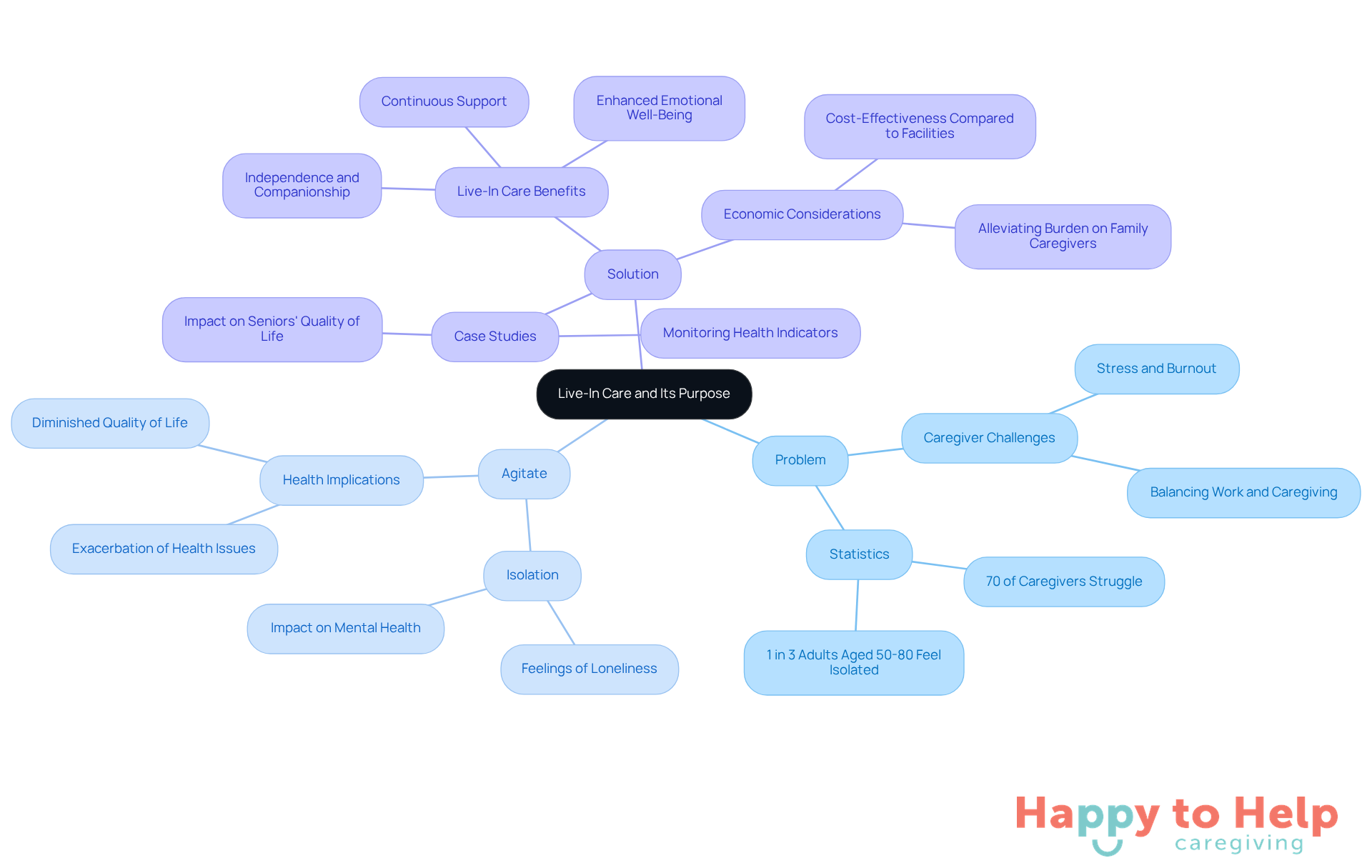
Problem: Caregivers often face significant challenges, particularly when balancing their professional lives with caregiving responsibilities. Statistics reveal that nearly 70% of family supporters struggle to manage both roles effectively. This juggling act can lead to stress and burnout, impacting both the caregiver and the individual receiving care.
Agitate: The implications of this struggle are profound. Many seniors or individuals with special needs may feel isolated, especially when they require assistance with essential tasks like bathing, meal preparation, and medication management. In fact, one in three adults aged 50-80 report experiencing feelings of isolation at least some of the time. This loneliness can exacerbate health issues and diminish overall quality of life.
Solution: A viable solution to these challenges is understanding how does live in care work. By having a dedicated caregiver reside in the client's home, individuals can see how does live in care work, receiving continuous support tailored to their specific needs. This arrangement not only promotes independence but also enhances emotional well-being through companionship.
Case studies illustrate the positive impact of live-in assistance on seniors' quality of life. For instance, the study titled 'The Impact of Live-In Assistants on Seniors' Quality of Life' highlights how a committed caregiver can monitor health indicators, identify early warning signs, and provide essential emotional support. This ongoing relationship fosters strong connections, ensuring that seniors receive the consistent attention they need to thrive in their own homes.
Moreover, live-in assistance can be a more economical choice compared to nursing facilities, considering the extensive benefits of at-home support. By opting for this model, families can alleviate the burden on caregivers while ensuring their loved ones receive the care they deserve.
Explore Services Included in Live-In Care
The Challenge of Loneliness in Seniors
Many older adults face significant challenges related to loneliness, which can adversely affect their mental and physical health. As they age, social connections often diminish, leading to feelings of isolation. This issue is not just a personal struggle; it impacts overall well-being and quality of life.
The Importance of Comprehensive Live-In Care
Live-in care offers a solution by providing a wide range of services tailored to meet individual needs. Key offerings include:
- Personal Care: Support with daily activities such as bathing, grooming, dressing, and toileting, ensuring dignity and comfort.
- Meal Preparation: Planning and preparing nutritious meals that cater to specific dietary needs and preferences, promoting health and well-being.
- Medication Management: Assisting individuals in adhering to their medication schedules, including reminders and support with administration, to ensure optimal health outcomes.
- Household Support: Performing light housekeeping tasks, laundry, and grocery shopping to maintain a clean and organized living environment, which is crucial for overall well-being.
- Companionship: Providing emotional support and involving individuals in social activities to reduce feelings of loneliness and improve mental health.
- Transportation: Assisting with errands, appointments, and social outings to help individuals maintain community connections and independence.
These services can be customized to fit personal needs, which helps to clarify how does live-in care work, ensuring a comprehensive approach to support. For instance, meal preparation can be adjusted to accommodate dietary restrictions, while companionship services can include activities that resonate with the individual's interests.
Engaging Families in Care Plans
Recent advancements in personal support for seniors highlight the growing significance of companionship services. Agencies are prioritizing these services to enhance the quality of life for those they serve. Home care specialists emphasize the importance of individualized care plans that involve patients and their families in the decision-making process, fostering a sense of ownership and satisfaction in the care provided.
Flexible Support for Changing Needs
On average, live-in support providers work around 40 hours weekly, though this can vary based on individual requirements and specific agreements. This flexibility allows for a responsive caregiving approach that adapts to evolving situations, ensuring clients receive the assistance they need at critical moments.
Choose the Right Live-In Caregiver
Choosing the right live-in caregiver can be a daunting task, particularly when you are trying to understand how does live in care work in relation to the unique needs of your loved one.
-
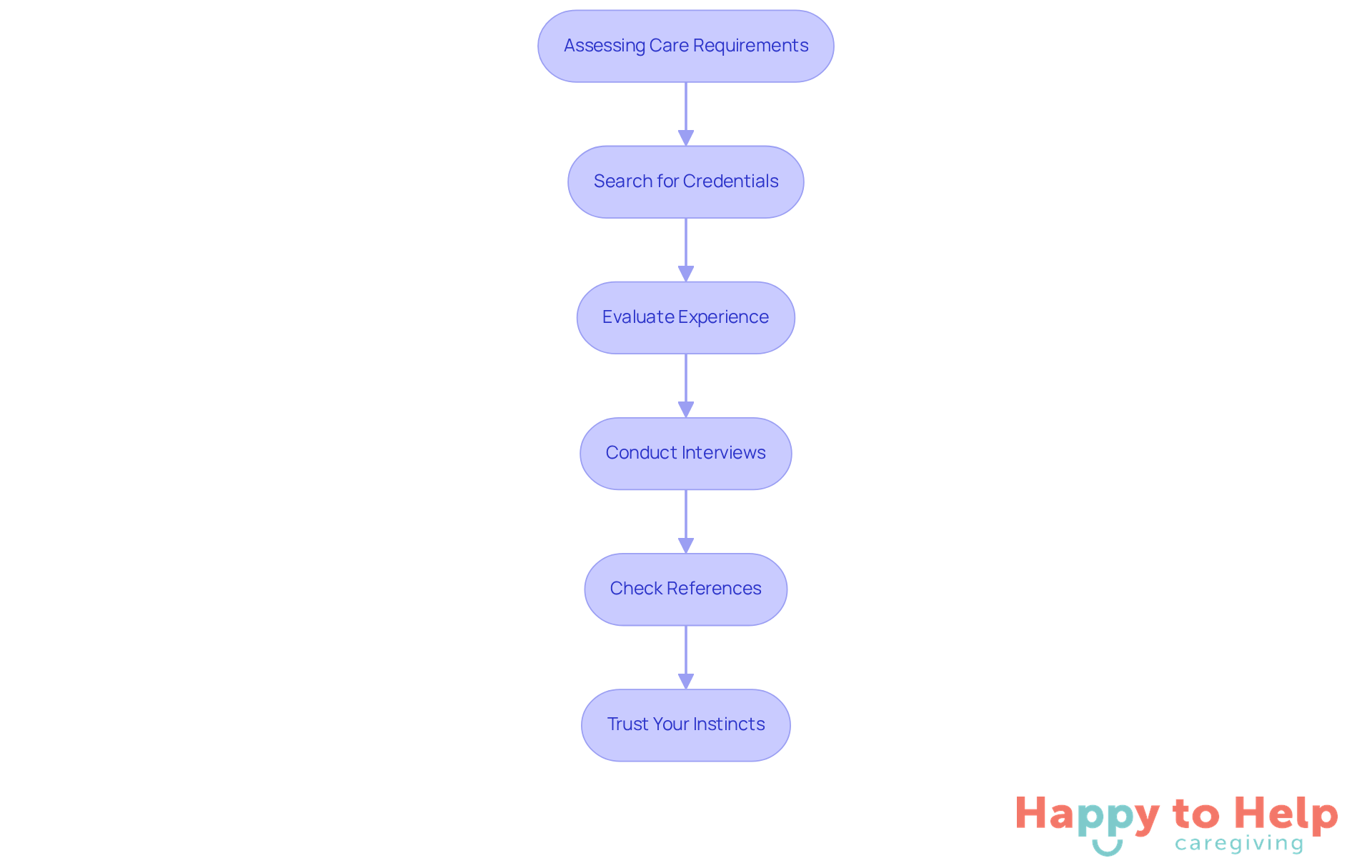
Assessing Care Requirements is the first step. Analyze their specific needs, including medical conditions, mobility issues, and personal preferences. Open discussions about daily routines and health concerns are crucial for recognizing challenges and ensuring that the caregiver can effectively address these needs.
-
Next, Search for Credentials. It's essential to verify that the caregiver has relevant training and certifications in areas like personal support, first aid, and CPR. A professional caregiver should maintain boundaries, respect privacy, and adhere to established care plans without imposing personal views.
-
Evaluate Experience as well. Look for providers who have experience with similar situations, particularly those who have worked with clients facing specific health conditions. On average, caregivers stay in their roles for about four years, indicating a commitment to long-term caregiving. Additionally, 92% of caregivers report being in high-burden situations, underscoring the importance of selecting someone who can manage the demands of the role effectively.
-
Conduct Interviews with potential caregivers to assess their communication skills, empathy, and compatibility with your loved one. Asking the right questions can help identify individuals who are not only qualified but also a good match for your family’s unique needs.
-
Always Check References. Request and confirm references from former employers to gauge the individual's reliability and professionalism. Speaking with former clients can provide valuable insights into a caregiver's effectiveness.
-
Finally, Trust Your Instincts. Choose a provider who meets the qualifications and feels like a good fit for your family dynamic. Understanding your loved one's distinct requirements is vital for making informed choices about how does live in care work, as neglecting this can increase stress for both the caregiver and the elderly individual. Remember, agency fees for live-in assistance start at approximately $400 daily, which is an important factor to consider when making your decision.
Arrange Live-In Care: Step-by-Step Process
Families often find that arranging live-in care can be a daunting task, especially when they wonder how does live in care work to ensure their loved ones receive the appropriate support. The challenge lies in understanding the specific needs of the individual and navigating the various options available.
-
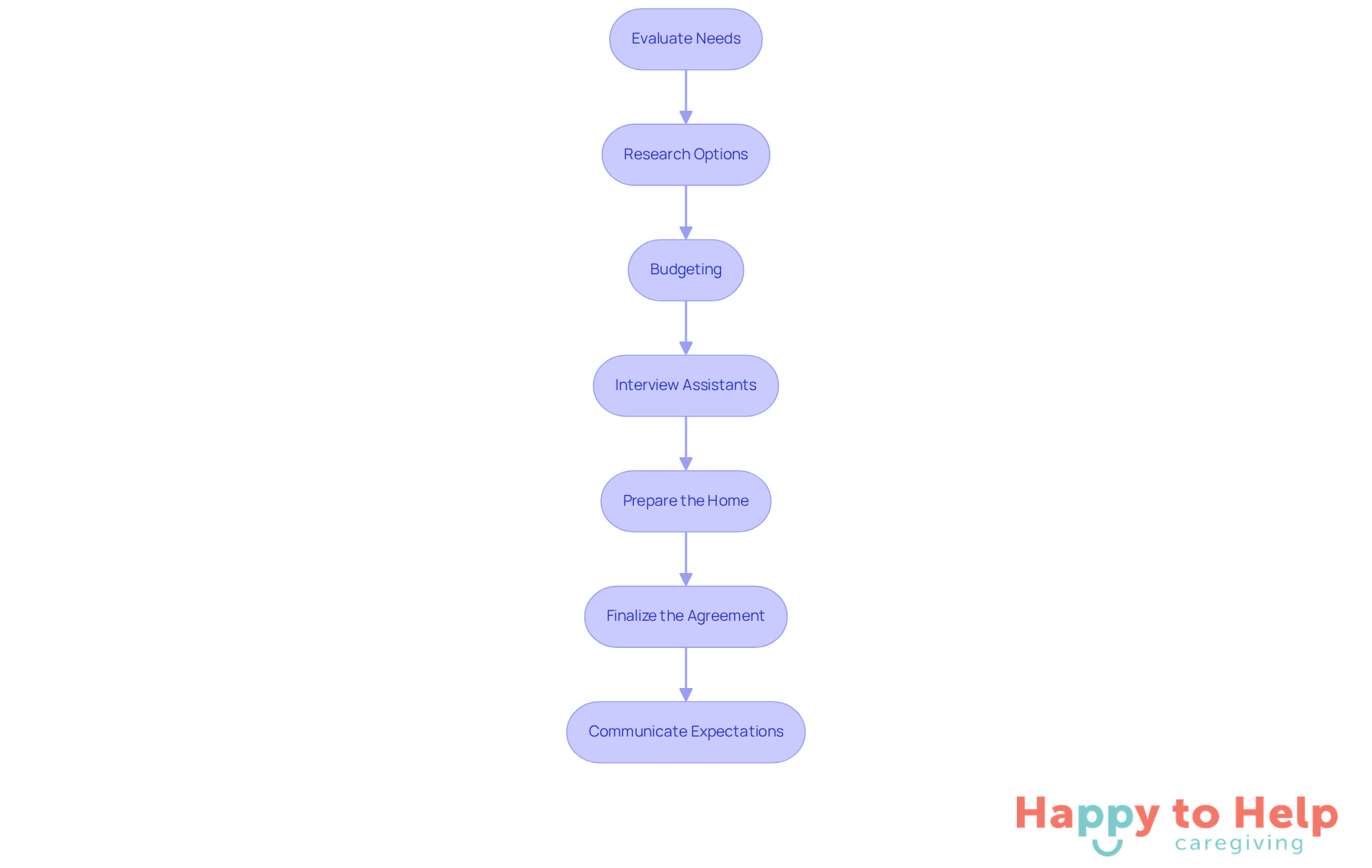
Evaluate Needs: Start by engaging in open discussions with your loved one and family members to determine the level of support required. Recognizing particular challenges, such as difficulty with daily activities, can indicate a need for assistance. A support evaluation from the local authority can help determine eligibility for funding and ensure suitable assistance.
-
Research Options: Explore different assistance providers, including agencies and independent caregivers. Look into their qualifications, reputation, and the types of services they offer to find the best fit for your loved one's needs.
-
Budgeting: Understand the financial implications of live-in assistance. The national median expense for in-home support in 2025 is approximately $33 per hour, with live-in assistance typically starting at around $400 daily. For 30 hours of care a week, expect to pay about $4,290 per month. Evaluate possible payment options, including local authority funding, which may help cover some or all expenses if eligible, and insurance coverage to find what suits your budget.
-
Interview Assistants: Conduct thorough interviews with potential assistants to assess their qualifications, experience, and compatibility with your loved one. This step is crucial for establishing trust and ensuring a good match. As Claire James notes, determining care needs is essential for a smooth transition.
-
Prepare the Home: Make necessary adjustments to the living space to accommodate the helper. This includes providing a private room and ensuring access to essential amenities, which can enhance the support provider's comfort and efficiency.
-
Finalize the Agreement: Once a provider is selected, finalize the terms of employment. This should include clear agreements on working hours, specific duties, and compensation to avoid misunderstandings.
-
Communicate Expectations: Clearly outline daily routines and expectations to facilitate a smooth transition for both the provider and your loved one. Open communication is key to fostering a positive caregiving environment.
By following these steps, families can effectively manage the complexities of organizing live-in assistance, which leads to a better understanding of how does live in care work, ensuring that their loved ones receive the support they need to thrive at home.
Maintain Communication and Support with Your Caregiver
Effective communication with caregivers is crucial for ensuring quality assistance. However, many families face challenges in this area, leading to misunderstandings and emotional strain. In fact, 53% of caregivers report feeling emotionally overwhelmed, making it essential to address these communication gaps.
To enhance this relationship, consider the following strategies:
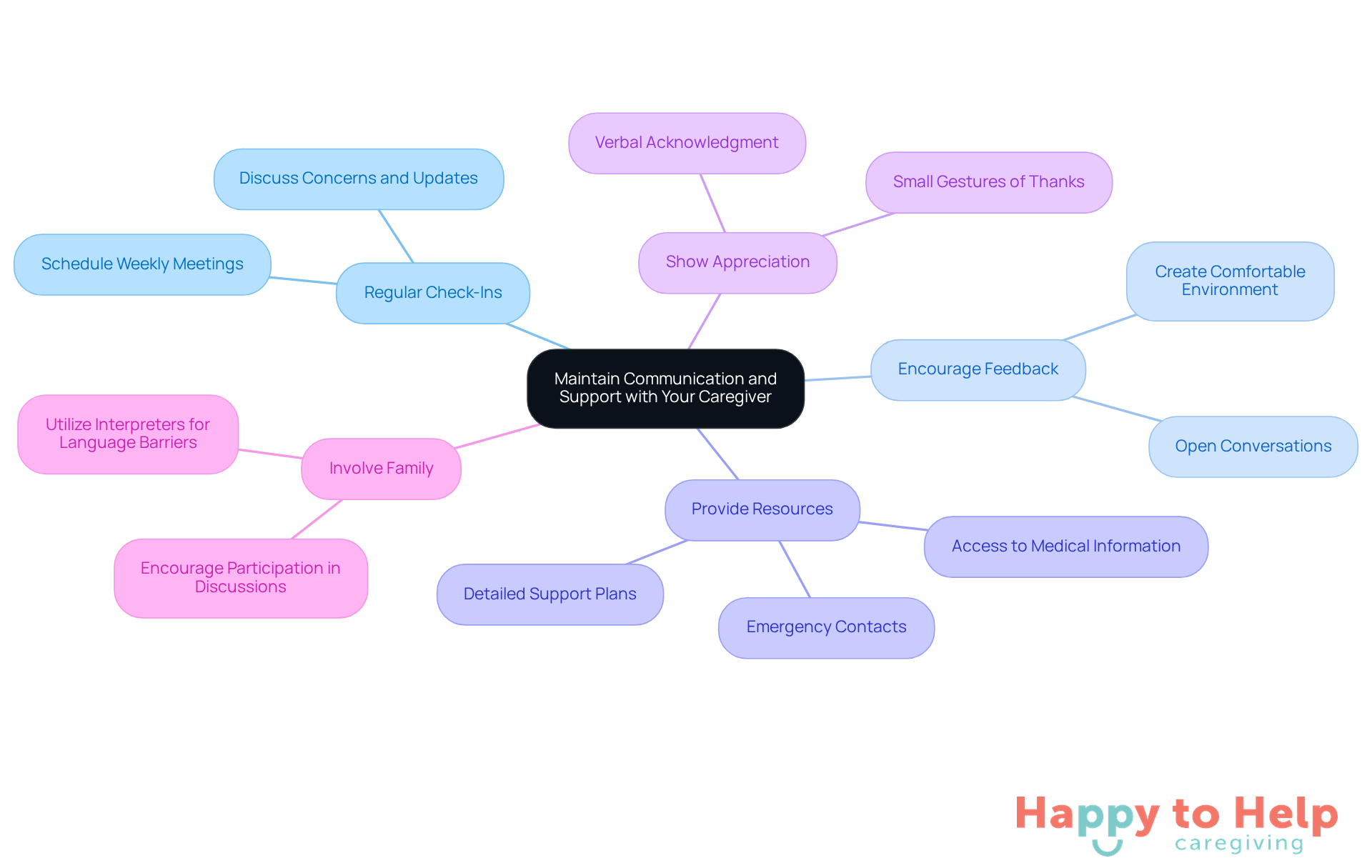
- Regular Check-Ins: Schedule weekly meetings to discuss any concerns, updates, or changes in care needs. This proactive approach encourages transparency and allows for timely adjustments to treatment plans.
- Encourage Feedback: Create an environment where caregivers feel comfortable sharing their observations and suggestions. Open conversations can lead to improved service quality, as caregivers often have valuable insights into the needs of your loved one. Notably, 65% of caregivers reported that effective communication significantly improved daily life.
- Provide Resources: Ensure caregivers have access to essential materials, such as medical information, emergency contacts, and detailed support plans. This equips them to offer informed and effective support.
- Show Appreciation: Acknowledge the caregiver's hard work and dedication through verbal appreciation or small gestures. Recognizing their efforts can significantly boost morale and motivation, leading to a more positive caregiving experience. As Yvonne Bender stated, "The more positive the communication, the better."
- Involve Family: Encourage family members to participate in support discussions. This collaborative approach not only strengthens the support network but also ensures everyone is aligned on care strategies and goals. Additionally, being culturally competent and utilizing interpreters can help overcome language barriers, ensuring effective communication in diverse caregiving situations.
By prioritizing communication and support, families can create a positive environment that benefits both the provider and the client, ultimately enhancing the overall caregiving experience.
Making the Right Choice
Understanding how live-in care works is crucial for families seeking to provide their loved ones with the support they need while maintaining their independence. The problem arises when caregivers face the dual challenge of managing daily tasks and addressing the emotional well-being of seniors, which can lead to feelings of isolation and loneliness.
This approach not only addresses the practicalities of caregiving but also emphasizes the emotional and social well-being of seniors. The implications of neglecting these aspects can be significant, as loneliness can adversely affect health and quality of life. Therefore, fostering companionship and emotional support is vital for overall well-being.
Throughout this guide, key aspects of live-in care have been explored, including:
- Its definition
- The range of services provided
- The importance of choosing the right caregiver
Families are encouraged to take proactive steps in understanding their options. By engaging in open communication and involving family members in care plans, they can ensure a tailored approach that meets the unique needs of their loved ones.
To create a nurturing environment that supports their loved ones and alleviates caregiver stress, families should prioritize effective communication with caregivers. Embracing live-in care can transform the caregiving experience, making it a rewarding journey for everyone involved. By understanding the significance of live-in care, families can enhance their loved ones' quality of life while also supporting the emotional needs of caregivers.
https://iframe.tely.ai/cta/eyJhcnRpY2xlX2lkIjogIjY5MjY2NjBiNWRkODVlNTMzN2E1YzUzNiIsICJjb21wYW55X2lkIjogIjY4ZWU1ZGNhNzMxNzYyNTU3ZjNjOTVjMSIsICJpbmRleCI6IG51bGwsICJ0eXBlIjogImFydGljbGUifQ==Frequently Asked Questions
What is live-in care and what purpose does it serve?
Live-in care involves a dedicated caregiver residing in the client's home to provide continuous support tailored to their specific needs, promoting independence and enhancing emotional well-being through companionship.
What challenges do caregivers face when balancing work and caregiving?
Caregivers often struggle to manage both their professional lives and caregiving responsibilities, leading to stress and burnout, which can negatively impact both the caregiver and the individual receiving care.
How does loneliness affect seniors?
Many seniors experience feelings of isolation, which can exacerbate health issues and diminish their overall quality of life. This loneliness is prevalent, with one in three adults aged 50-80 reporting such feelings at least some of the time.
What services are included in live-in care?
Live-in care includes a range of services such as personal care (bathing, grooming), meal preparation, medication management, household support, companionship, and transportation, all tailored to meet individual needs.
How does live-in care help with medication management?
Live-in care assists individuals in adhering to their medication schedules by providing reminders and support with administration, which is essential for optimal health outcomes.
In what ways does live-in care address the issue of loneliness in seniors?
Live-in caregivers provide emotional support and engage seniors in social activities, helping to reduce feelings of loneliness and improve mental health.
How are live-in care services customized for individual needs?
Services such as meal preparation can be adjusted to accommodate dietary restrictions, and companionship activities can be tailored to align with the individual's interests, ensuring a comprehensive approach to support.
What is the importance of involving families in care plans?
Involving patients and their families in the decision-making process fosters a sense of ownership and satisfaction in the care provided, enhancing the overall quality of life for seniors.
How flexible is live-in care in terms of support hours?
Live-in support providers typically work around 40 hours weekly, but this can vary based on individual requirements and specific agreements, allowing for a responsive caregiving approach that adapts to changing needs.
List of Sources
- Define Live-In Care and Its Purpose
- How Live-In Care Improves Quality of Life for Seniors (https://careindeed.com/blogs/how-live-in-care-improves-quality-of-life-for-seniors)
- 2025 Home Care Statistics: Trends & Insights To Know (https://premierhcinc.com/blog/home-care-statistics)
- The Benefits of Live In Care That Can Change Your Life (https://intouchealthcaresolutions.com/the-unmatched-benefits-of-live-in-care-that-can-change-your-life)
- The Impact of Live-In Caregivers on the Quality of Life for Seniors (https://traditionshhs.com/the-impact-of-live-in-caregivers-on-the-quality-of-life-for-seniors)
- 28 Senior Care Statistics: In-Home & Assisted Living | Shortlister (https://myshortlister.com/insights/senior-care-statistics)
- Explore Services Included in Live-In Care
- 13 Home Care Trends To Watch For in 2024 (And Thoughts From 11 Experts) | CareAcademy (https://careacademy.com/blog/home-care-trends)
- The Evolution of Home Care Services: Trends in the USA - Cottage Home Care (https://cottagehomecare.com/blog/trends-in-home-care-new-york)
- Curated Senior Living Highlights (https://aginginnovation.org/news)
- Home Care Industry Trends to Watch in 2025 (https://firstlighthomecare.com/blog/home-care-industry-trends)
- Caregiver Statistics: Demographics (https://caregiver.org/resource/caregiver-statistics-demographics)
- Choose the Right Live-In Caregiver
- 7 Tips to Help Older Adults Choose the Right Caregiver | American Bankers Association (https://aba.com/news-research/analysis-guides/7-tips-to-help-older-adults-choose-the-right-caregiver)
- How to Find a Live-In Caregiver for Elderly Loved Ones - Happy To Help (https://happytohelpcaregiving.com/how-to-find-a-live-in-caregiver-for-elderly-loved-ones)
- Choosing the Right Caregivers | Visiting Angels (https://visitingangels.com/rochester/articles/choosing-the-right-caregivers-what-families-should-look-for/26613)
- 7 Tips on Choosing the Right Caregiver • ScrippsAMG (https://scrippsamg.com/7-tips-on-choosing-caregiver)
- Caregiving in the US 2025 (https://aarp.org/pri/topics/ltss/family-caregiving/caregiving-in-the-us-2025)
- Arrange Live-In Care: Step-by-Step Process
- How to Find a Live-In Caregiver for Elderly Loved Ones - Happy To Help (https://happytohelpcaregiving.com/how-to-find-a-live-in-caregiver-for-elderly-loved-ones)
- How to Arrange Live-in Care | The Good Care Group (https://thegoodcaregroup.com/how-to-arrange-live-in-care)
- A Step by Step Guide to Arranging Home Care - Premier Community (https://premiercommunity.co.uk/guide/arranging-home-care)
- Home Care Costs in 2025: A State-by-State Guide (https://aplaceformom.com/caregiver-resources/articles/in-home-care-costs)
- How To Prepare a Home for a Live-In Caregiver: Essential Steps for a Smooth Transition? (https://legacyhc.net/how-to-prepare-a-home-for-a-live-in-caregiver-essential-steps-for-a-smooth-transition)
- Maintain Communication and Support with Your Caregiver
- IGNITE the Communication with Caregivers (https://gotrkc.org/news/details/ignite-the-communication-with-caregivers)
- The Importance of Effective Communication in Caregiving (https://familycaregiversonline.net/the-importance-of-effective-communication-in-caregiving)
- Communication Breakdowns Take Toll on Family Caregivers, Especially for Older Adults with Chronic Illness (https://ltcnews.com/articles/communication-breakdowns-toll-family-caregivers-older-adults-chronic-illness)
- Effective Communication as a Caregiver | Always Caring of CT (https://alwayscaringct.com/news/effective-communication-as-a-caregiver)