

For families in our service areas
For families in our service areas, this guide explains caregiver support and how non-medical in-home caregiving can support care planning in East Idaho, Treasure Valley & Magic Valley, Northern Wasatch, North Central West Virginia, and Northeast Ohio.
Why How Much Water Should Elderly Drink? Matters
Understanding the hydration needs of seniors is critical. Many caregivers struggle with ensuring adequate fluid intake for their elderly loved ones. With recommended daily water intake ranging from 1.7 to 2.0 liters, the stakes are high. Dehydration can lead to serious health complications, including cognitive decline and increased mortality risk.
Caregivers face the challenge of diminished thirst and varying hydration requirements. This can complicate efforts to promote optimal health in older adults. So, how can caregivers effectively navigate these challenges?
Here are some actionable solutions:
- Monitor fluid intake: Keep track of daily water consumption to ensure seniors meet their hydration needs.
- Encourage regular sips: Remind seniors to drink water throughout the day, even if they don’t feel thirsty.
- Offer a variety of fluids: Provide options like herbal teas, broths, or flavored water to make hydration more appealing.
By implementing these strategies, caregivers can help mitigate the risks associated with dehydration and support the health of their elderly loved ones.
Establish Recommended Daily Water Intake for Seniors
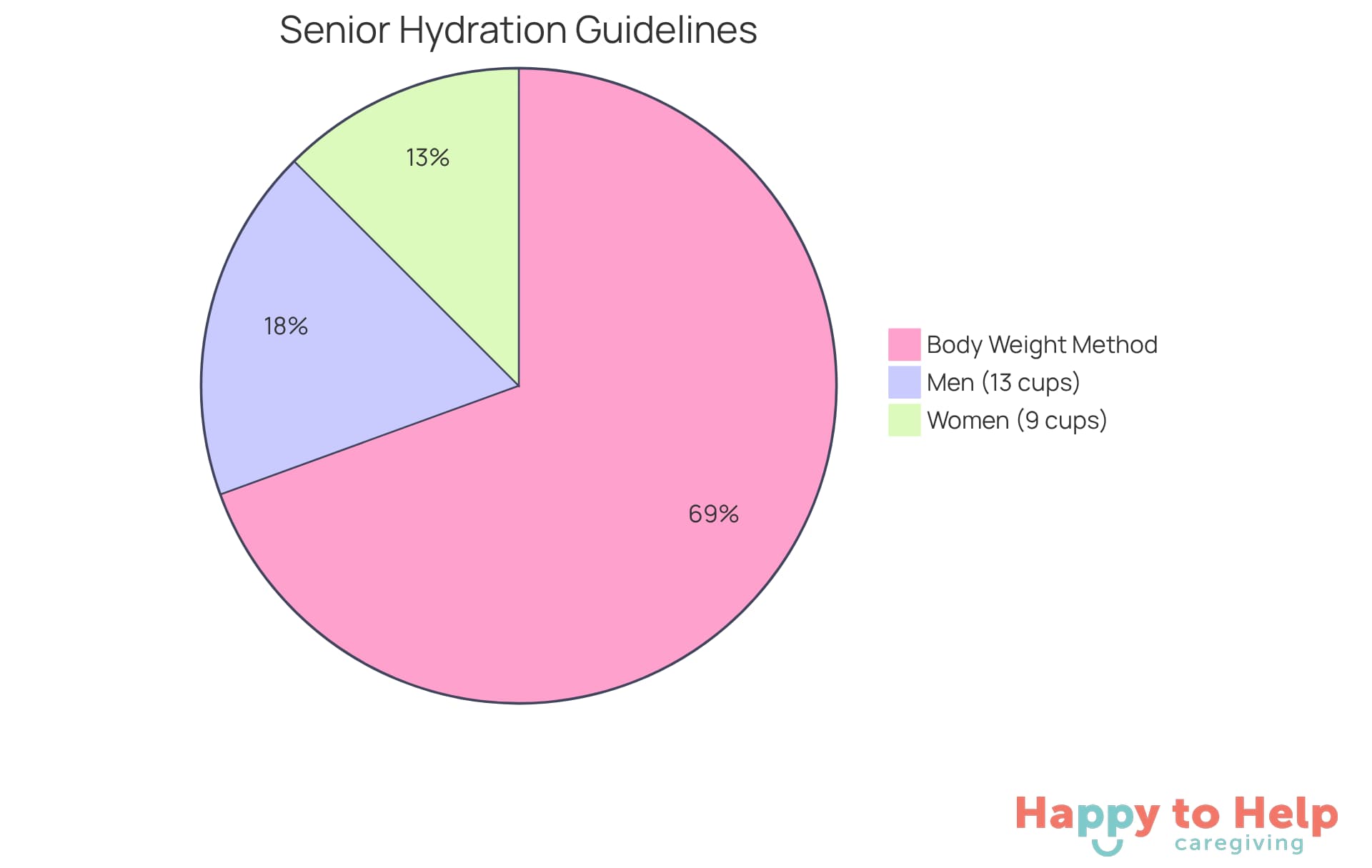
Seniors often face the challenge of staying adequately hydrated, making it important to understand how much water should elderly drink, as this is crucial for their overall health. A good guideline for how much water should elderly drink is striving for around 1.7 to 2.0 liters (approximately 7 to 8 cups) of beverages each day. However, individual hydration needs, such as how much water should elderly drink, can vary based on factors like body weight, activity level, and health conditions.
To address these hydration needs, consider the following recommendations:
- Men aged 51 and older: Aim for approximately 13 cups (3.7 liters) of total fluids daily.
- Women aged 51 and older: Target around 9 cups (2.7 liters) of total fluids daily.
- Body weight method: A practical guideline is to drink half an ounce of liquid for every pound of body weight. For instance, a 150-pound person should aim for about 75 ounces of fluid each day.
These suggestions encompass all beverages consumed, not just water, and can also include moisture-rich foods such as fruits and vegetables. By following these guidelines, caregivers can help ensure that seniors know how much water should elderly drink to maintain proper hydration, which is vital for their health and well-being.
Identify Factors Affecting Hydration Needs
Several factors significantly influence the hydration needs of seniors, presenting a challenge for caregivers:
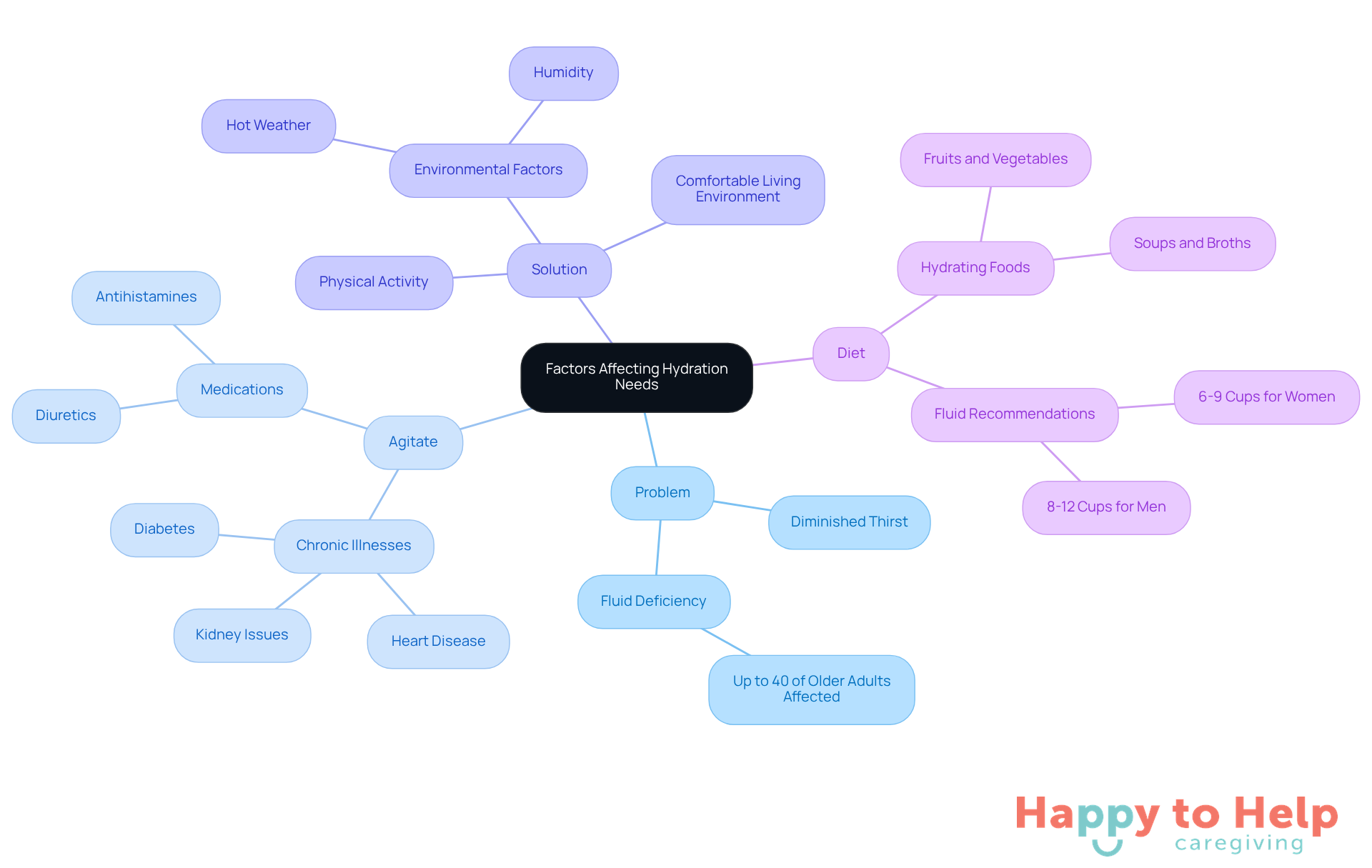
Problem: As individuals age, their sense of thirst diminishes. This makes it crucial to promote regular fluid intake. Studies show that older individuals might experience reduced thirst after long durations without water, leading to persistent fluid deficiency. In fact, research indicates that up to 40% of older individuals face this issue, highlighting the importance of meeting fluid requirements.
Agitate: Chronic illnesses such as diabetes, heart disease, and kidney issues can severely affect fluid levels. Medications, especially diuretics, can worsen fluid loss, raising the risk of dryness. Adults with elevated serum sodium levels, often due to insufficient fluid intake, face a greater risk of developing chronic diseases. Asher Rosinger, Director of the Water, Health and Nutrition Lab at Penn State, emphasizes that chronic dehydration can speed up the aging process.
Solution: Caregivers can take proactive steps to ensure seniors stay hydrated. Seniors who participate in physical activities may need extra liquids, particularly during hotter months when perspiration increases. Environmental factors also play a role; hot weather and high humidity elevate fluid requirements, while cooler temperatures may reduce them. Maintaining a comfortable living environment is crucial for effectively managing fluid levels.
Diet also plays a vital role in hydration. Foods rich in water, such as fruits and vegetables, should be included in seniors' diets. Caregivers should promote the inclusion of hydrating foods to support liquid intake. The National Academies of Medicine provides guidance on how much water should elderly drink, recommending that older adults aim for six to nine 8-ounce cups of fluid per day for women and eight to 12 for men.
Understanding these factors is essential for caregivers to determine how much water should elderly drink to ensure that seniors maintain sufficient fluid intake, thereby promoting better health and well-being.
Implement Effective Hydration Strategies
Caregivers face a significant challenge in helping seniors understand how much water should elderly drink to maintain proper hydration. Many older adults struggle to drink enough fluids, highlighting the importance of understanding how much water should elderly drink to prevent serious health issues. For caregivers, understanding how much water should elderly drink is crucial to ensure the well-being of those they support.
-
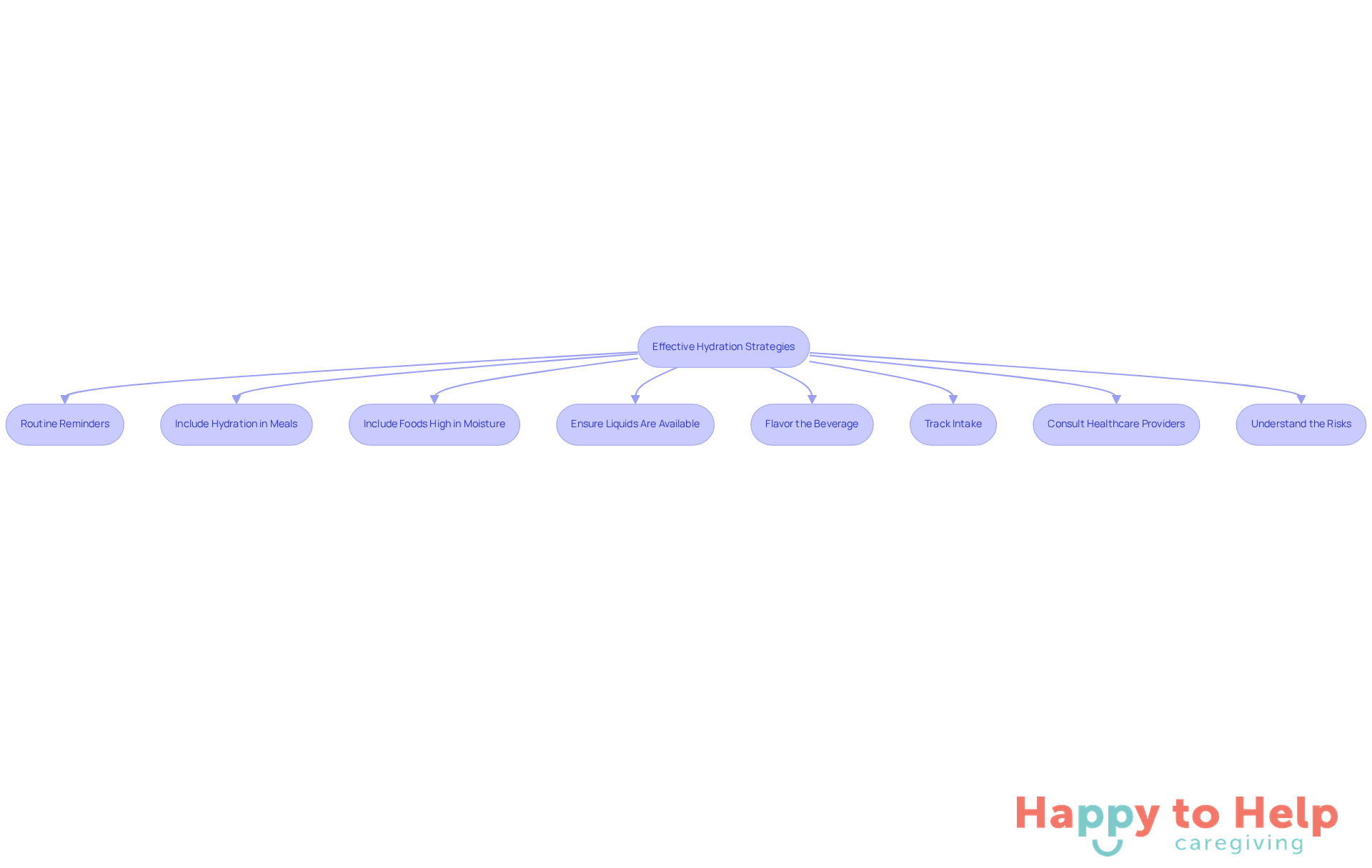
Routine Reminders: Setting alarms or using apps can remind seniors to drink water throughout the day. Research indicates that scheduled reminders can significantly enhance how much water elderly should drink among older adults.
-
Include Hydration in Meals: Encourage seniors to consume a glass of liquid with every meal and snack. Soups and broths also contribute to fluid intake, making meals a great opportunity to boost hydration.
-
Include Foods High in Moisture: Incorporate fruits and vegetables with high moisture levels, such as cucumbers, watermelon, and oranges, into their diet. These foods not only hydrate but also provide essential nutrients.
-
Ensure Liquids Are Available: Keeping beverage containers or cups within easy reach encourages frequent sipping. Accessibility is key to promoting better hydration habits.
-
Flavor the Beverage: If plain liquid is unappealing, consider adding slices of lemon, cucumber, or herbs to enhance flavor and make drinking more enjoyable. This simple change can encourage increased water consumption.
-
Track Intake: Keeping a record of daily beverage consumption helps ensure moisture goals are achieved, particularly during warm weather or sickness. Monitoring can help identify patterns and areas for improvement.
-
Consult Healthcare Providers: Urge seniors to discuss their specific moisture requirements with healthcare professionals, especially if they are taking medications that may influence their water balance, such as diuretics.
-
Understand the Risks: Be aware that fluid loss can lead to serious health issues, including rapid heart rate, confusion, and kidney problems. The National Academy of Medicine suggests approximately 13 cups of beverages for men and 9 cups for women aged 51 and older, which serves as a guideline for caregivers on how much water should elderly drink to ensure sufficient hydration.
Monitor and Recognize Signs of Dehydration
Caregivers face a significant challenge in recognizing signs of dehydration in seniors, making it essential to understand how much water should elderly drink to prevent serious health complications if not addressed promptly. Early detection is crucial, as dehydration can have severe implications for an elder's health and well-being.
Key Indicators of Dehydration:
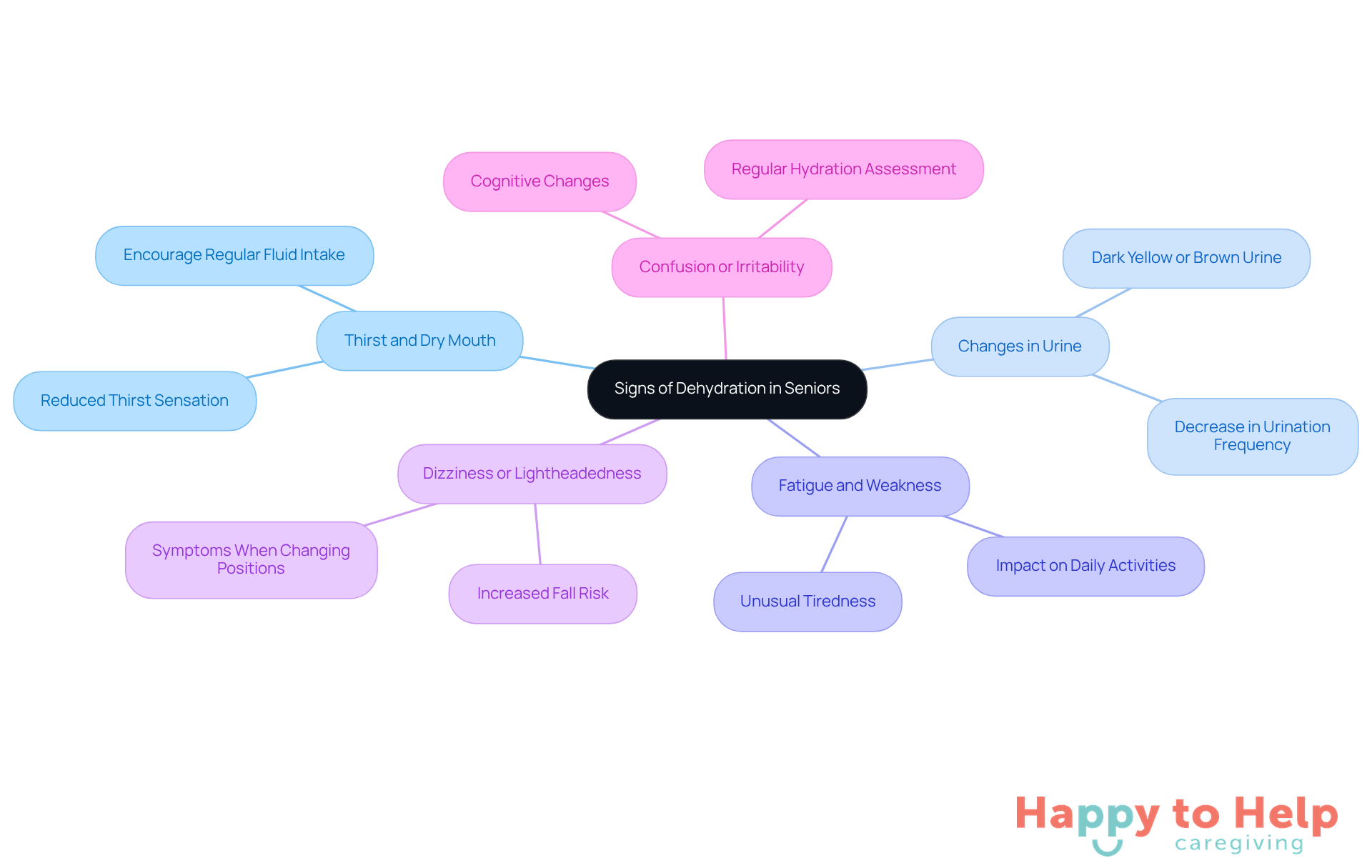
- Thirst and Dry Mouth: A primary signal that the body requires more fluids. Elders often experience a reduced thirst sensation, so understanding how much water should elderly drink is essential for caregivers to actively promote fluid intake.
- Changes in Urine: Dark-colored urine or a decrease in urination can indicate dehydration. Ideally, urine should resemble the color of tap water; dark yellow or brownish hues suggest insufficient hydration.
- Fatigue and Weakness: Seniors may show unusual tiredness or weakness when dehydrated, significantly impacting their daily activities.
- Dizziness or Lightheadedness: These symptoms often arise from low fluid levels, especially when changing positions, increasing the risk of falls.
- Confusion or Irritability: Cognitive changes, such as confusion or irritability, can occur with dehydration. Regular assessment of hydration status is essential to determine how much water should elderly drink, as these symptoms may be mistaken for other health issues.
If caregivers observe any of these signs, they should encourage elderly individuals to consider how much water should elderly drink immediately. Consulting a healthcare professional is wise if symptoms persist, as untreated fluid loss can lead to severe complications, including cognitive impairment and increased mortality risk. According to Mohit Negi, MD, "If insufficient fluid intake isn't addressed, severe complications or even death can happen." The prevalence of dehydration in community-dwelling older adults ranges from 1% to 60%, underscoring the importance of vigilance in monitoring hydration. Caregivers should also keep water within easy reach to facilitate regular fluid intake.
Making the Right Choice
Ensuring that seniors remain adequately hydrated is crucial for their overall health and well-being. The problem is that many elderly individuals do not drink enough water daily, which can significantly impact their physical and cognitive functions. This lack of hydration can lead to serious health issues, making it vital for caregivers to understand how much water seniors should consume.
To address this issue, caregivers can follow recommended guidelines tailored to individual hydration needs. Establishing a daily fluid intake goal based on gender and body weight is a practical first step. Additionally, recognizing factors that influence hydration needs - such as medications and health conditions - can help caregivers better support their loved ones. Implementing effective hydration strategies, like:
- Setting reminders
- Incorporating hydrating foods
- Monitoring signs of dehydration
can further enhance seniors' fluid intake.
Ultimately, caregivers are encouraged to take proactive steps in fostering a culture of hydration among seniors. By understanding the importance of fluid intake and recognizing the signs of dehydration, caregivers can make a meaningful difference in the lives of older adults. Prioritizing hydration not only enhances physical health but also supports cognitive function and overall quality of life, underscoring the essential role of caregivers in promoting the well-being of seniors.
https://iframe.tely.ai/cta/eyJhcnRpY2xlX2lkIjogIjY5M2Y1MDc4MTQ3ZTIwZjE1ODJjOWRkMCIsICJjb21wYW55X2lkIjogIjY4ZWU1ZGNhNzMxNzYyNTU3ZjNjOTVjMSIsICJpbmRleCI6IG51bGwsICJ0eXBlIjogImFydGljbGUifQ==Frequently Asked Questions
Why is hydration important for seniors?
Hydration is crucial for seniors as it supports their overall health and helps prevent dehydration, which can lead to various health issues.
How much water should elderly individuals drink daily?
Seniors should strive for around 1.7 to 2.0 liters (approximately 7 to 8 cups) of beverages each day, though individual needs may vary.
What specific daily fluid intake is recommended for men and women aged 51 and older?
Men aged 51 and older should aim for approximately 13 cups (3.7 liters) of total fluids daily, while women in the same age group should target around 9 cups (2.7 liters).
How can body weight influence daily fluid intake recommendations?
A practical guideline is to drink half an ounce of liquid for every pound of body weight. For example, a 150-pound person should aim for about 75 ounces of fluid each day.
Do the recommended fluid intakes include only water?
No, the recommendations encompass all beverages consumed, not just water, and can also include moisture-rich foods such as fruits and vegetables.
How can caregivers assist seniors in maintaining proper hydration?
Caregivers can help ensure that seniors are aware of their hydration needs and encourage them to follow the recommended daily fluid intake guidelines for optimal health and well-being.
List of Sources
- Establish Recommended Daily Water Intake for Seniors
- Hydration and older adults: Why water matters more as you age (https://uclahealth.org/news/article/hydration-and-older-adults-why-water-matters-more-you-age)
- What Older Adults Need to Know About Hydration (https://health.usnews.com/health-care/patient-advice/articles/what-older-adults-need-to-know-about-hydration)
- Good hydration linked to healthy aging (https://nhlbi.nih.gov/news/2023/good-hydration-linked-healthy-aging)
- 4 Steps to Determine How Much Water Seniors Should Drink Daily - Happy To Help (https://happytohelpcaregiving.com/4-steps-to-determine-how-much-water-seniors-should-drink-daily)
- How Much Water Should Seniors Drink? | Elder Care Alliance (https://eldercarealliance.org/blog/how-much-water-should-seniors-drink)
- Identify Factors Affecting Hydration Needs
- Hydration and older adults: Why water matters more as you age (https://uclahealth.org/news/article/hydration-and-older-adults-why-water-matters-more-you-age)
- Staying hydrated is especially important for older adults - WellMed Medical Group (https://wellmedhealthcare.com/patients/healthyliving/healthy-aging/staying-hydrated-is-especially-important-for-older-adults)
- Hydration in the Elderly | PortalCLÍNIC (https://clinicbarcelona.org/en/news/the-importance-of-hydration-in-older-people-during-extreme-heat)
- Good hydration linked to healthy aging (https://nhlbi.nih.gov/news/2023/good-hydration-linked-healthy-aging)
- Poor hydration linked to early aging and chronic disease, 25-year study finds (https://nbcnews.com/health/health-news/poor-hydration-linked-early-aging-chronic-disease-study-rcna63741)
- Implement Effective Hydration Strategies
- Hydration and older adults: Why water matters more as you age (https://uclahealth.org/news/article/hydration-and-older-adults-why-water-matters-more-you-age)
- How Older Adults Can Avoid Dehydration (https://umms.org/bwmc/news/2021/how-older-adults-can-avoid-dehydration)
- The Importance of Hydration for Older Adults (https://ncoa.org/article/how-to-stay-hydrated-for-better-health)
- Seniors Should Boost Their Water Intake; Here Are 6 Ways (https://morningstarseniorliving.com/seniors-should-boost-their-water-intake-here-are-6-ways)
- Monitor and Recognize Signs of Dehydration
- How to Identify, Respond When Dehydration & Malnutrition Present (https://foxrehab.org/older-adults-malnutrition-dehydration-symptoms)
- Hydration Status in Older Adults: Current Knowledge and Future Challenges - PMC (https://pmc.ncbi.nlm.nih.gov/articles/PMC10255140)
- How Older Adults Can Avoid Dehydration (https://umms.org/bwmc/news/2021/how-older-adults-can-avoid-dehydration)
- 10 Signs of Dehydration in Seniors: Why Hydration Matters | CCA (https://conciergecareadvisors.com/dehydration-in-seniors-2)
- 8 Signs of Dehydration That You Shouldn’t Ignore (https://aarp.org/health/conditions-treatments/dehydration-in-older-people)