
For families in our service areas
For families in our service areas, this guide explains caregiver support and how non-medical in-home caregiving can support care planning in East Idaho, Treasure Valley & Magic Valley, Northern Wasatch, North Central West Virginia, and Northeast Ohio.
What You Need to Know About Help a Stroke Patient: Essential Steps
Recognizing the signs of a stroke is a critical issue that can mean the difference between life and death. For caregivers, being well-informed and prepared is essential. The urgency of immediate response must be balanced with the long-term needs of recovery, creating a significant challenge.
This guide offers essential steps for supporting stroke patients. It covers:
- Understanding the types and symptoms of strokes
- Implementing effective at-home care strategies
By exploring these vital aspects, caregivers can empower themselves to provide the best possible support for their loved ones during this critical time.
Understand Stroke: Types and Symptoms
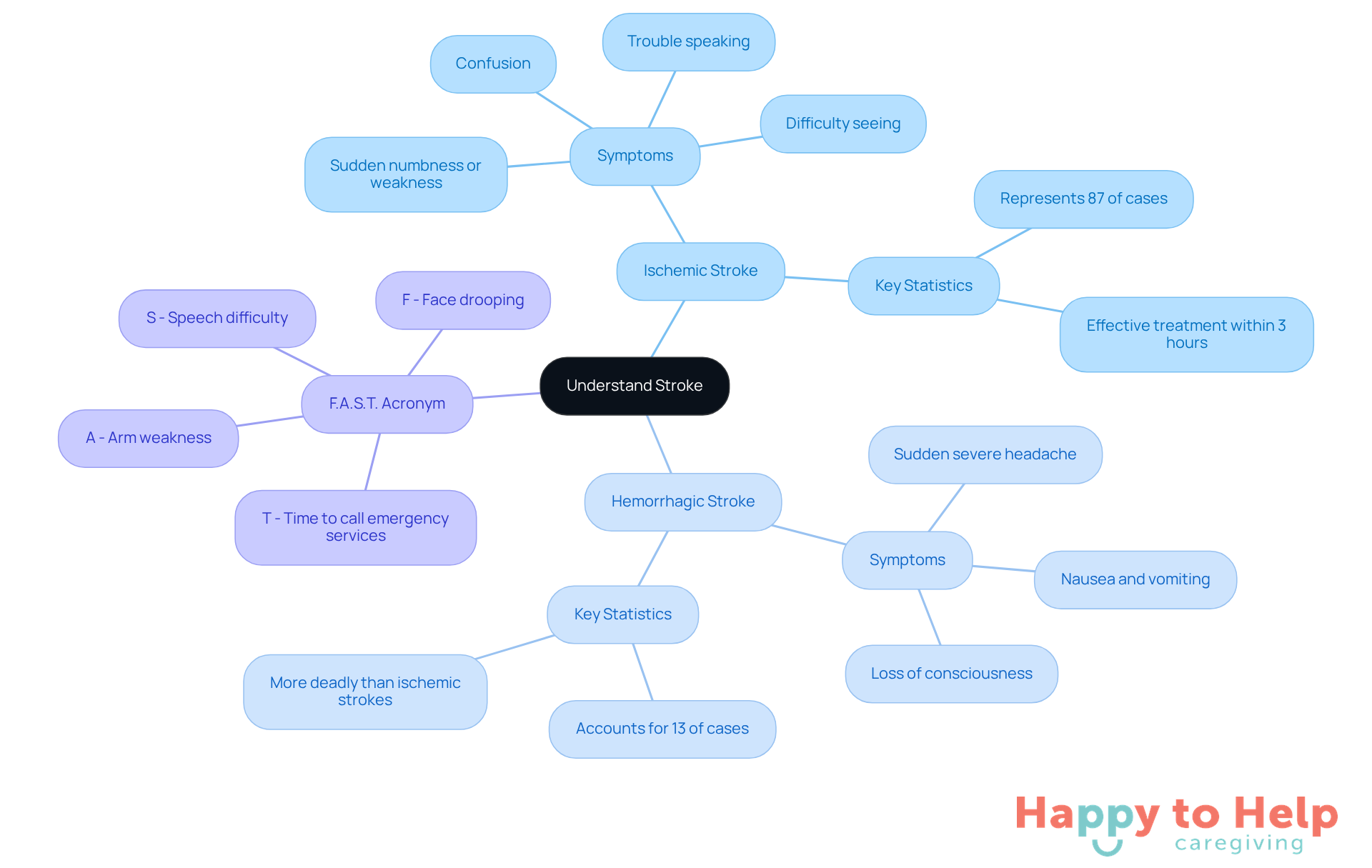
Stroke is classified into two primary types: ischemic and hemorrhagic, each with distinct causes and symptoms.
Problem: Recognizing the type of stroke is crucial for effective treatment.
-
Ischemic Stroke: This occurs when a blood vessel supplying blood to the brain is blocked, often by a clot. It represents roughly 87% of all incidents. Symptoms may include sudden numbness or weakness in the face, arm, or leg, particularly on one side of the body, confusion, trouble speaking, and difficulty seeing. Early recognition and treatment are vital for knowing how to help a stroke patient, as timely intervention can significantly improve recovery outcomes. Research indicates that treatments for brain attacks are most effective if recognized and diagnosed within 3 hours of the initial symptoms.
-
Hemorrhagic Stroke: This type occurs when a blood vessel in the brain ruptures, leading to bleeding in or around the brain. Symptoms can include a sudden severe headache, nausea, vomiting, and loss of consciousness. Hemorrhagic incidents account for approximately 13% of cases but are frequently more deadly than ischemic events.
Agitate: Recognizing these symptoms early is critical. Caregivers must be vigilant, as statistics indicate that 10% to 15% of individuals will experience a major cerebral event within three months after a TIA. This highlights the importance of identifying TIAs and the potential for serious consequences if symptoms are overlooked.
Solution: Use the acronym F.A.S.T. to remember the warning signs:
- Face drooping
- Arm weakness
- Speech difficulty
- Time to call emergency services.
Recognizing these signals can greatly influence the outcomes for patients experiencing a cerebral event, emphasizing how to help a stroke patient by ensuring caregivers remain attentive. Furthermore, the worldwide impact of cerebrovascular accidents is expected to rise considerably, underscoring the significance of awareness and prevention.
Respond Quickly: Initial Actions After a Stroke
If you believe someone is experiencing a medical emergency, prompt action is crucial. Delays can have serious consequences, especially in cases like strokes where every minute counts. Research shows that emergency medical services (EMS) reach benchmarks in only 58% to 62% of instances, falling short of the recommended 90%. This highlights the need for immediate action.
Here’s what you should do:
-
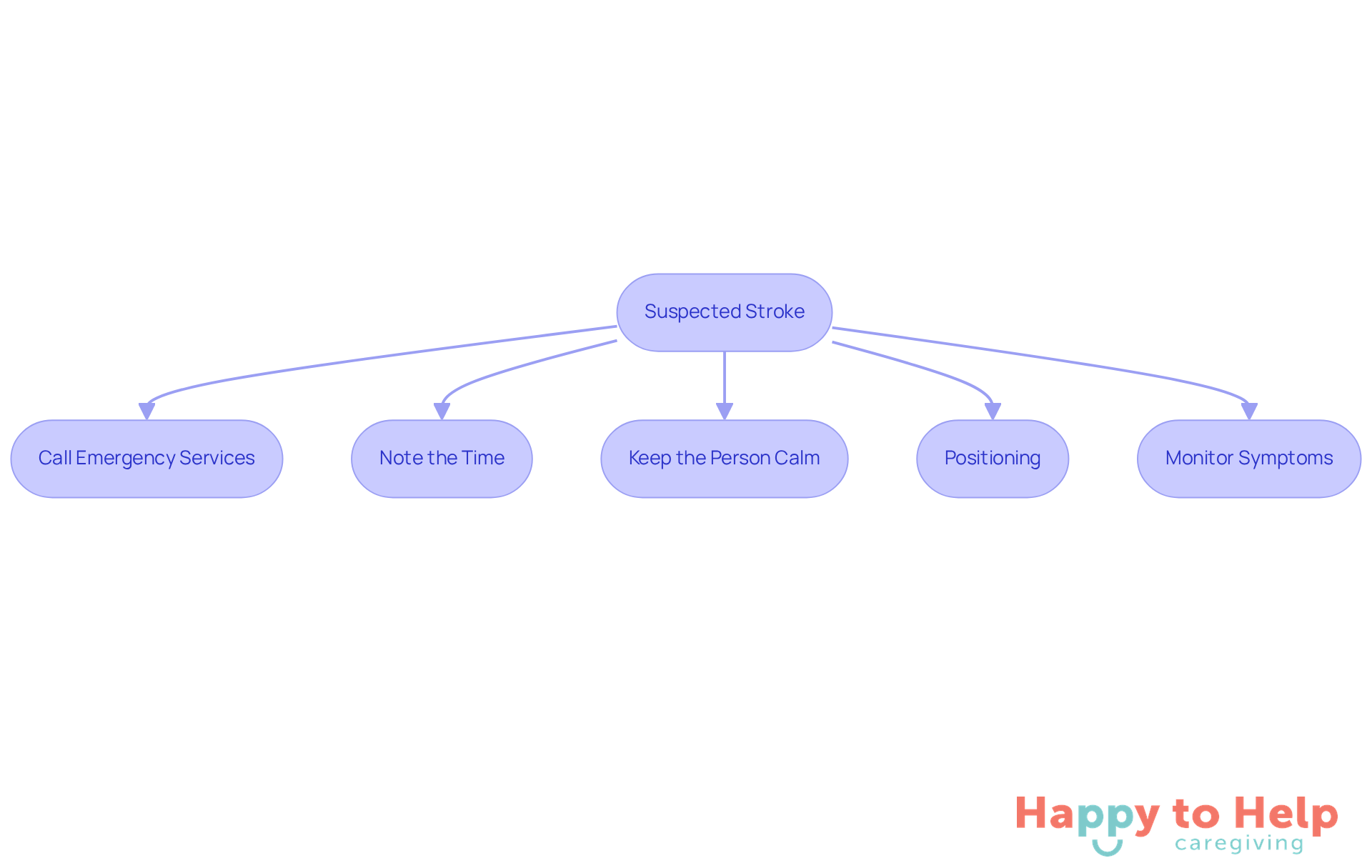
Call Emergency Services: Dial 911 or your local emergency number immediately. Time is of the essence in stroke treatment.
-
Note the Time: Record when the symptoms began. This information is vital for medical professionals to determine the appropriate treatment options.
-
Keep the Person Calm: Reassure the individual and help them remain as calm as possible while waiting for assistance. Your support is essential, especially when learning how to help a stroke patient, as stress can worsen symptoms.
-
Positioning: If the person is conscious, lay them on their side with their head slightly elevated to prevent choking. Avoid giving them anything to eat or drink, as this could lead to complications.
-
Monitor Symptoms: Keep a close watch on their symptoms and be ready to provide detailed information to emergency responders. This can aid in the swift delivery of appropriate care.
These initial actions can significantly influence how to help a stroke patient in subsequent medical treatment. For instance, the Telestroke initiative has assessed over 1800 patients in rural areas, resulting in more than 300 patients receiving reperfusion therapies. Additionally, the median alarm-to-hospital time for patients experiencing a cerebrovascular accident is 33.98 minutes, underscoring the importance of quick response times. The Hunter-8 assessment tool, recognized as the gold-standard pre-hospital triage evaluation instrument, plays a crucial role in the assessment process during emergencies.
Support Recovery: At-Home Care and Rehabilitation Strategies
Caregivers often face significant challenges in understanding how to help a stroke patient recover at home. Many face the daunting task of ensuring safety, promoting independence, and managing emotional well-being. The implications of these challenges can be profound, affecting both the survivor's recovery and the caregiver's quality of life.
To address these issues, consider implementing the following strategies:
-
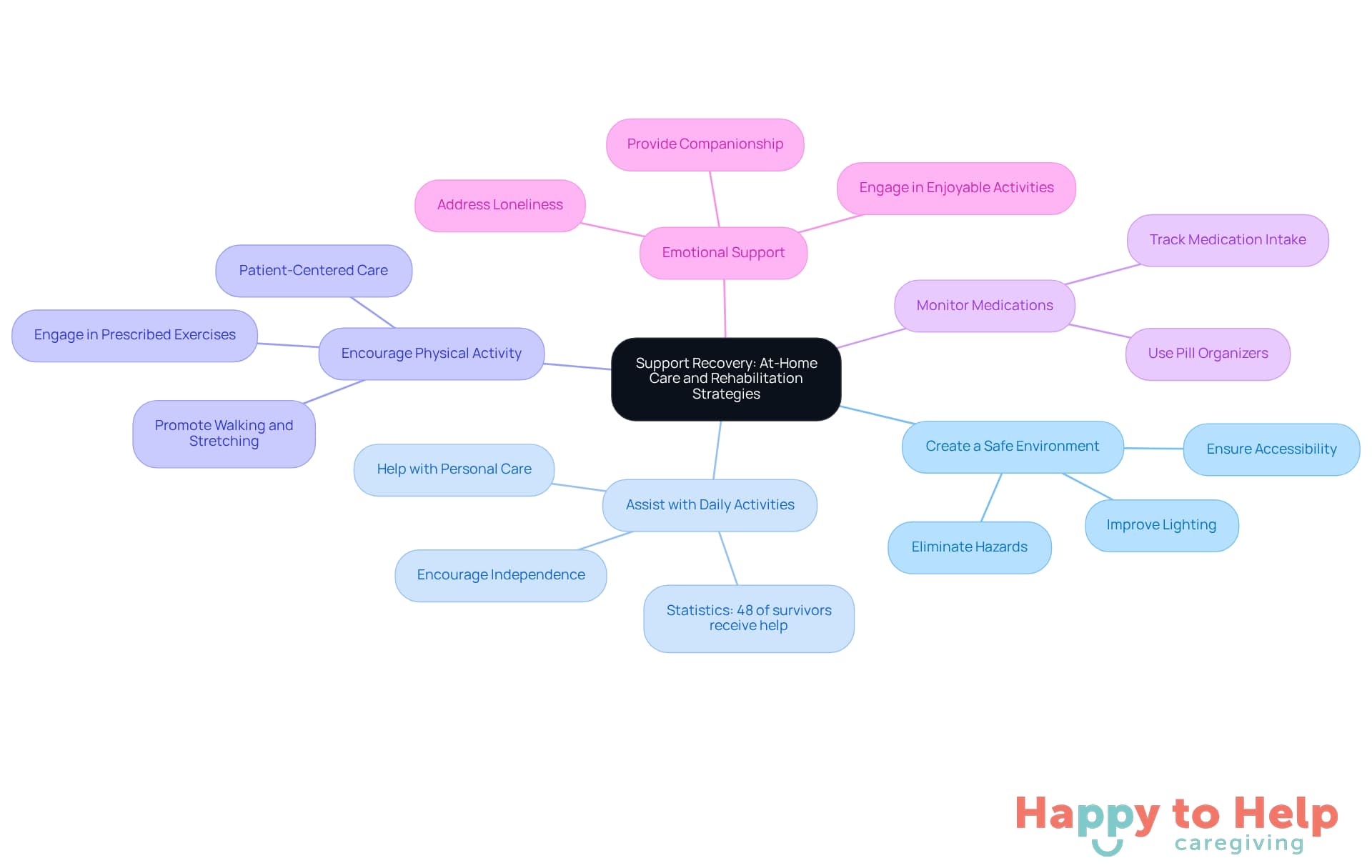
Create a Safe Environment: Eliminate hazards that could lead to falls, such as loose rugs or clutter. Ensure that the home is well-lit and that essential items are easily accessible. Simple modifications can significantly enhance safety and usability in various areas of the home.
-
Assist with Daily Activities: Help with personal care tasks like bathing, dressing, and eating, while encouraging independence as much as possible. Approximately 48% of senior survivors of cerebrovascular accidents receive assistance with activities of daily living from informal helpers, according to the National Health and Aging Trends Study (NHATS), emphasizing the significance of this aid.
-
Encourage Physical Activity: Engage the patient in prescribed exercises to improve mobility and strength. Activities like walking or stretching can be beneficial, as rehabilitation at home allows for patient-centered care and clear goal identification.
-
Monitor Medications: Keep track of medications and ensure they are taken as prescribed. Using pill organizers can help manage this effectively, reducing the risk of missed doses.
-
Emotional Support: Provide emotional encouragement and companionship. Participating in discussions and pursuits that the survivor enjoys can assist in reducing feelings of loneliness, which are prevalent among this group. Emotional support is essential, as caregivers frequently state that their involvement greatly affects the recovery process. Research shows that brain injury survivors received an average of 22.3 hours of care per week, highlighting the significant caregiving requirements.
By implementing these strategies, caregivers can significantly enhance how to help a stroke patient during their recovery experience. This fosters a supportive and nurturing environment that promotes independence and well-being. Furthermore, the financial strain of providing care for stroke survivors is significant, with total yearly expenses estimated at around $40 billion, highlighting the necessity of effective assistance for those who provide care.
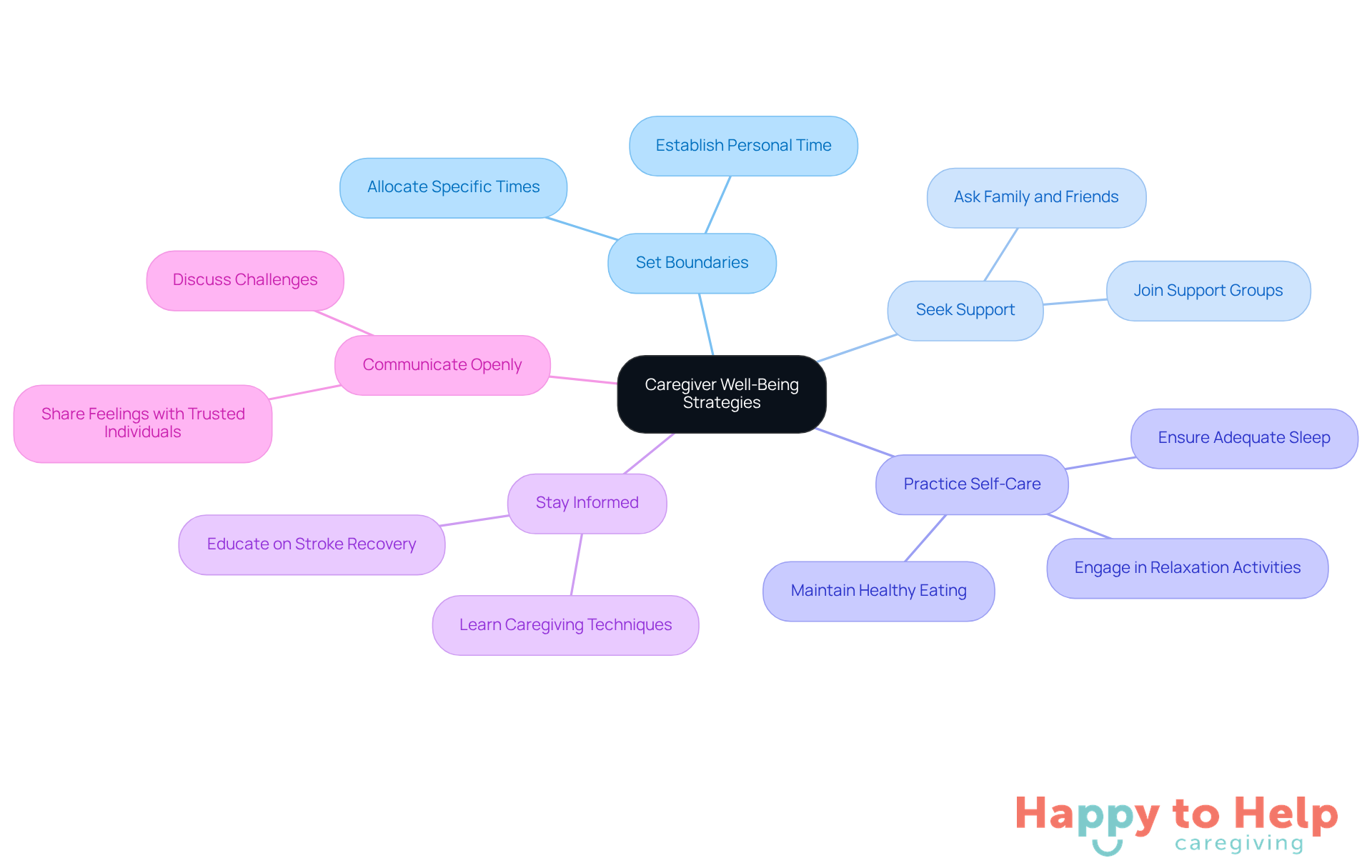
Manage Caregiver Well-Being: Strategies for Emotional and Physical Health
Caregiving can be a rewarding yet challenging role, often leading to burnout and stress. To maintain your well-being as a caregiver, consider these strategies:
- Set Boundaries: Establish clear boundaries to prevent burnout. Allocate specific times for caregiving and personal time.
- Seek Support: Don’t hesitate to ask for help from family, friends, or professional services. Joining a caregiver support group can also provide emotional relief and shared experiences.
- Practice Self-Care: Engage in activities that promote relaxation and rejuvenation, such as exercise, meditation, or hobbies. Ensure you are eating well and getting enough sleep.
- Stay Informed: Educate yourself about stroke recovery and caregiving techniques. Gaining knowledge on how to help a stroke patient can empower you and reduce feelings of helplessness.
- Communicate Openly: Share your feelings and challenges with trusted individuals. Open communication can alleviate stress and provide new perspectives.
By prioritizing your health, you can enhance your ability to care for your loved one effectively.
Key Takeaways for Caregivers
Understanding how to assist a stroke patient is vital for caregivers. The problem is that timely and effective intervention can significantly influence recovery outcomes. Without proper knowledge and support, caregivers may struggle, impacting both the patient’s recovery and their own well-being.
Recognizing stroke symptoms and responding swiftly to emergencies is crucial. The implications of failing to act quickly can be severe, leading to poorer recovery outcomes. Caregivers must be informed about the distinction between ischemic and hemorrhagic strokes and the critical nature of recognizing symptoms using the F.A.S.T. acronym. Immediate action can make a profound difference.
To address these challenges, caregivers can implement practical strategies for at-home care and prioritize their own well-being. By fostering a supportive environment that promotes independence and emotional health, caregivers can enhance the recovery process for stroke survivors. Additionally, prioritizing education and self-care will not only improve the quality of life for patients but also ensure caregivers maintain their health and vitality.
Ultimately, the responsibility of caring for a stroke patient encompasses both the patient’s needs and the caregiver's well-being. By embracing these strategies, caregivers can enhance their effectiveness and resilience, making a significant impact on the recovery journey.
https://iframe.tely.ai/cta/eyJhcnRpY2xlX2lkIjogIjY5M2Y1MDgxMmI4ODNiM2YwNWZiOTk3NSIsICJjb21wYW55X2lkIjogIjY4ZWU1ZGNhNzMxNzYyNTU3ZjNjOTVjMSIsICJpbmRleCI6IG51bGwsICJ0eXBlIjogImFydGljbGUifQ==Frequently Asked Questions
What are the two primary types of stroke?
The two primary types of stroke are ischemic stroke and hemorrhagic stroke.
What causes an ischemic stroke?
An ischemic stroke occurs when a blood vessel supplying blood to the brain is blocked, often by a clot.
What percentage of strokes are ischemic?
Ischemic strokes represent roughly 87% of all stroke incidents.
What are the common symptoms of an ischemic stroke?
Common symptoms of an ischemic stroke include sudden numbness or weakness in the face, arm, or leg (particularly on one side of the body), confusion, trouble speaking, and difficulty seeing.
Why is early recognition of ischemic stroke important?
Early recognition and treatment are vital because timely intervention can significantly improve recovery outcomes, with treatments being most effective if recognized and diagnosed within 3 hours of the initial symptoms.
What causes a hemorrhagic stroke?
A hemorrhagic stroke occurs when a blood vessel in the brain ruptures, leading to bleeding in or around the brain.
What symptoms are associated with a hemorrhagic stroke?
Symptoms of a hemorrhagic stroke can include a sudden severe headache, nausea, vomiting, and loss of consciousness.
What percentage of strokes are hemorrhagic, and how do they compare in severity to ischemic strokes?
Hemorrhagic strokes account for approximately 13% of cases and are frequently more deadly than ischemic strokes.
What is a TIA, and why is it significant?
A TIA, or transient ischemic attack, is a temporary period of symptoms similar to those of a stroke. Recognizing TIAs is significant because statistics indicate that 10% to 15% of individuals will experience a major cerebral event within three months after a TIA.
What acronym can help remember the warning signs of a stroke?
The acronym F.A.S.T. can help remember the warning signs: Face drooping, Arm weakness, Speech difficulty, and Time to call emergency services.
How does recognizing stroke symptoms impact patient outcomes?
Recognizing stroke symptoms early can greatly influence outcomes for patients experiencing a cerebral event, emphasizing the importance of caregiver vigilance.
What is the expected trend regarding the impact of cerebrovascular accidents worldwide?
The worldwide impact of cerebrovascular accidents is expected to rise considerably, highlighting the significance of awareness and prevention.
List of Sources
- Understand Stroke: Types and Symptoms
- Signs and Symptoms of Stroke (https://cdc.gov/stroke/signs-symptoms)
- Richmond Hyperbaric's Success Stories - Hyperbaric Oxygen Therapy HBOT | Vancouver (Canada) (https://richmond-hyperbaric.com/case\_studies.html)
- About Stroke (https://cdc.gov/stroke/about)
- Motivational Quotes for Stroke Survivor Recovery - Neurolutions (https://neurolutions.com/after-stroke/motivational-quotes-for-stroke-survivor-recovery)
- World Stroke Organization: Global Stroke Fact Sheet 2025 - PMC (https://pmc.ncbi.nlm.nih.gov/articles/PMC11786524)
- Respond Quickly: Initial Actions After a Stroke
- The Telestroke Project: Improving stroke outcomes in regional and rural NSW – NSW Regional Health Partners (https://nswregionalhealthpartners.org.au/case\_studies/the-telestroke-project-improving-stroke-outcomes-in-regional-and-rural-nsw)
- Time Is Brain: Prehospital Emergency Medical Services Response Times for Suspected Stroke and Effects of Prehospital Interventions (https://mayoclinicproceedings.org/article/S0025-6196(20)31118-6/abstract)
- Support Recovery: At-Home Care and Rehabilitation Strategies
- Care Received by Elderly US Stroke Survivors May Be Underestimated | Stroke (https://ahajournals.org/doi/10.1161/strokeaha.116.012704)
- Care Received by Elderly US Stroke Survivors may be Underestimated - PMC (https://pmc.ncbi.nlm.nih.gov/articles/PMC4961527)
- Home Modifications (https://stroke.org/en/life-after-stroke/recovery/home-modifications)
- How rehab at home is changing stroke recovery (https://csp.org.uk/blog/2025/09/how-rehab-home-changing-stroke-recovery-0)
- Researchers’ At-Home Rehab System Changes Game for Stroke Patients (https://news.utdallas.edu/health-medicine/at-home-stroke-rehab-system-2023)
- Manage Caregiver Well-Being: Strategies for Emotional and Physical Health
- Caregiving’s Mental Health Crisis (https://forbes.com/sites/otsuka/2025/10/02/caregivings-mental-health-crisis)
- Changes in Health Indicators Among Caregivers... (https://cdc.gov/mmwr/volumes/73/wr/mm7334a2.htm)
- HHS Launches New Caregiving AI Initiative to 'Spark Innovative Support' (https://hospicenews.com/2025/11/18/hhs-launches-new-caregiving-ai-initiative-to-spark-innovative-support)
- WHO and Noora Health begin collaboration to strengthen support for family caregivers (https://who.int/news/item/29-07-2025-who-and-noora-health-begin-collaboration-to-strengthen-support-for-family-caregivers)
- HHS Backs AI Innovation for America’s Caregivers | HHS.gov (https://hhs.gov/press-room/hhs-backs-ai-innovation-for-americas-caregivers.html)