
How to Help a Stroke Survivor: Essential Caregiver Steps

For families in our service areas
For families in our service areas, this guide explains caregiver support and how non-medical in-home caregiving can support care planning in East Idaho, Treasure Valley & Magic Valley, Northern Wasatch, North Central West Virginia & Southwestern Pennsylvania, and Northeast Ohio.
Understanding Help a Stroke Survivor: Essential
Stroke recovery presents significant challenges that can profoundly affect both survivors and their caregivers. Caregivers often face hurdles such as physical limitations and emotional struggles, which can complicate the recovery process. These challenges not only hinder the progress of stroke survivors but also place a heavy emotional burden on caregivers.
To effectively support stroke survivors, caregivers must navigate the delicate balance between ensuring safety and promoting autonomy. This can be particularly difficult, as caregivers may feel the need to protect their loved ones while also encouraging independence. Understanding this dynamic is crucial for fostering emotional well-being and enhancing the recovery journey.
So, what can caregivers do? Here are some essential steps:
- Encourage Independence: Allow survivors to participate in their care as much as possible, fostering a sense of control.
- Communicate Openly: Maintain open lines of communication to understand the needs and preferences of the survivor.
- Seek Support: Caregivers should not hesitate to reach out for help, whether from professionals or support groups.
By implementing these strategies, caregivers can create an environment that not only prioritizes safety but also nurtures the autonomy of stroke survivors, ultimately leading to a more positive recovery experience.
Understand Stroke Recovery and Its Challenges
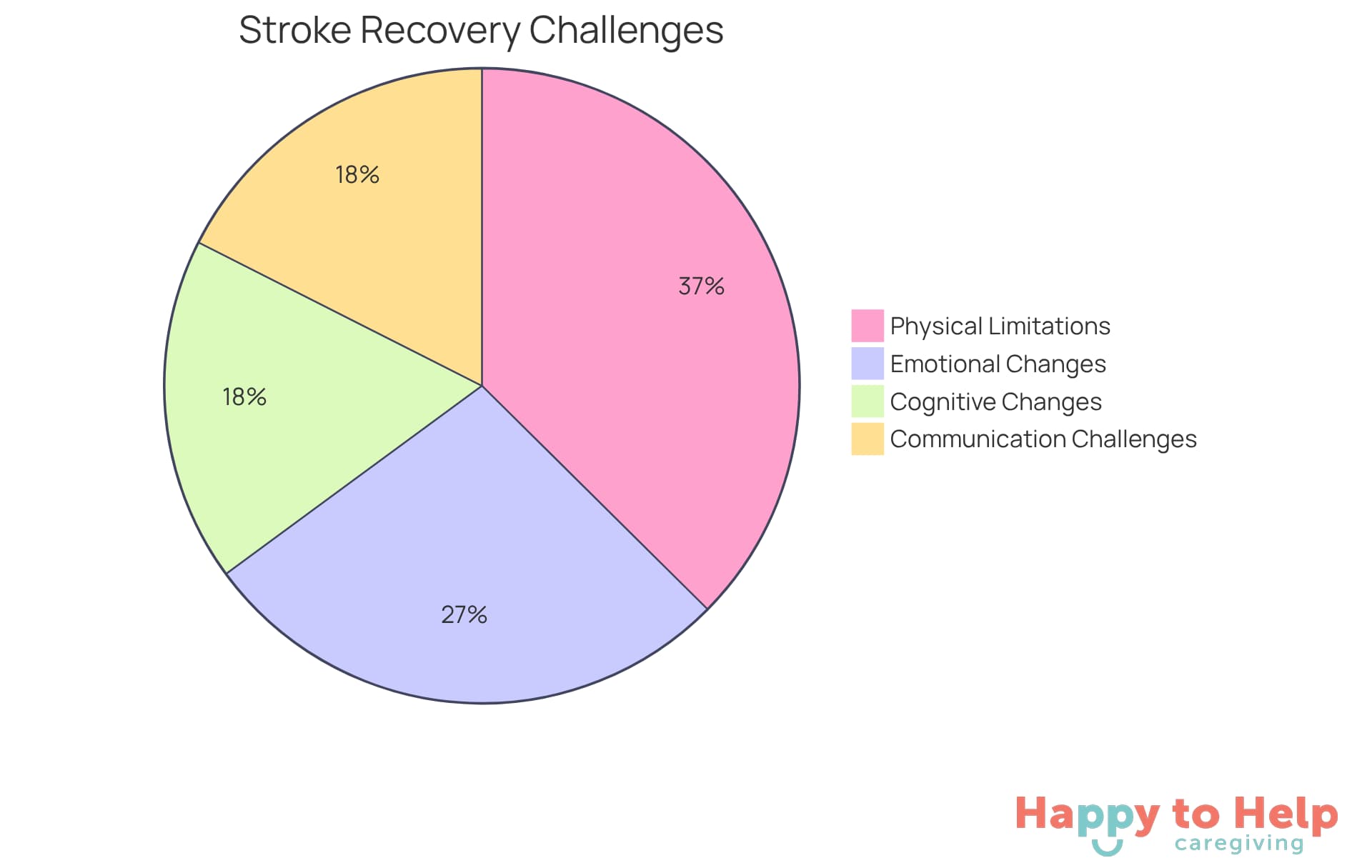
Stroke recovery presents a complex set of challenges that can vary widely among individuals. Caregivers often encounter significant hurdles while supporting stroke survivors, including:
- Physical Limitations: About 64% of stroke survivors face difficulties with daily activities due to weakness, paralysis, or coordination issues. This can greatly affect their mobility and independence.
- Cognitive Changes: Stroke can impair memory, attention, and problem-solving skills, making it hard for individuals to process information or follow directions. Such cognitive challenges can lead to frustration and feelings of helplessness.
- Emotional and Behavioral Changes: Nearly 47% of stroke survivors experience mental health challenges, including frustration, anxiety, or depression. Caregivers need to be prepared to offer emotional support and recognize when professional help is necessary.
- Communication Challenges: Many survivors struggle with speech or understanding language, requiring caregivers to adapt their communication styles. This may involve using simpler language, visual aids, or non-verbal cues to enhance understanding.
By recognizing these challenges, caregivers can understand how to help a stroke survivor by providing more effective support during the recovery process. Specialists emphasize that successful recovery involves comprehensive, coordinated care addressing physical, cognitive, emotional, and social aspects. Continuous medical supervision is crucial for preventing future incidents and managing risk factors, highlighting the importance of caregiver involvement in recovery.
Create a Safe and Supportive Home Environment
Understanding how to help a stroke survivor includes creating a safe and supportive home environment. Caregivers face the challenge of ensuring safety while promoting independence. With up to 70% of individuals recovering from a brain attack experiencing falls within the first six months after discharge, addressing this issue is essential.
-
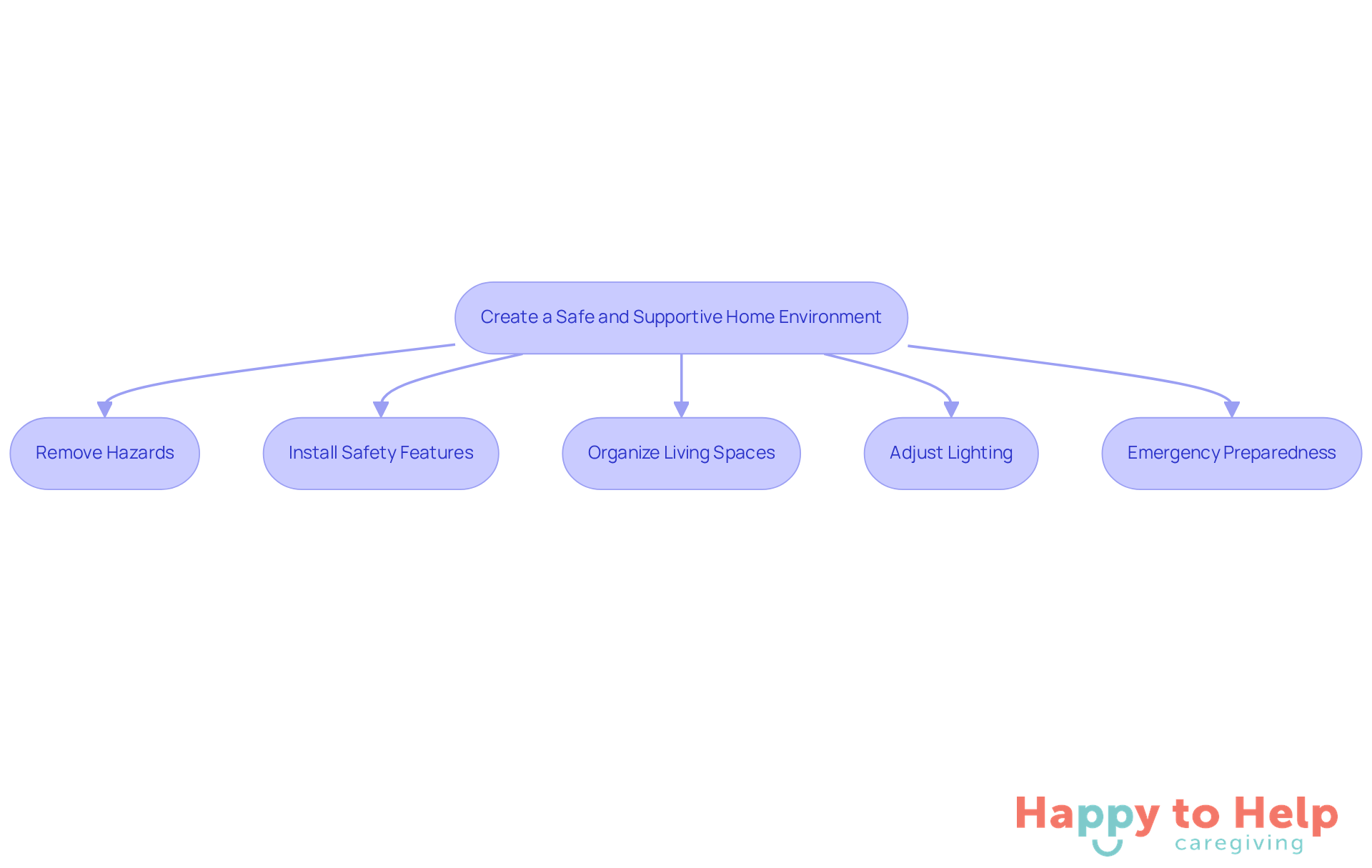
Remove Hazards: Tripping hazards like loose rugs, clutter, and electrical cords should be cleared away. Ensure pathways are unobstructed and well-lit to facilitate safe movement.
-
Install Safety Features: Incorporate grab bars in bathrooms and near stairs, non-slip mats in wet areas, and handrails on both sides of staircases to significantly enhance safety.
-
Organize Living Spaces: Rearranging furniture can create open areas for easier navigation. Position frequently used items within easy reach to minimize the need for stretching or bending.
-
Adjust Lighting: Ensure all areas of the home are well-lit, particularly stairways and hallways. Installing motion-sensor lights can add convenience and safety.
-
Emergency Preparedness: Keep a phone within easy reach at all times and consider a medical alert system for emergencies. Ensure that emergency contacts are readily accessible.
These modifications not only enhance safety but also demonstrate how to help a stroke survivor regain their independence within the comfort of their own homes. Engaging the entire family in this adjustment process is essential to meet collective needs and customize the home environment to the individual's current and future requirements. As one individual who has recovered from a brain attack stated, 'You’ve arrived at the correct location if you’re seeking quotes from those who inspire after such experiences.
Assist with Daily Living Activities Effectively
Caregivers need to understand how to help a stroke survivor, as they face significant challenges when assisting individuals recovering from a cerebral incident, particularly in daily living activities. According to the National Institutes of Health, about 60% of individuals recovering from a brain attack require help with personal care, which underlines the necessity of knowing how to help a stroke effectively.
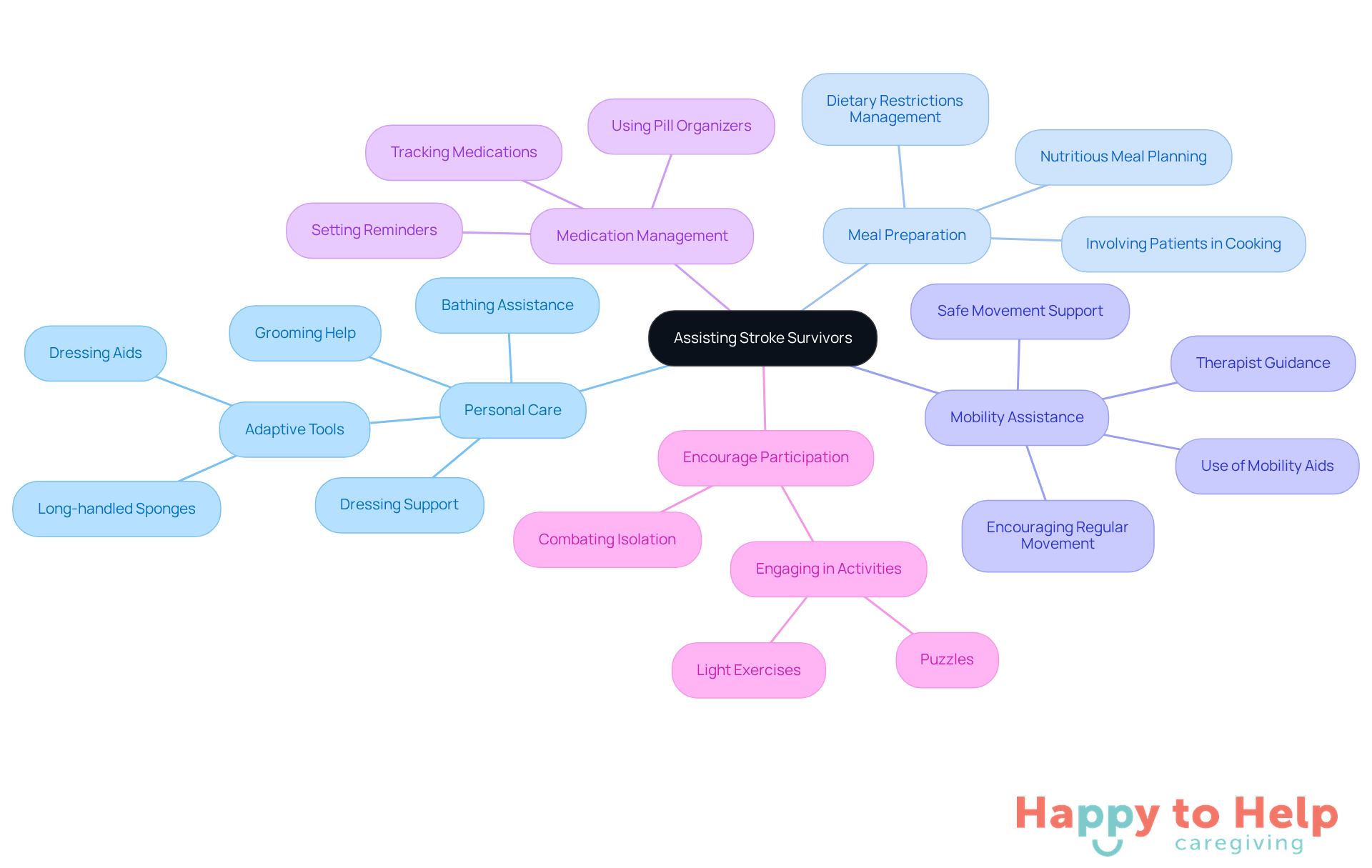
Personal Care: Caregivers can assist with bathing, dressing, and grooming while encouraging independence. Utilizing adaptive tools like long-handled sponges or dressing aids can facilitate self-care, empowering individuals to reclaim their autonomy.
Meal Preparation: Preparing nutritious meals that cater to dietary restrictions is crucial. Involving the individual in meal planning and simple cooking tasks not only promotes engagement but also makes the experience enjoyable. Caregivers can motivate stroke patients to select their preferred recipes, enhancing their sense of control.
Mobility Assistance: Supporting safe movement around the house is essential. Caregivers should use mobility aids when necessary and encourage regular movement to prevent stiffness and improve circulation. Occupational and physical therapists can provide guidance on safe mobility practices, ensuring caregivers are well-equipped to assist.
Medication Management: Keeping track of medications and ensuring they are taken as prescribed is vital for recovery. Caregivers can use pill organizers and set reminders to help individuals stay on schedule. Rehabilitation specialists emphasize that proper medication management is crucial for adherence to prescribed regimens.
Encourage Participation: Engaging individuals in activities they enjoy, such as puzzles or light exercises, promotes cognitive and physical recovery. This not only aids rehabilitation but also combats feelings of isolation and depression. As Lynne Katzmann, Founder and CEO of Juniper Village, states, "Recovering from a brain attack requires determination, patience, and the appropriate assistance network."
By implementing these effective strategies, caregivers can significantly enhance how to help a stroke patient reclaim their independence and improve their overall well-being.
Provide Emotional Support and Companionship
Understanding how to help a stroke patient through emotional assistance and companionship is crucial for their recovery. Caregivers often face the challenge of providing this support effectively. Without proper emotional support, stroke survivors may experience feelings of isolation and frustration, which can hinder their recovery process.
To address these challenges, caregivers can implement several strategies:
- Active Listening: Encourage the survivor to express their feelings and frustrations. Listen attentively and validate their emotions without judgment.
- Encourage Social Interaction: Facilitate connections with family and friends. Arrange visits or virtual calls to help the individual feel less isolated.
- Engage in Activities Together: Participate in enjoyable activities, such as watching movies, playing games, or going for walks. Shared experiences can enhance emotional bonds and provide joy.
- Promote Independence: Encourage the individual to make choices about their daily activities and care. This fosters a sense of control and empowerment.
- Seek Professional Help if Needed: Be aware of signs of depression or anxiety. If the individual experiences emotional difficulties, recommend professional counseling or assistance groups.
By providing emotional support and companionship, caregivers can significantly enhance the recovery experience for stroke survivors by showing them how to help a stroke survivor navigate the emotional landscape of their journey.

Making the Right Choice
Supporting a stroke survivor presents a significant challenge for caregivers. They must navigate the unique difficulties that these individuals face, which can include physical, cognitive, and emotional hurdles. Without proper understanding and support, stroke survivors may struggle to regain their independence and confidence.
To effectively assist stroke survivors, caregivers should focus on creating a safe home environment and providing emotional support. Practical modifications around the home can empower survivors, allowing them to engage in daily living activities more independently. Caregivers are encouraged to recognize the importance of fostering a supportive atmosphere, which can greatly enhance the quality of life for those affected by stroke.
Moreover, recovery is not solely about physical rehabilitation; emotional well-being and social connections are equally vital. Caregivers should actively engage with stroke survivors, listen to their needs, and create opportunities for enjoyable interactions. By implementing these strategies, caregivers can profoundly impact the recovery process, highlighting the importance of compassionate support in overcoming the challenges of stroke recovery.
https://iframe.tely.ai/cta/eyJhcnRpY2xlX2lkIjogIjY5M2Y1MDlhMmI4ODNiM2YwNWZiOTk3ZSIsICJjb21wYW55X2lkIjogIjY4ZWU1ZGNhNzMxNzYyNTU3ZjNjOTVjMSIsICJpbmRleCI6IG51bGwsICJ0eXBlIjogImFydGljbGUifQ==Frequently Asked Questions
What are the main challenges faced by stroke survivors during recovery?
Stroke survivors commonly face physical limitations, cognitive changes, emotional and behavioral changes, and communication challenges. These issues can significantly impact their daily activities, mobility, mental health, and ability to communicate.
How do physical limitations affect stroke survivors?
About 64% of stroke survivors experience difficulties with daily activities due to weakness, paralysis, or coordination issues, which can greatly affect their mobility and independence.
What cognitive changes can occur after a stroke?
Stroke can impair memory, attention, and problem-solving skills, making it difficult for individuals to process information or follow directions, leading to frustration and feelings of helplessness.
What emotional and behavioral changes might stroke survivors experience?
Nearly 47% of stroke survivors may face mental health challenges such as frustration, anxiety, or depression, requiring caregivers to provide emotional support and recognize when professional help is needed.
How do communication challenges manifest in stroke survivors?
Many stroke survivors struggle with speech or understanding language, necessitating caregivers to adapt their communication styles by using simpler language, visual aids, or non-verbal cues to enhance understanding.
What role do caregivers play in stroke recovery?
Caregivers are essential in providing effective support during recovery by recognizing the challenges faced by stroke survivors and offering comprehensive, coordinated care that addresses physical, cognitive, emotional, and social aspects.
Why is continuous medical supervision important in stroke recovery?
Continuous medical supervision is crucial for preventing future incidents and managing risk factors, emphasizing the importance of caregiver involvement in the recovery process.
List of Sources
- Understand Stroke Recovery and Its Challenges
- Stroke Facts (https://cdc.gov/stroke/data-research/facts-stats)
- Research Spotlight: Mapping Overlooked Challenges in Stroke Recovery | Mass General Brigham (https://massgeneralbrigham.org/en/about/newsroom/articles/mapping-overlooked-challenges-in-stroke-recovery)
- Beyond Survival: Understanding the Long Road to Stroke Recovery | Psychiatric Times (https://psychiatrictimes.com/view/beyond-survival-understanding-the-long-road-to-stroke-recovery)
- World Stroke Day 2025: Post-stroke care in crisis and survivors missing out on care | National Health Executive (https://nationalhealthexecutive.com/articles/world-stroke-day-2025-post-stroke-care-crisis-and-survivors-missing-out-care)
- Life After Stroke (https://nm.org/conditions-and-care-areas/neurosciences/comprehensive-stroke-centers/life-after-stroke)
- Create a Safe and Supportive Home Environment
- Pin on Brain (https://pinterest.com/pin/619807967448455081)
- Home Modifications (https://stroke.org/en/life-after-stroke/recovery/home-modifications)
- Assist with Daily Living Activities Effectively
- Recovering from a Stroke: How Assisted Living Helps Seniors (https://junipercommunities.com/recovering-from-a-stroke-how-assisted-living-helps-seniors-regain-independence?namp=1%2F&nonamp=1)
- Supporting Stroke Recovery at Home: The Role of Home Health Agencies - Advanced Nursing & Home Care (https://advancednursing.care/strokes-brain-and-head-injuries/supporting-stroke-recovery-at-home-the-role-of-home-health-agencies)
- Frontiers | Dependency in Activities of Daily Living During the First Year After Stroke (https://frontiersin.org/journals/neurology/articles/10.3389/fneur.2021.736684/full)
- Correlation between the Activities of Daily Living of Stroke Patients in a Community Setting and Their Quality of Life - PMC (https://pmc.ncbi.nlm.nih.gov/articles/PMC3976015)
- UB, partners advancing stroke recovery system (https://buffalo.edu/ubnow/stories/2025/10/mrehab-stroke-recovery.html)
- Provide Emotional Support and Companionship
- Preventing Chronic Emotional Distress in Stroke Survivors and Their Informal Caregivers - PMC (https://pmc.ncbi.nlm.nih.gov/articles/PMC6958510)
- This underused type of care can help in stroke recovery, report says (https://heart.org/en/news/2024/12/16/this-underused-type-of-care-can-help-in-stroke-recovery-report-says)
- How Social Connection and Engagement Relate to Functional Limitations and Depressive Symptoms Outcomes After Stroke | Stroke (https://ahajournals.org/doi/10.1161/STROKEAHA.122.042386)
- Study highlights the emotional and social challenges of stroke recovery (https://news-medical.net/news/20251017/Study-highlights-the-emotional-and-social-challenges-of-stroke-recovery.aspx)