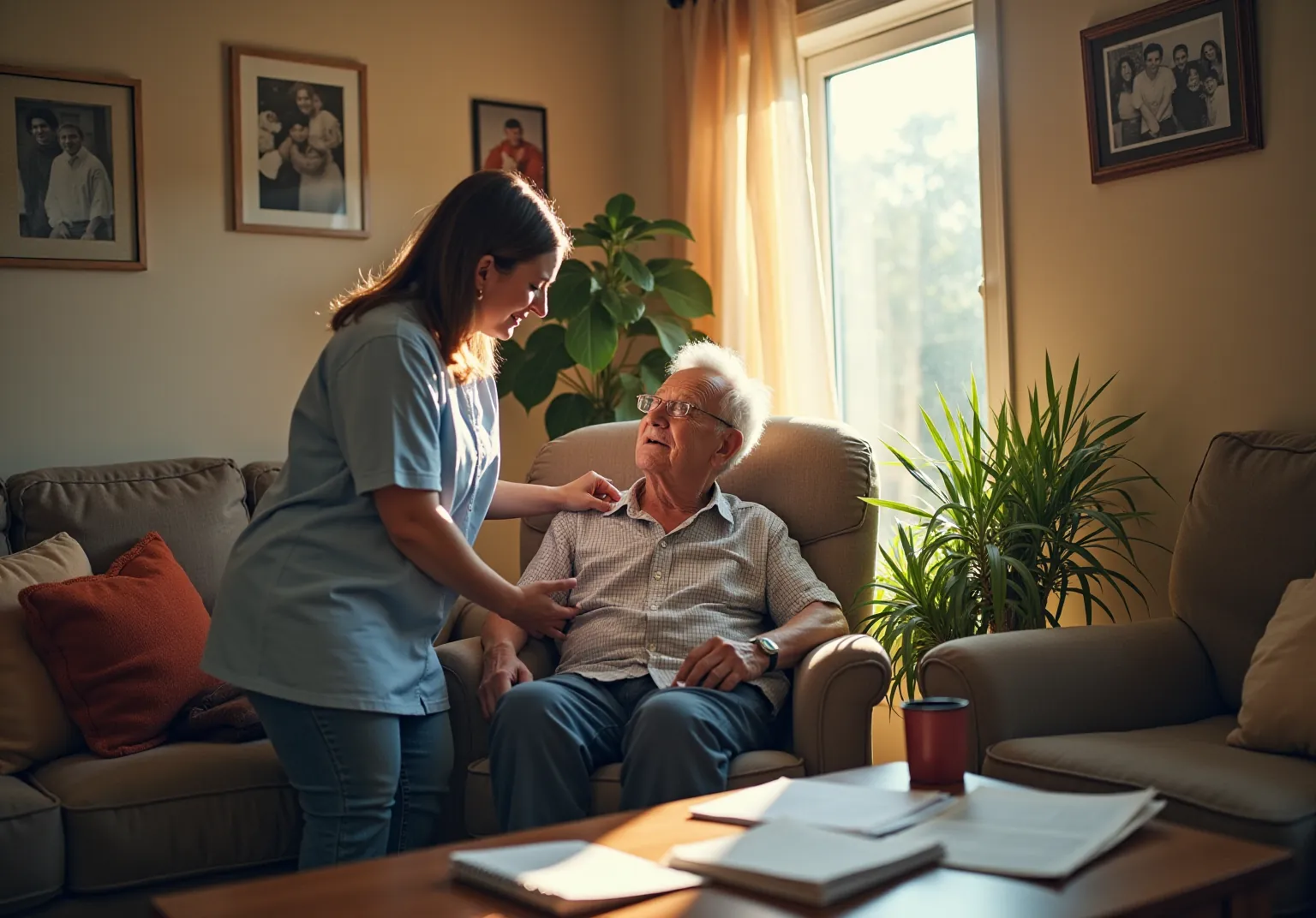
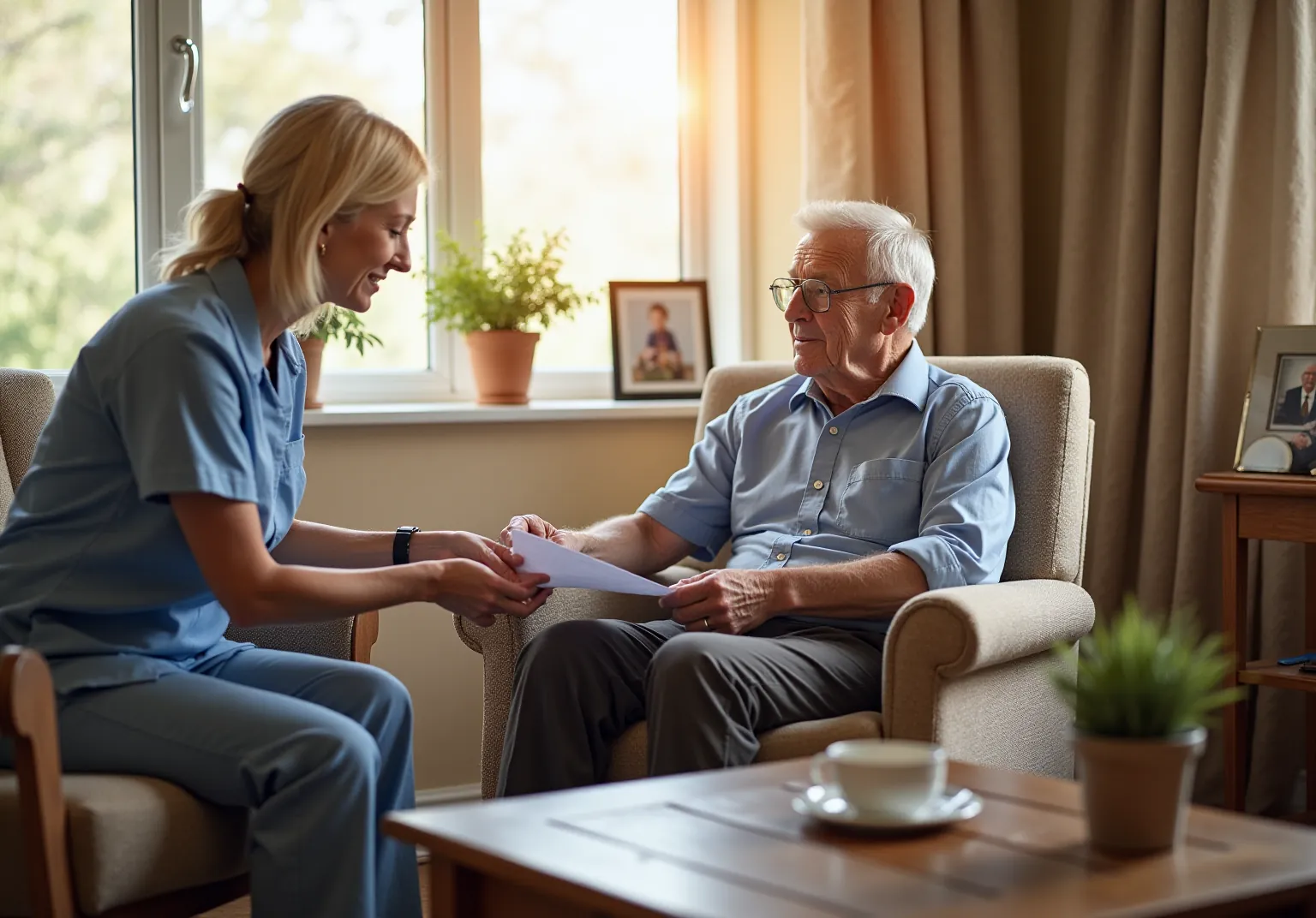
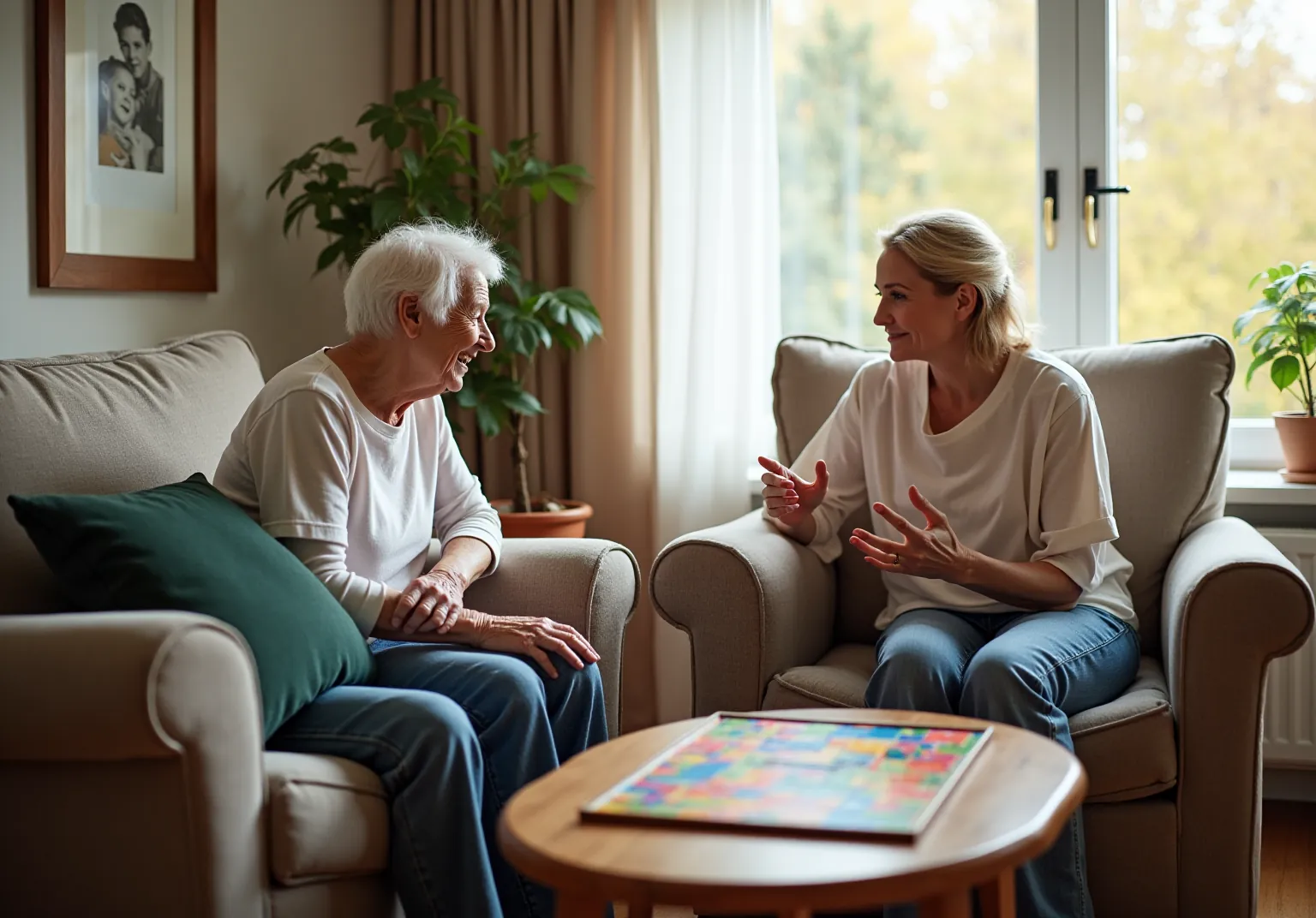
How to Support an Elderly Person Hallucinating: Key Steps
For families in our service areas
For families in our service areas, this guide explains caregiver support and how non-medical in-home caregiving can support care planning in East Idaho, Treasure Valley & Magic Valley, Northern Wasatch, North Central West Virginia & Southwestern Pennsylvania, and Northeast Ohio.
Understanding Support an Elderly Person
Understanding the complexities of hallucinations in the elderly presents a significant challenge for caregivers. These episodes can arise from various causes, leading to feelings of anxiety and uncertainty for both the elderly individual and their caregivers.
This situation not only affects the emotional well-being of those involved but also complicates the caregiving process. Caregivers often find themselves in distressing moments, unsure of how to respond effectively.
However, there are effective strategies that can help transform these challenging experiences into opportunities for connection and comfort. By implementing practical insights, caregivers can create a reassuring environment that supports those experiencing hallucinations.
How can caregivers navigate these moments? Here are some actionable tips to consider:
- Stay Calm: Your demeanor can influence the emotional state of the elderly individual.
- Validate Feelings: Acknowledge their experiences without judgment.
- Create a Safe Space: Ensure the environment is comfortable and familiar.
By focusing on these strategies, caregivers can foster a sense of security and understanding, ultimately enhancing the quality of care.
Understand Hallucinations in the Elderly
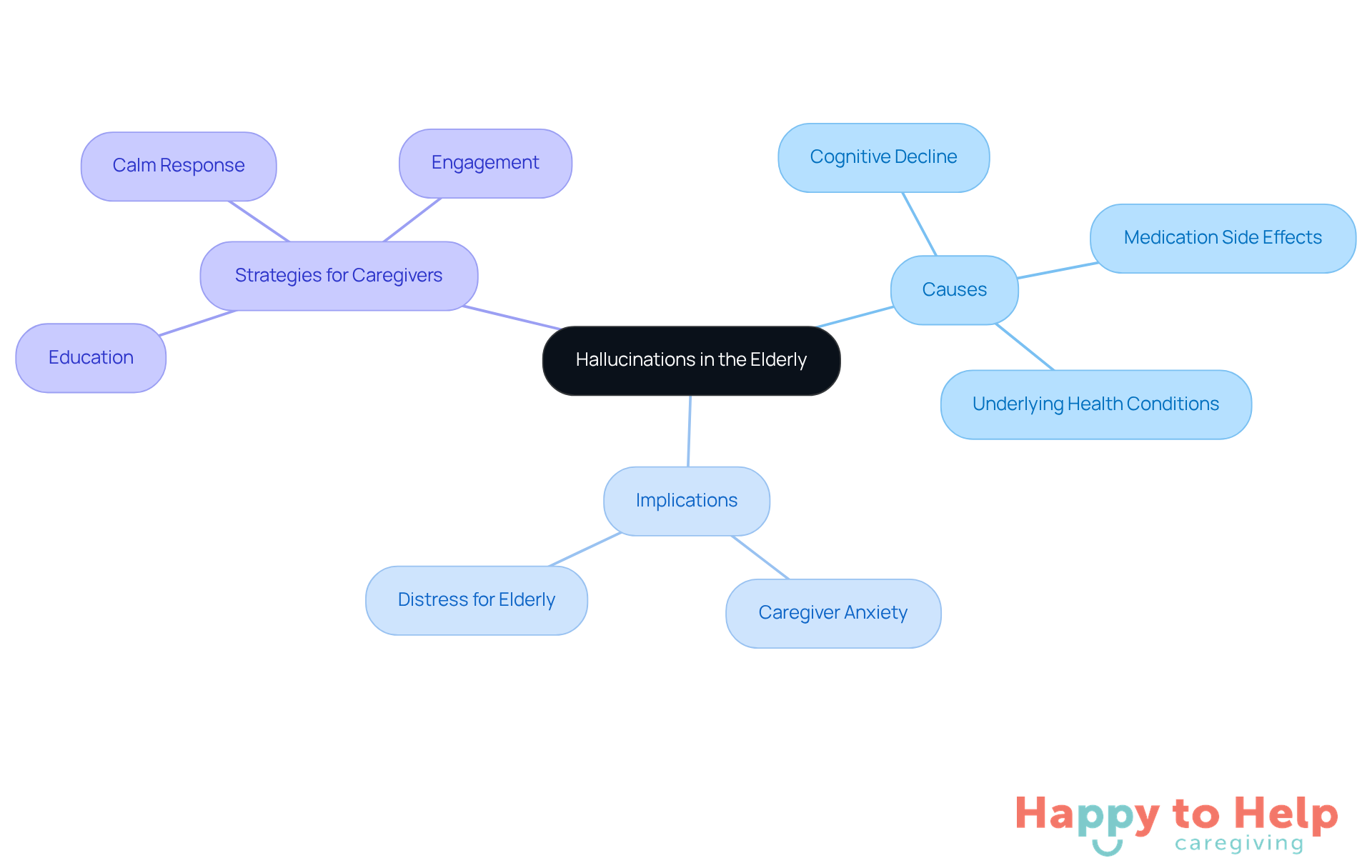
The challenge of hallucinations in caregivers is significant when dealing with an elderly person hallucinating. These experiences can manifest as visual, auditory, or tactile sensations that are not based in reality. They may arise from various factors, including cognitive decline, medication side effects, or underlying health conditions. Understanding the experiences of an elderly person hallucinating is crucial for caregivers, as it allows them to respond appropriately and empathetically.
The implications of an elderly person hallucinating can be distressing for both the caregiver and the elderly individual. Caregivers may feel anxious or unsure about how to handle these situations, which can exacerbate the stress for everyone involved. Familiarizing themselves with common types of hallucinations, such as those an elderly person hallucinating might experience, can help caregivers feel more prepared.
To effectively manage these experiences, caregivers can implement several practical strategies:
- Educate themselves about the types of hallucinations and their causes.
- Maintain a calm demeanor when responding to hallucinations, as this can help alleviate anxiety.
- Engage the older adult in conversation to redirect their focus and provide reassurance.
By comprehending these experiences and employing these strategies, caregivers can create a supportive environment that reduces anxiety for both themselves and the older person.
Identify Causes of Hallucinations
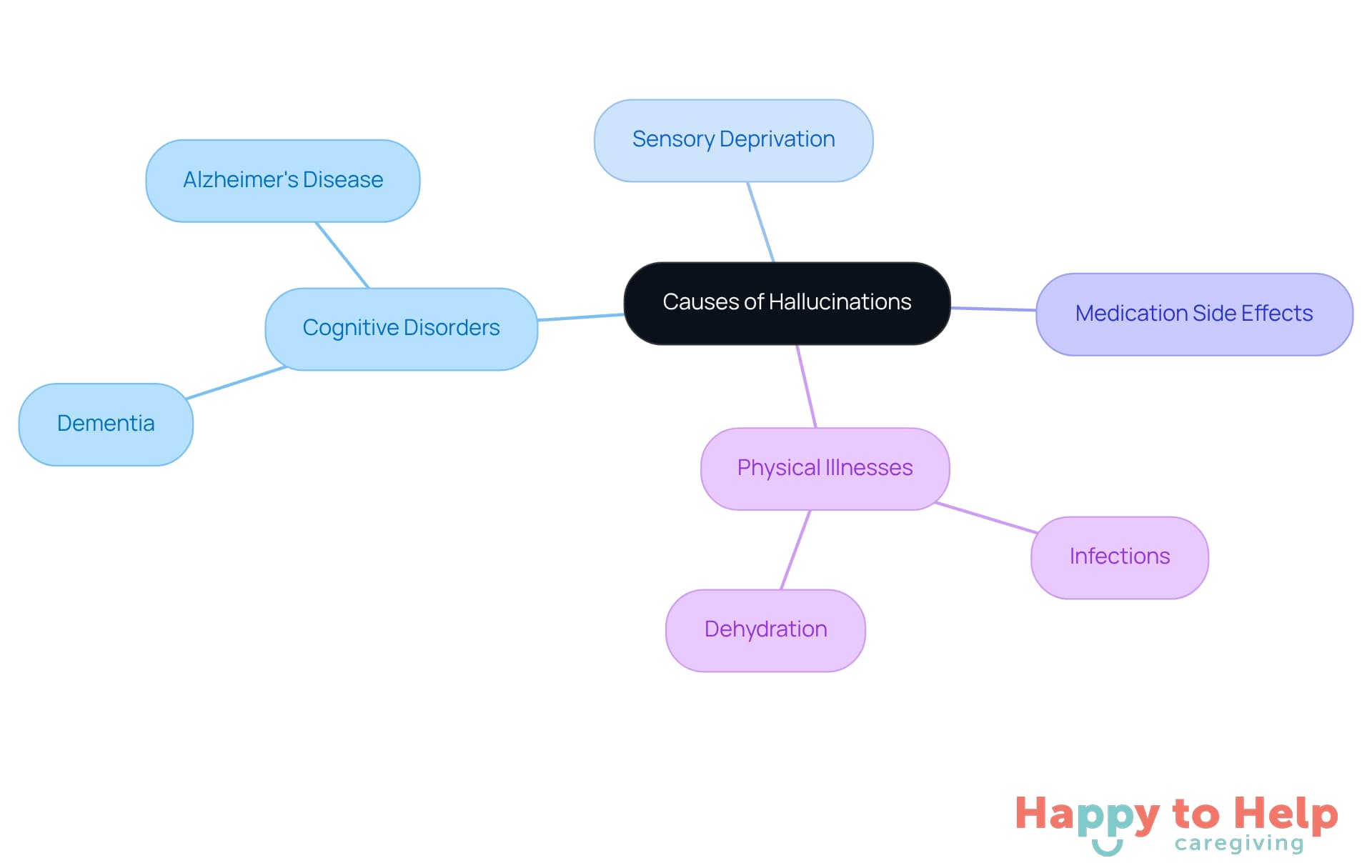
An elderly person hallucinating may experience hallucinations due to various issues, including:
- Cognitive disorders like dementia and Alzheimer's disease
- Sensory deprivation
- Medication side effects
- Physical illnesses such as infections or dehydration
This presents a significant challenge for caregivers, who must navigate the complexities of these conditions.
Caregivers should closely observe the individual experiencing hallucinations, noting any patterns or triggers that may arise. Keeping a detailed log of these occurrences can be invaluable. This record not only aids in understanding the situation but also serves as a useful tool during discussions with healthcare providers. By sharing this information, caregivers can facilitate adjustments to medications or recommend further evaluations, ultimately improving the care provided.
Implement Strategies to Calm the Individual
When an elderly person hallucinating occurs, it poses a significant challenge for caregivers. This situation can lead to distress not only for the individual but also for those providing care. Caregivers must navigate these moments with sensitivity and composure to effectively support an elderly person hallucinating.
To address this issue, caregivers can employ several techniques:
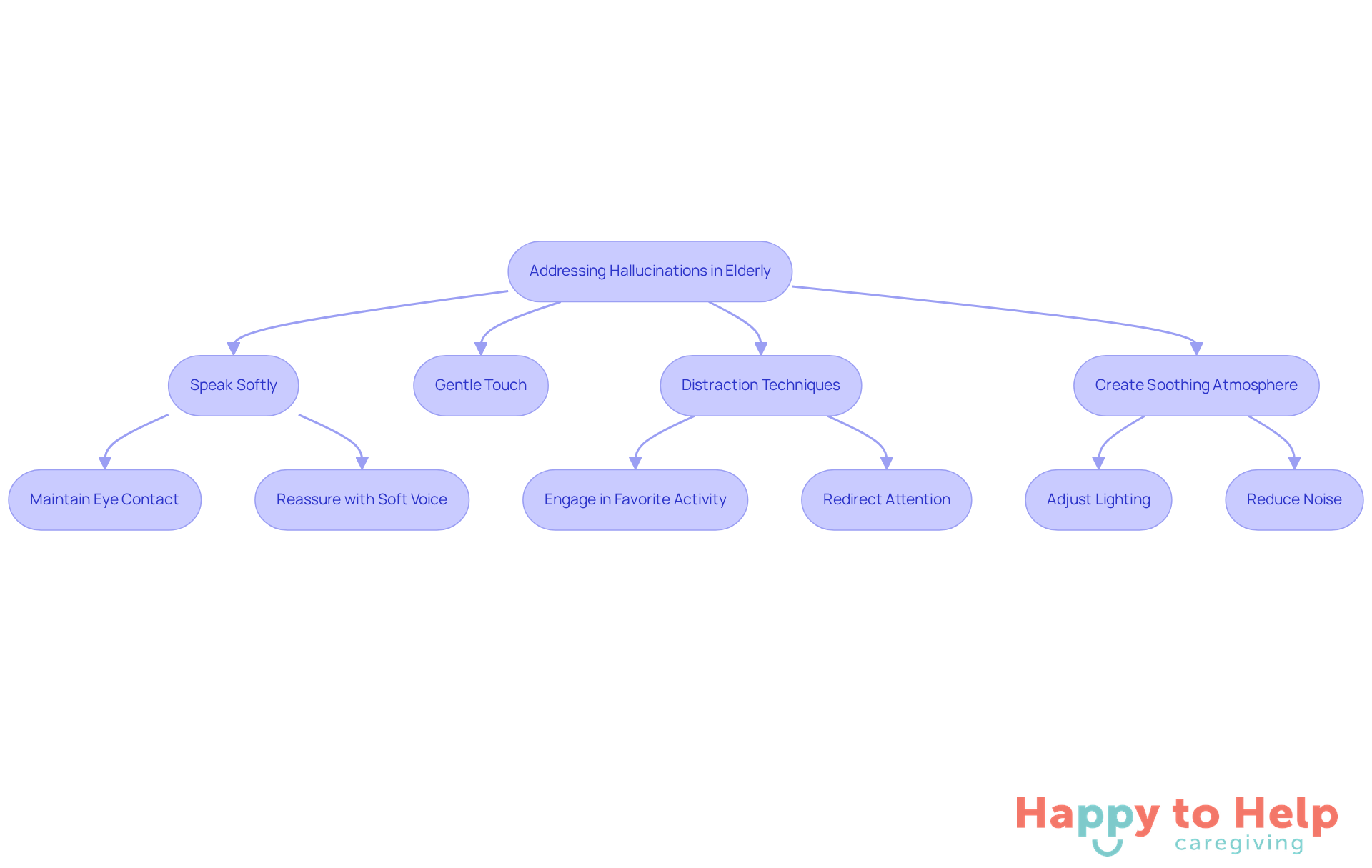
- Speaking softly and maintaining eye contact can help reassure the person experiencing hallucinations.
- Gentle touch can also provide comfort and a sense of safety.
- Distraction techniques can be beneficial; engaging the individual in a favorite activity or redirecting their attention to a calming environment can significantly alleviate distress.
Creating a soothing atmosphere is equally important. Ensuring the surroundings are comfortable - by adjusting lighting and reducing noise - can help foster a more peaceful environment. By implementing these strategies, caregivers can effectively manage the challenges posed by an elderly person hallucinating, ultimately enhancing the well-being of both the elderly person and themselves.
Provide Ongoing Support and Communication
Caregivers face significant challenges when supporting seniors, particularly in navigating their emotions and experiences. Engaging in consistent, honest discussions about feelings and past events is crucial. Validating their emotions while acknowledging the elderly person hallucinating can help them feel heard and understood.
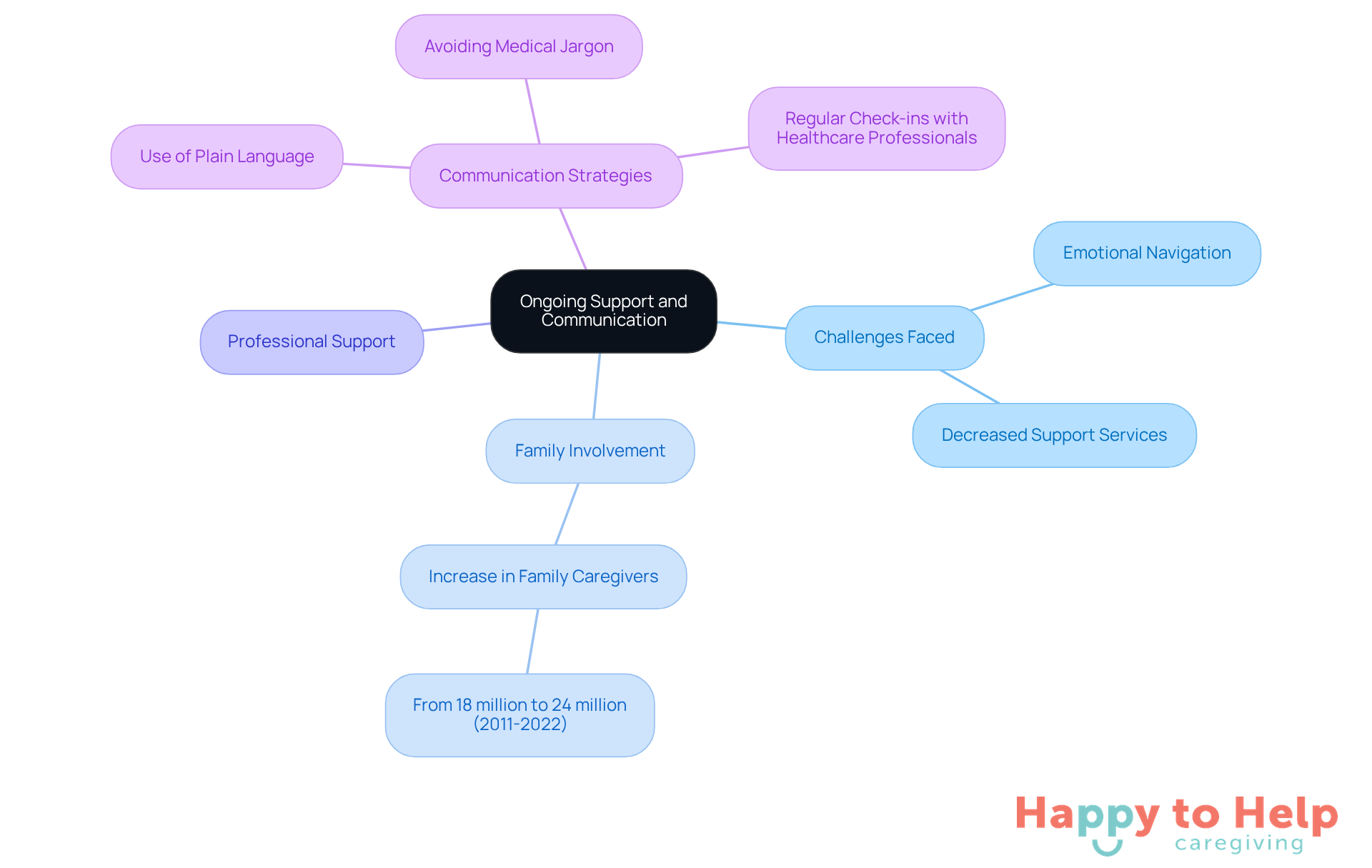
The implications of these challenges are profound. Family involvement in care strategies is essential, as it fosters a supportive environment. Regular check-ins with healthcare professionals ensure that any changes in the individual's condition are monitored and addressed promptly. This ongoing support not only enhances the sense of security for seniors but also empowers them to navigate their experiences with confidence.
To illustrate the growing importance of family participation, consider that the number of family caregivers increased from 18 million to 24 million between 2011 and 2022. This statistic underscores the need for effective communication strategies. As Shubham Sali emphasizes, using plain language and avoiding medical jargon can significantly enhance interactions with elderly individuals.
However, it's important to note that the utilization of support services among family caregivers has decreased during the same period, highlighting the difficulties they encounter. Continuous support and resources are crucial for these caregivers. Additionally, in 2022, 51.7% of dementia caregivers lived with the individuals they cared for, which can profoundly impact their caregiving experience.
By fostering open communication, involving family members, and seeking professional support, caregivers can better navigate the complexities of their roles.
Your Path Forward
Supporting an elderly person experiencing hallucinations presents a significant challenge for caregivers. These complex experiences can lead to heightened anxiety for both the caregiver and the individual in their care. Understanding this problem is crucial for providing effective support.
The implications of managing hallucinations are profound. Caregivers often feel overwhelmed, unsure of how to respond appropriately. This uncertainty can exacerbate the situation, making it essential to equip caregivers with the right tools and knowledge.
To address these challenges, caregivers can implement several key strategies:
- Understanding the various causes of hallucinations is vital. This knowledge allows caregivers to approach the situation with empathy and clarity.
- Employing calming techniques can help reduce anxiety for both parties.
- Ongoing communication is also crucial; it fosters a nurturing environment where the elderly individual feels safe and understood.
Ultimately, the journey of caring for someone with hallucinations is about more than just symptom management. It’s about enhancing the quality of life for both the caregiver and the elderly person. Family involvement and professional support play a critical role in improving the caregiving experience. By taking proactive measures and engaging in open dialogue, caregivers can help seniors navigate their experiences with confidence. This reinforces the importance of empathy and understanding in elder care.
https://iframe.tely.ai/cta/eyJhcnRpY2xlX2lkIjogIjY5MmY5MTk1ZGM0MTVjZWNlZTQ2NmM2YyIsICJjb21wYW55X2lkIjogIjY4ZWU1ZGNhNzMxNzYyNTU3ZjNjOTVjMSIsICJpbmRleCI6IG51bGwsICJ0eXBlIjogImFydGljbGUifQ==Frequently Asked Questions
What are hallucinations in the elderly?
Hallucinations in the elderly are experiences that involve visual, auditory, or tactile sensations that are not based in reality.
What causes hallucinations in elderly individuals?
Hallucinations can arise from various factors, including cognitive decline, medication side effects, or underlying health conditions.
Why is it important for caregivers to understand hallucinations in the elderly?
Understanding the experiences of an elderly person hallucinating is crucial for caregivers, as it allows them to respond appropriately and empathetically.
What are the implications of hallucinations for caregivers and elderly individuals?
Hallucinations can be distressing for both caregivers and the elderly individual, leading to anxiety and uncertainty about how to handle the situation.
What are some common types of hallucinations experienced by the elderly?
The article does not specify types of hallucinations, but it emphasizes that caregivers should familiarize themselves with common types to feel more prepared.
What strategies can caregivers use to manage hallucinations in the elderly?
Caregivers can educate themselves about hallucinations, maintain a calm demeanor when responding, and engage the older adult in conversation to redirect their focus and provide reassurance.
How can caregivers create a supportive environment for elderly individuals experiencing hallucinations?
By comprehending the experiences of hallucinations and employing practical strategies, caregivers can reduce anxiety for both themselves and the elderly person.
List of Sources
- Understand Hallucinations in the Elderly
- Understanding Elderly Hallucinations at Night: Causes and Care Strategies - Happy To Help (https://happytohelpcaregiving.com/understanding-elderly-hallucinations-at-night-causes-and-care-strategies)
- The American Mental Wellness Association » Hallucinations In The Elderly: Causes, Symptoms and Treatment | Guest Post by Kate Mallord (https://americanmentalwellness.org/hallucinations-in-the-elderly-causes-symptoms-and-treatment-guest-post-by-kate-mallord)
- What Causes Hallucinations in the Elderly? - Griswold (https://griswoldcare.com/blog/what-causes-hallucinations-in-the-elderly)
- Medicare claims data underestimate hallucinations in older adults with dementia - PMC (https://pmc.ncbi.nlm.nih.gov/articles/PMC8816965)
- Study Sheds Light on Syndrome Causing Harmless Hallucinations among the Elderly (https://healthcare.utah.edu/moran/news/2018/10/study-sheds-light-syndrome-causing-harmless-hallucinations-among-elderly)
- Provide Ongoing Support and Communication
- New report gives healthcare providers fresh guidance on communicating with older adults (https://mcknights.com/news/new-report-gives-healthcare-providers-fresh-guidance-on-communicating-with-older-adults)
- Effective Communication Strategies for Older Adults: Evidence-Based Approaches that Improve Care (https://medtigo.com/news/effective-communication-strategies-for-older-adults-evidence-based-approaches-that-improve-care)
- Fact Sheet: Trends in Family Care for Older Americans (https://prb.org/resources/fact-sheet-trends-in-family-care-for-older-americans)