A Family Care Notebook for Home Care in Idaho Falls, ID
Prepared with AI assistance for Happy to Help Caregiving. A separate AI review checked this practical guide against the linked sources on 2026-11-15. This is not a clinical or professional benefits review.
Sources checked during AI review
- www.nia.nih.gov (checked 2026-11-15)
- www.nia.nih.gov (checked 2026-11-15)
- happytohelpcaregiving.com (checked 2026-11-15)
- happytohelpcaregiving.com (checked 2026-11-15)
- happytohelpcaregiving.com (checked 2026-11-15)
For families in Idaho Falls
For families in Idaho Falls, East Idaho: use the resources and practical steps in this guide to plan wanted nonmedical help. Confirm individual requirements and current availability with the responsible provider.
A short notebook that helps people work from the same plan
A family care notebook can be a single page in a folder or a shared document. Its job is to keep everyday arrangements clear: which visits are confirmed, what help has been agreed, what the person prefers, and who to contact about a change. It should be easy to update and easy to put away when it contains private information.
For an Idaho Falls family using non-medical home care, the notebook sits alongside the care plan agreed with the office. Writing a new task in the notebook does not add it to a caregiver's duties or reserve more time. Use it to prepare questions for our East Idaho care team, then record what the office confirms.
Start with the person receiving care
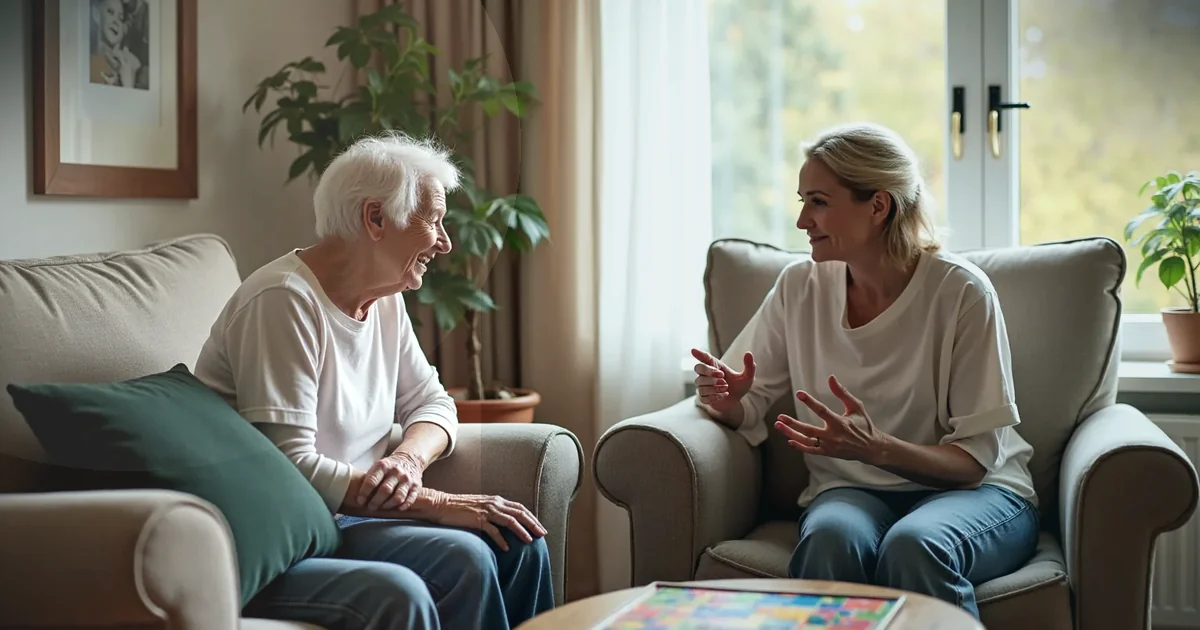
Ask your loved one what they want others to know about an ordinary day. A useful entry might be a preferred name, a favorite activity, when they enjoy company, or how they like to be asked before help is offered. Include what they prefer to do independently.
Choose a format together. A paper folder may be easier to find at home; a shared document may help relatives who live elsewhere. Neither needs to contain every family conversation. Choose one current version, identify who will update it, and agree who needs access.
The National Institute on Aging offers caregiver worksheets for organizing responsibilities and information. Those broader worksheets can be helpful, but a page used for everyday visit coordination does not need to become a complete medical, legal, or financial record.
Copy this one-page outline
Use these headings, leaving out anything that does not help with the agreed visit:
- Updated: Date of this version and the family contact who maintains it.
- This week's visits: Confirmed visits, family-covered time, and requested time that is still awaiting confirmation. Label each clearly.
- Agreed priorities: The two or three tasks that matter most during the visit, as discussed with the office.
- Preferences: How the person likes those tasks done, favorite activities, and anything they prefer to handle themselves.
- Practical arrangements: Where supplies for agreed tasks are kept and who will make the introduction. Share sensitive entry details through the appropriate care-team channel.
- Questions for the office: Proposed changes that have not yet been accepted.
- Follow-up: Who will ask each question and when the family will check for an answer.
Keep confirmed information separate from ideas. For example, "We would like a Thursday afternoon visit" belongs under questions until the office confirms it. It should not appear on the calendar as booked.
An example of a useful entry
This is a fictional planning example, not a client record or a promised H2H service arrangement:
Preference: I enjoy choosing lunch before we start preparing it. Please ask before moving things on the kitchen counter.
Agreed visit priority: Help with the meal preparation already included in the care plan, followed by time for a favorite activity if the agreed visit allows.
Family responsibility: A relative will check the grocery list before the visit.
Question still open: Can next week's visit happen later? The family contact will ask the office; the current confirmed time stays in place until a change is agreed.
This entry separates a personal preference, an agreed task, a family responsibility, and an unanswered request. That is more useful than a general instruction such as "Please take care of everything today."
Keep private records in the right place
Limit access to people who need the information and who are permitted to receive it. Avoid putting account passwords, payment details, identification numbers, or unrelated private records into a general handoff. Ask the office how to share sensitive information needed for care planning.
Keep clinical instructions and treatment decisions with the appropriate clinical provider. A family notebook is not a medication order, a substitute for professional advice, or permission for a non-medical caregiver to perform clinical tasks. If a request is unclear, ask before adding it to the visit plan.
Use factual notes instead of assumptions
After a visit, a family member might record that a particular activity was enjoyable or that a preferred time no longer fits the household routine. Describe what happened and what the person said, rather than assigning a diagnosis or guessing why they felt that way.
For a change that needs a response, contact the office through its normal care channel. Do not assume someone will see a notebook entry promptly. If a caregiver is unavailable or the family needs additional coverage, review the replacement questions to ask and confirm the actual plan with the care team.
Review the notebook when the plan changes
Set aside a few minutes after the first week to ask: Which information helped? Which entries are out of date? Is an unanswered request still being mistaken for an agreed arrangement? Remove superseded scheduling notes from the current page and keep any records your family needs separately.
When several relatives are involved, agree who contacts the office so it receives one clear request. The National Institute on Aging's guide to sharing caregiving responsibilities can help families discuss who will handle different tasks.
Arrange the next step in Idaho Falls
Happy to Help's Idaho Falls page explains the local non-medical care options. Bring the care address, requested visit times, agreed family responsibilities, and your loved one's preferences to the conversation. Our East Idaho care team can review the request and discuss caregiver availability, the care plan, and a written estimate.
The notebook helps you prepare that conversation. The office still needs to confirm the tasks, schedule, and any changes before your family relies on them.