For families in our service areas
For families in our service areas, this guide explains home care and how non-medical in-home caregiving can support care planning in East Idaho, Treasure Valley & Magic Valley, Northern Wasatch, North Central West Virginia & Southwestern Pennsylvania, and Northeast Ohio.
Forget the sterile image of home care, the endless cycle of medication and monitoring. We're talking about a vibrant revolution, a blossoming of the human spirit driven by the power of creativity and personal expression. Imagine a world where daily routines are punctuated not by the beeping of machines, but by a favorite melody that ignites a forgotten joy, a splash of paint on a canvas that whispers untold stories, or the quiet satisfaction of tending to a beloved garden. This isn't just a "nice-to-have"; it's a fundamental game-changer for overall well-being, a crucial ingredient often overlooked in the traditional healthcare recipe.
This post dives into how music, art, and hobbies, the often-unsung heroes of the human experience, are becoming essential ingredients for cultivating joy, rekindling purpose, and fostering genuine connection in the realm of home care. It's time to recognize that care extends beyond the purely physical; it's about nurturing the soul.
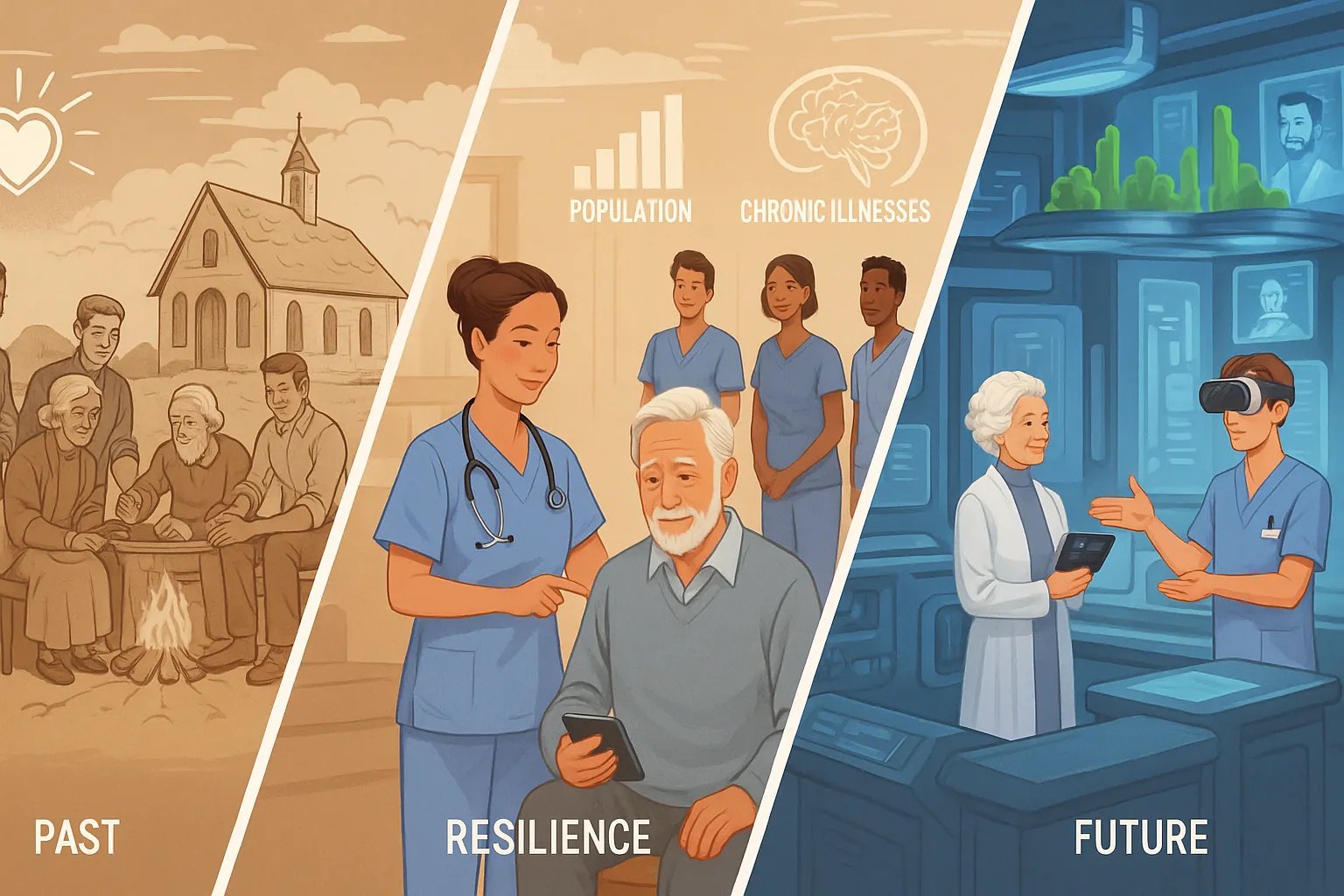
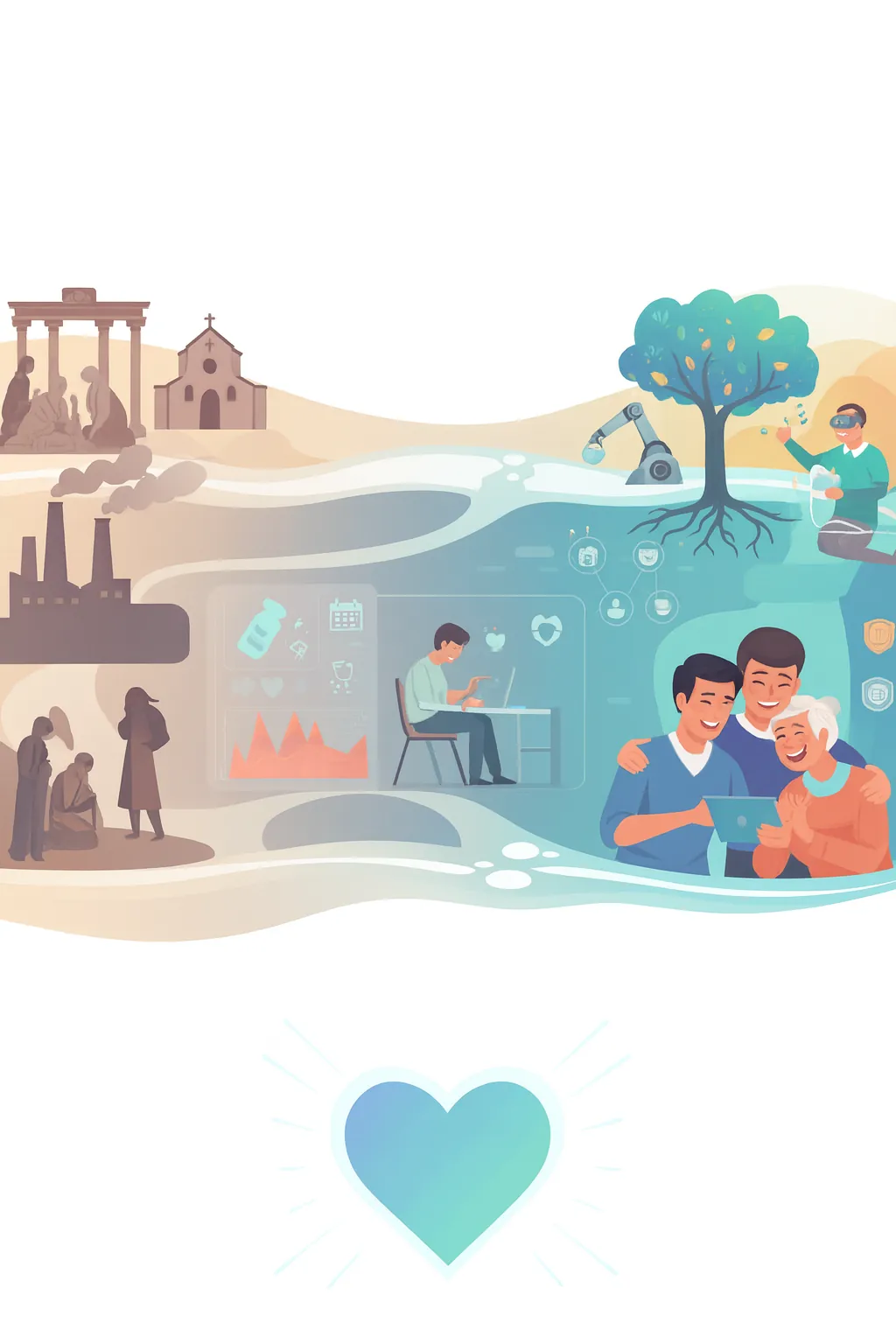
A Trip Down Memory Lane: The Ancient Roots of Healing Arts
The idea that creativity can heal isn't some new-age fad; it's an echo of wisdom that resonates through the ages.
- Music's Ancient Charm: Consider music. From ancient Greek philosophers like Plato and Aristotle pondering its profound effect on the human soul, to the biblical tale of King David soothing Saul's tormented spirit with his harp music has always been recognized as a balm, a powerful force capable of shaping emotions and influencing behavior. Even early societies used rhythmic chanting and drumming in healing rituals, instinctively understanding its power to synchronize and soothe.
- Art's Timeless Touch: Art, too, boasts a rich history in healing. Indigenous cultures around the world have, for centuries, incorporated art into their healing rituals, using symbols and imagery to connect with the spiritual realm and promote well-being. Fast forward to the 18th and 19th centuries, and we see psychiatric hospitals beginning to document art's profound therapeutic impact, offering patients a non-verbal outlet for expressing complex emotions.
- Hobbies: The Original Stress Relievers: And let's not forget the simple joy of hobbies. Even the ancient Greeks, with their emphasis on a balanced life, recognized the value of recreation for maintaining health. Hippocrates himself advocated exercise as a crucial component of recovery. It seems we've always intuitively understood the power of a good pastime to restore balance and ward off the stresses of daily life.
- The 20th Century Awakening: The horrors of the World Wars served as a catalyst for the formal recognition of therapeutic arts. Music and recreation were increasingly used to help soldiers heal from the psychological trauma of "shell shock," now known as PTSD. This period laid the groundwork for the development of modern music and art therapy as distinct disciplines, leading to the establishment of professional organizations, academic training programs, and a growing body of research supporting their effectiveness.
The Current Harmony: Why Creativity is Crucial in Home Care Today
In today's complex healthcare landscape, where the focus often narrows to quantifiable metrics, it's easy to overlook the crucial role of creativity in promoting whole-person well-being, particularly in the context of home care.
- A Whole-Person Huddle: It's no longer sufficient to solely address physical ailments. Music, art, and hobbies offer a more comprehensive approach, tapping into the emotional, mental, cognitive, and social dimensions of the individual. They acknowledge that a person is more than just a collection of symptoms; they are a whole being with a rich inner life.
- The Brain Boosters: These creative pursuits aren't just feel-good activities; they're potent brain boosters. Engaging with music, for example, can unlock memories for individuals with dementia, stimulating cognitive function and fostering a sense of connection to the past. Art, with its demands on visual processing, spatial reasoning, and fine motor skills, keeps the mind nimble and engaged.
- Mood Makers: Battling loneliness, anxiety, and the pervasive weight of depression? Creative outlets are proven stress-reducers, mood enhancers, and powerful pathways for emotional expression. When we engage in activities we enjoy, our brains release dopamine, a neurotransmitter associated with pleasure and reward, creating a positive feedback loop that reinforces well-being.
- Physical Perks: The benefits extend beyond the psychological realm. From improved mobility through dance or gentle gardening, to pain management facilitated by the soothing power of music, these activities offer tangible physical advantages. The rhythmic nature of music can even help regulate heart rate and breathing, promoting relaxation and reducing physical tension.
- Social Butterflies (Even at Home): Isolation is a significant challenge for many individuals receiving home care. Shared hobbies, however, can foster connection, combat loneliness, and build meaningful bonds between care recipients, caregivers, and family members. A shared love of painting, a book club focused on poetry, or even a simple game of cards can create opportunities for interaction and shared experiences.
- Caregivers Get a Break Too! Let's not forget the unsung heroes of home care: the caregivers. It's not just for the cared-for; engaging in hobbies helps caregivers prevent burnout, reduce stress levels, and maintain their own sense of identity outside of their caregiving responsibilities. A caregiver who is refreshed and engaged is better equipped to provide compassionate and effective care.
Hitting a Sour Note? Challenges and Controversies
Despite the overwhelming evidence supporting the benefits of integrating creative arts into home care, significant challenges and controversies persist.
- The "Luxury" Myth: Perhaps the most pervasive obstacle is the persistent perception of these activities as mere "luxuries," rather than essential components of comprehensive care. This mindset often leads to underfunding, limited access, and a lack of prioritization within healthcare systems.
- The Personalization Puzzle: What if someone detests classical music or recoils at the thought of painting? Tailoring activities to individual preferences, cultural backgrounds, and cognitive abilities is absolutely crucial, but it can also be incredibly complex, particularly when dealing with individuals experiencing cognitive decline.
- Staffing & Skills Gap: Many caregivers are already stretched thin, juggling a multitude of responsibilities with limited time and resources. They may lack the specific training and expertise required to effectively integrate therapeutic arts into their care routines.
- The Copyright Conundrum: The seemingly simple act of playing music in a group setting can quickly become entangled in a web of copyright regulations. Facilities may be required to obtain licenses, adding a legal and financial layer to the equation.
- Emotional Overload: Art therapy, in particular, can be a powerful tool for uncovering and processing deep-seated emotions. While this can be immensely beneficial, it also requires skilled and experienced professionals to navigate the process safely and ethically, providing appropriate support and guidance.
- Limited Access: Finding qualified music or art therapists can feel like searching for a mythical creature, especially in rural or underserved areas. Furthermore, the cost of art supplies, musical instruments, and professional therapy sessions can be prohibitive for many individuals and families.
Future Melodies: Innovation and the Road Ahead
The future of creative arts in home care is brimming with possibilities, driven by technological advancements and a growing recognition of the profound impact of these activities on well-being.
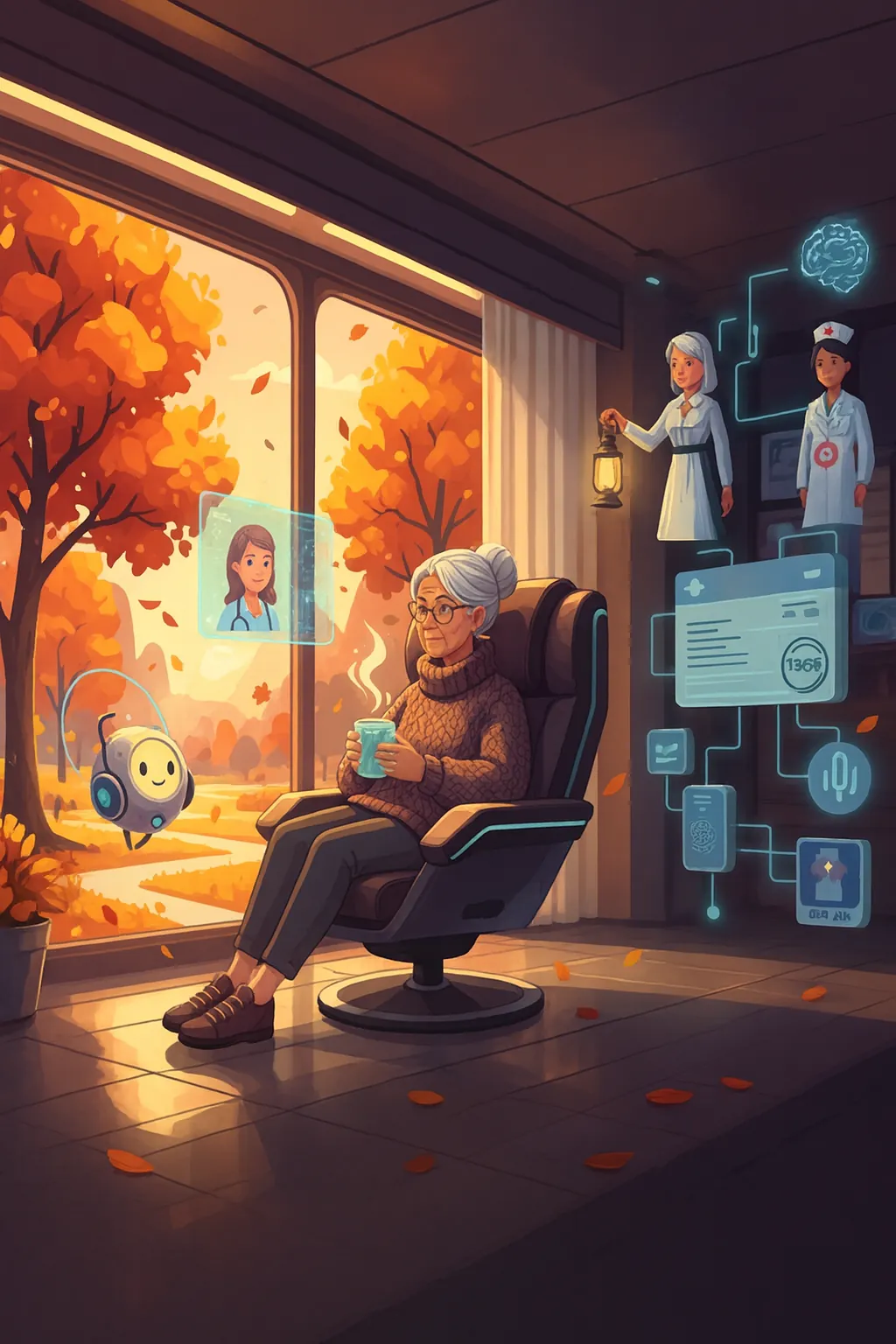
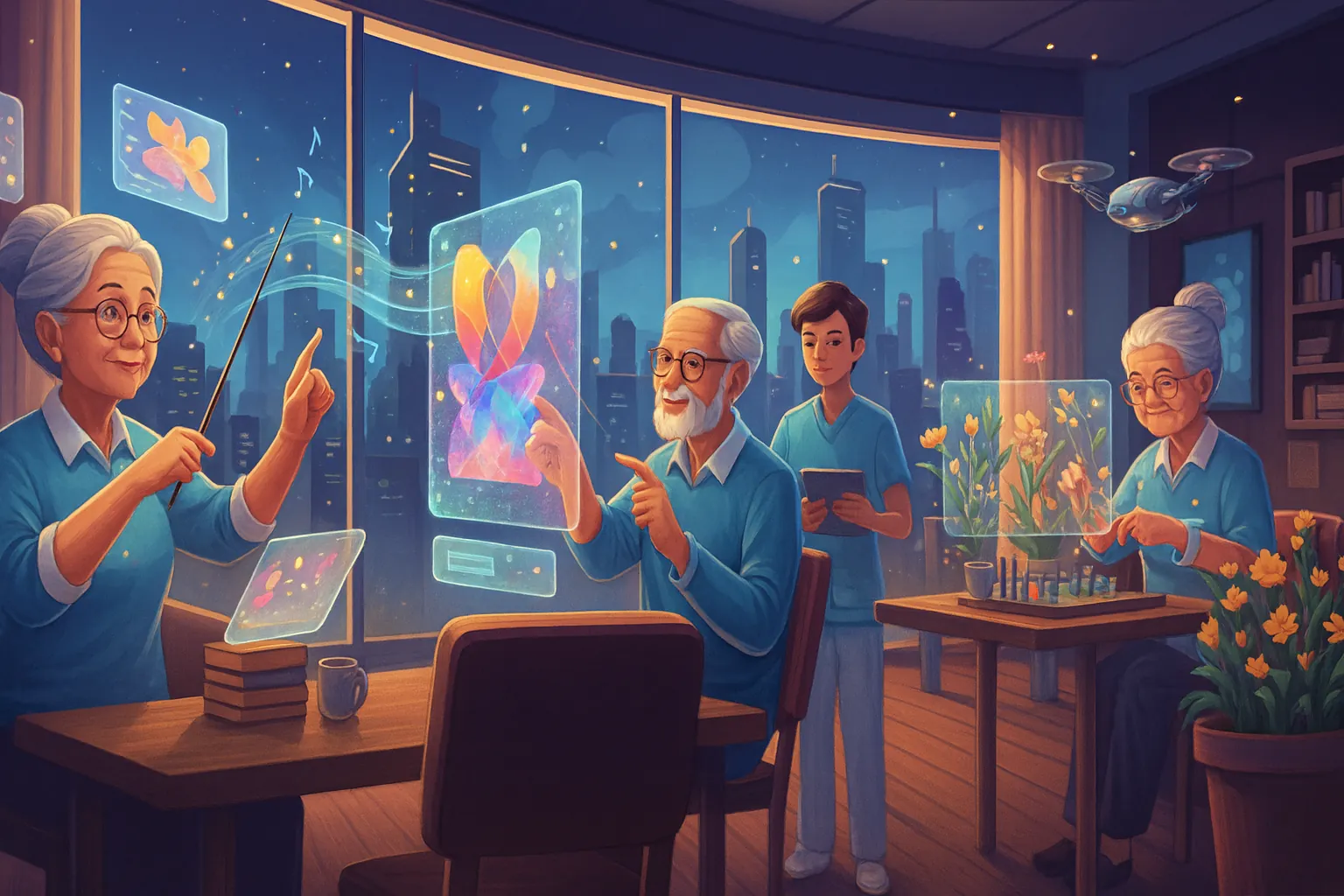
- Tech Takes the Stage: Prepare for a wave of innovation, including AI-powered personalized playlists that cater to individual musical tastes and cognitive needs, virtual reality art galleries that allow individuals to "walk" through masterpieces from the comfort of their homes, and even robotic companions designed to assist with hobbies and provide social interaction.
- Smart Homes, Creative Hearts: Smart home systems and wearable technology will play an increasingly important role in monitoring health and suggesting activities tailored to individual needs, abilities, and preferences. Imagine a system that detects signs of anxiety and automatically initiates a calming music playlist or suggests a guided meditation session.
- Tele-Therapy on the Rise: Virtual consultations and remote monitoring will break down geographical barriers and make specialized music and art therapy more accessible to individuals in remote areas or those with limited mobility.
- Cross-Pollination of Creativity: The boundaries between art forms and technology are dissolving, paving the way for exciting new hybrid experiences. Imagine an AI-composed soundtrack for a VR art piece that dynamically responds to your movements and interactions, creating a truly immersive and personalized artistic experience.
- The Maker Movement Goes Home: 3D printing and other digital fabrication tools will empower individuals to pursue intricate crafts and hobbies from the comfort of their living rooms, fostering creativity and a sense of accomplishment.
- Sustainable & Ethical Practices: As we embrace these new technologies, it's crucial to prioritize sustainability and ethical considerations, focusing on the use of eco-friendly materials and ensuring fair compensation for artists through technologies like blockchain.
Conclusion: Orchestrating a Joyful Future
Music, art, and hobbies are proving to be far more than mere distractions; they are fundamental to human well-being, especially within the context of home care. They offer a pathway to connection, purpose, and joy, enriching lives in profound and meaningful ways.
By acknowledging and addressing the current challenges and embracing the transformative potential of technological advancements, we can collectively create a future where compassionate care truly sings, where the rhythm of creativity guides us towards happier, healthier homes, and where the unsung symphony of the human spirit is finally heard. It's time to recognize the profound impact of these often-overlooked elements and let creativity lead the way.