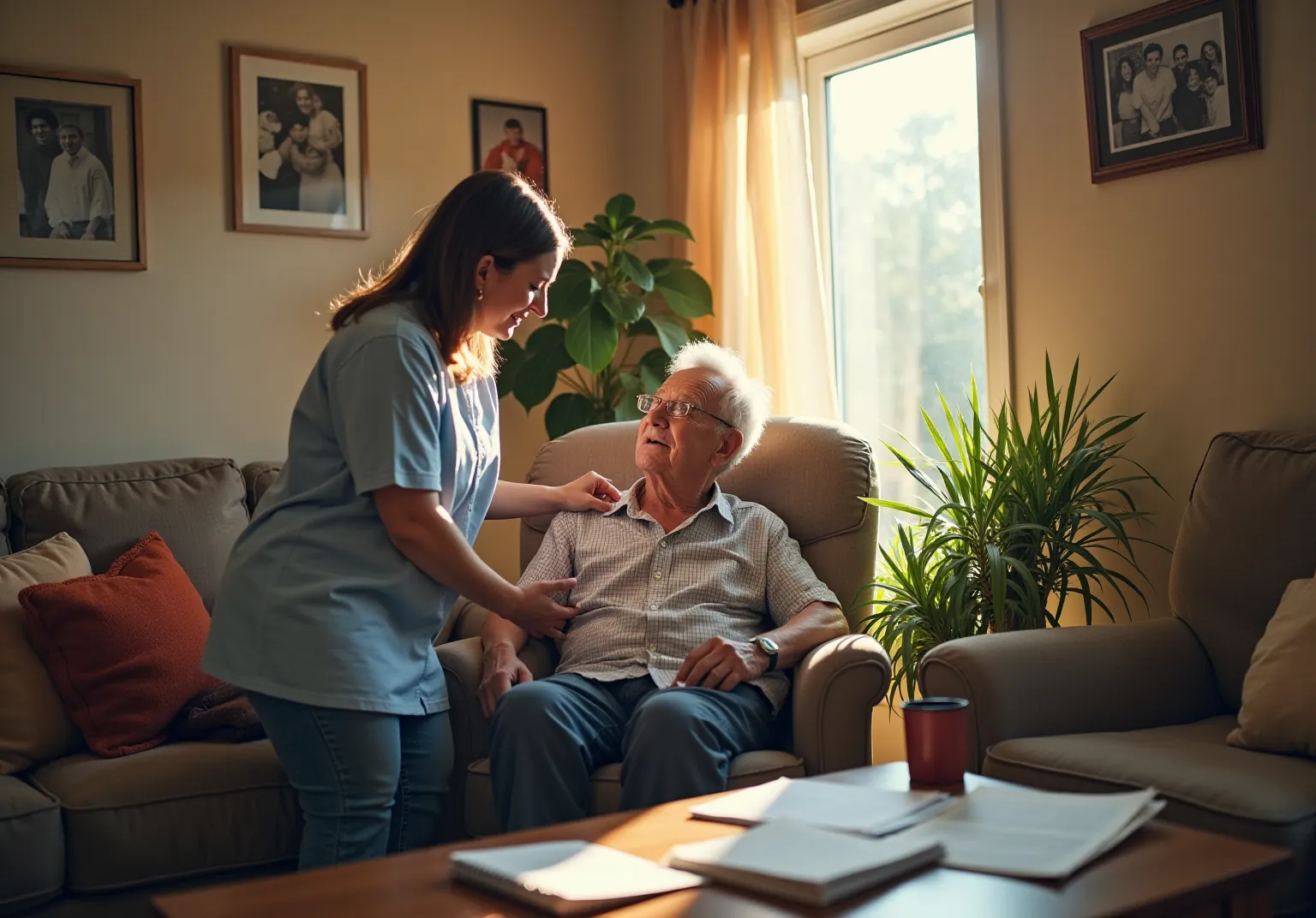
Understanding Comfort Givers: Their Role and Importance
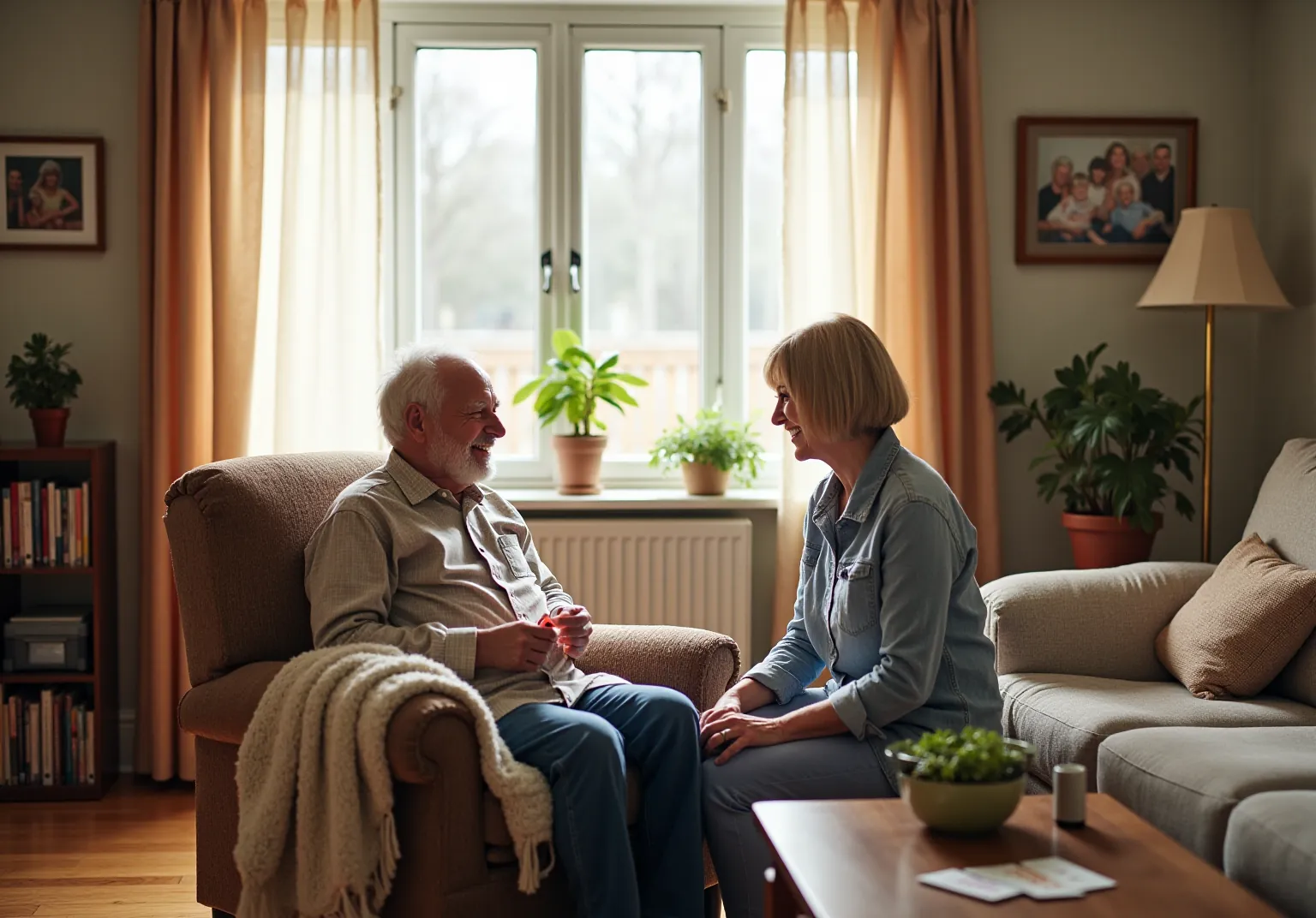
For families in our service areas
For families in our service areas, this guide explains caregiving and how non-medical in-home caregiving can support care planning in East Idaho, Treasure Valley & Magic Valley, Northern Wasatch, North Central West Virginia & Southwestern Pennsylvania, and Northeast Ohio.
What You Need to Know About Comfort Givers: Their Role and
Understanding the dynamics of caregiving reveals a vital yet often overlooked role: the comfort giver. These specialized caregivers go beyond traditional assistance, focusing on emotional support and companionship. These elements are essential for enhancing the quality of life for seniors and individuals with special needs.
As society evolves, we begin to appreciate the importance of mental well-being alongside physical care. This raises important questions about how comfort givers uniquely contribute to a nurturing environment. What challenges do they face? How can their presence reshape the caregiving landscape?
Comfort givers often encounter emotional challenges that can lead to stress and burnout. Their role is not just about providing physical help; it’s about being there emotionally, offering a listening ear, and creating a safe space for those they care for. This emotional support is crucial, especially for those who may feel isolated or overwhelmed.
By recognizing the importance of comfort givers, we can foster a more compassionate caregiving environment. Their presence can truly make a difference, transforming the experience of care into one that is filled with warmth and understanding. Together, we can create a supportive community that values both emotional and physical well-being.
Defining Comfort Givers in Home Care
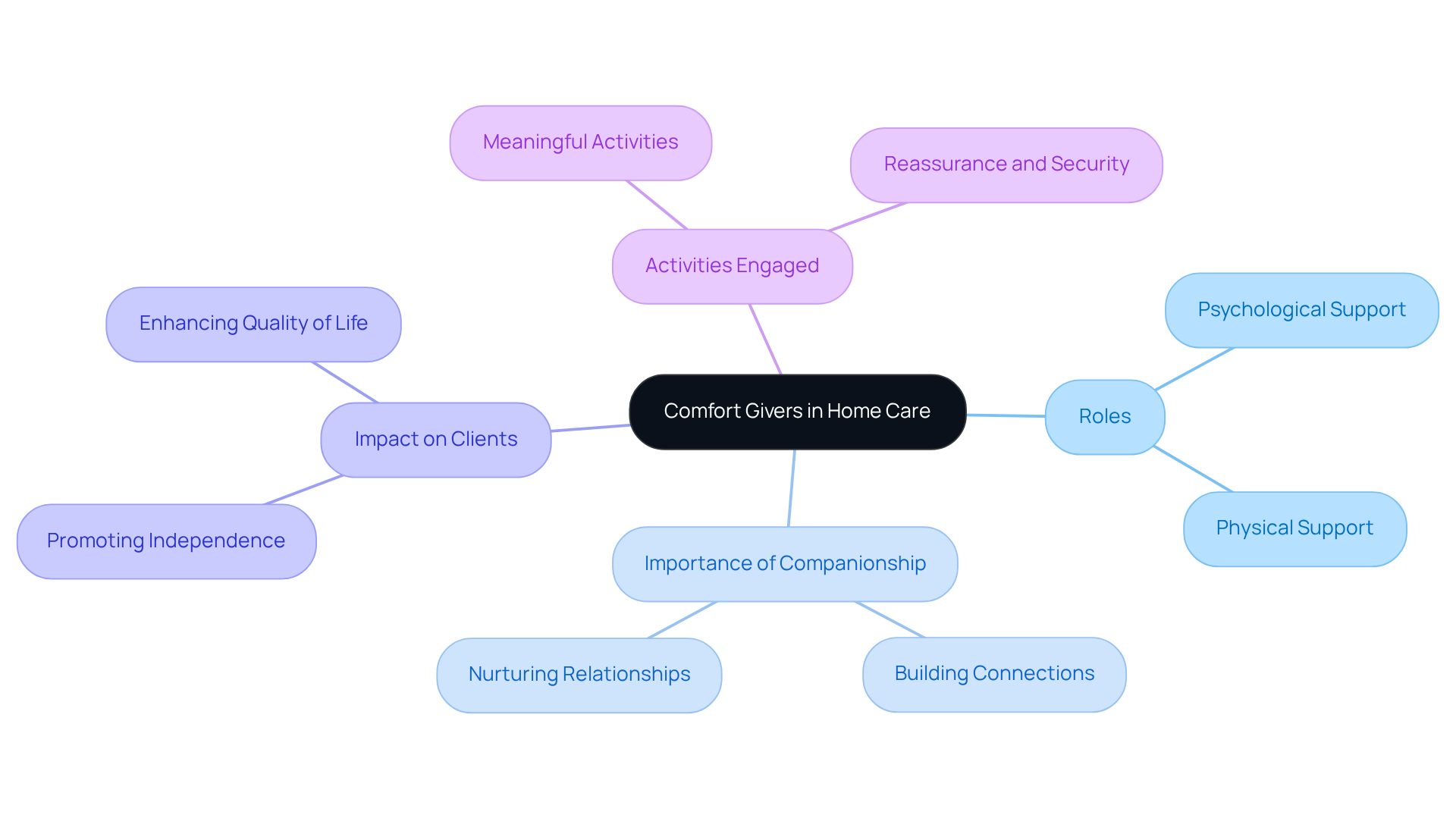
Comfort givers in home care are specialized caregivers who focus on delivering both psychological and physical support to individuals, particularly seniors and those with special needs, in the comfort of their own homes. Unlike traditional caregivers who primarily assist with medical tasks, companions prioritize companionship and mental well-being, enhancing the overall quality of life.
These compassionate caregivers engage clients in meaningful activities, offering reassurance and fostering a sense of security. Their presence is vital in the caregiving process, promoting independence and dignity for clients, allowing them to thrive in familiar surroundings.
Imagine the comfort of having someone by your side, someone who understands your needs and is dedicated to making each day a little brighter. This role is not just about assistance; it’s about building connections and nurturing relationships that matter. Comfort givers are here to listen, to share a laugh, and to ensure that every moment is filled with care and compassion.
The Role of Comfort Givers in Enhancing Quality of Life
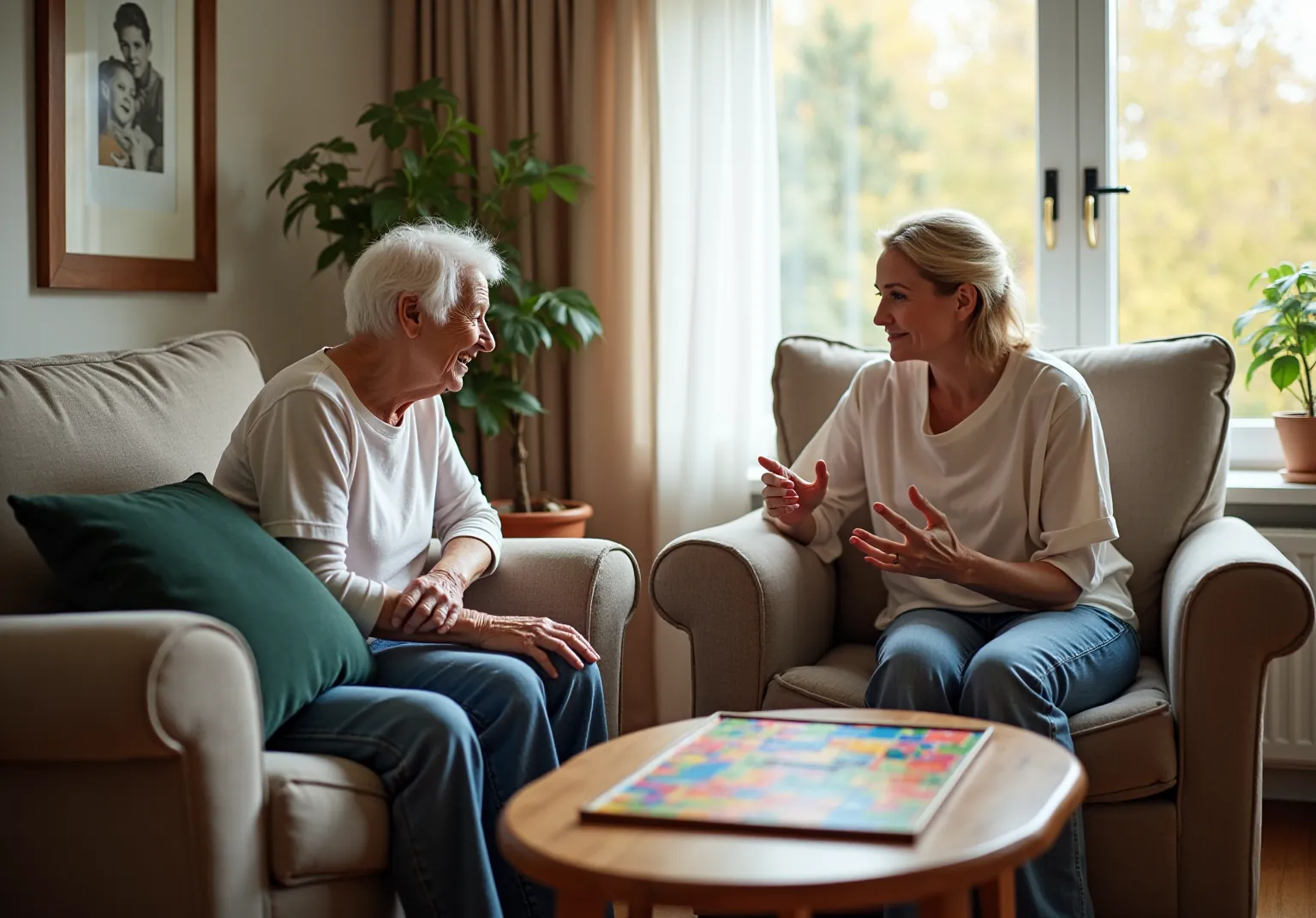
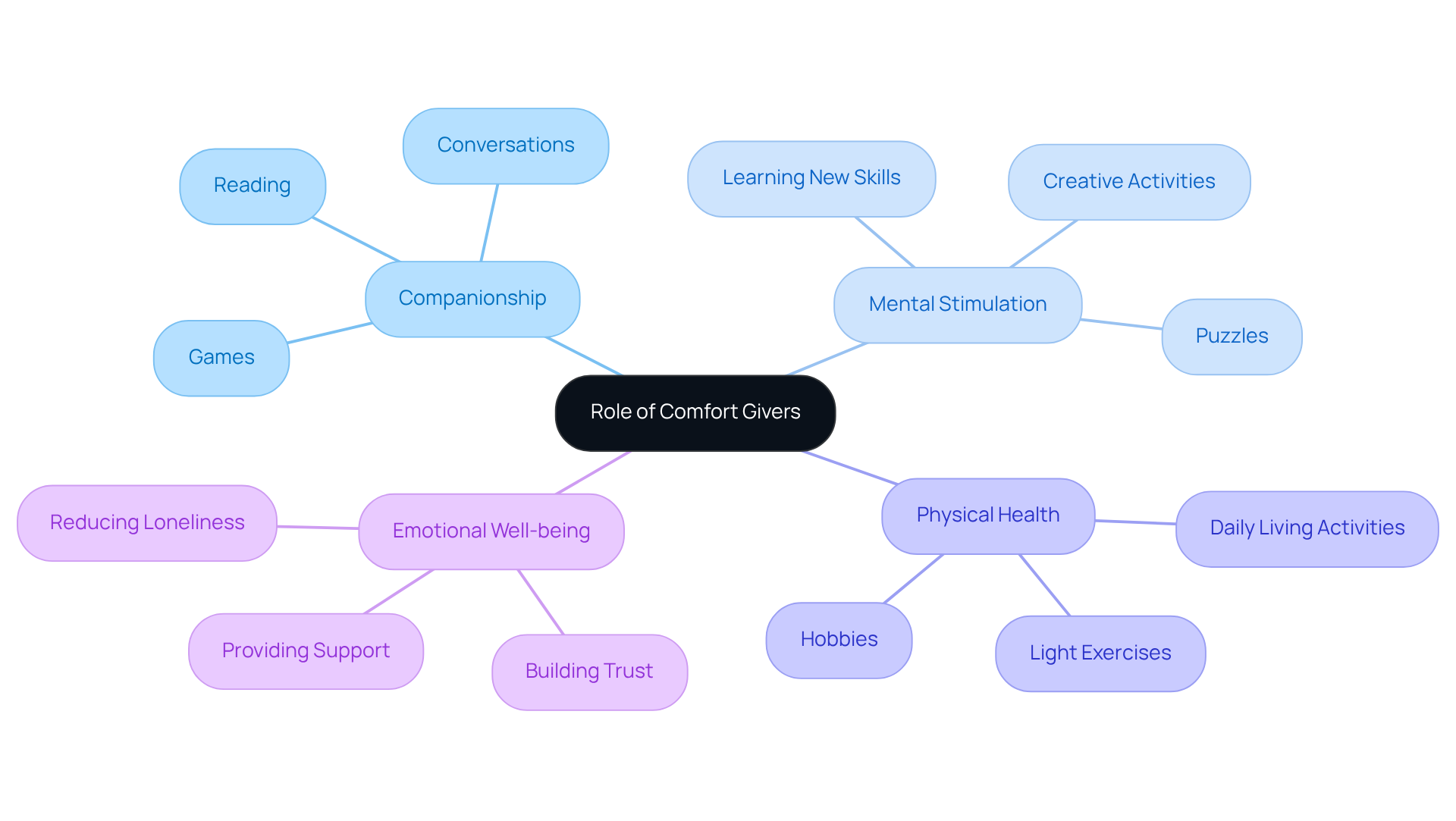
Comfort providers play a crucial role in enhancing the quality of life for their clients by offering companionship and psychological support. They engage seniors in activities that promote mental stimulation and social interaction, like reading, playing games, and sharing conversations. With nearly 30% of the elderly population in the U.S. living alone, these interactions become essential. Regular social contact acts as a protective factor against depression and anxiety in older adults. By alleviating feelings of loneliness and isolation, supporters significantly uplift their clients' psychological well-being.
Moreover, those providing comfort givers assist with daily living activities, enabling clients to maintain their independence while receiving the support they need. Their presence not only boosts mental well-being but also leads to better physical outcomes; clients are more likely to adhere to health regimens when they feel genuinely cared for. For example, engaging in light exercises or participating in hobbies together can enhance both mood and physical health, reinforcing the bond between emotional support and overall well-being.
As geriatric support specialists emphasize, true companionship transcends mere presence; it involves comfort givers who forge meaningful connections that enrich the lives of seniors. "Companionship in old age is not merely a delightful enhancement to life, but a fundamental element of healthy aging," shares a geriatric professional. This holistic approach to caregiving ensures that clients receive not only practical assistance but also a profound sense of belonging and purpose in their daily lives.
The Evolution of Comfort Givers: A Historical Perspective
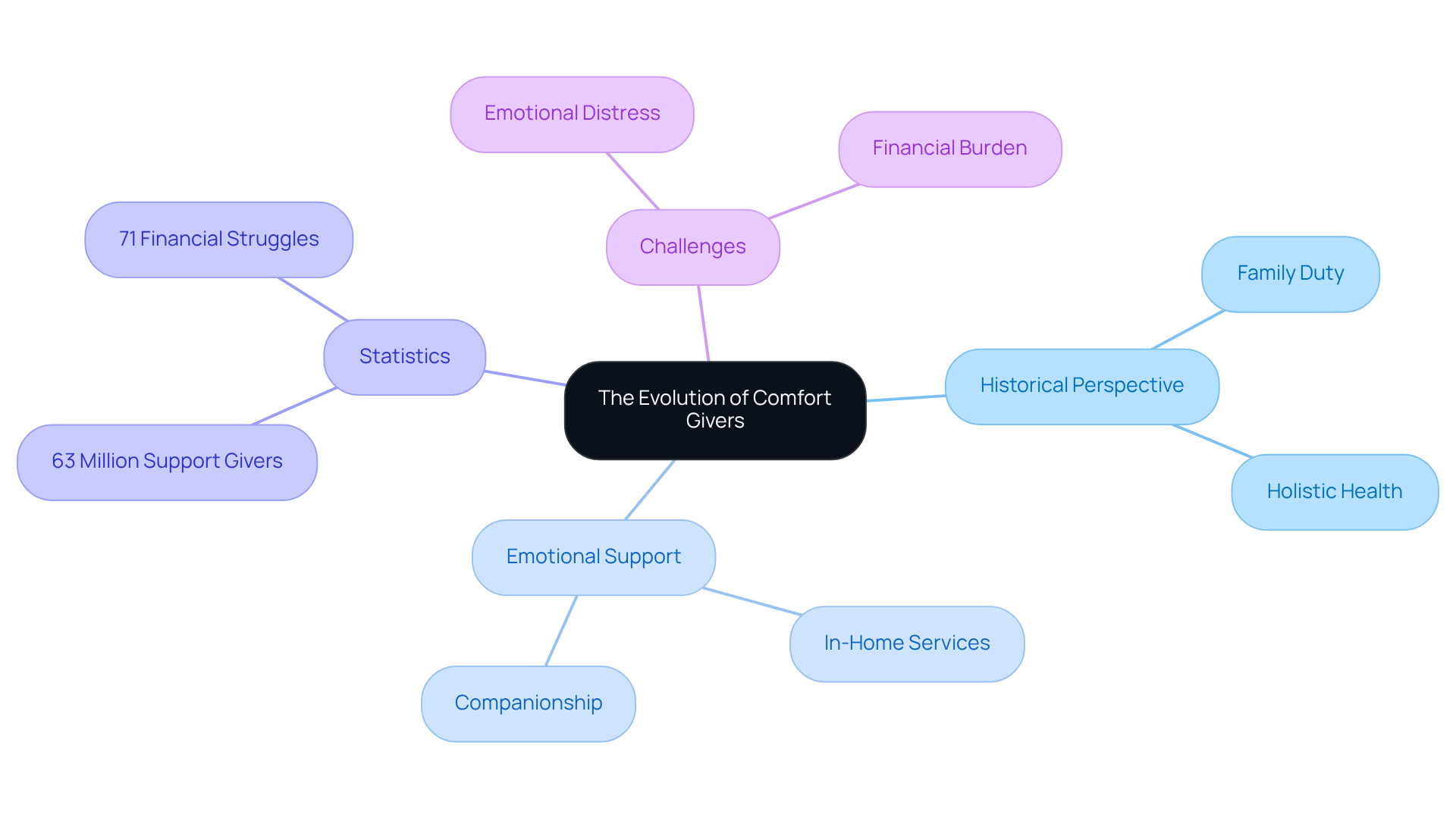
The role of comfort givers has evolved significantly over recent decades. Caregiving used to be seen primarily as a family duty, often overlooking the emotional and psychological aspects of support. But now, as our society embraces a more holistic view of health and well-being, we’re recognizing just how crucial psychological support is in caregiving.
This shift is evident in the growth of in-home support services. These services not only provide essential physical assistance but also focus on companionship and emotional reassurance. It’s heartening to know that around 63 million Americans offered continuous support for an adult or child with a complex medical condition or disability in the past year. This reflects a deeper understanding that effective caregiving includes mental and emotional wellness.
Yet, it’s important to acknowledge the challenges caregivers face. Statistics show that 71% of caregivers are financially struggling, which adds to their stress and burnout. This evolution in caregiving highlights a vital truth: comfort givers and connection are essential components of quality care. It transforms how we view and appreciate comfort givers in caregiving environments.
As we navigate these changes, let’s remember that support is available. There are services designed to ease the burden and foster connections, reminding caregivers that they are not alone. Together, we can create a nurturing environment that values both the physical and emotional needs of those we care for.
Key Characteristics and Services Offered by Comfort Givers
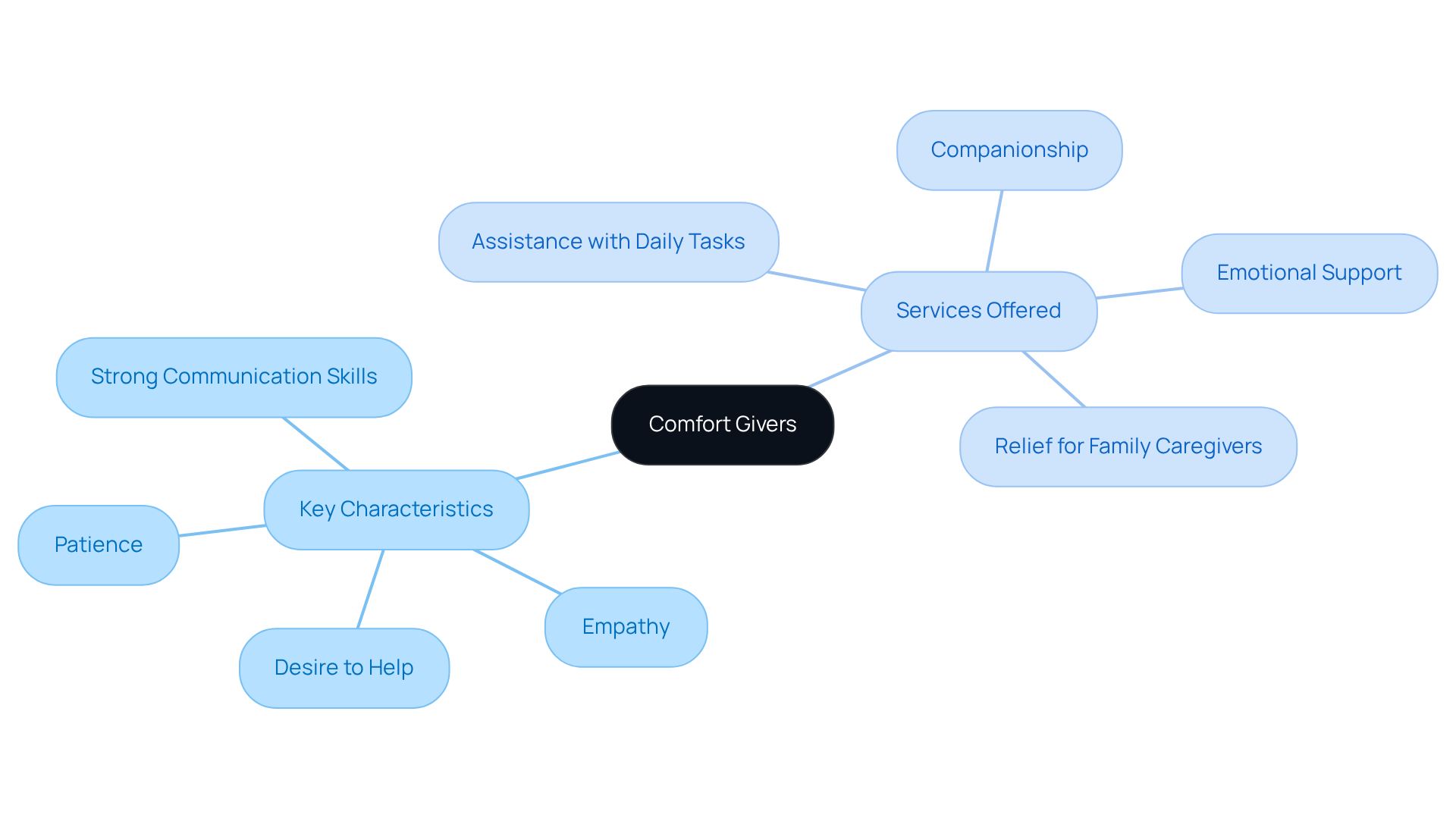
Effective supporters truly embody essential traits like empathy, patience, strong communication skills, and a heartfelt desire to help others. They’re trained to recognize and address both the psychological and physical needs of their clients, creating a nurturing atmosphere that enhances well-being. The services provided by support providers include:
- Companionship
- Assistance with daily tasks
- Emotional support
- Relief for family caregivers
These offerings are vital in helping clients maintain their independence while ensuring they feel valued and understood.
Research shows that a staggering 70% of family caregivers experience feelings of depression, and 40% report that their caregiving responsibilities negatively impact their stress levels. This highlights just how crucial support systems are. By easing some of the caregiving duties, supporters not only improve the quality of life for clients but also significantly reduce the stress felt by family members. This holistic approach fosters a more balanced caregiving dynamic, allowing families to focus on their health and well-being. Moreover, seniors who utilize in-home assistance services report 25% fewer doctor visits each year, showcasing the positive impact of comfort givers on overall health outcomes. Additionally, home support services helped save the U.S. over $25 billion in hospital expenses in 2008, underscoring the financial benefits of in-home assistance.
The typical age of support recipients is 69.4 years, and understanding the demographics of both supporters and clients can provide valuable context for the services offered. Insights from caregiving trainers about the importance of empathy and communication can further enhance our understanding of effective caregiving practices. Specific services offered by Happy to Help Caregiving, such as companionship care and post-hospital recovery assistance, illustrate the tailored support that is characteristic of comfort givers.
Moving Forward with Comfort Givers: Their Role and
The significance of comfort givers in caregiving is truly profound. These specialized caregivers enhance the emotional and psychological well-being of individuals, especially seniors and those with special needs, by offering companionship and support that goes beyond traditional roles. Their dedication to nurturing relationships and fostering a sense of security allows clients to thrive in their own homes, enriching their lives with meaningful interactions.
Throughout this discussion, we see several key points that highlight the essential functions of comfort givers:
- They assist with daily living activities.
- They engage clients in stimulating conversations and activities that promote mental and emotional health.
- The evolution of caregiving has shifted towards recognizing the importance of psychological support, underscoring the need for comfort givers who can provide both physical assistance and emotional companionship.
- This holistic approach is vital for combating loneliness and improving overall health outcomes for the elderly, as shown by reduced doctor visits and better adherence to health regimens.
Reflecting on the broader implications, it’s clear that comfort givers are integral to creating a supportive environment that values both physical and emotional health. As society embraces this comprehensive view of caregiving, advocating for the recognition and support of comfort givers becomes crucial. Their invaluable contributions not only enhance the quality of life for clients but also ease the burdens faced by family caregivers. By emphasizing the importance of companionship and emotional connection in caregiving, we can foster improved well-being for everyone involved, reminding us that every moment spent in care is an opportunity to make a meaningful difference.
https://iframe.tely.ai/cta/eyJhcnRpY2xlX2lkIjogIjY5MWZhYzVlYzQ4NjU1NjRkNDliYzY0OCIsICJjb21wYW55X2lkIjogIjY4ZWU1ZGNhNzMxNzYyNTU3ZjNjOTVjMSIsICJpbmRleCI6IG51bGwsICJ0eXBlIjogImFydGljbGUifQ==Frequently Asked Questions
What are comfort givers in home care?
Comfort givers in home care are specialized caregivers who provide both psychological and physical support to individuals, especially seniors and those with special needs, in their own homes.
How do comfort givers differ from traditional caregivers?
Unlike traditional caregivers who primarily assist with medical tasks, comfort givers focus on companionship and mental well-being, enhancing the overall quality of life for their clients.
What kind of activities do comfort givers engage clients in?
Comfort givers engage clients in meaningful activities that offer reassurance and foster a sense of security, promoting independence and dignity.
Why is the presence of comfort givers important in the caregiving process?
Their presence is vital as it helps clients thrive in familiar surroundings, ensuring they feel secure and supported in their daily lives.
What is the primary goal of a comfort giver?
The primary goal of a comfort giver is to build connections and nurture relationships, ensuring that each day is filled with care, compassion, and understanding of the client's needs.