
For families in our service areas
For families in our service areas, this guide explains caregiving and how non-medical in-home caregiving can support care planning in East Idaho, Treasure Valley & Magic Valley, Northern Wasatch, North Central West Virginia, and Northeast Ohio.
Understanding Elderly Monitoring Services: Importance
Elderly monitoring services represent a crucial lifeline for an aging population that increasingly opts for independent living. However, a significant problem persists: many seniors and their families remain unaware of these services or how to access them. This gap in awareness not only jeopardizes the safety of older adults but also places additional stress on caregivers who worry about their loved ones' well-being.
The implications of this issue are profound. Without timely assistance in emergencies, seniors may face serious risks, and families may experience heightened anxiety. To address this, it’s essential to raise awareness about the availability and benefits of elderly monitoring services. Caregivers can take proactive steps by educating themselves and their families about these systems, ensuring that they are well-informed about the options available.
To bridge this divide, communities can implement outreach programs that provide information on elderly monitoring services. Local organizations can host workshops or informational sessions, allowing families to learn about the technology and its advantages. Additionally, leveraging social media and community newsletters can help disseminate information effectively.
By taking these steps, we can ensure that every senior has access to the support they need, enhancing their safety and providing peace of mind for families.
Defining Elderly Monitoring Services
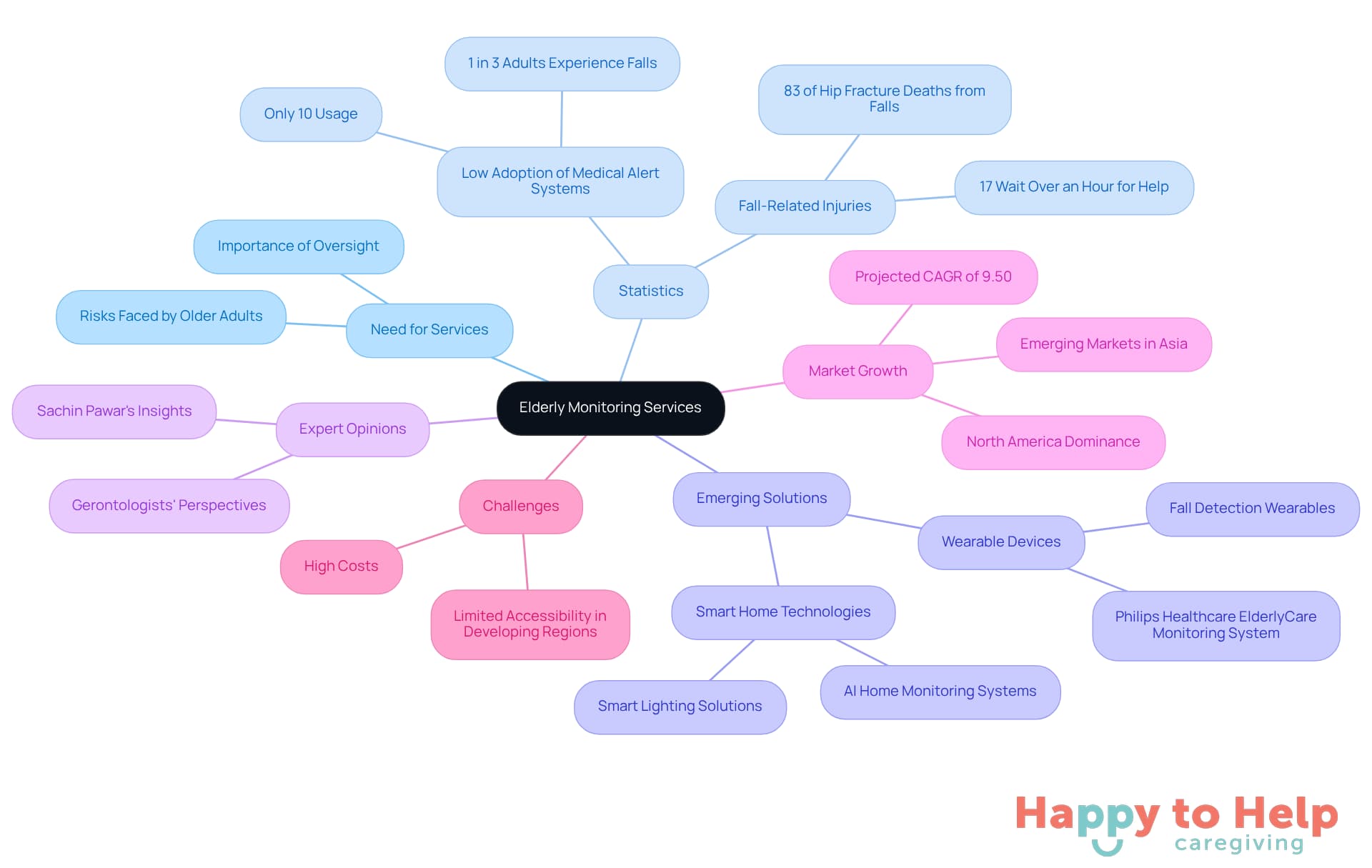
Elderly monitoring service represents a critical need in today’s society, as it encompasses various technologies and systems designed to enhance the care and safety of older adults, particularly those living independently. The problem is clear: many older adults face risks in their daily lives, and without proper oversight, their safety and well-being can be compromised.
Statistics reveal a concerning trend: only about 10% of older Americans currently use medical alert systems, despite the pressing need for such devices. With one in three adults aged 65 and older experiencing a fall each year, the implications are significant. Many older Americans cite cost as a barrier to accessing these essential technologies, highlighting the urgent need for increased awareness and accessibility.
Fortunately, solutions are emerging. Wearable devices, such as Philips Healthcare's next-generation ElderlyCare Monitoring System, are at the forefront of this trend. These devices incorporate advanced AI-powered fall detection and health tracking features, significantly enhancing the safety of elderly individuals. Gerontologists emphasize that the elderly monitoring service not only provides immediate assistance in emergencies but also fosters a sense of security for both the elderly and their families.
As Sachin Pawar, a senior research analyst in healthcare, points out, the growing demand for elderly monitoring services is vital in addressing the challenges faced by our aging population. The integration of intelligent systems is revolutionizing elderly care, making it more responsive and personalized. Moreover, the global elderly surveillance market is projected to grow at a compound annual growth rate of 9.50% from 2025 to 2032, underscoring the increasing demand for effective tracking solutions.
However, challenges remain. High costs and limited accessibility in developing regions pose significant barriers to widespread adoption. This situation emphasizes the essential role that an elderly monitoring service plays in supporting the health and independence of older adults through innovative oversight technologies.
Contextualizing the Importance of Elderly Monitoring in Senior Care
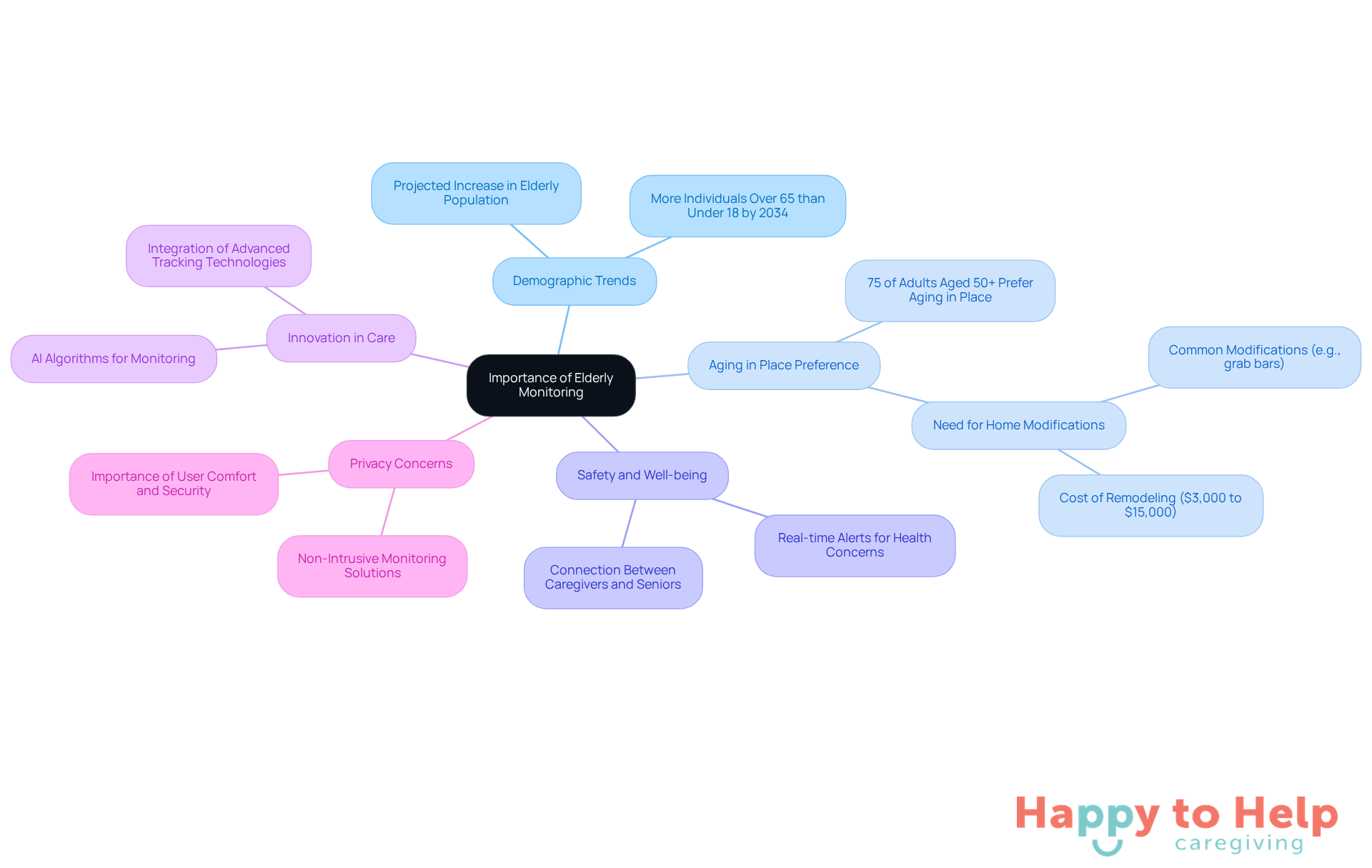
The need for an elderly monitoring service has surged in recent years, driven by a demographic shift where more seniors prefer to age in their homes rather than move to assisted living facilities. This trend presents a significant problem: by 2034, projections indicate that there will be more individuals over 65 than under 18. This highlights the urgent need for effective monitoring solutions to ensure their safety and well-being.
The implications of this shift are profound. In fact, 75% of adults aged 50 and older express a preference for aging in place, underscoring the growing demand for support systems that prioritize their health and safety. The elderly monitoring service not only enhances the safety of older adults living independently but also provides invaluable peace of mind for families. By enabling real-time alerts for potential health concerns or emergencies, the elderly monitoring service fosters a vital connection between caregivers and their loved ones.
To address these challenges, innovation plays a crucial role in improving the quality of life for older adults. It allows them to maintain their independence while receiving the assistance they need. However, it is essential to tackle privacy concerns associated with these surveillance systems to ensure seniors feel comfortable and secure in their own homes.
As families increasingly recognize the benefits of these solutions, the integration of an elderly monitoring service with advanced tracking technologies becomes a key component of modern caregiving practices. By prioritizing both safety and privacy, caregivers can create a supportive environment that respects the autonomy of older adults.
Tracing the Evolution of Elderly Monitoring Services
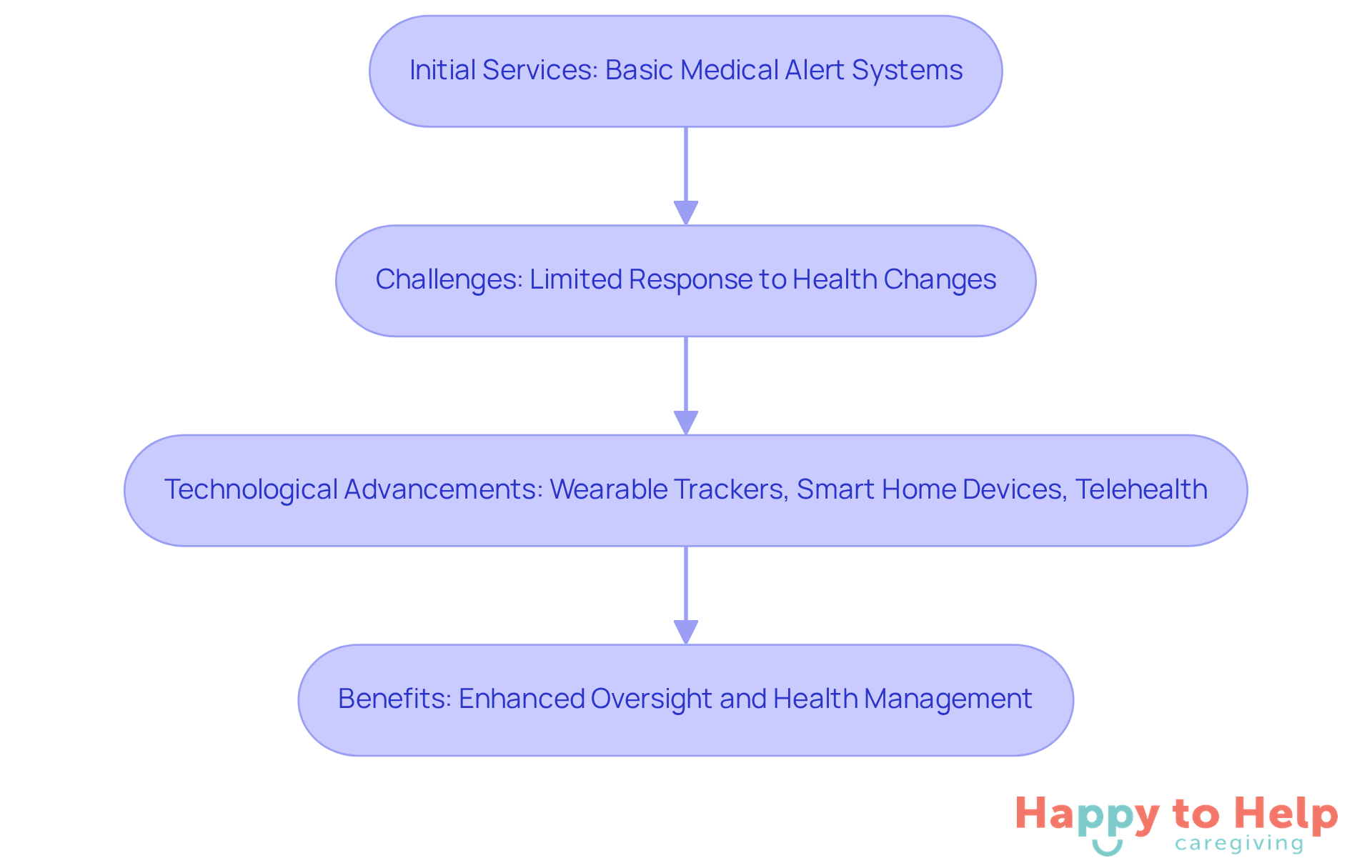
The elderly monitoring service has faced significant challenges in the past. Initially, services were limited to basic medical alert systems, which only allowed older adults to call for help in emergencies. The absence of a comprehensive elderly monitoring service posed risks for both the elderly and their caregivers, as timely responses to health changes were often hindered.
However, advancements in technology have transformed this landscape. Today, we see a range of innovative solutions, including wearable health trackers, smart home devices, and telehealth platforms. These tools enable ongoing health observation and real-time data collection, which are essential components of an elderly monitoring service, allowing caregivers to respond swiftly to any changes in an elderly individual's condition.
The evolution of these technologies reflects a broader trend towards personalized and technology-driven care in the elderly care industry. By integrating these advanced solutions, caregivers can enhance their oversight capabilities with an elderly monitoring service, ensuring better health management and peace of mind for both themselves and the elderly individuals they support.
Key Features and Benefits of Elderly Monitoring Services
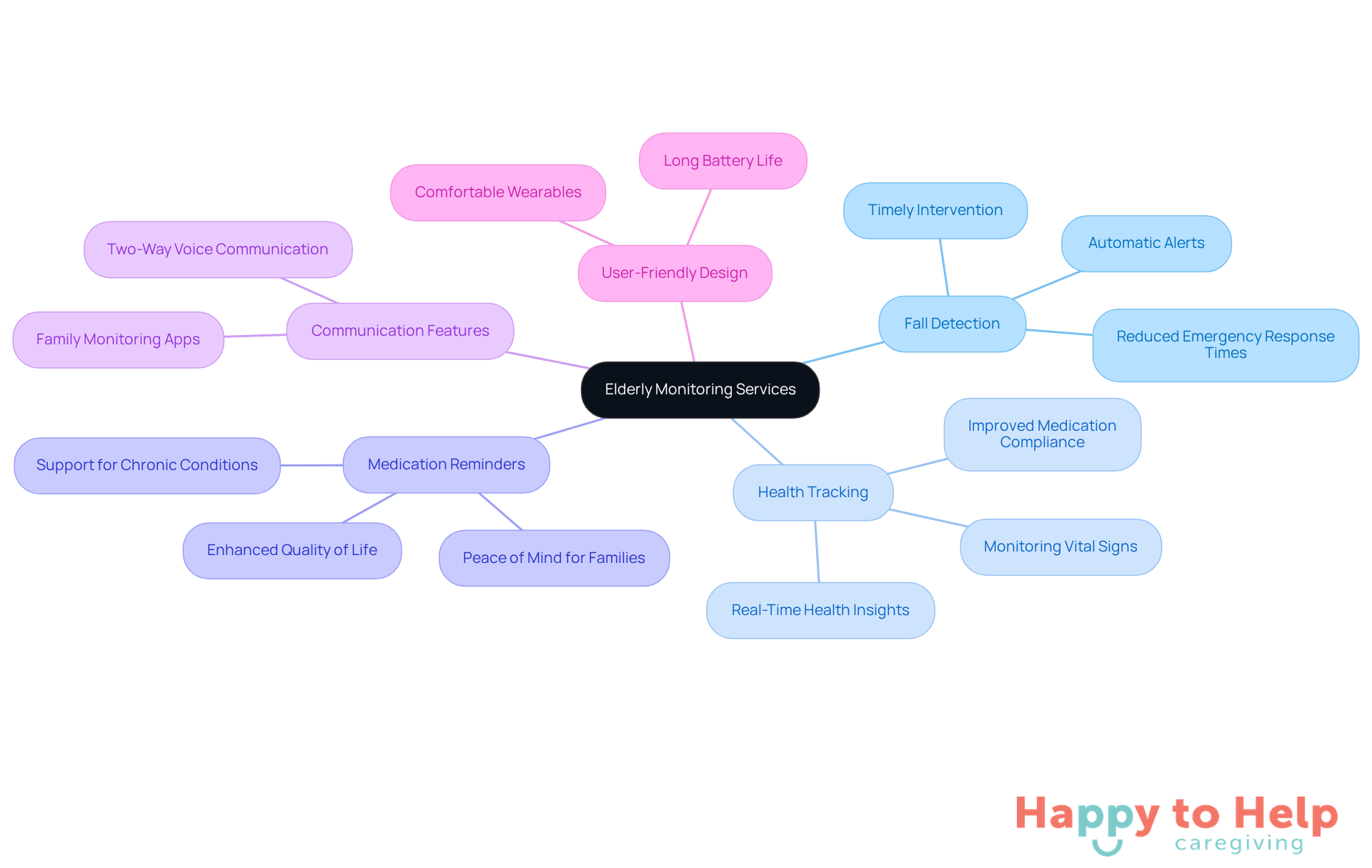
The elderly monitoring service options present a significant challenge for caregivers, particularly concerning the safety and welfare of older adults. Falls are the leading cause of fatal and nonfatal injuries in this demographic, making effective monitoring essential. The implications of falls can be severe, leading to complications and serious injuries, which is why an elderly monitoring service is crucial for timely intervention.
In this context, elderly monitoring service systems, such as fall detection systems, emerge as vital tools. These systems automatically alert caregivers in the event of a fall, reducing emergency response times by up to 50%. This rapid response can prevent further complications, ensuring that older adults receive the care they need promptly. Additionally, many of these systems, which serve as an elderly monitoring service, include medication reminders and health tracking capabilities that monitor vital signs like heart rate and blood pressure.
The advantages of these systems are extensive. They encourage autonomy, allowing older adults to remain in their homes longer, which significantly enhances their quality of life. By facilitating early detection of health issues, the elderly monitoring service can reduce the risk of hospitalizations. Families also benefit from peace of mind through real-time alerts and communication features that keep them informed about any irregularities in their loved ones' daily activities.
For instance, systems that integrate with smartphones enable family members to monitor their loved ones' status easily. This fosters a supportive environment that prioritizes safety and well-being. Furthermore, research indicates that older adults using these oversight options experience improved medication compliance, which is crucial for managing chronic conditions.
In summary, the incorporation of an elderly monitoring service that includes health monitoring and fall detection not only helps older adults maintain their independence but also reassures families that their loved ones are secure and well cared for.
Challenges and Considerations in Implementing Elderly Monitoring Services
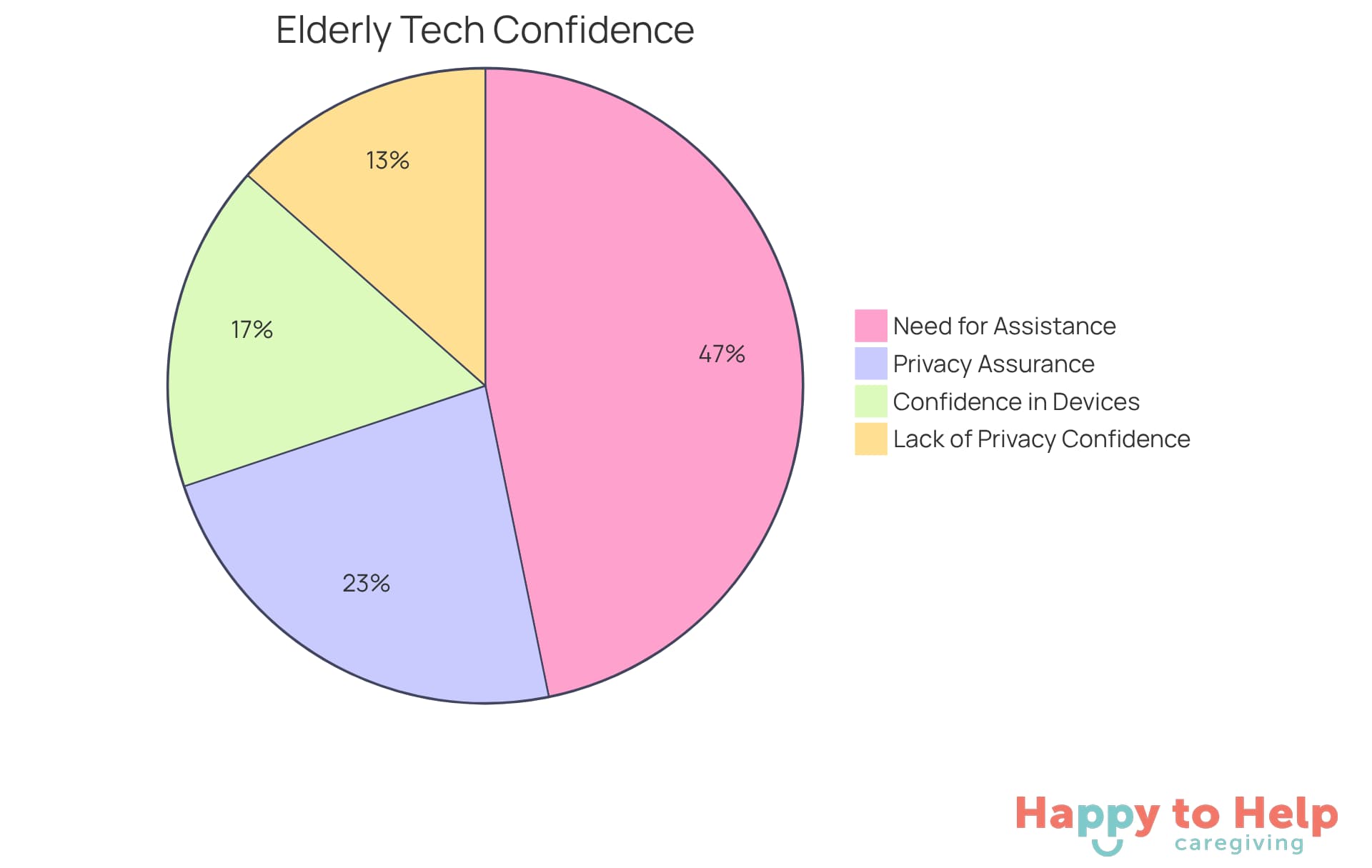
Elderly monitoring services encounter significant challenges that caregivers must navigate for successful implementation. Many older adults express hesitance towards new technologies; a striking 73% report needing assistance with new devices, while only 26% of those aged 65 and above feel very confident using electronic devices. Privacy concerns also loom large, with 36% of older adults feeling somewhat assured about their privacy when using surveillance devices, and 21% lacking confidence entirely.
To address these pressing issues, caregivers should prioritize user-friendly monitoring systems that emphasize data security. Involving older adults in the decision-making process not only fosters acceptance but also enhances satisfaction with the services. Notably, 40% of older individuals would consent to using tools to monitor their health. Additionally, providing training and ongoing support can empower older adults, helping them feel more comfortable and confident in utilizing these technologies.
Case studies illustrate that effective integration of technology into caregiving - such as the use of Sentinare - can significantly enhance health management and social connections, ultimately enriching the lives of older adults. By focusing on these considerations, families can ensure that the elderly monitoring service is both effective and respectful of seniors' needs.
Taking the Next Steps
Elderly monitoring services address a significant problem: ensuring the safety and well-being of older adults who wish to age in place. As more seniors choose independent living, the need for effective monitoring solutions has become increasingly urgent. This growing demand underscores the critical role these services play in supporting an aging population.
The implications of inadequate oversight can be severe, leaving both seniors and their families feeling vulnerable. Statistics reveal that a substantial percentage of older adults prefer to live independently, yet they often face risks that can compromise their safety. Innovations like wearable health trackers and AI-driven fall detection systems have emerged as essential tools, enabling caregivers to respond swiftly to health changes and significantly enhancing the quality of life for older adults.
The solution lies in integrating these elderly monitoring services into daily life. It’s not just about technology; it’s about fostering a supportive environment that respects seniors' autonomy while ensuring their safety. As awareness of these advancements grows, families and caregivers must embrace them. By prioritizing safety and privacy, elderly monitoring services can greatly improve the lives of older adults, providing peace of mind for their loved ones and promoting a healthier, more independent lifestyle.
https://iframe.tely.ai/cta/eyJhcnRpY2xlX2lkIjogIjY5MjBmZDdkYzQ4NjU1NjRkNDliYzZiNyIsICJjb21wYW55X2lkIjogIjY4ZWU1ZGNhNzMxNzYyNTU3ZjNjOTVjMSIsICJpbmRleCI6IG51bGwsICJ0eXBlIjogImFydGljbGUifQ==Frequently Asked Questions
What are elderly monitoring services?
Elderly monitoring services encompass various technologies and systems designed to enhance the care and safety of older adults, particularly those living independently.
Why is there a need for elderly monitoring services?
Many older adults face risks in their daily lives, and without proper oversight, their safety and well-being can be compromised. Statistics show that one in three adults aged 65 and older experiences a fall each year, highlighting the urgent need for monitoring solutions.
What percentage of older Americans currently use medical alert systems?
Only about 10% of older Americans currently use medical alert systems, despite the pressing need for such devices.
What are some barriers to accessing elderly monitoring technologies?
Many older Americans cite cost as a barrier to accessing essential monitoring technologies, which emphasizes the need for increased awareness and accessibility.
What advancements are being made in elderly monitoring services?
Wearable devices, such as Philips Healthcare's next-generation ElderlyCare Monitoring System, are incorporating advanced AI-powered fall detection and health tracking features to enhance the safety of elderly individuals.
How do elderly monitoring services benefit families?
These services provide immediate assistance in emergencies and foster a sense of security for both the elderly and their families, allowing for real-time alerts regarding potential health concerns.
What is the projected growth of the global elderly surveillance market?
The global elderly surveillance market is projected to grow at a compound annual growth rate of 9.50% from 2025 to 2032.
What challenges do elderly monitoring services face?
High costs and limited accessibility in developing regions pose significant barriers to the widespread adoption of elderly monitoring services.
Why do many seniors prefer to age in place?
A significant number of seniors, about 75% of adults aged 50 and older, express a preference for aging in their own homes rather than moving to assisted living facilities, highlighting the need for effective monitoring solutions.
What role does innovation play in elderly monitoring services?
Innovation improves the quality of life for older adults by allowing them to maintain their independence while receiving necessary assistance, although it is important to address privacy concerns associated with these surveillance systems.
List of Sources
- Defining Elderly Monitoring Services
- Elderly Monitors Market Size, Trends, Growth Report 2032 (https://databridgemarketresearch.com/reports/global-elderly-monitors-market?srsltid=AfmBOop\_d7sbUtzLb5Ta4i\_RSLbu4nkVFGUz40yTcRqGCd5NpCPMh\_9m)
- Medical Alert Systems: 2023-2024 Research and Statistics (https://theseniorlist.com/research/medical-alert-device-consumer-usage-study)
- Technology to Prevent Falls for Seniors (https://health.usnews.com/senior-care/articles/technology-to-prevent-falls-for-seniors)
- Contextualizing the Importance of Elderly Monitoring in Senior Care
- Home sweet home: A majority of Americans want to age in place (https://empower.com/the-currency/life/home-sweet-home-americans-age-place-news)
- Monitoring system for seniors puts privacy first (https://hospitalnews.com/monitoring-system-for-seniors-puts-privacy-first)
- Innovative New Technology Helps Seniors Age in Place (https://ucdavis.edu/health/news/innovative-new-technology-helps-seniors-age-place)
- Top 10 Benefits of Using Elderly Monitoring Systems (https://sensorscall.com/news/benefits-of-elderly-monitoring-systems)
- New Study Explores the Need for Expanded Long-Term Care Services to Support Aging-in-Place | Johns Hopkins Bloomberg School of Public Health (https://publichealth.jhu.edu/2025/new-study-explores-the-need-for-expanded-long-term-care-services-to-support-aging-in-place)
- Tracing the Evolution of Elderly Monitoring Services
- Wearable technology adoption rates among older adults by age group U.S. 2019| Statista (https://statista.com/statistics/1088634/wearable-technology-adoption-rates-among-older-adults-by-age-group-us?srsltid=AfmBOorah-EIeCMDy13km0YX4L\_UNywM3\_9DLpygGel9qqr17aSGDN60)
- Elderly Safety Monitoring Device Market | Global Market Analysis Report - 2035 (https://futuremarketinsights.com/reports/elderly-safety-monitoring-device-market)
- Evolving Market Trends In The Elderly Monitors Industry: Major Companies Introduce Medical Radar Devices for Advanced Monitoring in the Elderly Care Market (https://openpr.com/news/4022818/evolving-market-trends-in-the-elderly-monitors-industry-major)
- 50% of Seniors May Use Wearables As Life-Saving Devices in 2030 (https://scnsoft.com/healthcare/wearable-technology-for-elderly)
- Elderly Care Industry Trends and Market Stats (Oct 2025) (https://dojobusiness.com/blogs/news/elderly-care-industry-trends)
- Key Features and Benefits of Elderly Monitoring Services
- Top 10 Benefits of Using Elderly Monitoring Systems (https://sensorscall.com/news/benefits-of-elderly-monitoring-systems)
- Monitoring system for seniors puts privacy first (https://hospitalnews.com/monitoring-system-for-seniors-puts-privacy-first)
- Technology to Prevent Falls for Seniors (https://health.usnews.com/senior-care/articles/technology-to-prevent-falls-for-seniors)
- 7 Innovations In Elderly Alert Systems That Are Changing Senior Care | Fingerlakes1.com (https://fingerlakes1.com/2025/11/07/7-innovations-in-elderly-alert-systems-that-are-changing-senior-care)
- Senior Care Wearables: Fall Detection & Monitoring Stats (https://patentpc.com/blog/senior-care-wearables-fall-detection-monitoring-stats)
- Challenges and Considerations in Implementing Elderly Monitoring Services
- New guidance on electronic monitoring devices aims to balance resident safety, privacy (https://mcknightsseniorliving.com/news/new-guidance-on-electronic-monitoring-devices-aims-to-balance-resident-safety-privacy)
- Monitoring system for seniors puts privacy first (https://hospitalnews.com/monitoring-system-for-seniors-puts-privacy-first)
- 120 Quotes About Technology's Role in Our Future Lives (https://deliberatedirections.com/quotes-about-technology-role-in-future-lives)
- Senior Technology Statistics: Key Facts (https://californiamobility.com/21-senior-technology-statistics)
- Older Americans Are Leveraging More Technology (https://aarp.org/pri/topics/technology/internet-media-devices/2025-technology-trends-older-adults)