
For families in our service areas
For families in our service areas, this guide explains caregiving and how non-medical in-home caregiving can support care planning in East Idaho, Treasure Valley & Magic Valley, Northern Wasatch, North Central West Virginia, and Northeast Ohio.
The Importance of Extreme Fatigue in Elderly: Causes and
Extreme fatigue in the elderly is a pervasive issue that often goes unnoticed, yet it can drastically alter the quality of life for older adults. This relentless weariness, distinct from typical tiredness, can stem from various physical and psychological factors. Caregivers often grapple with how to provide effective support in these situations.
With nearly half of seniors experiencing this debilitating condition, the challenge lies not only in recognizing its signs but also in implementing strategies that can restore vitality and enhance well-being. Caregivers must be aware of the implications of this fatigue, as it can lead to increased dependency and a decline in overall health.
So, what can caregivers do to tackle this pressing concern? Here are some actionable solutions:
- Recognize the Signs: Be vigilant for symptoms such as prolonged tiredness, lack of motivation, or changes in mood.
- Encourage Physical Activity: Gentle exercises can help boost energy levels and improve mood.
- Promote Social Interaction: Engaging with friends and family can combat feelings of isolation and fatigue.
- Consult Healthcare Professionals: Regular check-ups can help identify underlying health issues contributing to fatigue.
By implementing these strategies, caregivers can significantly improve the lives of those they care for, fostering a sense of vitality and well-being.
Define Extreme Fatigue in the Elderly
The problem of extreme fatigue in elderly adults presents a significant challenge, characterized by a constant and overwhelming feeling of tiredness that does not improve with rest. This condition differs from typical tiredness, which can often be alleviated through relaxation.
Agitate: The implications of severe exhaustion are profound. It can severely hinder daily activities and diminish the quality of life, manifesting as a lack of energy, motivation, and the ability to engage in routine tasks. For caregivers, recognizing the distinction of extreme fatigue in elderly individuals is crucial to providing the right support.
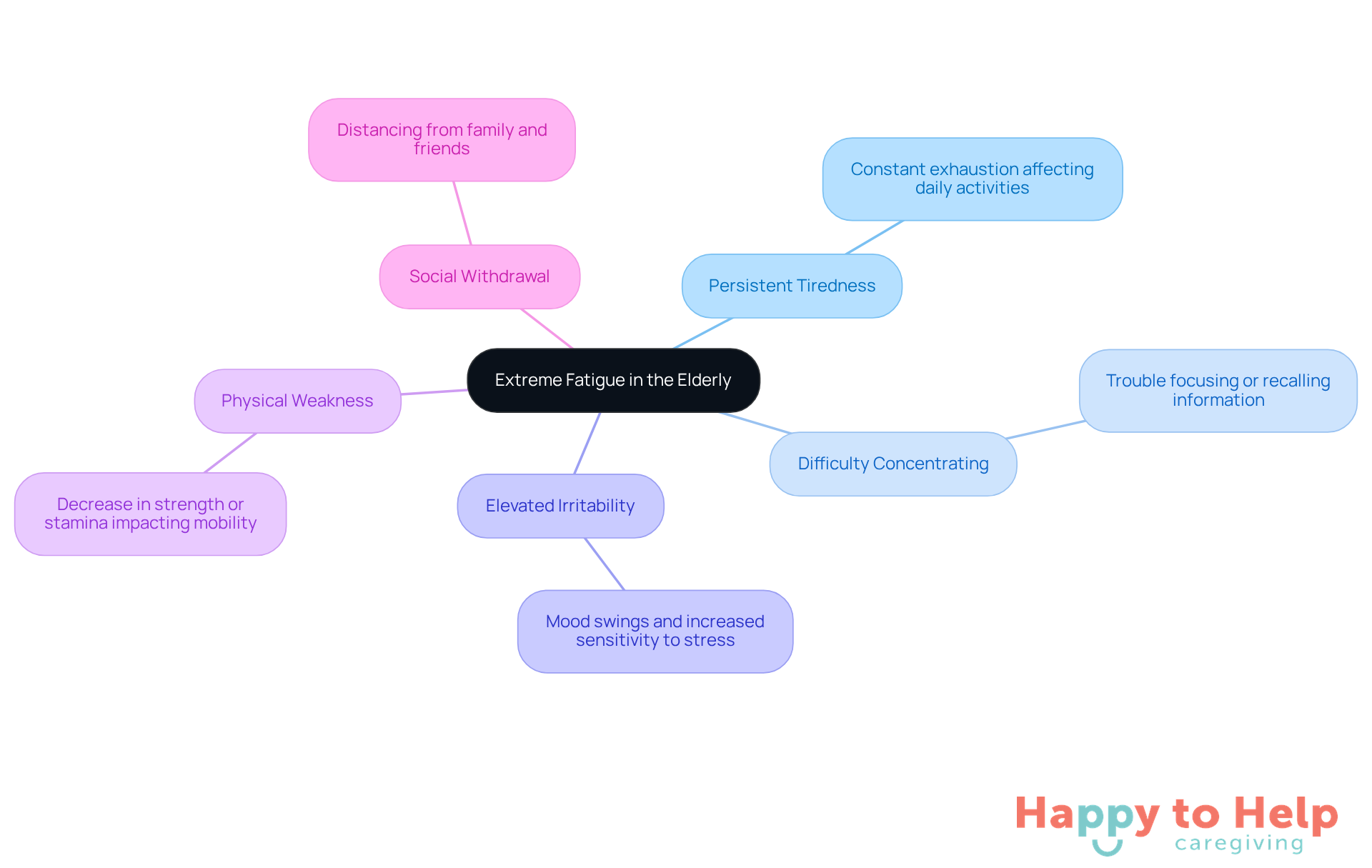
Solution: To effectively assist older adults experiencing severe exhaustion, caregivers can implement several strategies:
- Encourage regular check-ups to rule out underlying health issues.
- Promote a balanced diet rich in nutrients to help boost energy levels.
- Facilitate gentle physical activity to enhance overall well-being.
- Create a supportive environment that fosters rest and relaxation.
By understanding and addressing extreme fatigue in elderly individuals, caregivers can significantly improve the lives of older adults.
Identify Common Causes of Extreme Fatigue
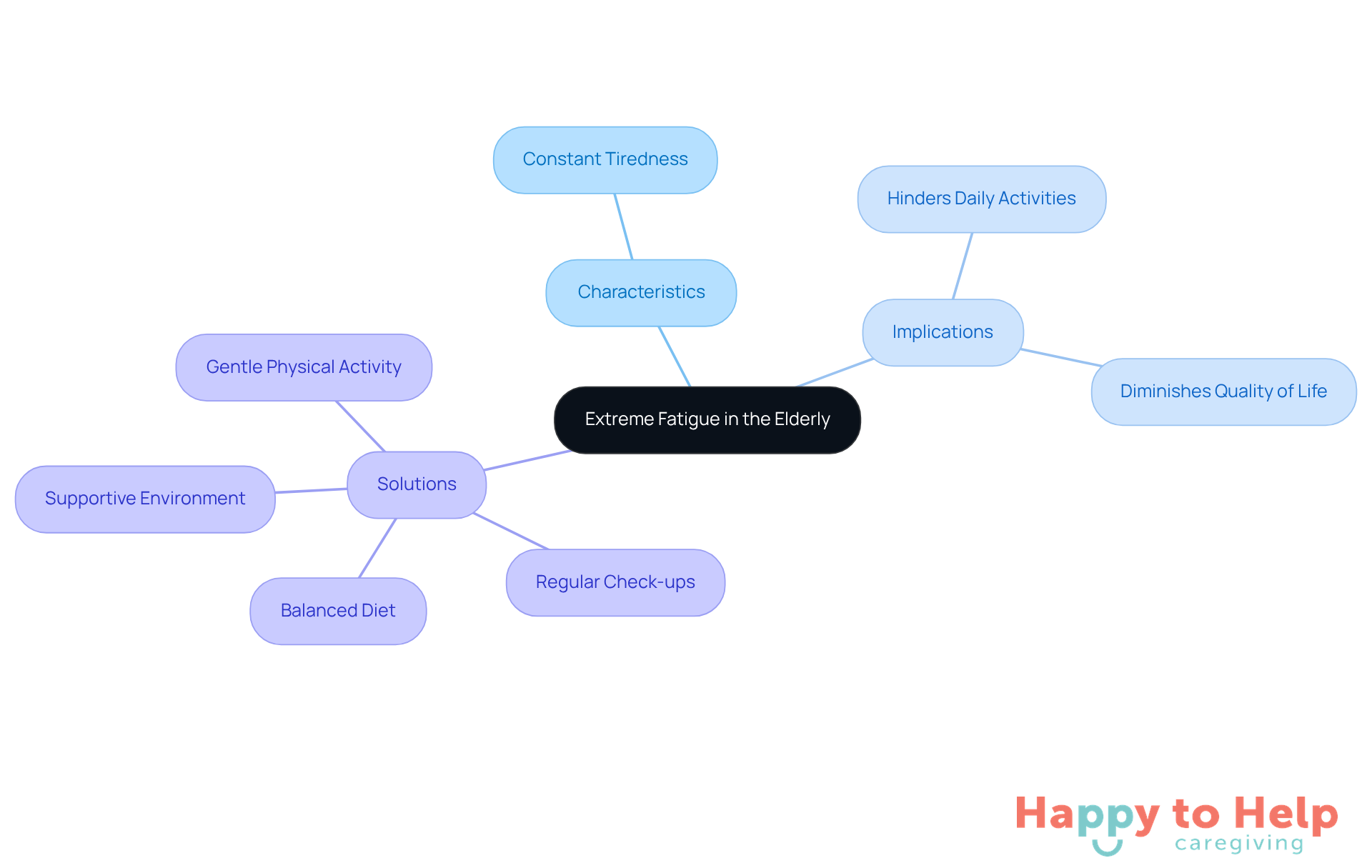
Extreme fatigue in the elderly can stem from several common causes:
- Chronic illnesses: Conditions like heart disease, diabetes, and cancer often lead to persistent fatigue.
- Sleep disorders: Issues such as sleep apnea or insomnia disrupt restorative sleep, which can contribute to extreme fatigue in elderly and result in daytime tiredness.
- Medications: Some medications may cause extreme fatigue in elderly individuals as a side effect.
- Nutritional deficiencies: A lack of essential nutrients, such as iron or vitamin D, can contribute to extreme fatigue in elderly people.
- Mental health issues: Including depression and anxiety, significantly contribute to extreme fatigue in elderly, often overlooked in older adults.
Recognizing these causes is crucial for effectively addressing exhaustion. Caregivers can take proactive steps by:
- Consulting healthcare professionals to evaluate chronic conditions.
- Ensuring proper sleep hygiene.
- Reviewing medications for side effects.
- Promoting a balanced diet rich in essential nutrients.
- Addressing mental health concerns through support or therapy.
Recognize Warning Signs and Symptoms
Warning Signs and Symptoms of Extreme Fatigue in the Elderly
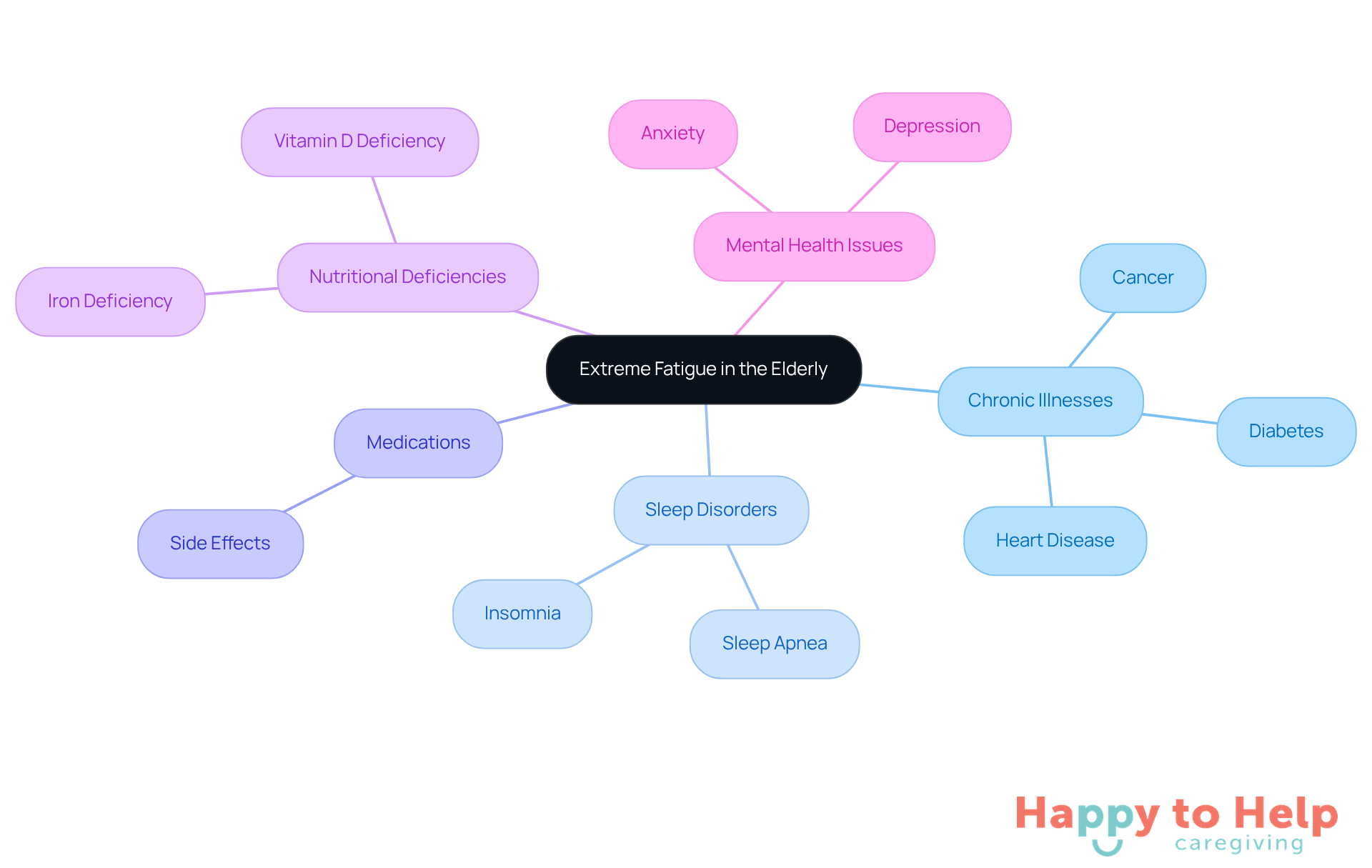
Extreme fatigue in the elderly is a significant issue that can severely impact their quality of life. Caregivers should be aware of the following warning signs:
- Persistent tiredness: A constant feeling of exhaustion that doesn’t improve with rest, affecting daily activities. Approximately 42.6% of older adults report experiencing extreme fatigue in elderly, highlighting its prevalence.
- Difficulty concentrating: Trouble focusing on tasks or recalling information, often worsened by fatigue, which may indicate underlying medical concerns.
- Elevated irritability: Mood swings or increased sensitivity to stress, frequently linked to emotional exhaustion and social isolation.
- Physical weakness: A noticeable decrease in strength or stamina, significantly impacting mobility and independence.
- Social withdrawal: A tendency to distance oneself from family and friends, suggesting emotional exhaustion and a potential decline in mental well-being.
Identifying these signs promptly is crucial. Tiredness, particularly extreme fatigue in elderly individuals, can serve as a physiological warning signal for upcoming health concerns. Early intervention can lead to better management and support, ultimately improving the quality of life for seniors. Caregivers should monitor these symptoms closely and seek appropriate medical advice when necessary.
Implement Strategies to Manage Fatigue
A significant concern for caregivers is extreme fatigue in the elderly. Approximately 42.6% of older adults report experiencing extreme fatigue in elderly, which can severely impact their quality of life. Extreme fatigue in elderly individuals not only affects daily functioning but also increases the risk of chronic illnesses. Therefore, it’s crucial for caregivers to implement effective strategies to combat extreme fatigue in elderly individuals.
-
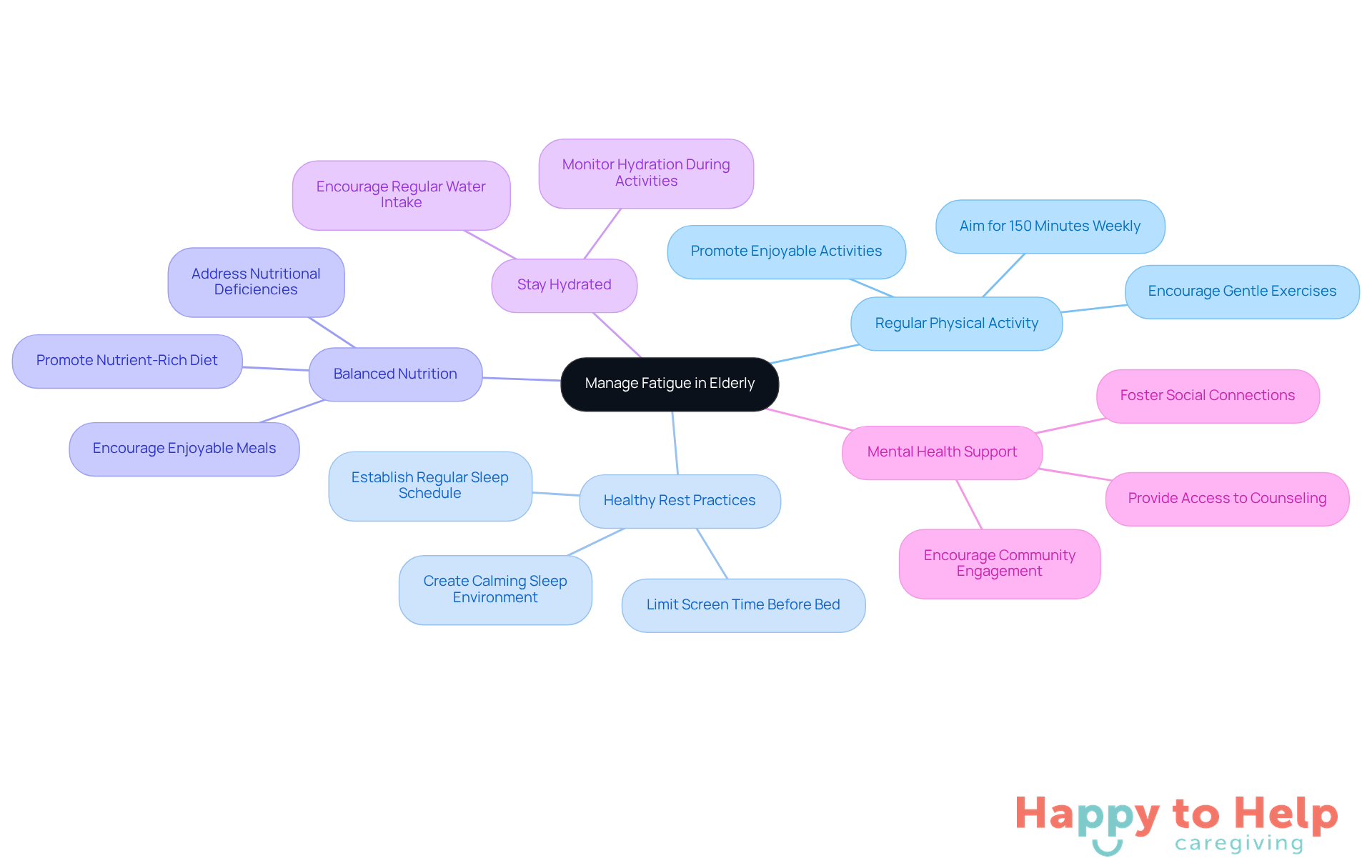
Encourage Regular Physical Activity: Engaging in gentle exercises, like walking or stretching, can significantly boost energy levels. Older adults should aim for at least 150 minutes of moderate physical activity each week. This approach not only addresses tiredness but also enhances overall well-being.
-
Promote Healthy Rest Practices: Establishing a regular resting schedule and creating a calming environment are essential for improving sleep quality. Caregivers should encourage limiting screen time before bed, maintaining a cool and dark bedroom, and developing a soothing bedtime routine. As Dr. Jessica Kalender-Rich notes, "Sleep is one of the most powerful things that you are probably underutilizing for your health."
-
Balanced Nutrition: A diet rich in fruits, vegetables, whole grains, and lean proteins is vital for sustaining energy levels. Nutritional deficiencies, particularly in vitamins like B12 and minerals such as iron, can result in extreme fatigue in elderly individuals. Caregivers should promote meals that are both nutritious and enjoyable to encourage better eating habits.
-
Stay Hydrated: Adequate fluid intake is crucial, as even mild dehydration can worsen tiredness and impair cognitive function. Caregivers should remind seniors to drink water regularly throughout the day, especially during physical activity or in warmer weather.
-
Mental Health Support: Addressing emotional well-being is equally important. Providing access to counseling or support groups can help alleviate feelings of isolation and anxiety, which are common among seniors facing extreme fatigue in elderly. Engaging in community activities can foster social connections, further enhancing mental health.
By implementing these strategies, caregivers can help their loved ones regain energy and improve their overall quality of life. This proactive approach makes a significant difference in daily functioning and well-being.
Moving Forward with Extreme Fatigue in Elderly: Causes and
Extreme fatigue in elderly individuals presents a significant challenge that requires careful attention. This condition, marked by persistent tiredness that doesn’t improve with rest, affects not only the seniors but also their caregivers. Understanding the complexities of extreme fatigue is crucial for enhancing the quality of life for older adults.
Key factors contributing to extreme fatigue include chronic illnesses, sleep disorders, medication side effects, nutritional deficiencies, and mental health issues. Recognizing warning signs such as ongoing tiredness, difficulty concentrating, irritability, physical weakness, and social withdrawal enables caregivers to take proactive measures. By identifying these symptoms early, caregivers can address this debilitating condition effectively.
To combat extreme fatigue, caregivers can implement several management strategies:
- Promote physical activity: Encourage seniors to engage in regular, gentle exercise.
- Ensure proper nutrition: A balanced diet can help improve energy levels.
- Encourage hydration: Staying hydrated is vital for overall health.
- Provide mental health support: Addressing emotional well-being is essential.
Ultimately, tackling extreme fatigue in the elderly goes beyond merely alleviating symptoms; it’s about empowering seniors to regain their vitality and independence. Caregivers play a crucial role in this journey. By adopting a comprehensive approach to management, they can create a supportive environment that fosters healthier lifestyles and improved mental health.
This commitment to understanding and addressing extreme fatigue is vital for enhancing the overall quality of life for seniors, making it an essential focus for both caregivers and healthcare professionals.
https://iframe.tely.ai/cta/eyJhcnRpY2xlX2lkIjogIjY5MjY0MzljMTRjODUwNzI1NGI4N2FjMSIsICJjb21wYW55X2lkIjogIjY4ZWU1ZGNhNzMxNzYyNTU3ZjNjOTVjMSIsICJpbmRleCI6IG51bGwsICJ0eXBlIjogImFydGljbGUifQ==Frequently Asked Questions
What is extreme fatigue in the elderly?
Extreme fatigue in the elderly is characterized by a constant and overwhelming feeling of tiredness that does not improve with rest, differing from typical tiredness which can often be alleviated through relaxation.
What are the implications of extreme fatigue in elderly adults?
Severe exhaustion can hinder daily activities, diminish quality of life, and manifest as a lack of energy, motivation, and the ability to engage in routine tasks.
Why is it important for caregivers to recognize extreme fatigue in elderly individuals?
Recognizing the distinction of extreme fatigue is crucial for caregivers to provide the right support and assistance to older adults experiencing this condition.
What strategies can caregivers implement to assist elderly individuals with extreme fatigue?
Caregivers can encourage regular check-ups to rule out underlying health issues, promote a balanced diet rich in nutrients, facilitate gentle physical activity, and create a supportive environment that fosters rest and relaxation.
How can understanding extreme fatigue improve the lives of older adults?
By understanding and addressing extreme fatigue, caregivers can significantly enhance the well-being and quality of life for elderly individuals.
List of Sources
- Define Extreme Fatigue in the Elderly
- What Causes Sudden Extreme Fatigue In Older Adults? | Home Instead (https://homeinstead.co.uk/care/specialist/sudden-extreme-fatigue)
- Fatigue, Function, and Mortality in Older Adults (https://academic.oup.com/biomedgerontology/article/65A/8/887/571355)
- Prevalence of fatigue and perceived fatigability in older adults: a systematic review and meta-analysis - Scientific Reports (https://nature.com/articles/s41598-025-88961-x)
- Understanding Fatigue in Older Adults (https://hebrewseniorlife.org/blog/understanding-fatigue-older-adults)
- Identify Common Causes of Extreme Fatigue
- Fatigue is common among older adults, and it has many possible causes (https://news-medical.net/news/20230404/Fatigue-is-common-among-older-adults-and-it-has-many-possible-causes.aspx)
- Chronic Illness Quotes: From Inner Strength to Laughter - Mission:Cure (https://mission-cure.org/chronic-illness-quotes-from-inner-strength-to-laughter)
- Prevalence of fatigue and perceived fatigability in older adults: a systematic review and meta-analysis - Scientific Reports (https://nature.com/articles/s41598-025-88961-x)
- 6630-w7-d8.docx - Insomnia is very prevalent in the older adult population and is often associated with other disorders including restless leg syndrome | Course Hero (https://coursehero.com/file/50357313/6630-w7-d8docx)
- Fatigue in Older Adults (https://nia.nih.gov/health/fatigue/fatigue-older-adults)
- Recognize Warning Signs and Symptoms
- Prevalence of fatigue and perceived fatigability in older adults: a systematic review and meta-analysis - Scientific Reports (https://nature.com/articles/s41598-025-88961-x)
- Frontiers | Risk factors of fatigue among community-dwelling older adults in Bahir Dar, Northwest Ethiopia: a community-based cross-sectional study (https://frontiersin.org/journals/public-health/articles/10.3389/fpubh.2024.1491287/full)
- Fatigue Is Common Among Older Adults, and It Has Many Possible Causes - KFF Health News (https://kffhealthnews.org/news/article/fatigue-management-elderly-health-navigating-aging)
- Fatigue is common among older adults, and it has many possible causes (https://news-medical.net/news/20230404/Fatigue-is-common-among-older-adults-and-it-has-many-possible-causes.aspx)
- Implement Strategies to Manage Fatigue
- Treating Fatigue is Key to Maximizing Health as You Age (https://kansashealthsystem.com/news-room/blog/2023/09/treating-fatigue-is-key-to-maximizing-health-as-you-age)
- Effectiveness of physical activity interventions on reducing perceived fatigue among adults with chronic conditions: a systematic review and meta-analysis of randomised controlled trials - Scientific Reports (https://nature.com/articles/s41598-023-41075-8)
- Understanding What Causes Fatigue in the Elderly and How to Help - Happy To Help (https://happytohelpcaregiving.com/understanding-what-causes-fatigue-in-the-elderly-and-how-to-help)
- Fatigue Is Common Among Older Adults, and It Has Many Possible Causes - KFF Health News (https://kffhealthnews.org/news/article/fatigue-management-elderly-health-navigating-aging)
- Physical Activity Benefits for Adults 65 or Older (https://cdc.gov/physical-activity-basics/health-benefits/older-adults.html)