

For families in our service areas
For families in our service areas, this guide explains dementia care and how non-medical in-home caregiving can support care planning in East Idaho, Treasure Valley & Magic Valley, Northern Wasatch, North Central West Virginia, and Northeast Ohio.
What You Need to Know About The Average Cost of In-Home Dementia
Navigating the financial landscape of in-home dementia care presents a significant challenge for families facing the complexities of cognitive decline. With costs projected to average $33 per hour in 2025, understanding the factors influencing these expenses is crucial. Families often grapple with the pressing question: how can they manage the costs of in-home support while ensuring their loved ones receive the best care possible?
The emotional and financial strain of caregiving can be overwhelming. Families must balance the need for quality care with financial feasibility, which can lead to stress and uncertainty. This situation not only affects the caregivers but also impacts the well-being of their loved ones.
To effectively manage these costs, families can explore several actionable solutions:
- Consider researching various care options and comparing rates.
- Seek financial assistance programs or insurance coverage to alleviate some of the financial burdens.
- Engage with local support groups to provide valuable insights and resources to help navigate this challenging landscape.
Defining In-Home Dementia Care Costs
In-home support for individuals with cognitive decline presents a significant financial challenge for families. The expenses associated with providing assistance in their own residences can vary widely based on several factors, including the level of care needed, the caregiver's qualifications, and the geographical location of the service. In 2025, the national median cost for at-home memory support is projected to be around $33 per hour. Families must also anticipate additional costs related to home modifications, medical supplies, and specialized equipment essential for effective support.
Typical Expenses Breakdown:
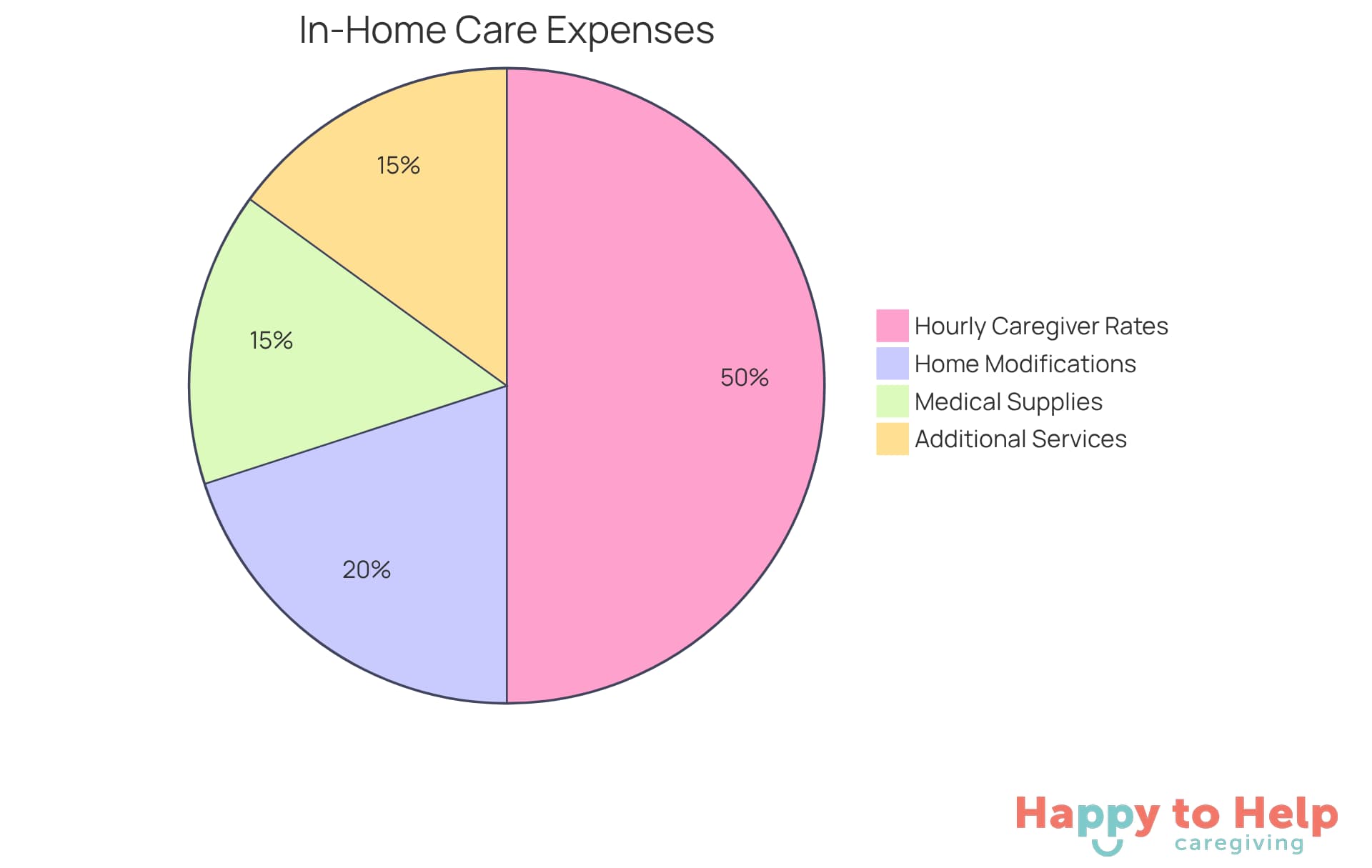
- Hourly Caregiver Rates: The average cost for in-home dementia care ranges from $4,400 to $7,000 monthly, depending on the intensity of care required. As noted by Sam Fazio, Ph.D., "The level of assistance required, whether for daily living activities or specialized medical support, directly influences pricing; more complex support needs result in higher expenses."
- Home Modifications: Necessary adjustments for safety and accessibility can cost between $3,000 and $15,000, depending on the extent of changes needed.
- Medical Supplies and Equipment: The costs for essential supplies can accumulate, adding to the overall financial burden.
- Additional Services: Families may incur expenses for meal preparation, transportation, and light housekeeping, often included in comprehensive support plans.
Understanding these financial elements, such as the average cost of in-home dementia care, is crucial for families navigating the complexities of at-home cognitive support. By being informed, they can make choices that balance quality assistance with financial realities. Additionally, families should explore financial aid options and consider planning ahead to manage expenses effectively.
Factors Influencing In-Home Dementia Care Costs
Several factors significantly influence the average cost of in-home dementia care, presenting a challenge for families seeking support.
-
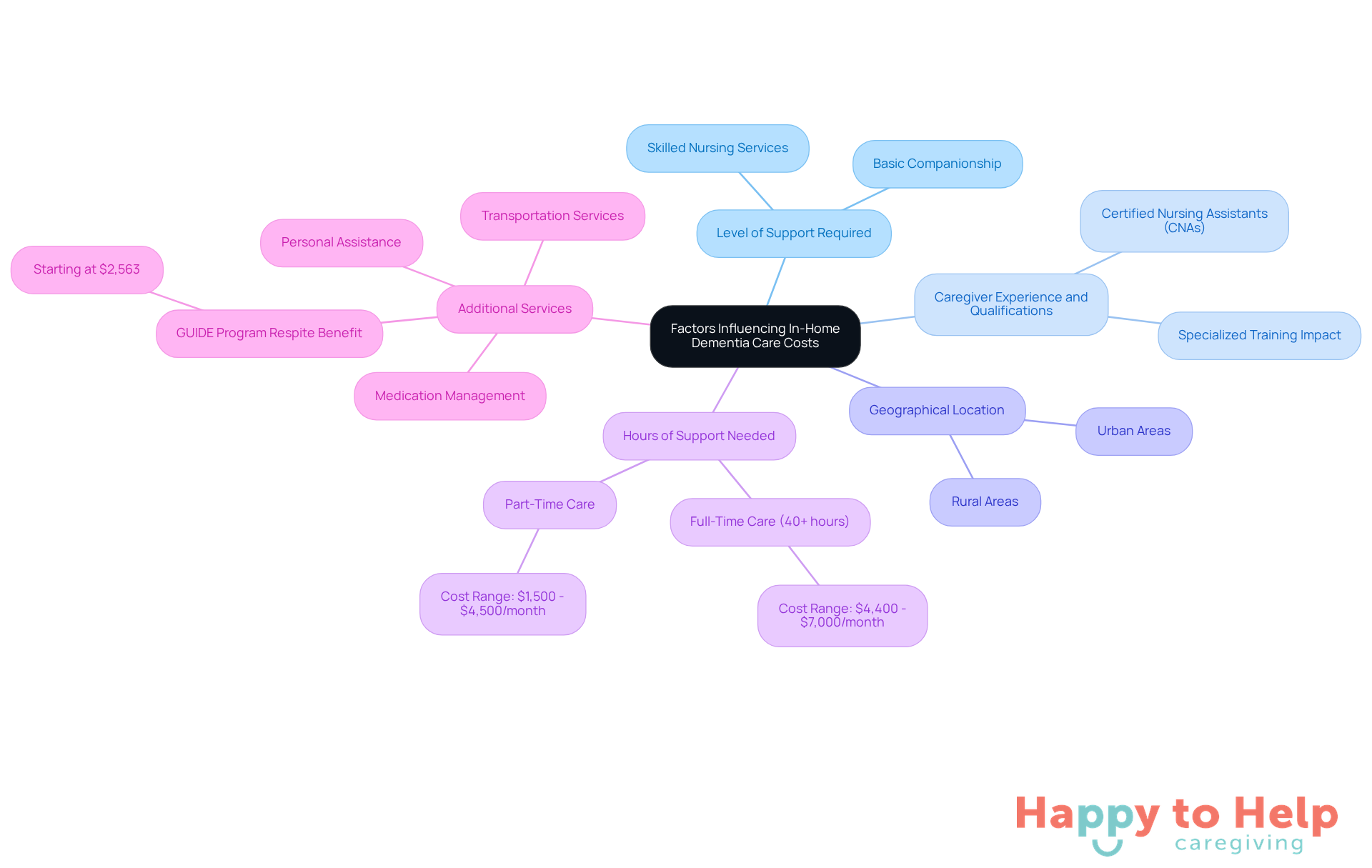
Level of Support Required: Basic companionship assistance is typically less costly than skilled nursing services, which necessitate specialized training and expertise.
-
Caregiver Experience and Qualifications: Caregivers with more experience or specialized training in dementia support often command higher rates. For instance, caregivers with certifications, such as Certified Nursing Assistants (CNAs), may charge more due to their advanced skills and knowledge. According to external sources, caregivers with specialized training can significantly impact pricing, as those with medical training often charge higher rates.
-
Geographical Location: The expense of in-home assistance differs significantly depending on the area. Urban areas typically experience higher rates due to increased demand and a higher cost of living, while rural regions may offer more affordable options but often have a limited pool of qualified caregivers. This geographical disparity can create challenges for families in rural areas seeking qualified assistance.
-
Hours of Support Needed: Families can choose part-time or full-time assistance, with full-time services (40+ hours per week) typically costing between $4,400 and $7,000 per month. Part-time assistance generally ranges from $1,500 to $4,500 monthly, enabling families to customize support to their particular requirements and financial plans.
-
Additional Services: Expenses can increase with the addition of services such as medication management, personal assistance, and transportation, which are vital for thorough cognitive support. The GUIDE program provides a respite support benefit beginning at $2,563, which can assist in reducing some financial pressures linked to these extra services.
Understanding these elements is essential for families as they manage the intricacies of financial planning for the average cost of in-home dementia care. It’s crucial to find the right balance between quality and cost. As Robert Egge, AIM president and Alzheimer’s Association chief public policy officer, remarked, "Caring for those living with cognitive impairment often takes a significant financial burden on families," emphasizing the importance of being aware of these expenses.
Comparing In-Home Care Costs to Alternative Options
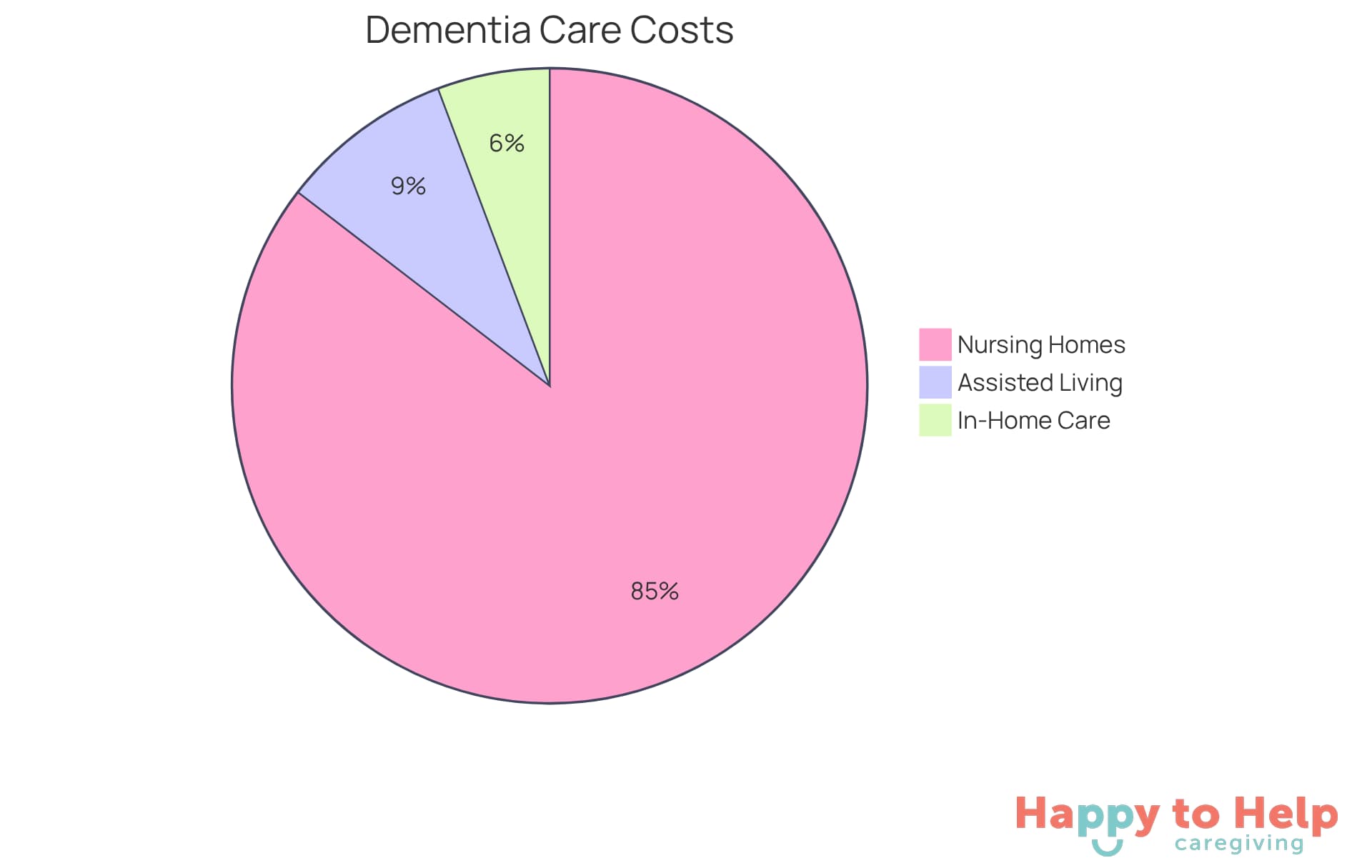
When families evaluate the expenses of at-home dementia support compared to options like assisted living centers or nursing homes, they often face a significant issue: the average cost of in-home dementia care is notably high. While assisted living facilities can charge over $9,733 each month, the average cost of in-home dementia care is around $6,292. This stark price difference can create financial strain for families, making it crucial to explore more feasible options.
The implications of these costs are profound. At-home assistance not only offers a more affordable solution, such as the average cost of in-home dementia care, but also allows individuals to receive tailored support in the comfort of their own homes, enhancing their overall quality of life. Moreover, in-home support fosters a familiar environment, which is essential for dementia patients. However, families must also consider potential additional expenses for home modifications or extra services, which can significantly influence the average cost of in-home dementia care.
Home modifications for aging in place can range from a few thousand to over $50,000, underscoring the importance of careful financial planning. By evaluating these factors, including the anticipated rise in home health expenses expected to double from $113 billion in 2019 to $226 billion by 2030, families can make informed choices that align with their financial resources and support needs.
As specialists note, "The advantages of home assistance include greater flexibility, often lower immediate expenses compared to assisted living, and comfort derived from remaining in a familiar environment." This highlights the need for families to weigh their options carefully and consider at-home care as a viable solution.
Financial Assistance and Insurance Coverage for Dementia Care
Families facing the challenge of memory loss often struggle to find adequate in-home support, affecting the average cost of in-home dementia care. This situation can lead to emotional and financial stress for caregivers, who may feel overwhelmed by the average cost of in-home dementia care and the options available. Fortunately, there are various financial assistance programs and insurance coverage options that can provide relief.
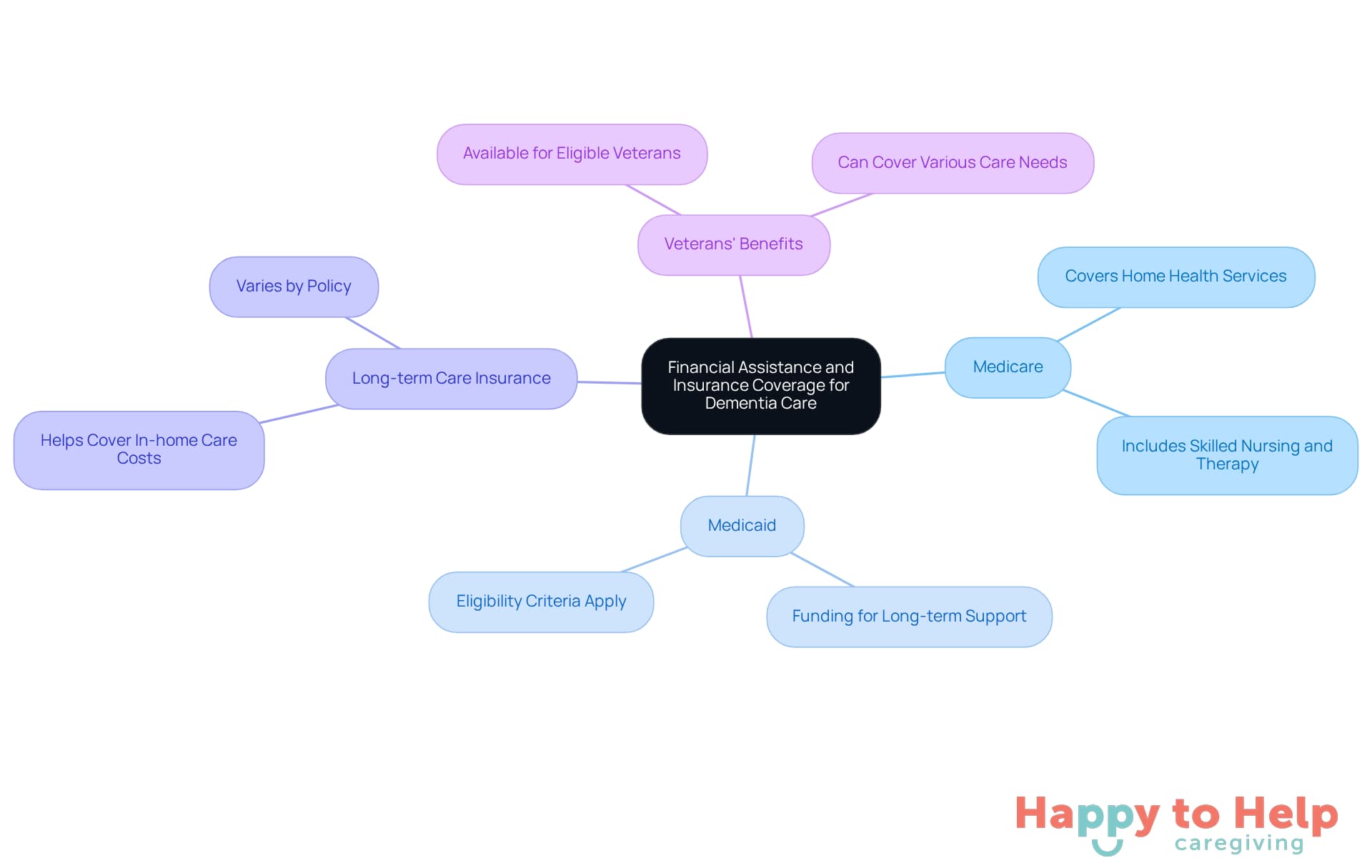
- Medicare, for example, may cover certain home health services for individuals with dementia, including skilled nursing and therapy services.
- Additionally, Medicaid can offer funding for long-term support, depending on eligibility criteria.
- Long-term care insurance is another option that can help cover the average cost of in-home dementia care, while veterans' benefits are available for eligible veterans.
To navigate these options effectively, families are encouraged to explore local resources and consult with financial advisors. By identifying the best solutions for their specific situations, caregivers can alleviate some of the burdens associated with memory loss care.
Your Path Forward
Understanding the financial landscape of in-home dementia care presents a significant challenge for families. The costs associated with care can vary widely, influenced by factors such as the level of support required and geographical location. This variability underscores the necessity for informed decision-making. By understanding the average expenses linked to in-home care, families can better prepare for the financial implications, ensuring their loved ones receive the necessary support.
Key aspects influencing the average cost of in-home dementia care include:
- Caregiver qualifications
- Additional service needs
- Potential financial assistance through programs like Medicare and Medicaid
It's crucial to recognize the stark contrast between in-home care and alternatives like assisted living facilities. While at-home support can often be more affordable, it still demands careful financial planning to address supplementary costs, such as home modifications and medical supplies.
Proactive financial planning is essential. Families should explore various funding options and support resources to alleviate the emotional and financial burdens associated with dementia care. By staying informed and seeking assistance, caregivers can create a sustainable plan that prioritizes the well-being of their loved ones while effectively managing costs.
https://iframe.tely.ai/cta/eyJhcnRpY2xlX2lkIjogIjY5MjdhNWUyZWJkZWEwMDhjMzkyZGYyMSIsICJjb21wYW55X2lkIjogIjY4ZWU1ZGNhNzMxNzYyNTU3ZjNjOTVjMSIsICJpbmRleCI6IG51bGwsICJ0eXBlIjogImFydGljbGUifQ==Frequently Asked Questions
What are the main factors that influence in-home dementia care costs?
In-home dementia care costs can vary based on the level of care needed, the caregiver's qualifications, and the geographical location of the service.
What is the projected national median cost for at-home memory support in 2025?
The projected national median cost for at-home memory support in 2025 is around $33 per hour.
How much can families expect to pay monthly for in-home dementia care?
Families can expect to pay between $4,400 and $7,000 monthly for in-home dementia care, depending on the intensity of care required.
What additional costs should families anticipate when providing in-home dementia care?
Families should anticipate additional costs related to home modifications, medical supplies, specialized equipment, meal preparation, transportation, and light housekeeping.
What are the estimated costs for home modifications necessary for safety and accessibility?
Home modifications can cost between $3,000 and $15,000, depending on the extent of changes needed.
Why is it important for families to understand the financial aspects of in-home dementia care?
Understanding the financial aspects is crucial for families navigating the complexities of at-home cognitive support, allowing them to make informed choices that balance quality assistance with financial realities.
What should families consider to manage expenses effectively for in-home dementia care?
Families should explore financial aid options and consider planning ahead to manage expenses effectively.
List of Sources
- Defining In-Home Dementia Care Costs
- 2025 Cost of Memory Care and What’s Included (https://westmontliving.com/blog/westmont-of-cypress/2025-cost-of-memory-care)
- Unpaid caregivers bear majority of dementia care costs in US, study finds (https://mcknightshomecare.com/news/unpaid-caregivers-bear-majority-of-dementia-care-costs-in-us-study-finds)
- In-Home Dementia Care Costs: What Families Pay And What To Expect In 2025 - Home Care Agency | Global One Home Care Boston (https://globalonehomecare.com/in-home-dementia-care-costs)
- How Much Does In-Home Dementia Care Cost? [2024 Update] (https://sunflowercommunities.org/cost-of-in-home-dementia-care)
- Understanding In Home Dementia Care Cost: Key Factors and Budgeting Tips - Happy To Help (https://happytohelpcaregiving.com/understanding-in-home-dementia-care-cost-key-factors-and-budgeting-tips)
- Factors Influencing In-Home Dementia Care Costs
- Report: Dementia comes with a high price tag that’s only rising (https://mcknights.com/news/report-dementia-comes-with-a-high-price-tag-thats-only-rising)
- Dementia costs in the United States reach record high in 2025 (https://news-medical.net/news/20250423/Dementia-costs-in-the-United-States-reach-record-high-in-2025.aspx)
- In-Home Dementia Care Costs: What to Expect and Plan For (https://seniorlivingnearme.com/resources/in-home-dementia-care-costs-what-to-expect-and-plan-for)
- Medicare offering dementia caregiver benefit: It's a start, advocates say (https://naplesnews.com/story/news/local/2025/08/20/medicare-now-offers-2500-dementia-caregiving-stipend-how-it-helps/84334583007)
- Congress Introduces Bipartisan Legislation to Support Our Nation’s Dementia Caregivers (https://alz.org/news/2025/credit-caring-act-dementia-caregivers)
- Comparing In-Home Care Costs to Alternative Options
- New Money Is Flowing Into Dementia Care. It Could Transform the Market. | CareYaya (https://careyaya.org/resources/news/barrons)
- What to know about assisted living expenses in 2025 (https://heritagemanoraz.com/blog/what-to-know-about-assisted-living-expenses-in-2025)
- The Cost of Assisted Living vs. In-Home Care: What to Consider (https://thehighpointresidence.com/blog/the-cost-of-assisted-living-vs-in-home-care-what-to-consider)
- New Medicare program offers much-needed relief for caregivers of dementia patients (https://finance.yahoo.com/news/new-medicare-program-offers-much-needed-relief-for-caregivers-of-dementia-patients-203450020.html)
- In-Home Care vs Assisted Living Costs: Which Saves More in 2025? - Resource for Seniors and Caregivers | SeniorSite (https://seniorsite.org/resource/in-home-care-vs-assisted-living-costs-which-saves-more-in-2025)
- Financial Assistance and Insurance Coverage for Dementia Care
- Pa., N.J. and Del.families can now enroll in a new Medicare dementia program (https://whyy.org/articles/medicare-dementia-guide-program-pennsylvania-new-jersey-delaware)
- Medicare Expands Coverage for Dementia Care at Home - Liz Moneymaker Law (https://lizmoneymakerlaw.com/medicare-expands-coverage-for-dementia-care-at-home)
- Medicare covers at-home nursing care for dementia patients for the first time this year (https://tampabay.com/news/health/2025/08/14/medicare-covers-at-home-nursing-care-dementia-patients-first-time-this-year)
- New Medicare program offers much-needed relief for caregivers of dementia patients (https://finance.yahoo.com/news/new-medicare-program-offers-much-needed-relief-for-caregivers-of-dementia-patients-203450020.html)