
For families in our service areas
For families in our service areas, this guide explains caregiver support and how non-medical in-home caregiving can support care planning in East Idaho, Treasure Valley & Magic Valley, Northern Wasatch, North Central West Virginia, and Northeast Ohio.
Understanding Your Options
This article shines a light on the vital role of caregiver CNAs, exploring their essential duties, historical journey, and the profound impact they have on clients' quality of life. Caregiver CNAs are not just caregivers; they are a source of both physical and emotional support for those in need. By assisting with daily living activities, they create a nurturing environment that fosters a sense of security and belonging. This compassionate approach significantly enhances the overall well-being of clients, making a world of difference in their lives.
However, the journey of a caregiver can be filled with emotional challenges. Many caregivers experience feelings of stress and burnout as they navigate their responsibilities. It’s important to acknowledge these feelings and understand that they are not alone in this journey. The support available to them is not just practical; it’s also deeply emotional. By sharing personal stories and testimonials, we can highlight the compassionate care that caregiver CNAs provide, fostering a deeper emotional connection.
As we delve deeper into the caregiver CNA role, let’s remember the importance of empathy and understanding. The work they do is not just about tasks; it’s about making a meaningful impact on the lives of others. With reassurance and encouragement, we can remind caregivers that their efforts are valued and that they play a crucial role in enhancing the lives of those they care for. Together, we can create a supportive community that uplifts both caregivers and clients alike.
The Importance of The Caregiver CNA Role: Key Duties and
The role of caregiver CNAs is often overlooked, yet they truly are the backbone of compassionate care in our healthcare system. These dedicated professionals not only assist with daily living activities but also provide vital emotional support. They foster a sense of security and dignity for those they serve, making a profound difference in their lives.
As the demand for qualified caregivers continues to rise, it’s crucial to understand the origins, duties, and impact of caregiver CNAs. These unsung heroes navigate the complexities of caregiving, ensuring that each individual feels valued and cared for. But what challenges do they face? The emotional toll of caregiving can be immense, leading to feelings of stress and burnout.
Yet, there is hope. By recognizing the importance of emotional and practical support available to caregivers, we can help alleviate some of these burdens. Personal stories and testimonials from caregivers highlight the compassionate care they provide, fostering a deeper emotional connection with those they serve.
In this journey, it’s essential to remember that caregiver CNAs are not alone. They have access to resources and support systems designed to uplift and empower them. Together, we can create an environment where caregivers feel appreciated and understood, ensuring that they can continue to provide the nurturing care that is so vital.
Define Caregiver CNA: Roles and Responsibilities
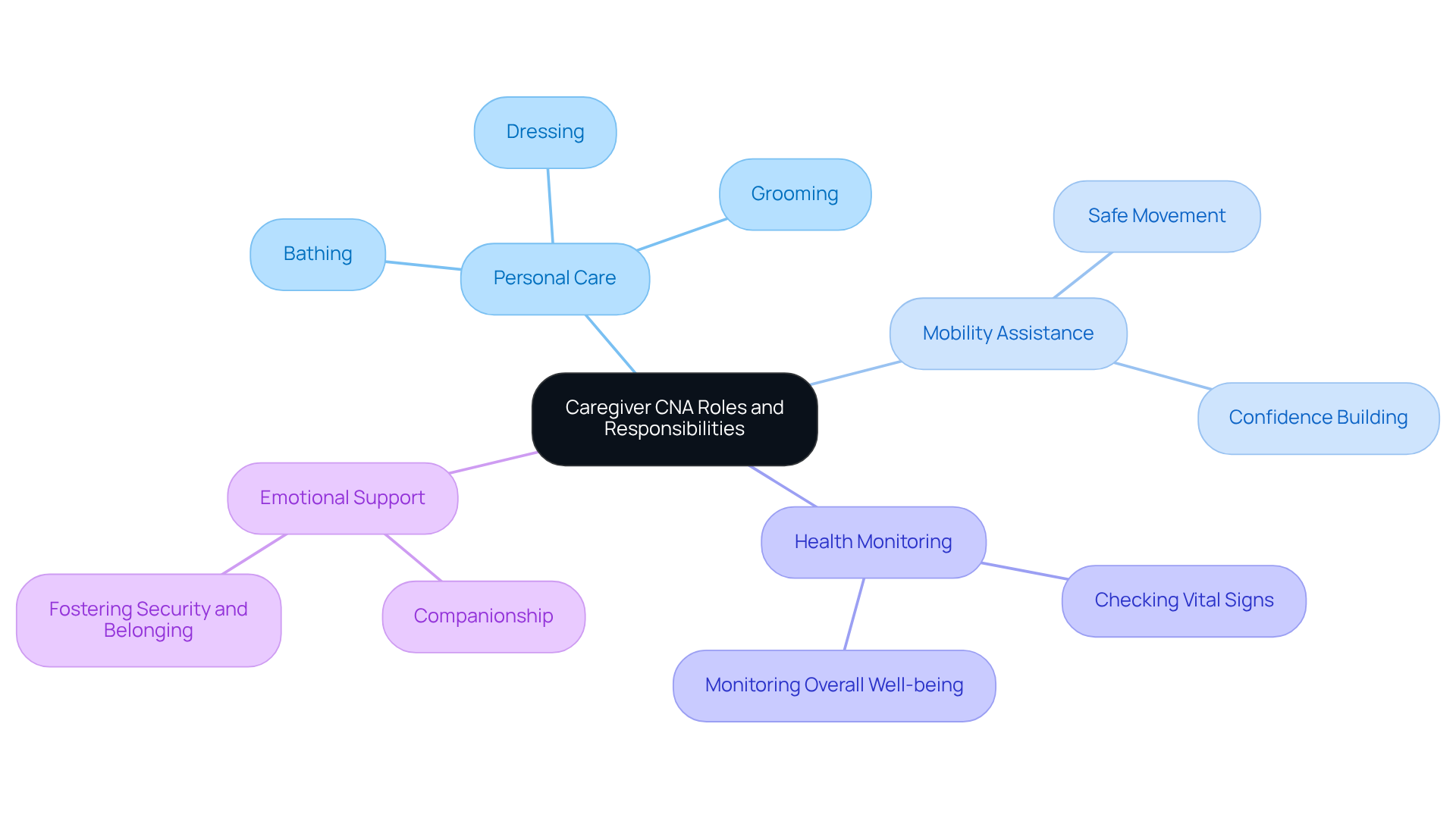
A caregiver CNA is a compassionate professional dedicated to supporting individuals who need help with daily living activities. They provide essential personal care, including:
- Bathing
- Dressing
- Grooming
This ensures that clients feel comfortable and dignified. Mobility assistance is another crucial aspect of their role, helping clients move safely and confidently.
But it’s not just about the physical care that a caregiver CNA offers. CNAs also monitor basic health indicators, like checking vital signs, which is vital for maintaining overall well-being. Beyond these tasks, nursing assistants offer emotional support, providing companionship that fosters a sense of security and belonging. They understand that the emotional needs of their clients are just as important as the physical ones.
By addressing both the physical and emotional needs of those they serve, caregiver CNAs significantly enhance the quality of life for their clients. Their nurturing presence can make a world of difference, especially during challenging times. It’s this blend of practical assistance and heartfelt care that truly sets them apart, reminding us all of the importance of compassion in caregiving.
Contextualize the Caregiver CNA Role in Caregiving
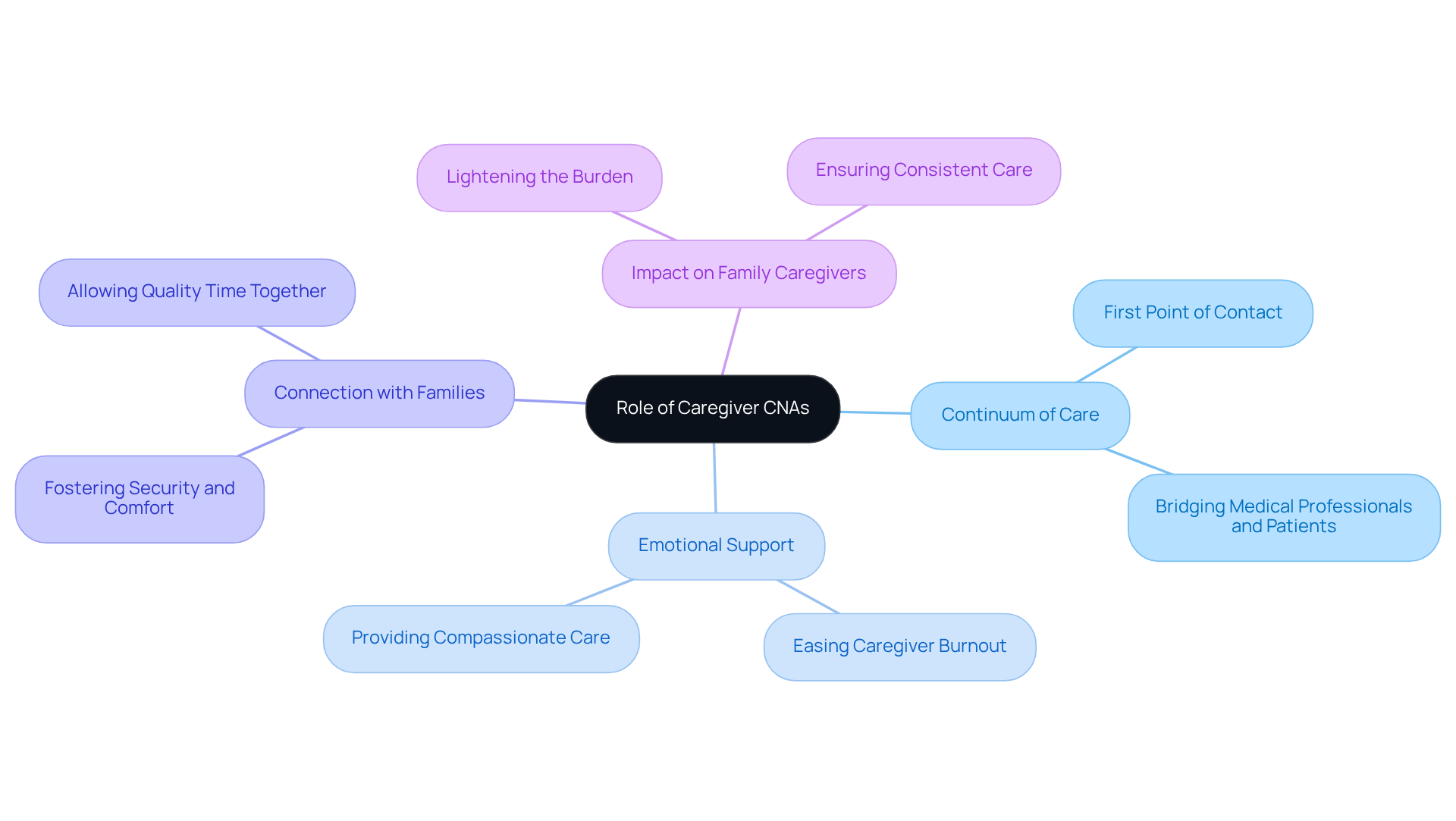
Support staff play a vital role in the continuum of care, especially in home health settings, assisted living facilities, and nursing homes. They are the frontline caregivers, often becoming the first point of contact for clients and their families.
In a world where our population is aging and the demand for in-home assistance is growing, caregiver CNAs have become essential. They bridge the gap between medical professionals and patients, ensuring that everyone feels connected and supported. Their presence not only lightens the burden on family caregivers but also ensures that clients receive consistent and compassionate care tailored to their individual needs.
Imagine the relief a family feels knowing that their loved one is in capable hands, receiving the attention and empathy they deserve. This connection fosters a sense of security and comfort, allowing families to focus on what truly matters—spending quality time together.
As we navigate these challenges, it’s important to remember that support is available. Caregiver CNAs are dedicated to providing not just physical assistance but also emotional support, helping to ease the stress and burnout that often accompany the role of a caregiver CNA. Together, we can create a nurturing environment where everyone feels valued and cared for.
Trace the Origins and Evolution of Caregiver CNAs
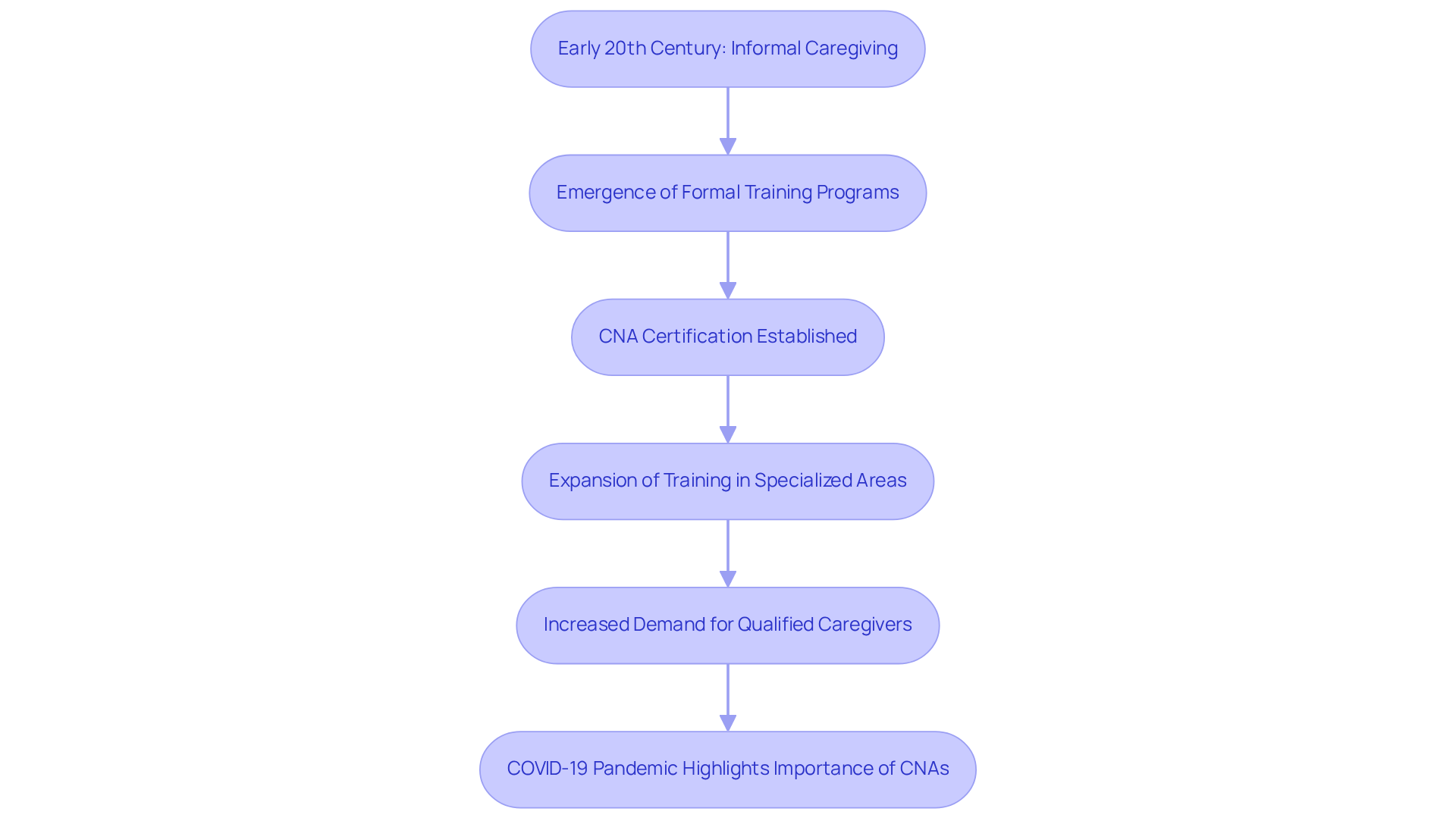
The journey of the Certified Nursing Assistant (CNA) position began in the early 20th century, highlighting the growing need for trained caregiver CNAs as modern healthcare developed. Initially, caregiving often fell to family members or untrained individuals, leading to inconsistent quality of care. As healthcare systems evolved, however, formal training programs emerged, paving the way for CNA certification.
Over the years, the role of nursing assistants has expanded significantly, reflecting a growing recognition of their essential contribution to patient support. Today, nursing assistants undergo specialized training in various areas, such as dementia care, palliative assistance, and rehabilitation support. This evolution highlights the critical role skilled caregivers play in improving patient outcomes and enhancing overall quality of life.
Statistics show a remarkable increase in caregiver CNA training programs, which are driven by the rising demand for qualified caregivers. The Bureau of Labor Statistics projects a 4-5% growth in CNA employment from 2022 to 2032, resulting in over 220,000 job openings each year. This trend underscores the vital role nursing assistants play in the healthcare system, especially as our population ages and the prevalence of chronic diseases rises.
Case studies illustrate the development of CNA certification programs across various states, showcasing initiatives aimed at standardizing training and improving service quality. For example, programs in states like California and Texas have enhanced caregivers' skill sets, leading to better patient experiences and outcomes in healthcare settings. As the role of nursing assistants continues to evolve, their training and expertise remain crucial in meeting the complex needs of patients and ensuring high-quality care.
Moreover, the COVID-19 pandemic has brought to light the importance of caregiver CNAs in nursing facilities. They have been at the forefront of support during this challenging time. The pandemic has emphasized the need for ongoing training and support for nursing assistants, helping them adapt to the ever-changing landscape of healthcare. As the culture change movement in nursing homes shifts towards person-centered care, the role of certified nursing assistants will be vital in fostering a nurturing and empathetic environment for residents.
Identify Key Characteristics and Duties of Caregiver CNAs
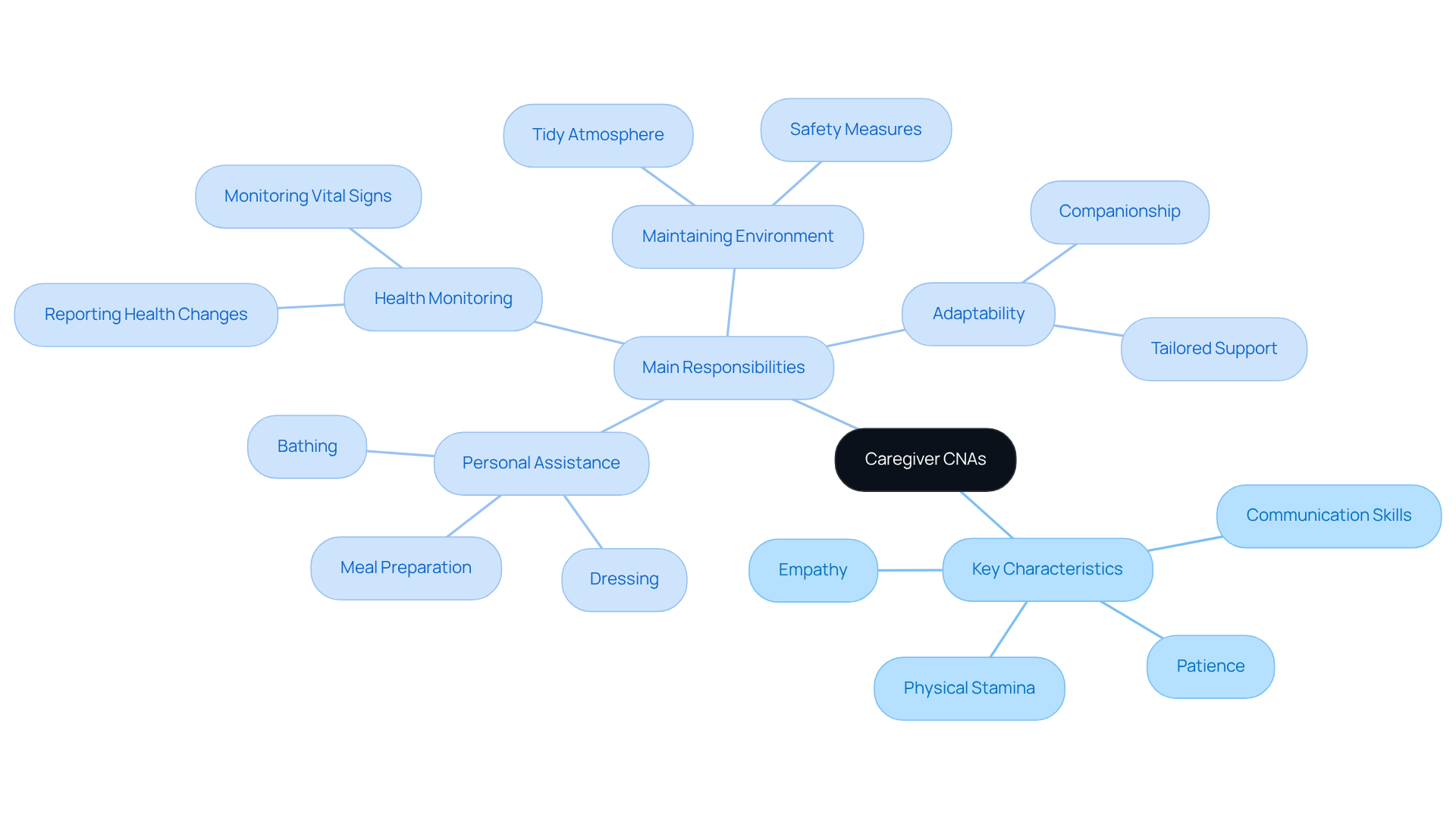
Effective nursing assistants truly embody essential characteristics like empathy, patience, strong communication skills, and physical stamina. These traits help them forge meaningful connections with clients, allowing for a deeper understanding of individual needs and the ability to provide tailored support.
Their main responsibilities involve aiding with daily living tasks, which can include personal assistance activities such as bathing, dressing, and meal preparation. They also monitor health conditions, ensuring that any changes are promptly reported to healthcare professionals. This vigilance facilitates timely interventions, which can make all the difference in a client’s care.
In addition to personal assistance, caregiver CNAs maintain a secure and tidy atmosphere, which is crucial for the well-being of their clients. Their adaptability is vital; they must modify their support strategies to meet the unique needs of each individual, promoting independence and dignity. For instance, in home care settings, they may focus on companionship and emotional support, while in assisted living facilities, they might provide more structured medical assistance. This versatility highlights the important role caregiver CNAs play in enhancing the quality of life for those they support, making them invaluable members of the caregiving team.
To become a CNA, individuals must complete a state-approved nurse assistant training program and pass a certification exam. This specialized training equips them with the skills necessary to perform medical tasks, setting them apart from caregivers who primarily focus on non-medical support. The average yearly income for certified nursing assistants is around $41,270, reflecting the economic importance of this profession. Moreover, the demand for certified nursing assistants is expected to grow by 4% over the next decade, underscoring the significance of this role in the healthcare system.
As Florence Nightingale wisely noted, "Apprehension, uncertainty, waiting, expectation, fear of surprise, do a patient more harm than any exertion." This quote beautifully emphasizes the crucial influence nursing assistants have on patient well-being, reminding us of the profound impact they make every day.
The Impact of Caregiver CNAs on Quality of Life
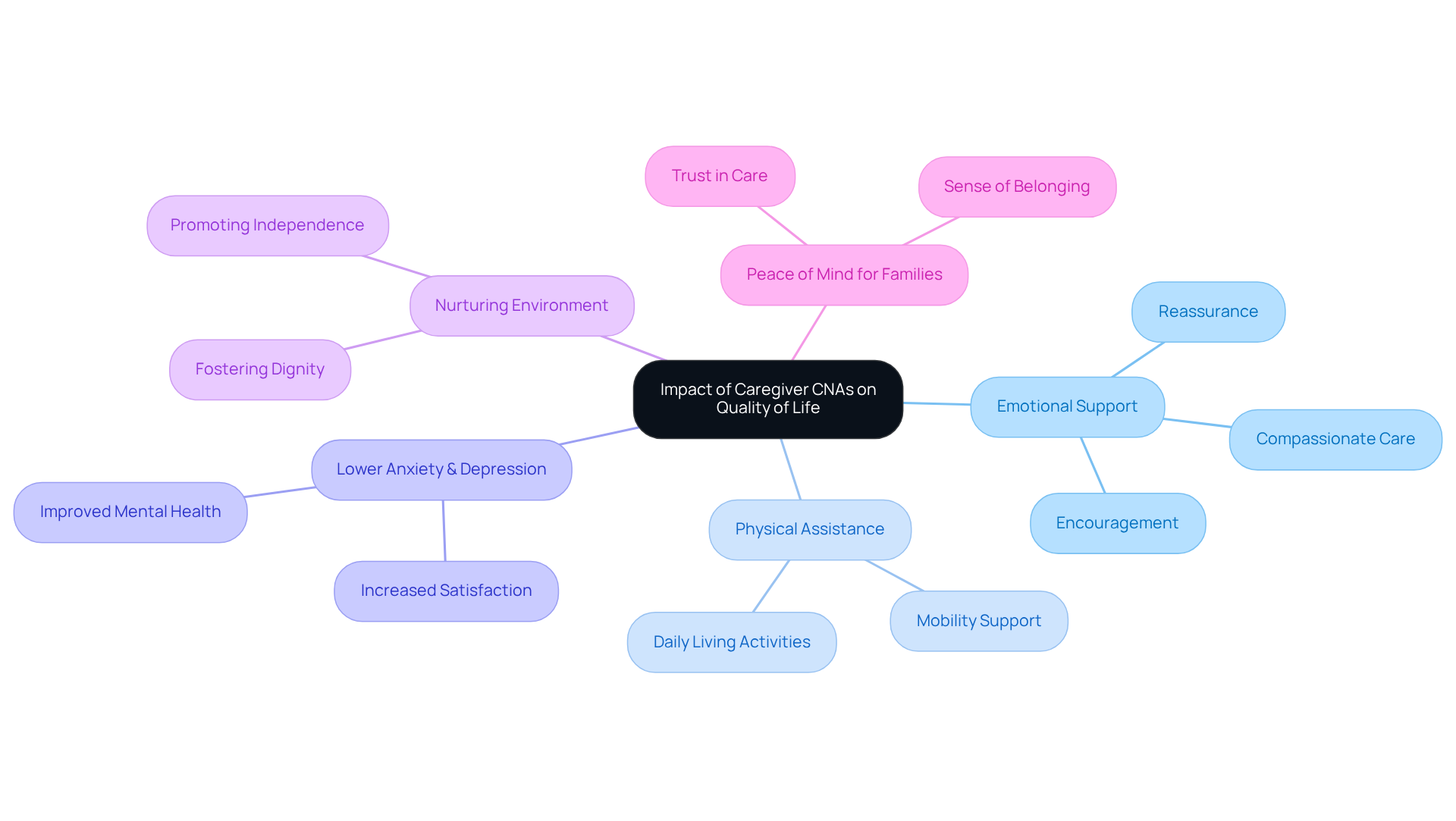
Personal support workers play a crucial role in enhancing the quality of life for clients. They provide not just physical assistance but also emotional support, which is so vital. Many families worry about their loved ones, and knowing they have compassionate caregivers can ease that burden.
Research shows that individuals who receive help from trained nursing assistants often experience lower anxiety and depression levels. They enjoy better physical health and greater satisfaction with their care. This is not just about assistance; it’s about fostering a nurturing environment that promotes independence and dignity.
Imagine the peace of mind families feel, knowing their loved ones are in capable hands. A caregiver CNA creates a sense of belonging that is invaluable in the caregiving journey. Their compassionate approach makes all the difference, allowing clients to thrive and feel valued.
In moments of stress and uncertainty, it’s comforting to know that support is available. The emotional and practical help offered by personal support workers can truly transform lives, providing reassurance and encouragement when it’s needed most.
Taking the Next Steps
The caregiver CNA role is truly vital in the healthcare landscape, acting as a compassionate bridge between patients and medical professionals. These dedicated individuals not only assist with daily living tasks but also offer essential emotional support, significantly enhancing the quality of life for those they serve. Their unique blend of practical assistance and heartfelt care highlights the profound impact they have on the well-being of clients and their families.
As we reflect on the multifaceted responsibilities of caregiver CNAs, we see the following come to the forefront:
- Personal care
- Mobility assistance
- Health monitoring
The journey of this role, evolving from informal caregiving to a recognized profession, underscores the growing demand for skilled nursing assistants. With specialized training and a focus on patient-centered care, caregiver CNAs are well-equipped to meet the complex needs of an aging population, ensuring that individuals receive the compassionate care they truly deserve.
As the demand for caregiver CNAs continues to rise, it’s essential to recognize their invaluable contributions to the healthcare system. Investing in their training and support not only benefits the caregivers themselves but also enriches the experiences of the clients they serve. By emphasizing the importance of compassion and connection in caregiving, we foster an environment where everyone feels valued and cared for. This, in turn, promotes a healthier, more supportive society for all.
https://iframe.tely.ai/cta/eyJhcnRpY2xlX2lkIjogIjY5MDY5ZmM2YjQyNTA0OTVmMzA4ZGE1YyIsICJjb21wYW55X2lkIjogIjY4ZWU1ZGNhNzMxNzYyNTU3ZjNjOTVjMSIsICJpbmRleCI6IG51bGwsICJ0eXBlIjogImFydGljbGUifQ==Frequently Asked Questions
What is the role of a caregiver CNA?
A caregiver CNA (Certified Nursing Assistant) is a compassionate professional who supports individuals with daily living activities, providing essential personal care such as bathing, dressing, grooming, and mobility assistance.
What types of personal care do caregiver CNAs provide?
Caregiver CNAs provide personal care that includes bathing, dressing, grooming, and assisting clients with mobility to ensure they feel comfortable and dignified.
How do caregiver CNAs contribute to the health and well-being of their clients?
Caregiver CNAs monitor basic health indicators, such as checking vital signs, which is vital for maintaining overall well-being. They also offer emotional support and companionship, addressing both the physical and emotional needs of their clients.
In what settings do caregiver CNAs typically work?
Caregiver CNAs typically work in home health settings, assisted living facilities, and nursing homes, serving as frontline caregivers and the first point of contact for clients and their families.
Why are caregiver CNAs essential in today's society?
With an aging population and increasing demand for in-home assistance, caregiver CNAs are essential as they bridge the gap between medical professionals and patients, providing consistent and compassionate care tailored to individual needs.
How do caregiver CNAs support family caregivers?
Caregiver CNAs help lighten the burden on family caregivers by ensuring that clients receive the attention and empathy they deserve, allowing families to focus on spending quality time together.
What emotional support do caregiver CNAs provide?
Caregiver CNAs provide emotional support to clients, helping to ease the stress and burnout often experienced by caregivers, and fostering a nurturing environment where everyone feels valued and cared for.