

For families in our service areas
For families in our service areas, this guide explains home care and how non-medical in-home caregiving can support care planning in East Idaho, Treasure Valley & Magic Valley, Northern Wasatch, North Central West Virginia, and Northeast Ohio.
What to Expect
The role of a Certified Nursing Assistant (CNA) in home care is truly vital. These compassionate individuals provide personalized support to those in need, assisting with daily activities, monitoring health conditions, and offering emotional companionship.
Imagine the relief a family feels knowing that their loved one is in caring hands. CNAs not only enhance the quality of care through their diverse responsibilities but also create a nurturing environment. This significantly improves the overall well-being of clients and eases the burden on family caregivers.
It's important to recognize the emotional challenges caregivers face. The stress and burnout can be overwhelming, but with the support of a CNA, families can find comfort and reassurance. These dedicated professionals bring not just skills, but also a heartfelt connection that fosters trust and security.
In the words of one caregiver, "Having a CNA means I can finally take a breath, knowing my loved one is cared for with kindness and respect." This sentiment echoes the experiences of many families who have found peace of mind through the compassionate care provided by CNAs.
Ultimately, the presence of a CNA in home care is more than just assistance; it’s a lifeline that nurtures both clients and their families, allowing everyone to thrive.
What You Need to Know About The Role of a CNA at Home Care for
Certified Nursing Assistants (CNAs) often go unnoticed, yet they play a crucial role in home healthcare. They provide essential support that helps individuals maintain their dignity and independence in the comfort of their own homes. As the need for personalized care grows, it’s vital for families to understand the multifaceted role of CNAs.
However, the journey isn’t without its challenges. Low wages and high turnover rates can create stress for both CNAs and the families they serve. This raises important questions about the sustainability and quality of care. What truly defines the impact of a CNA in home care? How can families effectively navigate this vital resource to enhance their loved ones' well-being?
By recognizing the emotional and practical support that CNAs offer, families can find reassurance in knowing they are not alone in this journey. The compassionate care provided by CNAs can significantly improve the quality of life for those they assist, fostering a sense of connection and comfort.
As you explore the world of home healthcare, remember that understanding the role of CNAs is the first step toward ensuring your loved ones receive the care they deserve.
Define the Role of a Certified Nursing Assistant in Home Care
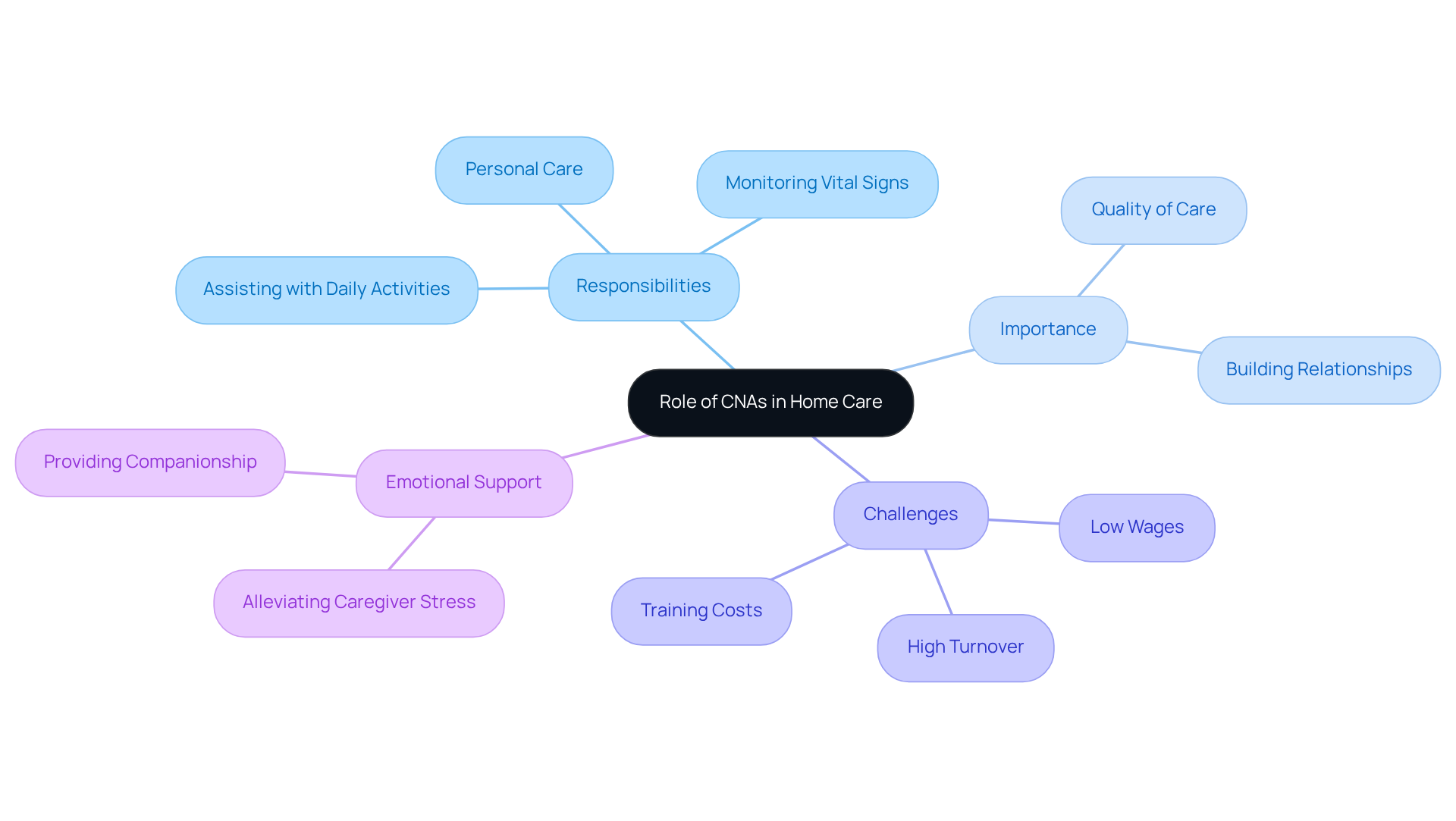
Certified Nursing Assistants (CNAs) play a crucial role in cna at home care, offering essential support to individuals who need help with daily activities. These dedicated professionals work closely with registered nurses (RNs), offering both personal care and basic medical aid. Their responsibilities encompass a wide range of tasks, from assisting with bathing, dressing, and grooming to helping with mobility. They also monitor vital signs and promptly inform the supervising nurse of any changes in a person's condition.
In residential support settings, nursing assistants are especially important. They help maintain the dignity and independence of individuals while ensuring their safety and well-being. With the growing demand for residential healthcare due to an aging population, the importance of certified nursing assistants is underscored by the projected 174,000 job openings annually for this profession until 2029. Their presence not only enhances the quality of care but also fosters a nurturing environment where individuals can thrive in the comfort of their own homes.
Experts often highlight that CNAs at home care are the backbone of home healthcare. They provide personalized attention that is vital for the health and happiness of clients. The ability of CNAs to build trusting relationships with patients significantly impacts the overall experience, making them indispensable members of the healthcare team. However, it’s important to recognize the challenges nursing assistants face, such as low wages and high turnover rates, which can affect the quality of care provided. Additionally, the costs associated with training programs can be a barrier for families exploring in-home support options.
Ultimately, the compassionate care provided by CNA at home care not only addresses the practical needs of individuals but also offers emotional support that can alleviate the stress and burnout often experienced by caregivers. Their dedication and empathy create a comforting presence that reassures families, making a profound difference in the lives of those they serve.
Outline the Key Duties and Responsibilities of CNAs
The key duties and responsibilities of a CNA at home care encompass a range of essential tasks that ensure clients receive the support they need to maintain their independence and well-being.
-
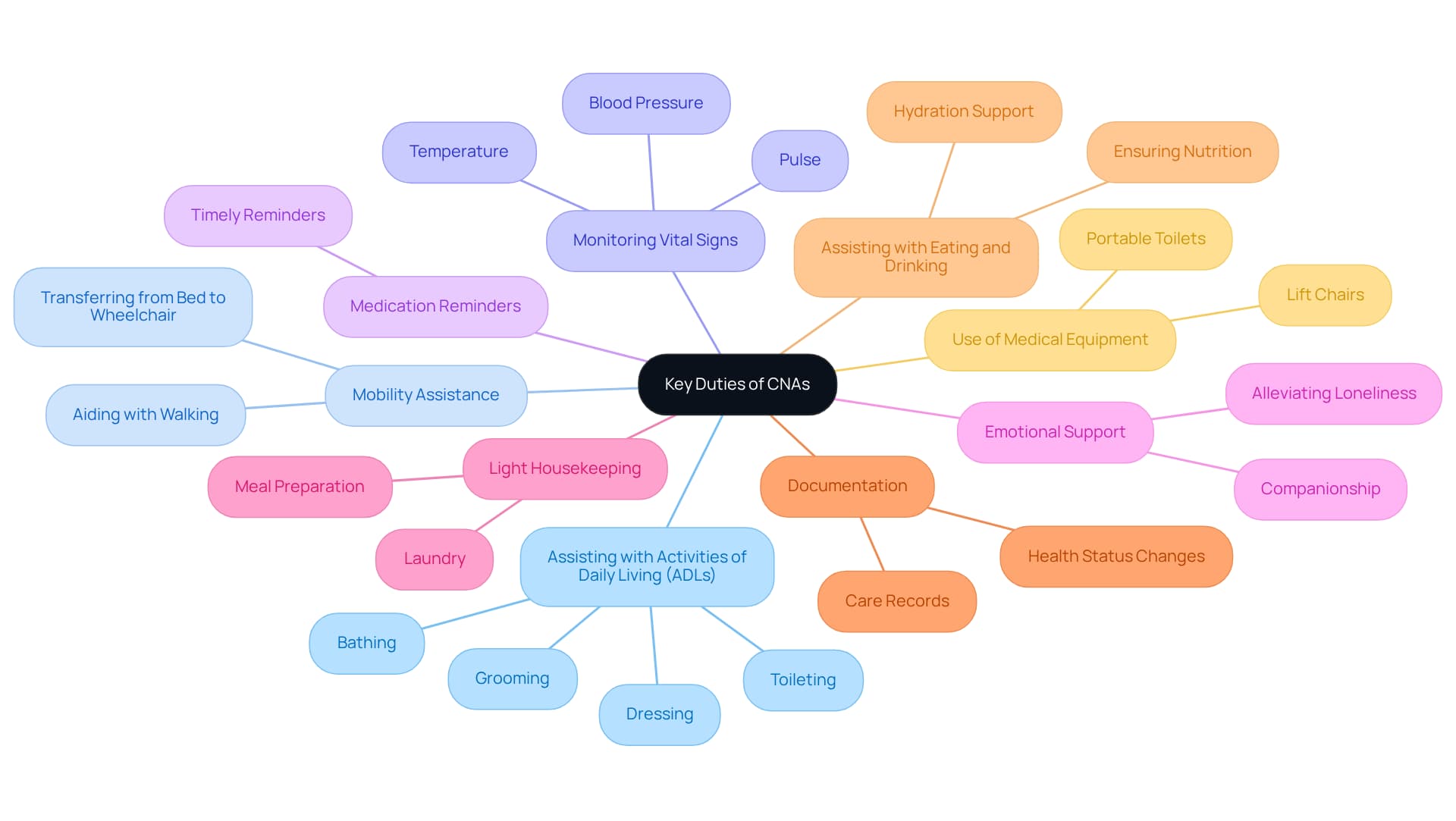
Assisting with Activities of Daily Living (ADLs): CNAs play a vital role in helping clients with fundamental tasks such as bathing, dressing, grooming, and toileting. These activities are crucial for personal hygiene and dignity, allowing individuals to feel their best.
-
Mobility Assistance: They offer essential support for individuals to move around their homes safely. Whether it’s transferring from bed to wheelchair or aiding with walking, CNAs help minimize the risk of falls, ensuring safety and comfort.
-
Monitoring Vital Signs: Regularly checking and recording vital signs—like blood pressure, pulse, and temperature—enables nursing assistants to identify any changes in a person's health status. This proactive approach allows them to communicate effectively with the healthcare team for timely intervention.
-
Medication Reminders: While nursing assistants aren’t authorized to administer medications, they play a crucial role in ensuring individuals follow their medication schedules by providing timely reminders. This support is essential for managing chronic conditions and maintaining health.
-
Emotional Support: Providing companionship and emotional assistance is a key aspect of a CNA's role. They help alleviate feelings of loneliness and isolation that many individuals experience, fostering a sense of connection and care.
-
Light Housekeeping: Caregivers may assist with light housekeeping duties, such as laundry and meal preparation. This helps ensure a clean and safe living space, contributing to the overall well-being of those they support.
-
Documentation: Maintaining precise records of the care given and any changes in the individual's condition is essential for continuous care management. This ensures that all team members are informed and can deliver coordinated care.
-
Assisting with Eating and Drinking: Nursing assistants also support individuals with eating and drinking, ensuring they obtain adequate nutrition and hydration, which is vital for their well-being.
-
Use of Medical Equipment: They assist clients with the use of medical equipment, such as lift chairs and portable toilets, which is an important part of their responsibilities.
As we look ahead to 2025, the duties of CNA at home care continue to evolve. This change reflects the increasing demand for personalized care solutions, particularly CNA at home care, due to an aging population. Families often express gratitude for the compassionate assistance offered by certified nursing assistants. Their role in enhancing the quality of life for loved ones cannot be overstated. Testimonials frequently highlight how CNAs not only aid with daily living activities but also nurture meaningful relationships that enhance the emotional well-being of clients.
Additionally, the average yearly base salary for certified nursing assistants is approximately $45,819, varying by state. This highlights the economic aspects of this vital profession, underscoring the importance of their work in our communities.
Identify Essential Skills and Qualities for Effective CNA Care
Effective Certified Nursing Assistants embody a blend of technical skills and personal attributes that significantly enhance their caregiving abilities. They face emotional challenges daily, and it’s essential to recognize the qualities that help them provide compassionate care.
-
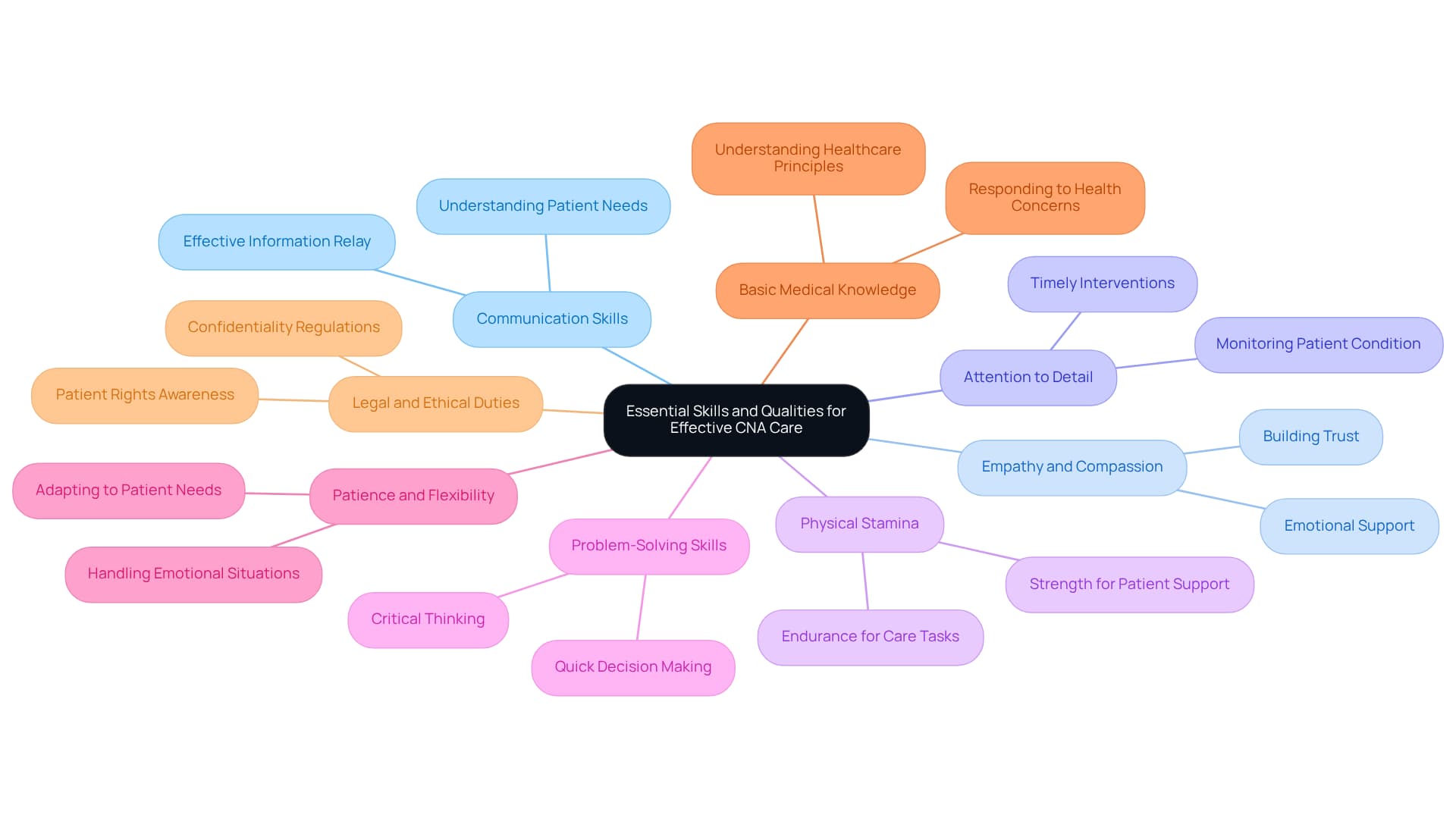
Communication Skills: Proficient communication is vital for CNAs to interact effectively with clients, families, and healthcare professionals. This ensures that care is well-coordinated and understood. As Nereida Henderson states, "Certified Nursing Assistants are responsible for relaying information effectively between patients, families, and other healthcare professionals, so communicating effectively is an especially important skill."
-
Empathy and Compassion: A genuine caring attitude fosters trust and rapport, making individuals feel valued and understood. This is essential for their emotional well-being. Demonstrating empathy is crucial for recognizing patients' emotional and psychological needs, especially when they experience fear, anxiety, or loneliness.
-
Attention to Detail: Being observant and detail-oriented allows nursing assistants to detect changes in a patient's condition promptly. This enables timely interventions, ensuring that patient care is effectively monitored and adjusted.
-
Physical Stamina: The role requires physical strength and endurance, as nursing assistants frequently support individuals with mobility and carry out various caregiving tasks during their shifts.
-
Problem-Solving Skills: Critical thinking and the ability to make quick decisions are crucial for caregiving professionals, especially in dynamic situations or emergencies. This skill set allows them to respond appropriately to health-related issues.
-
Patience and Flexibility: Collaborating with clients who have varying needs and emotions necessitates a patient and adaptable approach. This ensures that support is customized to individual situations.
-
Basic Medical Knowledge: A fundamental grasp of healthcare principles and procedures is crucial for delivering safe and effective assistance. This knowledge enables nursing assistants to respond suitably to health-related concerns.
-
Legal and Ethical Duties: Certified Nursing Assistants must comprehend their legal and ethical duties, including patient rights and confidentiality regulations such as HIPAA. This understanding upholds professionalism and guarantees quality service.
Integrating these skills and qualities not only improves the effectiveness of a CNA at home care but also fosters a supportive and compassionate caregiving environment. Remember, the heart of caregiving lies in the connection and understanding shared between caregivers and those they serve.
Explore the Benefits of CNA Support in Home Care Settings
The support of a CNA at home care settings brings a wealth of benefits that truly enhance the quality of life for seniors and individuals with special needs.
-
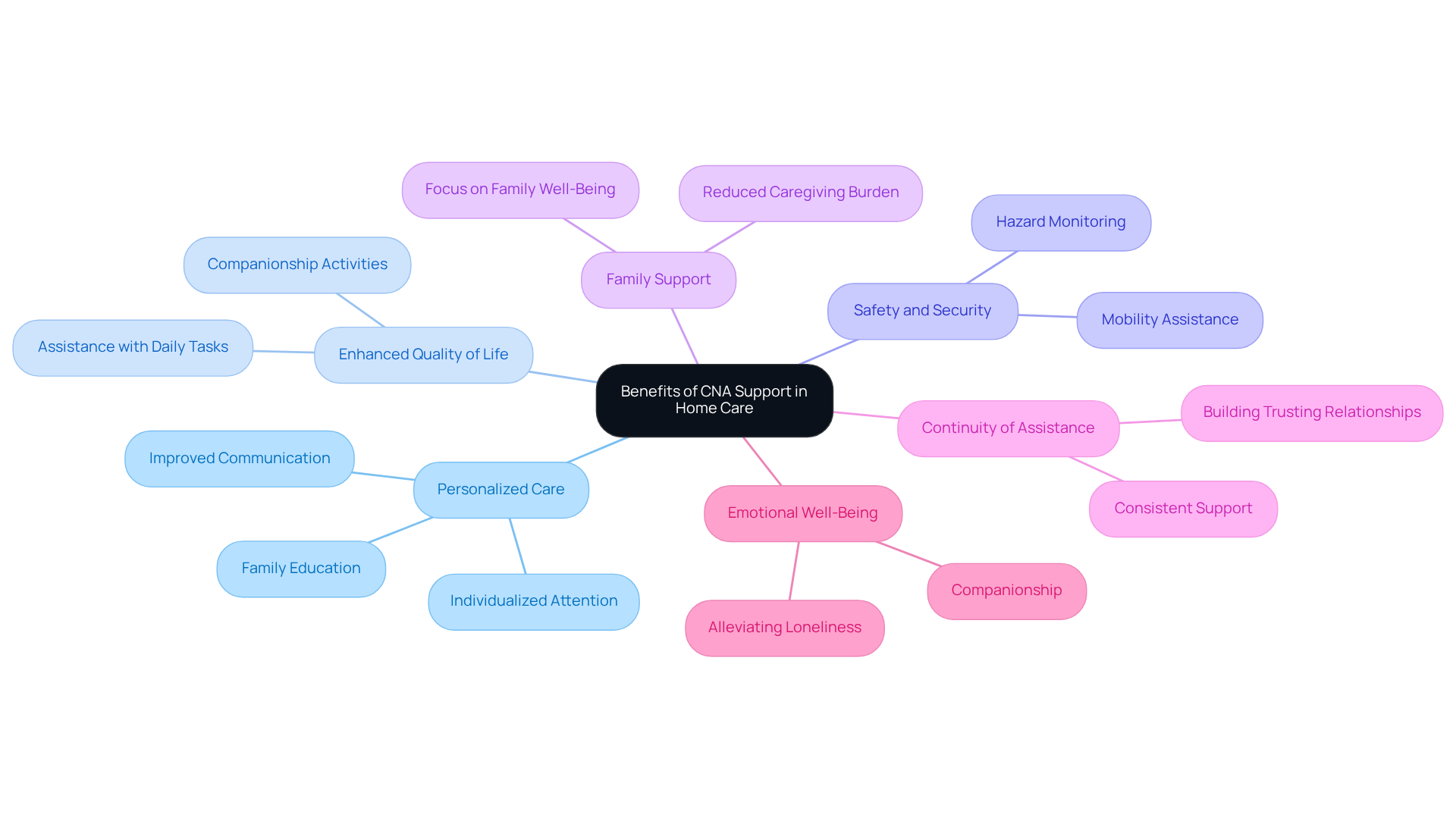
Personalized Care: CNAs provide individualized attention, tailored to the unique needs and preferences of each client. This fosters a sense of comfort and security in their familiar surroundings. It also improves communication with the care team and helps educate family members about medical care needs.
-
Enhanced Quality of Life: By assisting with daily tasks and offering companionship through enjoyable activities like games and informal chats, certified nursing assistants help individuals maintain their autonomy, which is vital for their overall health.
-
Safety and Security: CNAs play a crucial role in ensuring safety at home. They assist with mobility and keep an eye out for potential hazards or health issues, preventing accidents and promoting a secure environment.
-
Family Support: Having a CNA reduces the caregiving burden on family members. This allows them to focus on their own well-being, knowing their loved one is receiving competent assistance.
-
Continuity of Assistance: Nursing aides often build strong, trusting relationships with those they serve. This consistent support enhances familiarity and comfort, which is essential for effective caregiving.
-
Emotional Well-Being: The companionship and emotional support provided by certified nursing assistants can significantly alleviate feelings of loneliness and depression among clients, contributing to improved mental health and overall happiness.
In-home support services, particularly those provided by CNA at home care, are increasingly recognized for their ability to deliver personalized assistance that meets the unique needs of each individual. This ultimately leads to higher satisfaction and better health outcomes. With the national median cost of in-home care being around $30 per hour, it stands out as a cost-effective alternative to other senior care options. This is especially relevant as the demand for home-based care continues to grow due to our aging population.
Moving Forward with The Role of a CNA at Home Care for
Certified Nursing Assistants (CNAs) play a crucial role in home care, offering essential support that truly enhances the quality of life for those needing help with daily activities. Their responsibilities go beyond just personal care; they are compassionate caregivers who build emotional connections, ensuring clients feel valued and understood in the comfort of their own homes.
Throughout this article, we’ve explored the diverse responsibilities of CNAs. They assist with daily living activities, monitor vital signs, and provide emotional support. The importance of their skills—effective communication, empathy, and attention to detail—cannot be overstated. These qualities are vital for delivering high-quality care. However, we must also acknowledge the challenges CNAs face, such as low wages and high turnover rates, which can affect the overall quality of care.
The significance of CNAs in home healthcare is immense. Their dedication to personalized care not only meets the physical needs of clients but also nurtures their emotional well-being, creating an environment that fosters independence and security. As the demand for home care continues to grow, it’s essential to recognize the invaluable contributions of CNAs. Families are encouraged to reflect on the profound impact these dedicated professionals can have on their loved ones’ lives, ensuring a supportive and compassionate caregiving experience that enhances overall health and happiness.
In the words of one caregiver, "Every day, I strive to make a difference in my clients' lives, not just by helping them with tasks, but by being there for them emotionally." This sentiment captures the heart of what CNAs do. They are not just caregivers; they are companions who bring comfort and joy to those they serve. Let’s celebrate their commitment and the vital role they play in our communities.
https://iframe.tely.ai/cta/eyJhcnRpY2xlX2lkIjogIjY5MDQwNjM3MzE5NzFjNmY3NzBhNDk0OSIsICJjb21wYW55X2lkIjogIjY4ZWU1ZGNhNzMxNzYyNTU3ZjNjOTVjMSIsICJpbmRleCI6IG51bGwsICJ0eXBlIjogImFydGljbGUifQ==Frequently Asked Questions
What is the role of a Certified Nursing Assistant (CNA) in home care?
Certified Nursing Assistants (CNAs) provide essential support to individuals needing help with daily activities, working closely with registered nurses to offer personal care and basic medical aid.
What tasks do CNAs perform in home care settings?
CNAs assist with bathing, dressing, grooming, mobility, monitor vital signs, and inform the supervising nurse of any changes in a person's condition.
Why are CNAs important in residential support settings?
CNAs help maintain the dignity and independence of individuals while ensuring their safety and well-being, which is especially crucial in residential healthcare.
What is the projected job outlook for CNAs until 2029?
There are projected to be 174,000 job openings annually for CNAs until 2029, highlighting the growing demand for this profession.
How do CNAs contribute to the quality of care in home healthcare?
CNAs provide personalized attention and build trusting relationships with patients, significantly impacting the overall care experience and fostering a nurturing environment.
What challenges do CNAs face in their profession?
CNAs often face challenges such as low wages, high turnover rates, and the costs associated with training programs, which can affect the quality of care provided.
How does the care provided by CNAs benefit families and caregivers?
The compassionate care offered by CNAs addresses practical needs and provides emotional support, alleviating stress and burnout often experienced by caregivers, thus making a profound difference in the lives of those they serve.