

For families in our service areas
For families in our service areas, this guide explains veteran home care and how non-medical in-home caregiving can support care planning in East Idaho, Treasure Valley & Magic Valley, Northern Wasatch, North Central West Virginia, and Northeast Ohio.
What You Need to Know About Unlock the Veterans Aid and Attendance
The veterans aid and attendance benefit is a vital financial resource for wartime veterans and their surviving spouses, offering essential support for daily living activities. However, a staggering 95% of eligible veterans are unaware of this opportunity. This lack of awareness raises a significant problem: how can families ensure their loved ones receive the benefits they deserve?
As care costs continue to rise, many families find themselves overwhelmed. This benefit can serve as a lifeline, significantly enhancing the quality of life for those who have served. Yet, without knowledge of this resource, veterans and their families may struggle to navigate the complexities of eligibility and application.
To address this issue, families must take proactive steps to educate themselves about the aid and attendance benefit. Understanding the eligibility criteria and application process is crucial for accessing this important support.
Explore the Veterans Aid and Attendance Benefit: Purpose and Importance
The veterans aid and attendance benefit serves as a significant financial lifeline for wartime veterans and their surviving spouses requiring assistance with daily living activities. Many families face the daunting challenge of high costs associated with in-home care, assisted living, or nursing home services. Understanding the veterans aid and attendance benefit is crucial, as it can alleviate financial pressures and enhance the quality of life for loved ones. As noted by Residence Senior Living, "An important benefit for those who served in the United States military and/or their surviving spouses can be used to support the monthly fees for assisted living or memory care."
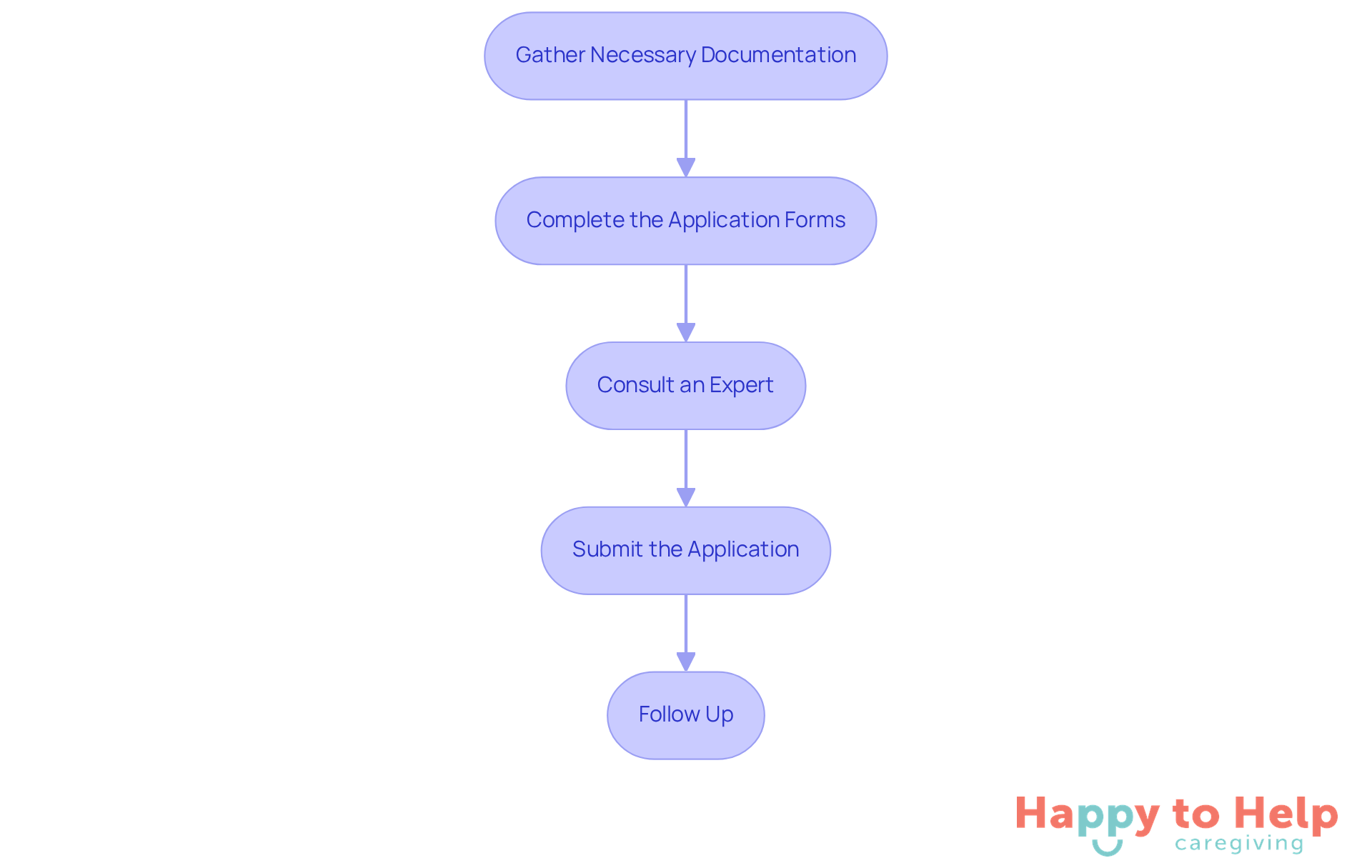
This benefit can cover various expenses, including:
- Personal care services
- Medical costs
- Compensation for family caregivers
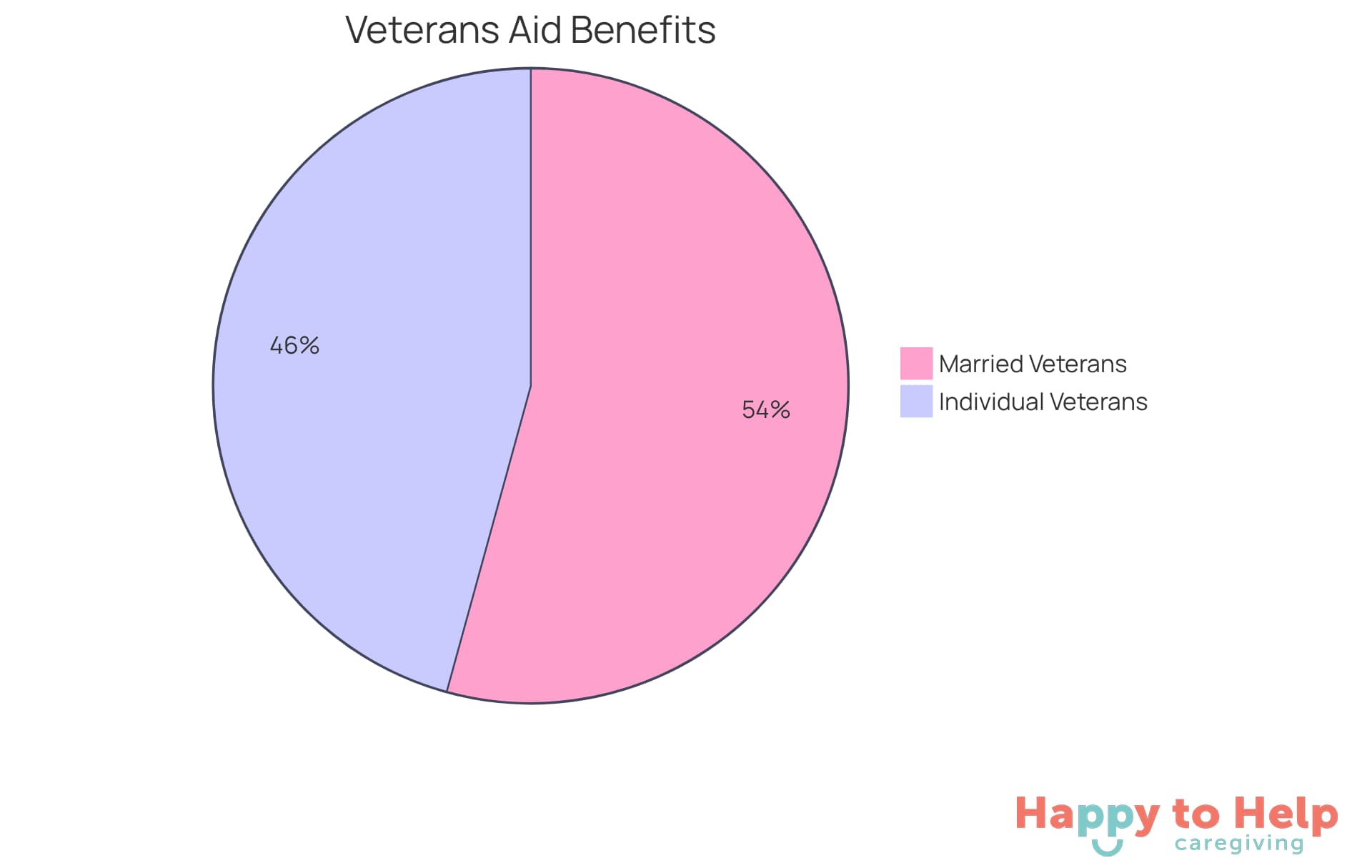
For instance, a veteran may receive up to $2,358 per month, while married service members can obtain up to $2,795 monthly. This financial support can significantly ease the burden of care costs.
Despite the availability of these benefits, only about 5% of eligible veterans take advantage of them. This statistic highlights a critical problem: many families are unaware of the veterans aid and attendance benefit and its potential to offset the average monthly expense of assisted living, which reached $5,900 in 2024. As emphasized, "The VA covers certain aspects of assisted living, which can help former service members extend their financial resources."
By leveraging the veterans aid and attendance benefit, families can ensure their loved ones receive the necessary assistance while maintaining dignity and independence at home. Increased awareness and outreach are essential to help more veterans and their families access this valuable resource.
Determine Eligibility: Who Qualifies for Aid and Attendance Benefits?
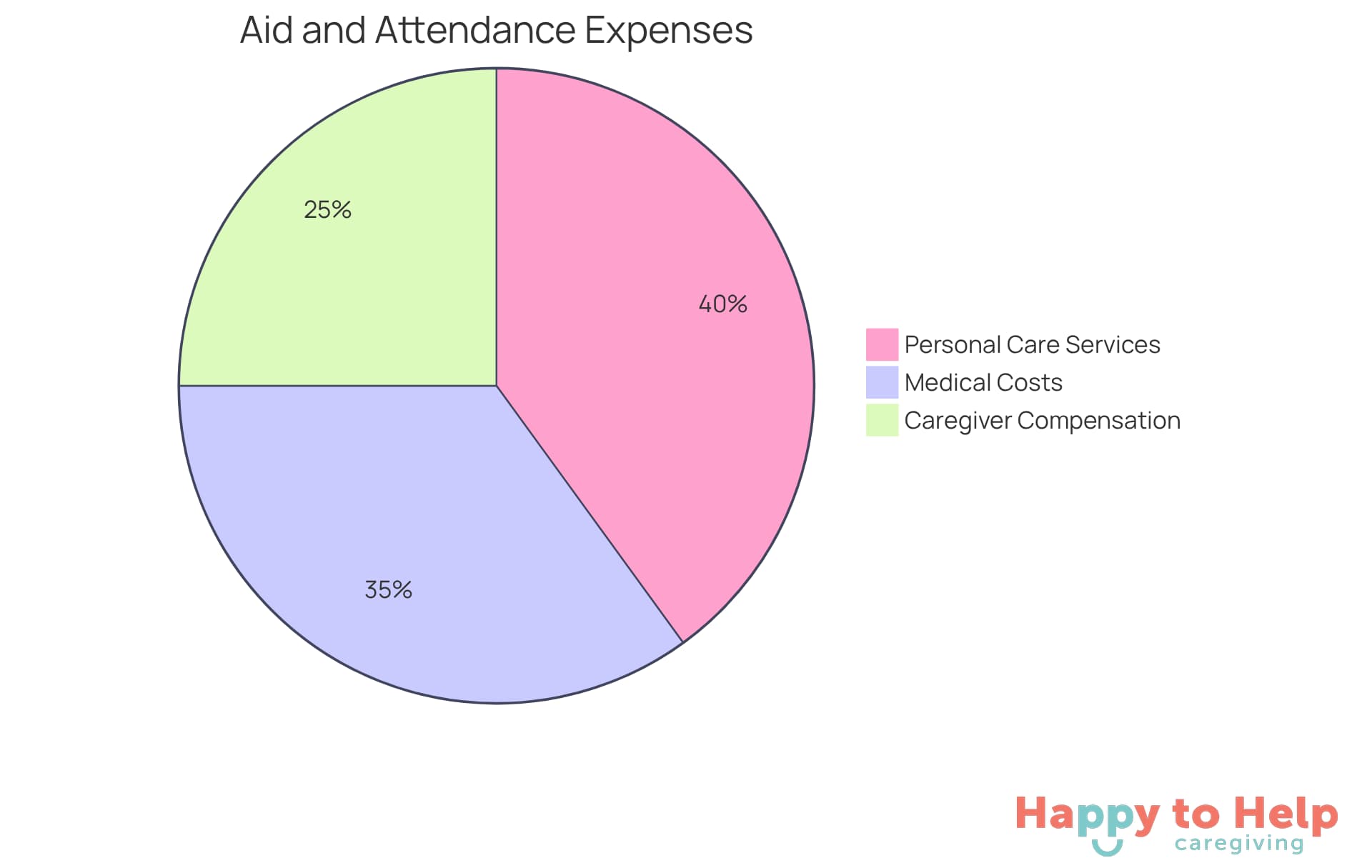
Applicants face specific challenges to qualify for the veterans aid and attendance benefit. Many veterans are unaware of the criteria they must meet, which can lead to missed opportunities for essential support. Veterans need to have served a minimum of 90 days of active duty, including at least one day during a wartime period. Additionally, they must demonstrate a need for assistance with at least two activities of daily living, such as bathing, dressing, or managing medications.
Financial eligibility adds another layer of complexity, as it is determined by income and net worth limits that are updated annually. For 2025, the net worth limit is set at $155,356. The veterans aid and attendance benefit is crucial, as it can significantly improve the quality of life for former service members who need extra assistance.
Despite the importance of this support, many veterans remain uninformed about their eligibility due to the challenges associated with the application process. Real-world examples show that former servicemembers, including those with service-related disabilities, can successfully navigate these requirements. Understanding and maneuvering through the eligibility criteria is essential for accessing the veterans aid and attendance benefit.
Navigate the Application Process: Steps to Apply for Aid and Attendance
Applying for the veterans aid and attendance benefit can be a daunting task that requires careful preparation and attention to detail. Many families face challenges in navigating this complex process, which can lead to delays and missed opportunities for essential support.
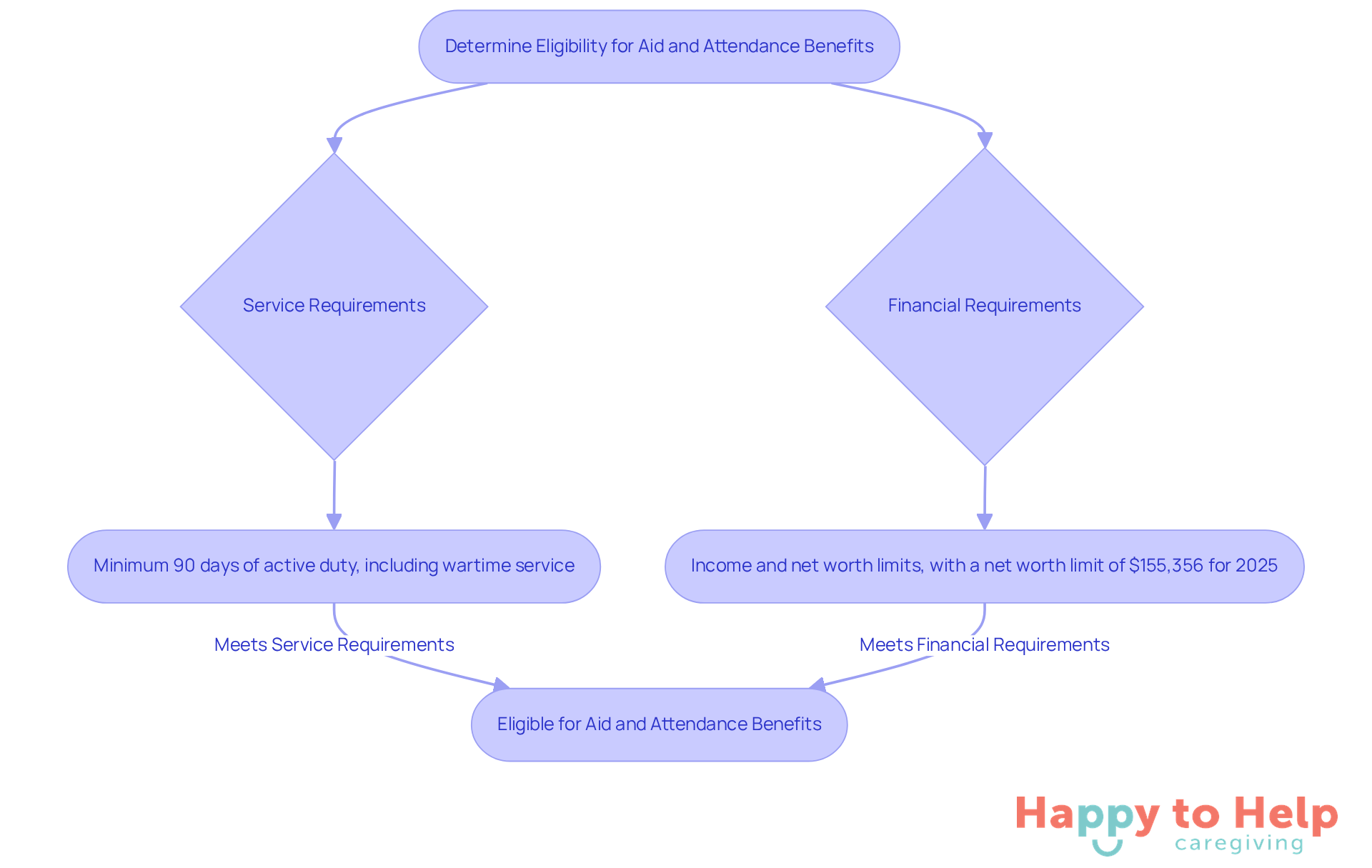
To tackle this issue, here are the essential steps to ensure a smooth application process:
-
Gather Necessary Documentation: Start by collecting all required documents, including military service records, medical reports, and financial statements. This foundational step is crucial for establishing eligibility. Notably, for 2025, a veteran's net worth must be under $123,600 to qualify for the veterans aid and attendance benefit.
-
Complete the Application Forms: The primary form for Aid and Support is VA Form 21-2680. Ensure that this form is filled out accurately, as any errors can lead to delays or complications in the application process.
-
Consult an Expert: It is highly recommended to seek assistance from a VA-accredited advisor. Expert guidance can help minimize mistakes and maximize potential benefits, making the application process smoother.
-
Submit the Application: Once the forms and supporting documents are complete, send them to the appropriate VA Pension Management Center. Double-check that all materials are included to avoid unnecessary delays.
-
Follow Up: After submission, it’s vital to follow up with the VA to check the status of the application. Be prepared to provide any additional information if requested, as this can expedite the review process. Keep in mind that the application process can take several months, so starting early is crucial.
By following these steps, families can greatly enhance their likelihood of a successful application for the veterans aid and attendance benefit. The veterans aid and attendance benefit serves as an essential financial resource for former service members who require help with daily living tasks. Real-life examples of families who successfully navigated this process can provide additional insights and encouragement.
Understand Financial Impact: Utilizing Aid and Attendance for Care Costs
The veterans aid and attendance benefit addresses a significant problem for former service members: the high costs associated with long-term care. Many veterans face financial strain when it comes to in-home care services, assisted living fees, and necessary home modifications for accessibility. This situation can be overwhelming, but there is hope.
Qualified former service members can receive the veterans aid and attendance benefit in the form of monthly payments that greatly alleviate these expenses. For example, an individual with military experience may qualify for up to $2,358 per month, while married veterans can receive as much as $2,795. The recent updates for 2025 include a 2.5% increase in Maximum Annual Pension Rates, which enhances the financial assistance available.
To effectively allocate these funds, families must ensure their loved ones receive the essential care they need without compromising financial stability. Tracking all medical expenses meticulously is advisable, as these can lower the net worth calculation, currently set at $155,356 for 2025, thereby improving eligibility for these vital benefits.
Moreover, former service members have the flexibility to employ relatives or friends as caregivers, enabling them to utilize their veterans aid and attendance benefit in a way that best suits their needs. Real-world examples illustrate how veterans have successfully utilized these payments to cover in-home care, helping them maintain independence and quality of life. As John Mastronardi, executive director of The Nathaniel Witherell, noted, if you qualify, a certain amount of long-term care will be covered by the Veterans Health Administration.
Making the Right Choice
The veterans aid and attendance benefit is a vital resource for wartime veterans and their surviving spouses, offering essential financial support for those who need assistance with daily living activities. However, many eligible veterans remain unaware of this benefit, leading to financial strain and a diminished quality of life for them and their families.
This lack of awareness is concerning. Only a small percentage of eligible veterans access these crucial resources, which can significantly enhance their dignity and independence. The implications are clear: without proper knowledge and preparation, many families struggle to navigate the complexities of the application process.
To address this issue, families are encouraged to take proactive steps:
- Understanding the eligibility requirements
- Gathering necessary documentation
- Following up with the VA to ensure that applications are processed smoothly
By preparing carefully, families can successfully navigate this complex process and secure the support they deserve.
Ultimately, raising awareness about the veterans aid and attendance benefit is essential. Exploring this valuable resource can ease the burden of care costs and improve the lives of those who have served. By taking these steps, veterans and their families can enhance their quality of life during their golden years.
https://iframe.tely.ai/cta/eyJhcnRpY2xlX2lkIjogIjY5NDBhMjMxMjI1ZjA3N2M1ZmMwYmY0OSIsICJjb21wYW55X2lkIjogIjY4ZWU1ZGNhNzMxNzYyNTU3ZjNjOTVjMSIsICJpbmRleCI6IG51bGwsICJ0eXBlIjogImFydGljbGUifQ==Frequently Asked Questions
What is the purpose of the Veterans Aid and Attendance Benefit?
The Veterans Aid and Attendance Benefit provides financial assistance to wartime veterans and their surviving spouses who require help with daily living activities, alleviating financial pressures associated with in-home care, assisted living, or nursing home services.
What types of expenses does the Veterans Aid and Attendance Benefit cover?
This benefit can cover personal care services, medical costs, and compensation for family caregivers.
How much financial support can veterans receive through this benefit?
A veteran may receive up to $2,358 per month, while married service members can obtain up to $2,795 monthly.
What percentage of eligible veterans currently utilize the Veterans Aid and Attendance Benefit?
Only about 5% of eligible veterans take advantage of the Veterans Aid and Attendance Benefit.
Why is there low utilization of the Veterans Aid and Attendance Benefit among eligible veterans?
Many families are unaware of the Veterans Aid and Attendance Benefit and its potential to help offset the average monthly expense of assisted living, which was $5,900 in 2024.
How can the Veterans Aid and Attendance Benefit impact the quality of life for veterans and their families?
By leveraging this benefit, families can ensure their loved ones receive necessary assistance while maintaining dignity and independence at home.
What is needed to improve access to the Veterans Aid and Attendance Benefit?
Increased awareness and outreach are essential to help more veterans and their families access this valuable resource.
List of Sources
- Explore the Veterans Aid and Attendance Benefit: Purpose and Importance
- Veterans Aid and Attendance Benefit 2025: How Can It Help Pay for Senior Living Costs. - Residences Senior Living (https://residencesseniorliving.com/blog/veterans-aid-and-attendance-benefit-2025-how-can-it-help-pay-for-senior-living-costs)
- New 2025 Updates to Veterans Benefits for Assisted Living (https://floridaseniorconsulting.com/updated-veterans-aid-and-attendance-benefits-for-assisted-living)
- Assisted Living Benefits for Veterans and Their Spouses (https://health.usnews.com/best-senior-living/assisted-living/articles/veteran-benefits-for-assisted-living)
- VA Aid & Attendance Pension: 2026 Benefits & Eligibility Criteria (https://medicaidplanningassistance.org/va-pension-aid-and-attendance)
- Determine Eligibility: Who Qualifies for Aid and Attendance Benefits?
- Veterans Aid & Attendance Benefit | Senior Living Residences (https://seniorlivingresidences.com/family-guide/financial-options/veterans-aid-and-attendance-benefit)
- VA Aid & Attendance Benefits [2025 Rates] | Mesothelioma Guide (https://mesotheliomaguide.com/veterans/va-benefits/va-aid-attendance-benefits)
- New 2025 Updates to Veterans Benefits for Assisted Living (https://floridaseniorconsulting.com/updated-veterans-aid-and-attendance-benefits-for-assisted-living)
- VA Aid & Attendance Pension: 2026 Benefits & Eligibility Criteria (https://medicaidplanningassistance.org/va-pension-aid-and-attendance)
- Navigate the Application Process: Steps to Apply for Aid and Attendance
- New 2025 Updates to Veterans Benefits for Assisted Living (https://floridaseniorconsulting.com/updated-veterans-aid-and-attendance-benefits-for-assisted-living)
- VA Aid & Attendance Pension: 2026 Benefits & Eligibility Criteria (https://medicaidplanningassistance.org/va-pension-aid-and-attendance)
- Navigating Veterans Benefits: Your Guide to Aid and Attendance Options (https://mortonelderlaw.com/top-veterans-benefits-aid-and-attendance-eligibility-and-details)
- Aid and Attendance and Housebound Benefits (https://military.com/benefits/veteran-benefits/aid-attendance-and-house-bound-benefits.html)
- What to Know About Applying for the VA Aid & Attendance Benefit | The Herrick House (https://theherrickhouse.org/news-stories/all-news-stories/stories/2025/01/apply-va-aid-attendance-benefit)
- Understand Financial Impact: Utilizing Aid and Attendance for Care Costs
- VA Long-Term Care Benefits: A Complete Guide (https://health.usnews.com/health-care/medicare/articles/using-va-benefits-long-term-care)
- New 2025 Updates to Veterans Benefits for Assisted Living (https://floridaseniorconsulting.com/updated-veterans-aid-and-attendance-benefits-for-assisted-living)
- VA Aid and Attendance benefits and Housebound allowance | Veterans Affairs (https://va.gov/pension/aid-attendance-housebound)