
10 Best Things for Stroke Recovery: Essential Caregiver Tips
For families in our service areas
For families in our service areas, this guide explains caregiver support and how non-medical in-home caregiving can support care planning in East Idaho, Treasure Valley & Magic Valley, Northern Wasatch, North Central West Virginia, and Northeast Ohio.
Understanding Things for Stroke Recovery: Essential
The journey of stroke recovery presents significant challenges, not just for survivors but also for their caregivers. As individuals move from hospital care to home, the absence of tailored support can hinder their independence and recovery outcomes. This situation underscores the need for effective strategies to assist caregivers in navigating these complexities.
To address these challenges, caregivers must recognize the importance of personalized care, emotional support, and effective communication. By implementing targeted strategies, they can enhance the recovery experience for stroke survivors. This article explores ten essential approaches that caregivers can adopt to ensure their loved ones receive the best possible care during this critical time.
Happy to Help Caregiving: Personalized Post-Hospital Recovery Assistance
Happy to Help Caregiving addresses a significant problem: the lack of tailored post-hospital recovery support that provides some of the best things for stroke recovery for individuals recovering from cerebrovascular accidents. Many face challenges as they transition from hospital to home, often struggling with daily activities, medication management, and rehabilitation exercises. This gap in support can hinder their independence and recovery outcomes.
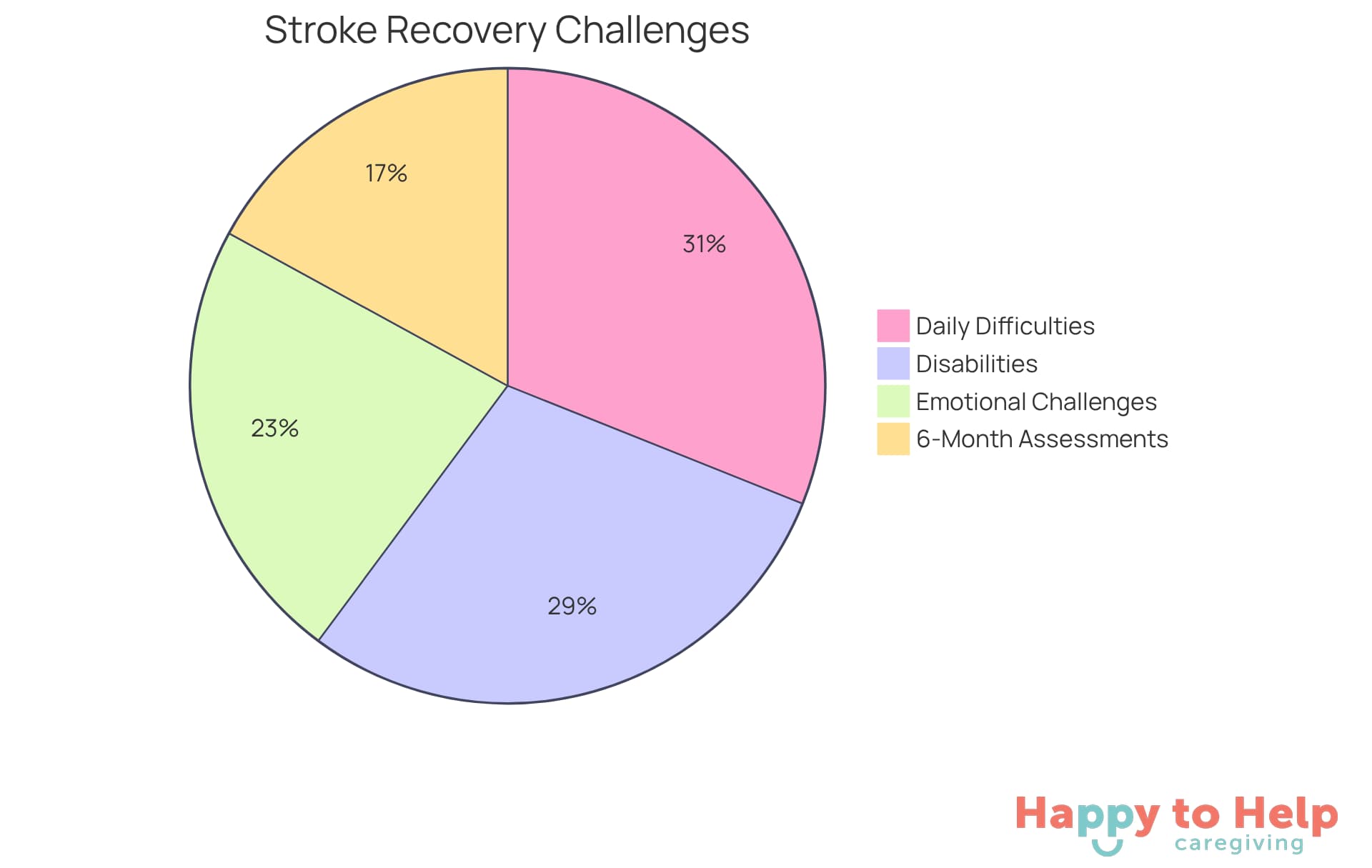
Statistics reveal the urgency of this issue. Recent studies indicate that only 35.1% of individuals who suffered a cerebrovascular accident received a six-month assessment, underscoring the need for more extensive follow-up support. Alarmingly, 64% of these individuals report ongoing difficulties with daily tasks, and 60% are left with a disability. Additionally, 47% experience anxiety or depression, highlighting the emotional aspects of recovery that require personalized assistance.
Happy to Help Caregiving offers a solution by providing customized support tailored to each client's unique recovery goals. Caregivers are trained to adapt their approach, fostering a comforting environment for both clients and their families. This personalized assistance is one of the best things for stroke recovery and also empowers families during this challenging time.
The effectiveness of customized support is further illustrated by case studies showing that targeted interventions can enhance participation rates in rehabilitation programs, especially among underserved populations. For instance, participation in outpatient rehabilitation for individuals recovering from brain injuries increased from 31.2% in 2013 to 35.5% in 2015, yet this remains inadequate. By focusing on individual needs and preferences, Happy to Help Caregiving ensures that clients receive the support they need to navigate their recovery journey.
Companionship Care: Alleviating Loneliness During Recovery
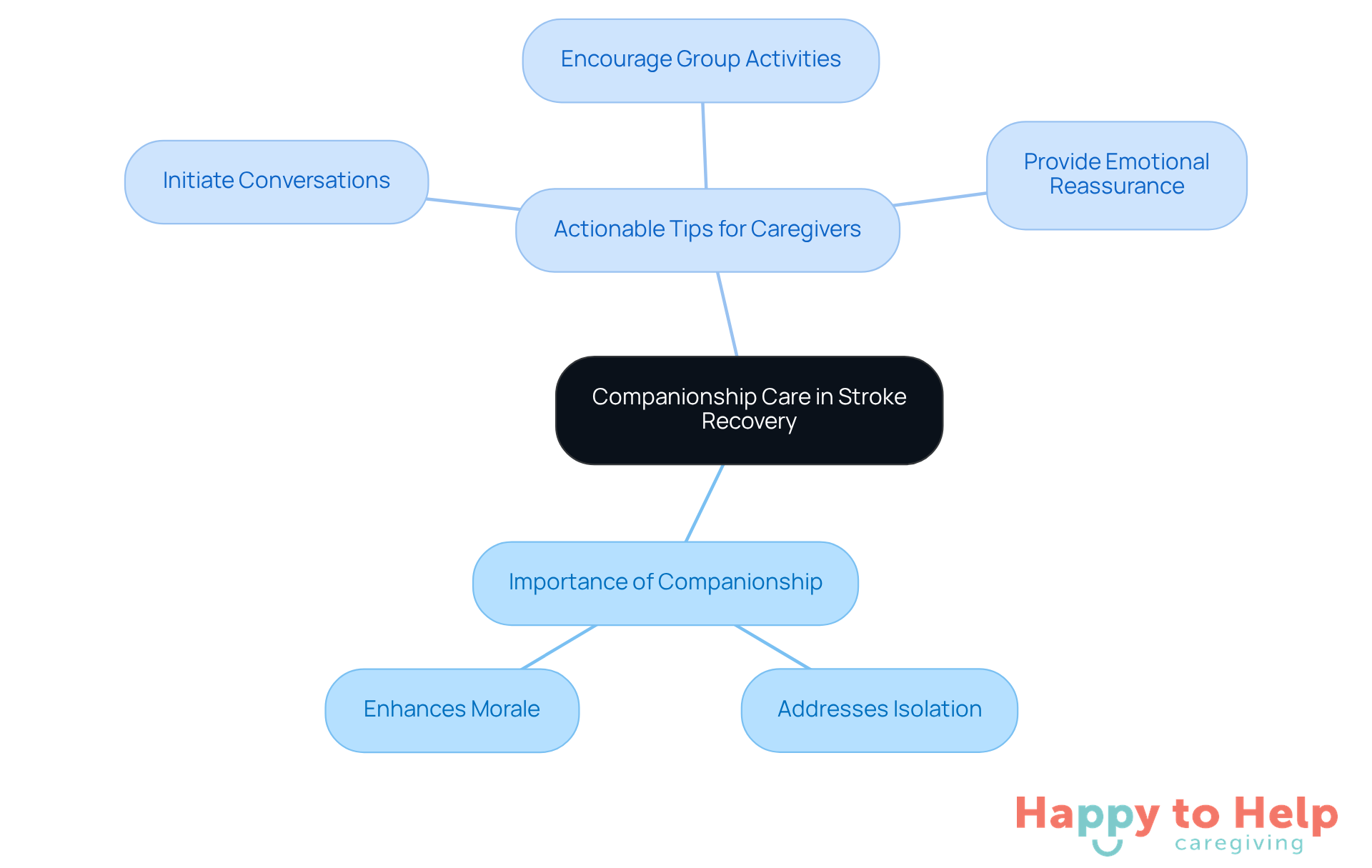
Companionship support is considered one of the best things for stroke recovery, as it addresses the problem of isolation that often arises during recovery from a cerebrovascular accident. This isolation can hinder the healing process, leaving individuals feeling disconnected and demoralized.
Caregivers play a vital role in mitigating these feelings by engaging clients in meaningful conversations and activities. By fostering a sense of connection and belonging, caregivers not only enhance morale but also motivate individuals recovering from a brain injury to actively engage in the best things for stroke recovery during their healing journey.
This emotional support can lead to improved outcomes, making companionship one of the best things for stroke recovery that caregivers should prioritize in their care strategies. Here are some actionable tips for caregivers:
- Initiate regular conversations to build rapport.
- Encourage participation in group activities to enhance social interaction.
- Provide emotional reassurance to help clients feel valued and understood.
Respite Care: Supporting Caregivers with Essential Breaks
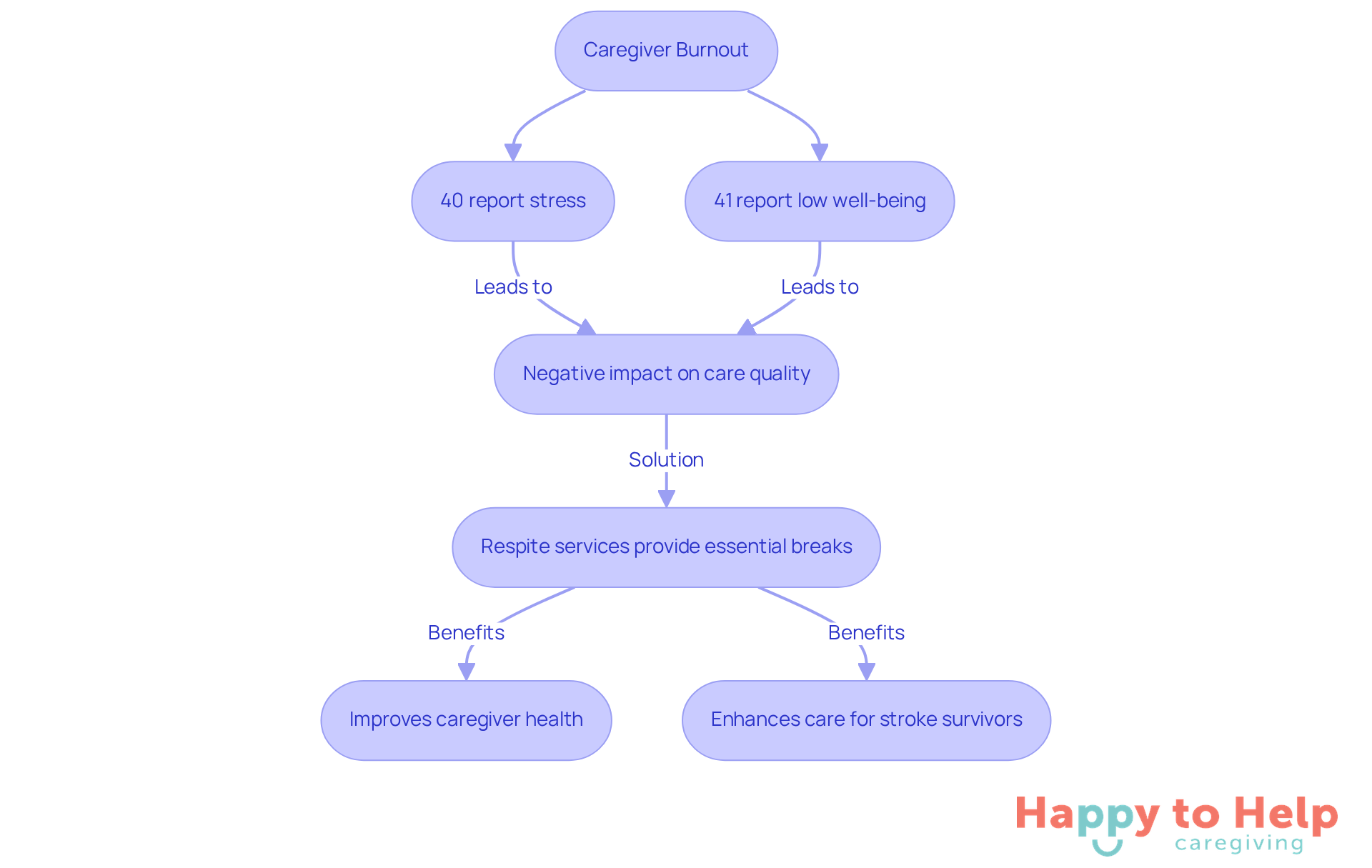
Problem: Caregiver burnout is a significant issue affecting family supporters of stroke survivors. Statistics reveal that 40% of caregivers report that their responsibilities negatively impact their stress levels, leading to decreased mental well-being. Additionally, 41% of caregivers experience low overall well-being, which is 32% higher than those who do not provide care.
Agitate: This burnout not only affects the caregivers themselves but also the quality of care they provide. When caregivers are overwhelmed, the support they offer to stroke survivors may suffer, hindering recovery and overall health outcomes.
Solution: Respite services offer essential breaks for family supporters, allowing them to rest and rejuvenate. By utilizing short-term assistance, families can ensure their loved ones receive consistent and compassionate support while caregivers prioritize their own health. Supporters often express that taking time for themselves revitalizes their energy and enhances their ability to provide effective assistance. As noted by Essential Services, "Respite support helps give them dignity and independence." This highlights the dual advantage of respite assistance in fostering a healthier caregiving environment, ultimately contributing to the best things for stroke recovery for individuals recovering from a cerebral vascular accident.
Palliative Support Care: Managing Pain and Comfort
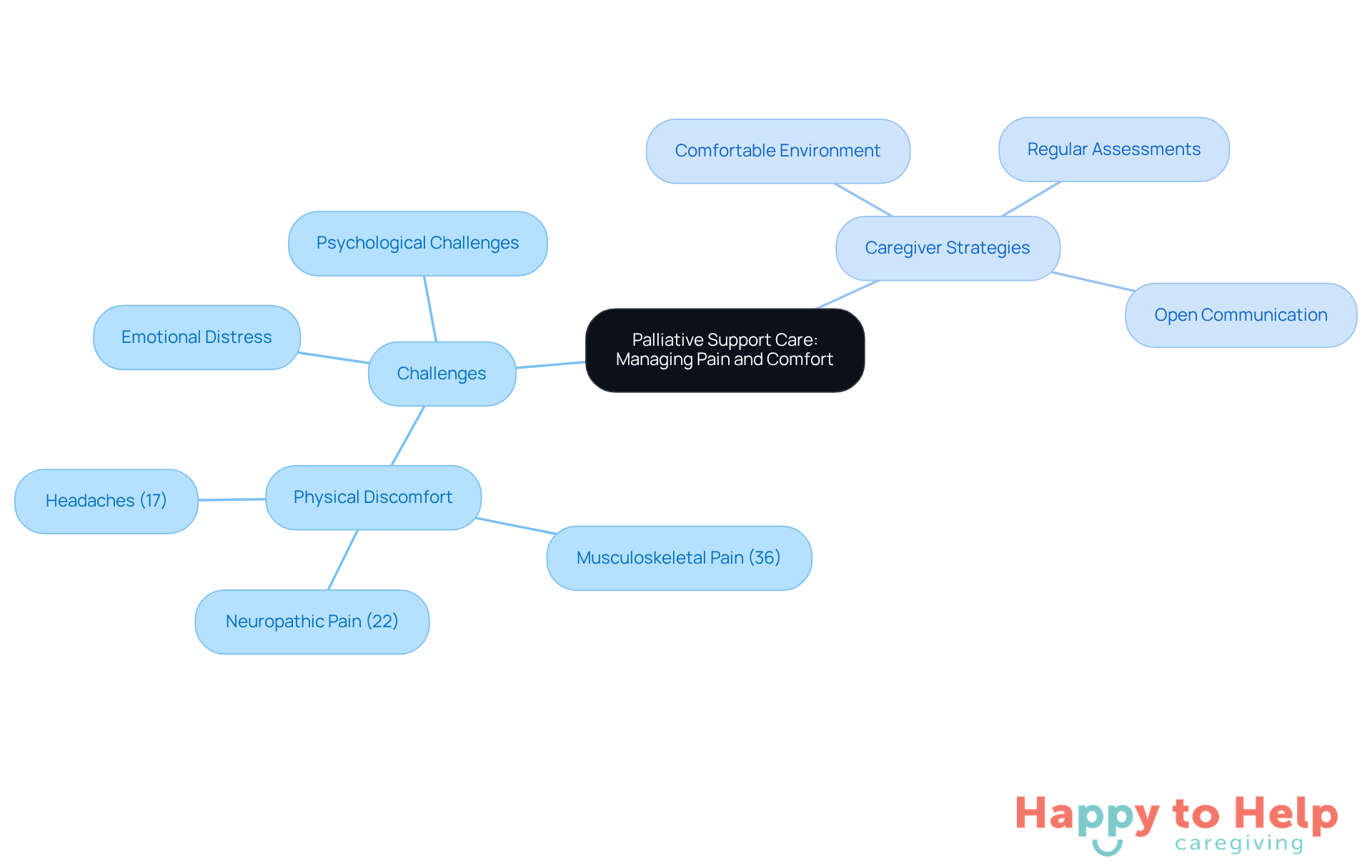
Palliative support addresses a significant problem: the pain and discomfort experienced by individuals recovering from a brain attack. This situation not only affects their physical well-being but also leads to emotional distress and psychological challenges for both the survivors and their caregivers.
To tackle these issues effectively, caregivers must assess and address the physical symptoms and emotional needs of stroke survivors, as these are among the best things for stroke recovery. By offering comprehensive support, they can significantly enhance the quality of life for these individuals. This means ensuring that stroke survivors feel backed and cared for throughout their recovery journey.
Here are some actionable tips for caregivers:
- Regularly assess the physical and emotional state of the survivor.
- Provide a comfortable environment that promotes relaxation.
- Encourage open communication to address any concerns or fears.
By implementing these strategies, caregivers can foster a sense of security and support for stroke survivors, which are among the best things for stroke recovery.
Virtual Technology: Enhancing Communication and Care Coordination
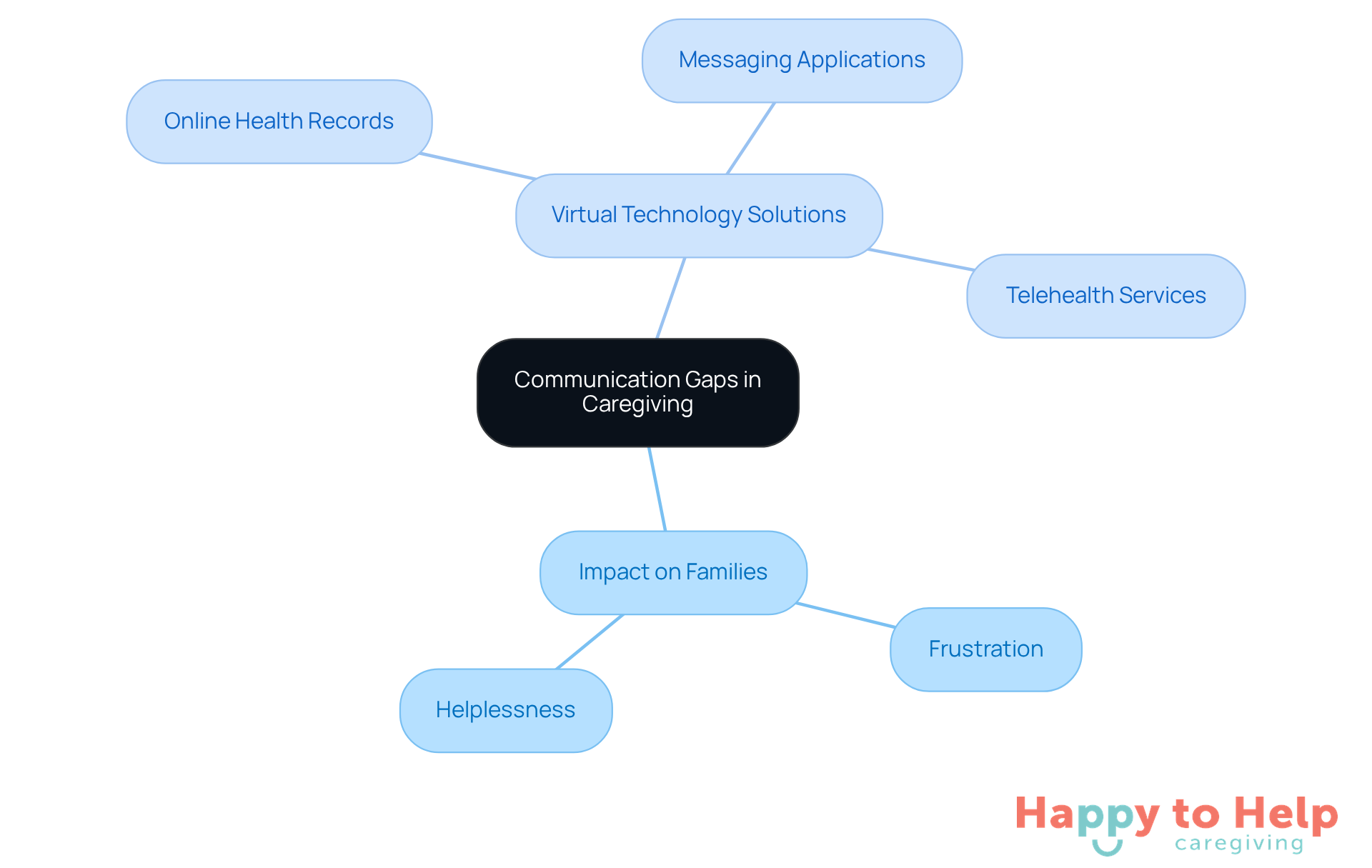
Communication gaps between caregivers and families can hinder effective support for loved ones. When families lack timely information about their loved one's progress and needs, it can lead to feelings of frustration and helplessness. This disconnect not only affects the emotional well-being of families but can also impact the recovery process itself.
To bridge this gap, virtual technology offers practical solutions. Resources such as:
- online health records
- messaging applications
- telehealth services
empower families to stay informed and engaged. By utilizing these tools, caregivers and families can foster a collaborative approach to recovery, ensuring that everyone involved is informed and actively participating in the support process.
Tailored Care Plans: Meeting Unique Recovery Needs
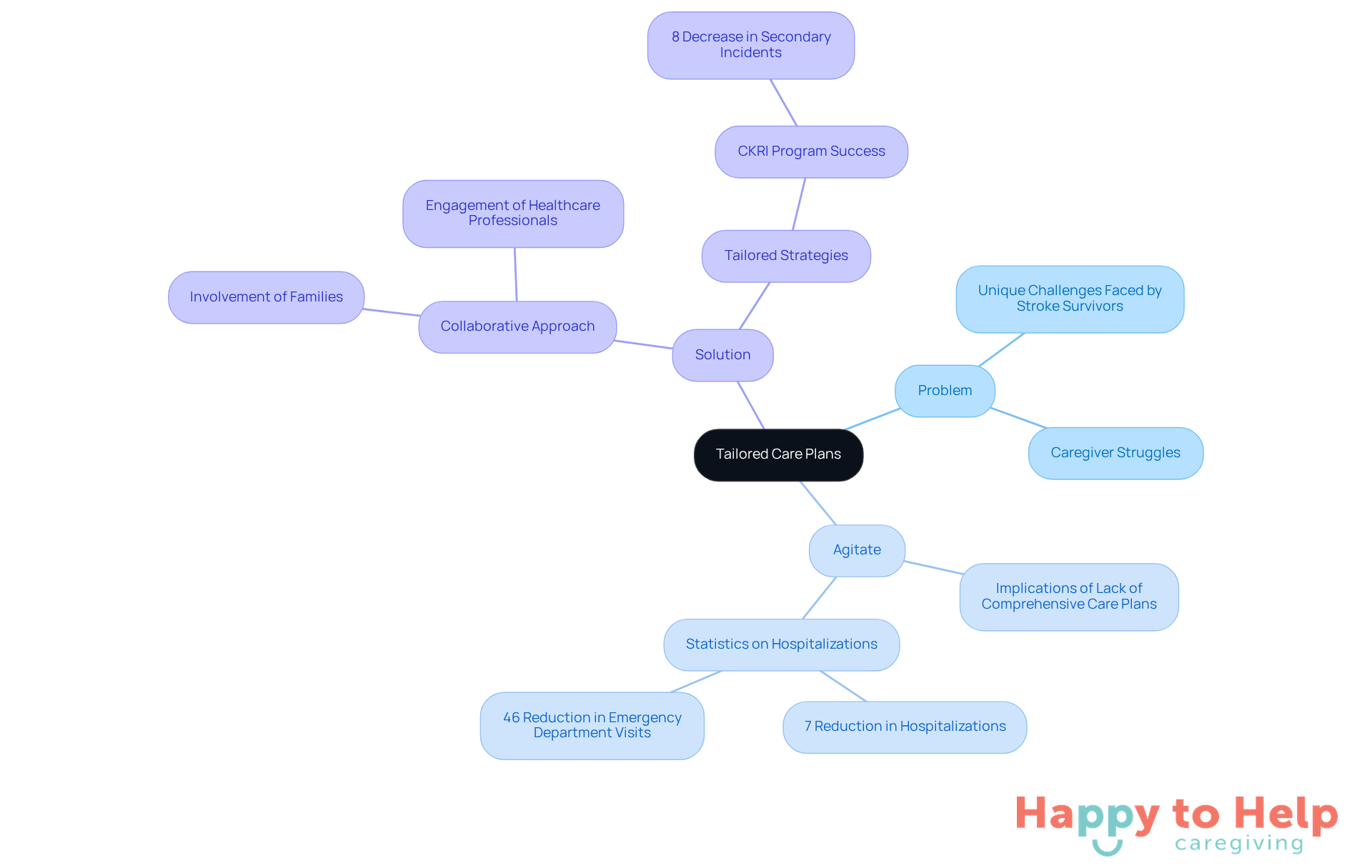
Problem: Individuals recovering from a stroke face unique challenges that require tailored care plans. Without these personalized approaches, caregivers may struggle to address specific recovery needs effectively.
Agitate: The implications of not having a comprehensive care plan can be significant. Caregivers often find it difficult to navigate the complexities of recovery, which can lead to frustration and suboptimal outcomes. Research shows that comprehensive management can reduce hospitalizations by 7% and emergency department visits by 46%, underscoring the need for coordinated strategies.
Solution: To tackle these challenges, it’s essential to develop care plans through collaboration among families, support providers, and healthcare professionals. This ensures that every aspect of the survivor's health and personal preferences is considered. For instance, a program executed by CKRI demonstrated an 8% decrease in secondary incidents, showcasing the effectiveness of tailored strategies.
Healthcare professionals emphasize that individualized treatment not only enhances recovery but also fosters a supportive environment. This atmosphere helps individuals regain their autonomy and quality of life. Caregivers play a crucial role in assisting with daily activities, allowing individuals to maintain their dignity and independence.
Additionally, socioeconomic factors can significantly impact the availability of rehabilitation services. Addressing these barriers is vital when creating treatment plans. Regular follow-up care and open communication with individuals recovering from a brain attack and their families are also essential for ensuring successful transitions to home care.
Family Involvement: Engaging Loved Ones in Recovery
Involving family members in the rehabilitation process is a significant challenge for individuals recovering from a cerebrovascular accident. Without adequate family support, patients may struggle with emotional and practical aspects of their recovery, which can hinder their rehabilitation efforts.
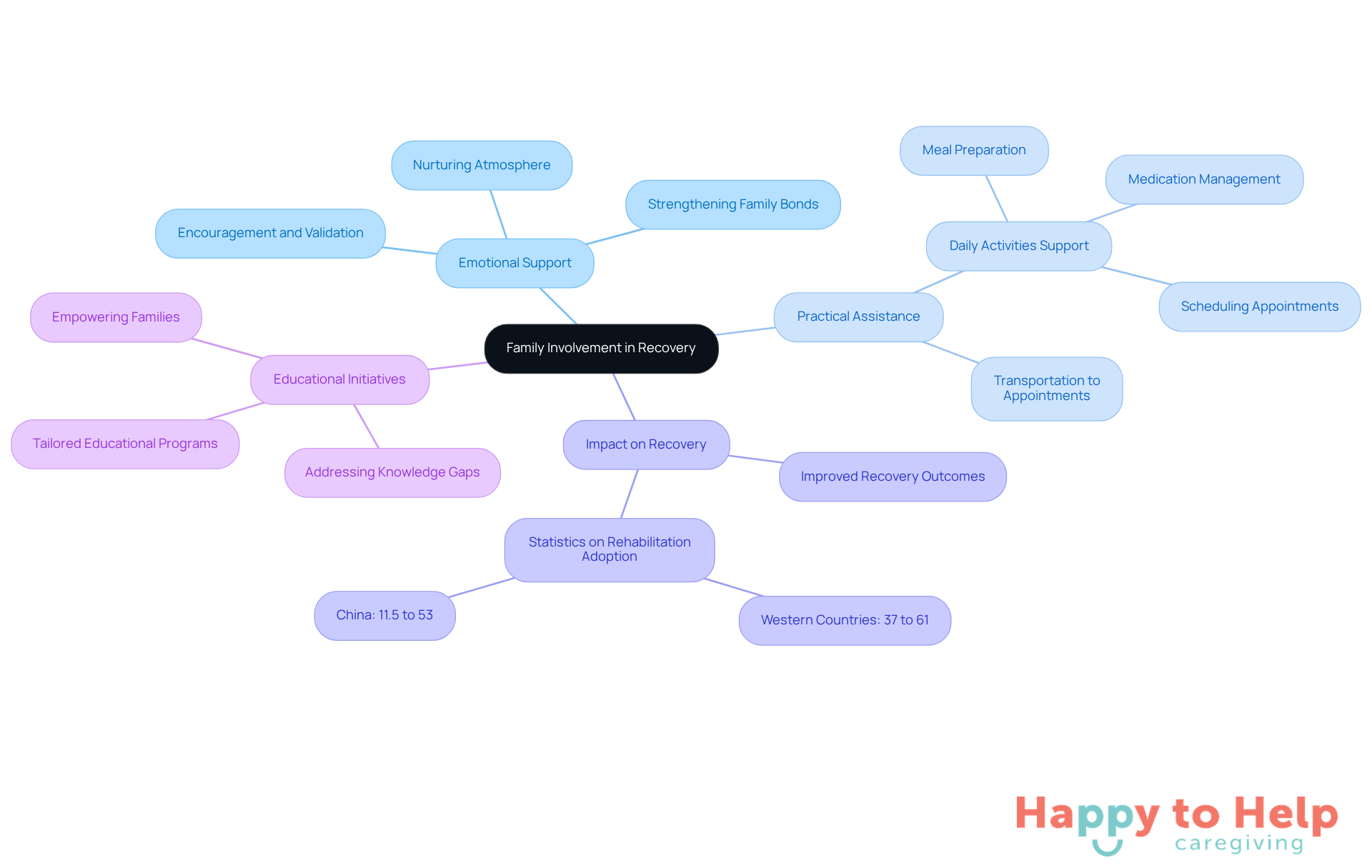
Families play a vital role by providing emotional support and practical assistance with daily activities. This involvement creates a nurturing atmosphere that encourages individuals recovering from a brain injury to actively engage in their rehabilitation journey. As one caregiver noted, "The support of family makes all the difference; it transforms the recovery experience into a journey we share together."
To enhance rehabilitation outcomes, it is essential to increase family participation. Studies indicate that heightened family involvement leads to improved recovery results, enabling survivors to regain their independence and enhance their quality of life. Statistics reveal that rehabilitation adoption rates for cerebrovascular incidents in Western nations vary from 37% to 61%, highlighting the differing levels of family involvement and its crucial role in effective recovery.
Addressing the gaps in understanding rehabilitation procedures among family members is vital. Educational initiatives can empower families, reinforcing the case for their participation in the recovery process. By fostering a collaborative approach, caregivers can strengthen family bonds and create a sense of community and shared purpose.
Emotional Support: Prioritizing Mental Well-Being
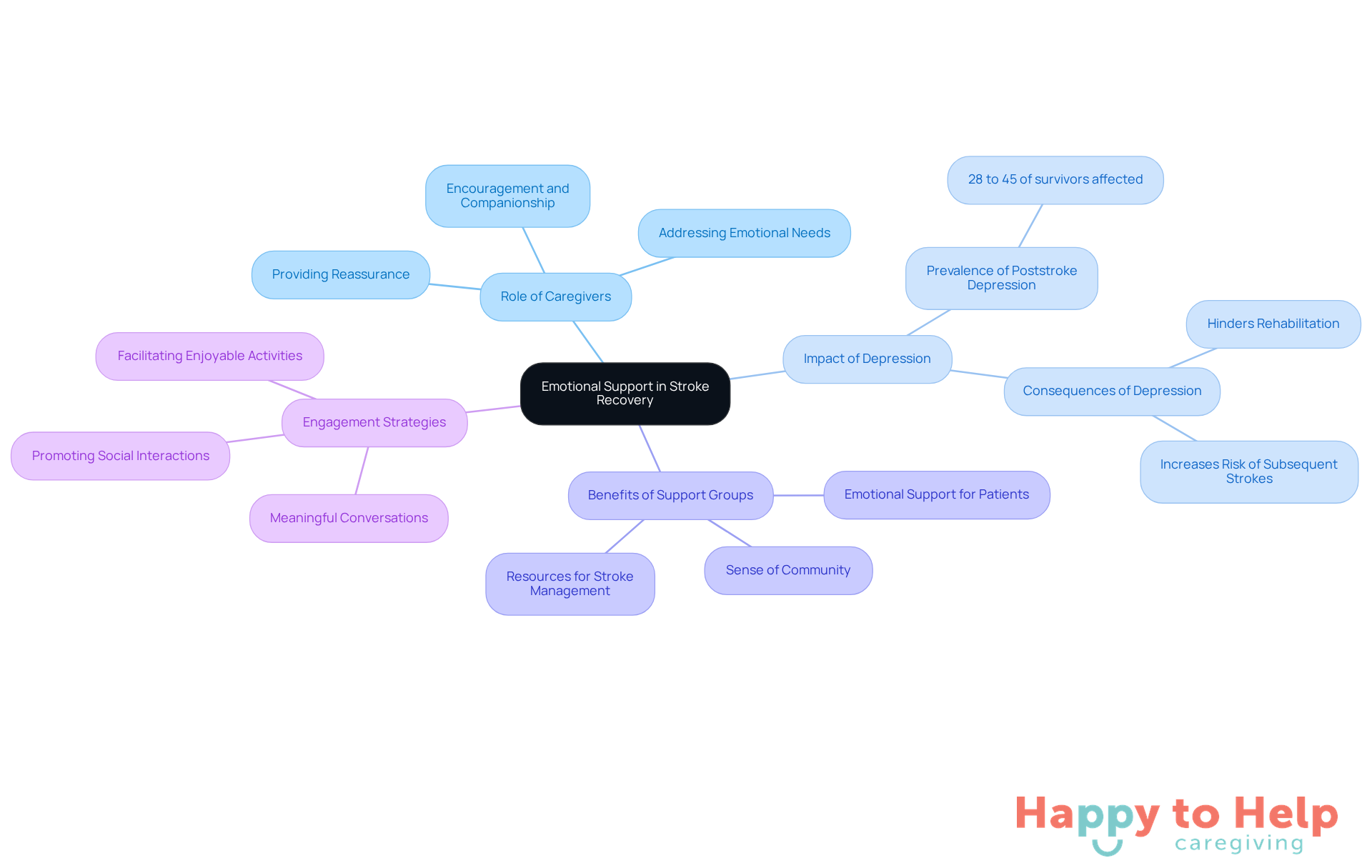
Emotional support is one of the best things for stroke recovery, as it plays a critical role in the mental well-being of individuals recovering from a stroke and significantly impacts their recovery outcomes. Caregivers face the challenge of providing this essential support, which includes reassurance, encouragement, and companionship. Without adequate emotional support, clients may struggle with the emotional hurdles that often arise during rehabilitation.
Research shows that poststroke depression affects 28% to 45% of survivors, underscoring the urgent need for effective emotional support. Those who receive strong emotional backing tend to have better recovery paths, as the best things for stroke recovery include creating a positive emotional environment that can alleviate common feelings of anxiety and depression. Caregivers can address this issue by actively engaging clients in meaningful conversations, promoting social interactions, and facilitating enjoyable activities.
Support groups also serve as valuable resources, offering a sense of community for both survivors and caregivers. This approach fosters inclusion and enhances the overall recovery journey. Caregivers must remain attuned to the emotional needs of those they assist. As Walaa Khazaal notes, depression can severely hinder rehabilitation, leading to limitations in daily activities and increased risks of subsequent strokes. Therefore, caregivers should be proactive in providing emotional support, as it is one of the best things for stroke recovery to improve outcomes.
Flexible Scheduling: Easing Caregiver Burden
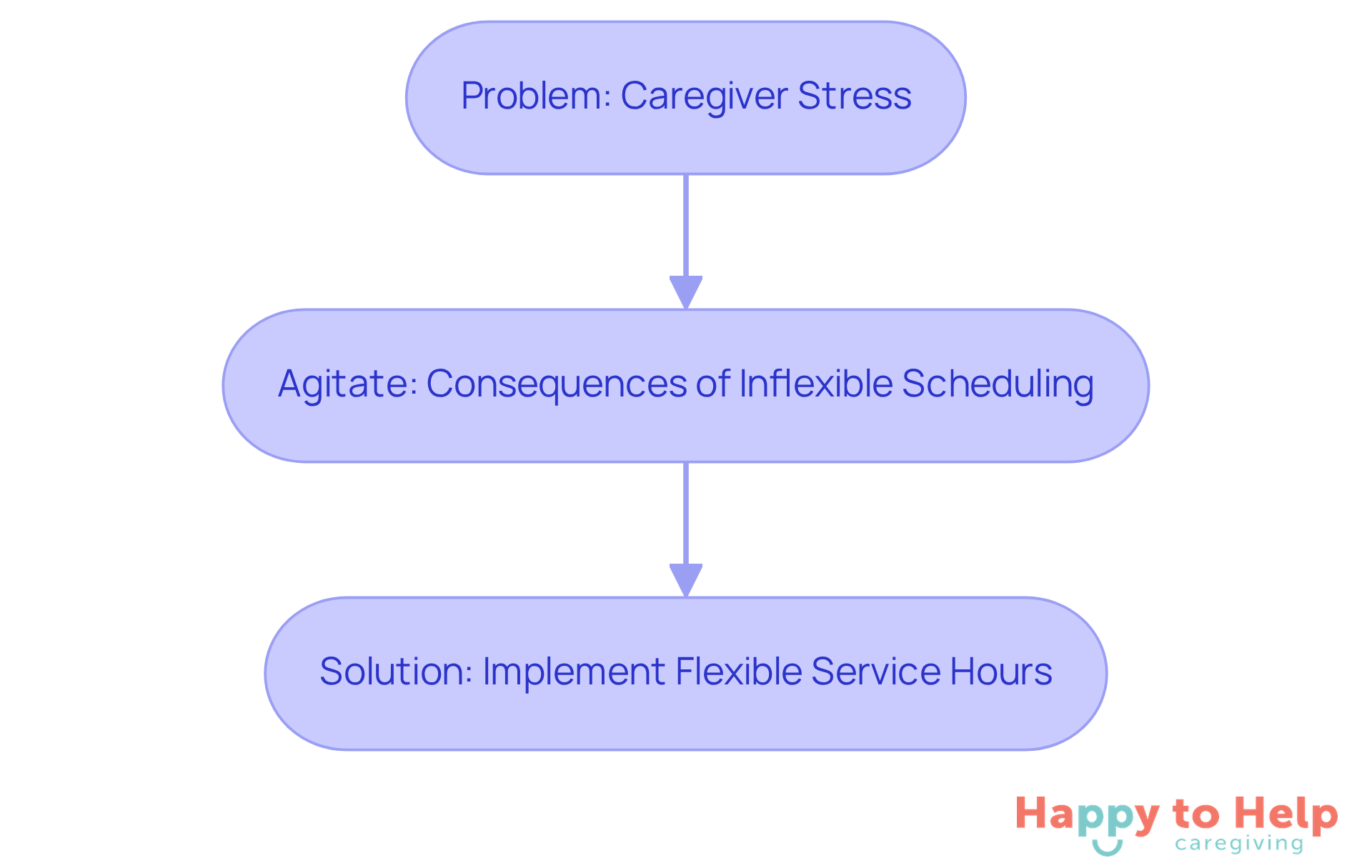
Problem: Caregivers often face significant stress while providing support to stroke survivors. This stress can hinder their ability to offer effective assistance, ultimately impacting the recovery of those they care for.
Agitate: Without adjustable scheduling, caregivers may struggle to meet the unique needs of their clients. This can lead to burnout and decreased satisfaction for both parties. Studies indicate that individuals who have control over their schedules experience less stress, which is crucial for maintaining high-quality patient support. For stroke survivors, having assistance tailored to their specific needs, which includes the best things for stroke recovery like preferred times for help with daily tasks, can greatly enhance their recovery experience.
Solution: Implementing flexible service hours is essential. By allowing caregivers to adjust their schedules, they can provide better support and foster stronger relationships with their clients. This collaborative approach not only enhances communication but also creates a more harmonious caregiving environment. Caregivers can engage in activities that promote well-being and independence, ultimately benefiting both themselves and the stroke survivors they assist.
Incorporating adaptable care hours is vital for improving the best things for stroke recovery for individuals affected by brain injuries, ensuring that caregivers feel supported and appreciated in their roles.
Ongoing Caregiver Training: Ensuring Effective Support
Problem: Continuous training for caregivers is essential for providing effective support to stroke survivors. Without regular training, caregivers may lack the latest techniques and knowledge needed to meet the evolving needs of their clients.
Agitate: Research shows that caregivers who engage in ongoing education are significantly better equipped to manage complex care tasks. This gap in training can lead to poorer quality of care, ultimately affecting recovery outcomes for stroke survivors. For instance, studies reveal that:
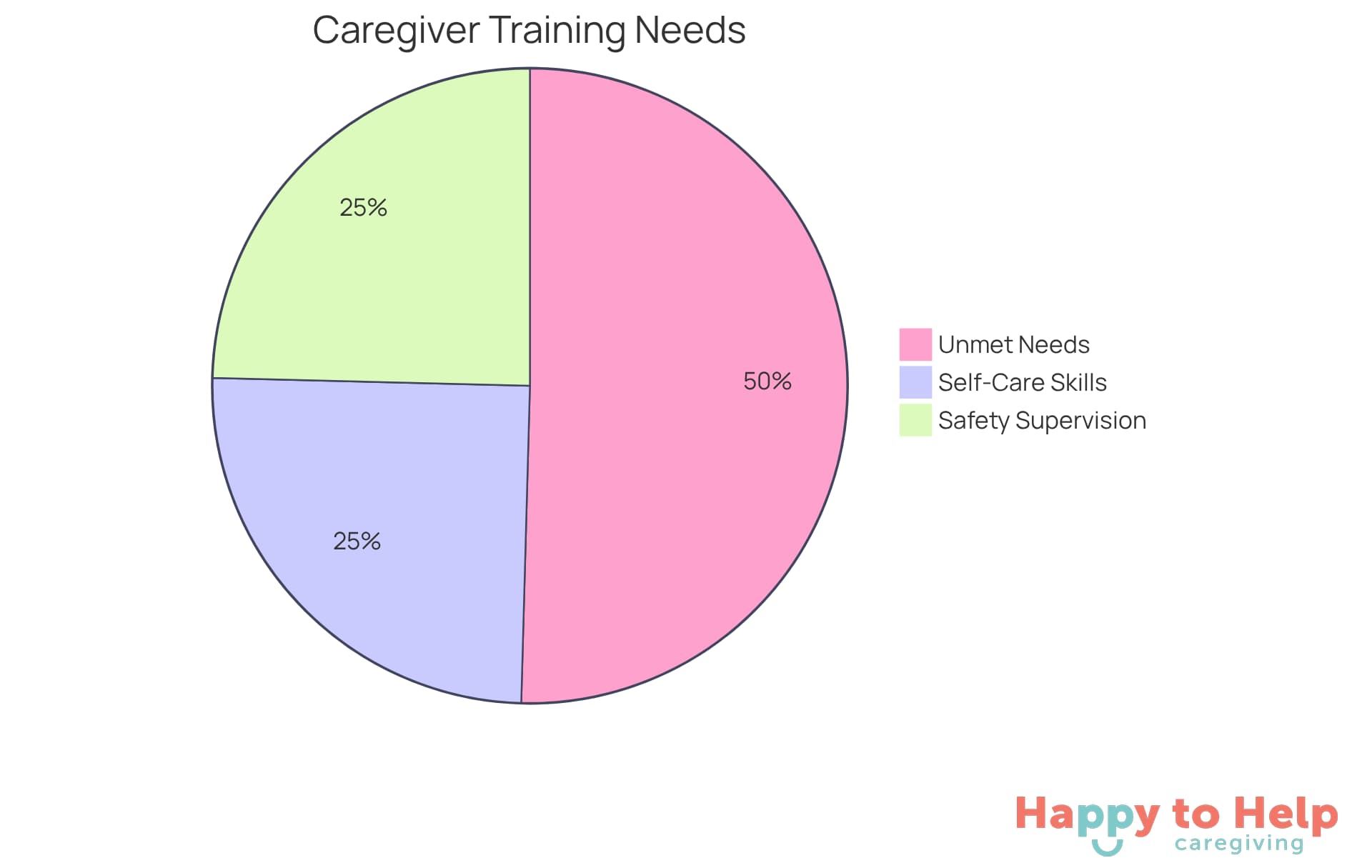
- 42.3% of caregivers feel they need safety supervision training
- 42.9% require training in self-care skills
- Alarmingly, 86.7% of caregivers report that their training needs are not fully met, underscoring the urgent need for continuous education.
Solution: To address these challenges, prioritizing ongoing education for caregivers is crucial. As one healthcare expert noted, "Education and training of family support providers have been linked to decreased burden on providers and enhanced results for those receiving care." By investing in regular training sessions, caregivers can enhance their skills and ensure they are well-prepared to support stroke survivors effectively, learning the best things for stroke recovery and fostering a more conducive environment for healing.
Making the Right Choice
The journey of stroke recovery presents significant challenges for caregivers, who often face the daunting task of providing adequate support. Without personalized care and emotional backing, stroke survivors may experience feelings of isolation and hindered recovery. This situation not only affects the survivors but also places immense pressure on caregivers, leading to burnout and decreased effectiveness in their roles.
To address these challenges, caregivers must prioritize:
- Personalized care
- Emotional support
- Active family involvement
Tailored care plans that consider the unique needs of stroke survivors can significantly enhance recovery outcomes. Ongoing caregiver training is essential, equipping them with the skills needed to navigate the complexities of stroke recovery effectively.
Key insights reveal the importance of:
- Companionship in alleviating feelings of isolation
- Respite care to prevent caregiver burnout
- The role of technology in facilitating communication and care coordination
Each of these elements contributes to a holistic approach that prioritizes not only the physical rehabilitation of stroke survivors but also their emotional and psychological well-being.
Implementing best practices for stroke recovery is crucial. Caregivers are encouraged to embrace these strategies, fostering an environment that supports independence, dignity, and ongoing engagement in recovery. By committing to these essential tips, caregivers can dramatically improve the quality of life for stroke survivors, paving the way for a more hopeful and empowered recovery journey.
https://iframe.tely.ai/cta/eyJhcnRpY2xlX2lkIjogIjY5MjNhMGM2ZTUyZmU2NjM2Njg4Njc1MCIsICJjb21wYW55X2lkIjogIjY4ZWU1ZGNhNzMxNzYyNTU3ZjNjOTVjMSIsICJpbmRleCI6IG51bGwsICJ0eXBlIjogImFydGljbGUifQ==Frequently Asked Questions
What is Happy to Help Caregiving?
Happy to Help Caregiving is a service that provides personalized post-hospital recovery assistance for individuals recovering from cerebrovascular accidents, addressing the challenges they face during their transition from hospital to home.
Why is personalized post-hospital recovery support important?
Personalized support is crucial because many individuals recovering from strokes struggle with daily activities, medication management, and rehabilitation exercises. Tailored assistance can enhance independence and improve recovery outcomes.
What statistics highlight the need for follow-up support after a cerebrovascular accident?
Recent studies show that only 35.1% of stroke survivors received a six-month assessment, 64% report ongoing difficulties with daily tasks, 60% are left with a disability, and 47% experience anxiety or depression.
How does Happy to Help Caregiving tailor its services?
Happy to Help Caregiving customizes support based on each client's unique recovery goals, adapting their approach to create a comforting environment for clients and their families.
What role does companionship care play in stroke recovery?
Companionship care helps alleviate feelings of isolation during recovery, which can hinder healing. Caregivers engage clients in meaningful conversations and activities to foster connection and enhance morale.
What are some strategies caregivers can use to provide companionship support?
Caregivers can initiate regular conversations, encourage participation in group activities, and provide emotional reassurance to help clients feel valued and understood.
What is caregiver burnout, and why is it a concern?
Caregiver burnout is a significant issue where caregivers experience high stress levels and low overall well-being due to their responsibilities, which can negatively impact the quality of care they provide to stroke survivors.
How can respite care benefit caregivers?
Respite care offers essential breaks for caregivers, allowing them to rest and rejuvenate. This helps them maintain their health and energy, ultimately improving the quality of care they provide to stroke survivors.
What is the dual advantage of respite assistance?
Respite assistance not only revitalizes caregivers but also ensures that stroke survivors receive consistent and compassionate support, contributing to better recovery outcomes.
List of Sources
- Happy to Help Caregiving: Personalized Post-Hospital Recovery Assistance
- Use of Outpatient Rehabilitation Among Adult Stroke Survivors ... (https://cdc.gov/mmwr/volumes/67/wr/mm6720a2.htm)
- Post-stroke care is in crisis as two thirds of survivors don’t get structured support (https://clinicalservicesjournal.com/story/49789/post-stroke-care-is-in-crisis-as-two-thirds-of-survivors-dont-get-structured-sup)
- Nursing homes may be underused in stroke recovery; new research urges better guidelines (https://mcknights.com/news/nursing-homes-may-be-underused-in-stroke-recovery-new-research-urges-better-guidelines)
- Stronger policy, improved recovery: closing gaps in stroke rehabilitation improves lives (https://newsroom.heart.org/news/stronger-policy-improved-recovery-closing-gaps-in-stroke-rehabilitation-improves-lives)
- Students as Tech Ambassadors: Bridging Generations to Support Stroke Survivors (https://nucats.northwestern.edu/about/news/2025/acrross.html)
- Companionship Care: Alleviating Loneliness During Recovery
- Study Finds Social Isolation Common Among Elderly Stroke Survivors and Its Impact on Recovery Outcomes - GeneOnline News (https://geneonline.com/study-finds-social-isolation-common-among-elderly-stroke-survivors-and-its-impact-on-recovery-outcomes)
- Stroke Survivors Experience Elevated Levels of Loneliness: A Multi-Year Analysis of the National Survey for Wales - PMC (https://pmc.ncbi.nlm.nih.gov/articles/PMC8865190)
- Social connection linked to improved health and reduced risk of early death (https://who.int/news/item/30-06-2025-social-connection-linked-to-improved-heath-and-reduced-risk-of-early-death)
- The Impact of Self-Perceived Burden on Loneliness in Stroke Patients: The Mediating Role of Rumination - PMC (https://pmc.ncbi.nlm.nih.gov/articles/PMC12301111)
- Study highlights the emotional and social challenges of stroke recovery (https://news-medical.net/news/20251017/Study-highlights-the-emotional-and-social-challenges-of-stroke-recovery.aspx)
- Respite Care: Supporting Caregivers with Essential Breaks
- The Caregiving Landscape: Data & Insights on the Caregiver Experience in the U.S. (https://caregiveraction.org/caregiver-statistics)
- Respite Care Services: Essential Support for Caregivers (https://esoregon.com/the-benefits-of-respite-care-services-for-caregiver-relief)
- Caregivers and the Importance of Respite Care (https://benedictineliving.org/resources/news/caregivers-and-the-importance-of-respite-care)
- Improving Support for Family Caregivers (https://nationalacademies.org/news/2025/07/improving-support-for-family-caregivers)
- Palliative Support Care: Managing Pain and Comfort
- Underused Palliative Care Could Aid Stroke Survivors (https://jamanetwork.com/journals/jama/fullarticle/2829489)
- ‘Fundamental for all patients’: Exploring the benefits of palliative care for stroke survivors (https://cardiovascularbusiness.com/topics/healthcare-management/healthcare-policy/fundamental-all-patients-exploring-benefits-palliative-care-stroke-survivors)
- Palliative care may improve quality of life for stroke survivors and their family members (https://newsroom.heart.org/news/palliative-care-may-improve-quality-of-life-for-stroke-survivors-and-their-family-members)
- Analyzing Pain Patterns in Stroke Survivors in Outpatient Clinics: A Retrospective, Cross-Sectional, Observational Study - PMC (https://pmc.ncbi.nlm.nih.gov/articles/PMC12276755)
- Palliative Care Integration: AHA Scientific Statement Underscores Importance for Survivors of Stroke | Docwire News (https://docwirenews.com/post/new-american-heart-association-scientific-statement-outlines-importance-of-palliative-care-integration-for-survivors-of-stroke-caregivers)
- Virtual Technology: Enhancing Communication and Care Coordination
- How Technology Can Help Retirees Age in Place (https://kiplinger.com/retirement/how-technology-can-help-retirees-age-in-place)
- Telehealth Interventions to Support Self-Management in Stroke Survivors: A Systematic Review - PMC (https://pmc.ncbi.nlm.nih.gov/articles/PMC8071480)
- Technology and Caregiving: Emerging Interventions and Directions for Research - PMC (https://pmc.ncbi.nlm.nih.gov/articles/PMC7019659)
- The Impact of Telehealth Services on Parent Confidence | Advanced Autism Services (https://advancedautism.com/post/the-impact-of-telehealth-services-on-parent-confidence)
- Telehealth Statistics (https://mastermindbehavior.com/post/telehealth-statistics)
- Tailored Care Plans: Meeting Unique Recovery Needs
- Care Management Strategy Improves Lives of Stroke Patients (https://healthcatalyst.com/learn/success-stories/post-stroke-care-program-saves-and-improves-lives)
- New policy statement highlights major gaps in U.S stroke rehabilitation and urges better care (https://news-medical.net/news/20250805/New-policy-statement-highlights-major-gaps-in-US-stroke-rehabilitation-and-urges-better-care.aspx)
- Community Engagement in Support of Moving Toward Universal Health Coverage (https://tandfonline.com/doi/full/10.1080/23288604.2018.1541497)
- 27 Inspirational Quotes for Caregivers (https://ultimatecareny.com/resources/27-quotes-for-caregivers)
- Improving Access to Stroke Rehabilitation and Recovery: A Policy Statement From the American Heart Association/American Stroke Association | Stroke (https://ahajournals.org/doi/10.1161/STR.0000000000000493)
- Family Involvement: Engaging Loved Ones in Recovery
- Knowledge, attitude, and practice of stroke patients' family members towards stroke rehabilitation: A cross-sectional study (https://sciencedirect.com/science/article/pii/S1052305724006207)
- 27 Inspirational Quotes for Caregivers (https://ultimatecareny.com/resources/27-quotes-for-caregivers)
- 40 Inspirational Quotes for Caregivers - Care Options for Kids (https://careoptionsforkids.com/blog/inspirational-quotes-for-caregivers)
- Caregiving and Family Involvement in Stroke Recovery (https://neurolutions.com/stroke-insights-and-answers/caregiving-and-family-involvement-in-stroke-recovery)
- Caregiver Quotes: 50+ Inspiring Encouragement Quotes for Strength (https://h2hhc.com/blog/inspiring-caregiver-quotes)
- Emotional Support: Prioritizing Mental Well-Being
- Depression and Other Mental Health Diagnoses Increase Mortality Risk After Ischemic Stroke | American Journal of Psychiatry (https://psychiatryonline.org/doi/full/10.1176/appi.ajp.161.6.1090)
- Frontiers | Role of social support in poststroke depression: A meta-analysis (https://frontiersin.org/journals/psychiatry/articles/10.3389/fpsyt.2022.924277/full)
- Why Stroke Support Is Important for Stroke Recovery (https://catholichealthli.org/blog/why-stroke-support-important-stroke-recovery)
- Long-term psychological outcomes following stroke: the OX-CHRONIC study - BMC Neurology (https://bmcneurol.biomedcentral.com/articles/10.1186/s12883-023-03463-5)
- Frontiers | Psychological Complications at 3 Months Following Stroke: Prevalence and Correlates Among Stroke Survivors in Lebanon (https://frontiersin.org/journals/psychology/articles/10.3389/fpsyg.2021.663267/full)
- Flexible Scheduling: Easing Caregiver Burden
- The need for caregiving benefits may have reached a fever pitch (https://hrdive.com/news/sandwich-generation-needs-caregiving-benefits/802864)
- Flexible Scheduling In Healthcare: Benefits For Staff, Patients, And Providers (https://wheniwork.com/blog/flexible-scheduling-in-healthcare)
- Helping Caregivers Thrive With Caregiver Leave, Flexible Work and More (https://adp.com/spark/articles/2025/03/helping-caregivers-thrive-with-caregiver-leave-flexible-work-and-more.aspx)
- Caregiving While Working Calls for Workplace Flexibility (https://aarp.org/pri/topics/work-finances-retirement/employers-workforce/employer-caregiving-survey)
- The Benefits of Flexible Scheduling in Home Care Plans (https://regencyhcs.com/blog/the-benefits-of-flexible-scheduling-in-home-care-plans)
- Ongoing Caregiver Training: Ensuring Effective Support
- Factors associated with receipt of caregiver training among family and unpaid caregivers of people living with dementia (https://sciencedirect.com/science/article/pii/S2667032125000186)
- Perceived Training Needs of the Informal Caregivers of Older Adults: A Cross-Sectional Study - PMC (https://pmc.ncbi.nlm.nih.gov/articles/PMC11641250)
- 2021 Caregiver Survey Results | CareAcademy (https://careacademy.com/caregiver-education)
- Caregiver Statistics: Health, Technology, and Caregiving Resources (https://caregiver.org/resource/caregiver-statistics-health-technology-and-caregiving-resources)
- Stronger policy, improved recovery: closing gaps in stroke rehabilitation improves lives (https://newsroom.heart.org/news/stronger-policy-improved-recovery-closing-gaps-in-stroke-rehabilitation-improves-lives)